Per Kirkeby Paris Solo Exhibition
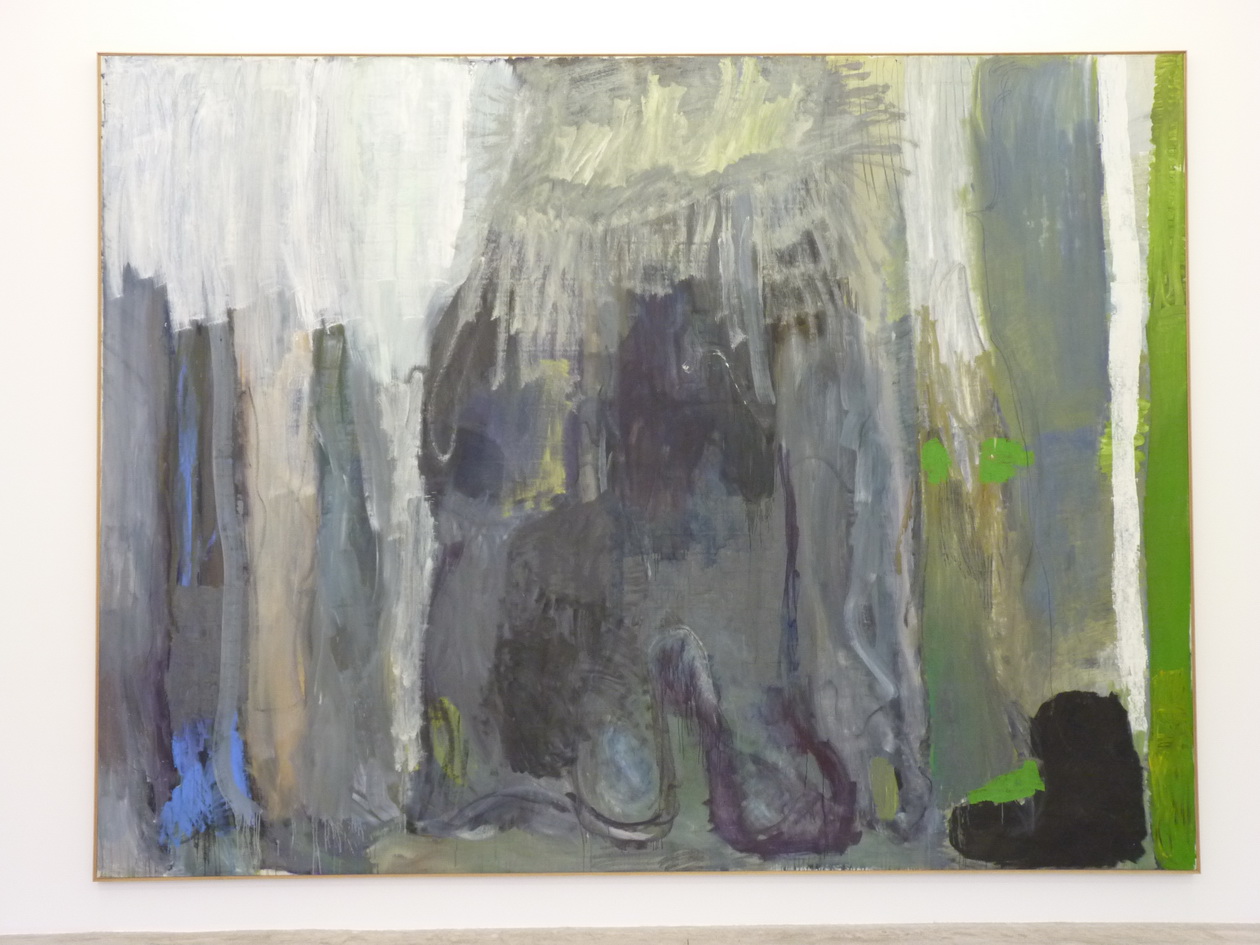
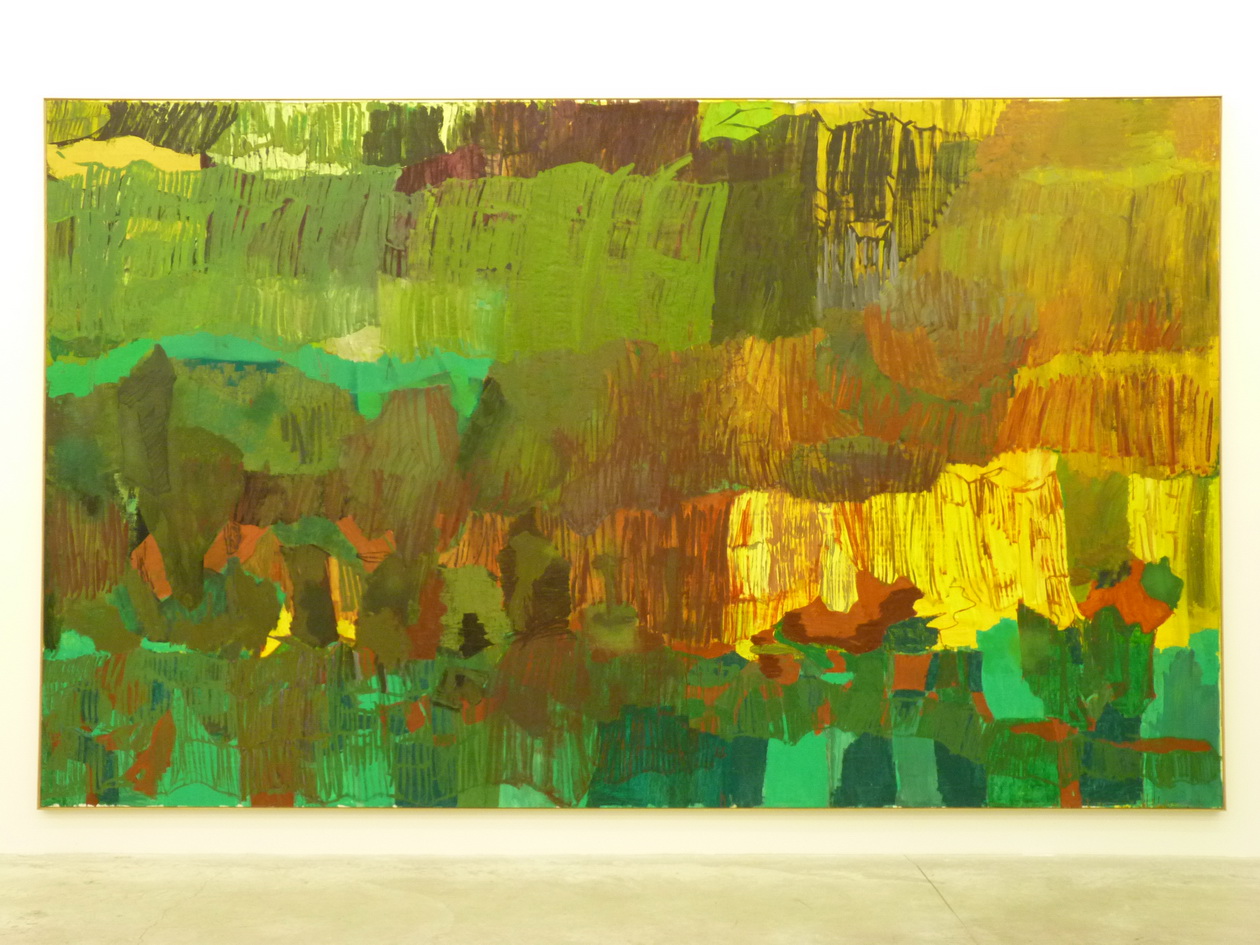
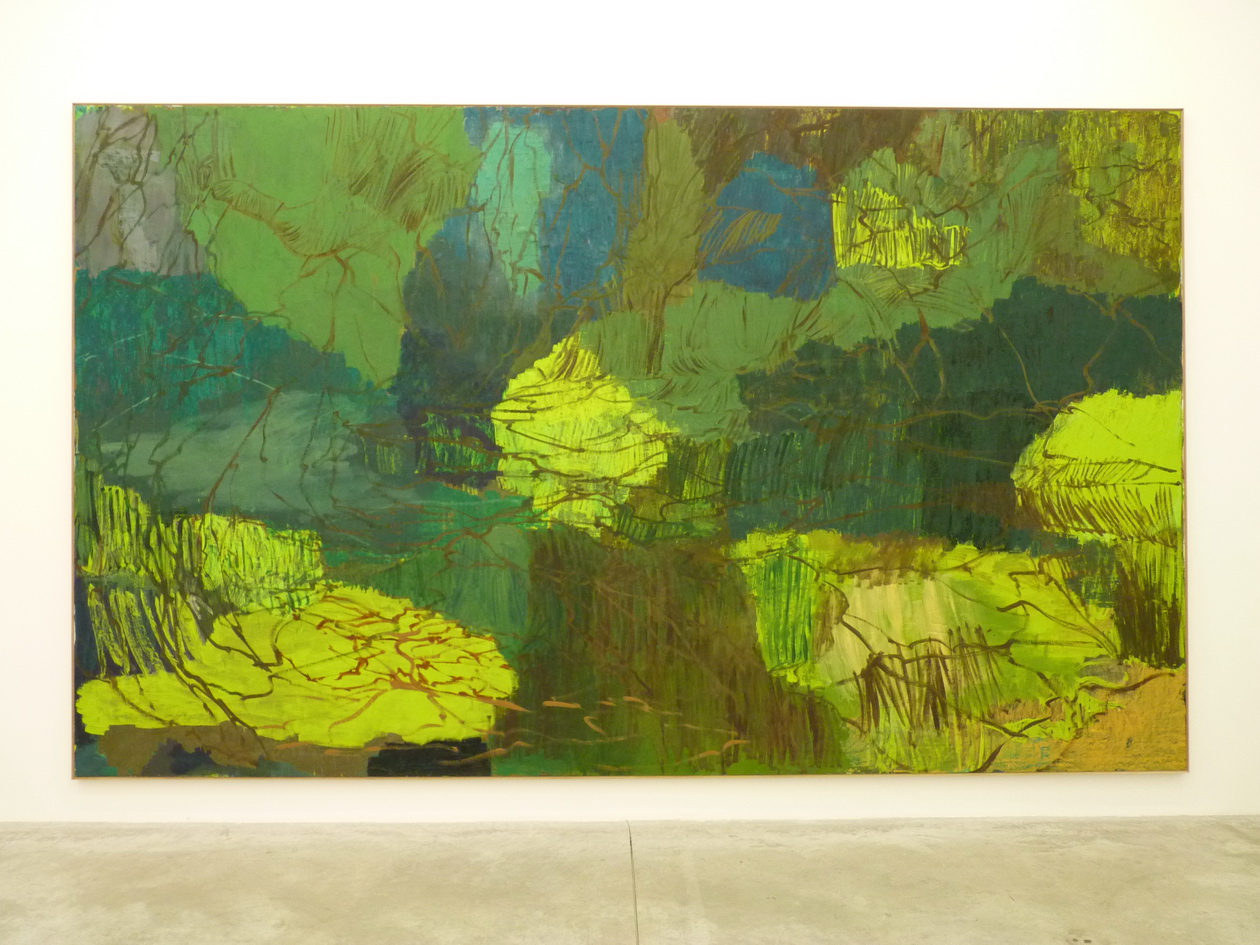
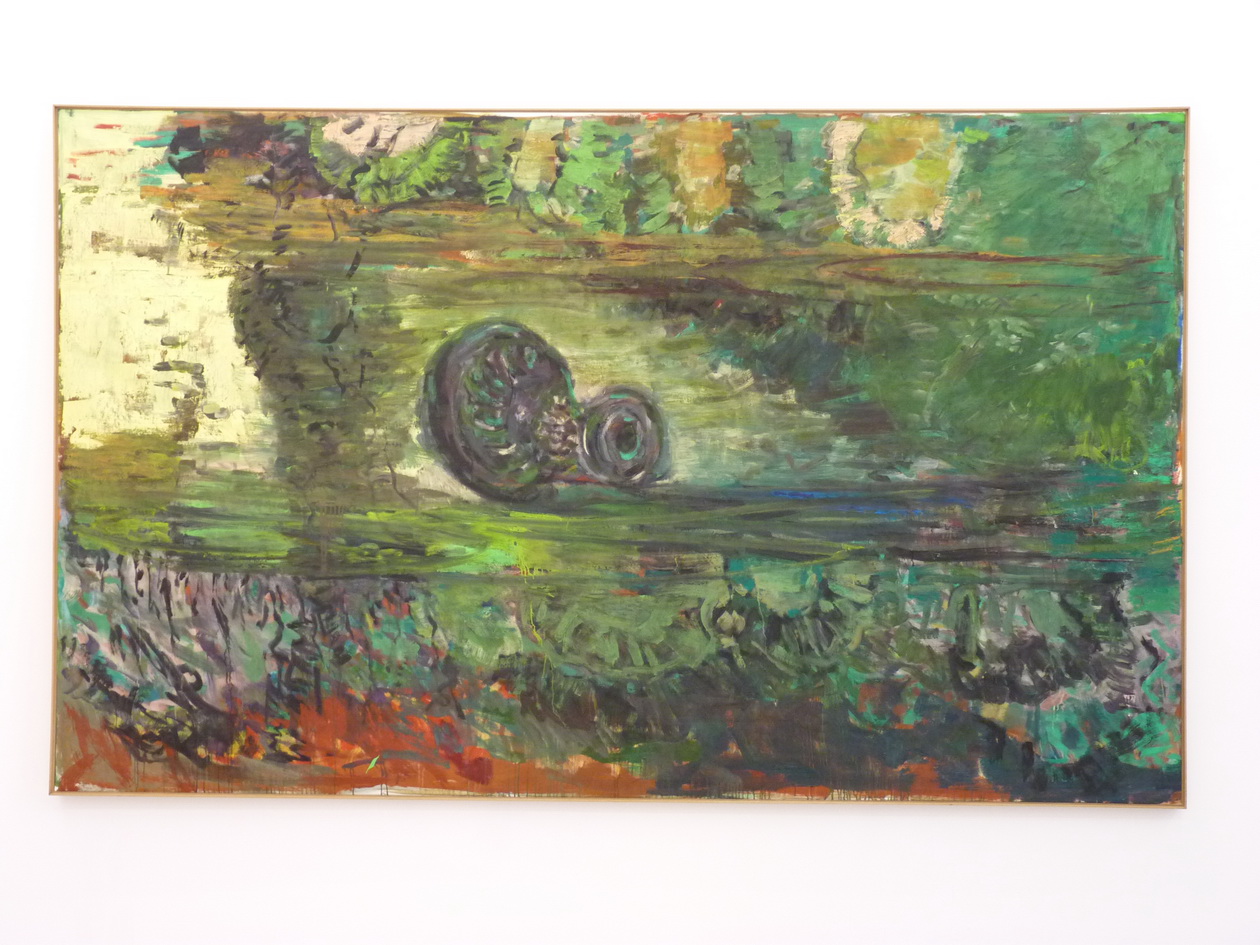
Per Kirkeby Untitled 1985 300x450cm oil on canvas
Text and photos by Chen Chi-Hsiang. Venue: Almin Rech Gallery. Dates: March 3 to April 14.
"The foundation of artistic creation is observation and recording."
Kirkeby
Per Kirkeby (1938–2018) was one of the most representative Nordic abstract expressionist painters, sculptors, filmmakers, poets, and writers. I visited his solo exhibition at a Paris gallery last month. While writing this article on viewing art in Paris, I realized that this unclassifiable artist’s work followed his heart, tirelessly depicting the beauty of the world. He passed away on May 9 at age 80 in his hometown of Copenhagen, Denmark. From afar, I look to the horizon—bowing to the artist with highest respect.
Kirkeby became fascinated with art at a young age. He studied at the Experimental Art School in Copenhagen and had a particular interest in geology. In 1964, he obtained his PhD in geology and held his first solo exhibition (resembling collage) that same year. In 1966, he participated in performances by Joseph Beuys and Günther Uecker in Germany; the following year, he joined Nam June Paik’s performance. Deeply influenced by them, conceptual art, however, could not satisfy him. Since discovering Schwitters’ magnificent expressionist landscapes in 1961, he never abandoned this ancient form of painting. He needed an instinctive, emotional language of painting. The artist said: "I am an old-school painter, obeying and relying on perception and what is seen, like the light surrounding it. Furthermore, my paintings change according to the seasons; autumn landscapes or summer light create different paintings" (Note 1).
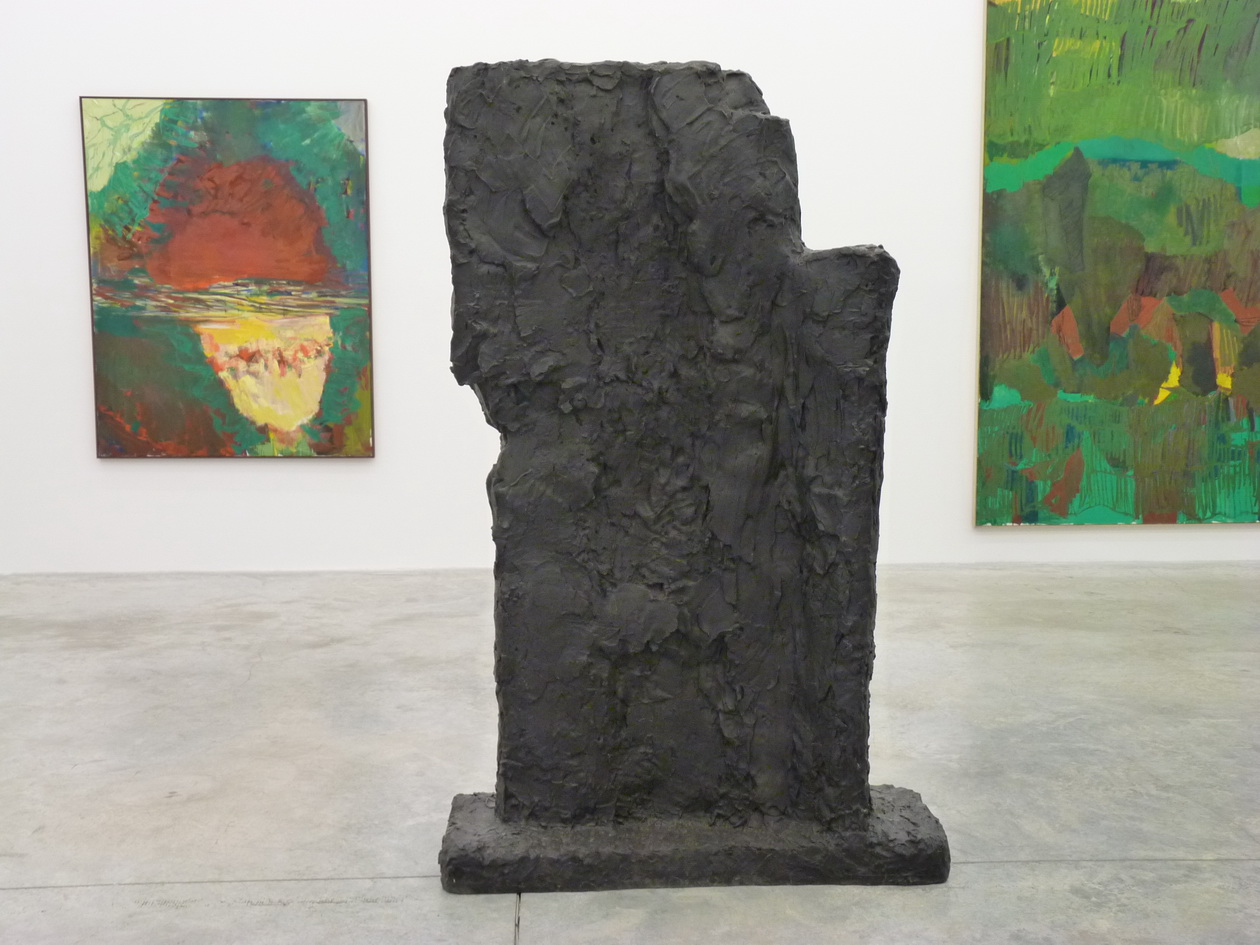
In the 1970s, he prominently featured abstract expressionist landscapes in his work and later developed unique architectural structures—brick sculptures. In 1976, he represented Denmark at the Venice Biennale. During the 1980s, he closely associated with major German artists such as Georg Baselitz, Markus Lüpertz, A.R. Penck, Jörg Immendorff, and Anselm Kiefer. Under the storm of German Neo-Expressionism, the artist followed a rational transformation of nature, exploring natural perspectives leaning toward abstraction. New forms seemed to emerge from the chaos of color, establishing his abstract expressionist style. In subtle tones, he emphasized the texture of color and emotional brushstrokes, transforming rich emotions based on the contrast of brightness and color power. His textured, tactile paintings also revealed his thick, rough carvings, whose surfaces evoked petrified tree bark or certain geological formations; these rough forms served as the beauty of aggregates.
The artist was greatly influenced by geological studies, which led him to place nature at the center of his artistic creation. His works are difficult to classify, revolving around themes of landscape, sedimentation, and layering, establishing an intimate dialogue between nature and abstraction, and between landscape and architecture (Note 2). He participated in the 7th and 9th Documenta exhibitions in Kassel, Germany, during the 1980s.
From the 1990s to the present, Kirkeby’s works have been filled with diverse manifestations of nature and geology. Abstraction and rich colors intertwine, shaping the intensity of color through tension between rough brushstroke traces. Strong contrasts of light and dark, along with layered colors, release mysterious light. Traces of overlaid landscapes embody endless space and certain magical signs of nature, such as scenery, minerals, plants, rocks, and geology, concurrently expressing lyrical emotion and poetic temperament. The artist believes that even when covered by several layers of material, he still "relies on what is seen and perceived" (Note 3). Regarding the essential abstract nature of his work, he stated: "As long as I can explain why something is in a certain place in my painting, I think that is bad. It must be discarded, and let it become a mystery..." (Note 4). He tells people that his works are mysterious, felt but ineffable.
He redefines what he paints through layered forms and colors, using color and light to express chaos, and freeing himself from the chaos emerging from form, further understanding its harmony. His highly structured compositions evoke the distant past of geologists. Nature remains merely a feeling, a light—essential. Artist Kirkeby believed that "the foundation of artistic creation is observation and recording" (Note 5).
Note 1: Kirkeby Wikipedia Note 2: Almin Rech Gallery Kirkeby Solo Exhibition Press Release Introduction Note 3: Kirkeby Wikipedia Note 4: Kirkeby Wikipedia Note 5: Telerama 11/05/2018