June Paris Thoughts
Strong and attractive, allowing people to live full of dreams.
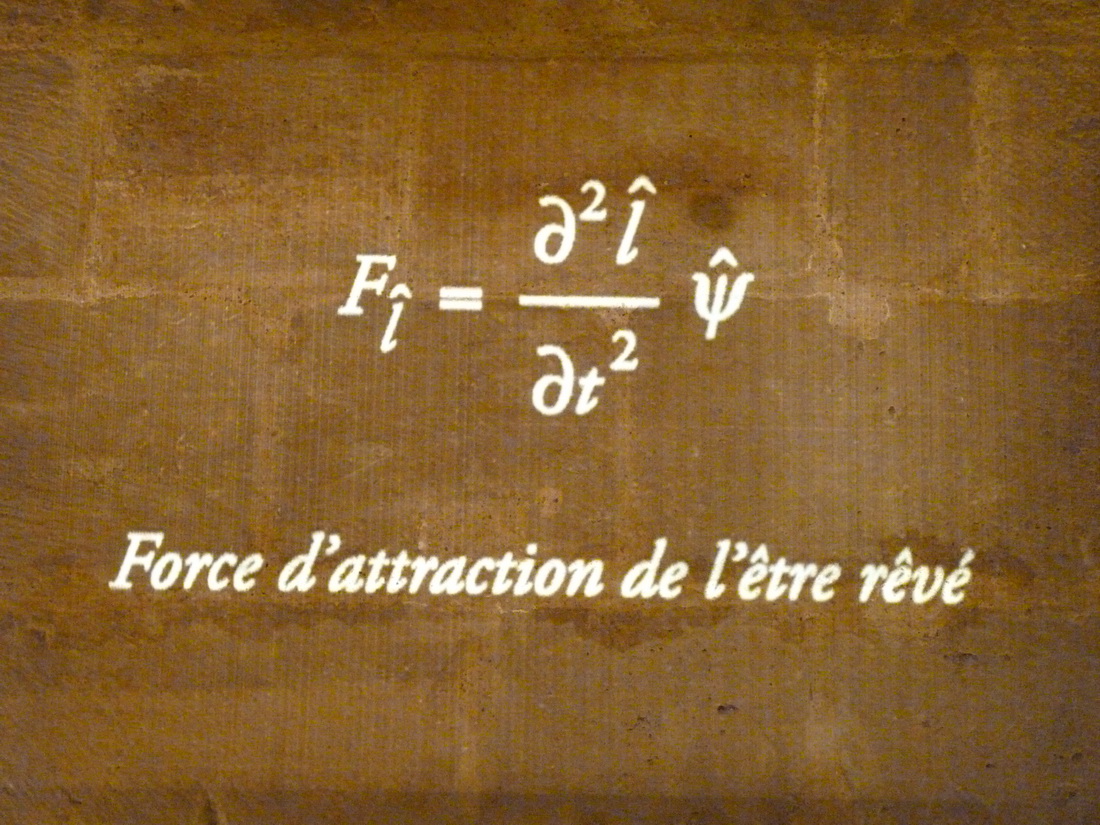
Tomorrow marks the summer solstice. Paris’s spring so far has seemed to pass in intermittent rain and gloom, with few days seeing the sun; even the weather falls into the melancholy of the European debt crisis. As Seth says in the New Age era, the natural environment in life reflects humanity’s inner state. Everything visible now mirrors the factors of human existence, for no other reason: blaming heaven, earth, or others is so easy. If we turn inward, perhaps we will have the chance to clarify how our state of mind reflects our circumstances. A Taiwanese saying goes, “When humans act, Heaven watches.” Cause and effect are not accidental but inevitable.
Weather is beyond human control; what we can control is ourselves. We cannot defy Heaven’s will, only fulfill human intent. Human intent, whether tangible or intangible, soothes Heaven’s will. Those whose minds dance to external conditions often become slaves to their surroundings. Those who dwell peacefully in their hearts naturally find clarity and freedom within, regardless of storms or rustling grass. When the heart remains unmoved, all things remain peaceful and at ease. The heart governs human consciousness; consciousness structures the universe and all things. Objects are created by the mind; circumstances shift with the mind, language changes accordingly.
In May, French politics shifted, with François Hollande of the Socialist Party becoming president. In June, after two rounds of parliamentary elections, the results were finally revealed on Sunday: the left-wing Socialists won a majority, with the Pink Army holding 314 seats, more than half. They won the parliamentary election, entering an unprecedented era of full power (meaning both houses of parliament and central to local governments are under Socialist rule). This is the will of the people. From this, we can see that changes in weather and society, and their contexts, are absolutely related to public opinion and state of mind. Those who wish to change will ultimately do so through willpower. This is not just talk; it is driven by heart and willpower. I sincerely hope that the Socialists, possessing full power, will bring new hope to French society. This is the expectation of the French people.
Every year, after the Cannes Film Festival in France comes the Roland-Garros tennis tournament. Simultaneously, the biennial UEFA European Championship opens in Kyiv, the capital of Ukraine in Eastern Europe. With a series of sporting events taking place, I, crazy about football, am blessed. Soon after comes the French baccalaureate exam. Every year when the summer solstice arrives, it is time for high school students to face this test. Nearly 500,000 candidates took it this year. Amidst the comfortable climate of intermittent rain, the most eye-catching part of the exam was undoubtedly the “Philosophy” paper on the first day. This seems to be a unique feature of the French baccalaureate, with a considerable historical origin dating back to the Napoleonic era. Philosophy serves as intellectual enlightenment for young scholars and an educational process for constructing independent viewpoints, training them to become well-rounded members of society.
French high schools are divided into literature, science, economics and social sciences, music and dance, etc. Each year’s philosophy exam questions are quite brilliant; just reading the prompts is satisfying. Participating in such exams must be even more interesting. This year’s questions generally focused on the relationship between science and humanity: What can work offer us? Are all beliefs opposed to rationality? (Are all beliefs irrational?) – Comment on excerpts from Spinoza’s Traité théologico-politique. Science track: If the State (l'Etat) did not exist, would we be freer? Must we seek truth (la vérité)? Comment on excerpts from Rousseau’s Émile. Economics track: Is the value of work merely in its “utility”? Can desires arising naturally exist? Comment on excerpts from George Berkeley’s De l'obéissance passive. Music and Dance track: To master oneself, must one first understand oneself? When I feel injustice exists, can I learn from it what fairness and justice truly are? Explain a selected passage from Nietzsche. Each year’s exam offers three choices, allowing free expression in essay form, with no absolute standard answers. Such exams are so meaningful; at least, one will remember these philosophical questions for a lifetime, or perhaps engage in even deeper thought. Due to this philosophy exam, countless outstanding French philosophers have been formed indirectly; their influence is imaginable. Looking back at Taiwan’s education, is this something worth learning from?