Vacation First
In France, vacation means either going to the mountains or the sea—Normandy, Blonville sur mer.
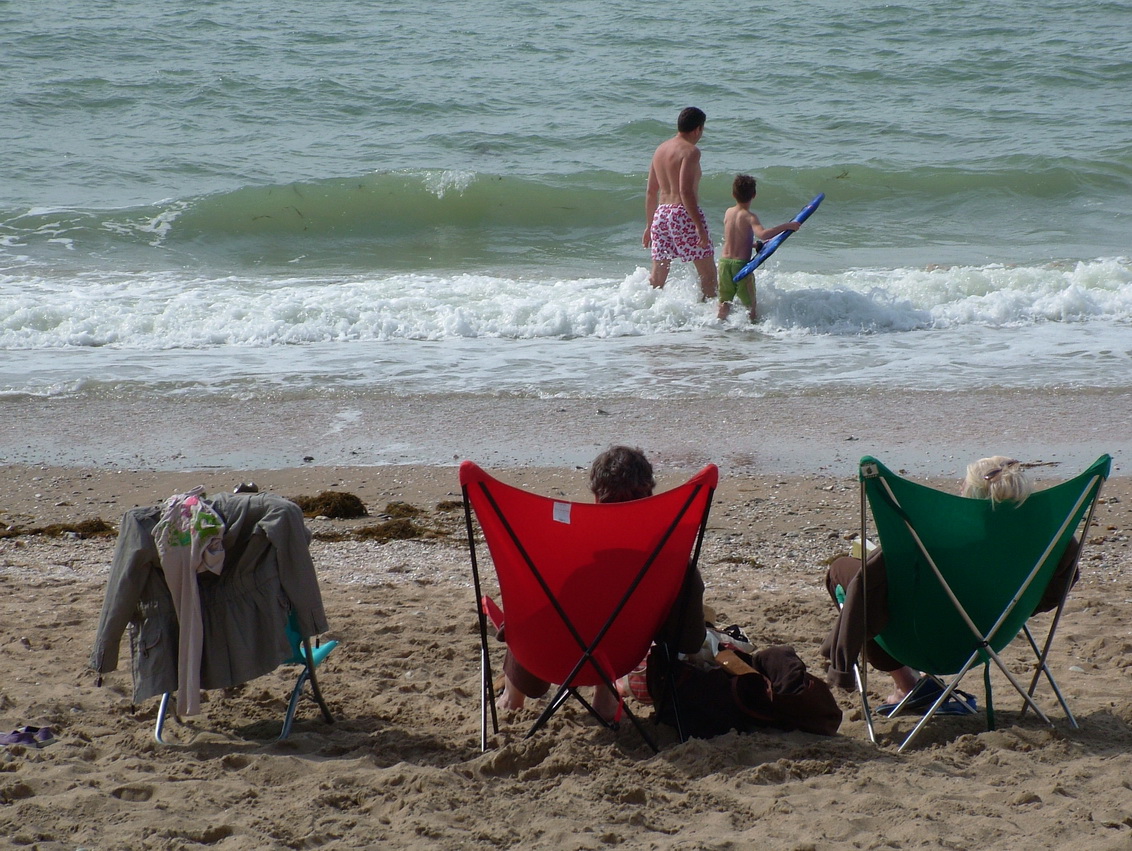
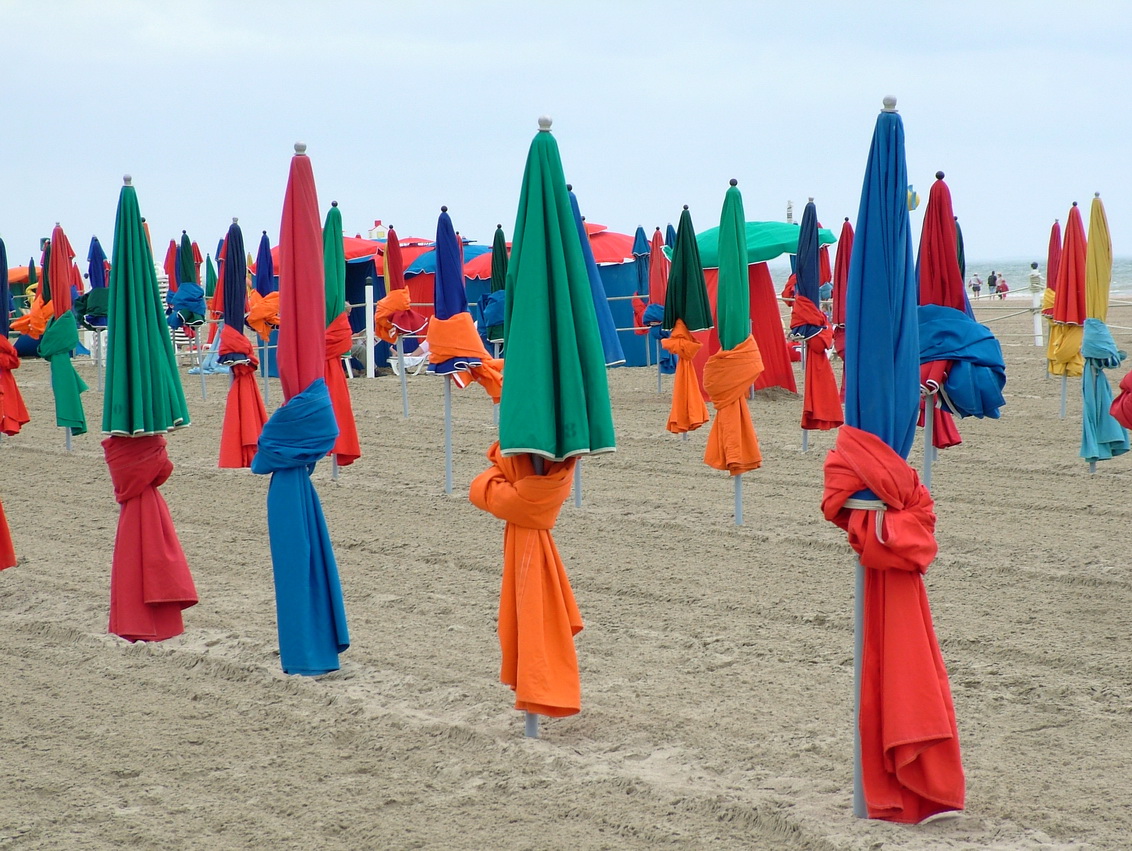
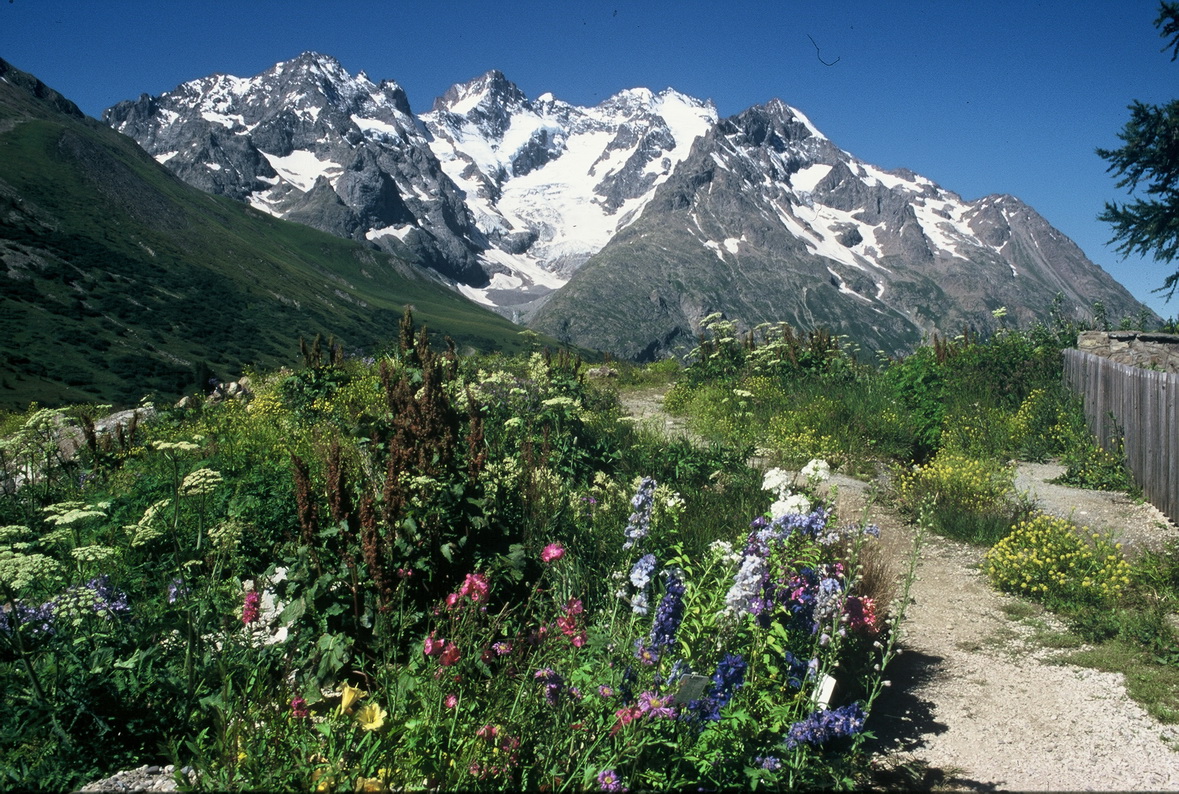
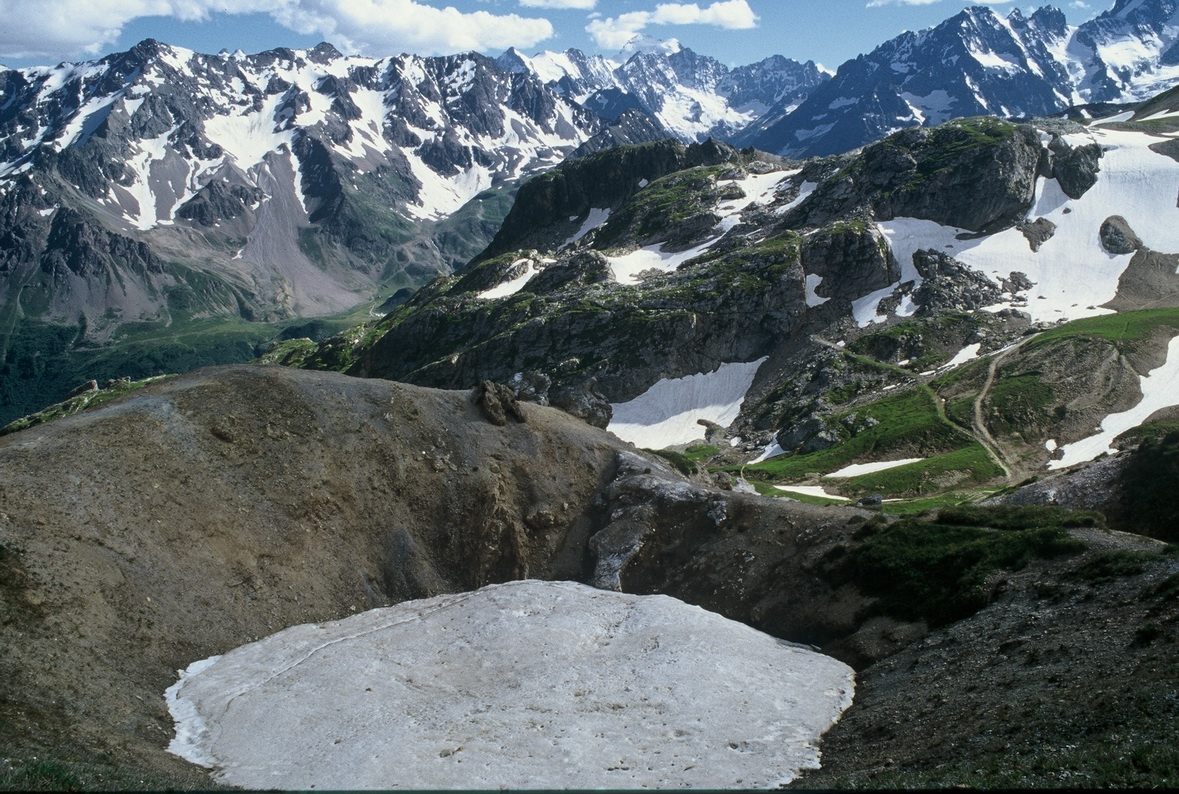
Summer vacation is sacred for the French; July and August are when they leave the city for the mountains or the sea to escape the heat. Whatever happens, they put aside all work, because in French life nothing is more important or sacred than a holiday. Now, the shadow of the European debt crisis deeply covers European countries, and France is no exception. Unemployment rises steadily, prices soar, purchasing power declines, the economy stagnates, and social problems emerge endlessly. These affect the daily economy of the French, shrinking living budgets. Polls show that in recent years, the proportion of people who cannot or lack the ability to fulfill their dream of leaving the city for vacation has surged, and holidays have shortened.
That said, despite the current economic situation, Paris feels somewhat empty in July as people go on vacation. During these two weekends, hundreds of thousands of people flow through major train stations and airports in Paris, and highways out of the city are congested and crowded. Indeed, whether rich or poor, work can wait, but vacation cannot. Regardless, vacation comes first. For the French, vacation is most sacred; the philosophy of "drink today, get drunk today" reflects their view of life.
As the holiday begins, the new government brings new energy, launching the political concept of the "French Meiji." It initiates comprehensive labor-management forums for the first time. Under current globalization, French industry faces policy and strategic issues like all developing nations. To compete in the market, management moves factories offshore or produces abroad, aiming to reduce labor costs, preferably with cheap labor, to increase export value. Of course, workers hope for salary increases or to avoid layoffs. The government mediates to plan reasonable labor-management balance. Although the Socialist Party leans toward socialism, it opens new face-to-face negotiations between labor and management under the possibility of reaching reasonable agreements, maintaining social stability, and ushering in a new climate for the Socialist Party's administration.
This year, France's National Day (July 14) was different due to President François Hollande’s inaugural military parade and national television interview. The parade lacked new intentions compared to past grandeur and drama, but this year carried a new message: emphasizing the blue-helmet peacekeeping forces under the UN (the French contingent stationed on the Lebanon-Israel border led the parade), signaling world peace. However, looking at the turbulent world, peace seems out of reach. With the current European debt crisis, France’s economy has been in negative growth for several years, and unemployment continues to rise. During this holiday period, France’s largest automotive heavy industry, Peugeot-Citroën, announced layoffs of 8,000 across France, causing uproar in public opinion and politics. Air France will also cut 5,000 jobs, Alcatel-Lucent another 5,000, and other large companies follow, excluding smaller firms. Unemployment surges again: 8,000 plus 5,000 plus 5,000, plus surrounding unemployed factories and families. It is understandable that this makes the ruling Socialist new government’s head burn; unemployment is the first scalding potato for the administration.
Naturally, under the current shadow of Southern European debt, after Spain and Italy, will France be the next country to fall into sovereign debt? Major media headlines point out that France is dancing on a volcano. The gloomy future prospects are worse than the scalding potato; there is more to come. Vacation first; what if the sky falls?