Art of the Sixties
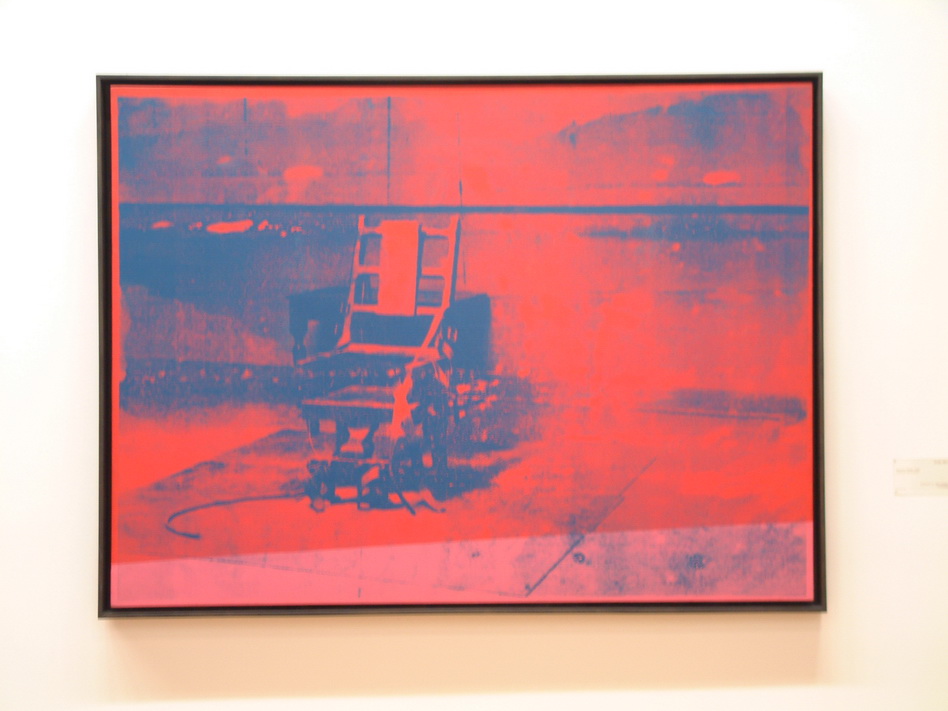
Andy Warhol (1928-87) Electric Chair 1967, Centre Pompidou collection, Paris
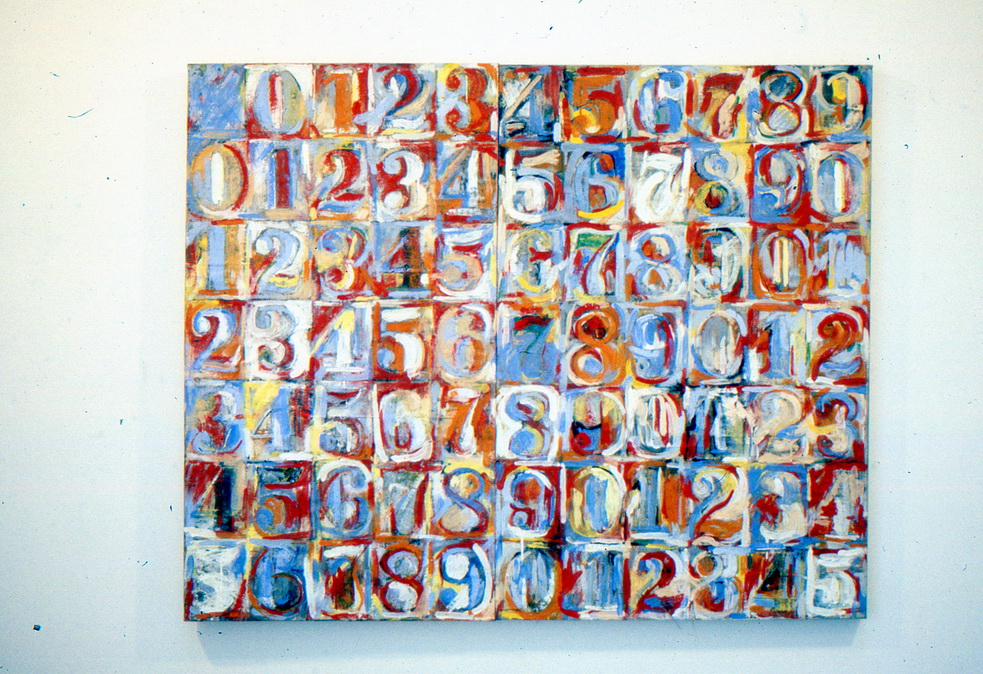

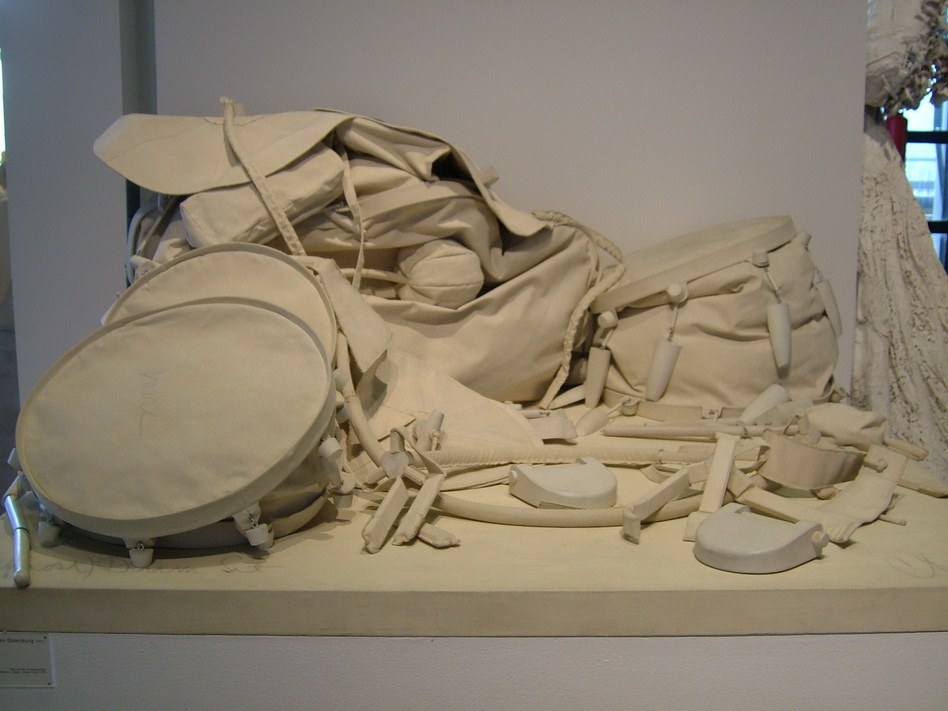
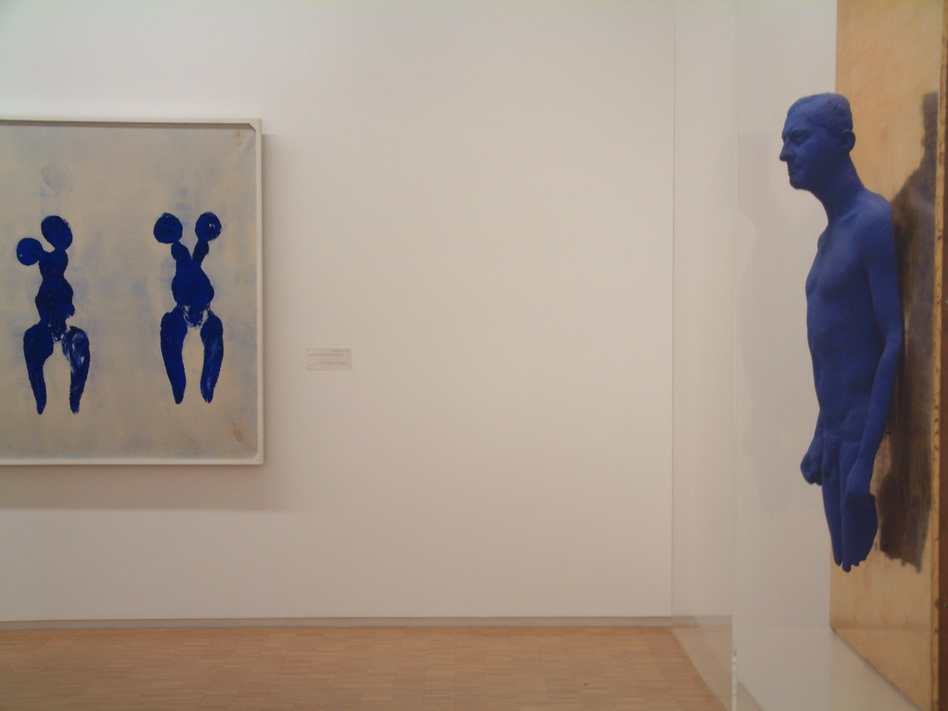
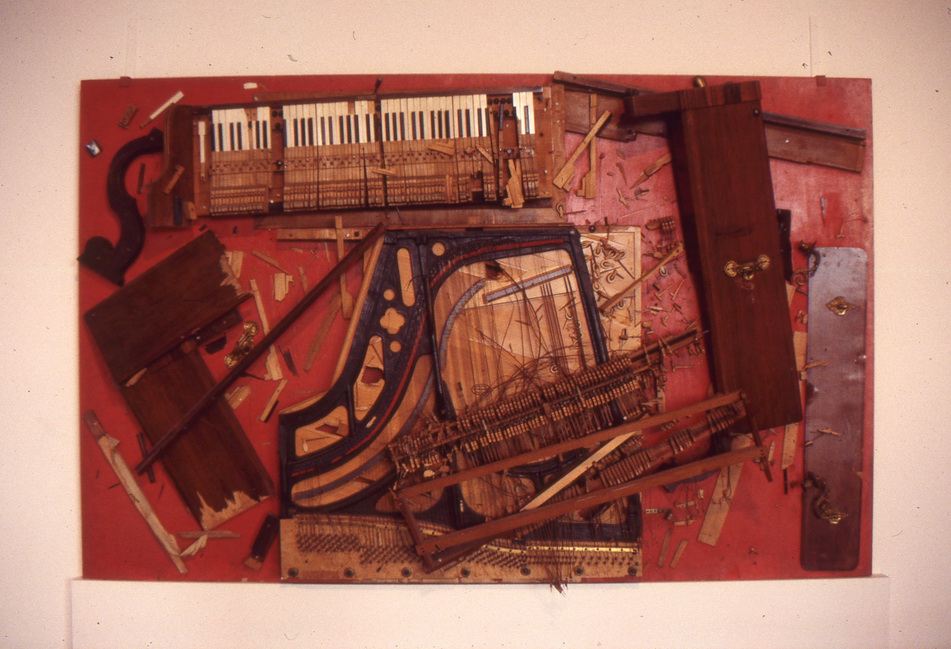
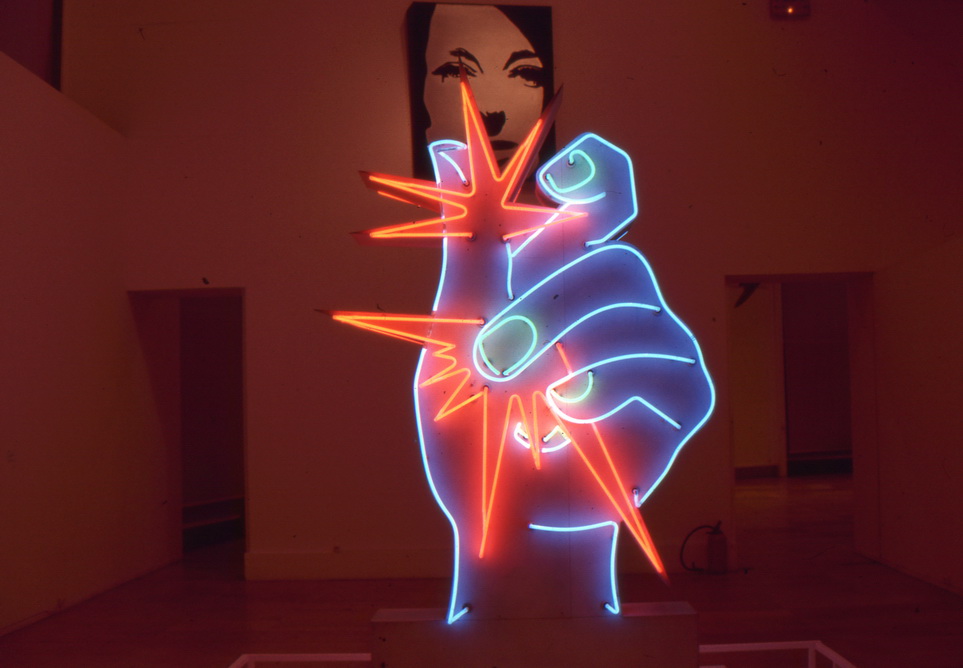
Abstract Expressionism of the 1950s was founded on Surrealism. The Assemblage, Pop Art, and Nouveau Réalisme of the 1960s, however, leaped over metaphysical Surrealism to return to Dada’s sociological engagement with reality. One of Dada’s veterans, Raoul Hausmann, famously stated: “Dada is like a drop of rain falling from the sky, while Neo-Dadaists learn to imitate this fall, but it is no longer a raindrop.” Op Art and Kinetic Art, meanwhile, were discovered within the experiments of the Bauhaus. Minimalism was subsequently influenced by Constructivism, Dada (specifically those aspects considered art that are not art), and late abstract painting. In the years immediately following World War II, various forms of painting and sculpture appeared to offer an escape from the pressures of urban life, serving as well as a protest against the mechanization and dehumanization of existence (perhaps a liberation from post-war psychological trauma). Pop Art believed that the urban environment could still provide constructive experiences (as did French Nouveau Réalisme). New Realist critic Pierre Restany argued: “Art should abandon the old notion that artworks are special things or luxuries enjoyed by individuals. Artists are attempting to create a new language for communication with the public; they reject the ambiguous role of being both pioneers and independent producers. Artists are prepared to undertake their arduous work in future society: the organization of leisure.”
French Nouveau Réalisme: The location of objects.
Anglo-American Pop Art: The representation of objects.
International Fluxus group: The location of objects and life.