Parisian Citizen Gardens
An oasis among urban apartments—citizen vegetable gardens.
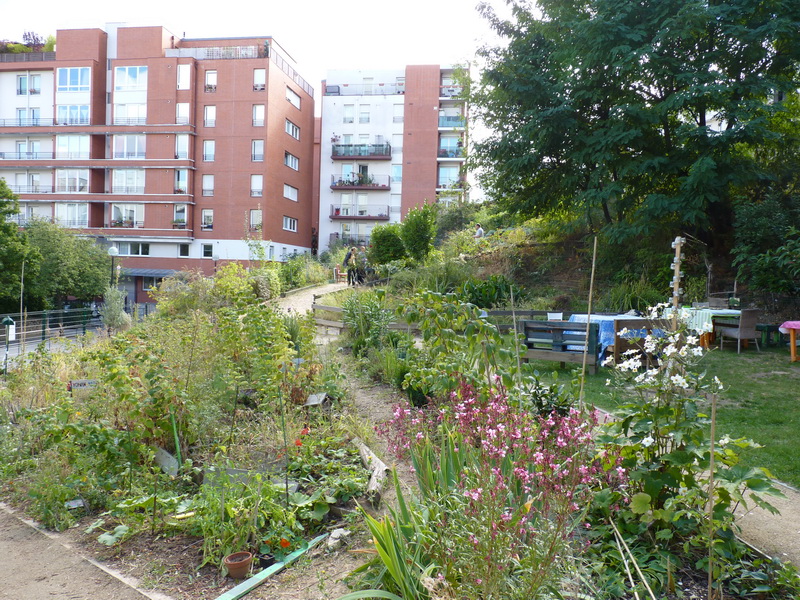
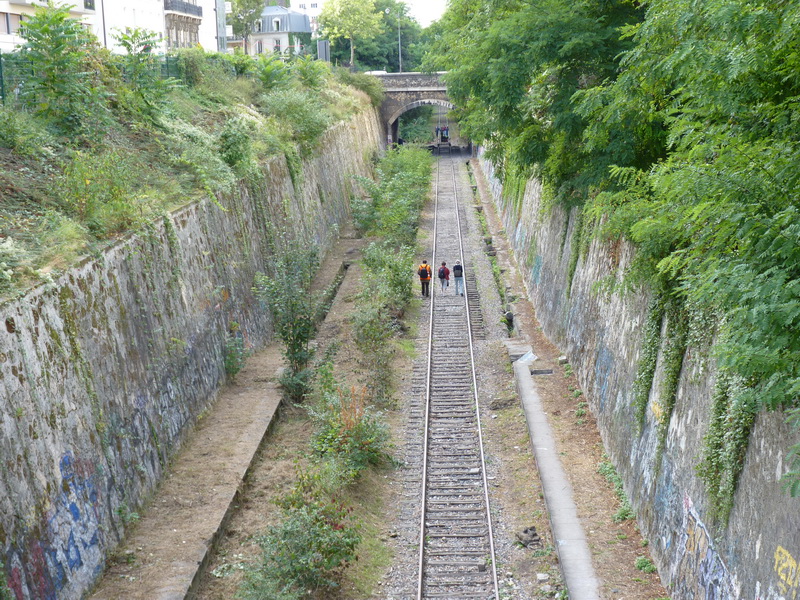
Text and photos by Chen Chi-Hsiang. It is hard to imagine that Paris still has citizen gardens. Only during the Paris Horticultural Festival at the end of last month did I finally get the chance to visit these rare plots in the city. In the last century, such gardens were located on the outskirts of Greater Paris, near factories or storage areas. Today, with skyscrapers everywhere, that era has become history. The metropolis has turned into a forest of concrete walls; factories have moved away, railways have been buried underground, and especially in my district, the 13th arrondissement of Paris, new areas like the library and the Éole district are so modern that they would be unrecognizable on old maps. One can imagine that in such precious land, amidst Paris’s housing shortage and rising real estate values, where could a patch of paradise for citizens to grow flowers and vegetables come from? No one could have imagined that along the Boulevard Périphérique, remnants of an abandoned railway from the last century still exist. Some sections have been replaced by concrete walls, but fortunately, undeveloped areas remain, locked within the city's construction as abandoned spaces waiting to be developed. The storage railway behind my house is one example, proving that marginal spaces do exist.
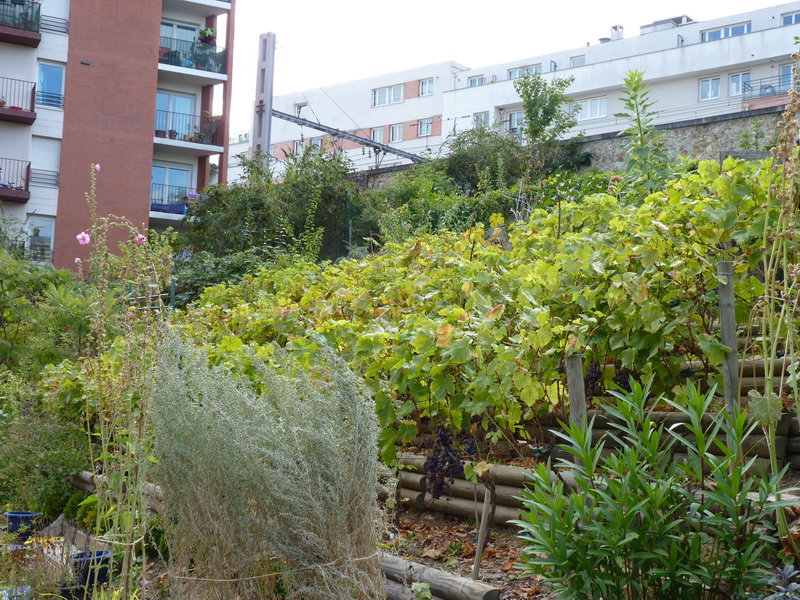
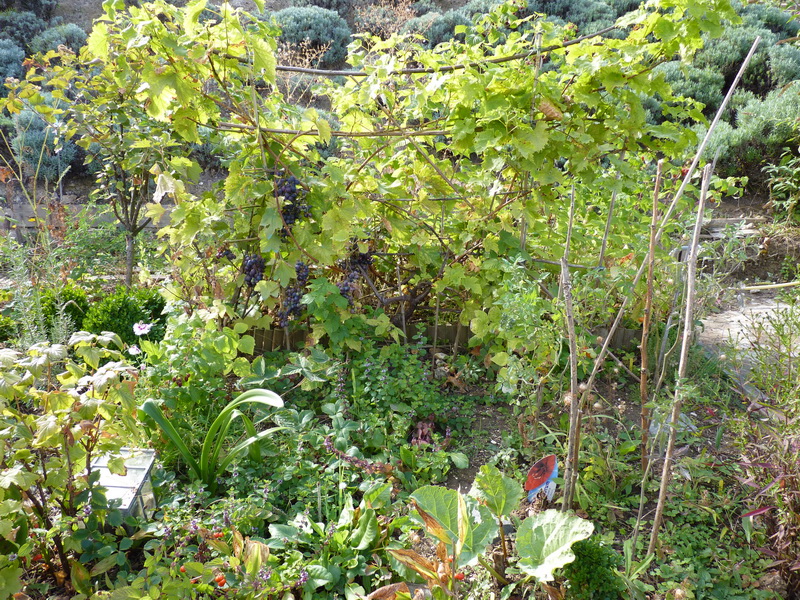
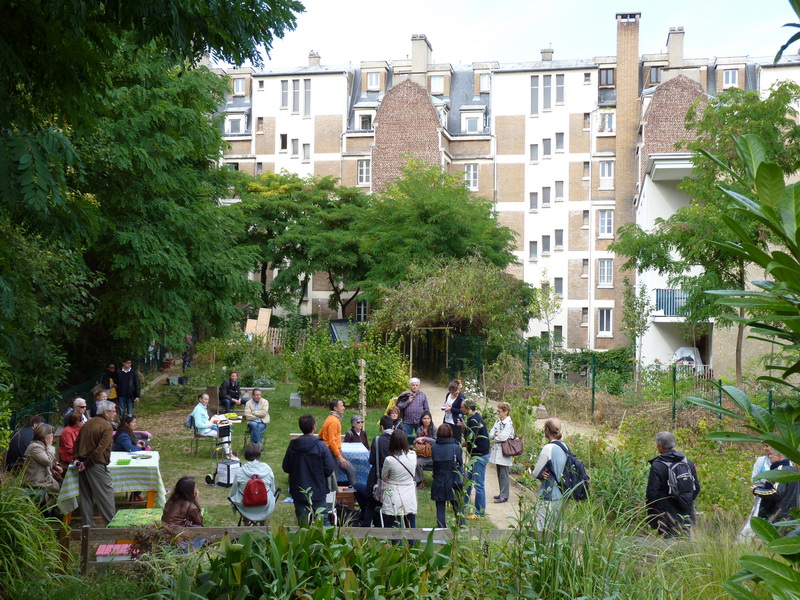
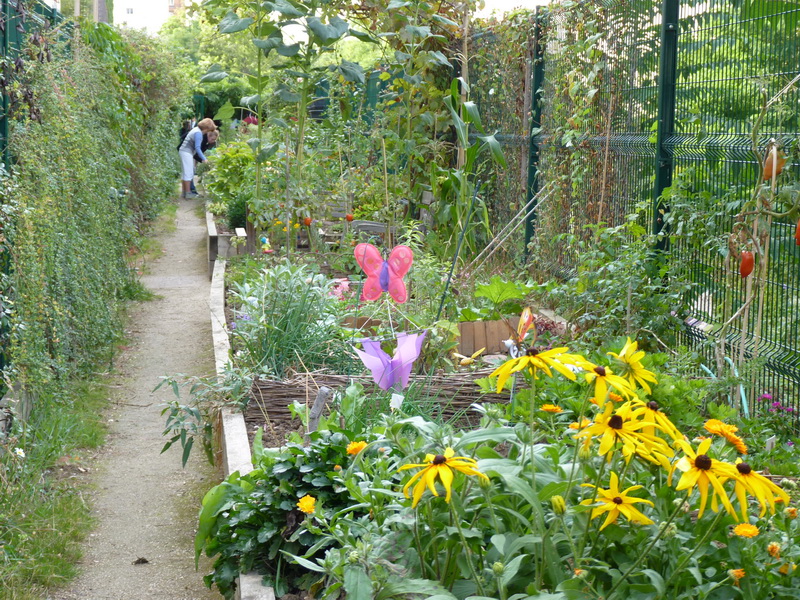
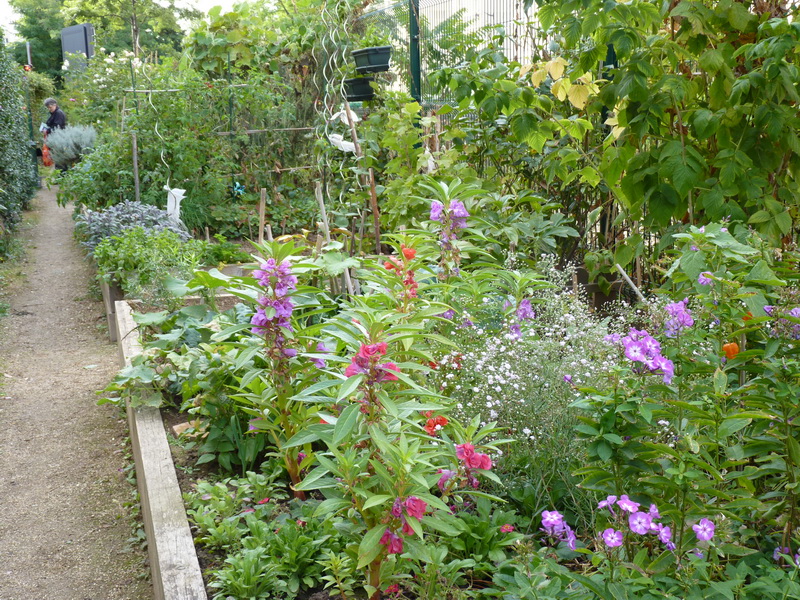
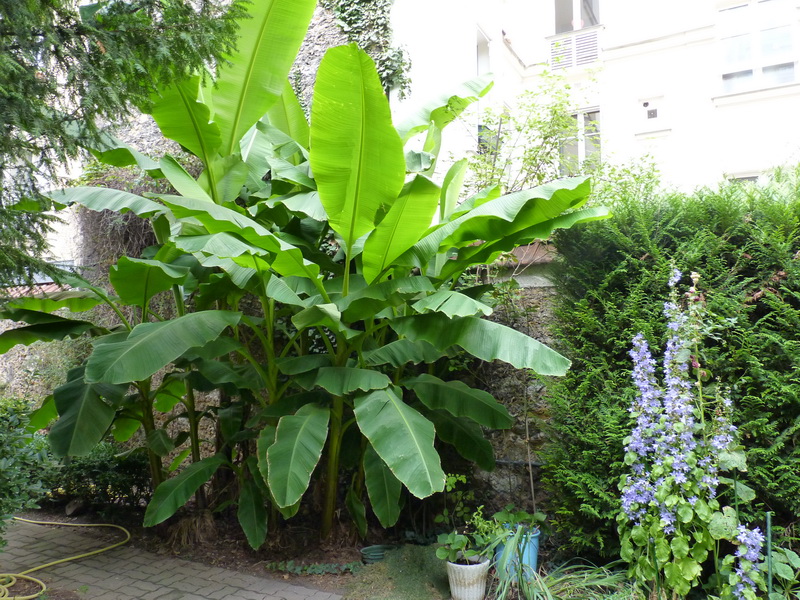
Taking advantage of the Paris Horticultural Festival (held on the first weekend of autumn each year), I learned from the brochure that the citizen vegetable garden is located opposite the familiar University City, in the lush Parc Montsouris, behind the Paris water reservoirs. Situated on a special terrain of wooded land surrounded by apartment concrete walls and backed by the wall of the RER railway, this unique plot is filled with vibrant flowers and various fruits and vegetables (seasonal vegetables, a small vineyard, and a beekeeping area). This land was rented by Parisians from the city government under the name of associations, becoming a place for weekend leisure where residents enjoy being amateur farmers in this small space. This lively green area also serves as a gathering spot for neighbors, acting as a buffer zone in the city—a wonderful place for citizens to connect with nature and forget their worries, featuring regular ecological tours.
Another citizen garden is located along the edge of an abandoned railway from the last century in the 14th arrondissement of Paris. It forms a long strip of terrain sandwiched between the railway alley and Rue de Massy, serving as a community oasis. Each person has a square meter of land to plant according to their needs, primarily for leisure. With many pleasing flowers, herbs, and seasonal vegetables, the vibrant blooms and diverse plants are eye-catching. Although the area is not large, it offers immense joy. As a greening adjustment space for urban life, it allows people to find freedom in nature and reconnect with natural elements. Urban citizen gardens allow people not only to approach nature but also to recover their true selves.