Characteristics of Each Pop Art Artist
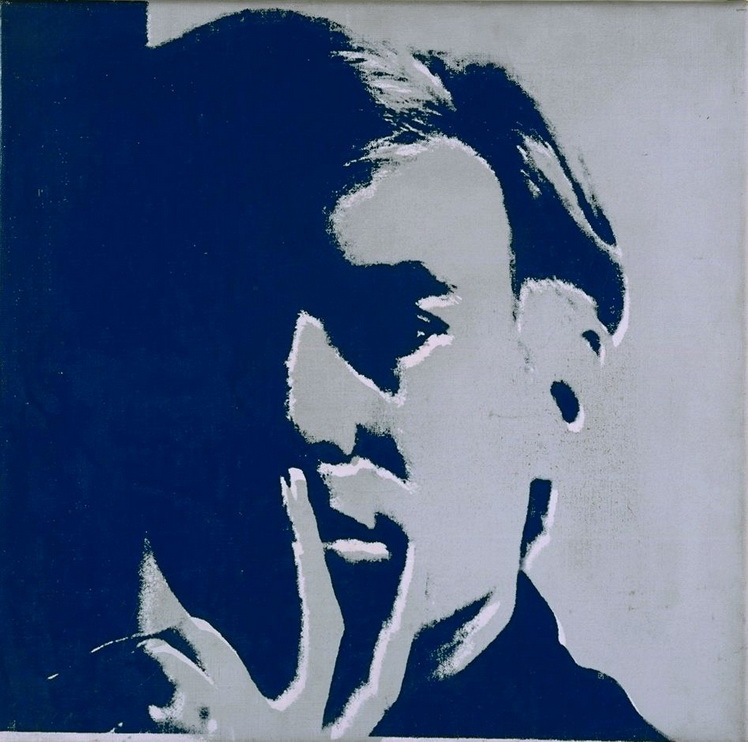
Andy Warhol (1931-87) Self-portrait 57x57 1966 Collection of the Musée d'Art Moderne de Saint-Étienne Métropole, France
Consumer Society / Mass Culture
Text and Images by Chen Chi-Hsiang. Carefully observe things (objects) around us that are usually ignored or taken for granted, unexpected yet familiar; use them as an excuse to process, transfer, and display.
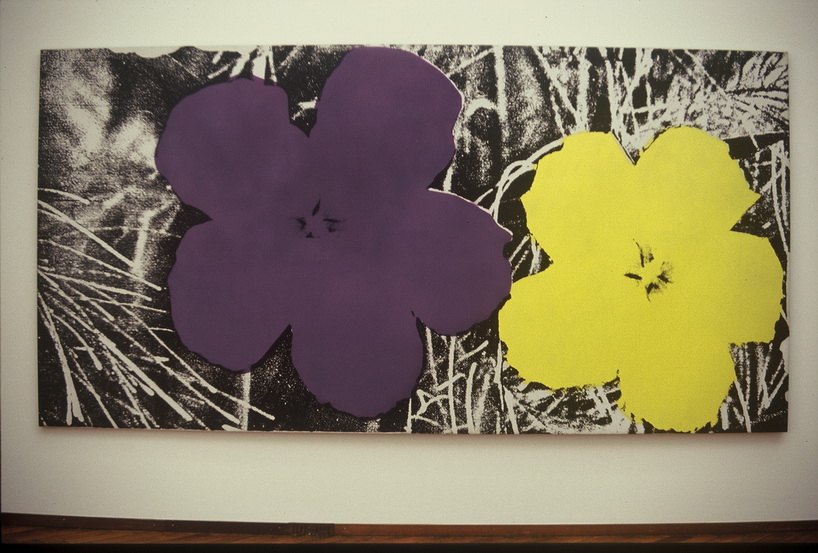
Ardy Worhol: Hoped to be a machine producing consumer society goods, specializing in mass-reproducing images without personality through mass media, reaching a level of fooling people through narcissistic material worship, turning both his persona and works into commodities.
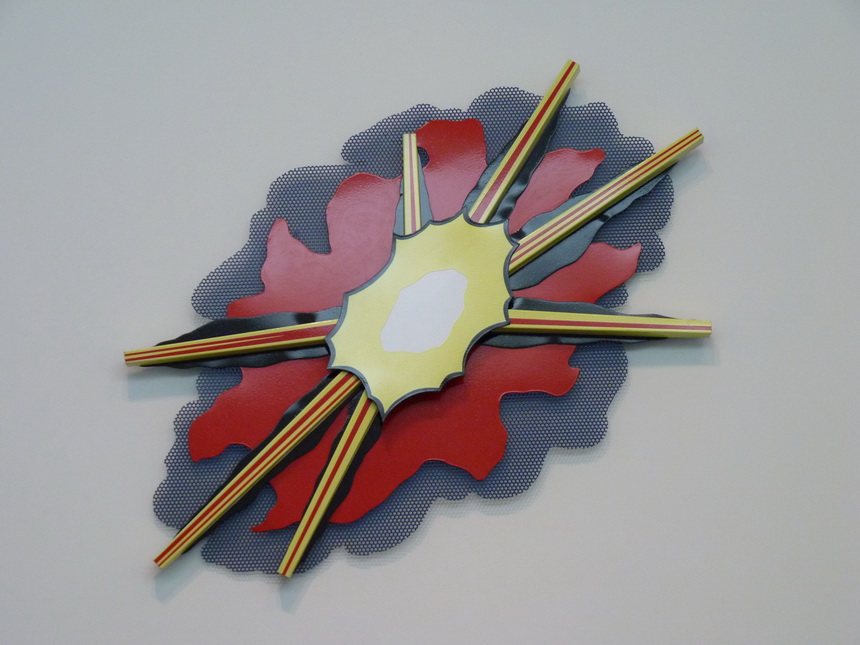
Roy Lichtenstein: Accepted flat painting methods, transferring consumer society cartoon comics into organized paintings, faithfully copying printing dots without omission. Using simulated comic strips as a strategic means integrated into painting expression, it is an attempt to let viewers explore their own value.
Janes Rosenquist: Accepted flat painting expression, synthesizing natural consumption images from mass culture society through sampling, editing, overlapping, and juxtaposing to create dramatic paintings. The juxtaposition and overlapping of these figurative images sometimes form comprehensive imagery with nearly abstract effects, like a literary narrative on movie billboards—a typical Pop Art style.
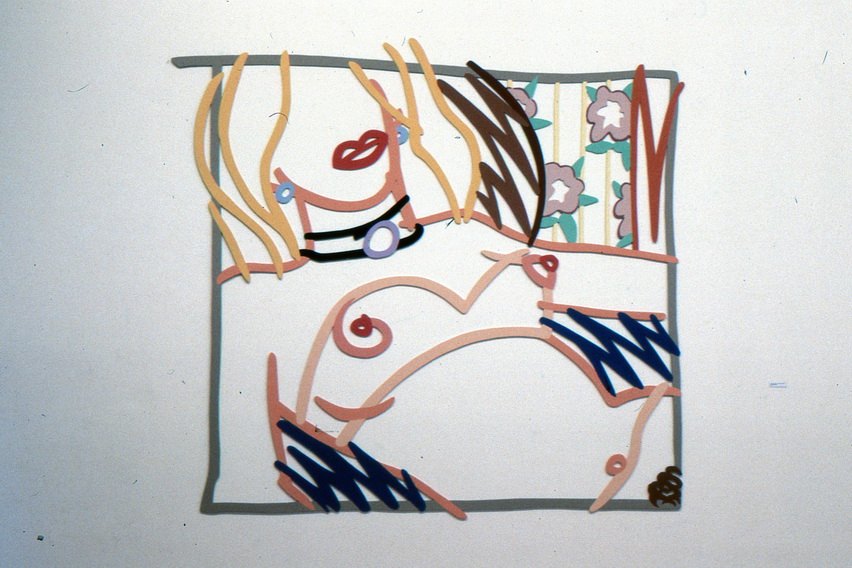
Tom Wesselmenn: Representation of objects, sometimes adding readymades. Primarily using flat paintings, early works added readymade backgrounds to construct forms. His artistic graphics come from depicting pornographic images and outdoor scenes (or still lifes) of daily life in mass society consumption, or configuring readymades to form a painting, expressing lyrical imagination and fun in daily life.
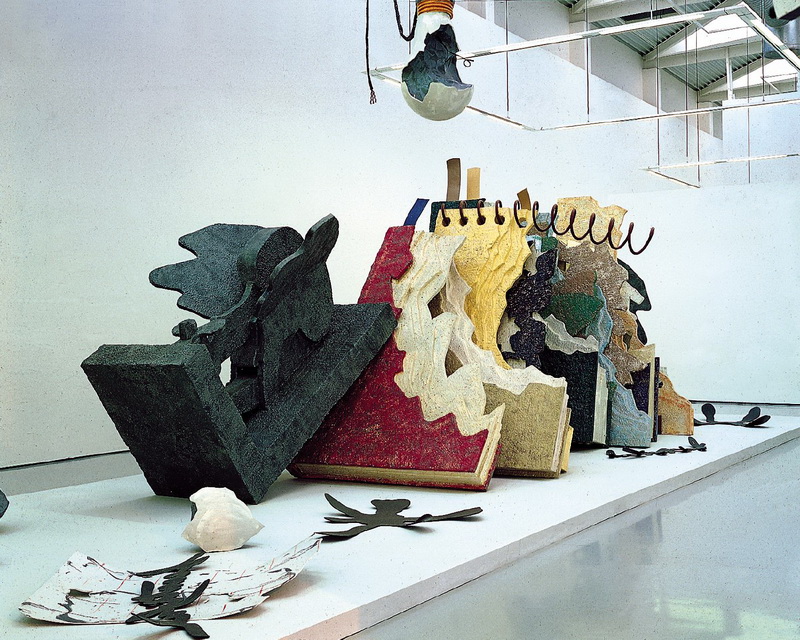
Claes Oldenburg: Hesitating between painting and sculpture, simulating consumer food and household appliances, aiming to make people accustomed to recognizing objects, with an educational goal. Featuring abnormally soft sculptures and hard model sculptures, he magically enlarged daily necessities and tools, becoming unimaginable monumental volumes in imagination and reality, resulting in unexpected sculptures.
George Segal: Representation of objects, plus readymades. Real-object casts mainly featuring social figures, further cooperating with various social image themes. Arranging readymades according to themes into scene states, constituting various plots of social daily life layers. In volumes of reality and imagination, it becomes a three-dimensional paradigm of Pop Art, pioneering the realm of environmental art.
Jim Dine: Representation of objects, using readymade imagery to depict readymades through painting (a representation of images), manifesting consumer society daily life phenomena in reality and imagination. His most typical work involves pasting readymades (clothes, washbasins, tools, etc.) onto the canvas and roughly sketching or writing various names.
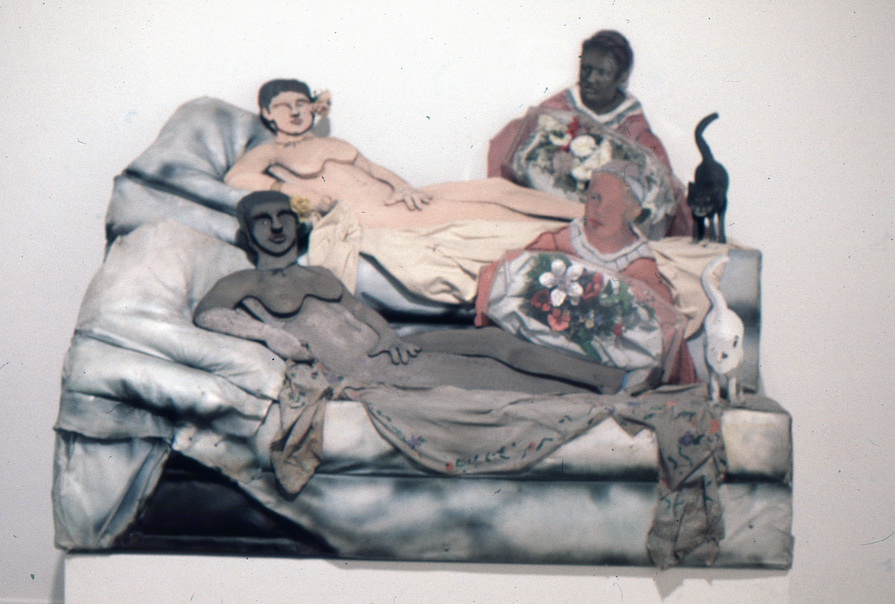
Larry Rivers: Representation of objects, painting imagery composed of semi-reliefs (i.e., wood carving shapes) or pictures interpreted by looking at diagrams. Often passing through historical painting images, acting like postmodern simulists—for example, humorously transferring Manet’s paintings into relief-form paintings, or adding color to diagrams or playing tricks in painting techniques—typical Pop Art.