Graffiti on Paris Walls - Essays
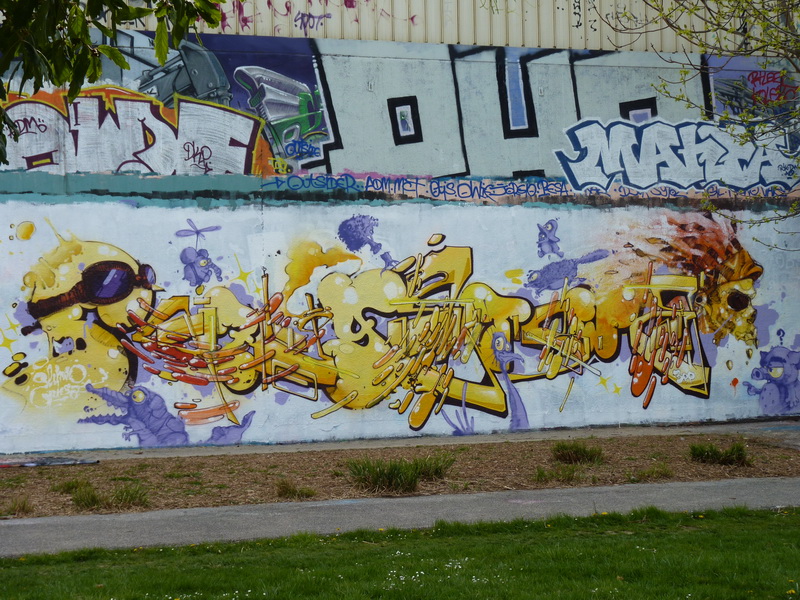
Cartoon-style graffiti full of youthful energy
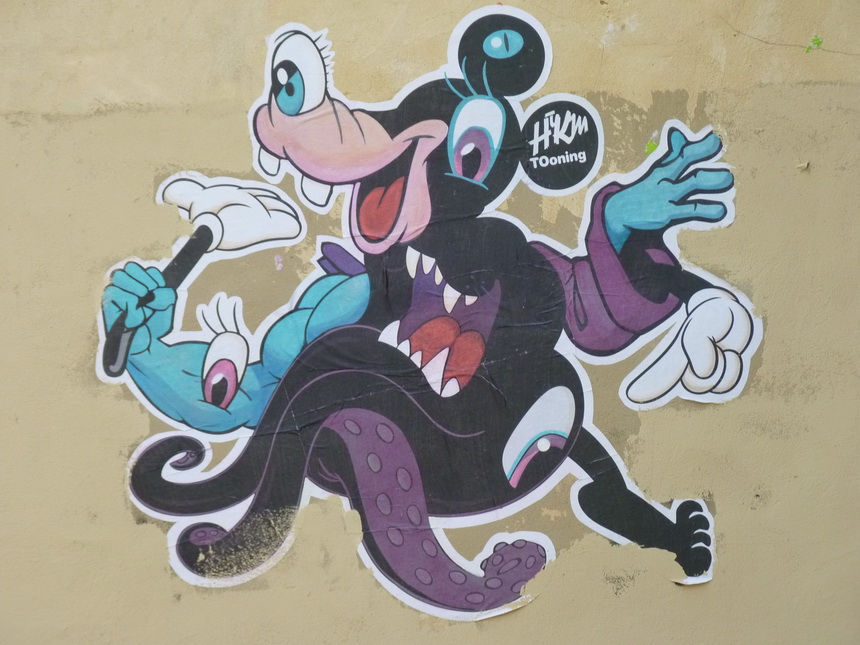
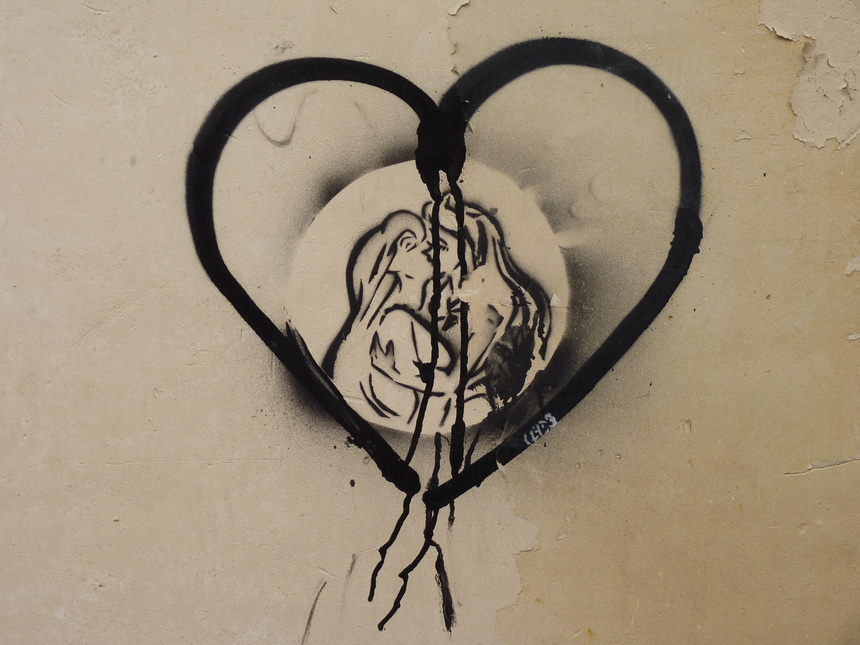
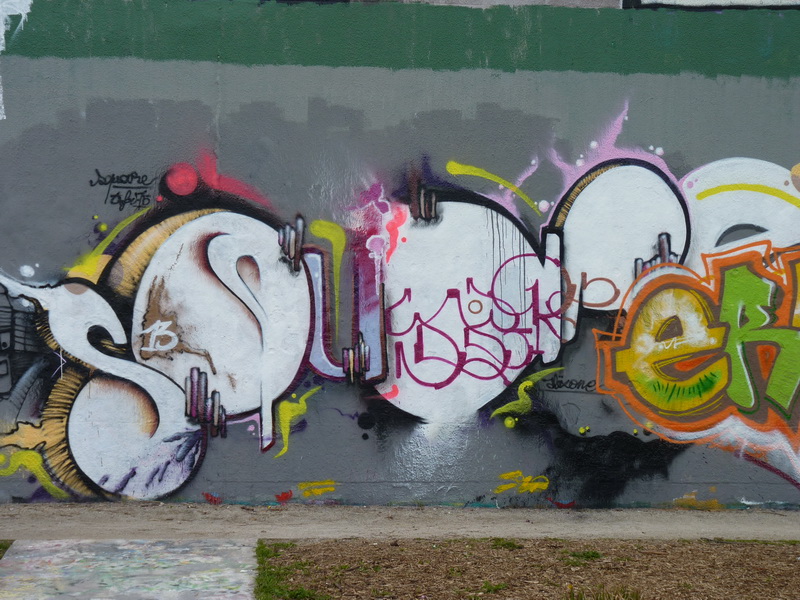
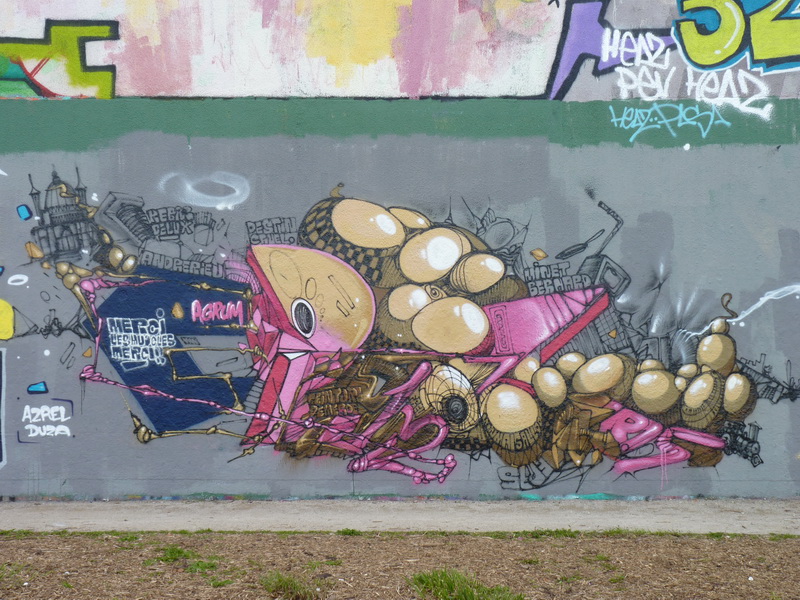
It has been a while since I was in Paris. After ending my half-year life in Taiwan, I joyfully returned to the art capital I love so much. What confuses me is art, or rather, art itself. With passion as before, I continue to embrace art and explore its essence. Of course, this essence is a mystery of life, because ultimately there is no final answer. I remain curious and bewildered by new knowledge or unknown things and objects. Looking is certainly a great enjoyment; I like to look, to see all existing things, to open the window of the soul, and to perceive the original form of life. To look requires action, for action is the beginning of everything. In the art capital, viewing exhibitions of all sizes, from galleries to contemporary art centers and museums, is a space for my dreams and imagination. It has become part of my Parisian life and a method for constructing personal awareness and experience of existence, touching upon the consciousness of being.
Of course, beyond the art system, the city's streets and alleys unexpectedly bring new visual stimuli and open up alternative perspectives. Especially when visiting galleries in Paris or taking walks outside, new discoveries are occasionally made in the marginal areas at street corners—graffiti on walls. Graffiti is a product of the metropolis. In recent years, due to urban cleanliness, the cementing of urban corners, and strict enforcement, encountering graffiti in the city seems increasingly rare. It can only be found in a few fixed places that have not yet been changed. But how long can these locations last under the hasty pace of urban construction and development? These sites have become the unwritten spaces for urban graffiti. The graffiti in Paris today also seems to be becoming standardized, especially having become an impromptu assignment for young students at art schools. It is common to encounter groups of three or five young art students. Thus, graffiti on the walls of the art capital Paris has gradually declined in recent years.
These photos of graffiti were taken in a small alley while visiting galleries near the Centre Pompidou. Another large-scale graffiti was photographed on the wall of Divry Park in the suburbs of Paris. This graffiti space seems to be intentionally planned and provided by the municipal government, becoming a place for young people to express their emotions and talents, and also an imaginative space for citizens to enjoy themselves in the park.