Exhibitions in London
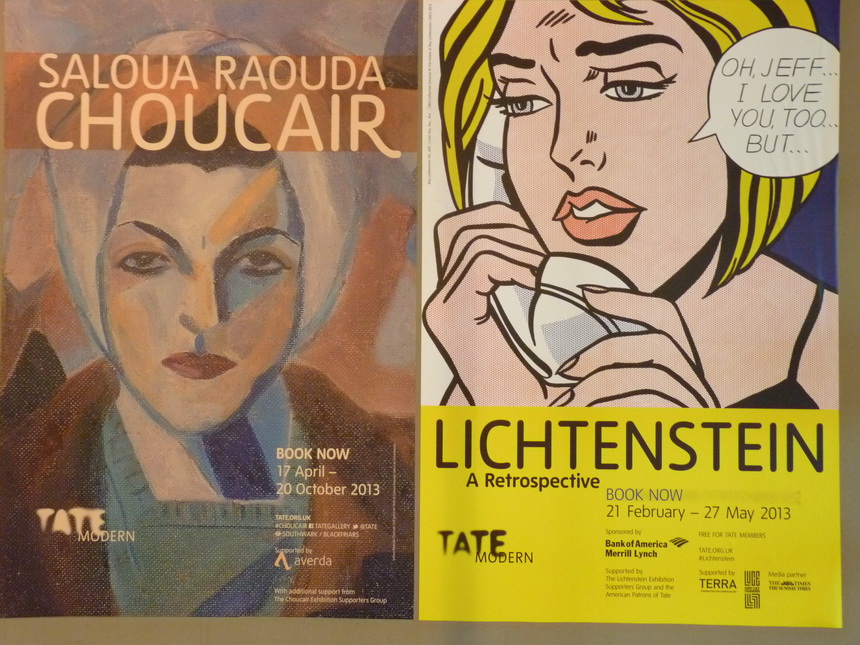
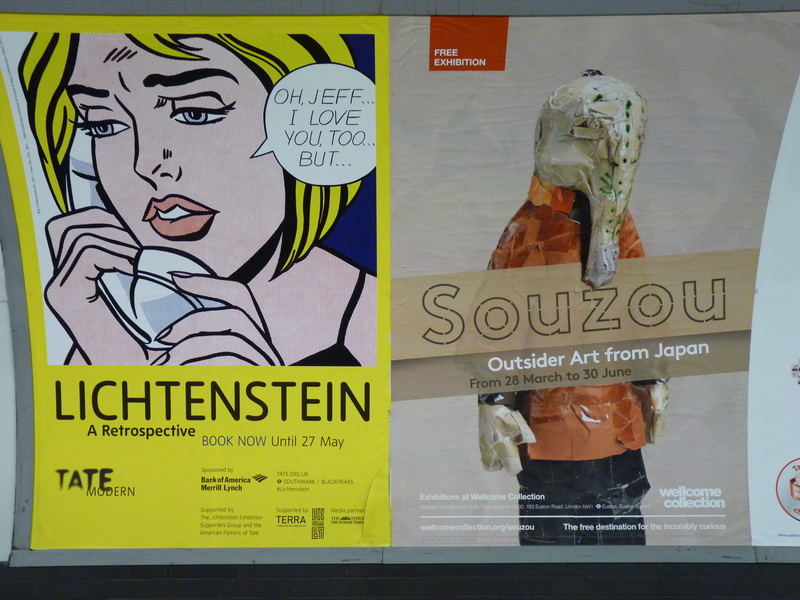
One of the exhibition notices at Tate Modern, beneath the London Underground.
Text and images / Chen Chi-Hsiang
Paris exhibitions are thrillingly satisfying, but when the chance arises to experience others, why not? After all, viewing is free, allowing one to enjoy every possible scenario anywhere. Continuing to view exhibitions in London, British art is equally fascinating, enlightened, and sensitive. Since I am there in person, I explore its depths, experiencing the present moment as a witness to existence. Clearly, French and British contemporary arts each have their merits; their artistic perspectives and systems differ greatly. France maintains contemporary art through state structures, while Britain operates under neoliberal capitalism. Most noticeably, in London it seems impossible to see works or exhibitions by younger French artists, whereas in Paris, the art capital, many younger British artists appear frequently. In the globalized art market, British artists hold a larger proportion than French ones. Naturally, the US and UK are connected politically, economically, and artistically, dominating the mechanisms of the globalized art market.
Britain is an island nation full of wisdom and enlightenment, distinct from continental European countries. Politically and economically leaning towards America, although participating in the EU community, it maintains a distance from it. The overall global political geography and economic landscape are attached to the American interest community, meaning British humanities and arts possess unique differences from those of continental Europe. Those who enjoy viewing do so similarly wherever they go; those sensitive and curious about existence will find curiosity everywhere. Living means following the stream of consciousness to witness the present. I have come to London, beginning my journey there. Naturally, it starts with strolling through the bustling commercial streets of the metropolis, feeling the atmosphere of fashion and touching the energy of local life.
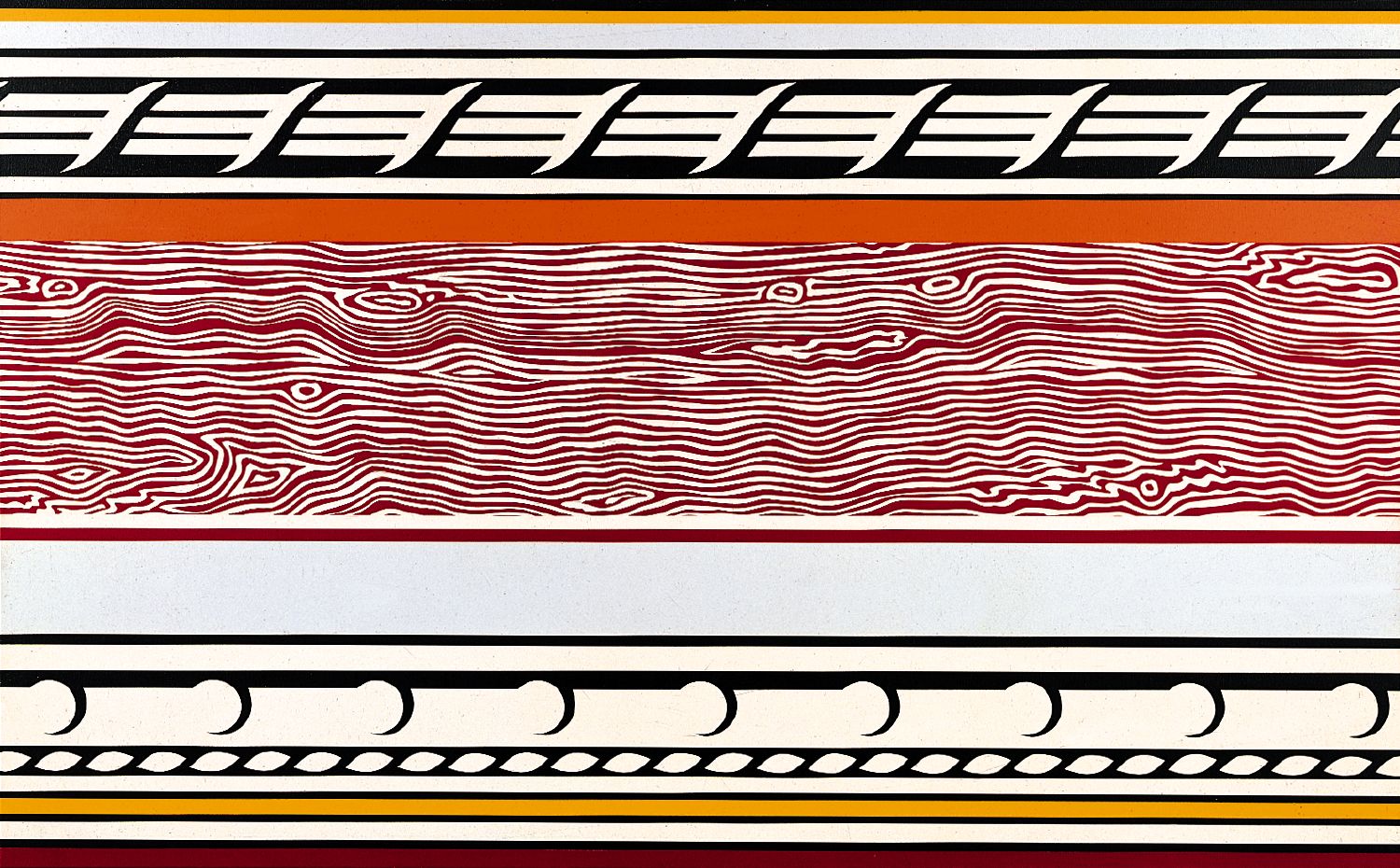
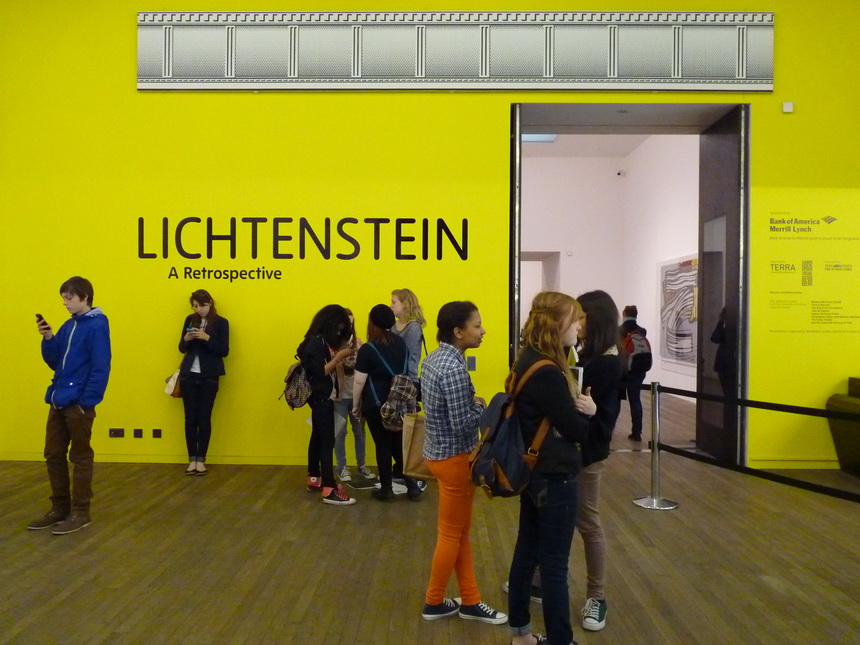
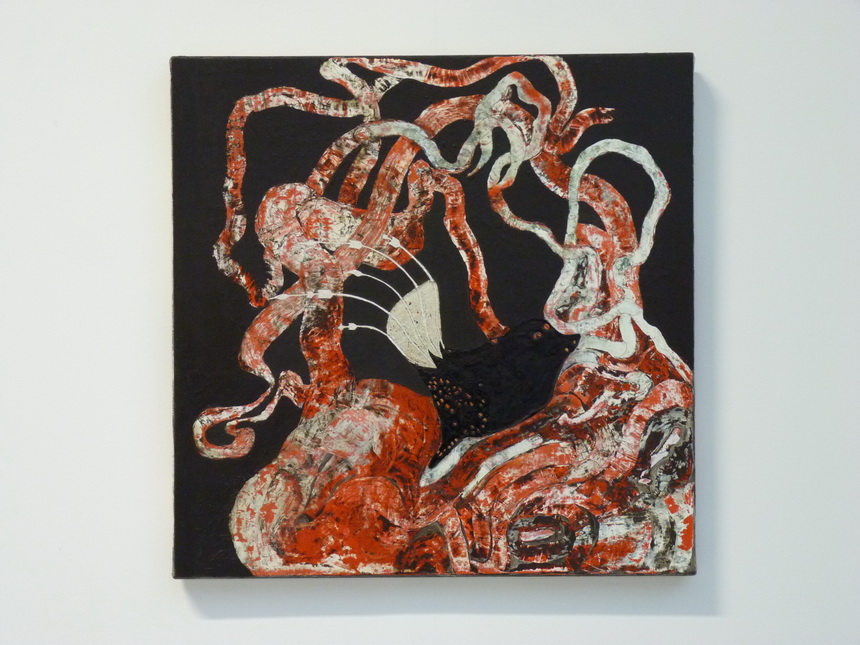
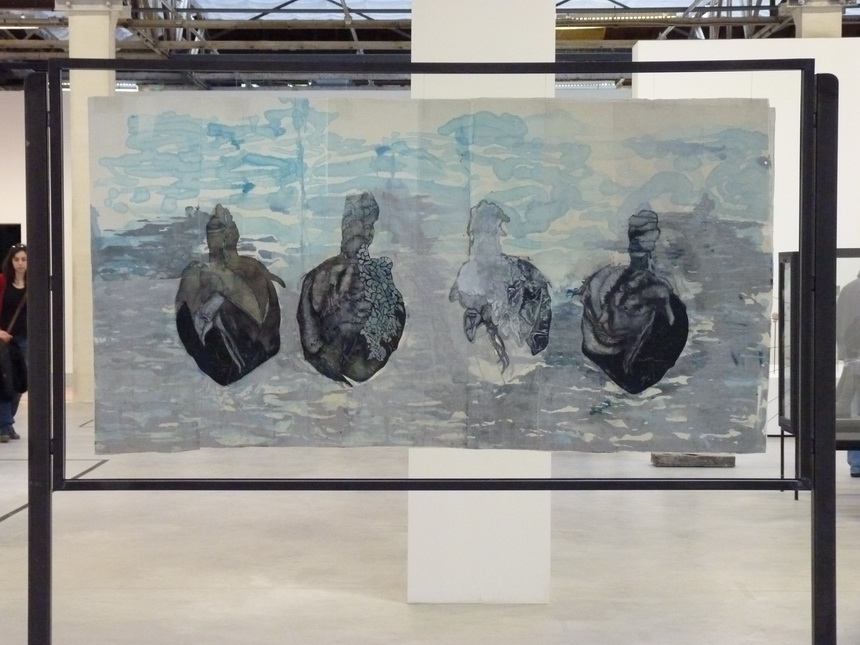
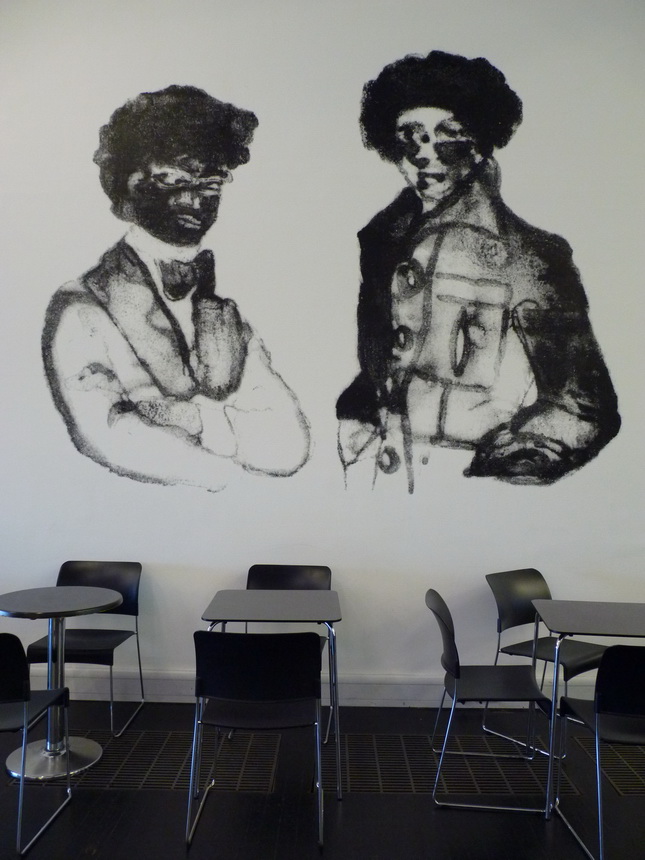
As an artist or critic, visiting London without going to Tate Modern and the British Museum is unthinkable. From them, one can detect the scent of contemporary Britain, just as one understands contemporary times through several key places in Paris (Centre Pompidou, Palais de Tokyo, Musée d'Art Moderne de la Ville de Paris). Every time I visit London, I immerse myself in the feast of contemporary art. Key museums are before my eyes. I know the collections of Tate Modern as if they were my own, repeatedly delving into their depths. I like to sharpen my eyes to enter the jungle of modern and contemporary art, exploring wonders, breathing in the fresh spirit of Britain, and experiencing the current situation. Of course, new special exhibitions appear each time. Two retrospectives are currently on display: "Lichtenstein Retrospective," featuring the great American Pop Art master Lichtenstein, whom we are familiar with, and the "Saloa Raouda Choucair Retrospective," featuring the little-known Lebanese female painter of the 20th century. Moving from figurative to abstract, there is also modern sculpture. Do not miss the "Ellem Gallagher Special Exhibition" by American Black female artist Ellem Gallagher (born 1965), which elaborates on new feminist artistic perspectives amidst diversity and variety. These exhibitions seem unlikely to happen in Paris, revealing the openness of Britain and France towards non-Western modernist artists and their views on cultural politics.
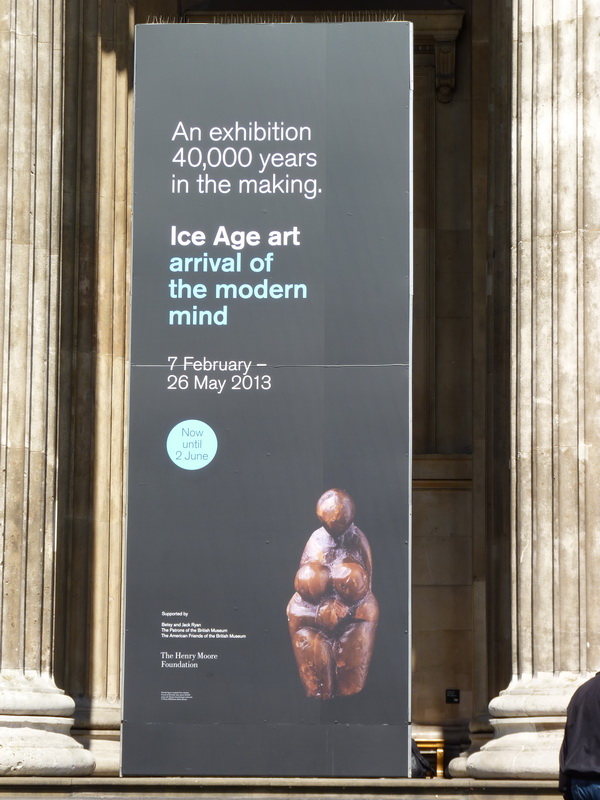
We also visited the British Museum's highly imaginative special exhibition "Icage art arrival of the modein mind," where the works were superb. Clearly, human creativity has always been the driving force of civilization since ancient times. It describes how our ancestors four thousand years ago, through keen observation of the delicate nature around them, created works with clever hands. Art became an object for humans to express life and spiritual consciousness, contrasting ancient works with modernist creations. We also specially visited the Japanese special exhibition "Souzou-Outsider art from Japon" at the famous Wellcome Collection in Britain. Creation is a human instinct and consciousness; anyone can engage in creation. This exhibition features the artistic creations of marginalized people in Japan today (those different from normal, such as autistic individuals, mental patients, Down syndrome patients, etc.), surpassing people's imagination and awakening deep consciousness, witnessing the various possibilities of life.