Yu-Yuan Li – The Alchemy of Life: "Painting"
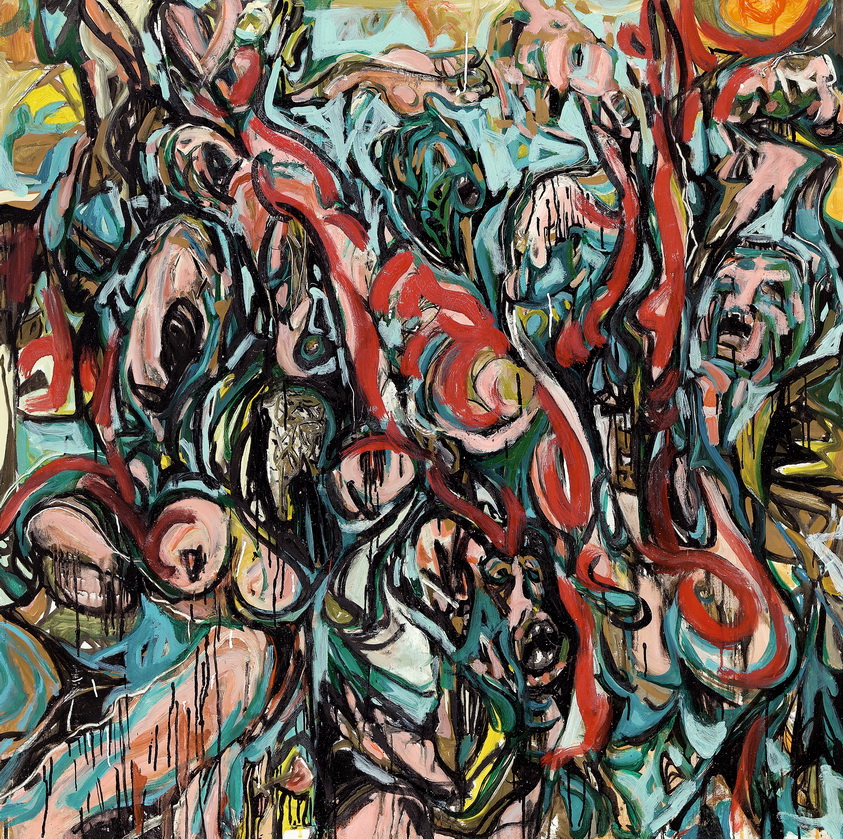
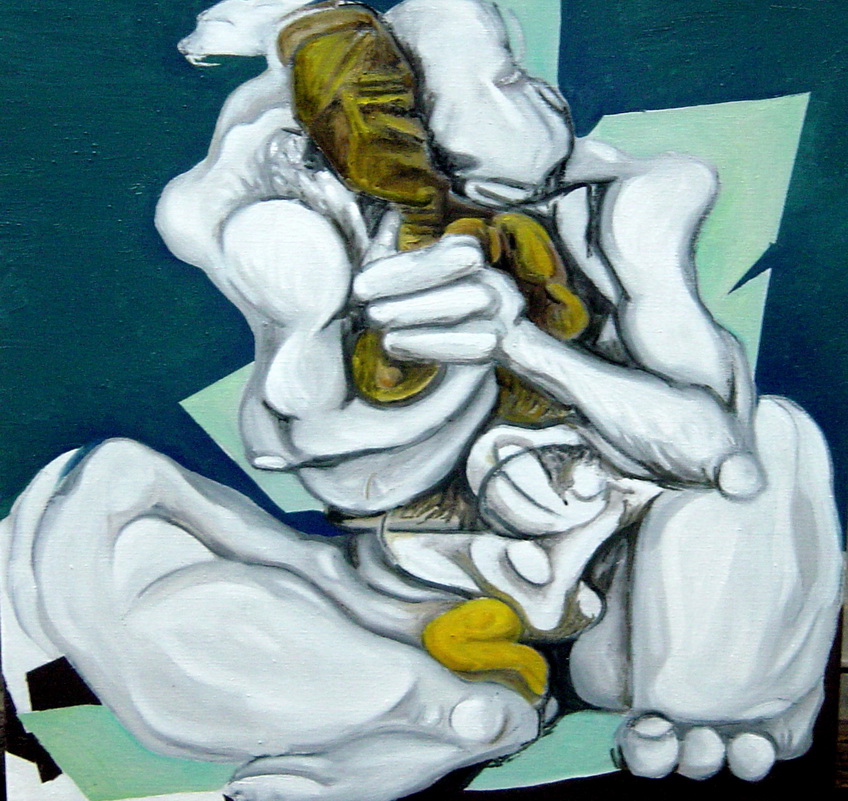
Bells Ring IX 130×130cm Oil on canvas 2002
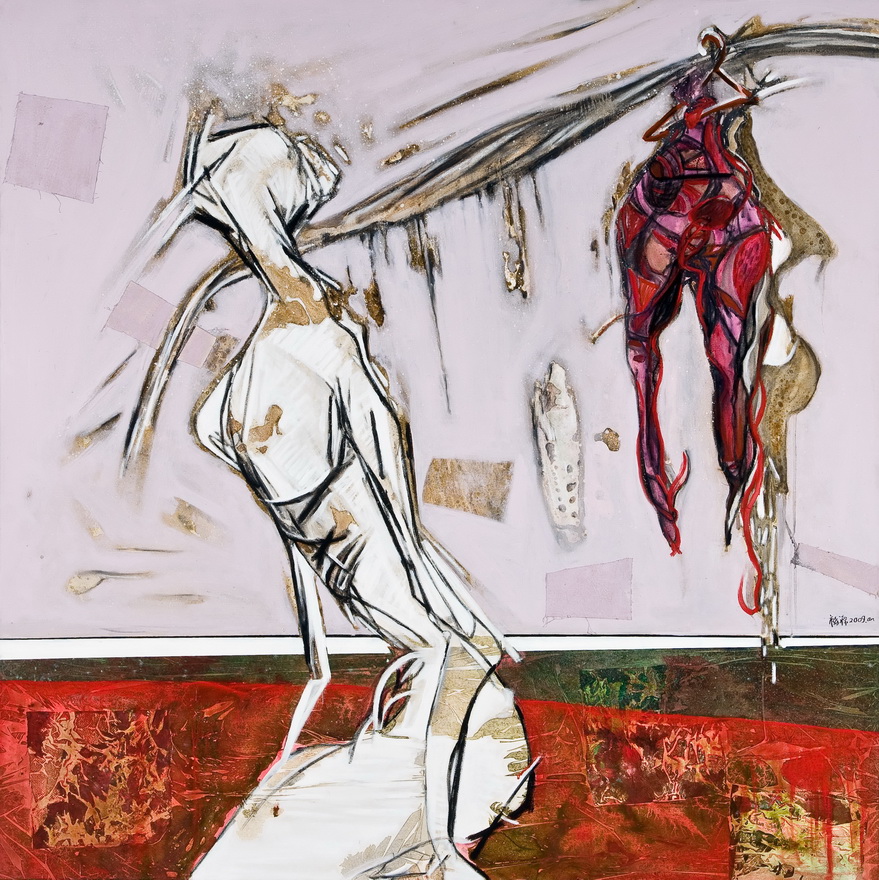
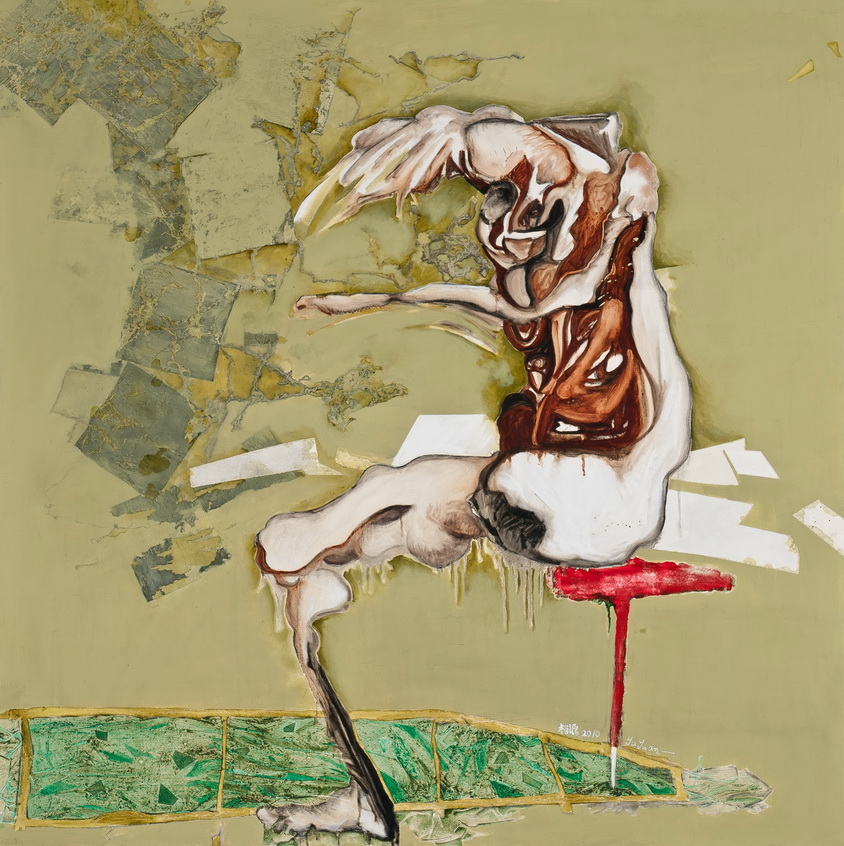
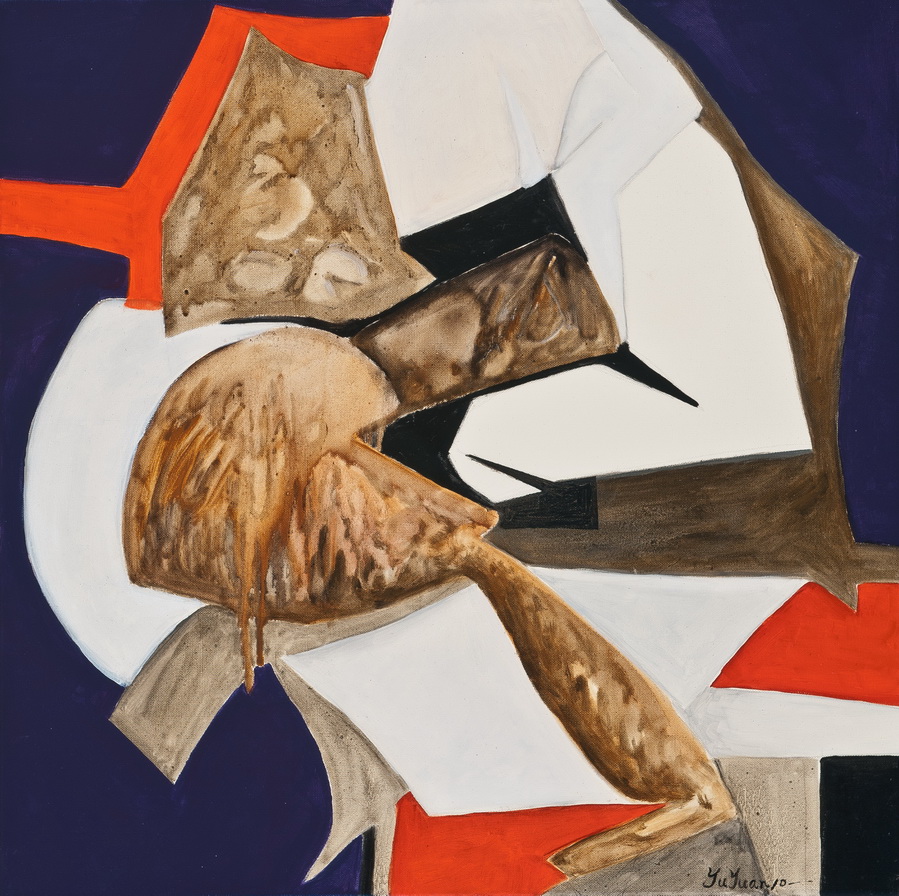
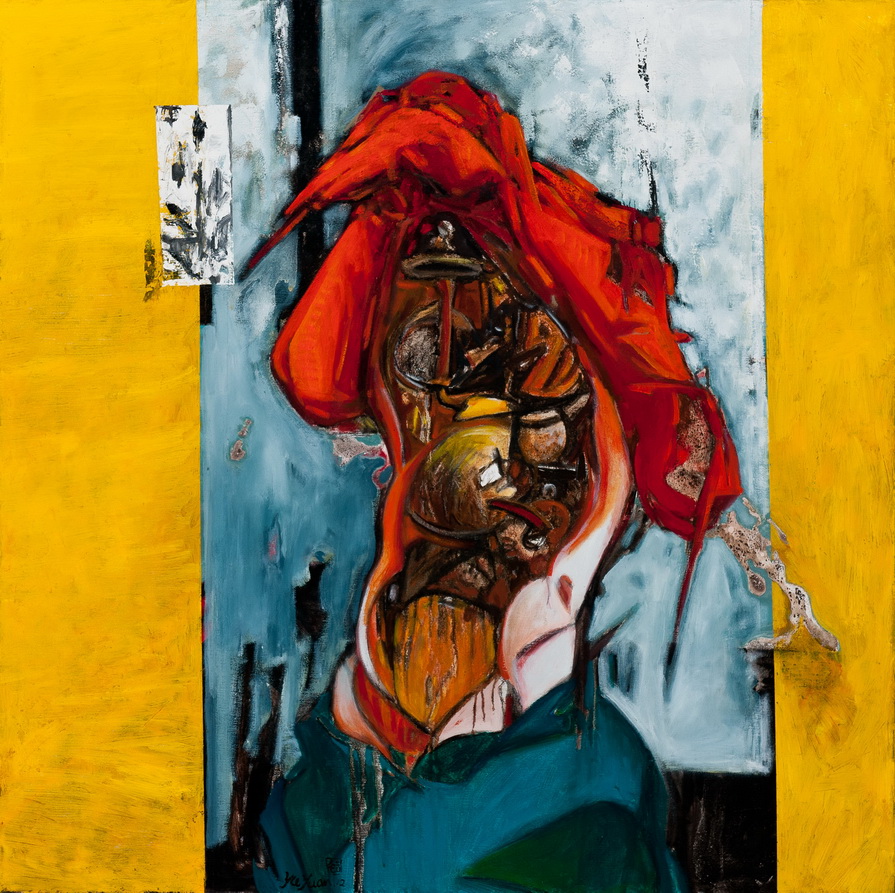
"Life is a pure flame, and we live by an invisible sun within us."
Thomas Browne
Text / Chen Chi-Hsiang
Preface: Painting stems from human spontaneity and instinct, like breathing. Its creation arises from inner calls or soulful cries, fulfilling the need for existence itself; thus, creation becomes an outlet for life energy. Art is a clear mirror reflecting the artist’s current situation and consciousness, allowing them to experience themselves through the act of creating. Yu-Yuan wrote: "Artists express themselves by portraying others, and love themselves by loving others." Artistic creation conveys the creator’s emotions and thought processes; it can be autobiographical, or it can let contradictions and desires run wild in conflict, using works to engage in self-reflection within reality (Note 1). Spiritual writer Richard Rohr hits the nail on the head: "We do not see things as they are, we see ourselves as we are" (Note 2).
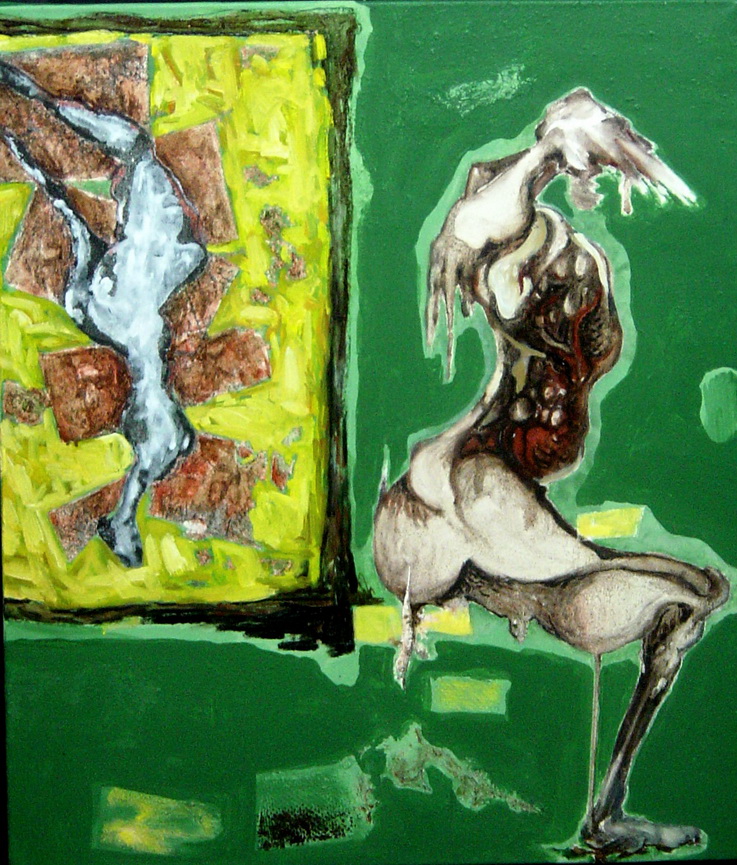
Yu-Yuan’s paintings are rooted in "human nature," moving from realistic existence to "Being." They revolve around the theater of bodies and souls subject to impermanence and change, progressing from group portraits and faces of all beings to glimpsing the true essence of the self. Under the expressive power of emotional instinct, his works are startling, screaming, depicting encounters with hardship, poverty, destitution, and sensual pleasures—a reflection of the human world characterized by postmodern neo-expressionism’s emotionality, literary quality, narrative, and allegory. Some say his paintings contain only "people," no "scenery," and only "people," no "emotion." In this great suffering of the human purgatory and physical and mental torment, people become the panorama, the fullness of emotion, and all worldly dramas. By delving into humanity, Yu-Yoon dramatically expresses his profound observations of human nature and experiences the most stirring parts of the soul: death, pain, loneliness, despair, cruelty, the fragility and resilience of human life, and the sorrow and joy of life and death. From human suffering and one’s own shadows, he glimpses the true appearance of his own life, experiences the impossible aspects of life, and through artistic transformation and sublimation, enters the mysteries of existence.
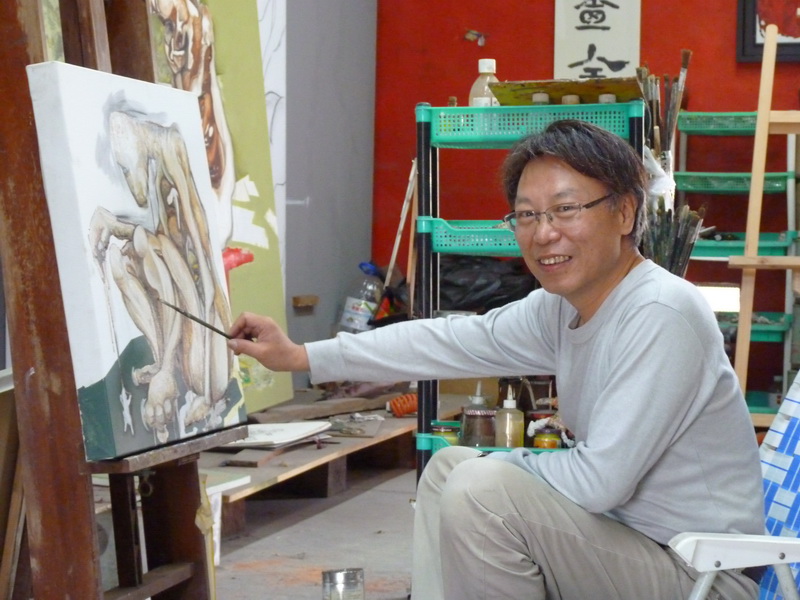
The Alchemy of Life: Yu-Yuan Li (born 1962 in Taichung) is a painter at the Chiayi Railway Art Village who did not attend art school professionally, but is also an outstanding children’s educator. His paintings reflect his character; he not only accepts the severe challenges of real life but also bears the trial of life caused by immune system dysfunction and the torment of dry skin disease. His heavily autobiographical paintings move from the external to introspective consciousness, excavating the hidden essence deep within human nature. His paintings show life growing, blooming, and bearing fruit amidst struggles against setbacks.
Born into a poor family, in the material-scarce era of 1950s Taiwan, he lost his father at age six, leaving household responsibilities entirely to his lonely mother. He endured a difficult childhood. Young Yu-Yuan experienced societal discrimination, realized the hardships and impermanence of realistic existence, and suffered psychological trauma. These internal shadows shaped his humble personality and imprisoned soul, fostering sensitivity, sentimentality, compassion, distrust, and contradiction towards worldly matters, along with fear of life and anxiety about existence.
When facing impermanent changes, one can either maintain the status quo or strive forward. While conservatives work tirelessly within limited worlds, Yu-Yuan chose to strive for strength, believing that noble birth is not innate but men must strengthen themselves. He chose the impossibility of life—becoming a painter—and challenged all possibilities. Through progressive action, imagination, innovation, insight, and liberation, he established new models. Thus, under all possibilities of life, he transformed the energy of a rough life into creative drive, opening the main outlets for mind and spirit. Art transforms existential suffering; "painting" soothes spirits and becomes the alchemy of Yu-Yuan’s life.
Factors of Painting: For Yu-Yuan, painting is an instinct. He planted the seed of painting art early on. In elementary school, he submitted a drawing to the United Daily News competition under a pseudonym and was selected. Because he lacked teacher approval, no one claimed his award during the principal’s morning assembly speech, but this greatly encouraged him and fueled his dreams. Whenever possible, he actively submitted entries to competitions, luckily winning some prizes to reward this poor student. In middle school, he was enlightened by an art teacher and briefly studied in an art studio. This initial encounter with art opened his small heart, becoming his lifelong love; "painting" allowed him to envision beautiful dreams for his future life.
Trials of Life: After graduating from middle school, Yu-Yuan worked manual labor. After one month, he faced significant setbacks. Encouraged by classmates, he retook exams the following year and entered Xinmin Commercial and Industrial High School to study mechanical engineering. Due to his precociousness and rebellious artist personality, he resisted the system during the second-year certification exam and was expelled. That same year, he took the Ministry of Education’s equivalent academic qualification exam and passed successfully. His rough and ruthless life refused to bow to reality; he tried every means to earn pocket money, witnessing the harshness of life and experiencing the hardship of existence. During the period of ROC Year 68 (1979), he participated in the unprecedented domestic cartoon grand tournament, which gave him further recognition of painting art. He originally intended to continue his education or apply to an art college but abandoned these plans due to family finances. Upon entering military service, he actively participated in the Ministry of National Defense’s arts competitions, representing his unit and frequently winning awards. He received courtesy from the Chief of Staff, often going on official business to paint and support the division headquarters. During this period, he began drawing comics and frequently submitting them to Time Weekly, slowly finding an outlet for his life and a smile of existence in his paintings.
One after another, severe trials of life shook his existence. Soon, his only reliance, his loving mother, passed away. Alone and orphaned, he experienced impermanence and suffering, tragically transitioning from a child to an orphan, suffering severe blows to body and mind. The Lord’s Prayer says: "When great trials come, Lord, hold me fast, let me not resent or blame others" (Note 3). In loneliness and despair, circumstances turned. He coincidentally met a classmate who practiced Buddhism and followed him to Zhongtai Chan Temple. The master instructed him that vegetarianism could accumulate merit for the deceased and benefit himself. Thus, in 1995, he converted and kept precepts, starting a vegetarian diet that continues to this day. Under the influence of faith, hope, and love in religious belief, his soul was soothed, and he stepped onto a path of peace.
Seeing a Smile in Life’s Turning Point: With strong will, he strove forward, working in a factory by day and attending night classes for a two-year college program in mechanical engineering by night. After graduation, he drew mechanical diagrams for foreign companies, achieving a stable life and beginning to deeply ponder the meaning of existence. He witnessed the community overall construction movement, participated in seed teacher training, and obtained three certificates. Driven by inner instinct, he made up his mind to choose the consciousness of existence—art/painting. Burning his boats, he quit his stable job and began teaching children’s painting. The following year, he became an assistant teacher in the community seed training program. Coincidentally meeting painter Liao Ben-Sheng, two years later Yu-Yuan entered Liao’s studio, gaining clearer views on oil painting and artistic perspectives. Only from 1999 did he truly begin painting oil.
Home is the destination of life, a haven for prodigals, a dwelling for daily life, a field for soothing spirits, a space for affection, and a place to settle down. Orphans seek the warmth of home; Yu-Yuan longed to start a family, but worldly affairs are often unattainable. Having converted to Buddhism, Yu-Yuan overcame myriad difficulties and married his sincere Christian wife in 2000, making home his sanctuary. Two years later, he moved to Chiayi and subsequently settled in the Chiayi Art Village, gradually being influenced by Christian doctrine. Experiencing the Christian belief: "The most beautiful promise of trusting Jesus is possessing eternal life: therefore, facing death, there is no need to fear." Experiencing life’s turning points and establishing a happy family liberated him from the shackles of existential suffering and personal shadows. Indeed, those who dare to bear the greatest risks receive the deepest love and greatest achievements. Osho said: "Love is the dance of your life; to love is to experience the most beautiful space within yourself" (Note 4).
The Cry of the Soul: Yu-Yuan experienced the terrifying aftermath of the 1999 Jiji Earthquake in Taiwan. Going deep into the disaster zone, he personally witnessed natural disasters and human tragedies, seeing corpses everywhere in heartbreaking scenes. His body and mind were shaken, especially since his close Indigenous army friends disappeared due to broken families. The inner throbbing, facing the shadow of death and disaster, caused emotional turmoil. The following year, the Southeast Asian tsunami confronted him with humanity’s great disaster, prompting deep reflection on human fragility, value, and meaning, and reconsidering humanity’s place in nature and what commonality exists among humans?
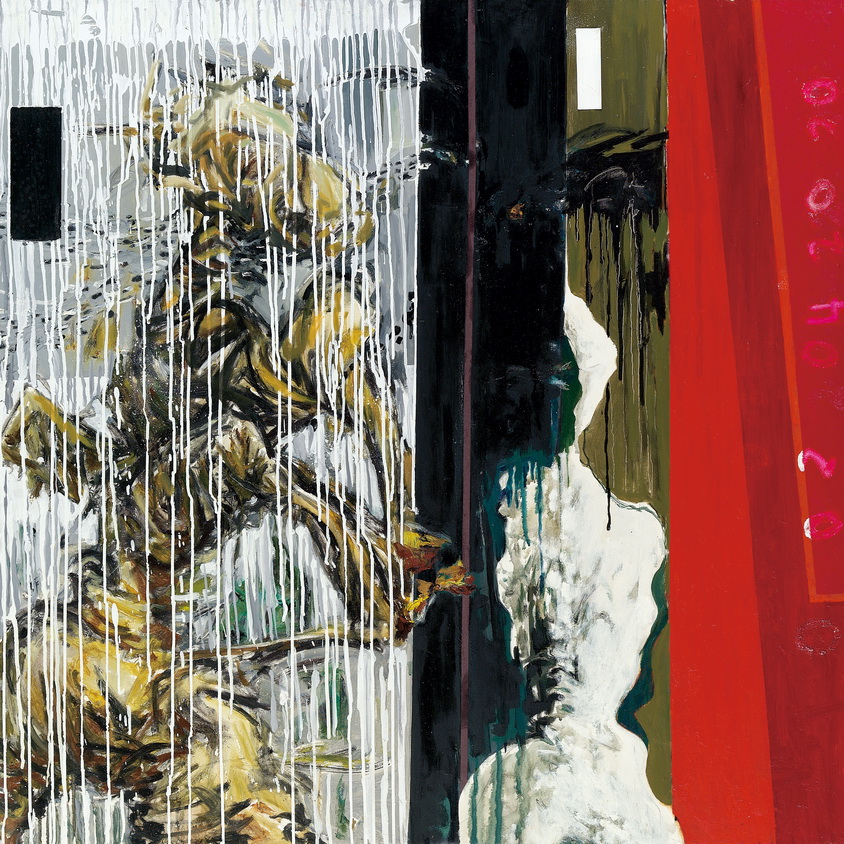
Two years later, the throbbing reverie began exploring "Naked People." Amidst extremely intense, thoroughly fragmented figurative imagery, he bravely faced the pain, grief, and true face of impermanence in life. Surviving adversity brings new power; consciousness ferments, the soul cries, instincts stir, leading to the creation of two major series touching the deep consciousness of human death: "Heavenly Net" and "Bells Ring" (2002). Startling and gruesome corpses, scenes of wailing everywhere, trembling, human bodies resembling painted bodies. Fiery life burns, high-pitched shock, compassion, relief expressing the painter’s true feelings. It elucidates the relationship between heaven, earth, and man; humans cannot escape the "Heavenly Net." When nature’s "bells ring," what can humans do? Through the alchemy of "painting" creation, existential energy is channeled, inner unrest vented, and spiritual consciousness liberated, transcending life situations and piercing through the radiance emitted by death. Artist James Lee Byars believes "Death is like an aesthetic concept, belonging to the part of life."
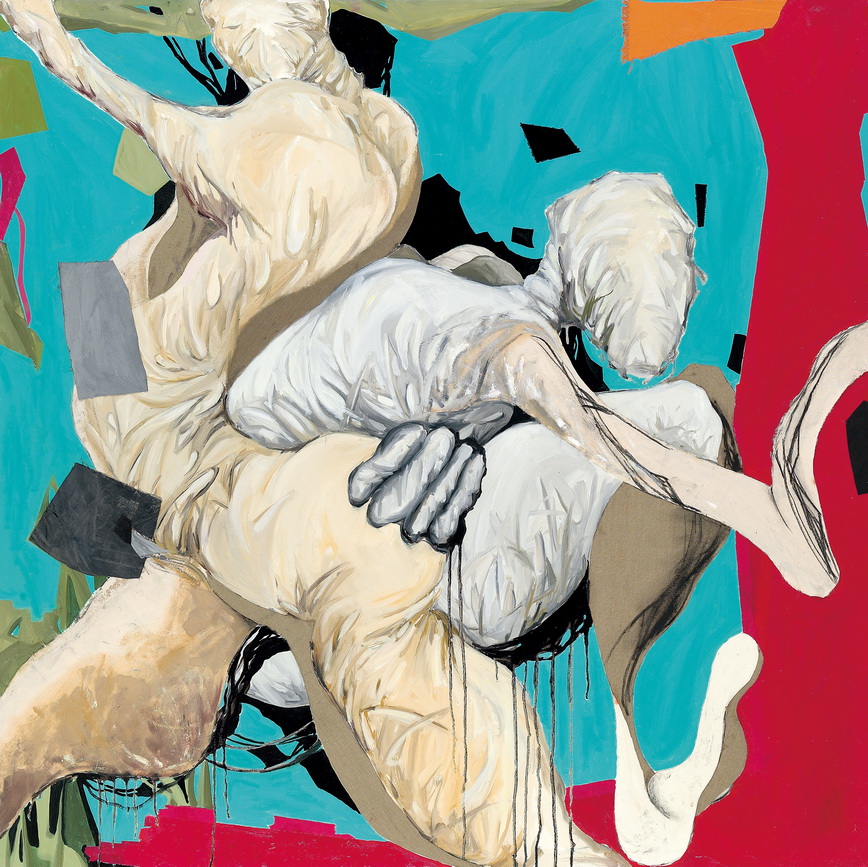
Requiem Soothing Spirits: After the cry of the soul—pain and grief—Yu-Yuan painted a series of requiems soothing spirits, praying for disasters and comforting souls, carrying a sense of atonement. The meaningful "Mourning Letter" (2003) is a monument to the September 11 earthquake, describing survivors’ grieving families holding red bodies in desolate sorrow, tragic yet sacred, Taiwan’s holy martyrdom map. He uses "painting" to mourn the lives devastated by Taiwan’s land and comfort the families of the dead, soothing existing spirits and sublimating human impermanence and suffering. "Priest's Blessing" and "Priest's Confrontation" both pray for blessings to the departed spirits in heaven, soothing souls (and comforting his own existence), guiding them to the Western Pure Land. The "Questioning Heaven" series (2003) features silent screams questioning the heavens, displaying the desperate pain and wailing of the human heart through extreme emotional formal essence. "The Last Celebration" carries the Last Supper of Western religious consciousness; existence is a celebration, yet no one knows in the end, hinting at human impermanence. Compassion is the awakening of neuralgia after great disasters. Poet T.S. Eliot wrote: "The end of our seeking is to reach where we started and know the place for the first time."
Glimpsing the Self Among All Beings: In 2004, Yu-Yuan was spat out from the whale’s belly, seeing the true appearance of his own life. Facing the bustling urban civilization he inhabited, he walked into the crowd of faces of all beings to glimpse the self-image. The painter reflected: "Civilization is cut into two sides by progress: modern people not only consume material civilization but also devour ancient values. The incoordination of modern systems makes people doubt the fairness of life" (Note 5). Attempting to capture the fleeting emotional feeling of passersby brushing shoulders in the busy city traffic, such as "Urban Shadows." Born from the "New City Phenomenon" series of urban civilization, stepping out of the disaster’s shadow, he constructed images within modernist (Cubist) urban imagery. Neurotic lines became orderly rhythms, emotional colors subdued by poetry. This series, nearly abstract, is his most poetic masterpiece after surviving adversity.
In Yu-Yuan’s autobiographical paintings, people perceive the fluctuations of his thoughts and situations in each period alongside the scene. The frustrated life journey "Confusion" (2004) accompanied growth; the painter stands behind a white statue, facing the audience with a perplexed expression. Reason conquers emotion, giving rise to paintings with rigorous form and color structure. Humans are easily affected by emotional fluctuations and environment. "Right and Wrong," "Unfinished Dream Satiety," "Quiet Contemplation," and "Blame" (2005) feature emotional and expressive figures, appearing within deep, gloomy color structures and thoughtful color planes. The painter’s contemplation of his own existence: "Night is so quiet, I contemplate. Moon is so bright, I contemplate. The world is so chaotic, I contemplate. The mortal dust is so noisy, I contemplate. Unaware, the east has turned white, temples covered in gray hair. I have always been thinking, how to make this world more beautiful. I really have always been thinking. One day~ suddenly discovered, my body had already withered" (Note 6).
Through symmetrical geometry "Peach Stall," the radical conclusion in 2005 led to the abstract geometric color plane series "Not Black and White." Yu-Yuan’s confession to the secular world: "Is it white or black, who says so? Red stops, green goes, for what reason? Principles straight or crooked, how to distinguish? All so-called rites are merely human constructs. Squares and circles, driving horses and sailing boats, frogs croaking and cicadas singing, return to nature. No! No! Who says white is purity? Who says black is eternal filth? Who says fairness is true principle? Who says light must be day? Who says darkness is not the pillar of the nation? Who says red lights must stop? Green lights... who said this?" (Note 7). Between constructive figuration and abstraction, between reason and emotion, it reflects the painter’s current situation. Spiritual writer Richard Rohr states: "You create reactions to the outer world; those reactions are based on actual reasons; your reaction is your reality" (Note 8).
Portraits of Life Situations: Paintings are an extension of life and the alchemy of life. Starting in 2006 with "Rethinking," the family interaction process of "Respecting the Community" depicts an old sage discussing artistic creation in depth, considering marital relationships. Then "Temptation," "Disorder," "Infatuation," moving from "Watching" to "Choice," the change in painting subjects saw the emergence of female bodies. Passionate lines submerged by color planes, simplified, flattened, and colored, oscillating between imagery and abstraction, emotion and reason, his style was undergoing reform. All used the soft female nude body to describe youthful vitality and energy, full of sexual fantasy, conveying the painter’s innermost love, implying his post-marital situation, concluding with the large series "Promise and Support," where male and female passion embraces entangled, referring to marriage promises in life. The painter not only painted the "vow" of love but also wrote marriage vows: "Promising to stay together for life, supporting each other through companionship. In confrontation and arguments, there will be endurance and tolerance, always holding hands. Marriage is the beginning of a promise; confusion, confrontation, and arguments are just embellishments in the process. Tolerance and support are the hymns of a lifetime" (Note 9).
Meeting Oneself Deep in the Soul: Experiencing the warmth and happiness of home, Yu-Yuan encountered the joyful inner world. In 2007, the triptych "Faith Three-Thirds" placed two blue-and-white figures from his 2002 paintings for the Jiji earthquake alongside a red figure. Each person bears their own life cross, using the faith power to soothe spirits and transcend life and death. In 2008, through "Rebirth," he depicted the situation of rising from the dead, symbolizing Yu-Yuan’s rebirth and vitality. "Jesus conquered fear for us, freeing us from bondage to enjoy true peace." "The resurrected Jesus can lead us out of the tombs of our hearts, allowing us to transform and be reborn from dead silence." Next, the metaphorical "Peach Legend" series expressed human tenderness. Under complex segmented visual forms, he depicted sexy naked women, sweet buttocks like peaches, hinting at the colorful temptations of the human world, serving as a warning to himself.
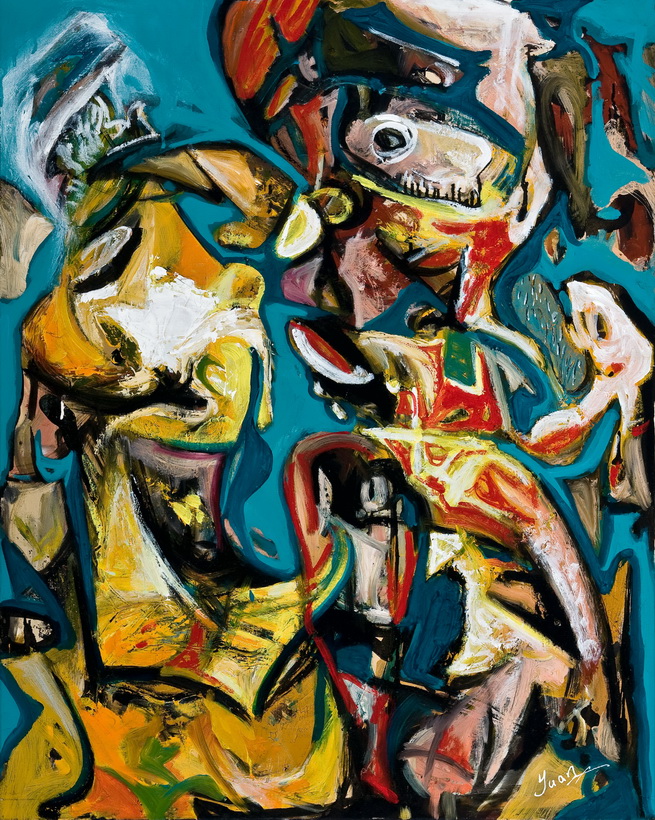
Delving into women’s perception, starting with the concise and powerful "Like Water" series, he experienced his wife’s warm tenderness. Like water’s gentle lines and undefined shapes expressed the incomparable power and situation of feminine charm, symbolizing the power of tenderness like water. Communication is the channel to resolve conflicts and exchange messages; a harmonious society is built on "dialogue." The series moved from familial "Dialogue (Mother and Son)" to gentlemanly etiquette "Dialogue (Between Two People)." Most striking was "Dialogue in 2009," featuring a unique mix of Cubism and expressionism, elaborating on the greatness of mothers and their lifelong selfless dedication, evoking thoughts of his mother. The painter seemed to use this to thank his mother for her upbringing. Complex segmentation, concise color planes and lines, expressive colors formed a new style. "Farewell," within a rigorous visual structure, shows a concise figure turning back to look at wall shadows, intending to bid farewell to past gloom, dispelling myths, cautiously examining existential consciousness, sincerely restoring original essence, and finding back the true self.
Glimpses of Inner Journey: Consciousness matured; Yu-Yuan introspected and reflected inward, internalizing deep consciousness. Visuals became concise and neat, backgrounds simple, with Cubist deformation and Kafkaesque image language, seeking new painting appearances. Intending to express inner depths, unspeakable personal perceptual suffering and unutterable pain, hiding inner matters unable to be shared with others, or ineffable secrets of life. Introspection is facing oneself nakedly, cutting open the heart without hiding. Series like "Secret," "Mind Generating Composition," "Confession," "Illness-Thought," and "Inner Analysis" (2010) all expose five viscera and six intestines through cutting open heart and abdomen, confessing openly. Kafkaesque shells exposed rich and diverse bodily vocabularies. Between perception and expression, imagery and imagination, non-figurative and abstract, they pour out the painter’s subtle thoughts and consciousness. In 2011, continuing to deepen, "Elegance" and "Years of Fading Elegance" series presented spiritual imagery concretely with neat forms and rigorous completeness. Artist Mona Hatoum said, "Artworks are first feelings of truly lived life; content and composition come only from truly lived initiatives."
Looking Back at God’s Eyes: Walking this path, Yu-Yuan’s roughness and suffering shaped his resilient will, like an unbreakable reed. Indelible experiences carved into life marks. Master Sheng Yen pierced through life in one sentence: "Face it, accept it, handle it, let it go." Creation in these two years—"Questions," "Reflection," "Looking Back" (2012)—proves his doubts and reflections on existence. Bitterness ends, sweetness begins, and in the tears of looking back, he sees the truth of his own life. In 2013’s "Cherish - Process," he embraced himself; in "Gazing Contemplation - Process," he condensed existential energy and consciousness. Meister Eckhart aptly pointed out: "When we look back at God’s eyes, it is precisely by looking at our own eyes first" (Note 10).
Postscript - Forms of Life: Overviewing Yu-Yuan’s artistic expression reveals throbbings deep in the soul, with strong expressiveness and criticality. He realized that when humans remove facial features, they differ from animals in no way. Naked bodies and exaggerated limb movements best express his emotions and feelings. His paintings, like Munch’s "The Scream," stir the soul and shake, deeply influenced by Northern European Expressionist painting, especially Munch’s touching the essential image of the soul. Intuitive subjective colors came from Schiele. Through British painter Bacon’s distorted emotional understanding of humans, and finally inspired by Picasso’s Cubism, he attempted to explore the essence of human existence. Art is like a dream, experiencing the impossible.
Pre-2010 creations were outward cries of the soul, facing existential fear, anger, criticism, boiling desires, nightmare shadows, and life’s trauma, carrying a sense of atonement. Under Neo-Expressionism, approaching the Northern European Cobra Group, directly expressing subconscious wonders without appealing to rational inspection, not rejecting imagery, oscillating between emotion and expression, figuration and abstraction, soothing deep throbbings and unrest. Afterwards, under the comfort of love, he gradually awakened from unrestrained emotion, returning to rational thinking, introspecting, internalizing, entering deep spiritual consciousness, experiencing and transcending himself, touching metaphysical essence. Visuals became concise and neat, backgrounds simple, flat, colored, and abstract, intending to express inner spirit. Thus, Thomas Browne said: "Life is a pure flame, and we live by an invisible sun within us."
Note 1: Yu-Yuan Li Oil Painting Collection Vol. 1: Impression - People - Group Portraits Album, published 2006. Note 2: Letting Go of Opposition, Meeting the Joyful Inner World, P124, by Richard Rohr, translated by Wang Shu-Mei, published 2012 by Qishi Publishing. Note 3: Ibid., P192. Note 4: This passage comes from Osho’s book Life, Love, and Laughter. Note 5: Yu-Yuan Li Oil Painting Collection Vol. 1: Impression - People - Group Portraits Album, published 2006. Note 6: From Yu-Yuan Li’s artwork narration. Note 7: From Yu-Yuan Li’s artwork narration. Note 8: Letting Go of Opposition, Meeting the Joyful Inner World, P124, by Richard Rohr, translated by Wang Shu-Mei, published 2012 by Qishi Publishing. Note 9: From Yu-Yuan Li’s artwork narration. Note 10: Letting Go of Opposition, Meeting the Joyful Inner World, P124, by Richard Rohr, translated by Wang Shu-Mei, published 2012 by Qishi Publishing.
Appendix: Information regarding Yu-Yuan Li’s biography comes from an interview in March 2013. May 25, 2013, Paris