Medieval Gardens: The "Labyrinth: Five Senses" Garden in Yvoire, France
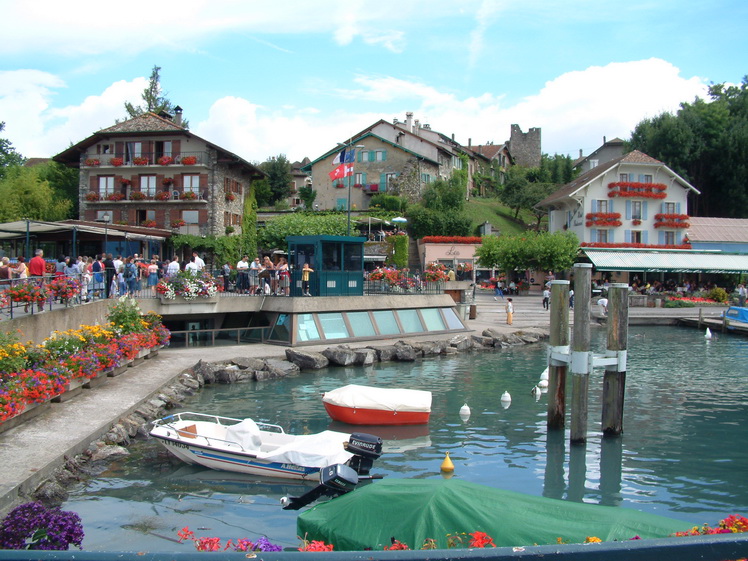
The most beautiful village in France, Yvoire, is situated on the shores of Lake Léman, between France and Switzerland.
Text and photos by Chen Chi-Hsiang
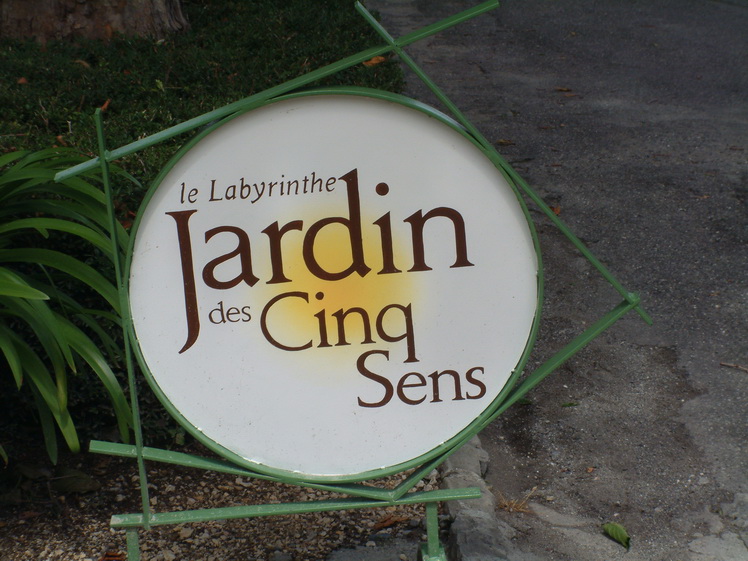
Preface: Medieval Gardens: The "Labyrinth: Five Senses" Garden (Le Labyrinthe : Jardins des cinq Sens)
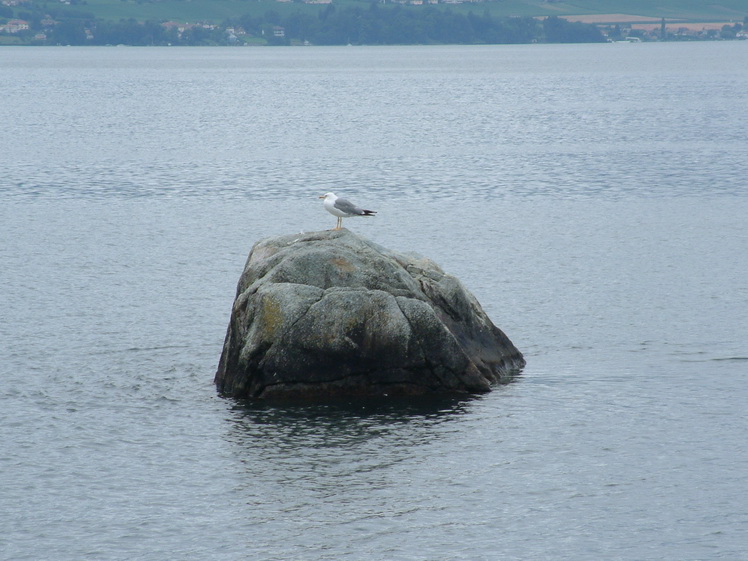
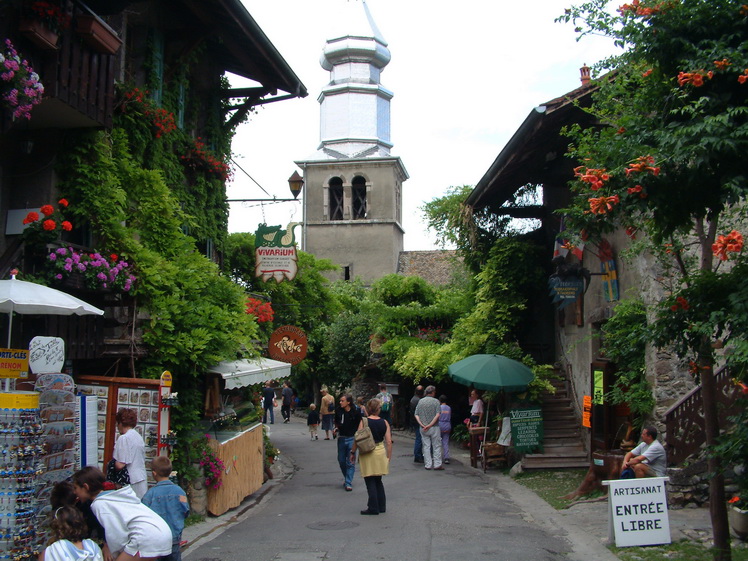
This garden, full of sensibility and intellect, is one of the most representative medieval gardens in France. Located in the small village of Yvoire in the Haute-Savoie department in eastern France, it sits on the shores of Lake Léman (Leman), where the lake meets the mountains at the border between Switzerland and France. Across the water lies the bright scenery of Switzerland. This poetic, picturesque lake, with its shimmering reflections resembling an "inland sea," has become a major tourist destination (only twenty minutes from Geneva and about thirty minutes from Lausanne). With busy boat traffic, the elegant and scenic Yvoire has become an important tourist hub on Lake Léman. A typical tranquil French village, its streets, alleys, and every household's balconies and windows are adorned with colorful flowers and plants, making it look like a magnificent garden. It is arguably the most beautiful small village on the shores of Lake Léman or within France.
Garden Anecdotes: The Poetic Labyrinth
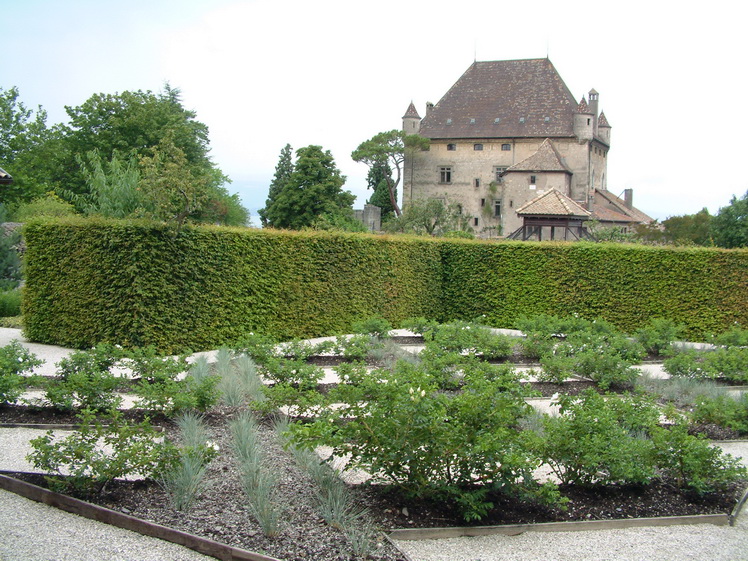
The poetic "Five Senses" Garden is located at the foot of a magnificent castle, enclosed within high walls (this castle was built by Count Amédée V of Savoy in the early fourteenth century). This evocative garden was reconstructed by contemporary medieval horticulturist Alain Richert. Richert wrote: "It does not involve creating a historical garden, but rather preserving these fruit trees, because a garden without anything delicious to eat is not a true garden... In such a location, what matters is not destruction; the choice among guests—plants, birds, insects—is important" (Note 1). One can imagine that medieval gardens involved practical needs, providing both food and aesthetically pleasing spaces. Gradually, however, gardens became places for leisure and relaxation, symbolizing refinement and humble affection. Numerous religious and mythological themes emerged, particularly the labyrinth, which is a product of this evolution.
Poetic Garden Layout
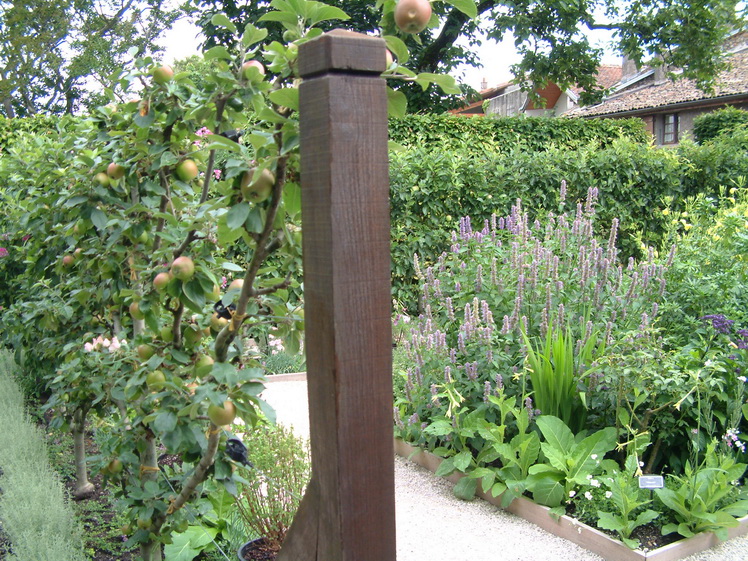
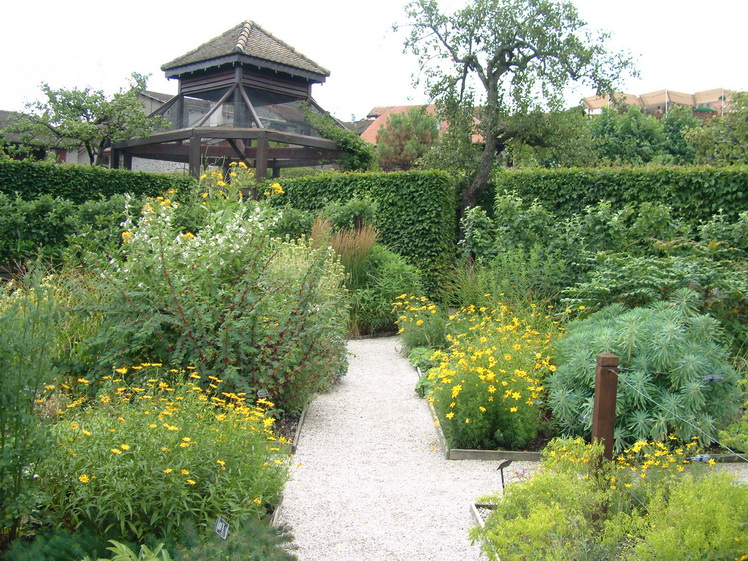
The entire garden is constructed in the form of a perfect labyrinth, composed of orderly, tall, lush yew hedges and low apple trees woven into hedge forms, creating shaded paths. Among them are vibrant vegetable and fruit trees, while colorful flowers and plants form four lush green "living rooms," corresponding to the four senses. The fifth sense is represented by the bird aviary interspersed throughout the labyrinth.
This imaginative garden perfectly follows the original layout of medieval gardens. The five senses are divided into seven main themes. The entrance is the Alpine Square Garden, combining many rare alpine flowers and plants with magical colors and unique forms, often leaving one questioning whether they are flowers or leaves. Rare plants include Serpolet (thyme), Viola (violet), Gentiane (gentian), Phlox, Fétuques (fescue), Crocus (saffron), and others. Just looking at their special names suggests the exotic nature of these plants.
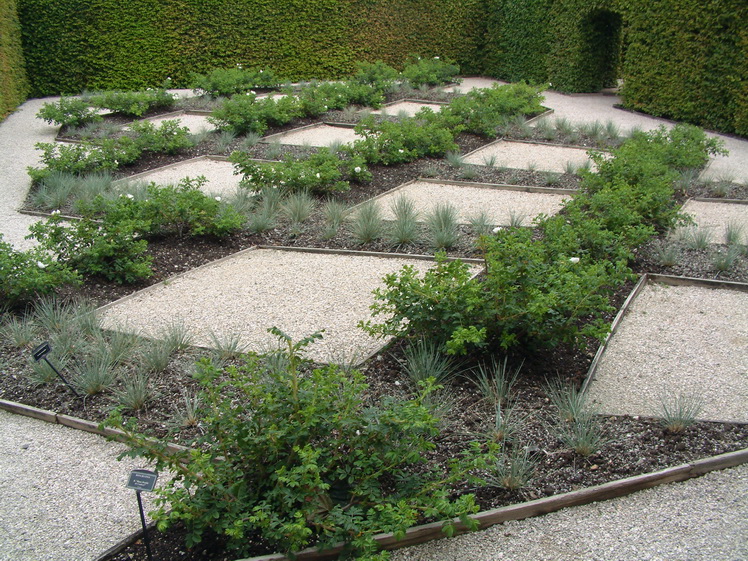
Under the lime tree forest, offering a commanding view of the magnificent castle and charming church, lies the "Weaving Room" (Tissage). Bathed in the rich fragrance of roses, it is constructed in strict, perfect geometric forms. Parallel and intersecting net-like patterns plant clusters of ancient roses and vibrant blue oats (Avoine), creating contrasting forms and colors that are captivating and visually pleasing, resembling a large painted pattern.
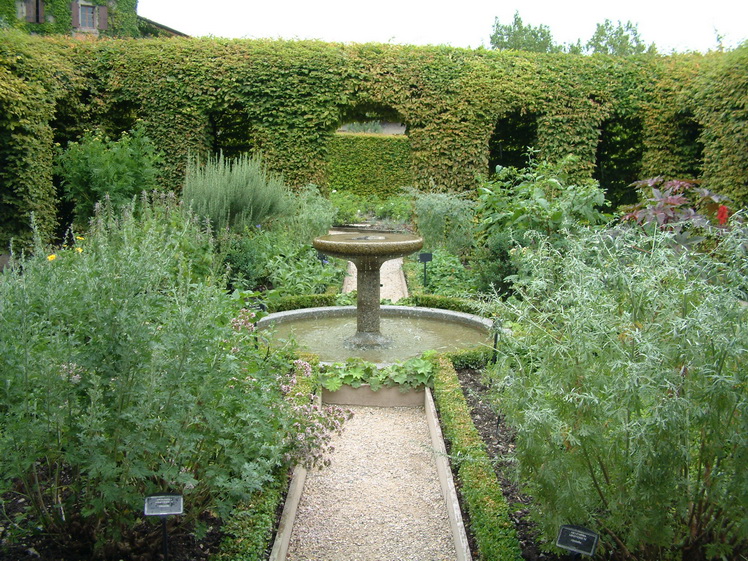
Next is a space for contemplation and poetry, filled with a sense of nostalgia, as if time has reversed. This is a perfect example of a typical medieval garden, hidden within lush, confusing green corridors. Centered around a traditional basin fountain, it is divided into four small gardens of lush herbs and fragrant plants, full of vitality. Common plants in medieval gardens include chamomile, sage, hyssop, mustard, burdock, thyme, lavender, and others.
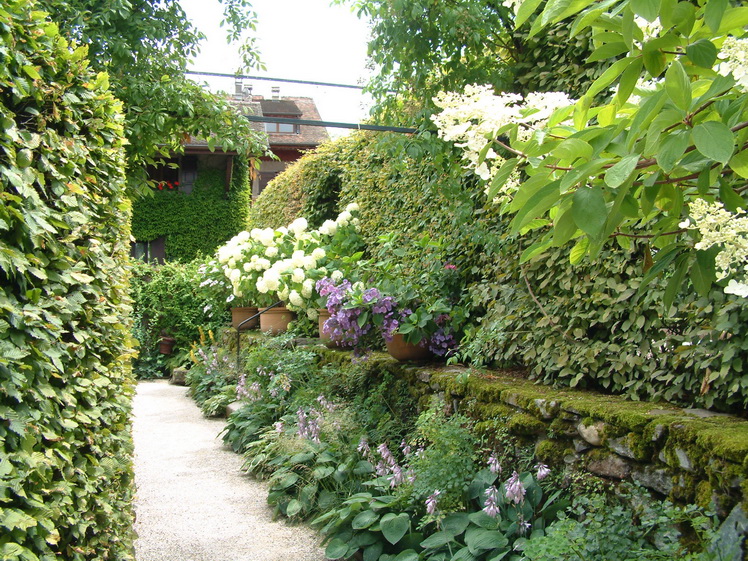
Stepping out of the green corridor, one enters the vibrant main labyrinth that hides the Five Senses Garden. The labyrinth paths are lined with numerous potted flowers and plants, especially clusters of scabiosa and lilies. This labyrinth does not lead visitors astray; all paths are open and free. Corners are filled with mixed colorful flowers, and poultry are kept here. In the center stands an octagonal bird aviary, reminiscent of the Middle Ages. Numerous white pigeons and painted birds chirp lightly and pleasantly, becoming natural music that accompanies visitors and inadvertently awakens their keen "sense of hearing." To the right, within the hedges, is the vibrant "Vegetable Garden," featuring vegetables of various forms, colors, and textures (lettuce, carrots, cauliflower, cabbage, red cabbage, onions, garlic, rhubarb, sorrel, etc.) and wild flowers, along with some fruit trees (apple and pear). Not only are they visually pleasing, but they are also edible. Have you ever eaten nasturtium flowers? They are quite refreshing in salads. Edible items here display a "texture" and taste, yet here one can simply satisfy themselves by "tasting" with their eyes, leaving endless aftertastes.
Crossing the hedges, one arrives at the fragrant "Olfactory Garden." Amidst light pastel-colored flowers and plants, the air is filled with a strong scent (flower fragrance), bathing visitors in a state of physical and mental pleasure. This area features various roses and wild lilies as the main body, mixed with lilac, philadelphus, Mexican orange trees, and various herbs. Visitors can gently touch the plants and smell them to identify their scents, further enhancing their sensory experience.
Turning a corner, one reaches the "Tactile or Texture Garden." In these geometrically symmetrical flower beds, lush selected mixed plants emphasize various leaf forms and textures: wide, long, round, rough, smooth, thorny, hairy, or thin and transparent. In special gray and silver tones, peculiar plants like fennel (Fenouil), euphorbia (Euphorbe), hellebore (Hellébe), and absinthe (Absinthe) stimulate people's senses and imagination.
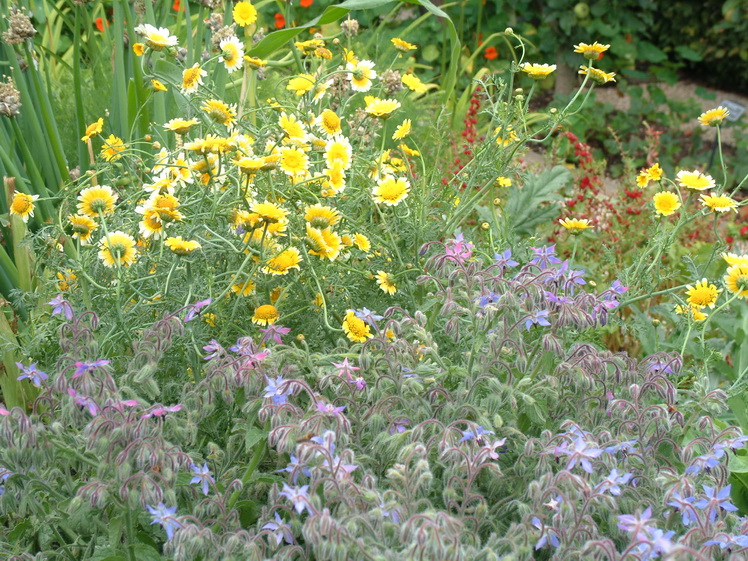
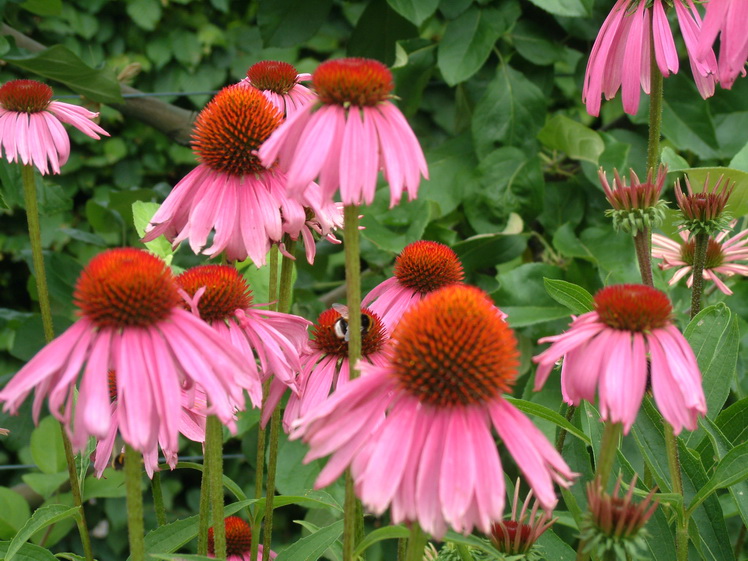
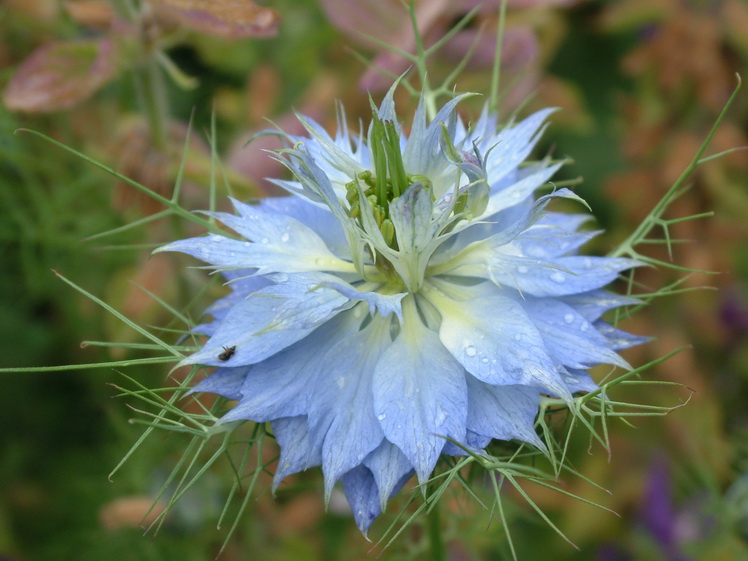
Beside it lies the vibrant, colorful "Color Garden," representing the "Visual Garden" among the five senses. Branches are adorned with colors, resembling a natural abstract painting. It changes with the seasons from blue to purple, finally to overflowing pink. Visually pleasing and captivating, it is planted with year-round mixed flowers, especially with sensitive choices of flower colors: blue geraniums, nasturtiums, swallowtail flowers, gentians, and others. These are visually pleasing and leave an endless aftertaste.
Notes: Address: Rue du Lac 74140 Yvoire, France Phone: 0450728880 Fax: 0450729080 Opening Hours: Mid-April to mid-October every year, 11:00 to 18:00 daily www.jardin5sens.net
Note 1: Reference Le Guide des Maitres Jardiniers Bordas, published in 1993, by Dany Lentin