Chen Ching-Hsiu – Color, Scent, Taste: The Way
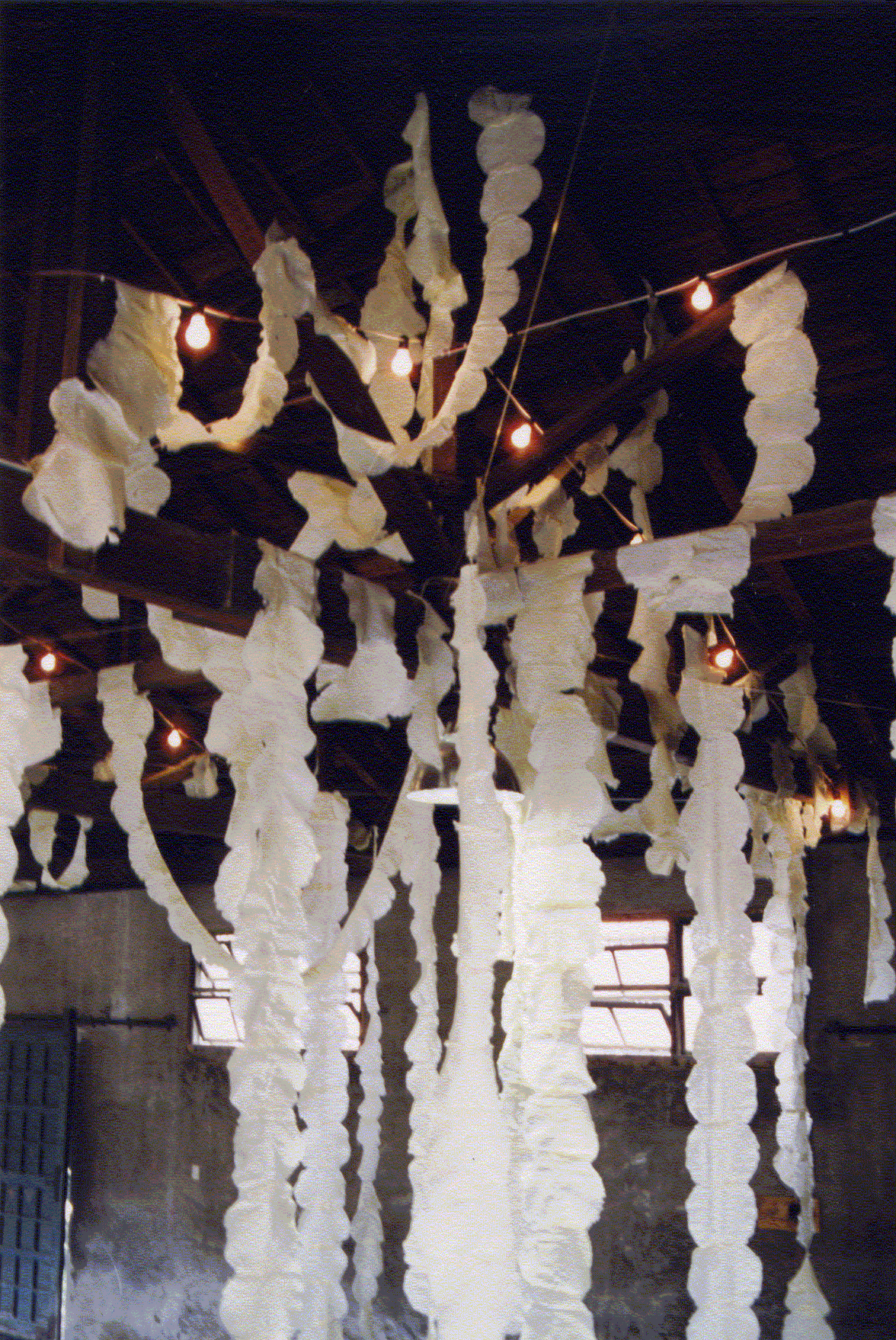
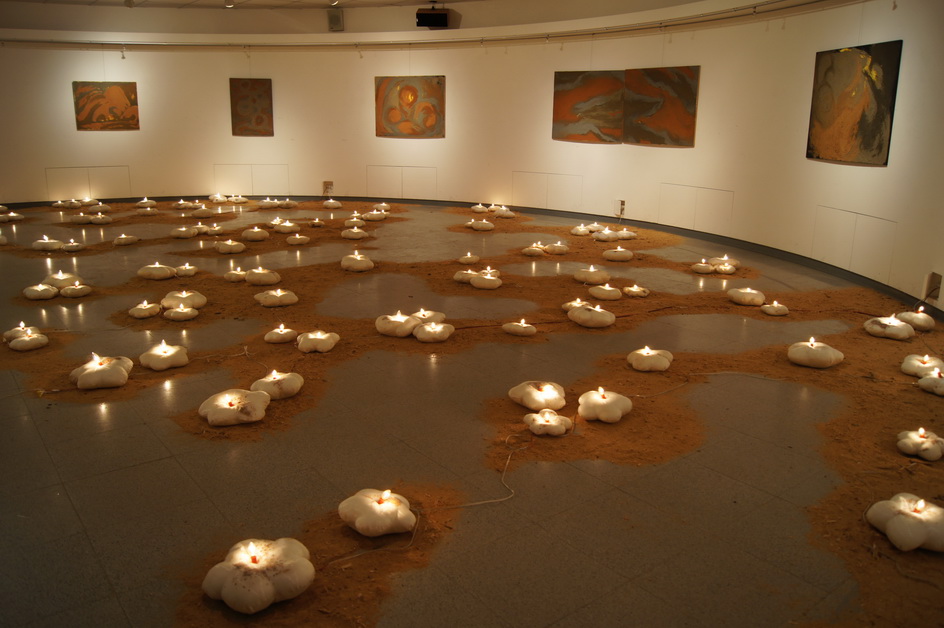
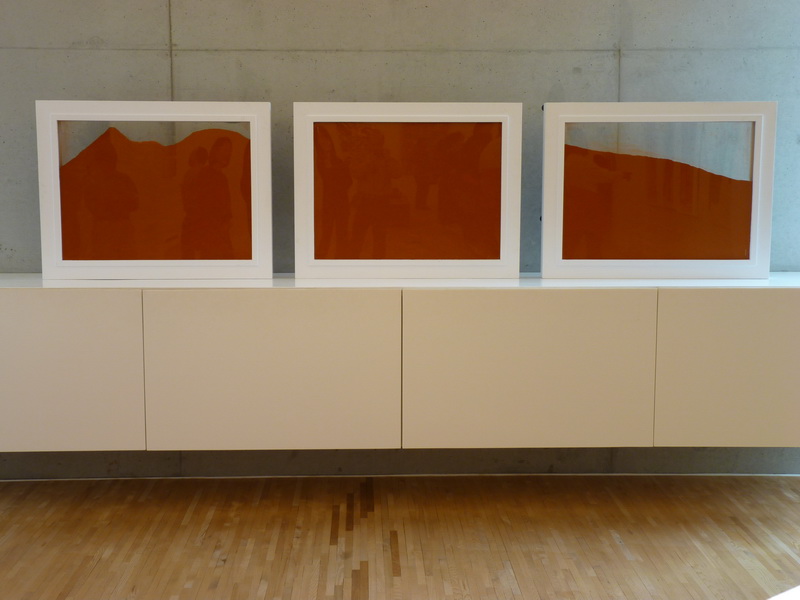
Micro-acidic Transmission 2002 Spring Roll Skin Spatial Installation
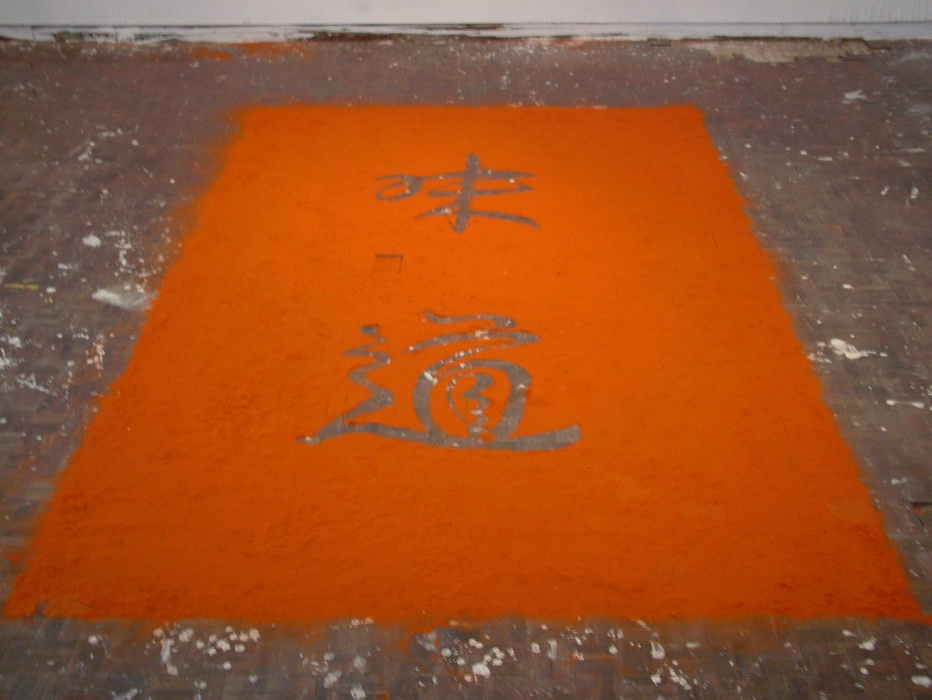
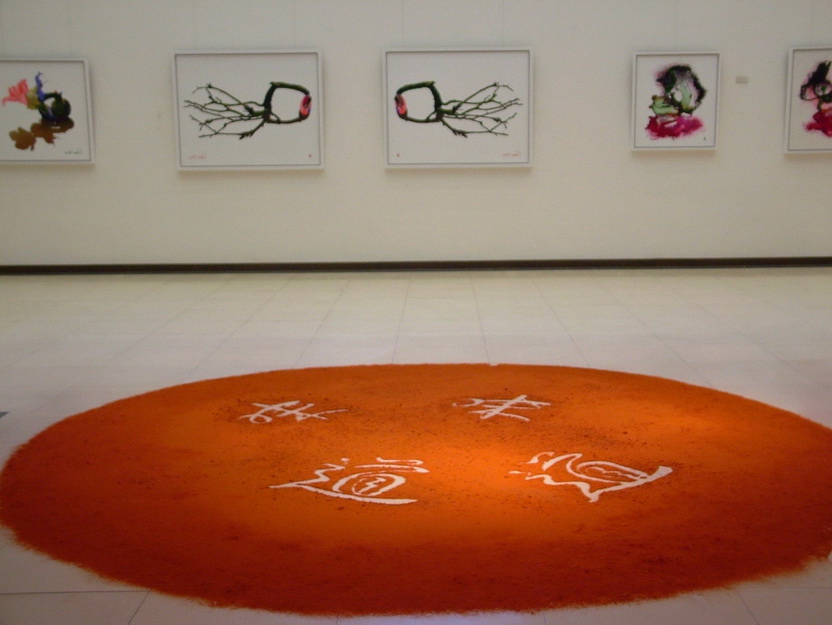
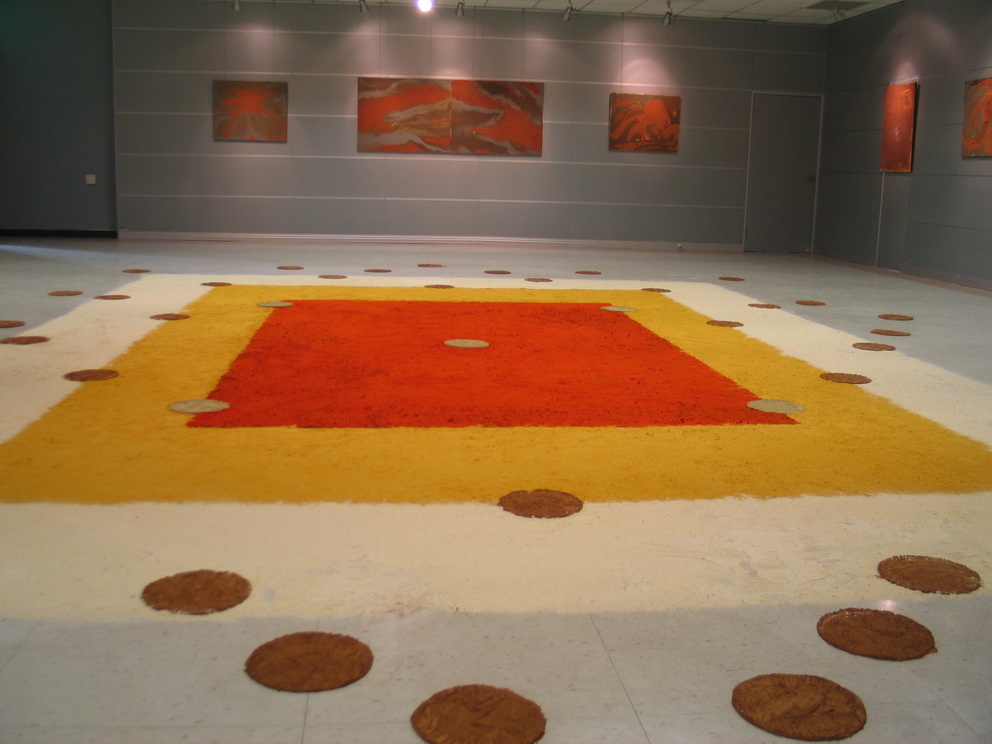
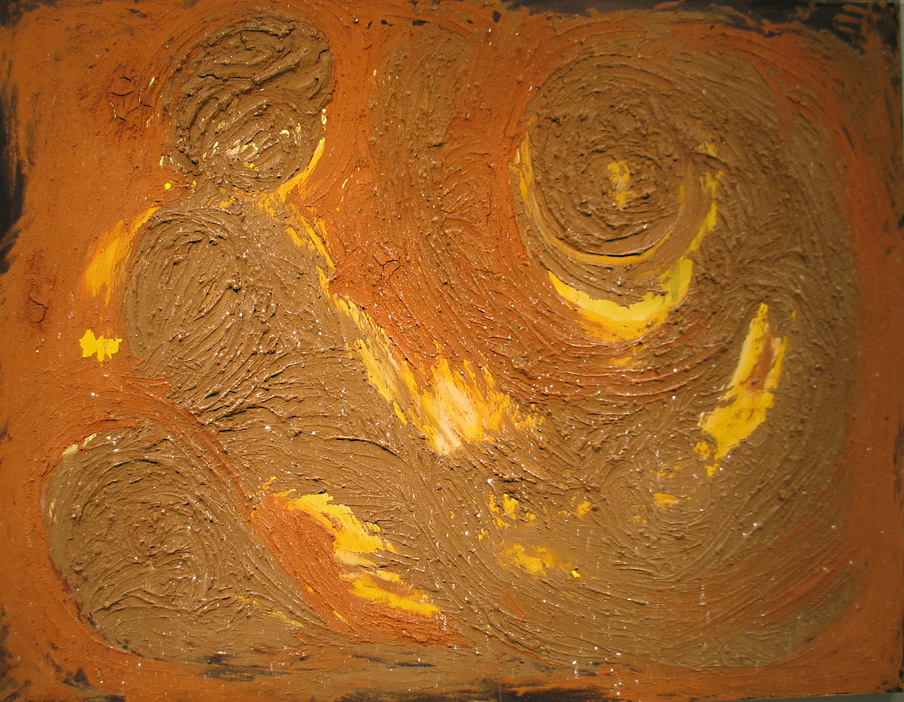
"Human beings possess a longing to return from 'material expression' to the 'true essence' of inner wholeness."
Jung
Text / Chen Chi-Hsiang
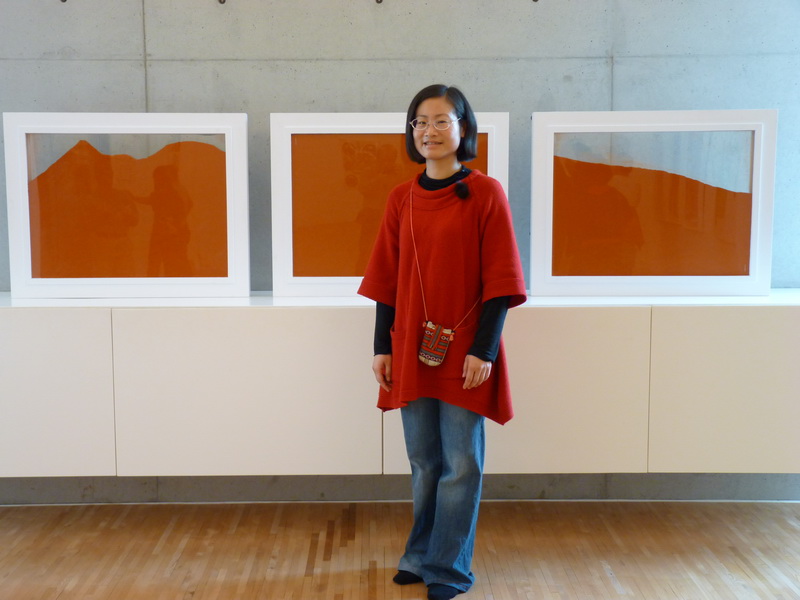
Preface: In 2002, I came to the Department of Visual Arts at Chia Nan University of Pharmacy and Science as a visiting scholar. I quickly met a teacher who taught contemporary art theory and artistic creation. Her colleague, an installation artist, was named Chen Ching-Hsiu. She was serious in her teaching, a senior art education scholar and curator, deeply researched in contemporary art theory, full of passion, energy, and professionalism in creation. She was particularly protective and supportive of her students. During my visit, we often had lively discussions on contemporary art and once collaborated to curate a joint exhibition for faculty and students titled "Southeast Northwest." Her spatial installations focusing on the olfactory sense using yarn and flour sparked not only great curiosity in me but also left a deep impression on my heart. This visiting period laid the foundation for our artistic friendship. Every time I returned to Taiwan, I was invited by Teacher Qingxiu to share thoughts on European contemporary art with the art department students at Chia Nan University. In 2008, during the National Chia Nan University anniversary activities, Teacher Chen Ching-Hsiu curated the contemporary art exhibition "Icy-hot Paradoxical Pleasure," and I was also invited to exhibit. Since returning to Taiwan after earning her Ph.D. in Art Education from Indiana University in 1997, Chen Ching-Hsiu has been active in Taiwan's contemporary art scene through installation art creation. She actively participated in southern Taiwan's art and art education, spared no effort in developing contemporary art in the Chia Yi area, and influenced young students.
Qingxiu’s creations are alternative and original, with unusual materials and media. Her works are unique and feminine, purely female soft writing, making her the only one in Taiwan’s art circle to deeply explore olfactory sensory art. Her creation revolves around the sensitive, delicate, poetic, and bodily intuition and instinct of women. Whether in creative concepts or materials, she is innovative. Through material signs, references, metaphors, and allegories, she expresses emotion and material energy. The medium of writing reflects the soft power and consciousness of feminism, exploring the desire to return to the inner essence. From early fermented dough and spring roll skins, yarn and white flour, to pungent bright red chili powder, recently she added unusual curry powder, soybean powder, green tea powder, camellia seed powder, and soil. Is she a great chef? What kind of visually appetizing trick is she playing, or is she refining some elixir? Of course not. She uses these visual substances of color, scent, and taste to creatively build her perceptual world, transcending traditional aesthetics, forming a resonance of visual, tactile, and olfactory senses. Especially that strong pungent red chili powder or exotic curry powder awakens the audience's sensitive taste and smell, shaking the intense sensations within the body, causing sneezes until tears well up (so moved!). This visually appetitive plastic art directly challenges people's perception and consciousness between vision and smell, sensation and energy, nature and humanities, physics and psychology, matter and spirit.
The Artist from Tianwei: Chen Ching-Hsiu (born 1965 in Tianwei, Changhua) has a special creative background. Her childhood was free-spirited and lively in rural life; she loved playing and was interested in painting, yet studied Foreign Languages at National Tsing Hua University. After graduation, she went to Indiana University in the US to further her studies in art education, beginning to delve into Western modern art theory and contact art, which became the formative education for her artistic creation. Her creative consciousness sprouted in the US. Because she did not come from a traditional art academy, her creation was unconstrained and appeared more lively. This exploration of non-traditional material energy and sensitivity to space comes from the observation and experience of the artist's childhood rural life. She said: "Perhaps because I grew up in the countryside, I used to play in the grasslands when I was young, catch frogs in the fields, play hide-and-seek in rapeseed fields, gather clams in the water flow, play house in caves, watch the sunset on the roof... I am used to managing different games in different spaces, and more used to shuttling through different spatial transformations, whether it is Space A or Space B or Space C or Space D or..., I experience them. These experiences have formed a hobby for me; I like to immerse my body in space, contacting space directly, as if space is not empty but full. And in fact, any space is indeed not 'vacuum'. Although my vision is limited, my touch and smell can perceive the real existence of space. Thus, my creation began to be interested in the invisible but perceivable components of space, and began my series of creative explorations." (Note 1)
Localized Taiwanese Installation Art: Has Taiwanese contemporary art always danced to the Western wind? After martial law was lifted, Taiwan's society and environment became freer and more open, and artistic creation became more diverse. In the 1980s, Western art entered what is called post-modernism, breaking free from the constraints of avant-garde thought, returning to tradition and historical myths, with handcraft painting dominating. If the 1980s saw a return to painting, the 1990s dedicated themselves to objects. Under the diverse creative forms following the times, installation became the fashion and trend expression at the end of the last century. Do you remember that installation art was popular in Taiwan for a while? It seemed that if you didn't do installation, you couldn't keep up with the trend. When did installation become localized as installation art, a reflection mirror or valley echo of Western thought? Installation liberated the creative art forms in Taiwan and brought various possibilities. Artistic creation exists within a large environment; installation is one of the diverse creative forms. Focusing on space, exploring spatial situations and field possibilities, Chen Ching-Hsiu's creation was shaped within this large trend, and she is one of the few artists who continued to insist on installation as a creative route.
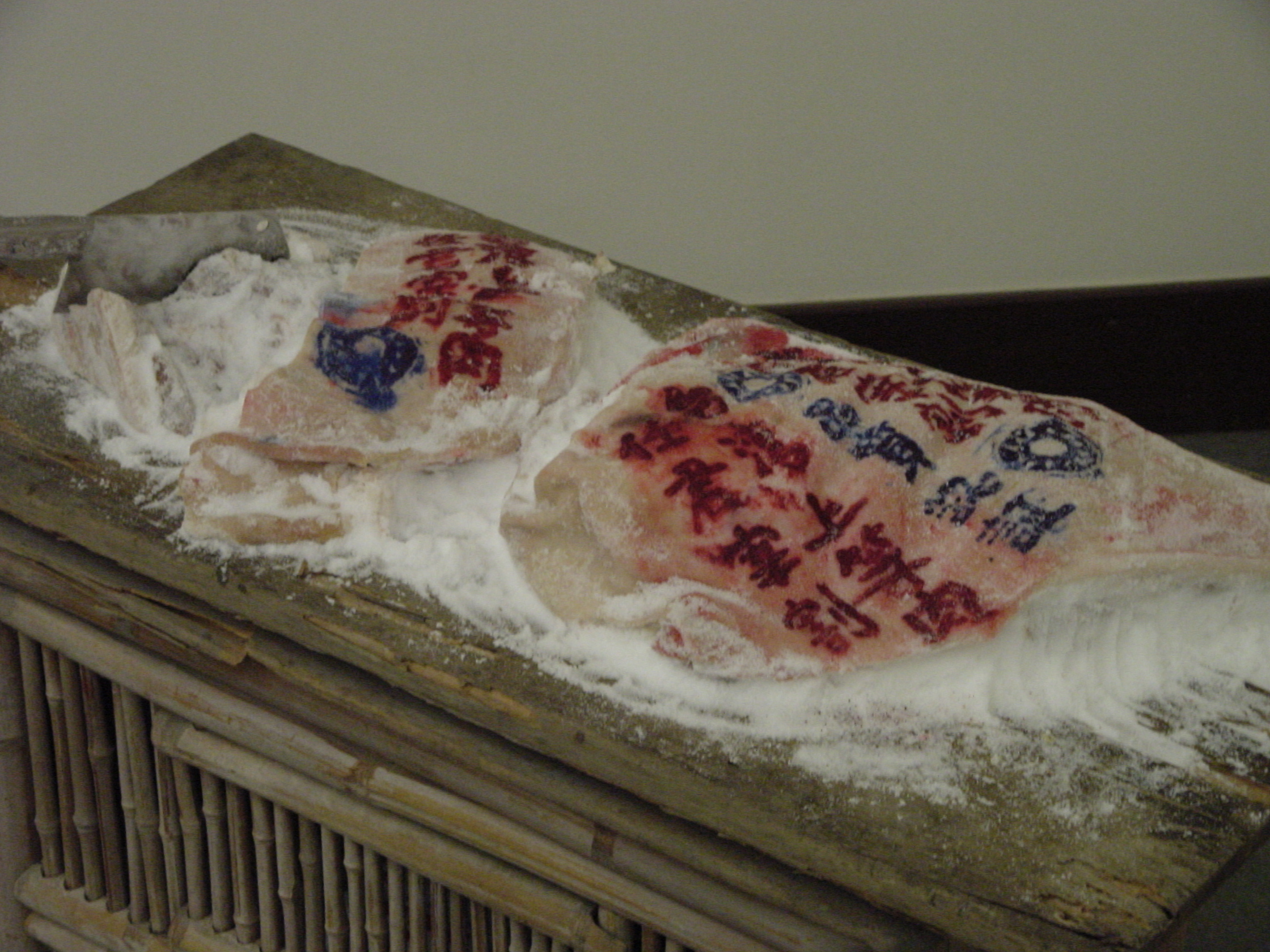
After post-modernism, under the manifestation of subject cultural consciousness, people sought roots and sources, returning to their respective cultural and historical traditions, deconstructing the dogmatism and autocracy of modernism. With the rise of globalized art, the era of a hundred schools of thought contending or competing in beauty, under popularization, representation, universality, uniformity, networking, and vulgarity, localization became a value of difference. Difference became the most important asset and identity of post-modern "globalization," and even a continuous source of artistic creativity. Many Taiwanese artists have deepened their local consciousness. Chen Ching-Hsiu uses media from daily life (such as Record of Butchering Meat using a traditional bamboo-woven cabinet as a pedestal, the bright red chili powder in Taste (2008), and the extensive use of soil and spices from various parts of Taiwan in Earth's Elegance (2009)). And passing on skills (such as the association with mosquito nets in Rules of Secret Meetings (2000), scenes of drying noodles in the folk style in Crossing Rationality (2002) and May Wind Sour, Soft, Warm (2003)). Through local emotions, awareness, oscillation, and smells, she intends to explore local subjectivity, convey land consciousness, and display the great reality of local spirit.
Infinite Possibilities of Space: Installation art involves space. Space becomes the spiritual field of installation. Space is neutral, like a stage; space is the field of the work, like a dancer's platform. Space dances and flies with the work. "There is no good or bad space, only mature or immature artists. How to awaken the energy and consciousness of space? That depends on the artist's sensitivity and perceptual experience mastery. The spirit of the field naturally presents itself." Indeed, space is conditional; installation establishes space and is tailored-made according to space. Qingxiu clearly points out: "My creation itself is a reproduction of the aura of a certain field, just as drama attempts to reproduce various experiences of life. Since it is a reproduction of spatial aura or atmosphere, it emphasizes the problem of the essence of space." (Note 2)
In the artist's shaping, all possibilities lie here. Space is limited; within the limited, glimpse the infinite; touch the formless within the formed; present the imperceptible within the visible; awaken the sleeping spirit in material space; express the artist's consciousness and concepts. Qingxiu is particularly sensitive to space. She wrote: "For me, any specific space is composed of many visible and invisible components. Although we are accustomed to relying on vision to see visible things in space, my creation tends to explore the existence of the invisible qualities in space. So, I try to use tangible media to induce the participation and interaction of invisible components in space, in order to weave out the special spatial dynamic atmosphere of that field; hoping to feel the free flow of the field's energy and the implicit and flexible potential tension and power within the field through the changing dynamics of encounter, experience, dialogue, and experience formed by the perspective of space works and viewers." (Note 3)
The Face and Energy of Materials: Qingxiu's creative materials and media are unusual, coming from the general environment of daily life, materials within reach, such as dough, flour, spring roll skins, yarn, chili powder, curry powder, soybean powder, green tea powder, camellia seed powder, cypress wood shavings, and soil from various parts of Taiwan, etc. Formed and unformed formal attributes mostly release natural scents, carrying strong cultural references and metaphorical nature, combining life and art, presenting a metaphor of substantial life and existence. As artist Louise Bourgeois said: "Art is not just art; life itself is the theme of art." She uses materials themselves full of feminine sensibility: sensitive, elegant, warm, tender, graceful, spicy, sexy, and the yin-soft power of lust, conveying the artist's strong feelings and awareness, reflecting thoughts, referring to local texture, energy, consciousness, and spirit. John Cage believed: "Ordinary things continue to be a potential aesthetic."
Qingxiu turns decay into magic. The composite media she uses are organic active substances. Relying on the scents naturally released by organic media, they stimulate strong bodily senses. With the evolution of natural ecology over time and space humidity (fermentation and mold), within the veil of this mysterious experience, full of magic and imagination, bursting with material energy, explaining the rhythmic phenomena of natural existence, metaphorically indicating the waxing and waning of life: Fermented dough reveals intuitive perception and imagery; spring roll skins drive sensual instincts; yarn becomes a conductor for rational architectural spatial structure consciousness; bright red chili powder is explosive, both warm, tender, sensual, and spicy. Cypress wood shavings awaken the divine spirits and conscious senses of local mountain forests; Taiwanese soil finds back the substantial existence and beauty of the surrounding environment that was ignored or forgotten, explaining the natural energy and tension of matter, under substantial spirit, re-finding the dialogue between image and reality, space and environment, matter and form.
Resonance of Sensation and Consciousness: Qingxiu's creation focuses on quality over quantity. Each exhibition is exploratory, refreshing the audience's eyes and ears, bringing viewers into unknown states and situations. Creation is deeply considered, advancing reason and sensibility together. Between sensation and consciousness, the work is based on theory, and theory is implemented in the work. Chen Ching-Hsiu truly stepped into creation in 1999 by participating in the Chia Yi New Art Exhibition. Her debut work Dialogue with the Sun was inspired by the perception of the hot sun in the south, opening up local material media—peanuts produced in the Xingang and Beigang areas. She casually stuck peanuts and shells onto a traditional bamboo-woven table as an object installation, initiating the exploration of local consciousness.
"Fermented Dough": Starting in 2000, Qingxiu began to explore the olfactory sense of smell with fermented dough dancing in the spring breeze. Starting from the solo exhibition Tension of Energy Fields, she deeply used familiar materials from daily life—fermented dough. People thought Qingxiu would invite everyone to make bread, shaobing, or dumplings. Unexpectedly, she covered iron wire mesh columns of various sizes with dough and sprinkled flour on the ground in an installation, dramatically constructing a primitive forest atmosphere full of smell. The exhibition space naturally permeated with the smell of fermenting dough balls, and with the chemical rhythm of time—molding and emitting a pungent sour smell, the live bacteria elements finally cracked, peeled, and collapsed with natural drying. Through different smells and visual changes at different stages, it explains the phenomenon of energy replacing field tension, metaphorically indicating the waxing and waning of life existence. The scents naturally released by organic media mix into a sonata of vision, smell, and taste, opening up olfactory senses and consciousness. Tension of Energy Fields completely breaks away from traditional visual aesthetic experience, entering a philosophical thinking field, seriously facing the existential meaning of "energy conversion and decay." The artist said: "Exploring energy fields is actually an internal cognitive path to understand the relationship between life phenomena and natural interaction." (Note 4)
From 0 to Infinity (2002) uses the anti-masculine Tension of Energy Fields linear columns, feminizing the warm and soft dough balls to construct thin wall-like partitions, forming a corridor structure of crossing connections. This living bacterial dough ball vividly induces the participation and interaction of invisible components (humidity) in space. With the passage of time, the activated substance slowly expands to dryness, slowly releasing flowing scents, like an active living organism, breathing invisibly and weakly, metaphysically explaining that invisible existing material energy. Qingxiu said: "This work explores the infinite potential, tension, and destructive power of nature's hidden energy through the fermentation phenomenon of dough balls." (Note 5)
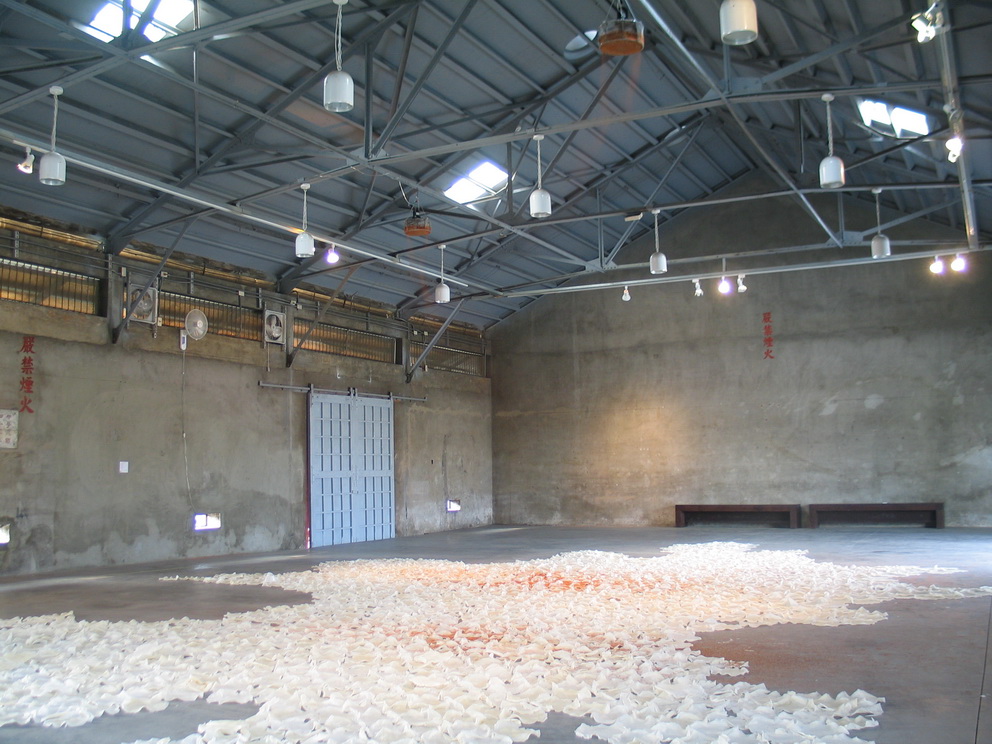
"Spring Roll Skins": Come on, Teacher Qingxiu invites everyone to eat spring rolls. Have you ever tasted the flavor of "eating pancakes" with your eyes? Her creation is beyond imagination; spring roll skins become creative materials. Spring roll skins are a special ingredient for Hoklo people in Taiwan during the Qingming Festival, strongly referencing culture and local consciousness. The skin is thin, fine, translucent, and elastic. In 2002's Micro-acidic Transmission, she strung spring roll skins one by one, hanging down from the roof beams like vines, reaching the ground, forming a rock layer situational field. The "skin" becomes a medium to induce invisible acidic substances in space, absorbing moisture from the faintly damp air, releasing more micro-acidic energy, emitting a slight sour smell. Over time, it ferments, molds, dries, and cracks, presenting natural energy, the face of time, and consciousness. In the same year's From Contact... Begins... Spreads, magically, like white towels, spring roll skins were orderly woven into hanging lamps on cotton cloth, suspended in the air, with transparent plastic basins filled with red water below, full of visual imagination. When the hanging lamp cotton cloth touched the water, it slowly absorbed moisture, spreading upward to the active skin. Due to dampness, it molded with spots over time, turning black and rotting, performing a dramatic sour smell sonata and natural existence phenomenon energy. Resonating between visible and invisible, vision and smell, sensation and consciousness, metaphor and imagination.
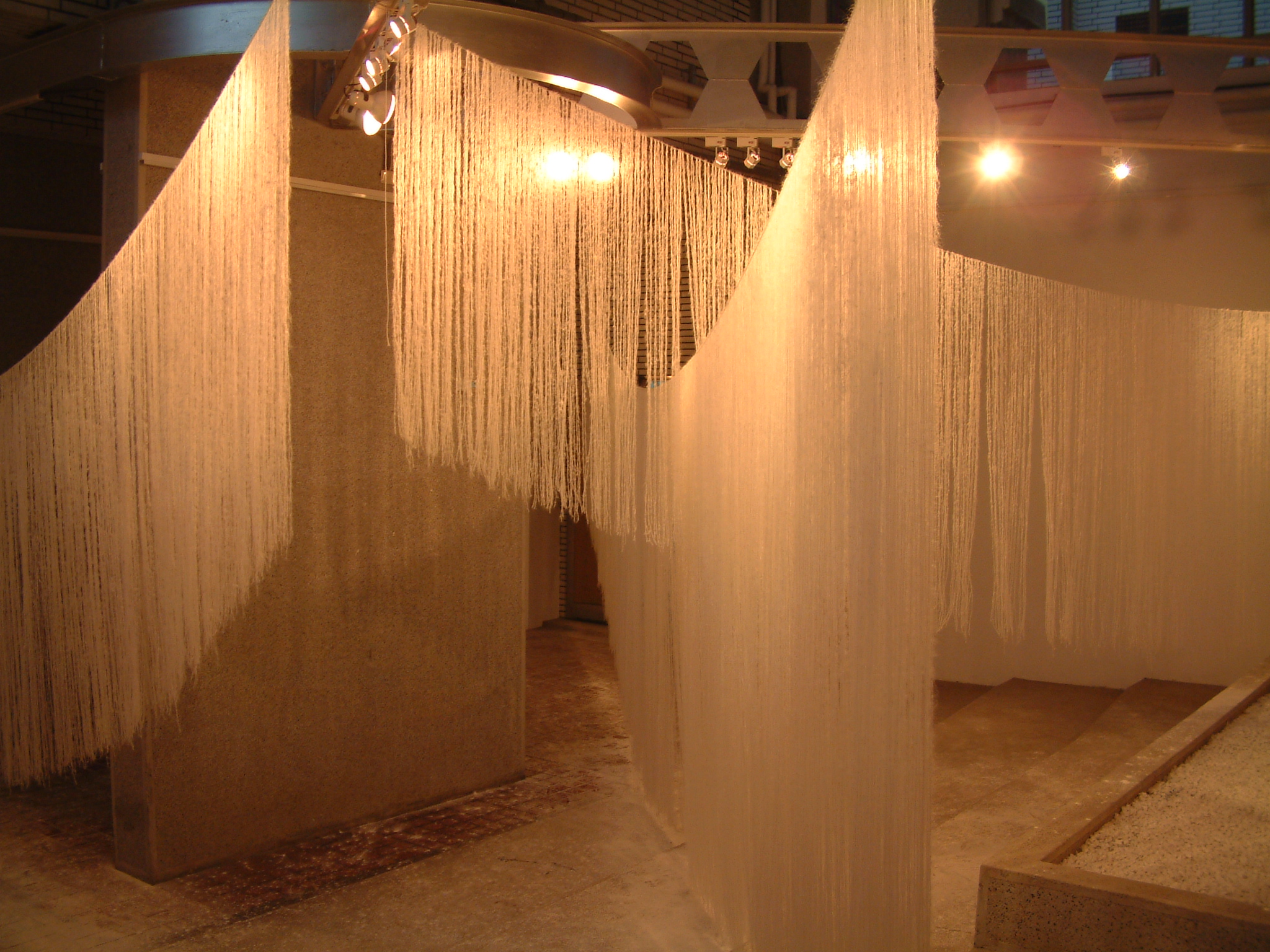
"Yarn and Flour": After the instinctive and sensual shaping of dough and spring roll skins, Qingxiu used feminine yarn as a conductor for rational architectural spatial structures, and through the soft power of flour penetrating strong and mechanized spaces, conveyed women's delicacy, sensitivity, patience, tenderness, energy, and consciousness: Crossing Rationality (2002) and May Wind Sour, Soft, Warm (2003) are works established according to space. Using strips of cotton thread to hang and frame vertical, parallel, cross, and crossing screens, finally lyrically sprinkling light flour on patches of hairy yarn, strengthening the soft and romantic atmosphere of space, plasticizing a new feeling and appearance, recalling the essence of space between texture and emotion, matter and energy, lyricism and imagination, tenderness and consciousness.
"Pork": People with awakened consciousness inevitably enter local politics and historical turbulence. For Taiwanese people, entering the Republic