Signs of the "Paris International Street Graffiti Art Exhibition"
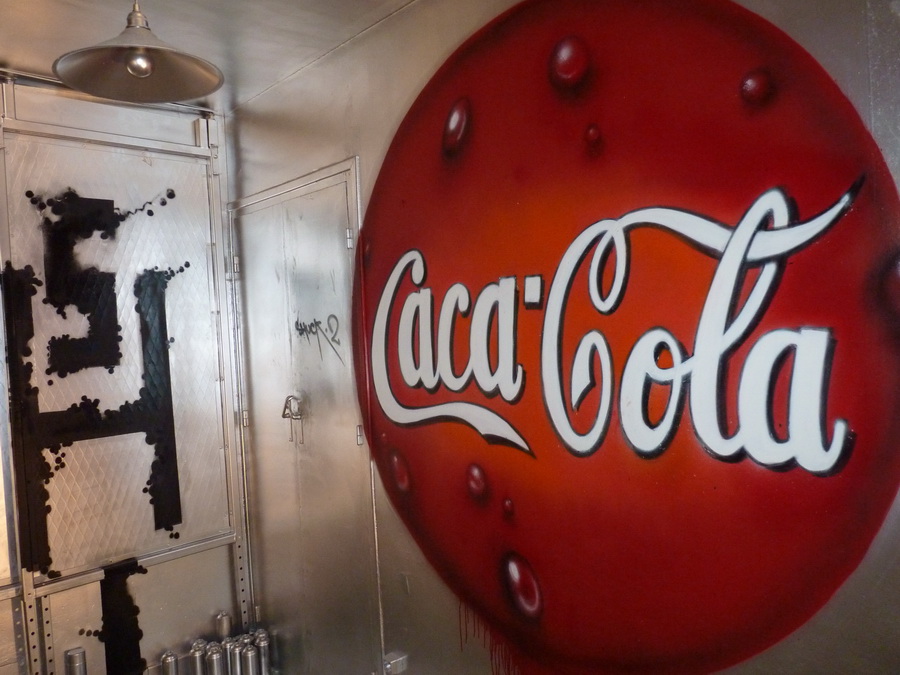
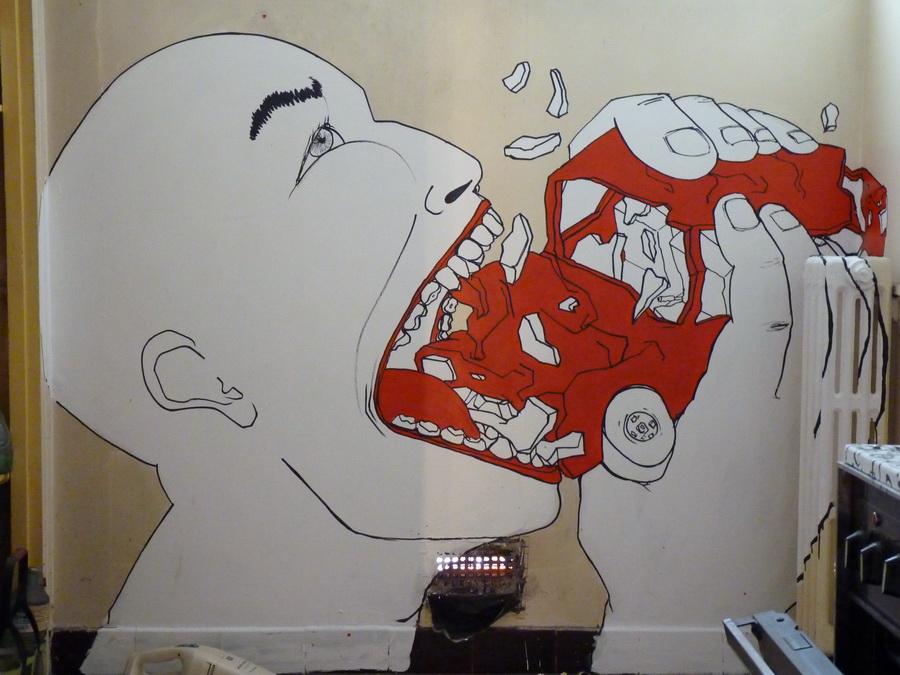
c215 (France) - "Caca-cola," referencing signs of current neoliberal greed.

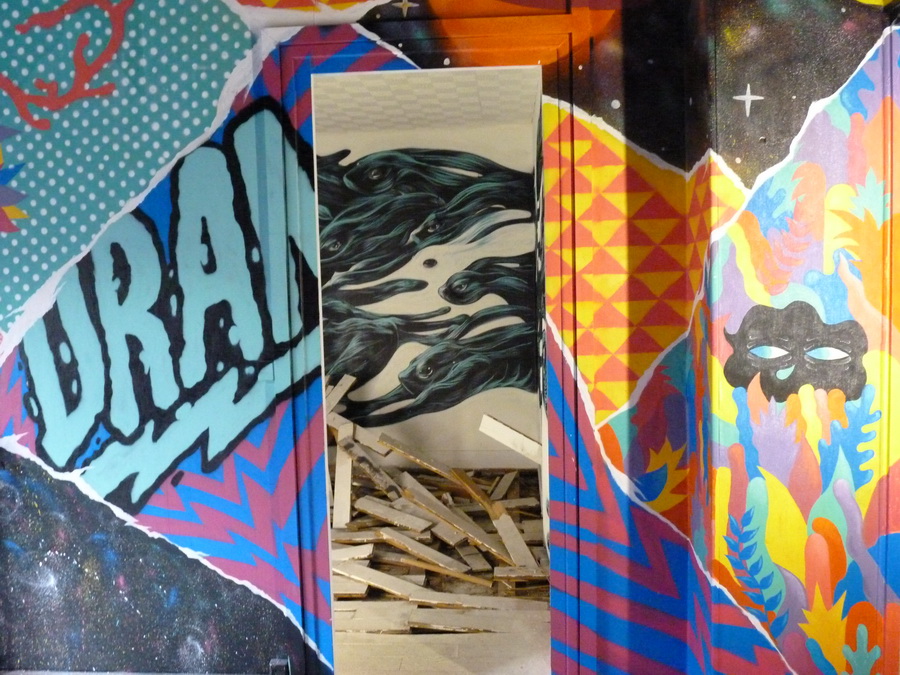
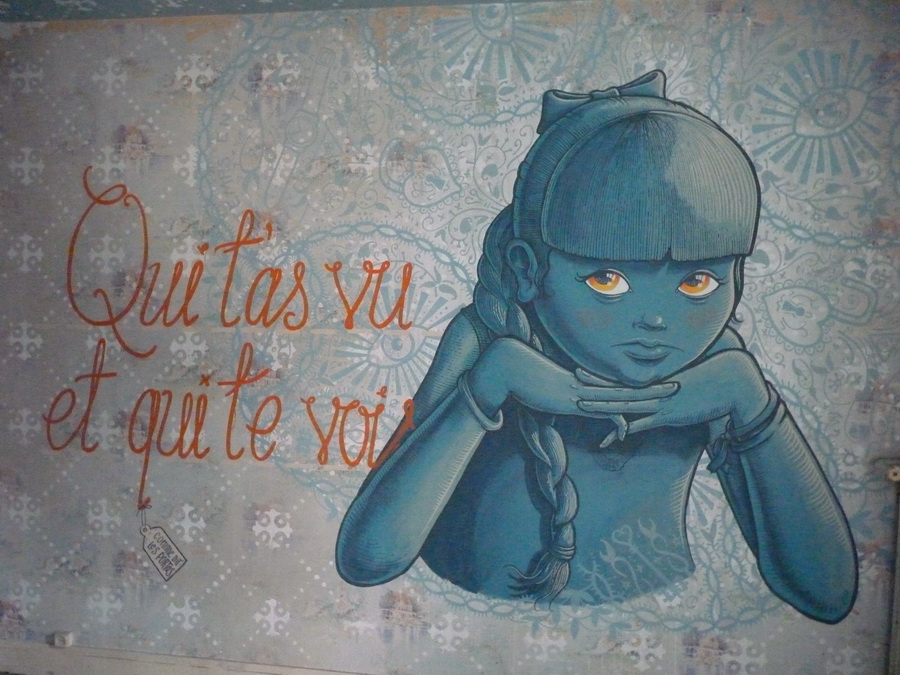
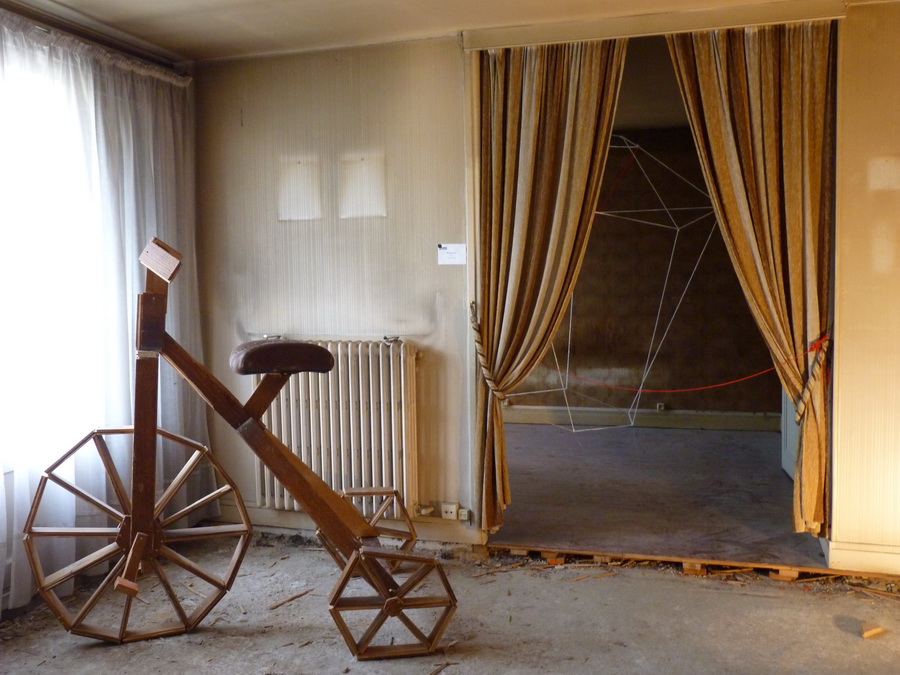
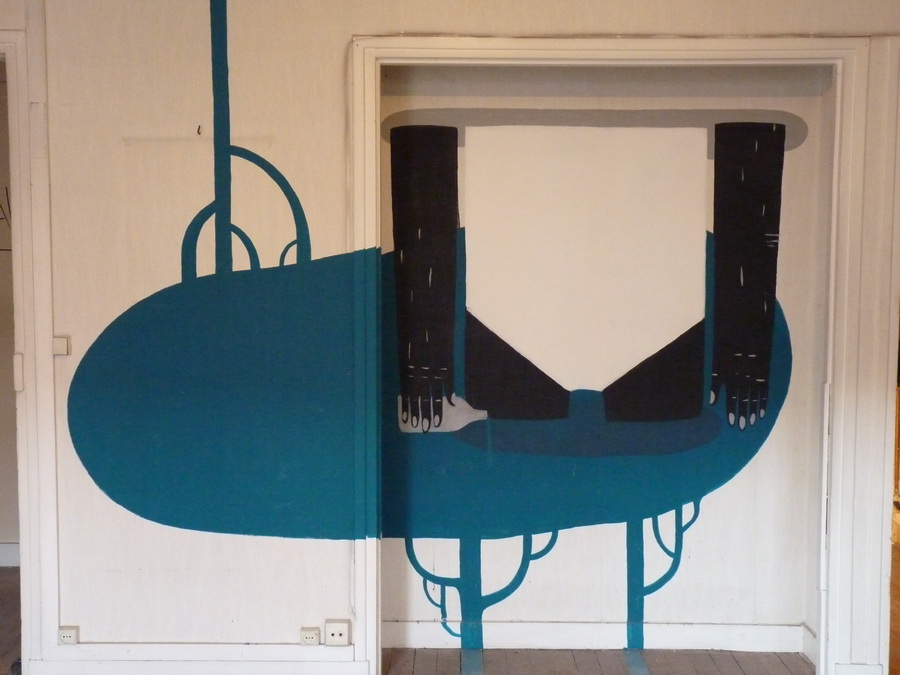
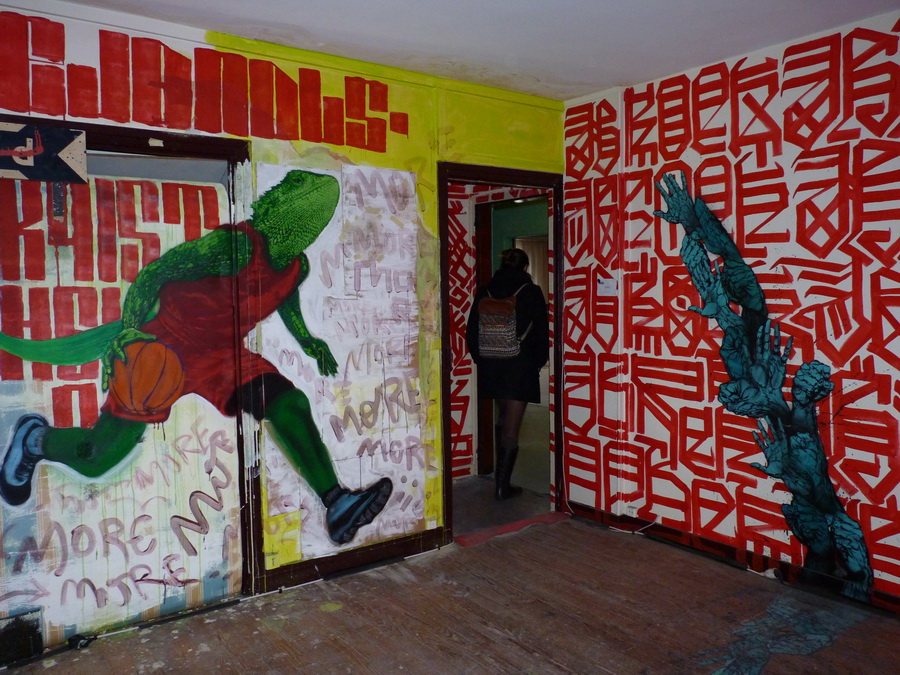
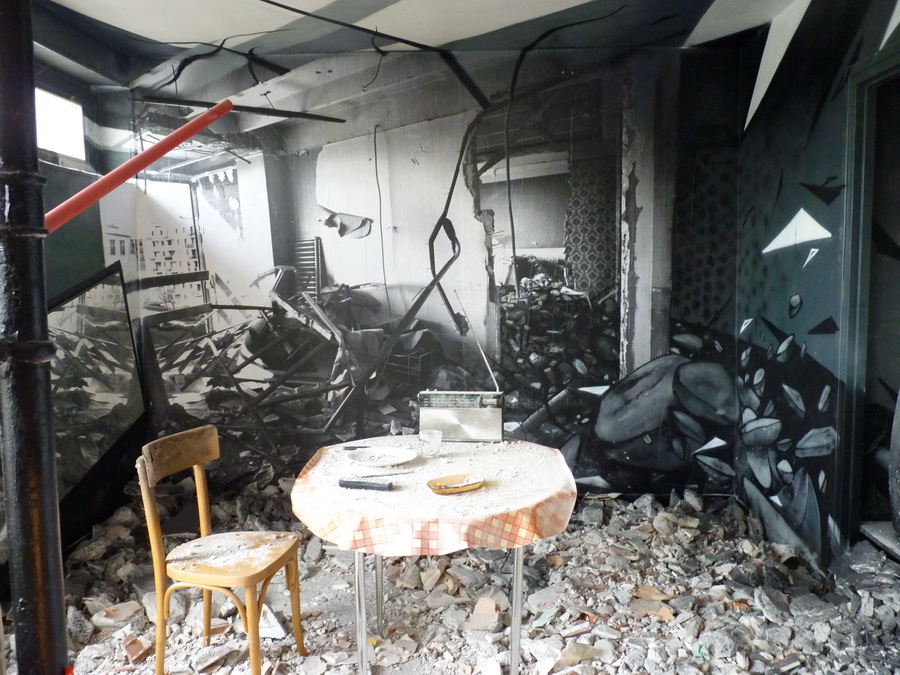
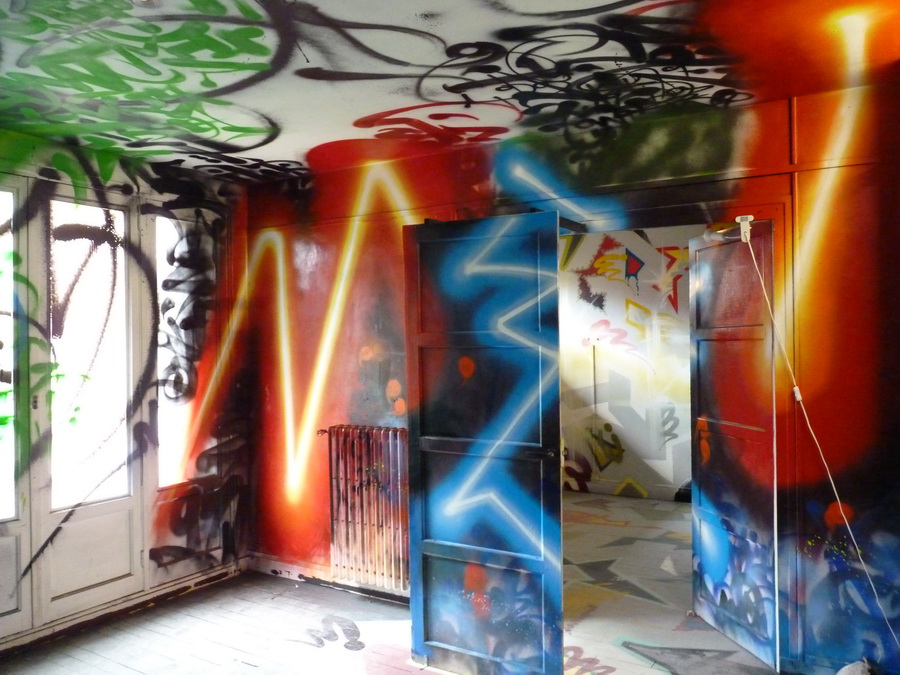
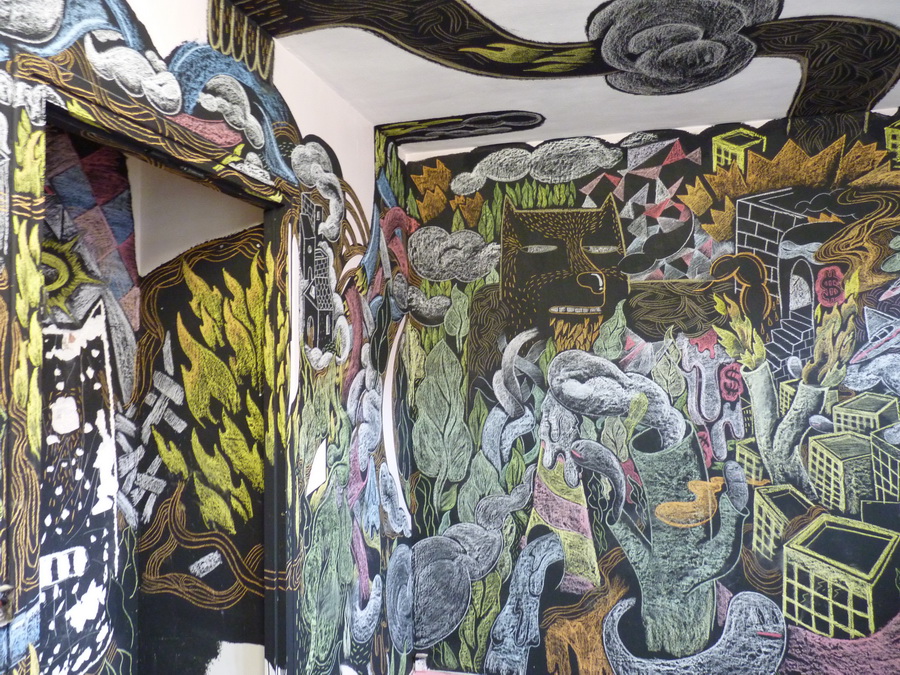
Text and images by Chen Chi-Hsiang. Street graffiti is a product of global urban margins, playing a pagan role in modern culture by challenging social systems and expressing dissatisfaction, while constructing imagined rights and social behavioral awareness. Its common signs involve depicting ordinary myths within daily rituals, popularizing and massifying them through vibrant colors, concise and powerful forms, and humorous, innocent, lively, and witty imagery. General signs are roughly categorized into decorative, critical, expressive, referential, metaphorical, allegorical, narrative, and literary types.
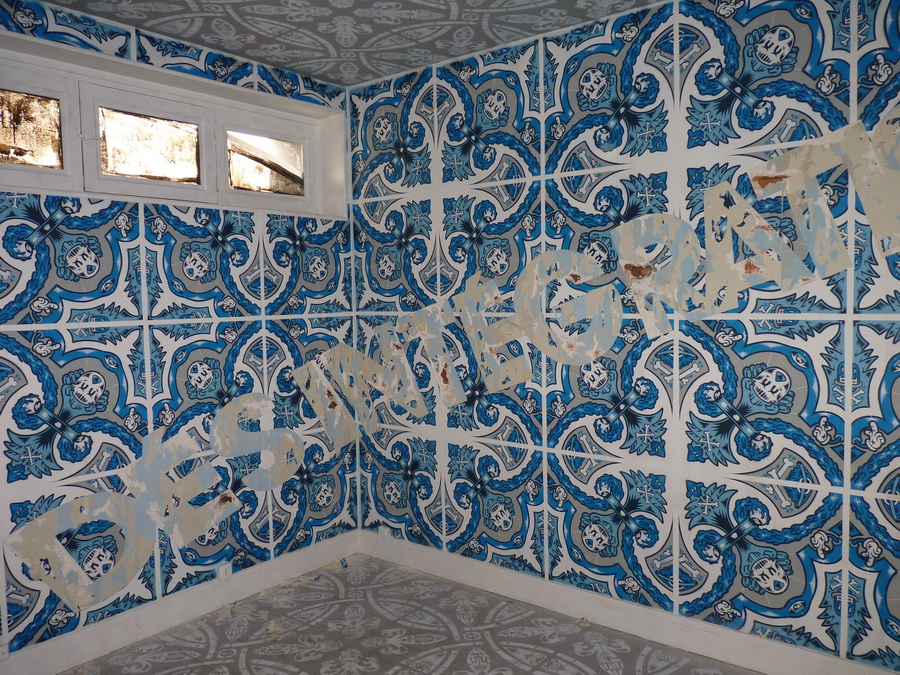
Under globalization, regional cultural differences persist. Western metropolises tend toward formal exploration, featuring rich and diverse forms and regional codes, such as portraits of famous French singers or Portuguese traditional patterns with strong decorative and social intentions. South American and Middle Eastern graffiti possess strong political consciousness and social nature. South America, especially Brazil, features unique symbolic graffiti writing; the Middle East showcases poetic graphic Arabic calligraphy with particularly charming line aesthetics. Tunisian graffiti implies political and historical criticism, alongside French creators' "Caca-cola" referencing signs of current neoliberal greed, and Portuguese installations using tie shapes to form cliff-edge stopping motifs.