Spatial Consciousness of the "Paris International Street Art Exhibition"
Asserting the dimension of "painting" and all-around space
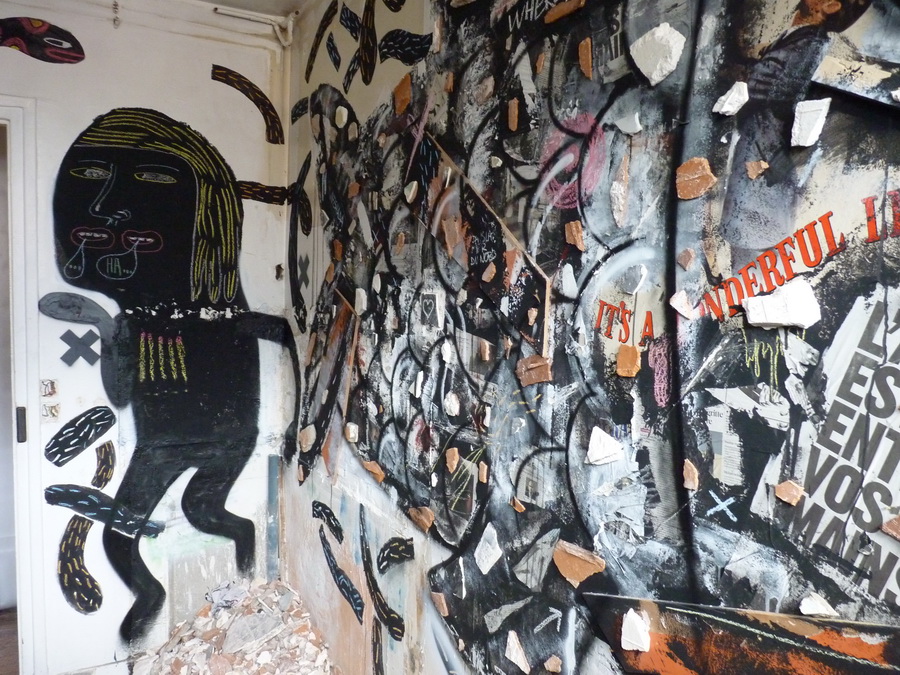
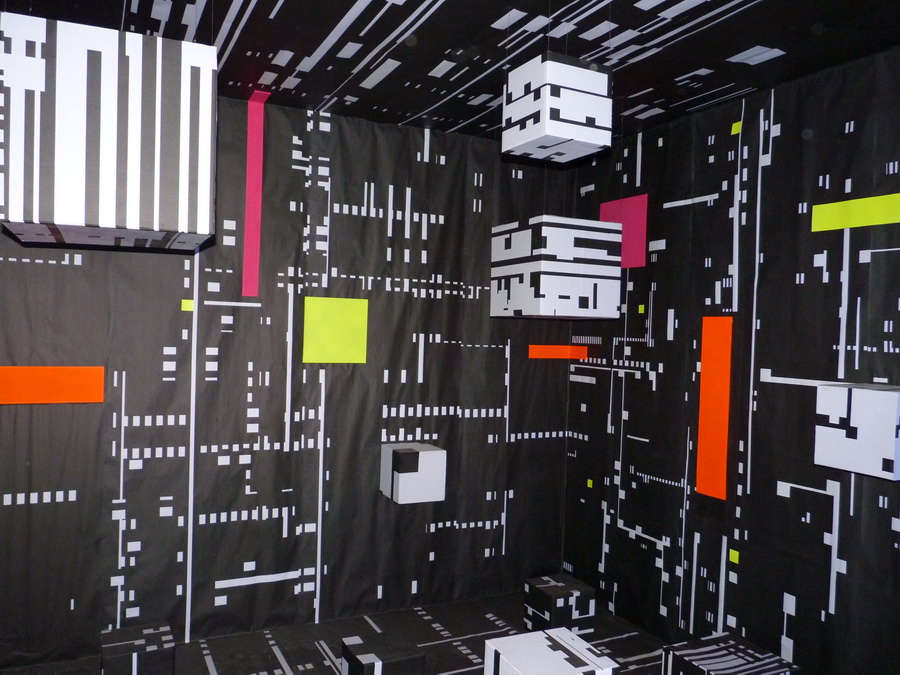
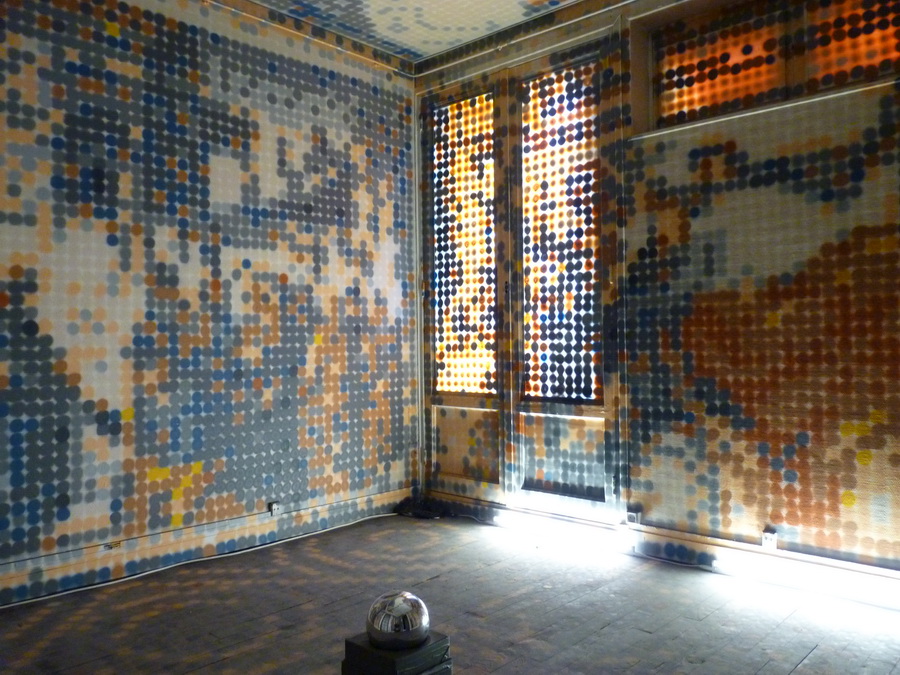
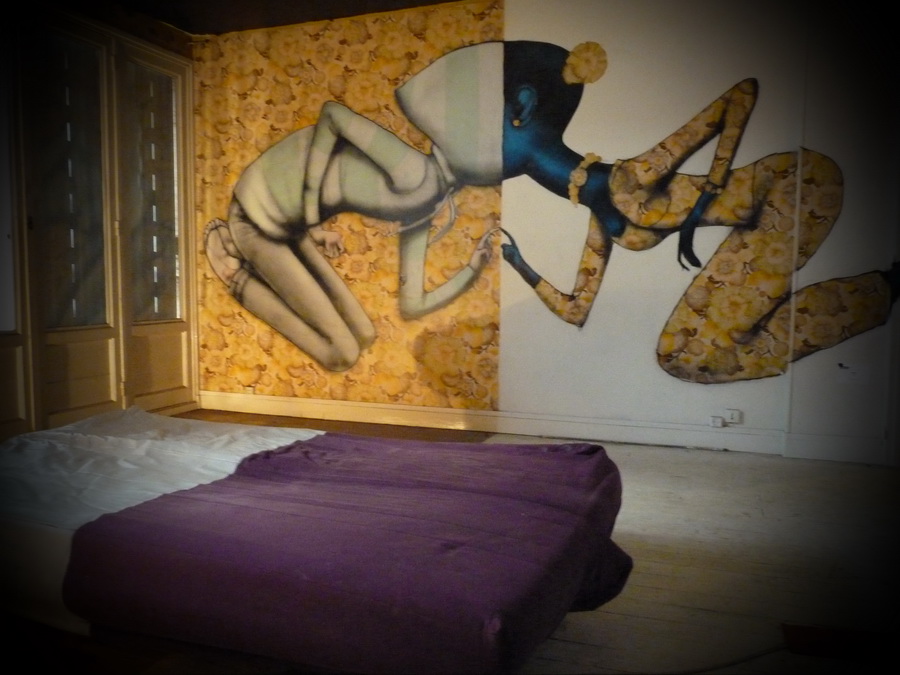
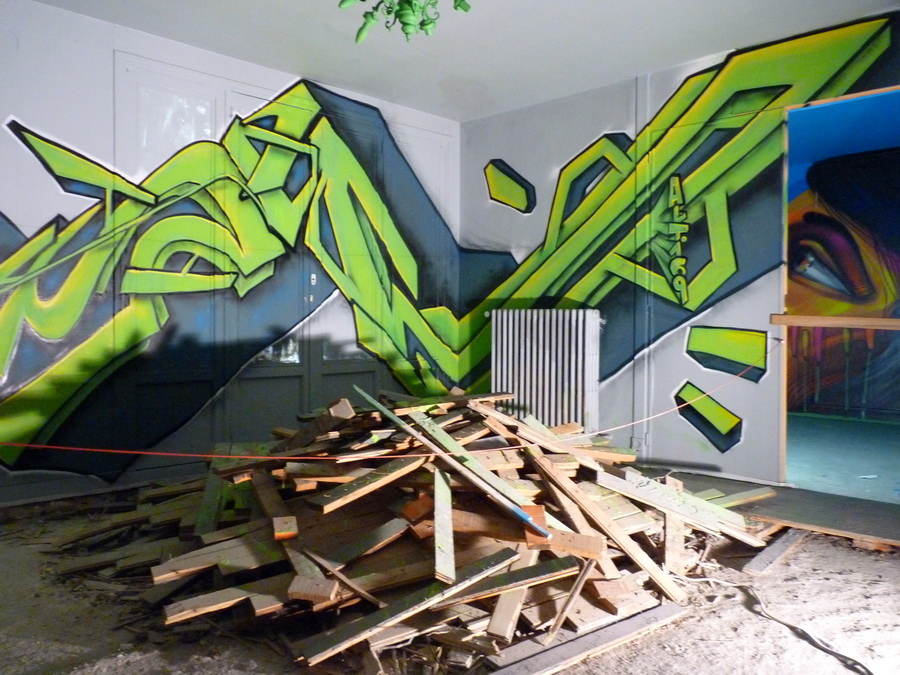
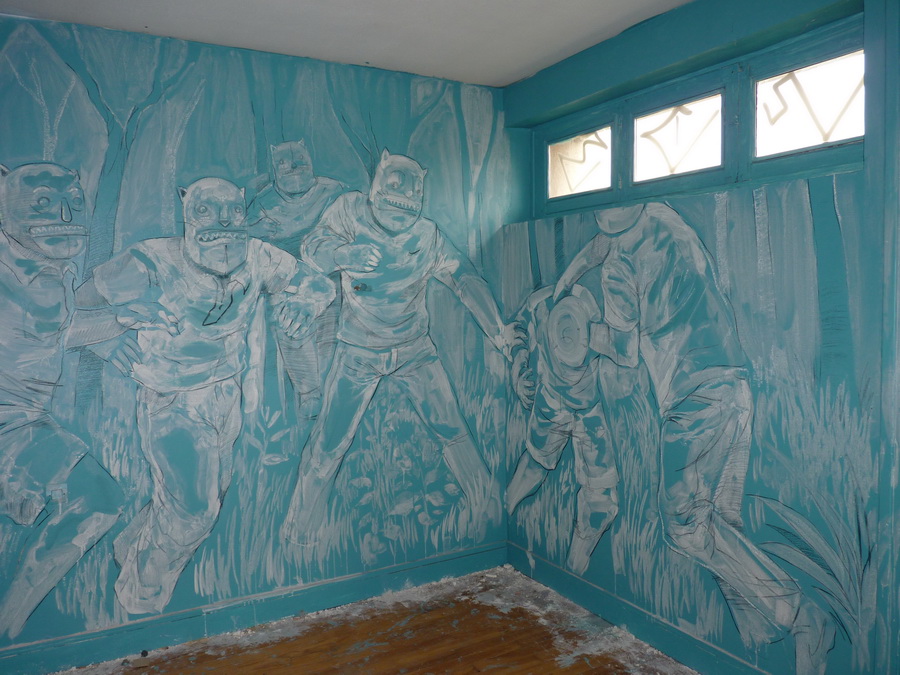
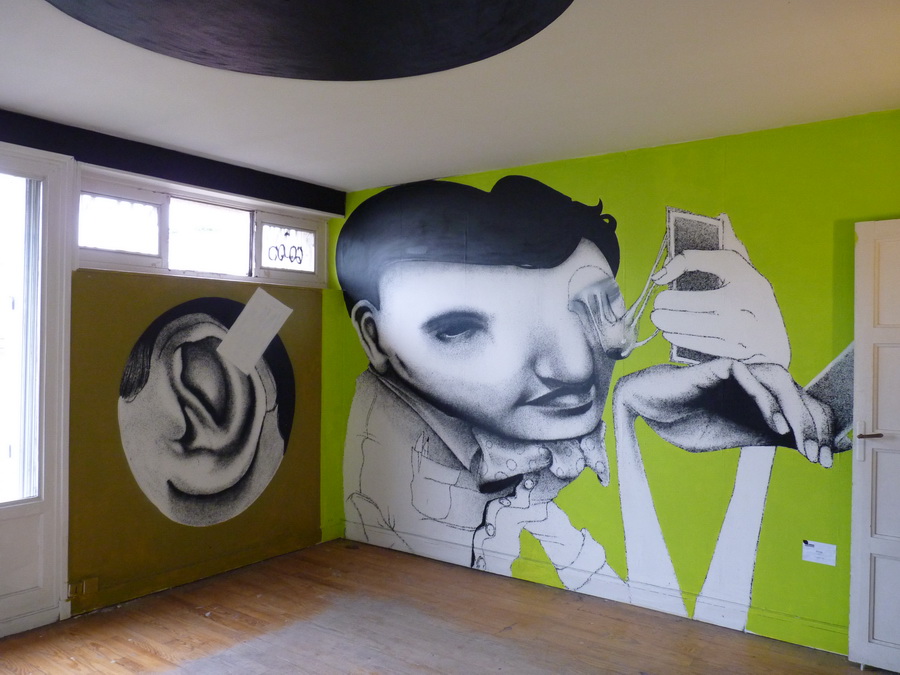
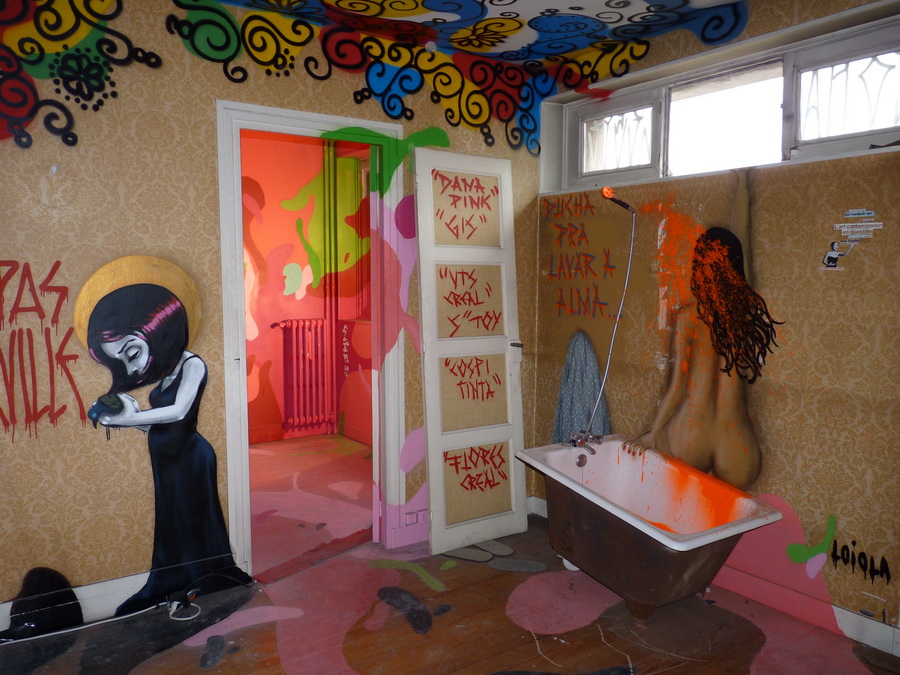
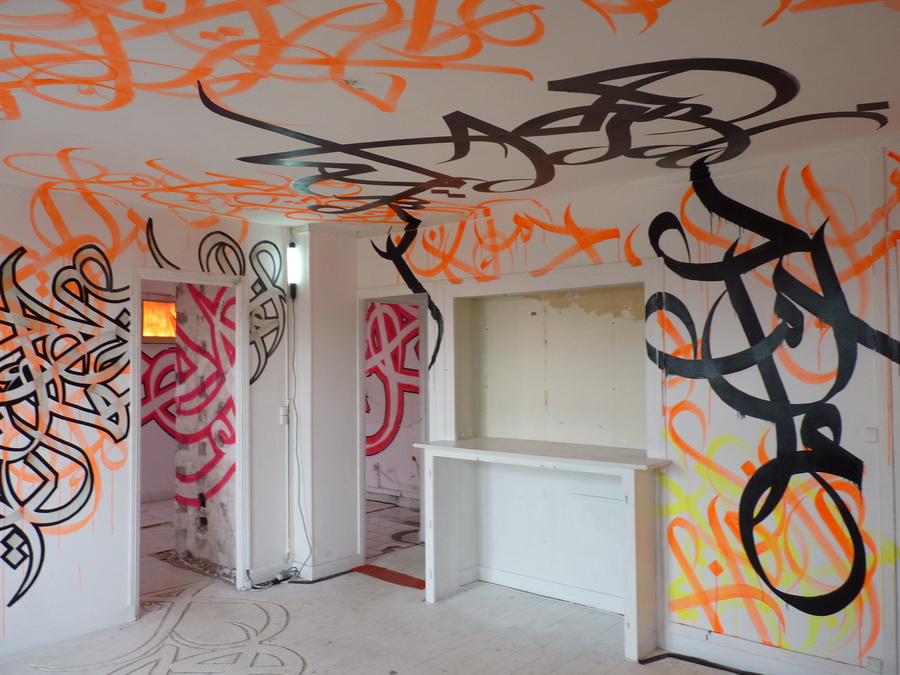
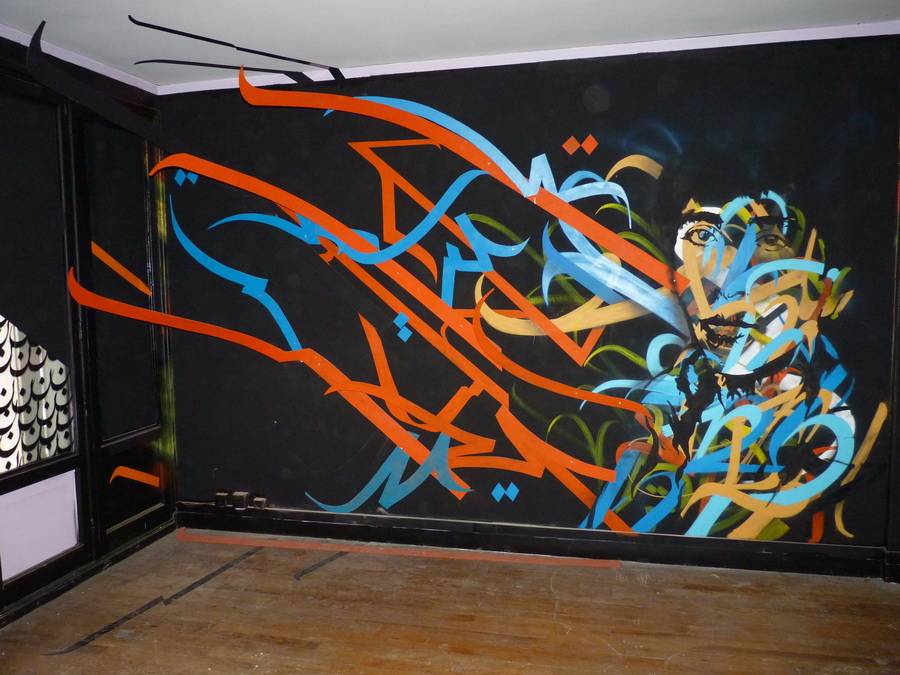
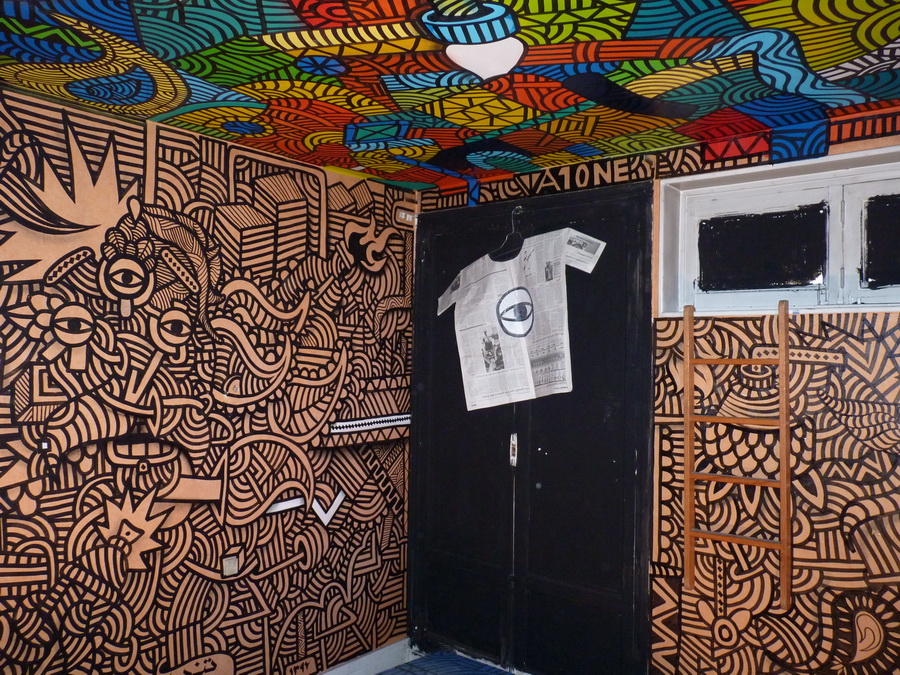
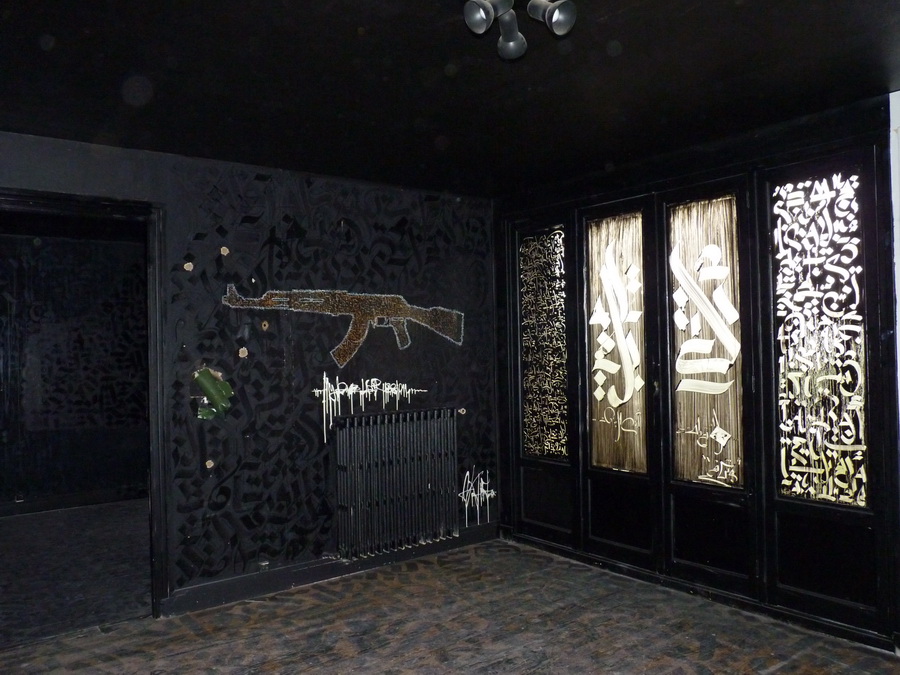
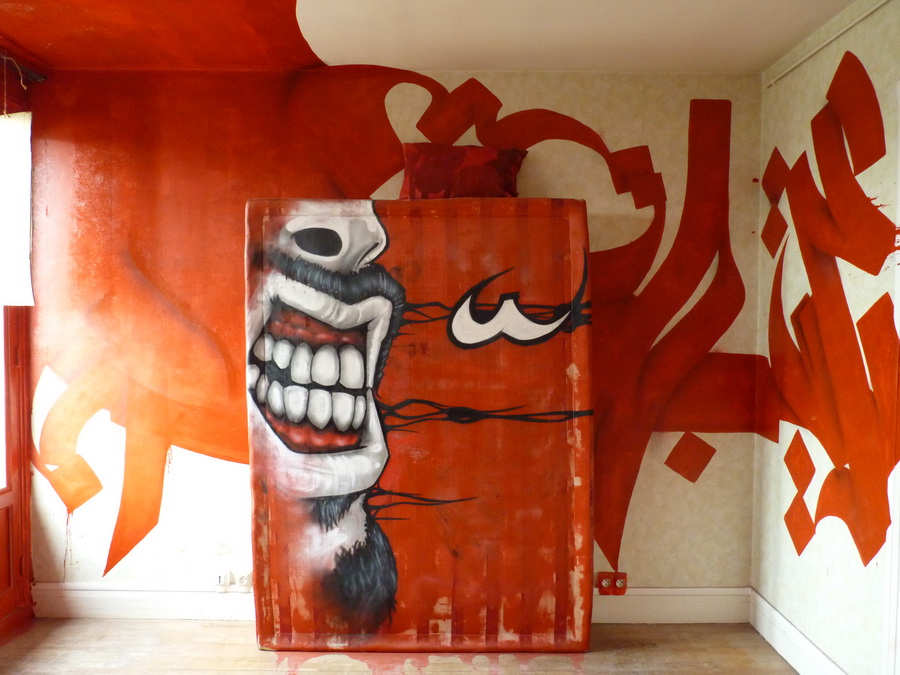
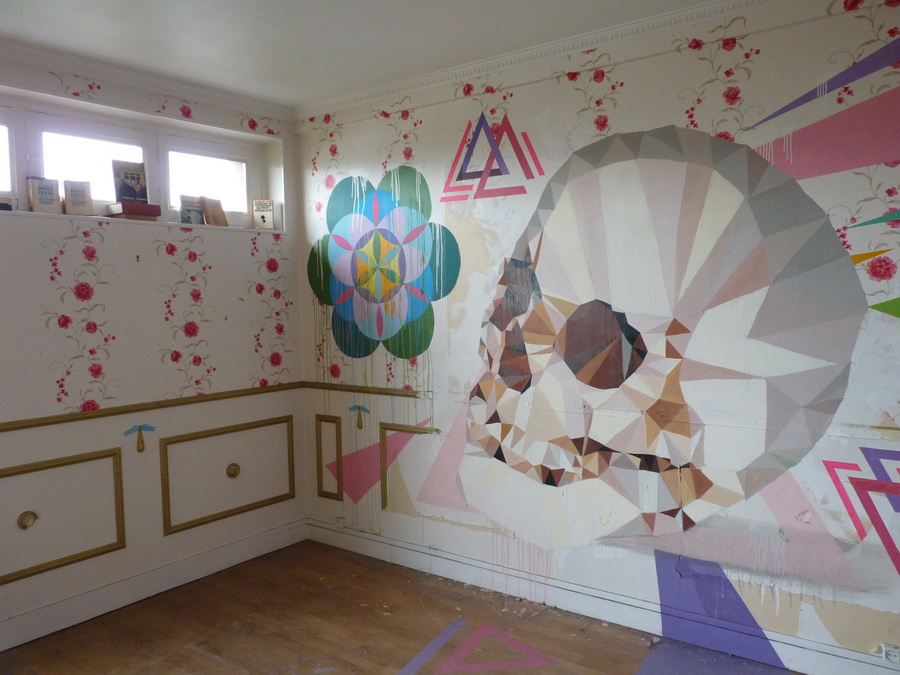
Text/Photo by Chen Chi-Hsiang. All art involves space, both inside and outside the painting; street graffiti is no exception. Graffiti evolves with outdoor wall spaces—one wall, one painting, or one space, one painting—where indoor and outdoor spaces dance with the creator and gallop through their imaginative realms. When moving from the street into exhibition spaces, depending on conditions, it ranges from gallery or museum spaces to apartment spaces, differing only in conditions. Space becomes the container for works and a spiritual field; there are no good or bad, large or small spaces. How to awaken the energy and consciousness of space? It depends on the artist's sensitivity and perceptual experience. The most common forms of street graffiti are paintings, painted directly (outdoors mostly spray paint, not necessarily indoors) or indirectly (painted on paper or printed, pasted in specific spaces or exhibitions). In this closed apartment exhibition space, it is even more diverse: paintings, objects, spatial installations, and mixed media. Exhibitions involve spatial installations, almost always based on spatial conditions. Space includes walls, floors, ceilings, interiors, exteriors, and all carriers. Each creator shapes according to spatial imagination. Integrating into space as spirits, awakening sleeping spirit and consciousness, forming dramatic scenes and extraordinary situations. Thus, space becomes a scaffold and on-site objects become tools of transmission.
All-around space: Overall planning, whether walls, floors, ceilings, doors, and windows. Dramatic all-around spatial construction, such as Seed (Tunisia), Alone (Iran), Deyaa (Saudi Arabia), Alexone (France), and Gilbert (France), asserting the dimension of "painting" and all-around space. Pantonio (Portugal) lifts boards like waves, highlighting planar and frontal tension dimensions. Hopnn (Italy) paints pictures above and below preserved original kitchens. Katre (France) uses fallen walls as bricks connecting paintings and space into one. Antonio Garcia-Leon and Kan offer fresh visual spatial imagination with silver geometric spatial planning.
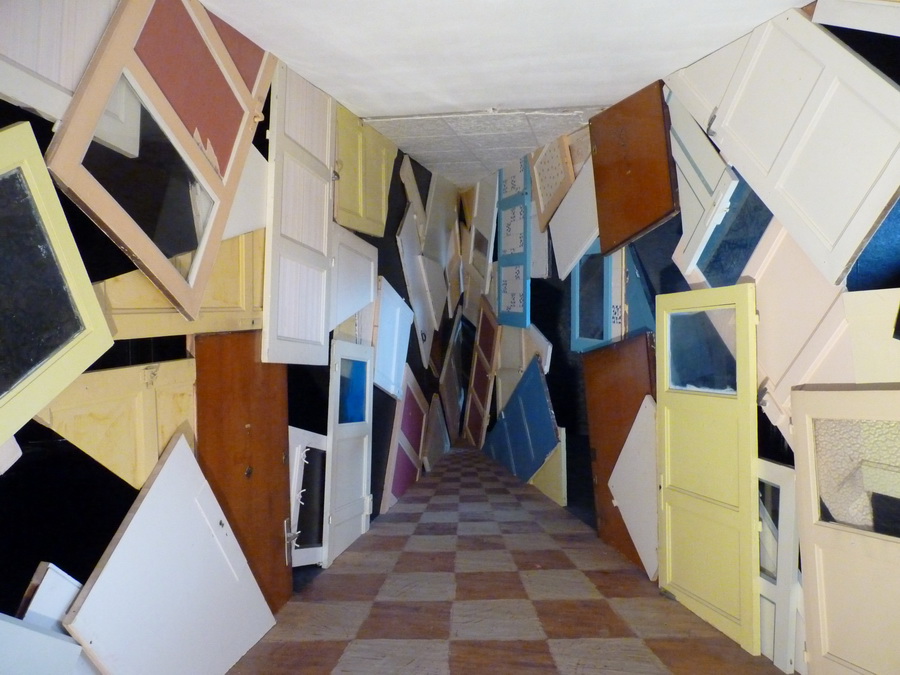
Scene consciousness space: ┼ ─ (Portugal)'s social and political critique pure object installations; Tellas (Italy)'s object and ready-made spatial arrangements. Etnik (Italy)'s planar and frontal object spatial installations; Vestra (Australia) and JB Rock (Italy)'s poetic paintings and object installations; Mateo Garcia's all-around spatial installations of paintings and object paintings; Tinho (Brazil)'s leveraging force paintings and objects. 108 (Italy) and Bom (France) intend to awaken sleeping consciousness, forming spiritual spatial fields. Stinkfisk (Mexico), Inti Castro (Chile), and Kan (France) strengthen spatial tension and expressiveness. Shoof (Tunisia) constructs church scenarios through transparent glass windows. Finally, the notable object installation is by Sambre (France), who collected all doors and windows of the building, using V-shaped forms as spatial installations, forming dramatic scene spaces, etc.