Taiwan's Most Beautiful - Banqiao Lin Family Garden
Banqiao Lin Family Garden - Small Bridge Crossing the Moon
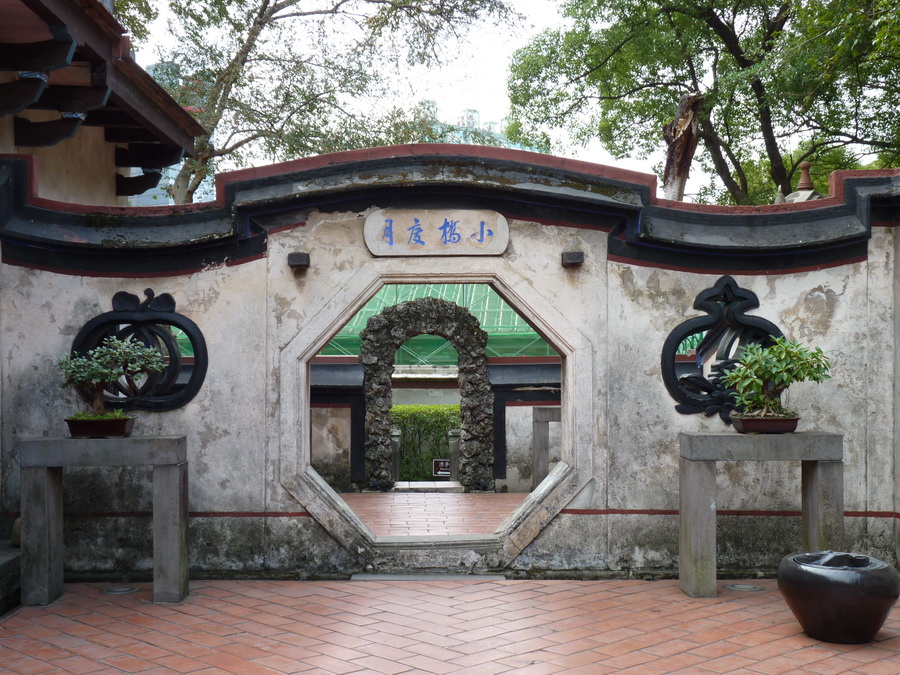
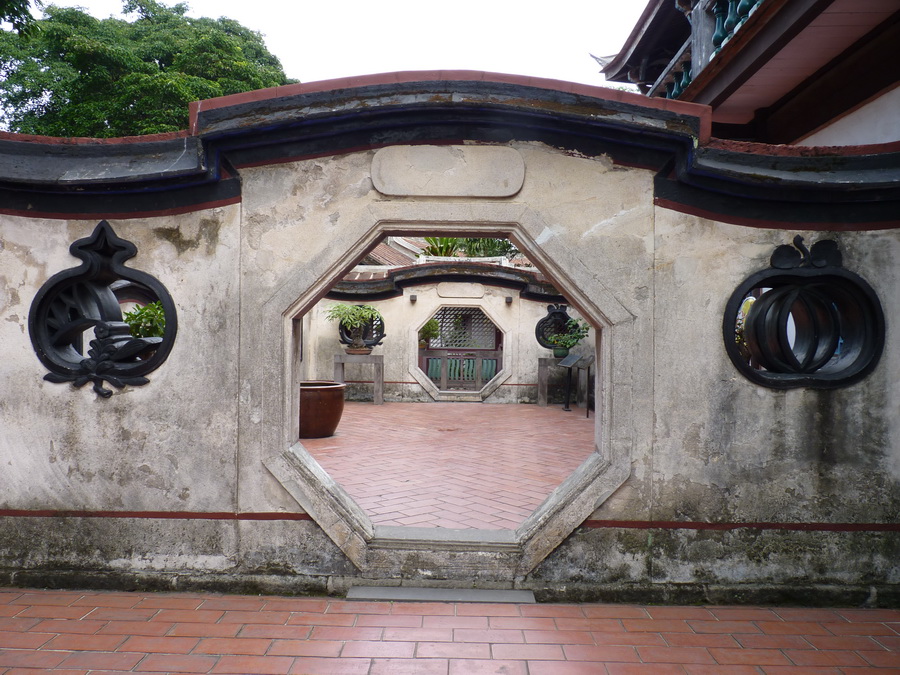
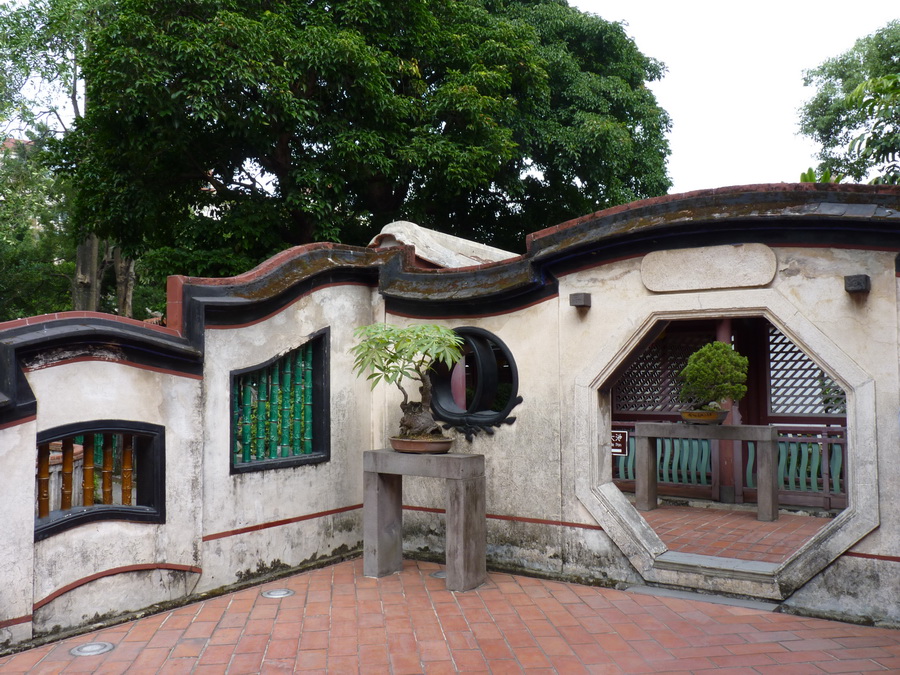
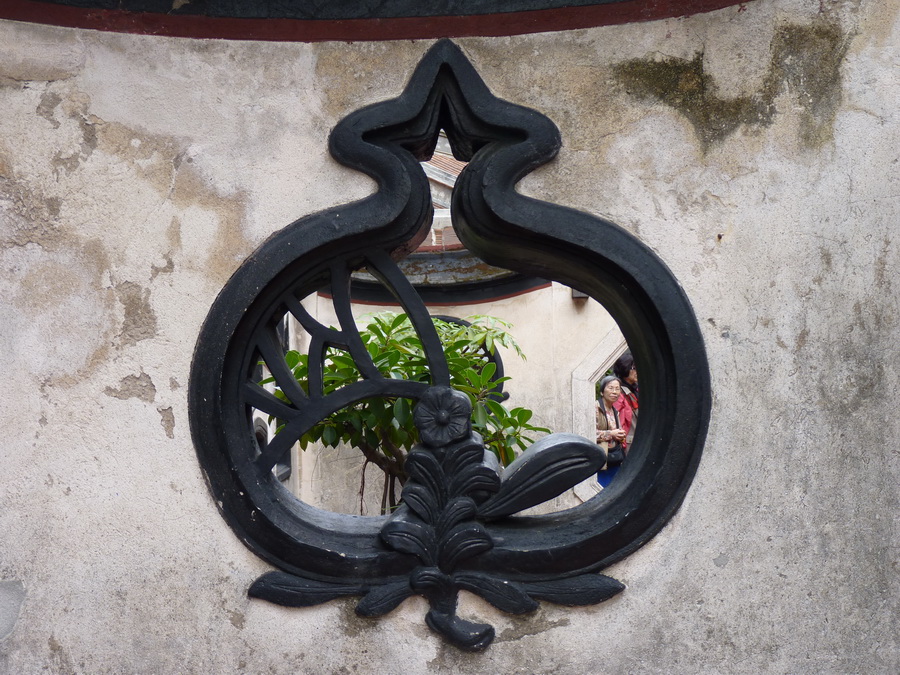
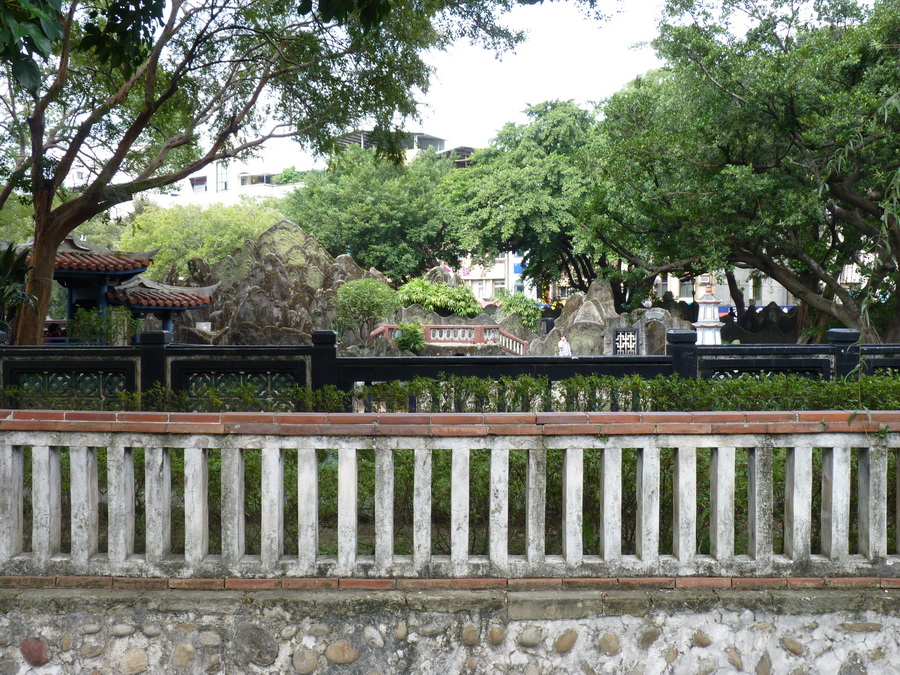
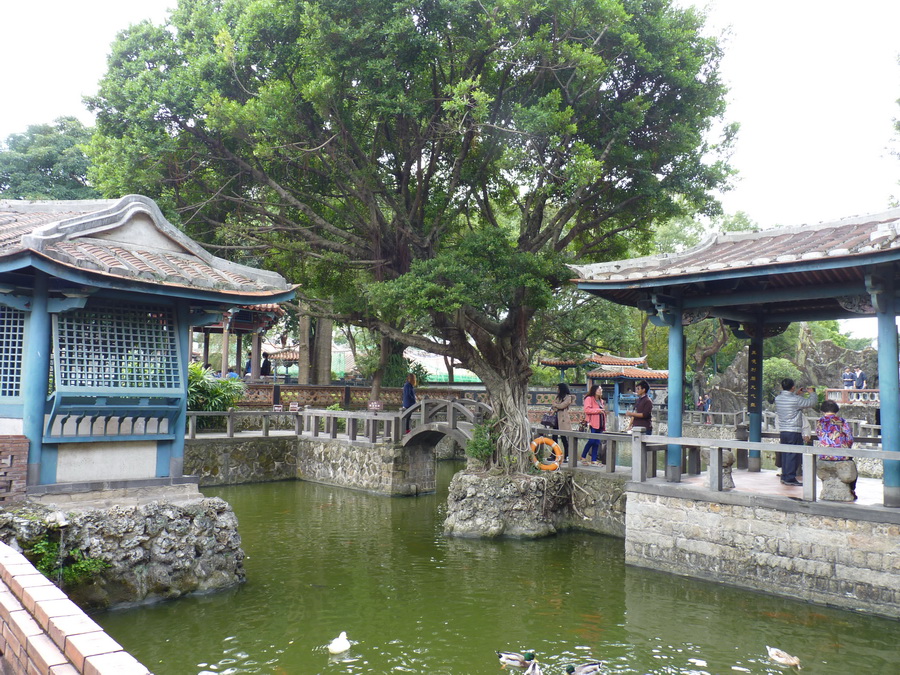
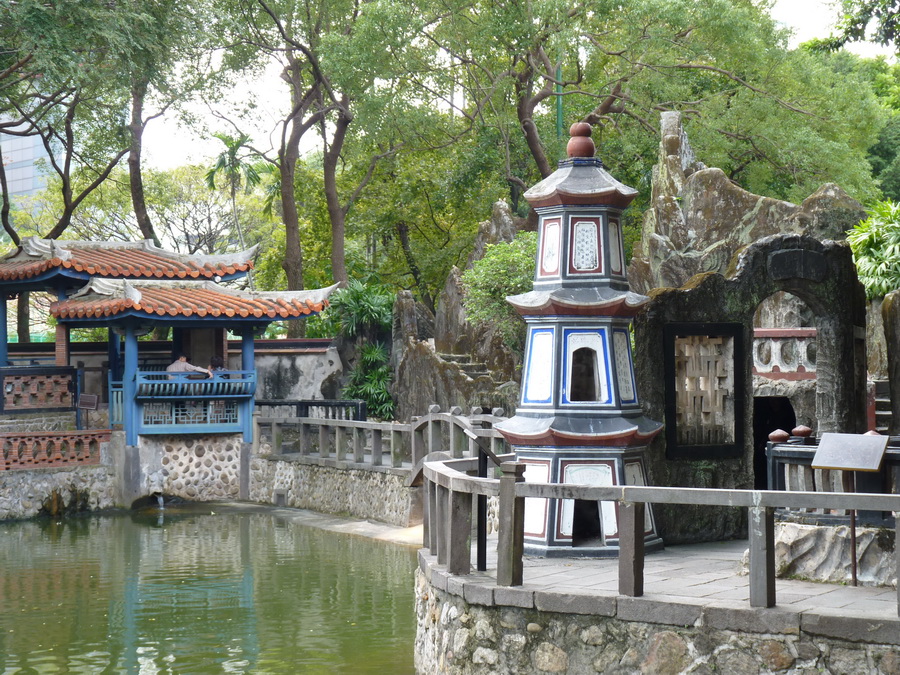
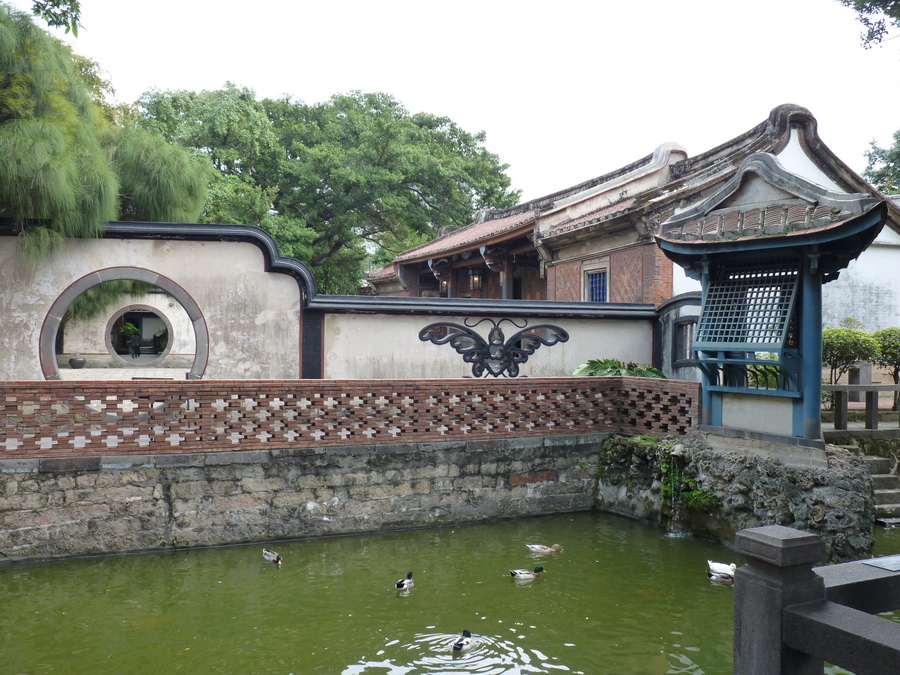
Text and photos by Chen Chi-Hsiang. The Banqiao Lin Family Garden is not unfamiliar to me; over thirty years ago, while studying at the National Arts and Crafts College (now Taiwan Art University), I often passed by it. In the past, I was curious enough to climb walls and sneak into the overgrown garden, but it was difficult to taste the poetic charm of the courtyard or imagine its aesthetic beauty from the broken chapters and ruined walls. Last month, invited to lecture in the Sculpture Department of Taiwan Art University (formerly the National Arts and Crafts College), I had the opportunity to personally explore the Lin Yuanben Courtyard. I was pleasantly surprised by Taiwan's No. 1 garden: exquisitely carved and meticulously crafted, with ingenious creativity, it is fascinating and pleasing to the eye. I marveled at the beauty of Taiwanese gardens, deeply realizing the local spirit and shock, which is unimaginable. It is the most beautiful and classic garden I have seen in my hometown.
Known for its reputation as "the best garden north of the island," the Banqiao Lin Family Garden is the most famous garden among Taiwan's Qing dynasty gardens and one of Taiwan's four famous gardens. Others with great fame include the Lin Family Garden in Wufeng, Taichung; Wu Garden in Tainan; and Beiguo Garden in Hsinchu. These are all classic works of Taiwanese garden art, offering a glimpse into the localized aesthetic literacy and humanistic landscapes of Taiwanese people.
The Banqiao Lin Family Garden was built between 1888 and 1893, created by the fourth-generation descendants of the Lin Yuanben family (brothers Lin Weiyuan and Lin Weirang). Due to the vicissitudes of Taiwan, the year after the Lin Family Garden was completed, the First Sino-Japanese War broke out, followed by the Treaty of Shimonoseki, under which Taiwan was ceded to Japan. The Lin family took refuge in Xiamen inland, and the Banqiao villa became an activity space during the Japanese colonial period. After 1949, when the National Government relocated to Taiwan, the Banqiao Lin family home served as a shelter for the National Army, occupying it for more than twenty years. Over time, the Lin family garden fell into ruins with broken walls and overgrowth. After about thirty years of running around by the Lin descendants, it was finally donated to the government in 1976 by the Lin Yuanben Ancestral Trust. Restoration began in 1982 and was completed four years later. In 1985, the "Lin Yuanben Courtyard" was designated as a Class II historical site of the garden category by the Ministry of the Interior, and it opened to the public two years later.
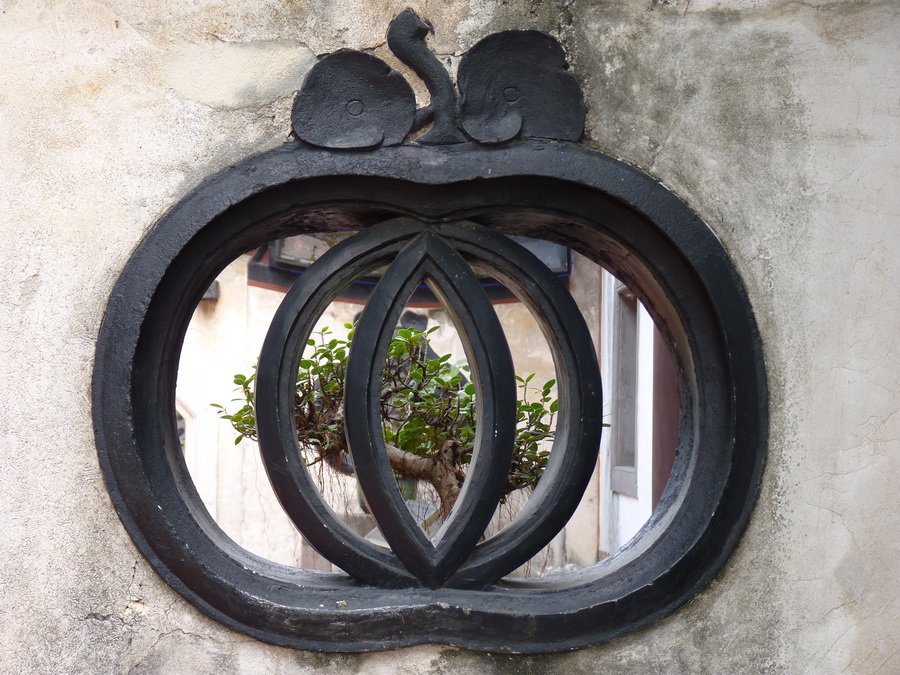
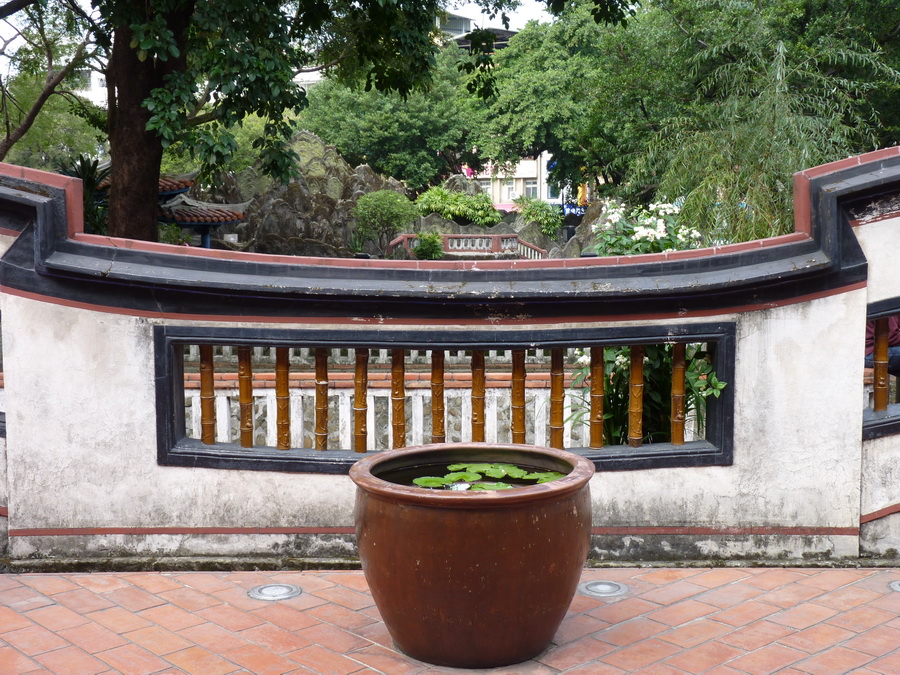
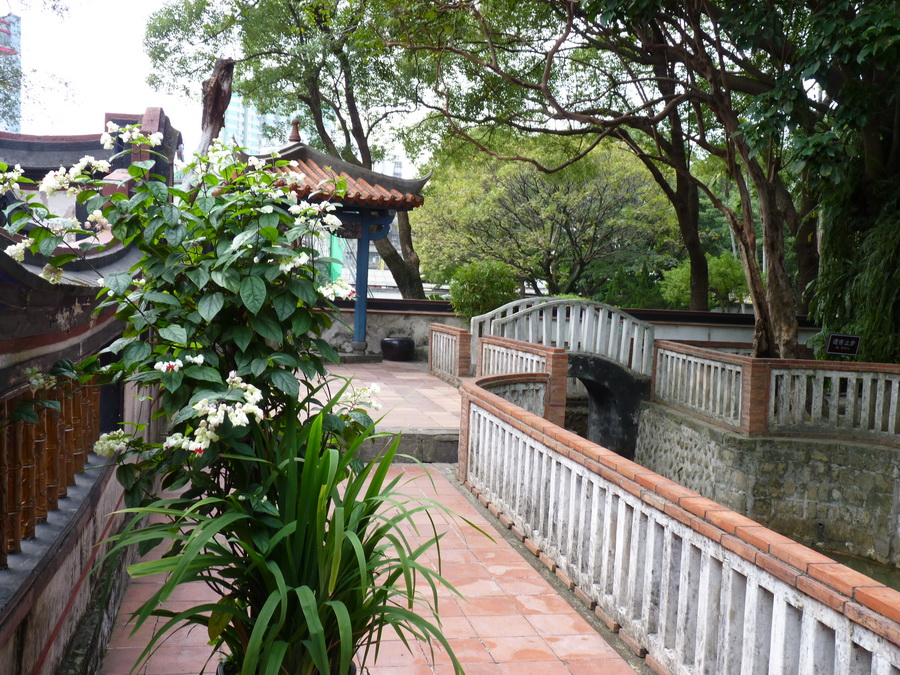
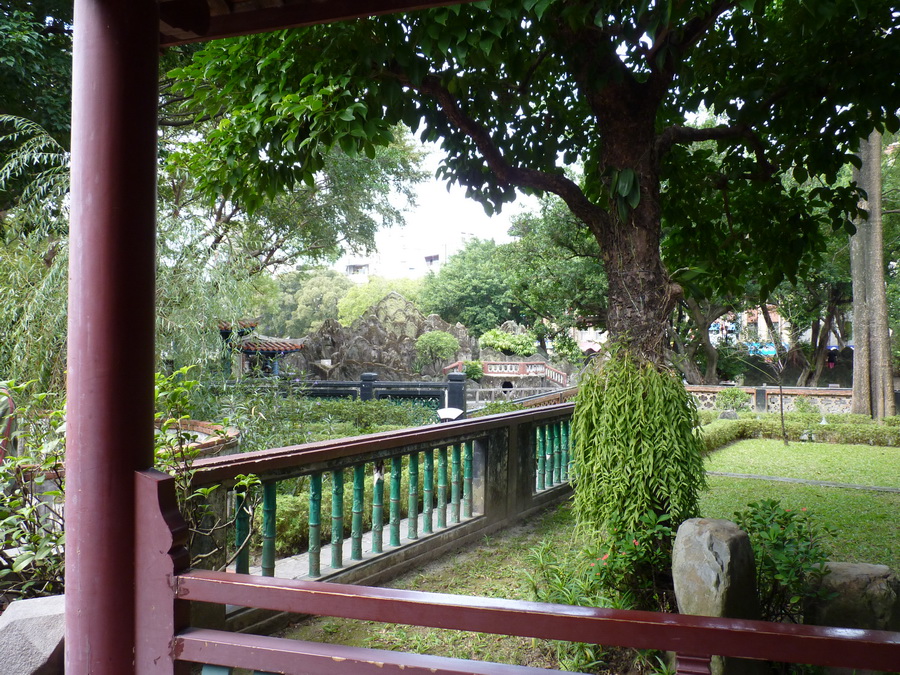
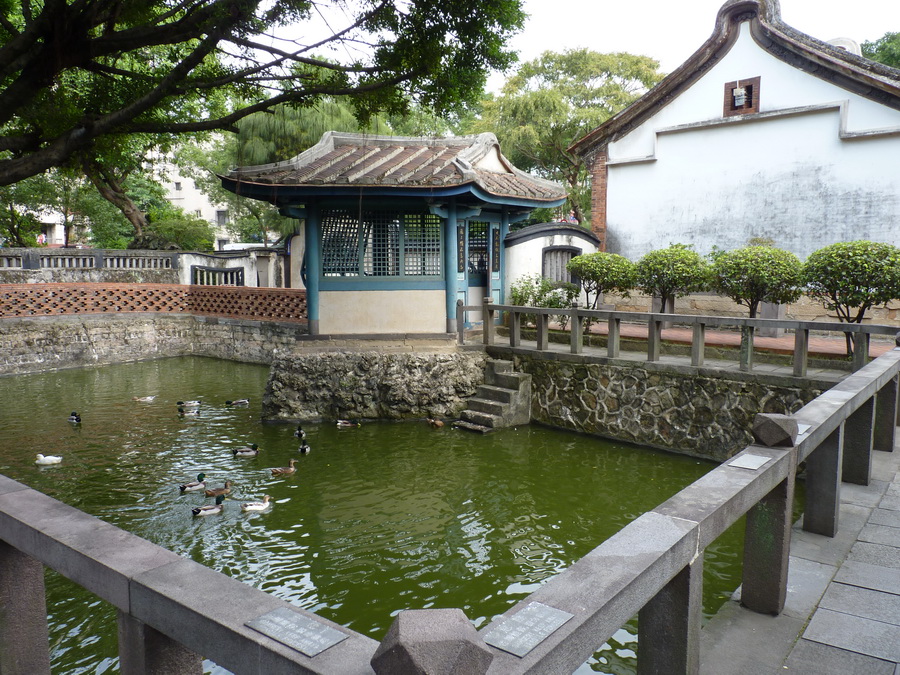
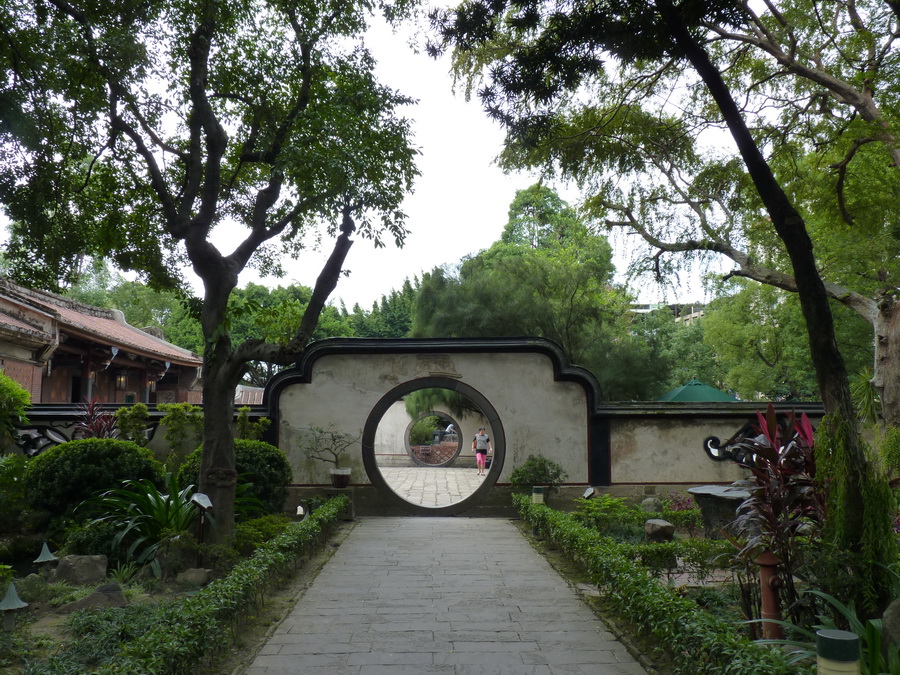
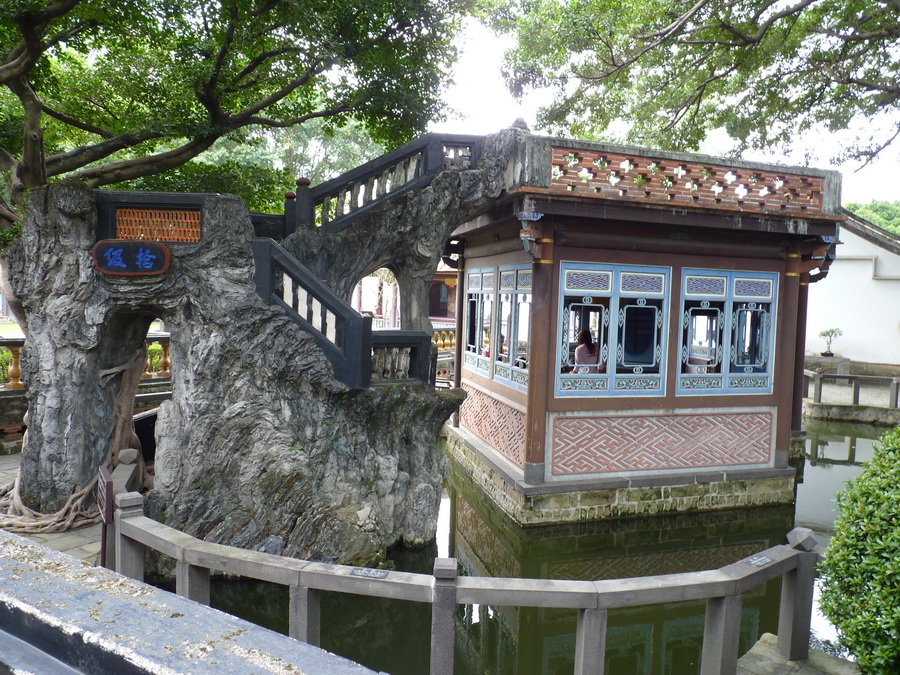
The poetic and picturesque Lin Yuanben Courtyard was modeled after the famous Suzhou gardens of Chinese Jiangnan landscapes, integrating classics of Min-style architecture and gardens. It is currently the most beautiful garden in Taiwan. Located behind the old three-section main house, with Guan Jia Tower as the core, the lush green courtyard, under superb organic spatial planning, creates diverse garden scenes and extra-pictorial realms through many unique Chinese garden walls (also known as scenery walls) and lattice windows (also known as flower windows). The courtyard surrounds a pond with shimmering water reflections, featuring small bridges and flowing water, pavilions and towers by the pond, winding corridors, and rockery landscapes. Often described as "a building every three steps, a pavilion every five steps," it allows for leisurely enjoyment and visual pleasure, where every viewpoint reveals a new world. Picturesque spots within the garden include the Fang Jian Zhai (Square Mirror Studio), Yue Bo Water Pavilion, Kai Xuan Yi Xiao (Opening the Window for a Smile), Ji Gu Study, Xiang Yu Xi, Ding Jing Hall, Lai Qing Ge, and Guan Jia Tower.