Gazing at the Horizon: Remembering Chen Tsung-Chen
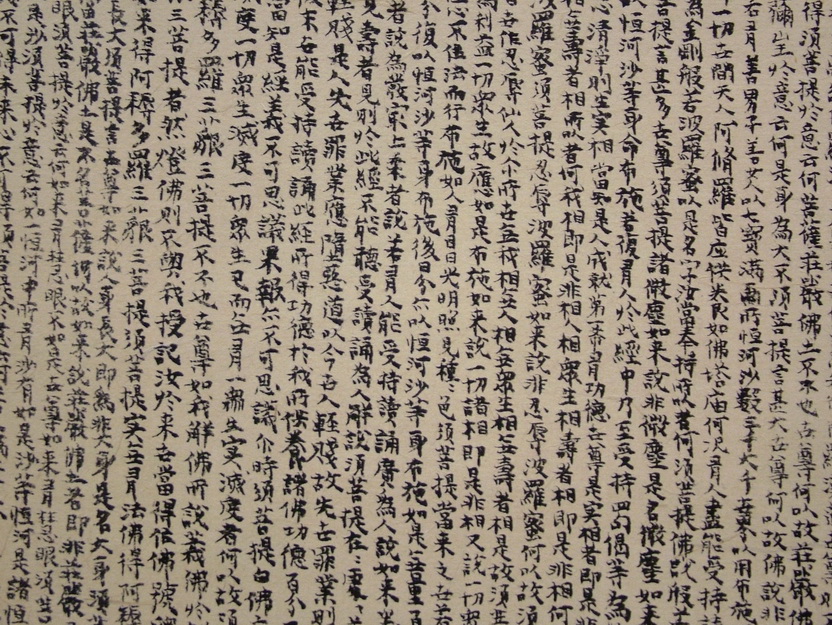
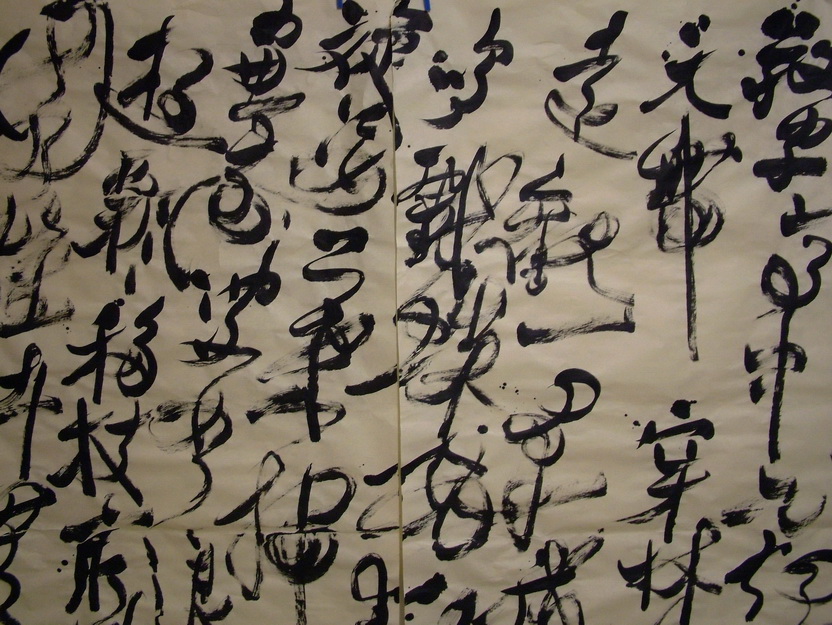
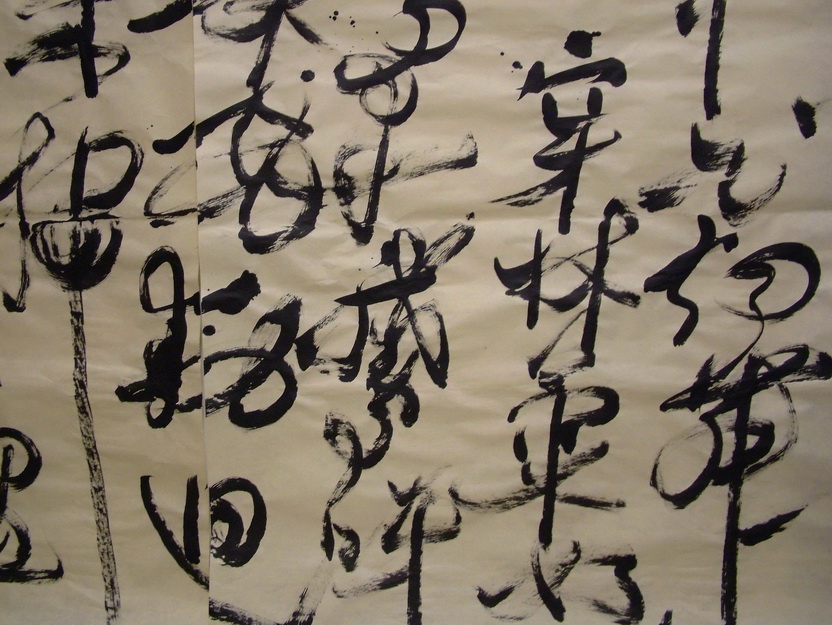
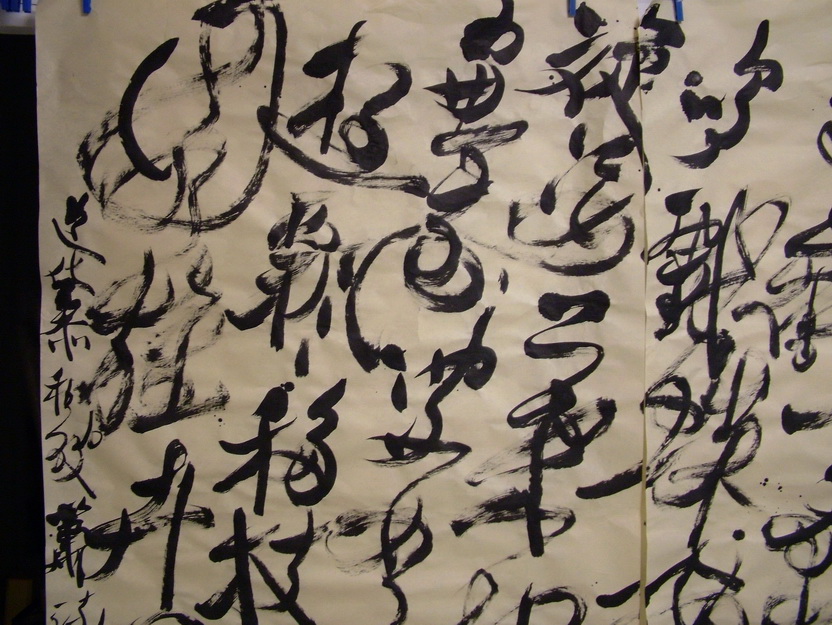
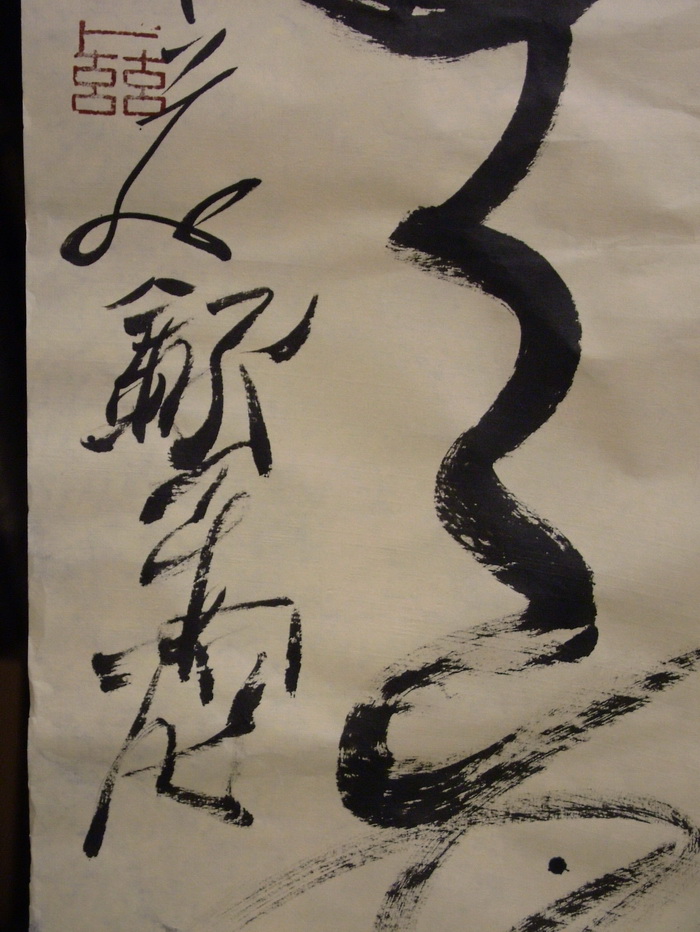
First encountering him in 2007 under the eaves of his old house, I saw these works.
"We are all in the gutter, but some of us are looking at the stars."
Oscar Wilde
No day is ordinary, yet every day is special. To continue breathing and to live and create with ease means that each day is beautiful. Existence is special within the ordinary; "special" means breaking new ground. Amidst the impermanence of worldly affairs, holding onto the present moment, whether as a human being or an artist, thought, consciousness, and action are inevitable. Regardless, existence is a gift of life, a present from Heaven. Cherish all occurrences, grasp all possibilities, experience fully, and have no regrets about existence. Be yourself freely and naturally. On this week at year's end, I give thanks for Heaven's gifts. Not rushing through life, not worrying about social niceties, yet traveling north and south, finding the mundane particularly special. In just one week, I acted with fulfillment and realized the grace of my own existence. Monday morning became like my usual routine of doing qigong in the park, now a ritual of life. In the afternoon, I headed south to Tainan to attend the farewell ceremony for my art friend Chen Tsung-Chen scheduled for the next morning. Last week, I learned via Facebook of the sudden passing of the artistic prodigy, contemporary wild cursive calligrapher Pu Zi—Chen Tsung-Chen. Feeling deeply the impermanence of existence, what can be done? The existence of life is already a mystery; impermanence makes life even deeper and unfathomable, making each present moment seem more precious. Only because of the summons to participate in a friend's farewell ceremony did I have the urgent opportunity to reunite with friends in Tainan. On the eve of the farewell ceremony, I gathered with Tai-Ping and my photographer friend couple at Dr. Kai-Neng's home for dinner. Naturally, our idle chat revolved around anecdotes about our good friend Chen Tsung-Chen. We lamented the artistic bonds and friendships of existence, raised our glasses to gaze afar at that meteor streaking across the starry sky, which, amidst its colorful brilliance, disappeared into the vast universe. Rest in peace, friend.
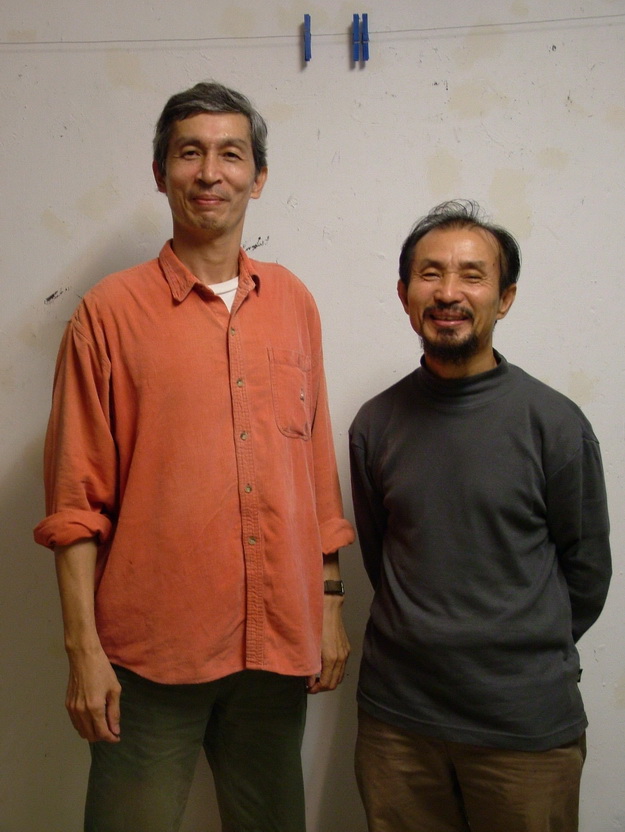
I first met Pu Zi—Chen Tsung-Chen many years ago when I was active in Tainan, introduced by my good friend Lin Tai-Ping. Coming and going between Paris and Taiwan, I visited my art friend Pu Zi several times. Our gatherings always involved raising cups to toast the moonlight under the eaves. Friends' gatherings always featured high-sounding discussions on art and life. We didn't drink excessively; we enjoyed light drinking and cheerful conversation. Brother Tsung-Chen rarely led us to tour his works. Of course, I would accidentally stumble into his creative space and deeply experienced his diligent progress. Occasionally glimpsing the works placed on his studio desk, I marveled at their absoluteness and speed. Tsung-Chen loved "speed." From his love of driving fast cars to his fondness for speed, his reckless behavior made everyone who rode with him feel the same, and everyone ended up with wet pants, unforgettable. Even now, thinking of it gives me palpitations. This is like his calligraphy; without madness, there is no cursive. Wild cursive pursues not just the speed of driving a car, but the divine speed of flying a plane. A stroke of genius—whose body was used to write it? Can you tell us? As I often say, good works are naturally revealed; coming from human hands seems limiting. Only the extraordinary is your divine inspiration. You pursue speed; clearly, your life accelerates through time. With the gas pedal pressed, accelerating forward, forward, you fly into the clouds, entering the vast universe, leaving others unable to catch up.
When I first entered the door, this foreign (Western) art critic was thoroughly defeated and battered by my fellow artist Chen Shang-Yi. Following the artist's true nature and spontaneity, the criticism went so deep that we became close art friends. I think friendship and love have little logic. Pu Zi exclusively liked living under big trees and in old houses with eaves. Why? Each time he moved to an old house, his growth in the art path was considerable. The further he deviated from the city, the more arrogant and free he became. Arrogance inevitably leads to cursive, called "wild cursive." Cursive is heavenly script (requiring annotation), not meant for reading (of course, those with the ability can read it). Generally, it is for viewing, observing, listening, and meditation. His cursive script flows freely, possesses majestic momentum, is extraordinarily magnificent, and dances with wonderful postures. Its arrogant momentum, unmatched before and after, has no equal.
Early the next morning, I went to the mourning hall at the Chen residence in An Nan District, on the outskirts away from the city. In a solemn and peaceful atmosphere, I and a few scattered art world friends sincerely paid our highest respects to our art friend Chen Tsung-Chen. After a brief chanting of blessings, we formally bid farewell to our art friend. Actually, good friends last a lifetime; you forever survive in our memories (when we talk about you or see your great works, you are with us). This is the mystery of existence. Friend, rest in peace.