Elegy for Zutian — Pu'an Hall
Defending Taiwan’s cultural assets is defending the island’s sustainable vitality.
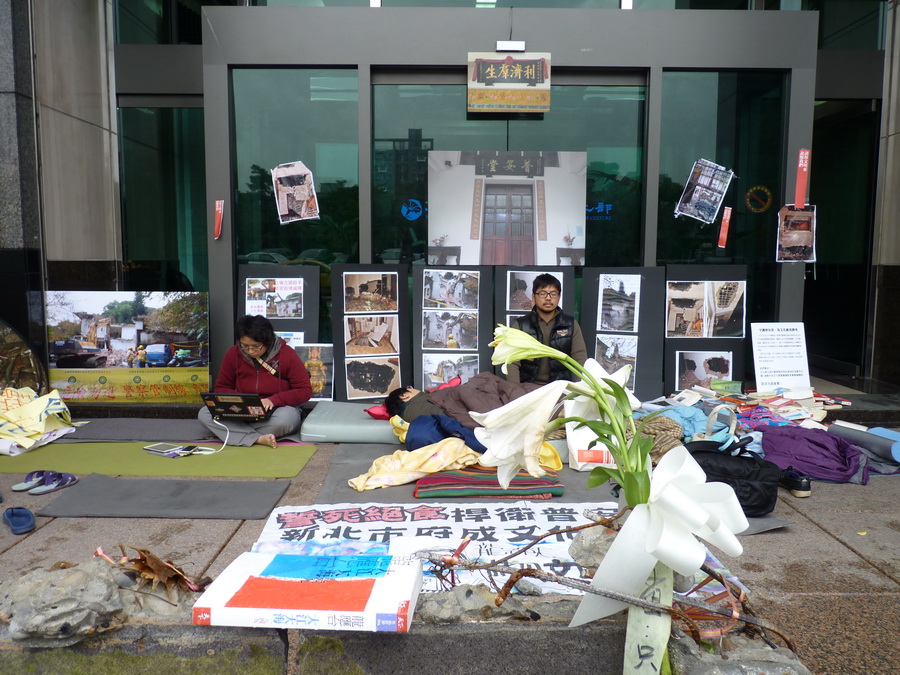
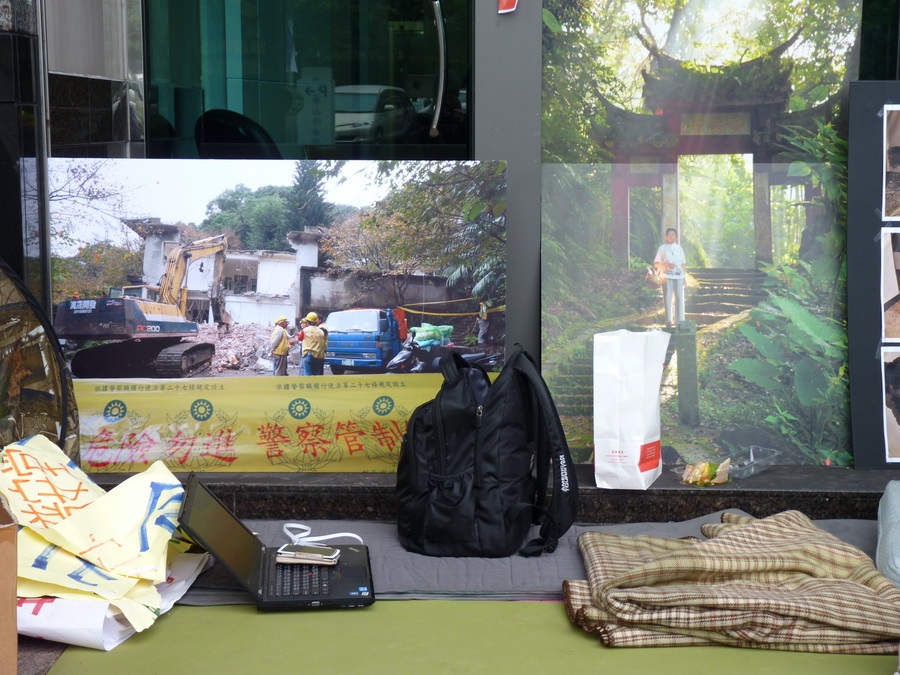
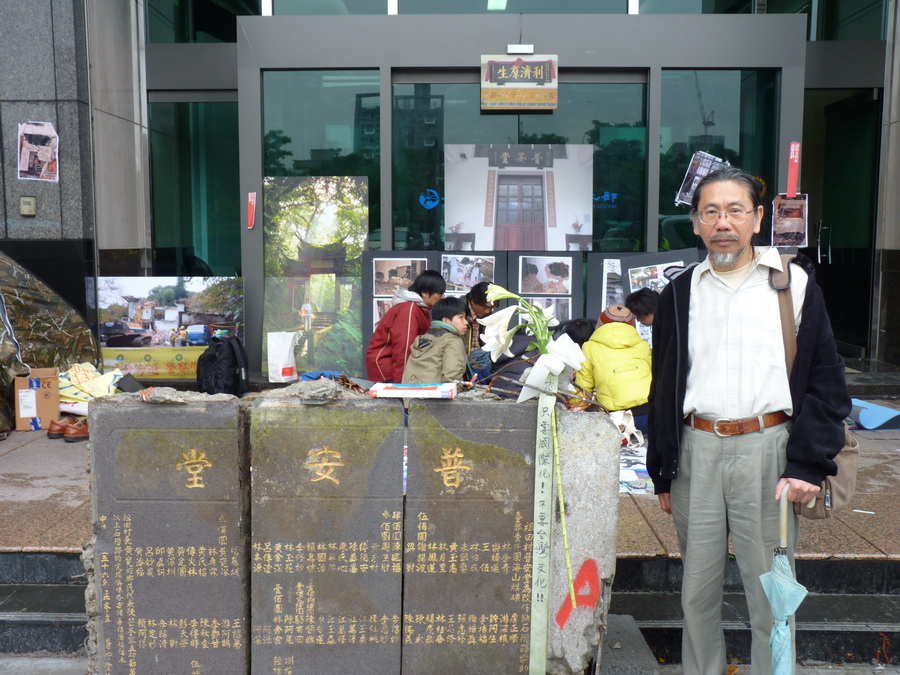
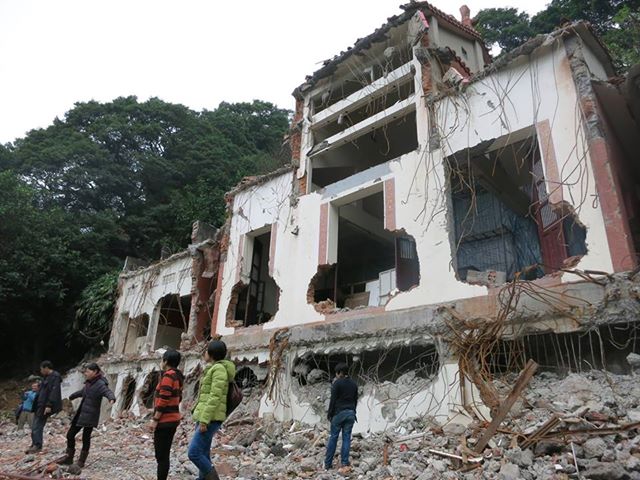
Days are spent practicing the consciousness of existence with groundedness and grace, realizing one’s life through thought, consciousness, and action. These days have been devoted to a movement for social and land justice. Friends Li Chang-jun and Rong-tai have long been entangled in an eight-year litigation over land ownership disputes concerning Pu'an Hall in Tucheng, New Taipei City, which their father operated. I visit the mountain every year I return to Taiwan to follow the case’s development, participating in multiple press conferences organized by the Executive Yuan and demonstrations. Trapped in the mountain city, feeling helpless, I kicked against iron plates for eight years. Yet Rong-tai remains optimistic, holding onto a glimmer of possibility, continuing to strive alongside friends who defend cultural assets, demonstrating at the Control Yuan, New Taipei City Government, and the Ministry of Culture to remind these institutions of the vitality and awareness surrounding Taiwan’s cultural heritage. Unexpectedly, from Facebook and blogs, I saw that the city government had issued an ultimatum: before the end of the year, Pu'an Hall was "destined to be demolished." The news was heartbreaking—painful but not soul-shattering. "Pu'an Hall is a combination of Chayao culture, art, and environment, an indivisible whole. No single building or individual artwork can represent its value. Its worth is unquestionable, fully meeting the five criteria for historical monument designation under the Cultural Assets Preservation Act. Regardless of who owns the land, it is a cultural asset shared by all people."
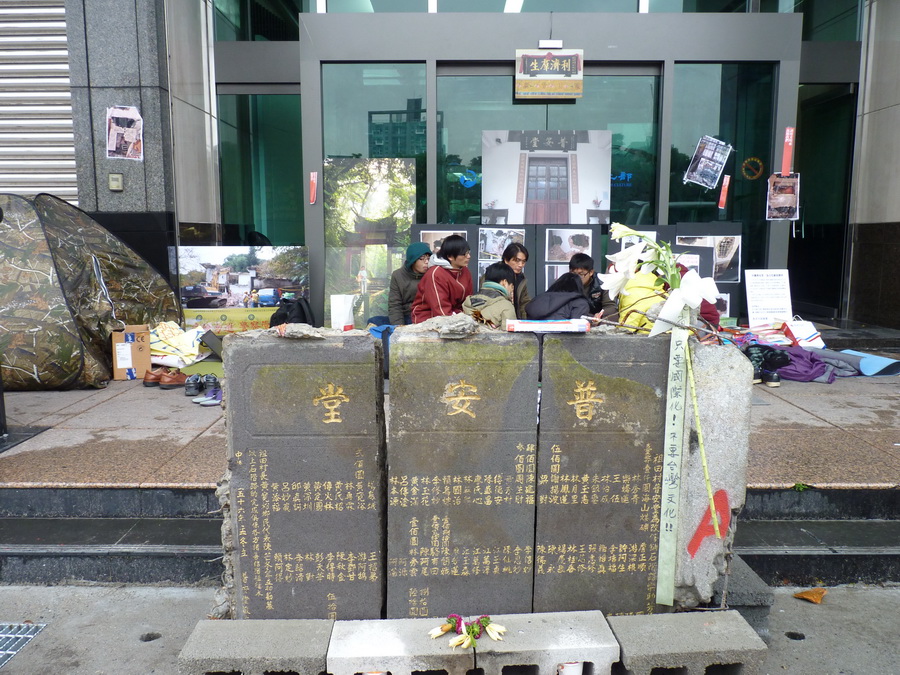
A few days before Christmas, aided by personnel from Ciyou Palace in Xinzhuang, New Taipei police illegally blocked access to the mountain two days prior. On a wet, cold morning of December 19, amidst biting winds and continuous rain, two excavators, heavily guarded by police, dismantled the most symbolic plaque boat standing outside the hall. This shattered the hearts of those supporting Taiwan’s cultural asset defense line. Rong-tai and young friends continued their efforts, physically engaging in protests. They transported the dismantled plaque boat to in front of the Ministry of Culture in Taipei, where Rong-tai began a hunger strike, vowing to resist violence with his body. Although I did not participate in this cultural battle on site, I felt their pain deeply. The Pu'an Hall ownership dispute is a microcosm of Taiwan’s historical tragedy. Through the Qing dynasty, Japanese colonial rule, and the Republic of China era, land justice has often remained ambiguous, allowing colonization and strong powers to seize assets. With the people as prey and fish on the chopping block, livelihoods were ruined. What could be done?
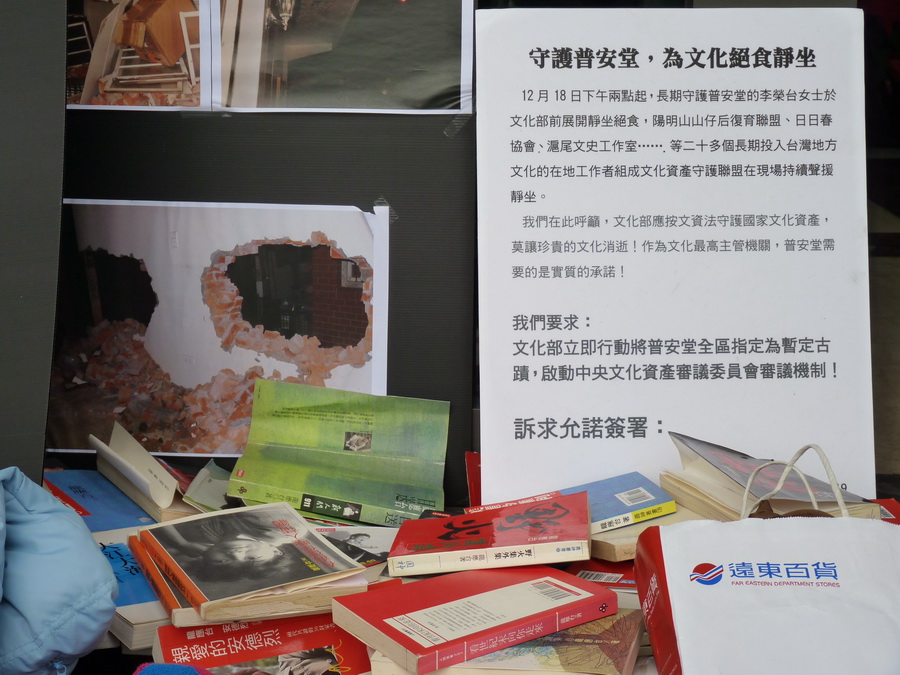
Though involuntary, I empathized deeply, standing with Rong-tai, Chang-jun, and other friends defending cultural assets. Daily updates via Facebook revealed that Pu'an Hall was being leveled to the ground; it seemed the trend was irreversible. Yet Rong-tai’s hunger strike and activists continued protesting in front of the Ministry of Culture, presenting Pu'an Hall’s wandering artifacts as a form of resistance. Driven by the conviction that loving Pu'an Hall means loving Taiwan, these young friends fully embodied the mission of protecting Taiwan’s cultural assets, exhausting all possible means of demonstration to reverse the trend, hoping for the miracle of Pu'an Hall being designated as a historical monument. Their actions and courage were moving, surely touching heaven. In this harsh winter protest, care from society provided the greatest warmth.
On a Wednesday afternoon, my phone rang. Ah Jun called calmly, saying, "Chi-Hsiang: Pu'an Hall has been leveled." This evoked deep empathy and allowed me to understand Teacher Li’s state of mind. Rong-tai continued his hunger strike in front of the Ministry of Culture, entering his tenth day. Though I was not on site, I deeply respected their unyielding spirit. I unconditionally supported my friends and the defense of Taiwan’s cultural assets, fulfilling my duty as a Taiwanese. Early Thursday morning, I went to Taipei to meet Chang-jun, offering positive support and expressing concern. After about ten days of fasting, Rong-tai was physically exhausted; Chang-jun did not know her whereabouts, only that a doctor friend was caring for her. I experienced firsthand the warmth of struggle in the cold weather in front of the Ministry of Culture. Young defenders of Taiwan’s cultural assets gathered there, continuing Rong-tai’s hunger strike, resolutely protesting to the end. Amidst these wandering artifacts, we experienced the plight of Taiwan’s cultural assets, reflecting the situation of Taiwanese culture under mainstream political power. Chatting with guardians from across the nation caring for Taiwan’s cultural assets, including young lawyers defending rights and the president of a community university, I saw that young people’s heightened cultural awareness would shoulder the responsibility for future cultural asset protection.
The biting wind and continuous rain made Taipei particularly cold. Accompanying Ah Jun, we finally sat in a café, listening to him explain the origins and details of the Pu'an Hall incident. As a world expert on Duchamp, he shared his personal feelings about the event, displaying wisdom rooted in Buddhism and Daoism, along with our shared love for art, soothing his soul. Bless my friends. May heaven protect you. Moving people inevitably moves heaven. By heaven’s grace, Pu'an Hall will forever remain in our hearts. The tragic case of Pu'an Hall’s cultural assets serves as a witness to the decline of Taiwanese culture.