Contemporary Video Artists
Tristan's ascent—the sound of a mountain under a waterfall 2005 10 min 16 sec performer John Hay coll Pinault
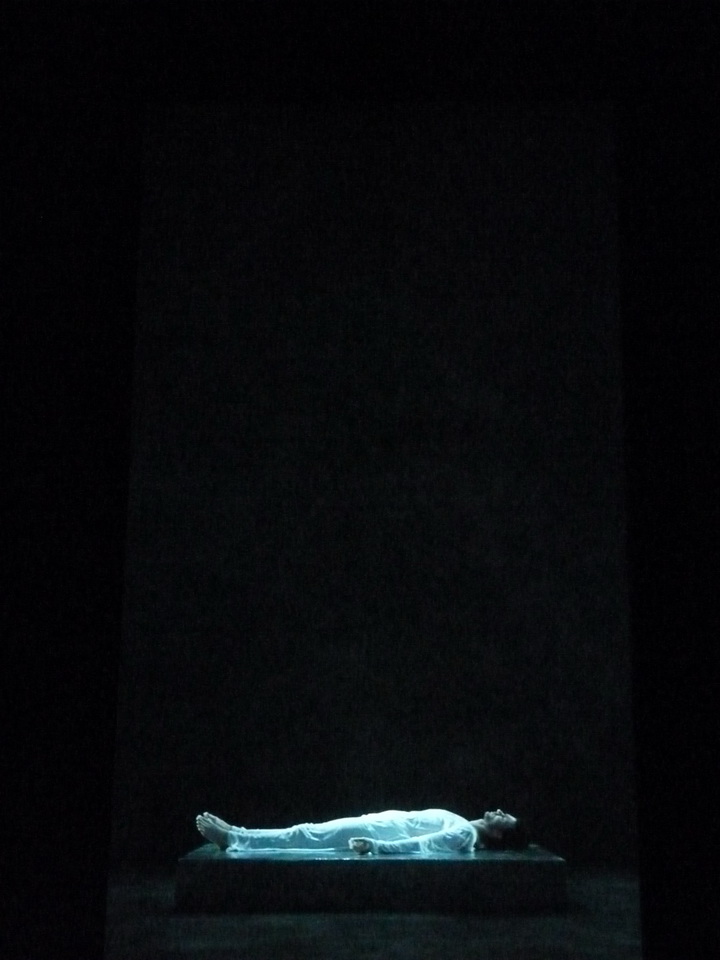
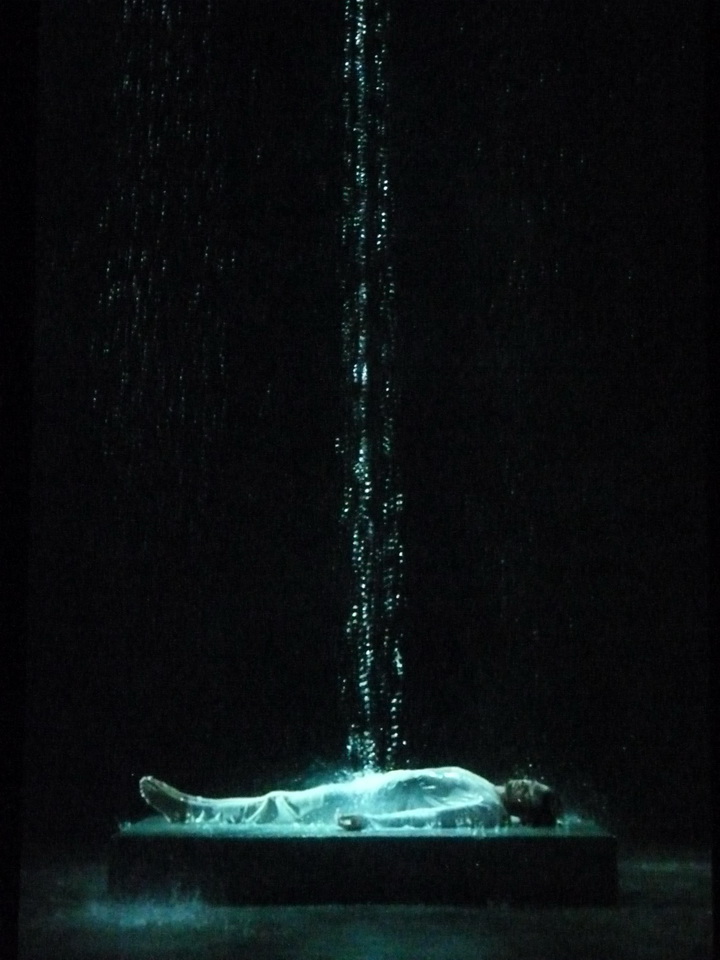
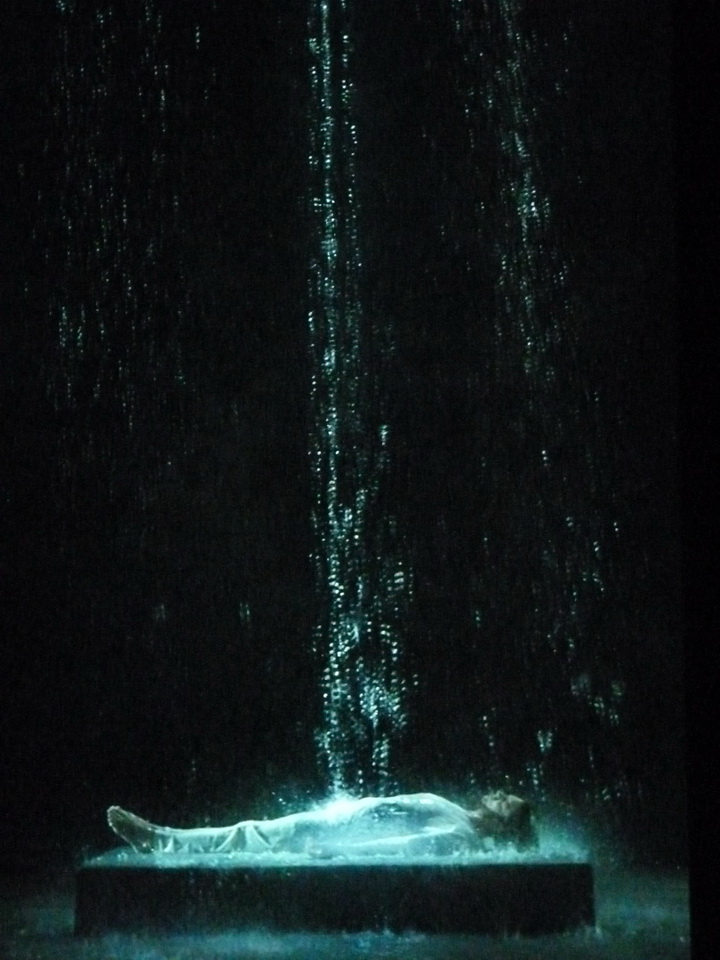
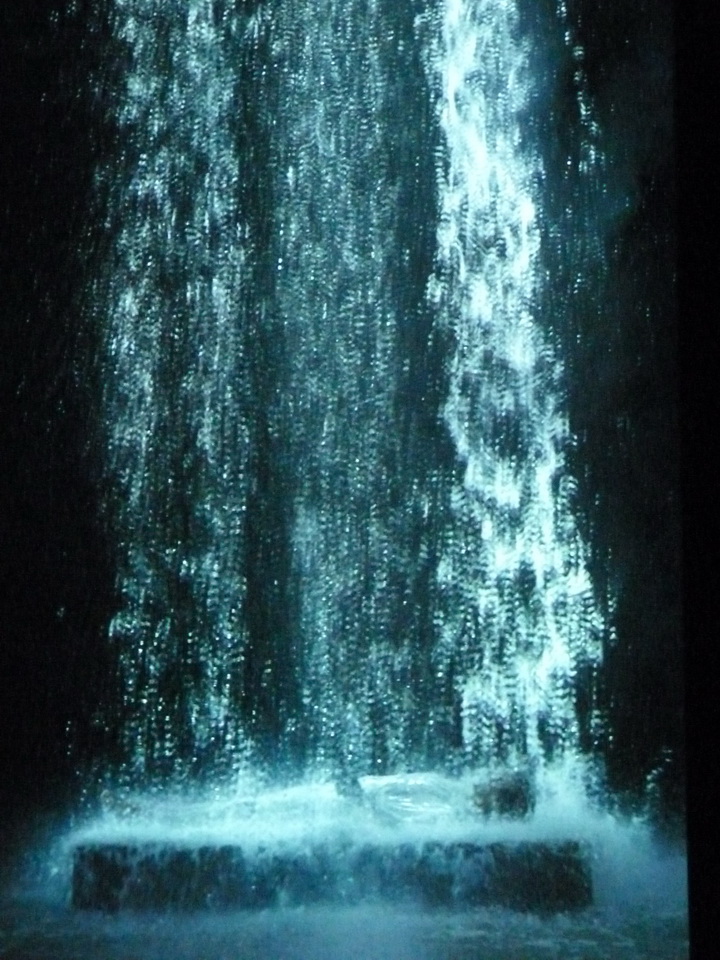
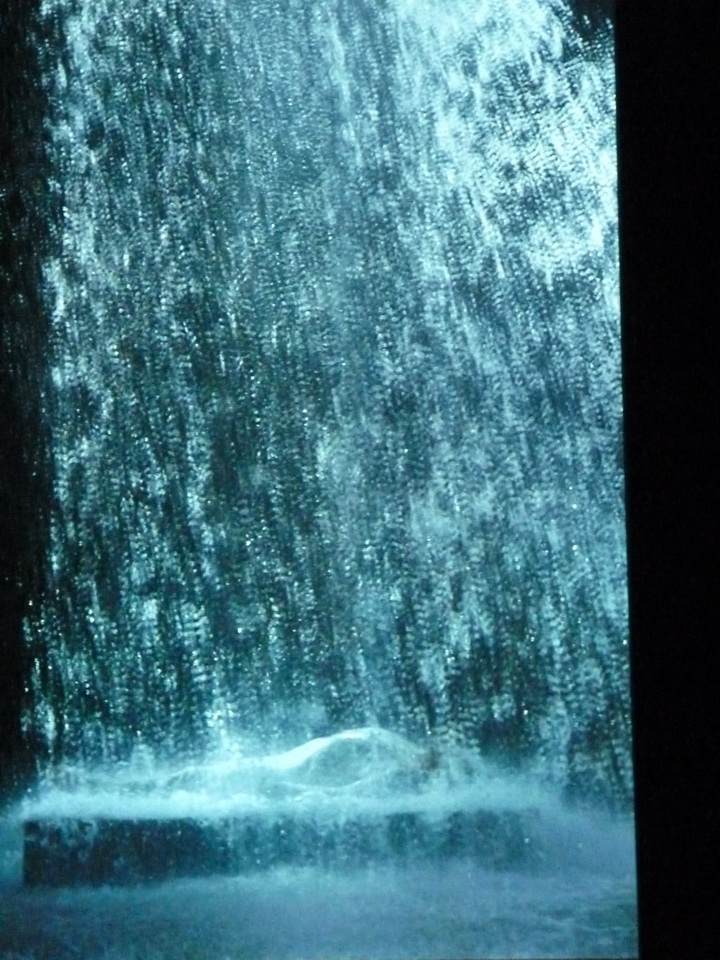
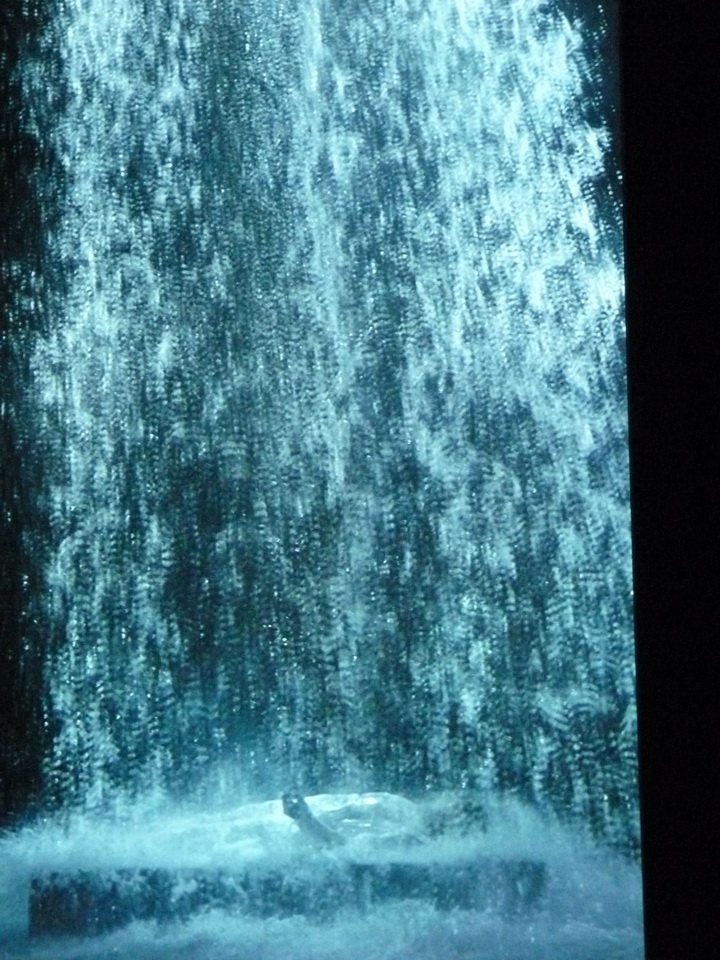
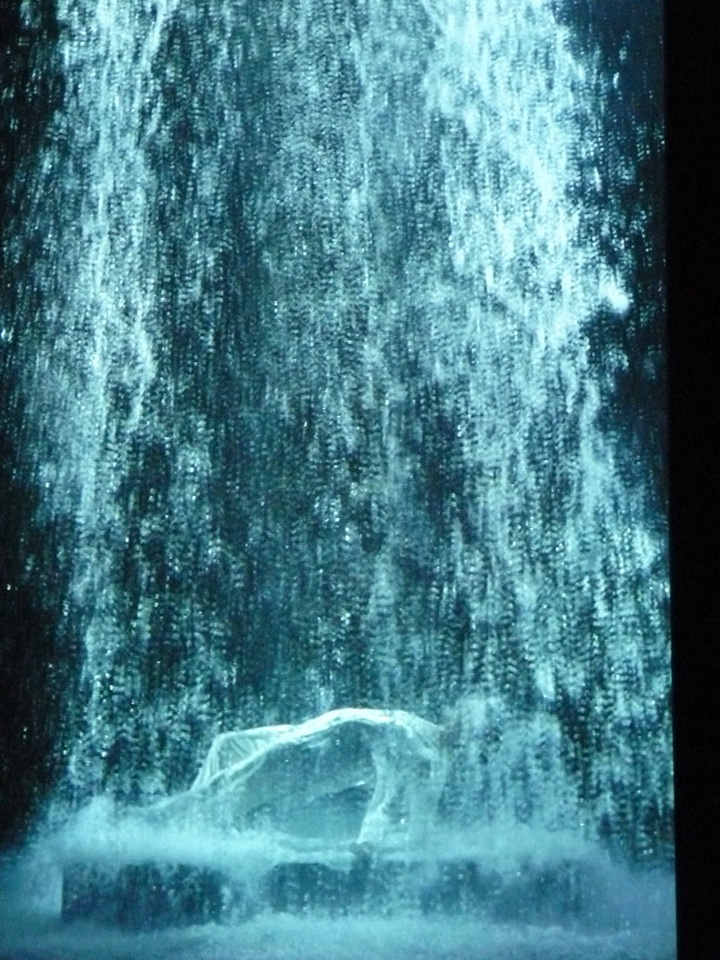
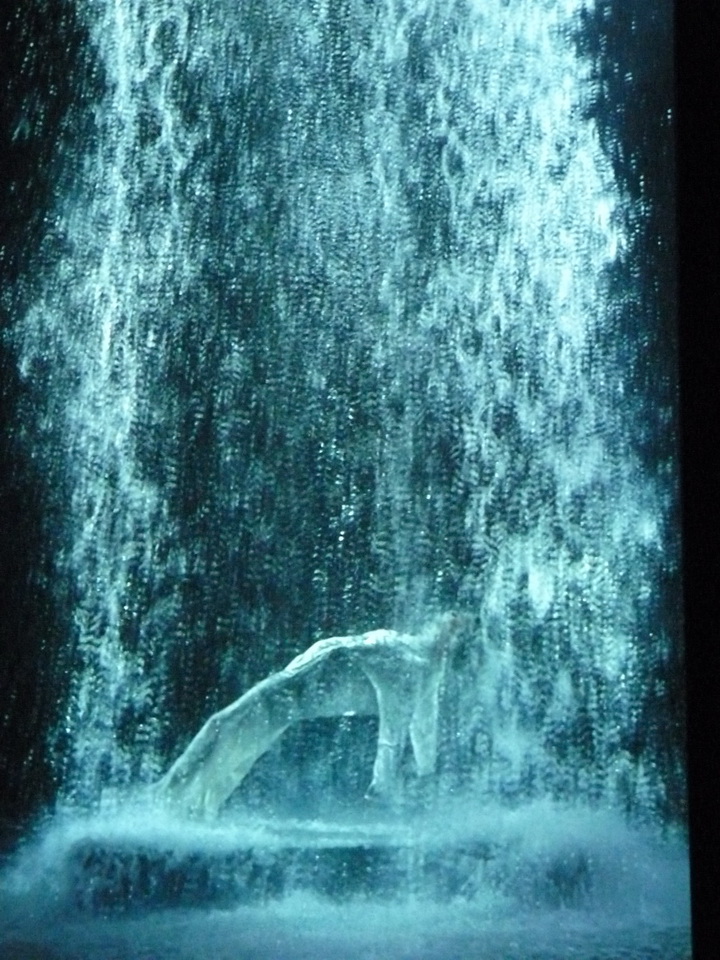
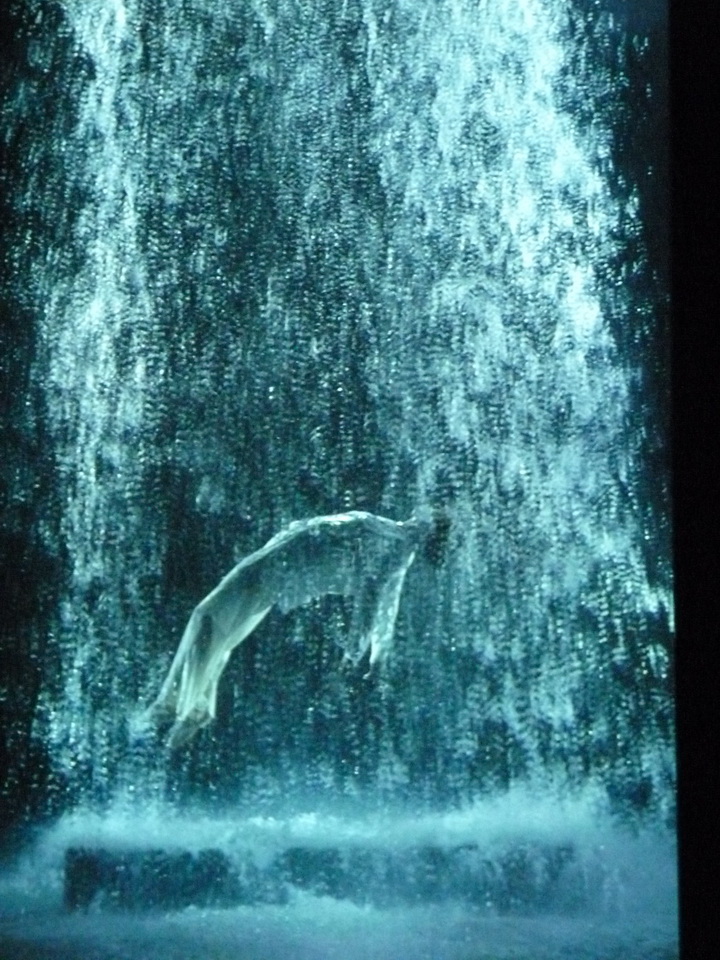
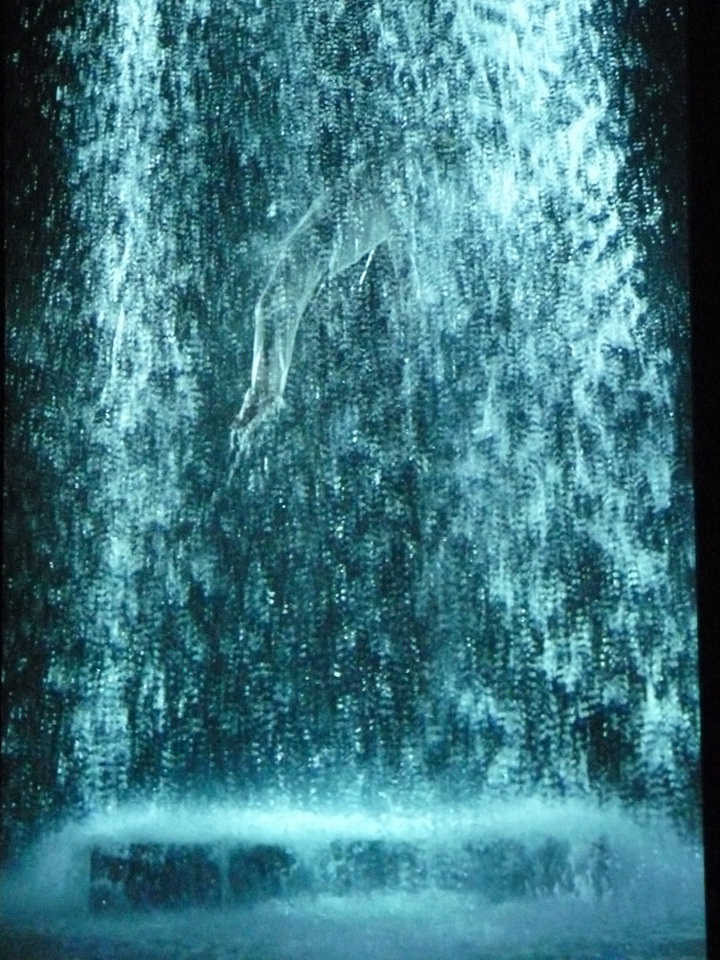
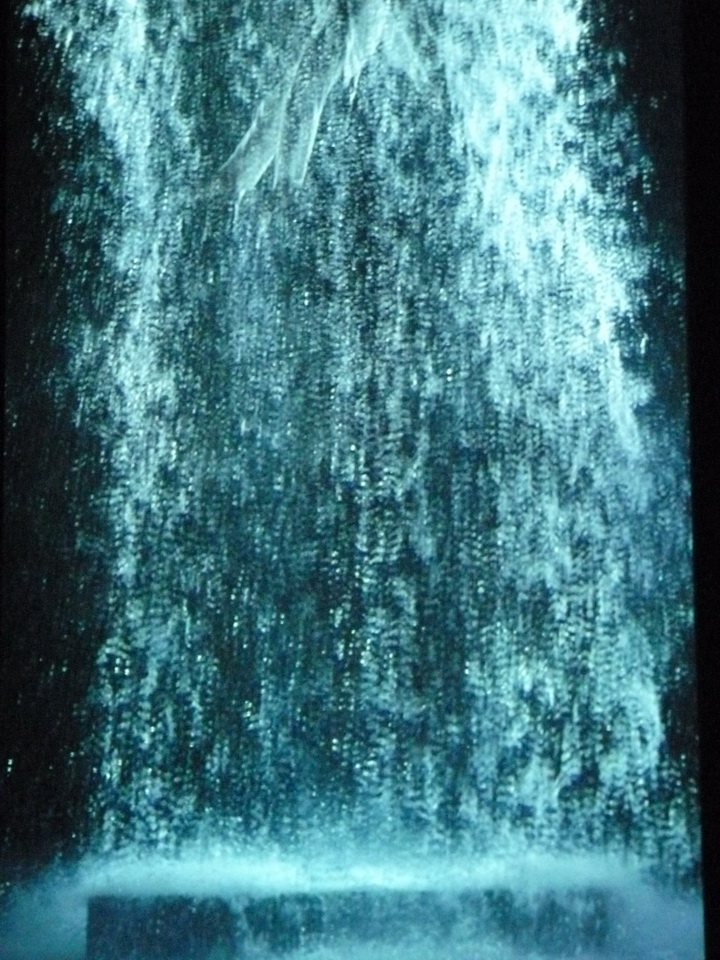
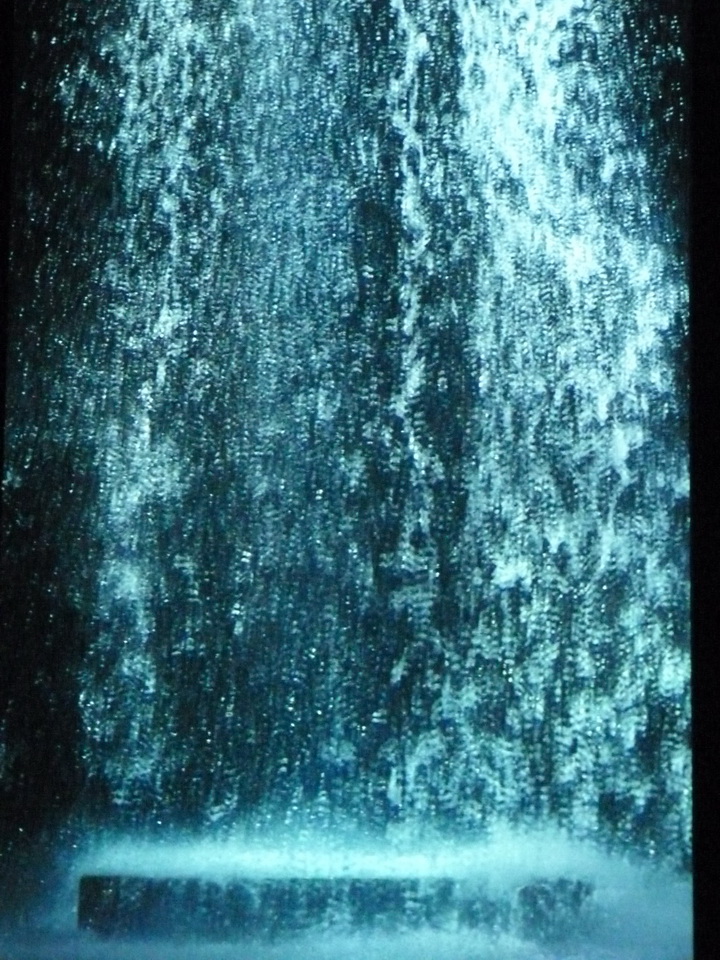
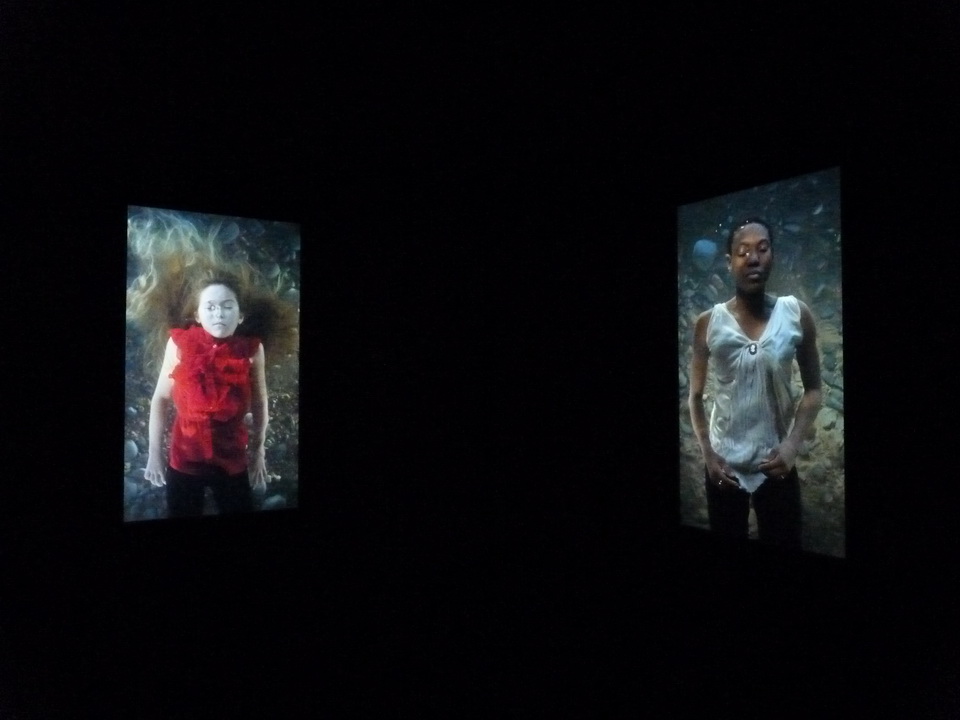
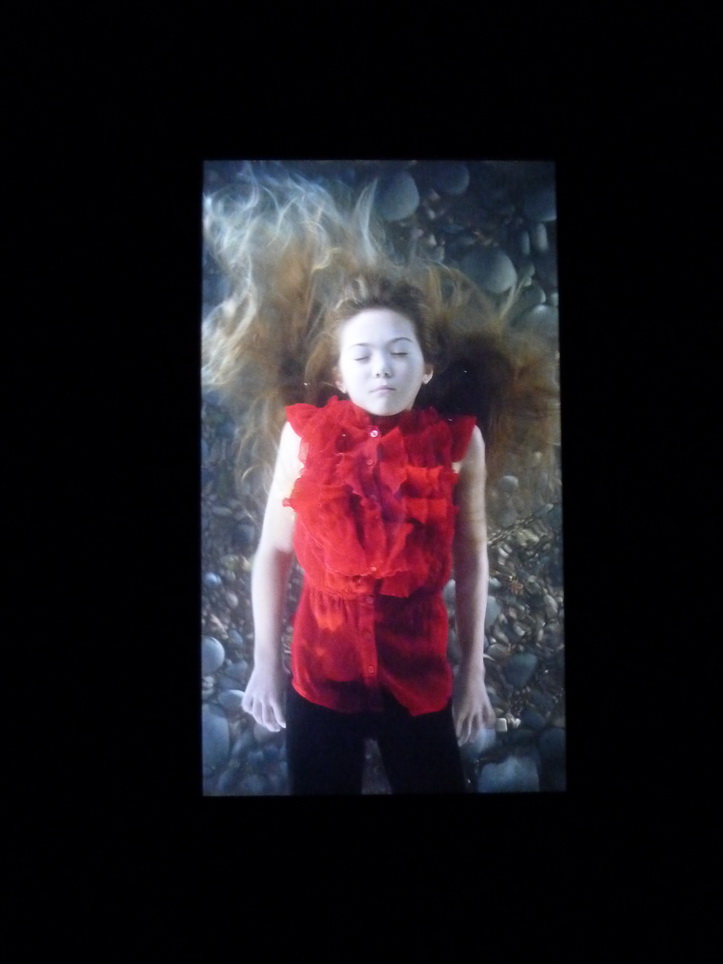
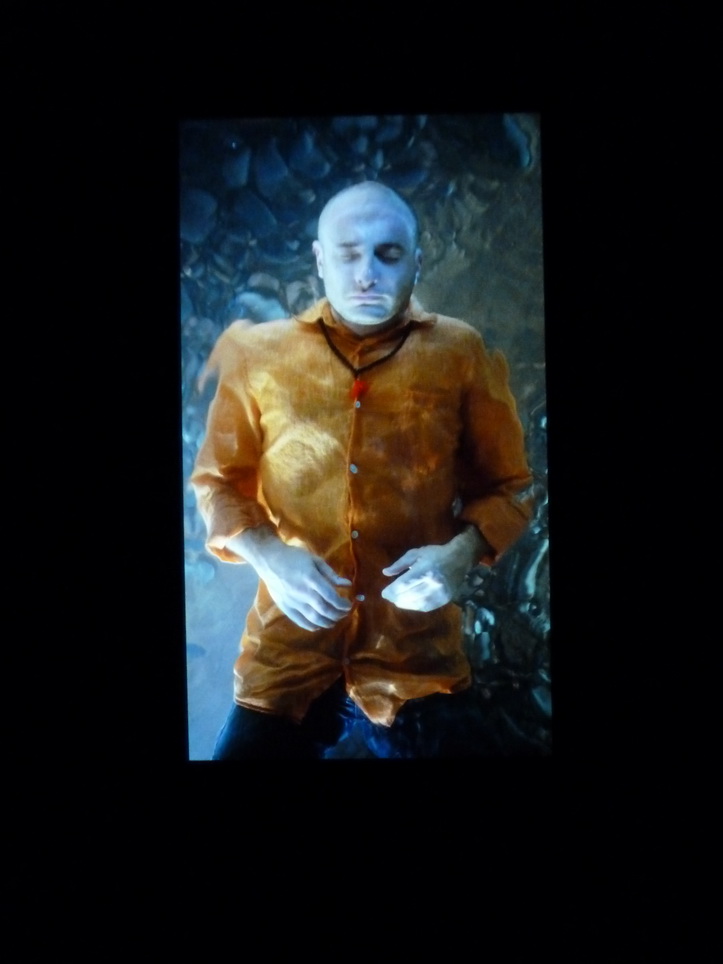
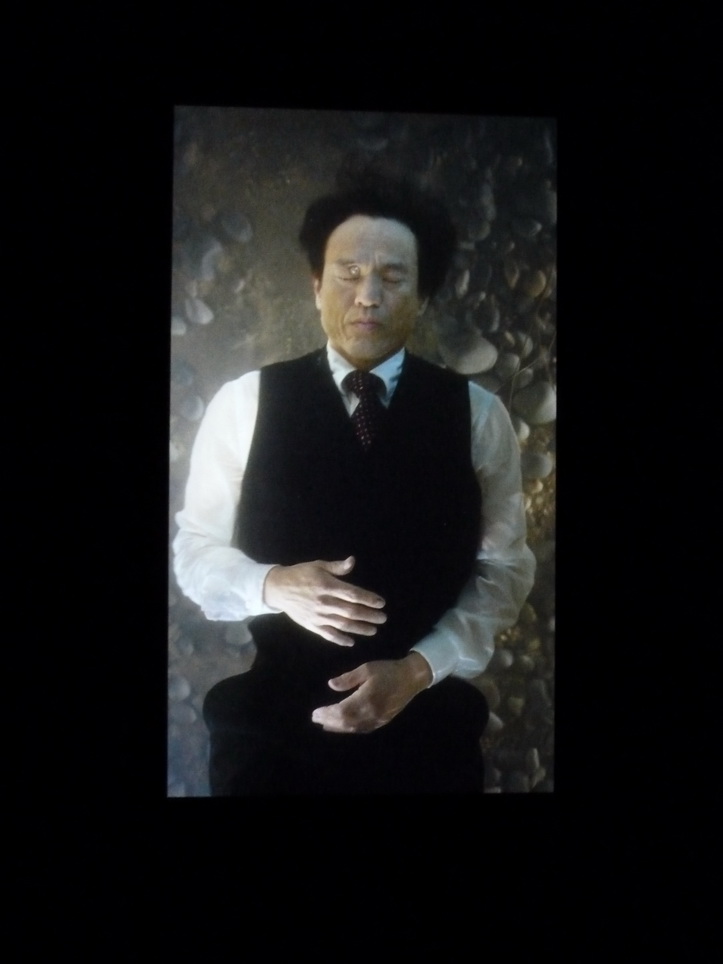
Time: March 5 to July 21. Exhibition venue: Grand Palais, National Gallery, Paris. Text and images by Chen Chi-Hsiang. Bill Viola (born 1951) is one of the most outstanding video artists today. He was affirmed at a young age for his lyrical narrative and aesthetic construction in video art; he participated in school television while attending elementary school in New York at age nine. The artist says, "I was born in the same era as video." He created his video debut at twenty-one, exhibited at the Museum of Modern Art in New York at thirty-six, and ten years later held a retrospective tour at the Whitney Museum and across the United States and Europe. His works are like visual poems; within their rigorous and perfect forms, excellent imagery, mesmerizing light, and highly sensitive musical melodies, viewers are immersed and empathize deeply.
Bill Viola was once an assistant to Nam June Paik, the father of video art. In the early 1970s, this Fluxus group attempted to "attack television," using traditional screens as tools, appropriating and transforming them into unprecedented combined installations. The TV interface became a combination of forms and color blocks, assembling photocopiers and signal transmitters, using technology to serve art. Early on, like Paik, he was interested in electronic music; it was while working with electronic music that he discovered video. His images are like musical combinations, poetic and picturesque, where tools extend those feelings. The structures he recorded translate directly into the eyes, ears, and mind—meaning vision, hearing, and imagination are equally important to him. For example, his striking 1977 work He Weeps for You features a creative close-up of water droplets falling from a pipe, quite poetic, accompanied by rhythmic dripping sounds from speakers, sensitively transforming mundane daily scenes. Water becomes his object of deep observation and exploration, as well as a metaphor.
Starting in the 1980s, he explored numerous religious themes, such as the Quran, Buddhism, and Christianity, presenting them through large-screen imagery and hyper-sensory sound effects. Under this superb technique, Viola wrote: "Technology constitutes one of these key elements (...) all artistic activity is simultaneously a method and an obstacle in our conceptual expression. For all artworks, this tension is extremely important" (Note 1). For instance, his 1979 work A Portrait in Light and Heat presents the vast Sahara Desert, forming a mirage-like scene under hot air currents, resembling a religious world apart from reality. This unique perspective can be seen in his 1996 work involving water. In his 1983 work Room for St John of The Cross, he reconstructs the imagined suffering of Saint John in prison under the 16th-century religious inquisition, while reciting medieval poetry rhythms with sensitive voices. The mesmerizing imagery unfolds space and time at a slow pace.
In 1985, he presented the innovative Memory Theater. In 1987, his work Process was specially installed in a narrow space, intending to invite viewers into the feeling space of the image. In 1988, The Sleep of Reason organized, vibrated, and flowed into a mixture until extreme violence. In 1989, The City of Man combined three picturesque scenes: bright natural landscapes, indoor meeting scenes, and disaster fire imagery, whimsically forming a natural narrative complex across three rhythms, demonstrating the relationship between nature and modern humans.
In the 1990s, Viola's explorations became more rigorous, perfect, and spiritualized. For example, his 1991 installation The Stopping Mind constructed the exhibition space using four large flat-panel screens, presenting close-ups of natural scenery (trees and flowers). Rigorous forms and rich colors, set against the slow rhythm of wind and moving grass, combined with strong electronic sound, tended toward abstract painting forms. His 1992 work Triptych (Birth/Death), full of sensibility, consisted of three flat-panel screens. The center showed a floating nude figure like a wandering soul in water; the left side showed a pregnant woman and the artist himself; the right side showed the artist's elderly mother lying on her deathbed. The triptych narrative clarified the rhythm of birth, aging, sickness, and death in the human world. Excellent and perfect imagery played at a slow speed, accompanied by contemplative music, calling forth the audience's awareness and innermost souls. It is an exceptional masterpiece of rare quality by Viola.
Continuing the poetic exploration of life and death in 1992, his work Heaven and Earth featured an innovative video installation placing two (box-less) TV screens facing each other vertically. It was difficult to view the images clearly; the top screen showed the artist's dying mother, while the bottom screen showed his son just arriving from the human world, forming a contrast that movedly demonstrated birth and death, rebirth and disillusionment, and the endless cycle of heaven and earth, prompting contemplation on life. Viola often emphasized: "Video is closer to music than writing, painting, or photography. Combining video images and music is the same thing! In both cases, people assign events according to a precise time" (Note 2).
His 1994 installation Stations featured five flat-panel long screens in a dark surrounding space. Each screen projected a nude figure (head down) plunging into water. The fleeting images floated in space. Ingeniously, beneath each screen lay a black marble slab the same size as the screen, reflecting the nude figures like water mirrors. Poetically, this formed a double layer of mesmerizing visual effects, stretching at a slow pace, and under soft, sensitive music, awakened the audience's physical and mental responses.
His 1996 installation The Messenger worked similarly to Stations, cleverly presenting a nude male not plunging into water but slowly rising gently from it. With a solemn expression and closed eyes, surrounded by small bubbles and ultrasonic sounds, it displayed contemplation and ideas on life. Later that year, another masterpiece, The Crossing, was projected simultaneously on two huge flat-panel screens separated by space. Both innovatively showed a man stepping from a dark space into the center of the screen. Dramatically, on one side, a spark started burning from the man's feet, spreading up his legs, entire body, and head, growing larger until engulfed in flames, leaving no trace of the body... On the other side, another man had small drops of rain falling from the sky onto his head, until the splashes grew larger and larger, until floodwaters submerged the man, his body disappearing into the water... Under the natural rhythm of high-quality sound, it demonstrated the mutual relationship between humanity and nature, calling upon humanity in its spiritual manifestation.
In 2000, he returned to exploring the sensitive Christian spirit, inspired by 15th-century Renaissance religious paintings, such as Giotto's touching Lamentation, Saints, or Resurrection of Christ. In Quintet of the Astonished, the grief drama of five musicians constituting modern saints, through excellent and superb imagery, light, color, composition, and form, mastered time through slow gestural language rhythms, awakening inner feelings and souls amidst contemplative electronic music, becoming dynamic paintings. In 2001, Katharina narrated Katharina's daily life from morning to night like a serial drama across five theater-like room scenes (five screens).
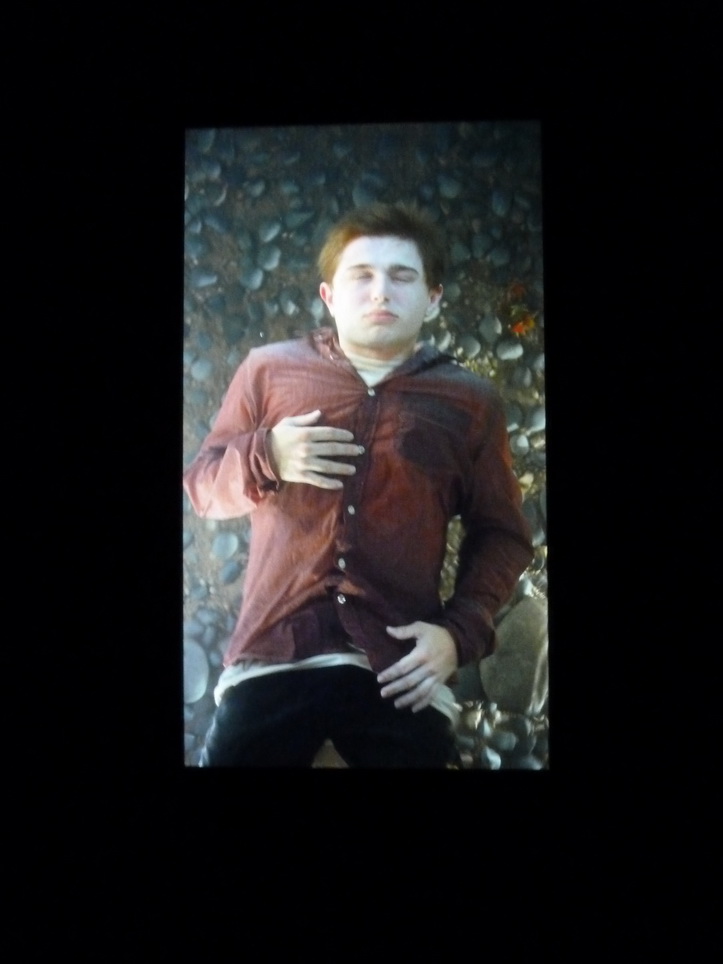
In 2002, his poetic Going Forth By Day series began with The Voyage, depicting lakeside scenery with mountains; domestic life on the left, and a boat about to depart on the right, picturesque within classical painting structures. The Deluge showed water gushing poetically from windows and doors of a geometrically symmetrical white building, becoming a poetic waterfall that invites reverie. Fire Birth showed people sleeping on a beach rock at night when suddenly a figure rose from the sea, like the resurrection of Christ. Another The Deluge showed the same white building with doors and windows closed, people walking on the sidewalk in front. All were quite lyrical with light musical rhythms. Clearly, Viola's works are characterized by excellent imagery; every shot is like a rigorous picture, with rich colors and forms, mesmerizing light, skilled use of slow motion, emphasizing the temporality and spatial structure of the work, tending towards narrative and aesthetic exploration, combined with the spiritual state of high-quality sound, strong or soft electronic music rhythms, calling forth the audience's inner emotions and audiovisual feast. The artist wrote: "My work's clear core is the process of personal discovery and acquisition of consciousness; video is part of my body: it is intuition and the unconscious" (Note 3). Spirituality cannot be recorded by words or text; spirituality is an emanation, known through observation and felt through experience.
Note 1: Arts et Nouvelles Technologies, by Florence de Méredieu, published by Larousse, Paris, 2003, p. 8. Note 2: Ibid., p. 61. Note 3: Ibid., p. 147.