Taocheng - Suggestions for Cultural and Artistic Development in Chiayi City
Arts and culture are indicators of local quality of life.
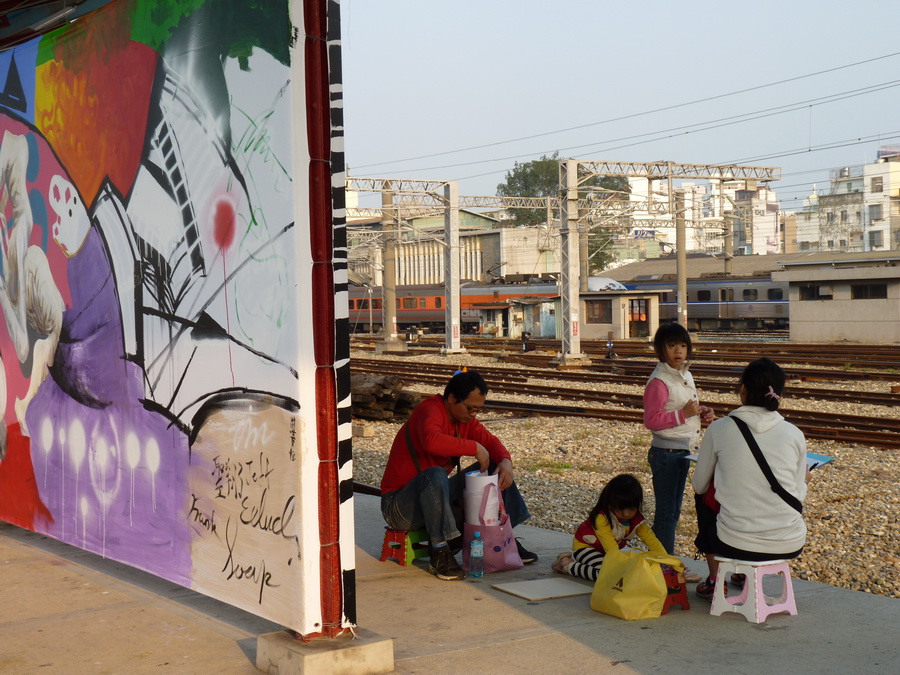
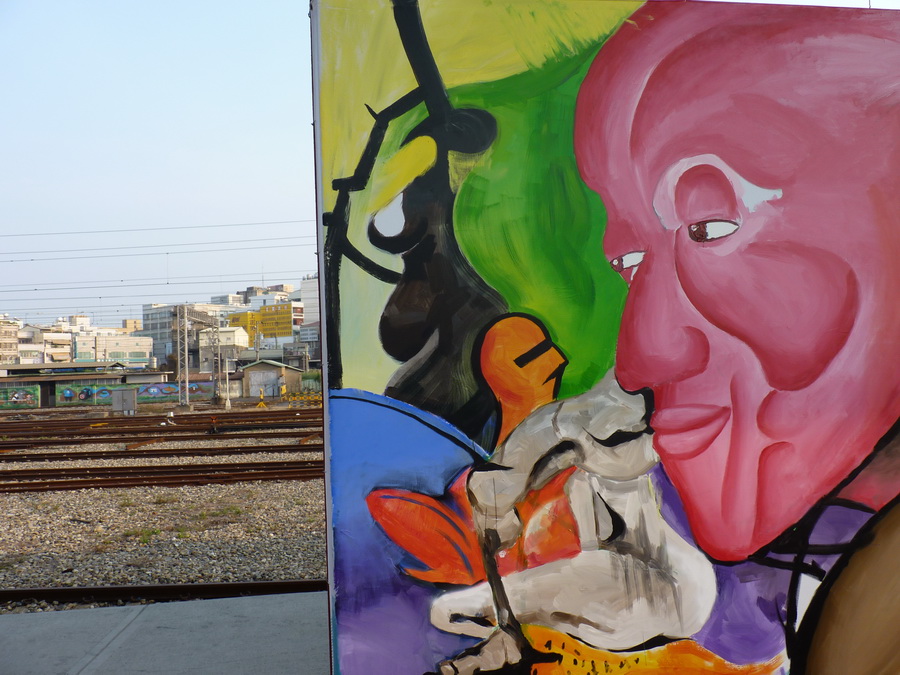
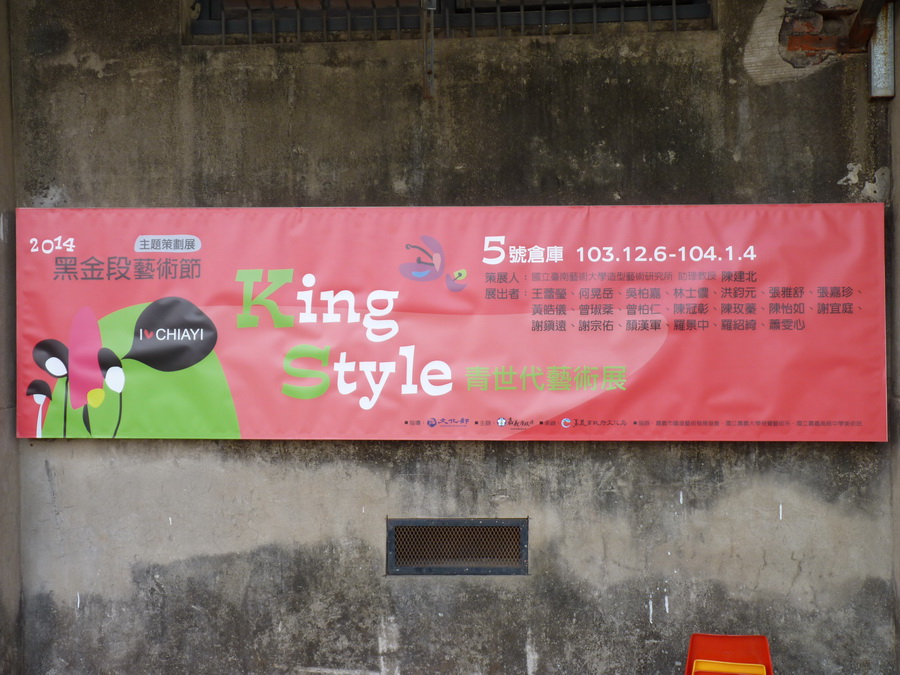
Text and images by Chen Chi-Hsiang. The naming of streets in Taocheng (Chiayi) from a metropolitan perspective clearly shows colonial influences. Almost all streets across Taiwan bear names like "Zhongzheng" or "Sun Yat-sen," usually as major thoroughfares, as if this were indispensable. The shadow of authoritarianism continues to loom heavily over the local spirit; how can it be revived? Chiayi has even more inexplicable street names such as Shanghai Street and Nanjing Street, which clearly indicate that a form of collective mental confusion is fermenting within the consciousness and subconsciousness of its residents. Consider the three bizarre statues in downtown Chiayi: the Statue of Liberty, Yue Fei, and the Urinating Boy. What do they symbolize or refer to? They obviously represent a cultural mental disorder that has insidiously penetrated our lives without our awareness. Awakening must begin with culture, nowhere else.
Terms like "City of Painters" or "City of Orchestras" point toward artistic and humanistic cities. But are these merely slogans or formalities? Are they just images of office culture? To what extent have they been implemented? Have they truly elevated the metropolis? Where are the art and humanities? Is changing or updating infrastructure progress? True civilization lies in handling underground sewers. While Taiwan's metropolises appear progressive on the surface with their skyscrapers, they are filled with smog and foul odors from methane rising from sewage systems everywhere. People living on this beautiful island have become accustomed to this numbness. It is lamentable that taste buds are dull and senses are blunted, making it hard to imagine otherwise. Beautifying appearances is easy, but purifying underground sewers is difficult because no one sees them.
Regarding the "City of Painters"—which painter? Naturally, Chen Cheng-po (not Lin Yushan or Pu Tiansheng). So, who is Chen Cheng-po? What is his imagery? Implementing the "City of Painters" is possible (not just a slogan). How to implement it depends on the courage, conscience, wisdom, and insight of the ruling authorities, as well as the awakening of citizens. Implementation must start with local cultural education; only by saving souls can we recover local energy and consciousness. Otherwise, we remain forever lost in the rulers' myths without realizing it.
What is the significance of the "Chen Cheng-po Day" designated by the Chiayi City Government starting February 2nd each year? It seems to be about finding the meaning of this land. How should the arts and culture of the "Painting Capital" be developed? Focusing heavily on annual orchestral events and pouring all cultural resources into organizing orchestral activities—is this wise? Should we re-examine whether these resources are wasted merely for international alignment? What has the twenty-plus-year International Orchestra Festival brought to Chiayi? Arts industries and tourism? This is doubtful; value for money is questionable. What is the added value of the annual orchestra festival? This deserves reflection.
Artistic Street Creation: Mayor Tu's "Artistic Street Creation" policy before his election generated expectations for its blueprint. Voters' eyes are sharp. When will the checks issued be cashed? "Artistic Street Creation" implies humanistic, artistic, and lifestyle elements—meaning art is integrated into living spaces, highlighting humanistic arts, and becoming a tourism resource. How to create artistic streets? Chuiyang Road or Weixin Street?
Suggestions: Both roads have special conditions and spatial operations. Chuiyang Road (also known as Chiayi's Champs-Élysées) features comfortable sidewalks and many walls, such as the perimeter wall of Chiayi Girls' High School, which could be planned as an outdoor exhibition space facing Cultural Park, taking advantage of its location. Other walls could become zones for street graffiti art. Weixin Street connects to the Cypress Life Village and could become a contemporary art street. Several large high-rise walls could feature large murals, especially portraits of Chen Cheng-po, to strengthen and highlight the spiritual soul of Taiwan's painters—Chen Cheng-po—as the spirit and glory of artists and Taiwanese people.
Create a Chiayi pattern tourism map, personalized shop maps, tourist route maps, and regional area maps. In today's era of internet openness and transparency, the city government must quickly establish an online platform for communication with citizens, soliciting various opinions from locals. This serves as a platform for full public participation in politics and policies, enabling changes and the development of new possibilities, and implementing the political ideal of direct democracy. These are not utopias; Taiwan's new strength is constructed through this.