Participating in the Alawa Tribe's Annual "Sacred Shell Festival"
The most striking highlight is the "Feast Ritual" near noon.
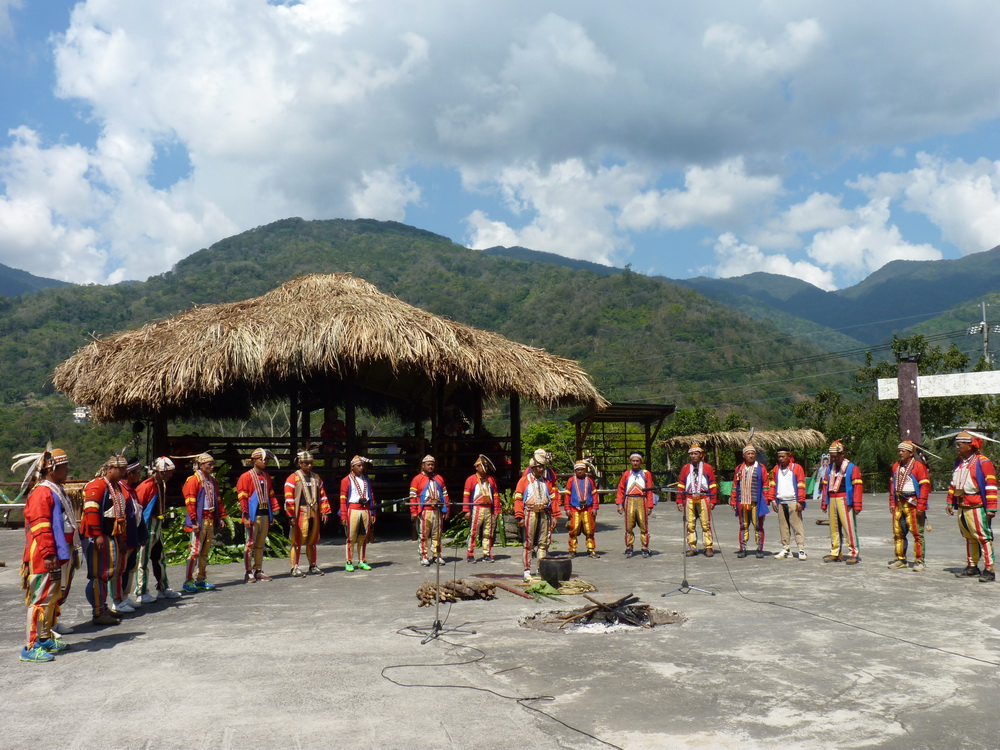
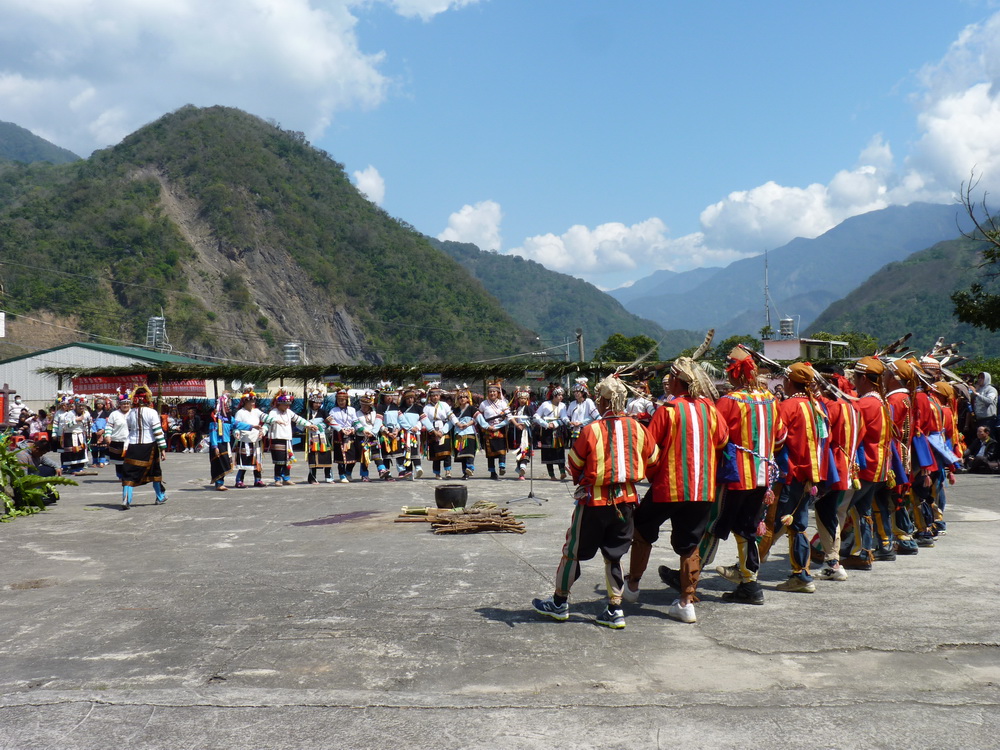
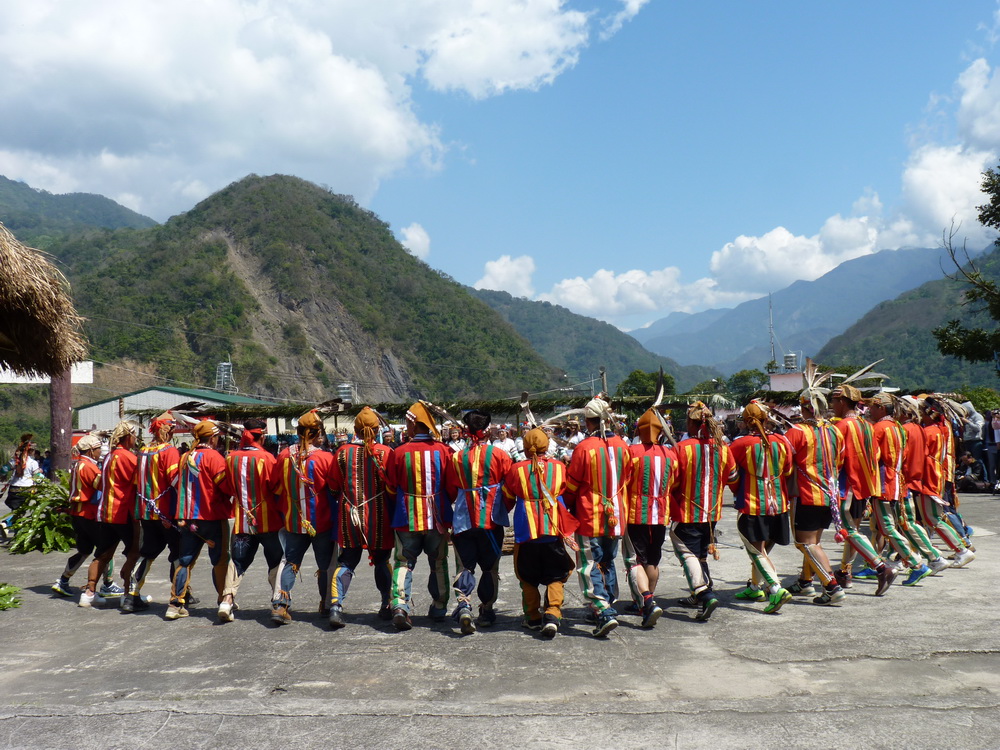
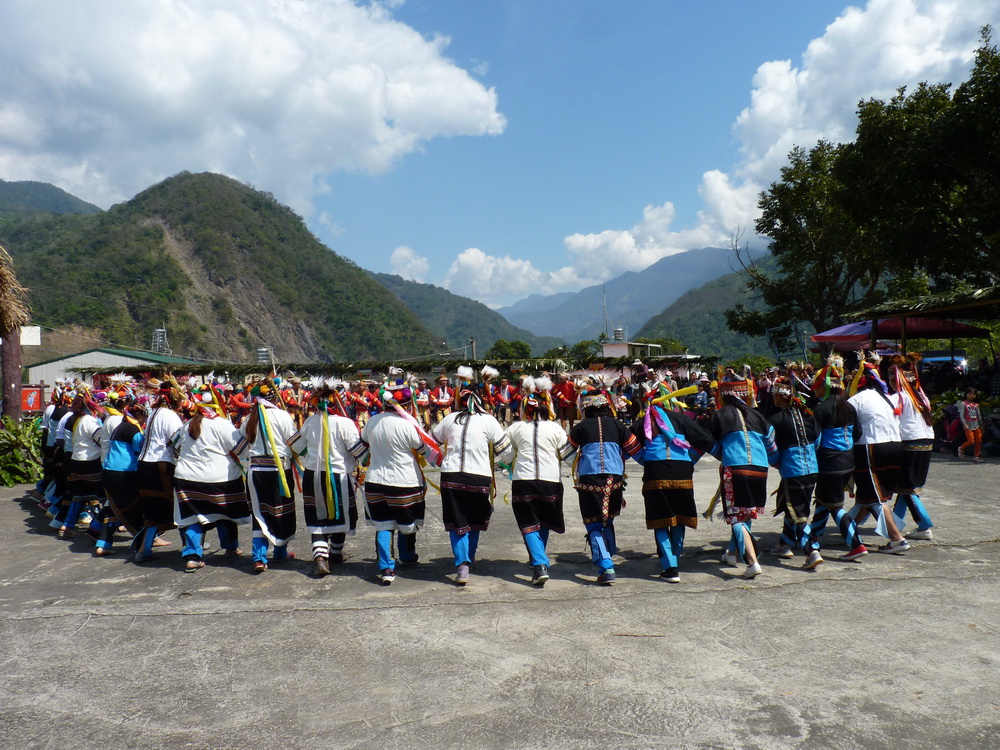
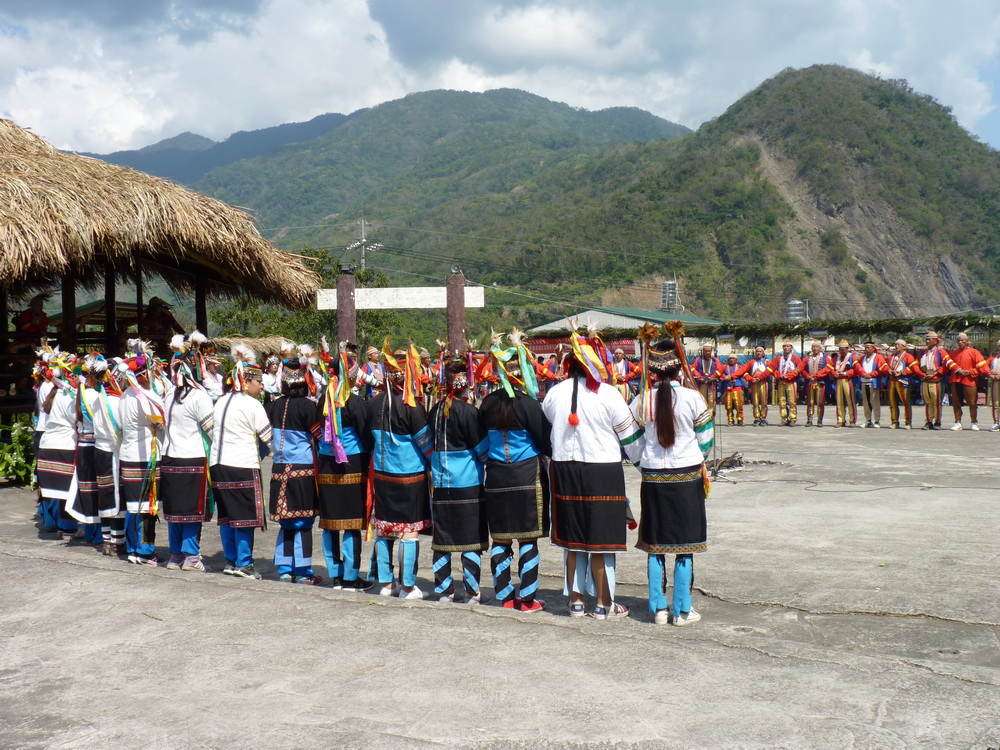
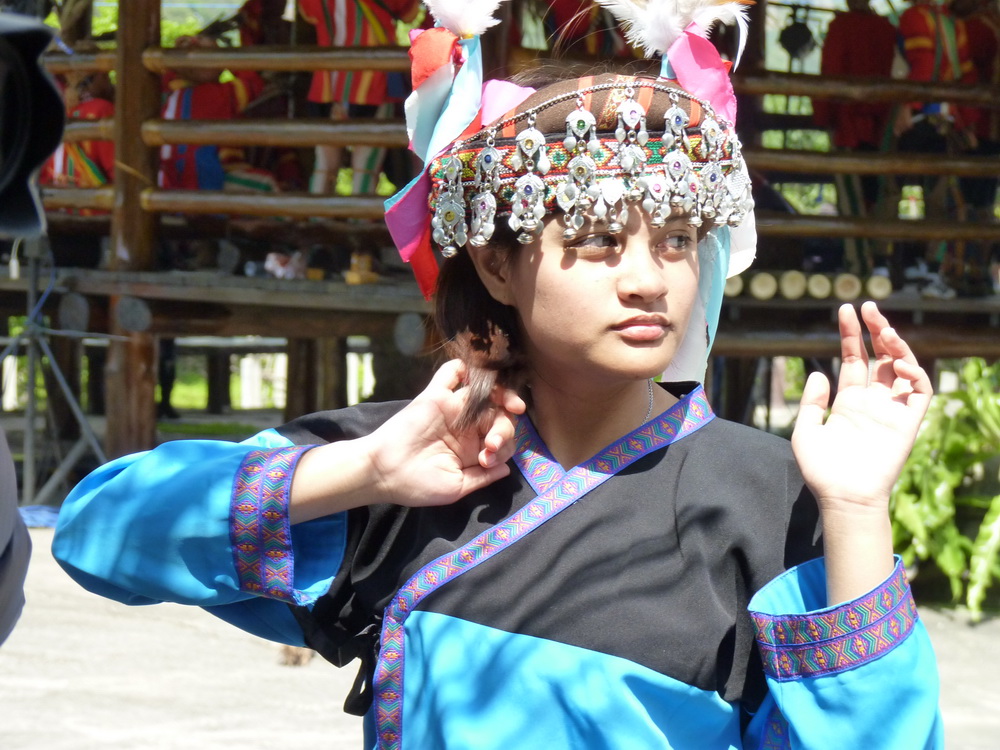
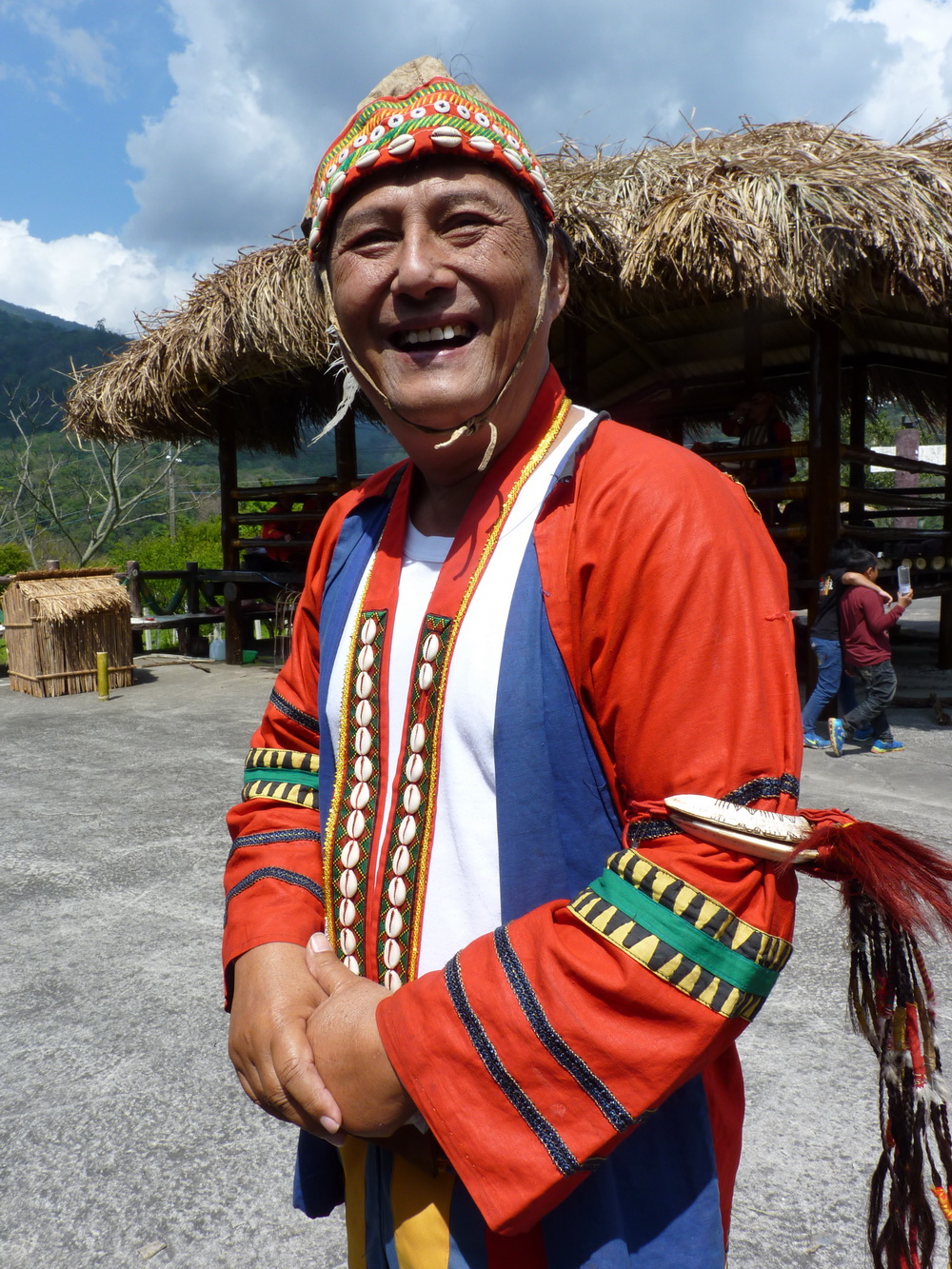
Text and photos by Chen Chi-Hsiang. It is a rare opportunity to participate in the Alawa tribe’s annual “Sacred Shell Festival” along the Nanhuang Highway. Observing them wearing beautifully colored traditional clothing, adorned with hats and jewelry, attending the ceremony in full dress, and engaging in ritualistic activities of singing and dancing, the past six-day traditional rituals have been condensed into one day. The rituals for inviting gods and welcoming ancestral spirits are conducted in the early morning and are not open to outsiders. After 9 a.m., the initial sacrifice, wild boar hunting sacrifice, summoning the Shell God, feast ritual, demon expulsion sacrifice, and group hunting sacrifice are presented one after another. The most striking highlight is the “Feast Ritual” near noon. Symbolically “intoxicating” twelve sacred shells, the elders serving as chief priests and an unmarried young girl from the tribe toss the sacred shells high into the air. Male tribe members who retrieve them can be blessed by the sacred shells for the entire year.
The Alawa (Hla’alua) tribe consists of four communities: Meilong, Paichien, Taluo, and Yan’er. They are mainly distributed and gathered in Gaohsiung’s Taoyuan District (mid-Nanhuang Highway), specifically in Gaozhong Village, Taoyuan Village, and Namaxia District’s Maya Village, with a population of about four hundred. Originally classified as part of the Tsou people, due to language barriers and different traditional rituals, they were officially named “Alawa” based on their self-designation.
Legend has it that the tribe lived in the east and once lived together with dwarfs. The dwarfs regarded the “Sacred Shell (Takiiaru)” as the dwelling place of the Ancestor God (Shell God). They held a grand sacrifice annually to pray for peace within the territory, abundant agriculture and hunting, and prosperity for the tribe. When the tribe left their original homeland, the dwarfs gifted them a jar of sacred shells, and the tribe also held the “Sacred Shell Festival (Miatungusu)” like the dwarfs. An important part of the ritual is the “Sacred Shell Wine Offering,” where the sacred shells are soaked in wine to observe color changes. If they turn red, it indicates the state of the Ancestors being intoxicated, signifying the complete success of the ceremony. The tribe believes that heavenly gods and tribal spirits exist within the sacred shells. When the great light in the men’s assembly house is lit, it is time to celebrate with the various spirits.
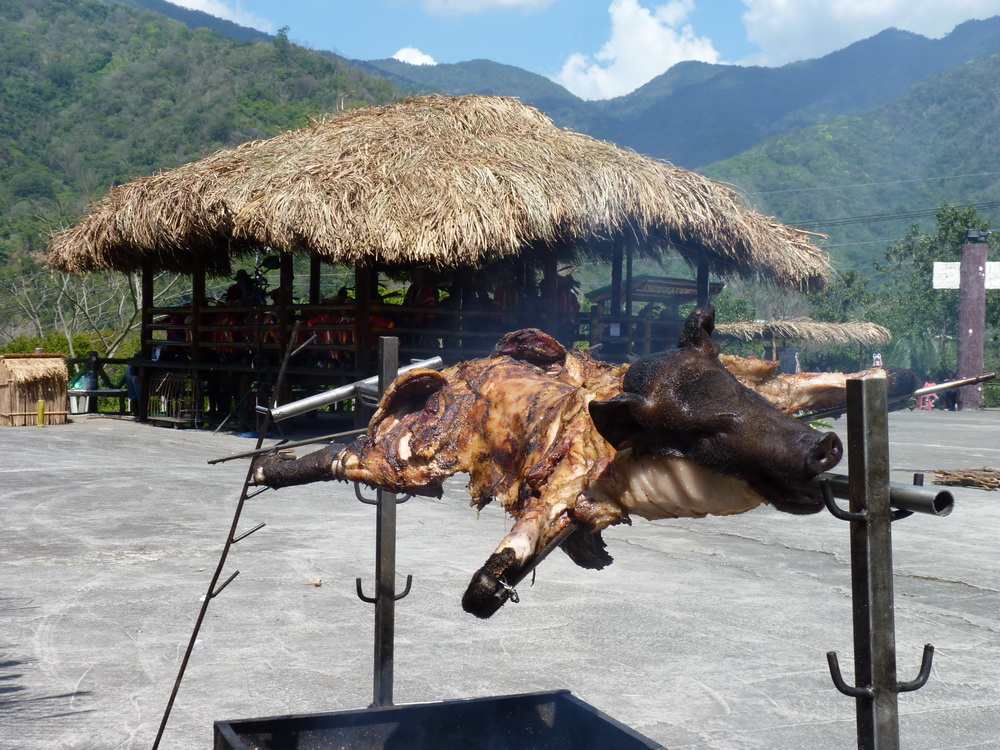
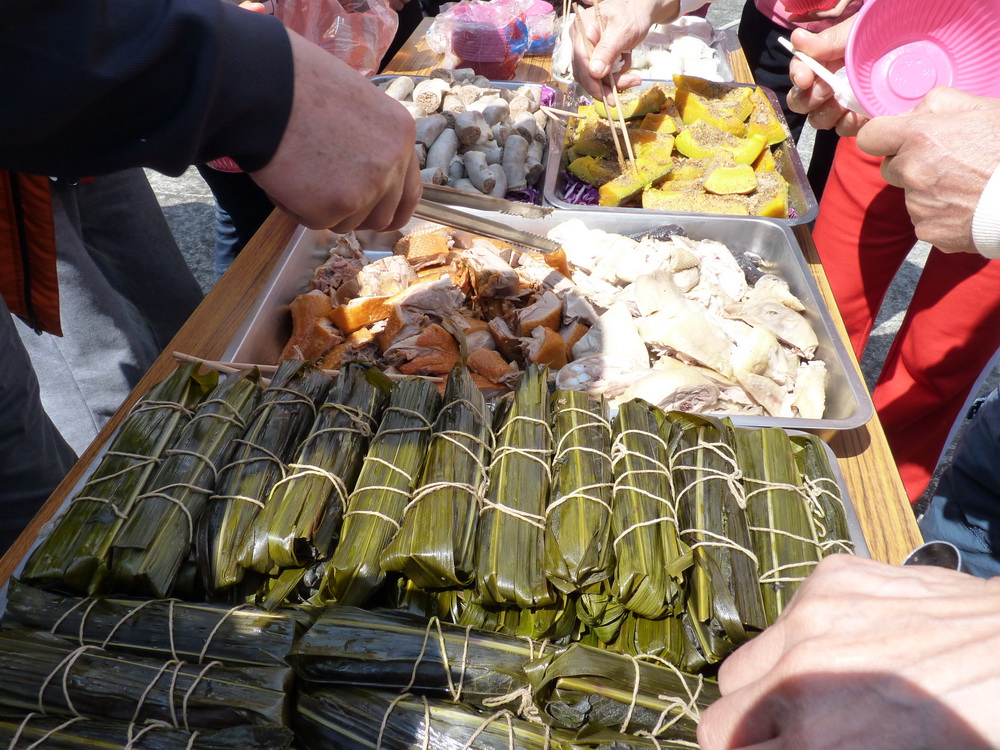
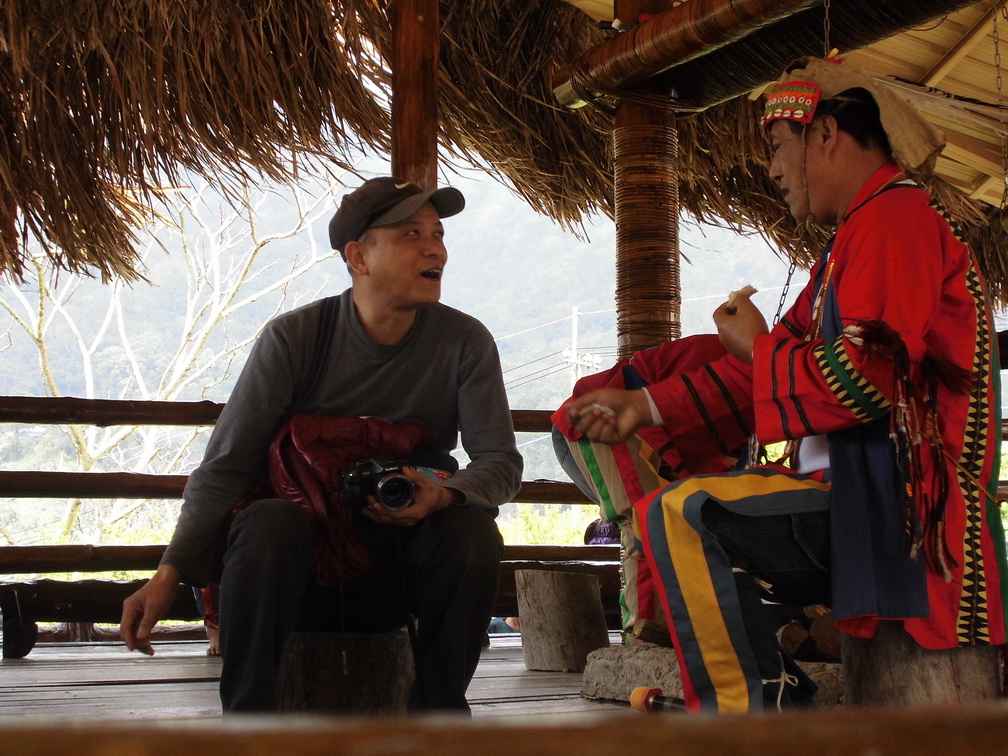
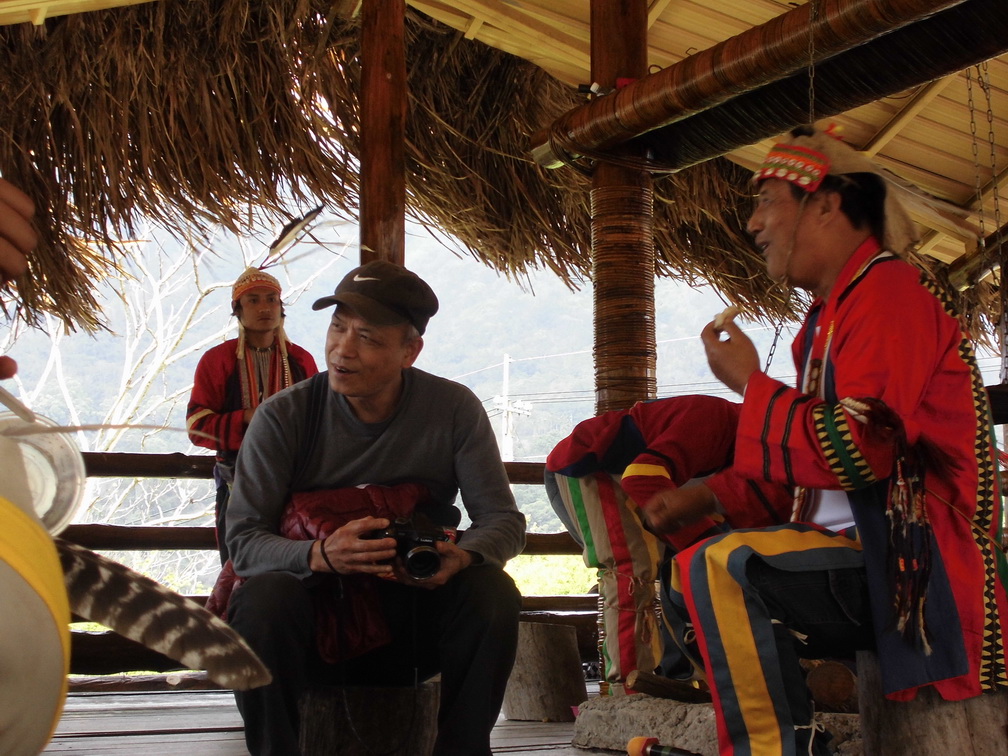
At noon, visiting citizens and journalists are invited to share the Alawa tribe’s traditional delicacies, including delicious roasted wild boar. With food and drink available, one can chat casually with the Alawa tribe’s only warrior, and even be invited into the men’s assembly house to drink millet wine with the young chief and warriors.