Chuang Che's "50 Years of Abstract Painting" Solo Exhibition
Red Cliff 121.5x89.5cm 1976 Oil and acrylic on canvas
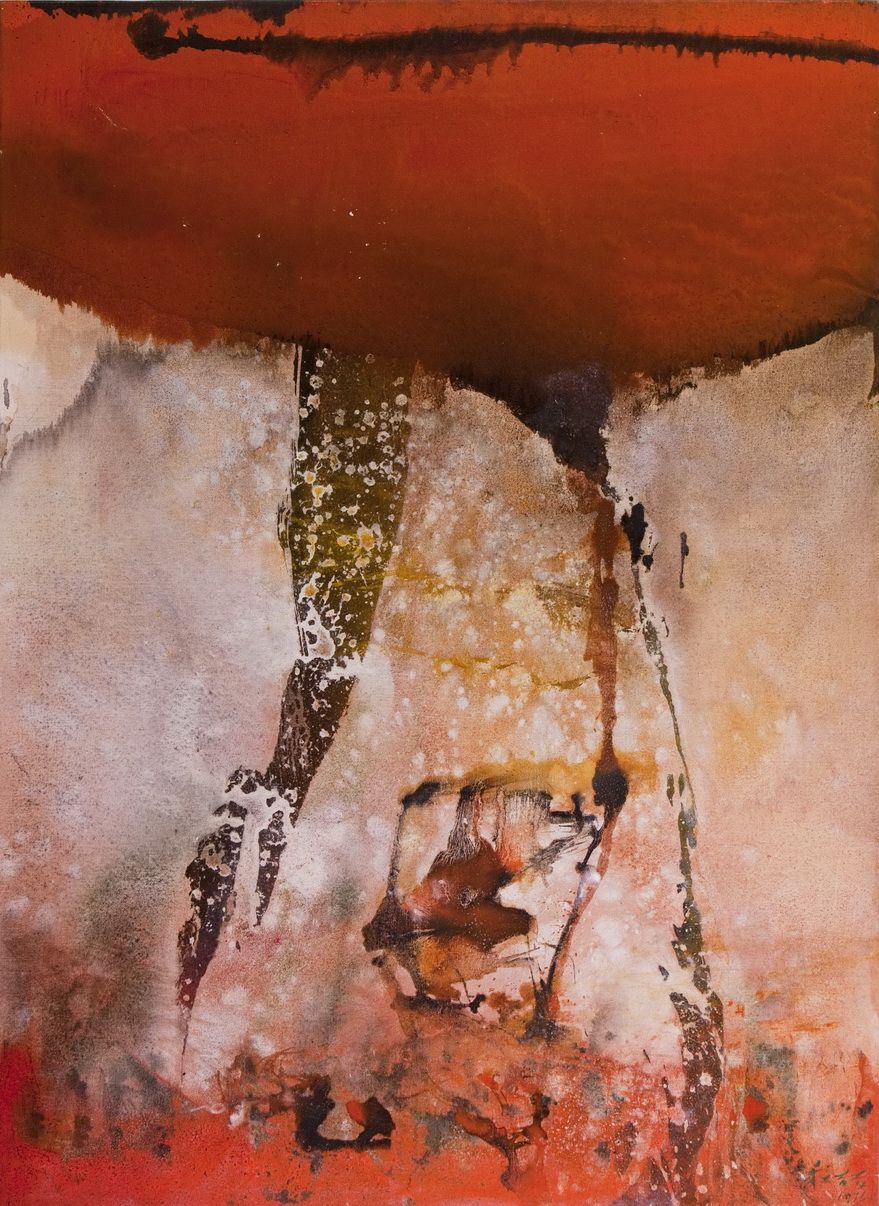
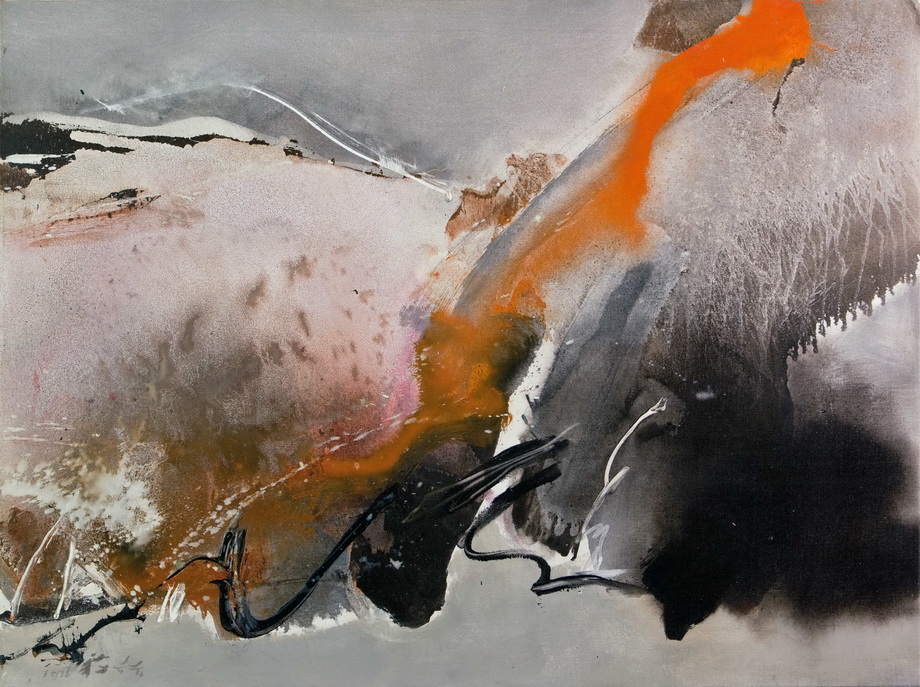
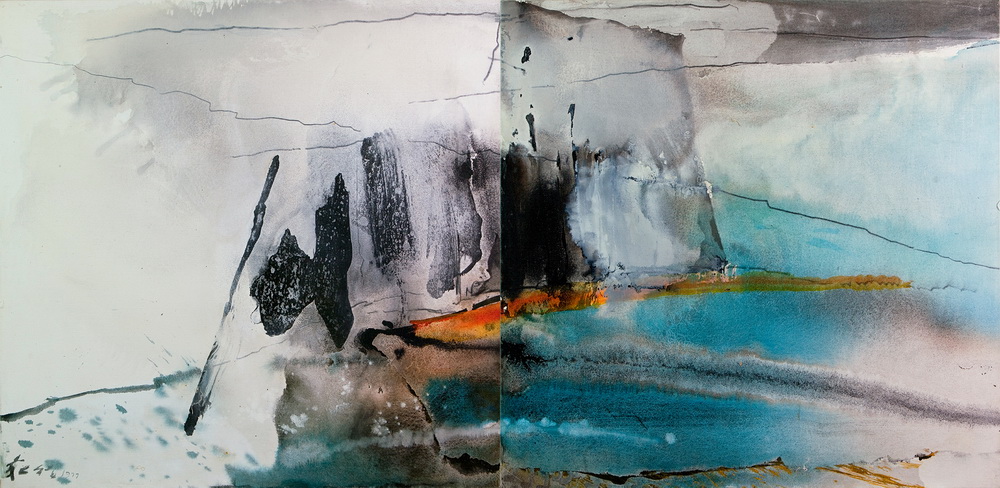
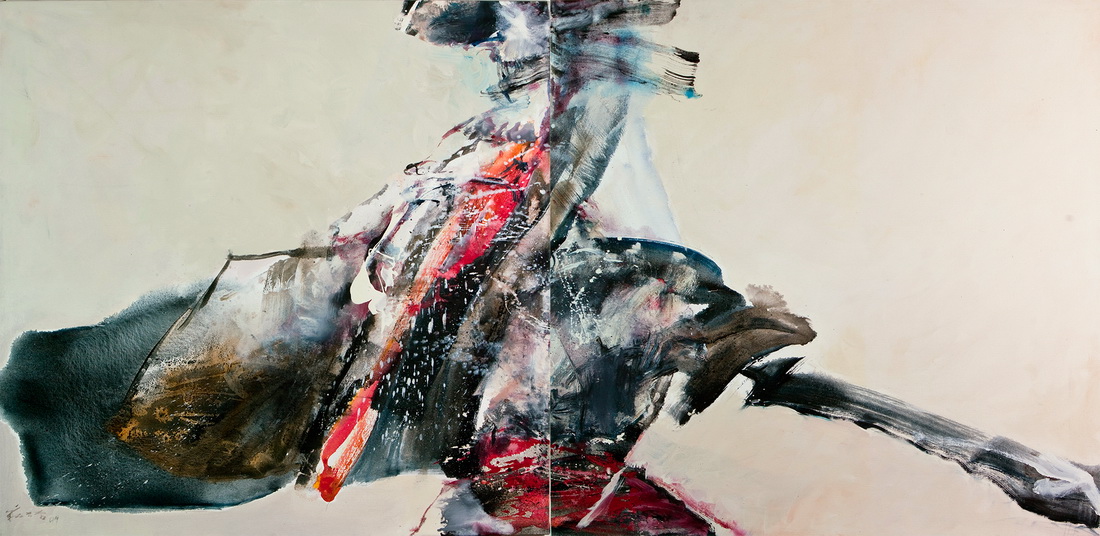
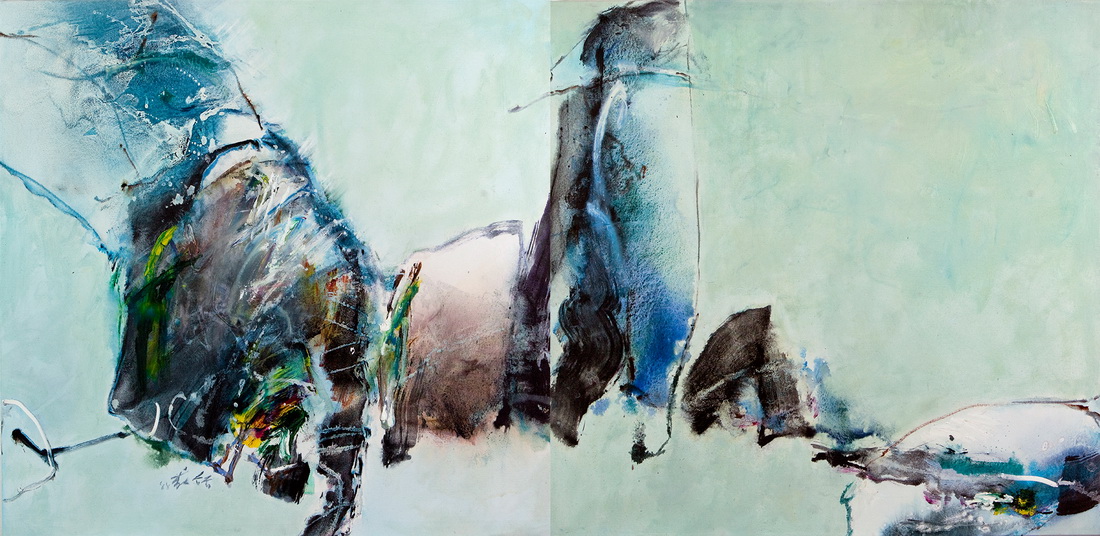
Text/Photos by Chen Chi-Hsiang | Dates: March 24 to April 30 | Venue: Co-organized by Herve Courtaigne and Sabine Vazieux Galleries in Paris
In the post-postmodern era, under globalization, local cultural differences have become artistic value, and pluralistic modernization concepts have become prominent studies. The Centre Pompidou’s National Museum of Modern Art previously exhibited with the theme “Pluralistic Modern Art,” which is significant. Is this a rediscovery and affirmation of lost values, or another form of manipulation? In this new century, as the East (China) becomes the global economic leader and the art market shifts toward the East, the discourse power of Asian modern art becomes increasingly important. Particularly, post-war abstract painting from China and Taiwan holds symbolic significance, awaiting exploration and interpretation from various perspectives.
Post-war abstract art in China and Taiwan has drawn attention due to Zao Wou-Ki and Chu Teh-Chun, who resided in Paris. The artistic value and significance of their generation await historical annotation. The market for Taiwanese abstract painting was initially dominated by the hot works of Zao Wou-Ki and Chu Teh-Chun. In recent years, due to Liu Kuo-Sung, the art market has begun to enthusiastically discuss the Orient Group and the May Fourth Painters’ Association, stirring interest in the prices of other members of these two groups. Against this trend, Paris intends to create a market for post-war Chinese and Taiwanese abstract painters following Zao Wou-Ki and Chu Teh-Chun. Ms. Sabine Vazieux foresaw this; as the gallery director and an expert in post-war French abstraction, she has decisively entered the art market landscape of Chinese and Taiwanese post-war abstract painting over the past two years. Chuang Che’s “50 Years of Abstract” solo exhibition is an example, planned by the Sabine Vazieux Gallery and co-organized with the Herve Courtaigne Gallery.
Chuang Che (born in Beijing in 1934), a Chinese-American artist, was an important member of the May Fourth Painters’ Association in Taiwan. They questioned the dead end of traditional Chinese ink wash painting and sought to renew and create possibilities for modern ink wash. Chuang Che dedicated his life to exploring what he called the “Third Route” of abstract painting. Born into a scholarly family, his father, Chuang Yen, was a renowned calligrapher and former Vice President of the National Palace Museum in Beijing. Immersed in calligraphy from childhood and surrounded by famous Chinese paintings and calligraphy throughout history, he developed an interest in art nurtured by humanistic culture. In 1948, he moved to Taiwan with the Republic of China government. In 1954, he