Pilgrimage to "Madrid" Part Two
(Top) Madrid's magnificent Royal Palace. (Bottom) Sabatini's miniature French-style garden.
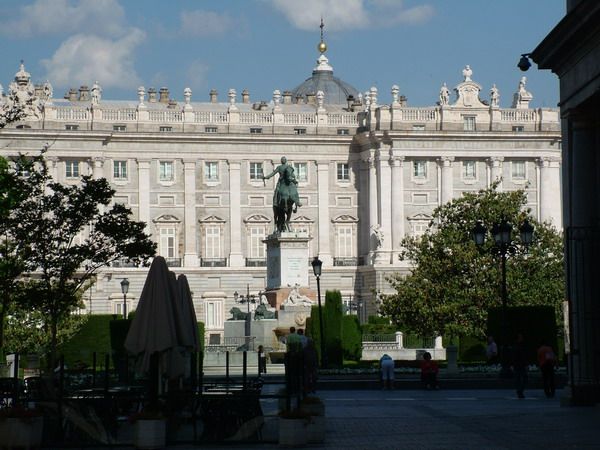
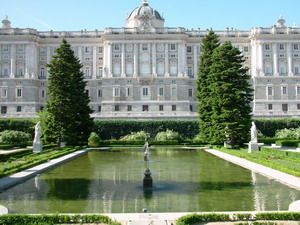
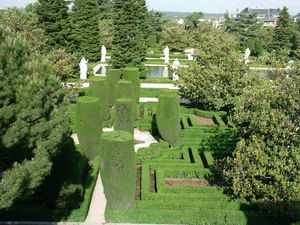
(Top) Madrid's magnificent Royal Palace. (Bottom) Sabatini's miniature French-style garden.
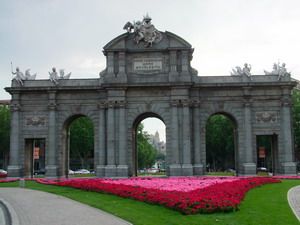
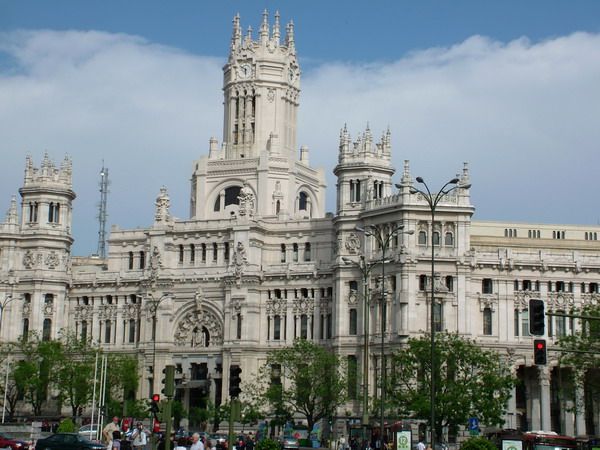
(Top) The Alcala Gate. (Bottom) The Spanish Bank headquarters, a palace-like building that is the largest and most spectacular.
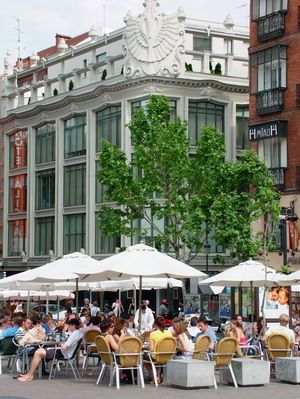
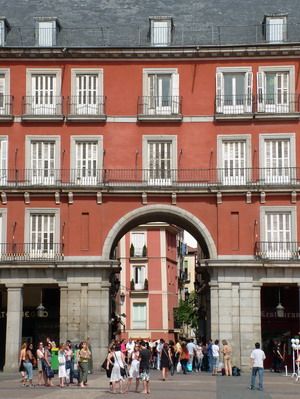
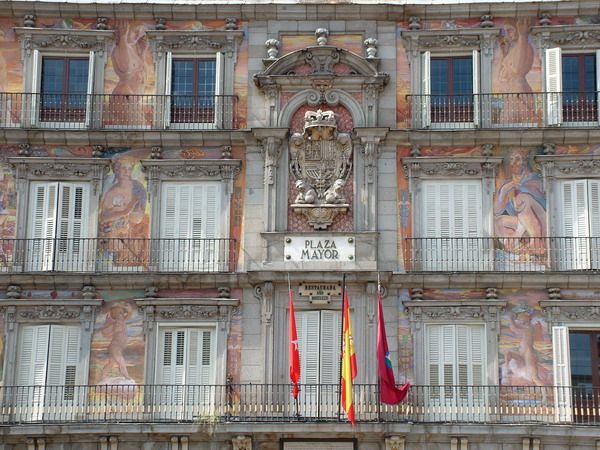
(Top) The Mayor Square café and gate. (Bottom) The magnificent murals of Mayor Square.
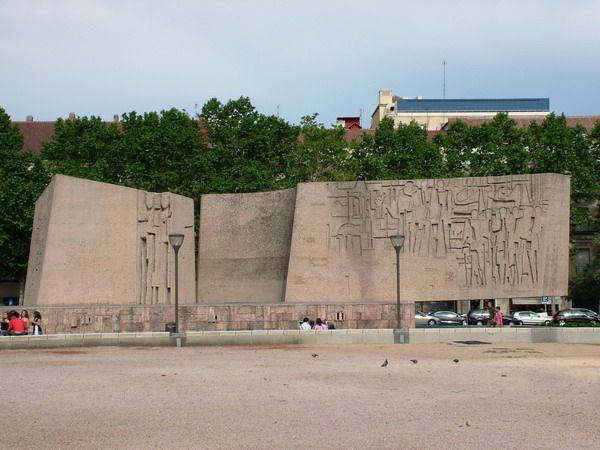
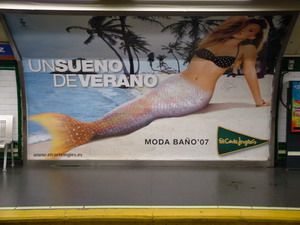
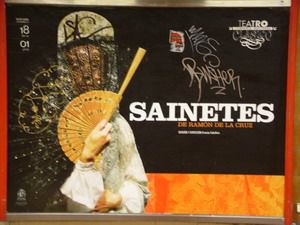
(Top) The spectacular Columbus Monument. (Bottom Left) A mermaid advertisement inside the subway. (Bottom Right) An advertisement for Spanish mistresses inside the subway.
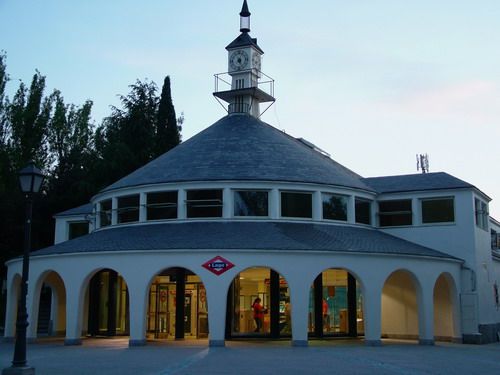
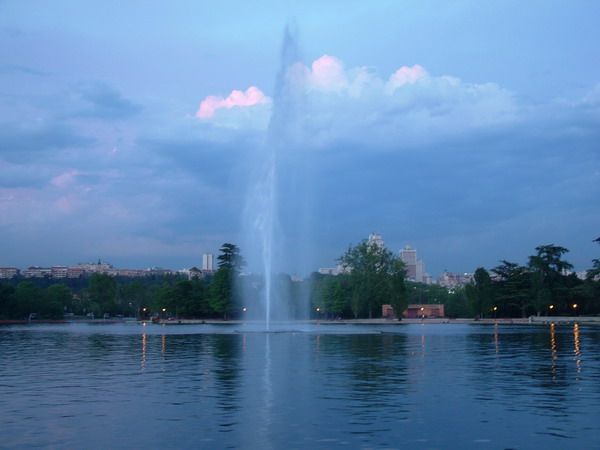
(Top) The unique Lago subway station. (Bottom) The large lake with its lakeside scenery is a weekend leisure space for Madrilenians. I woke up early on Saturday, took a refreshing shower, ate a hearty breakfast, and started the day full of energy. This morning, I planned to visit the magnificent Royal Palace (Palacio Real). What captivated me was not the grandeur of the palace itself, but its lush and beautiful royal gardens. I took Metro Line 2 to the Ópera station, curiously observing the large posters in the subway. Unlike the aggressive advertisements in the Paris metro, some stations here had none at all. Although slightly narrower than Paris, it was quite clean. The route maps were somewhat confusing for Paris travelers, making one wonder if they were on the wrong line, but careful observation revealed their logic, facilitating transfers. Upon exiting at Ópera, the geometric modern Madrid Opera House (built in 1850) stood before me, surrounded by Haussmann-style modern apartment buildings and shops, lacking the intense commercialization I had expected. Following the wide, orderly sidewalks leading to the magnificent palace, the vast gray-white Royal Palace came into view under the bright sun. Arriving at the grand Plaza de Oriente, centered around the equestrian statue fountain of King Philip V, the surrounding gardens were strictly ordered. The palace faced forward, while a series of modern semi-circular buildings lay behind, with the Royal Theater being the most charming. Often compared to Versailles, the Madrid Royal Palace is the second most popular pilgrimage site after the Prado Museum. It was rebuilt by Philip V after an old palace burned down in 1734, designed by Italian architects Sachetti and Sabatini in a solemn Baroque classical style. Napoleon once joked that "his brother Joseph lived more comfortably there than in his Tuileries Palace in Paris," imagining its splendor and luxury. As tourists increased, most visited the palace; we strolled in the square admiring the architecture, then visited Sabatini's miniature French-style garden to the right. With its strict geometric symmetry and a rectangular water mirror at the center, adorned with classical statues, it was both pleasing to the eye and relaxing to wander through. To the left of the palace stands the massive Almudena Cathedral (Nuestra Senora de la Almudena), with symmetrical towers and marble columns, built as decided by Alfonso XII in 1878 and completed a century later solely to bury his young wife who died at 18. Walking along the path beside the church towards the Campo del Moro garden behind the palace, I could not find the entrance and circled back to take the metro home. In the afternoon, I had plans to picnic in the green Buen Retiro Park. Returning home, I accompanied friends to the supermarket to prepare for the picnic. With everyone cooperating, we quickly got ready and headed to the park near our home, just steps away from the rural fields in the heart of Madrid. It is hard to imagine such green spaces existing in this concrete metropolis, guaranteeing a high quality of life. The park was filled with people; families and couples lounged on the dense lawns, picnicking, relaxing, or courting. We found a suitable spot, spread a tablecloth, and laid out sandwiches: Spanish raw beef ham with pickled melon and cilantro or lettuce, or ham with cheese, and a special Spanish salad (Paris mushrooms, tomatoes, raw greens, canned red peppers, pickled anchovies, etc.), drinking water or beer freely. We chatted about travel, Madrid, art, humanity, and life. After snacks, we lay sprawled on the grass, reading, sunbathing, or sleeping lazily until returning home around four o'clock.
After resting, we walked together to explore the old tourist core of Madrid, the area around Mayor Square. Our friend led us along the edge of Buen Retiro Park, passing the Plaza de la Independencia, where the magnificent Alcala Gate stands. Built in 1778 during the reign of Charles II, it was the past gateway to the city, majestic like a triumphal arch. Continuing along the avenue, surrounded by upscale residential areas and shops, we soon arrived at Madrid's largest Cibeles Square. Centered around the circular fountain of the king riding a chariot pulled by lions, the square is surrounded by imposing Neoclassical administrative and commercial buildings. The Spanish Bank headquarters, a palace-like structure, was the most spectacular. Traffic and crowds flowed endlessly. Ahead, a series of Art Nouveau buildings confused the eye; the Metropolis building featured a striking angel statue atop its black dome. To the left, the Ministry of Education building displayed a spectacular four-horse chariot statue on its symmetrical roof. Further ahead, the streets became irregular and narrow, crowded with numerous old buildings under renovation, small shops, restaurants, cafes, and souvenir stores. Young Spaniards and tourists mingled warmly, outdoor cafes were full, and the bustle resembled the Champs-Élysées in Paris. Turning from the Plaza de España, we entered Madrid's most famous Mayor Square. Surrounded by magnificent buildings constructed in the 17th century, it was once the core of Madrid's administration, military reviews, commerce, folk festivals, and religious rituals. Today, the Mayor Palace facade with its magnificent painted murals is the most eye-catching. The square serves as a tourist hotspot and a space for leisure, strolling, and gathering for Madrilenians, enclosed by open-air cafes, restaurants, and periodic markets. Exiting through an arched gate from the square, we continued walking to the popular Puerta del Sol oval plaza. Surrounding it are notable 18th-century buildings, high-end shops, cafes, and restaurants, with a large department store nearby. Full of youthful vitality, it is the domain of Madrid's youth, especially on New Year's Eve when people gather to welcome the new year. Returning to Alcala Avenue, we walked home. Tired, some suggested taking the metro, but I continued strolling to savor the city's vitality. At Cibeles Square, I turned onto the Recoletos promenade, arriving at Colon Square to visit the magnificent Columbus Monument. Next to it is the National Library of Spain, and then I slowly walked home.
In the evening, to please us and show hospitality, our friends invited us to dinner by a lake on the outskirts of Madrid. Taking the Velasquez metro station, we transferred to exit at Lago station. Overlooking the magnificent panoramic view of Madrid, including the palace and cathedral in the distance, the lakeside atmosphere was serene. The outdoor restaurant by the lake was fully booked. Spaniards tend to speak loudly, creating a lively ambiance. We sat at a festive table. The highlight was Spanish barbecue. First came a delicious salad: a plate of authentic black blood sausage stir-fried with eggs and mixed hams, offering a unique foreign flavor, sweet and sour, which was surprisingly tasty. Then came beef marinated in salt grilled over charcoal, fresh and flavorful, leaving us satisfied. Finally, ending the lavish dinner with a glass of sweet fruit wine, our friends' warm hospitality made this trip to Madrid unforgettable. In this short long weekend, we tirelessly enjoyed Spanish civilization, customs, and supreme friendship, etching eternal memories into our lives, expressed beyond words.