Contemporary Art Lecture Series - 2 Grandpa Duchamp and His Descendants
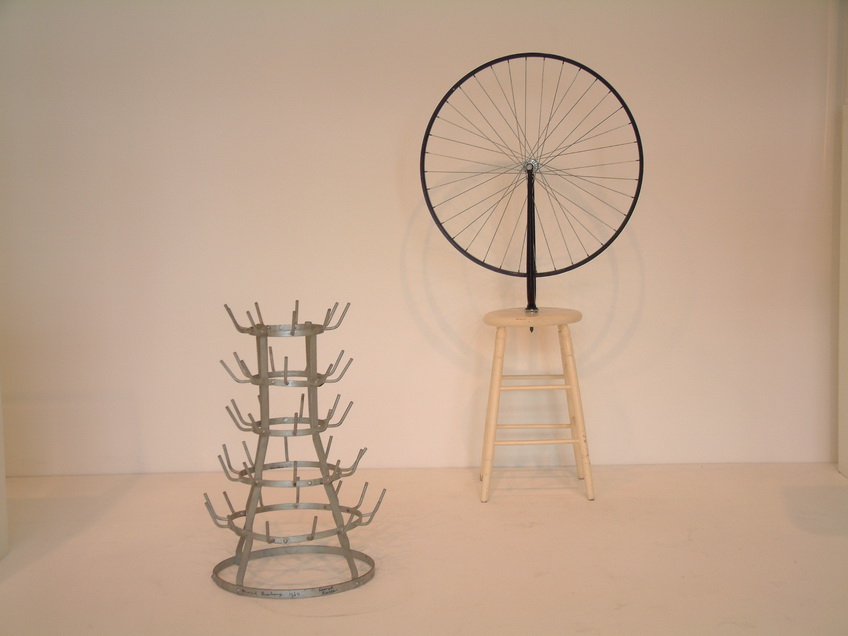
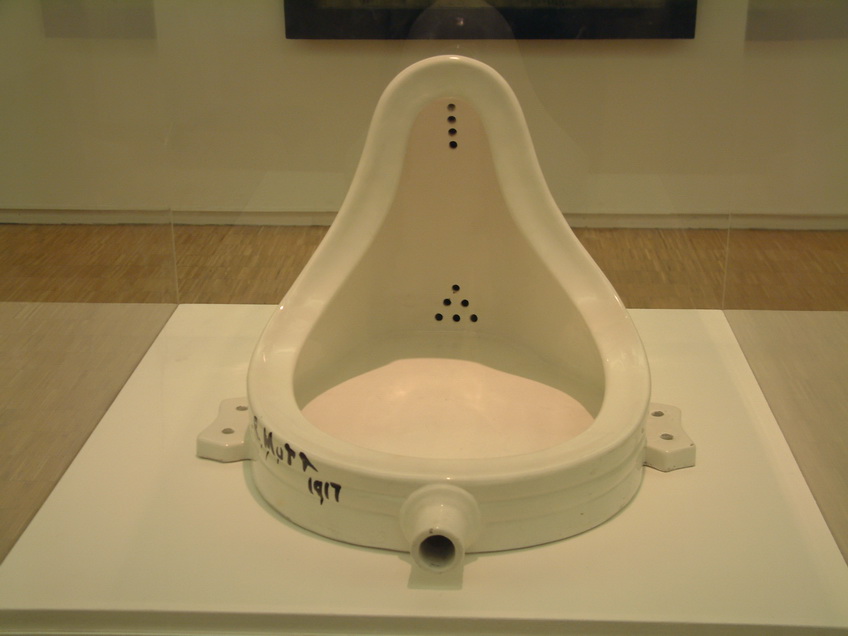
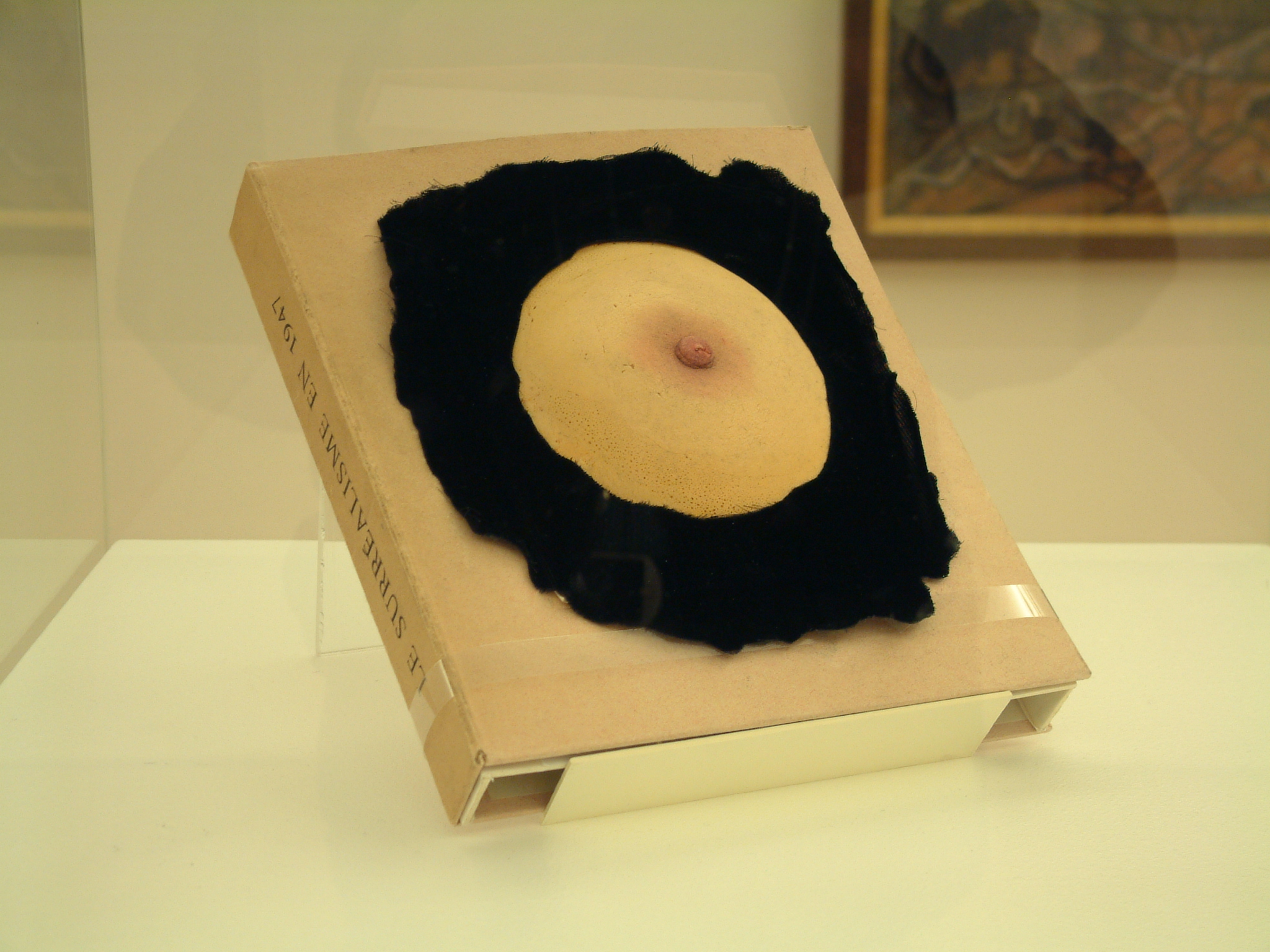
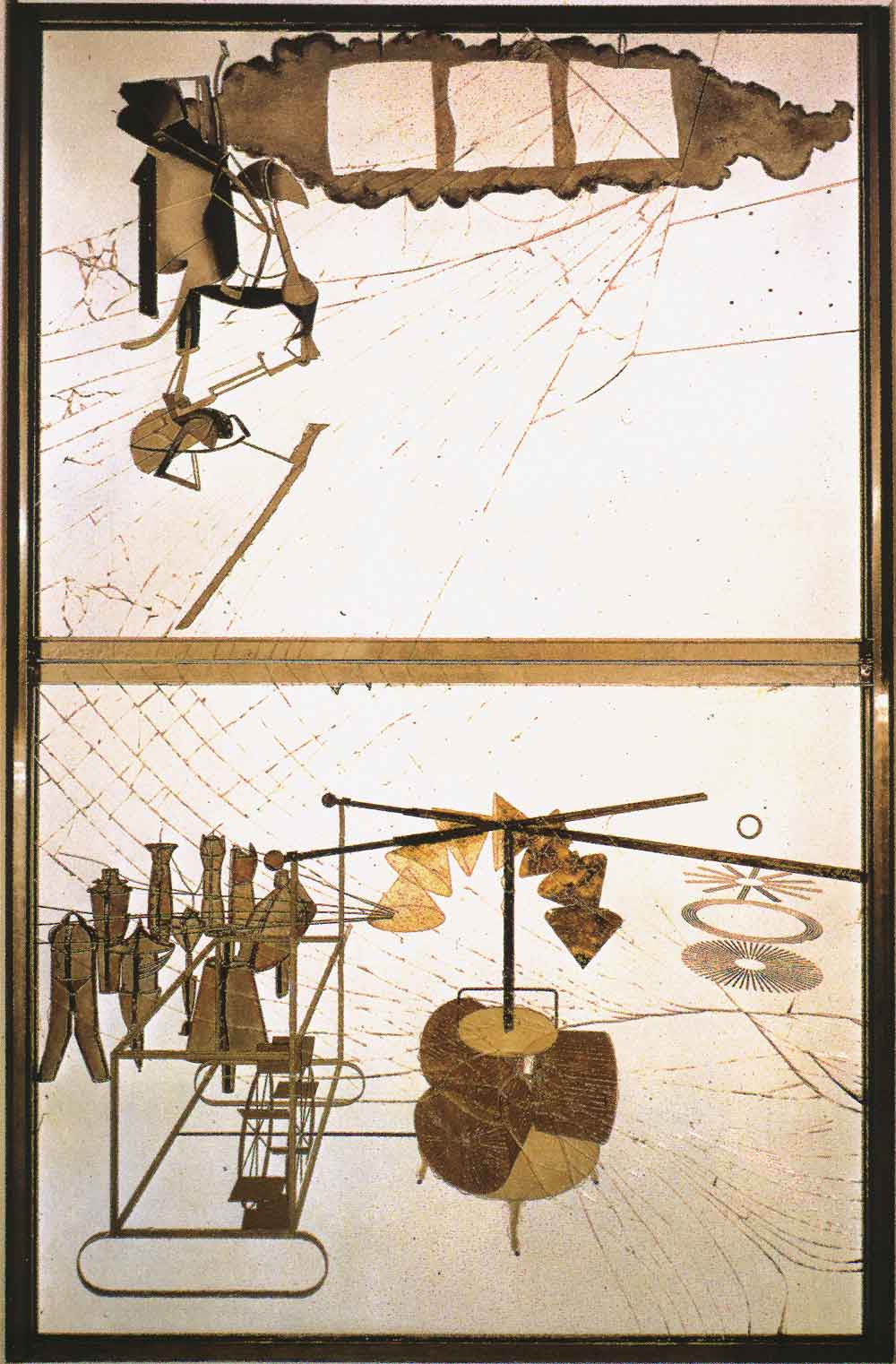
Marcel Duchamp (1887-1968) Bicycle Wheel on a Bench, 1913; Bottle Rack, 1914
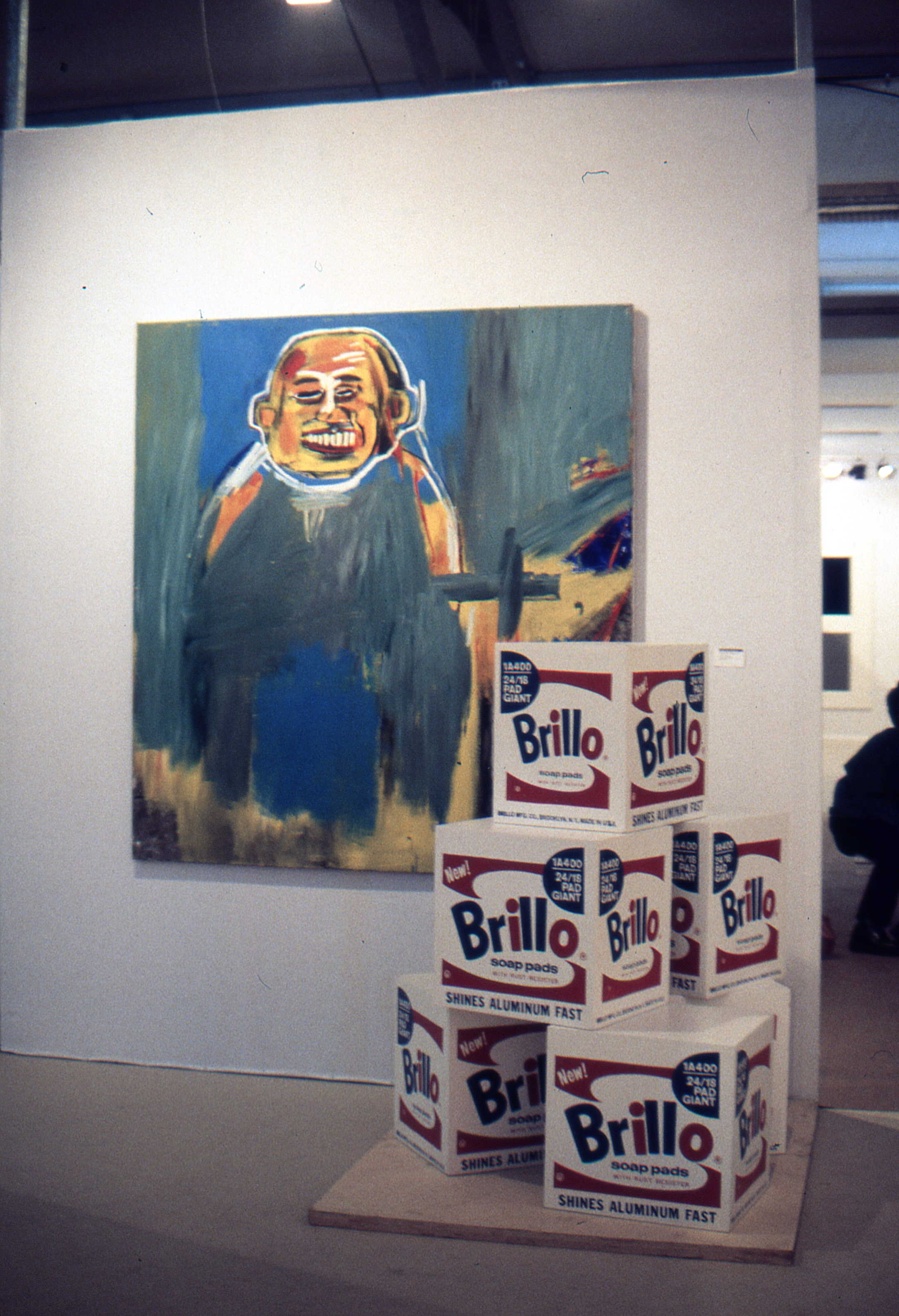
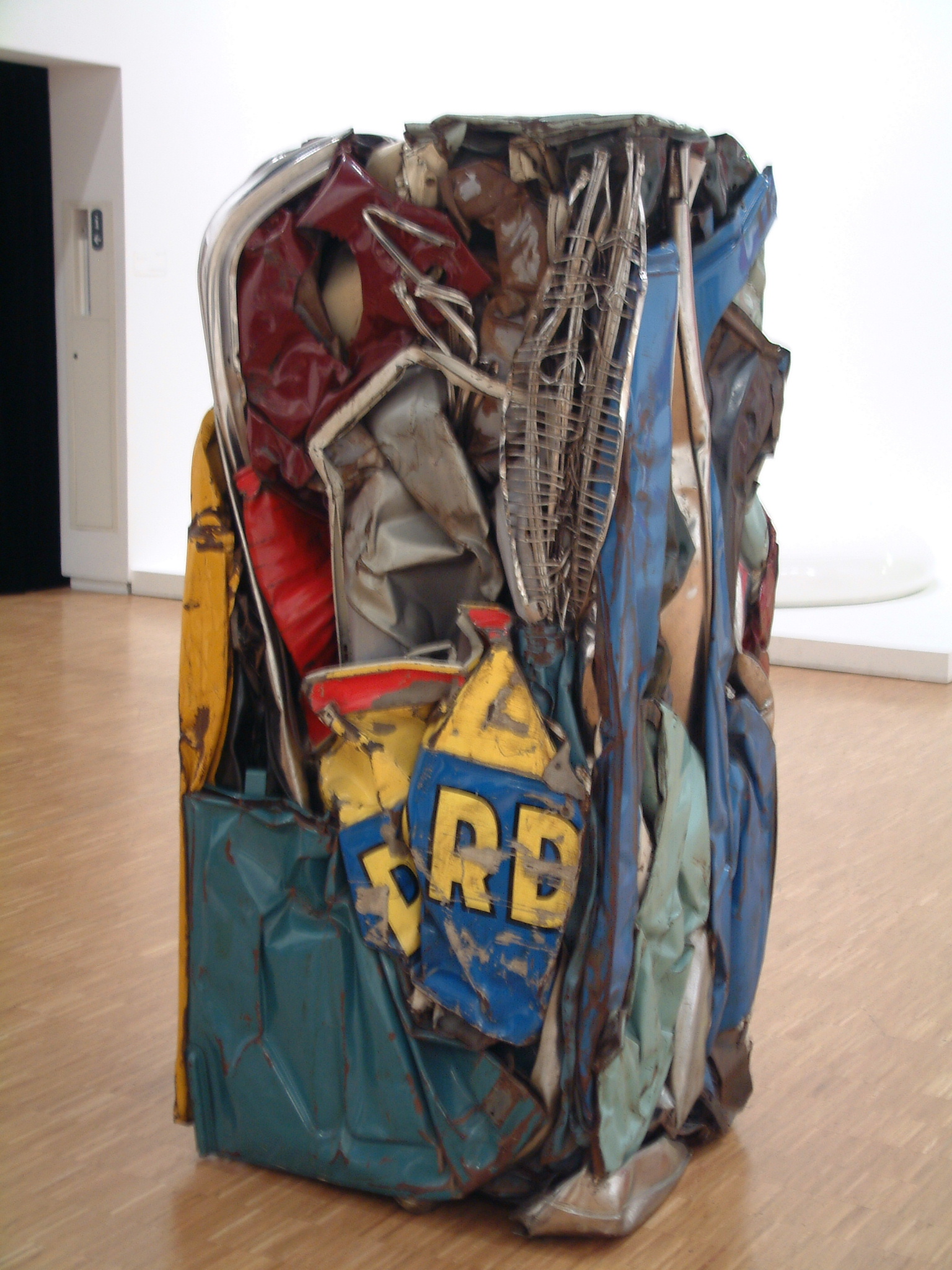
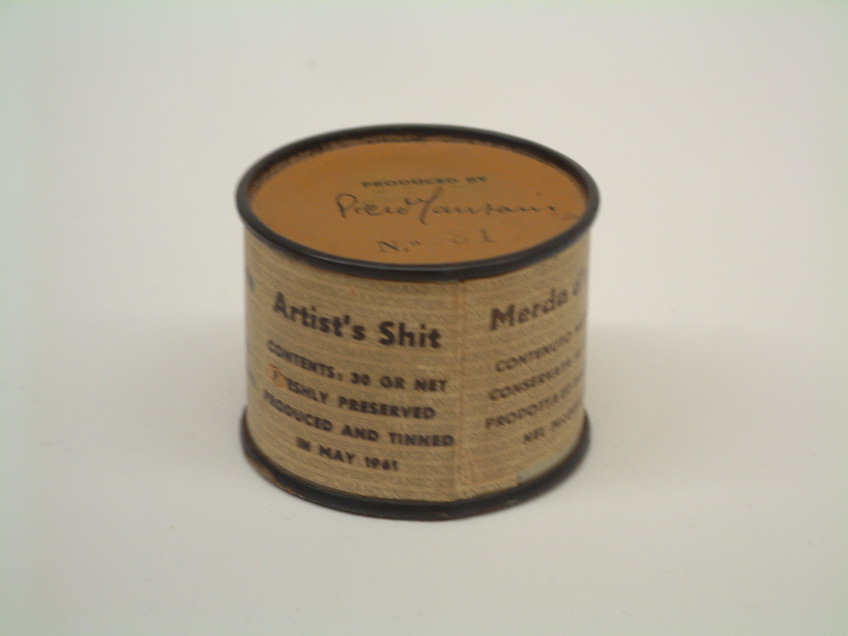
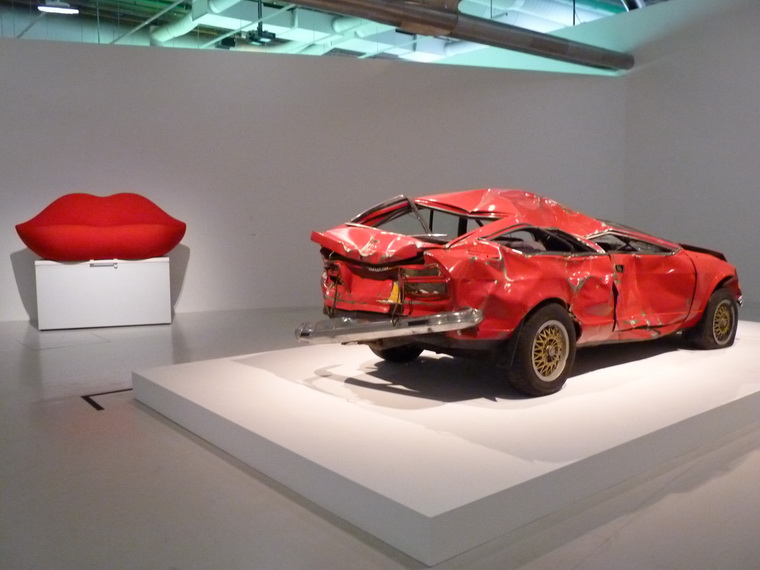
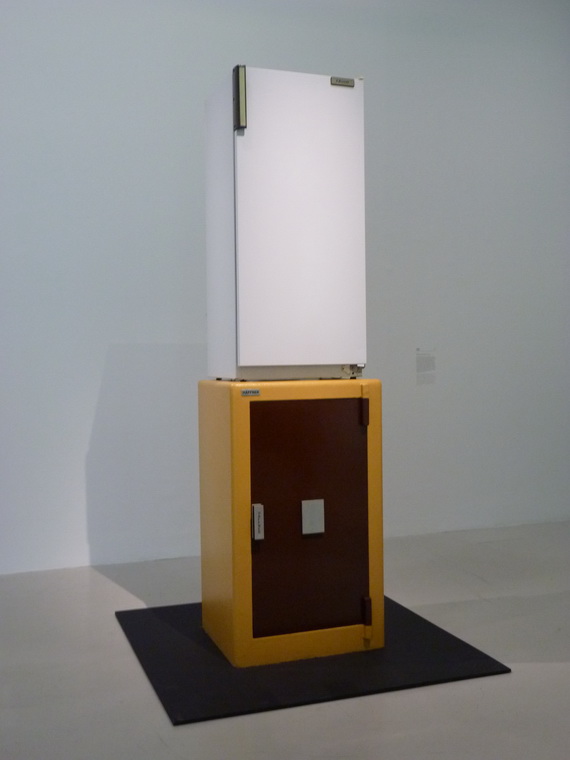
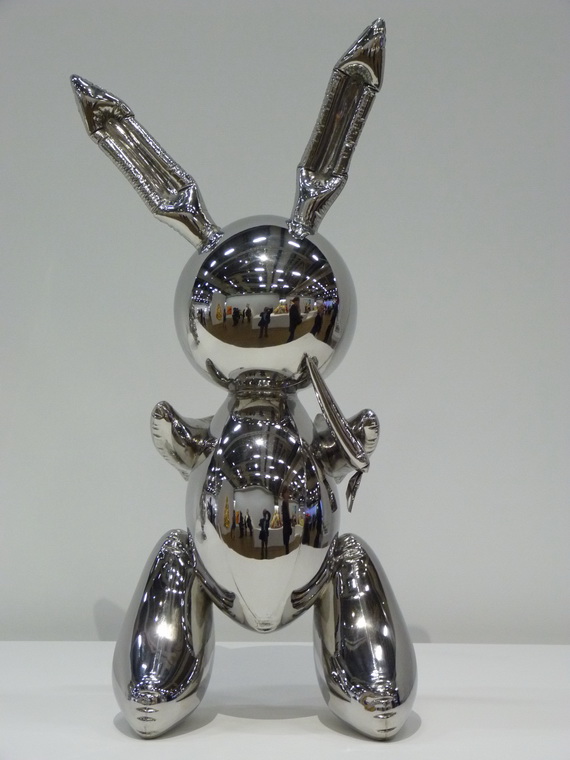
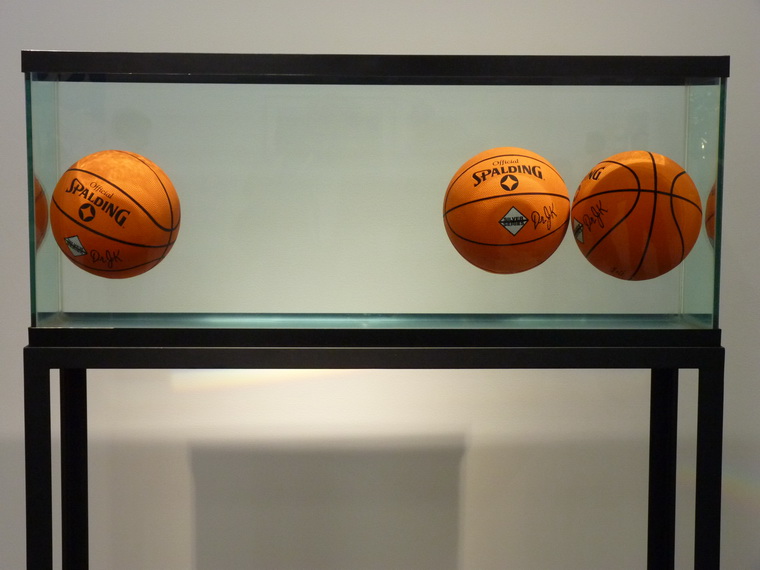
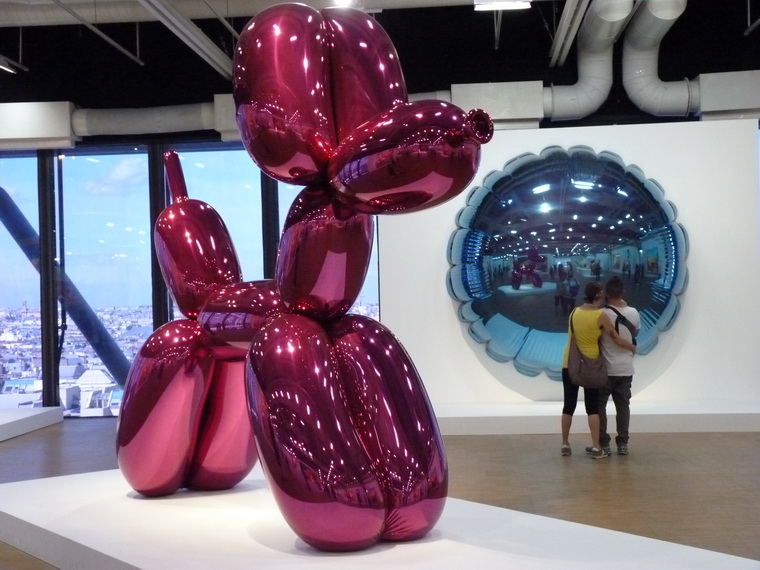
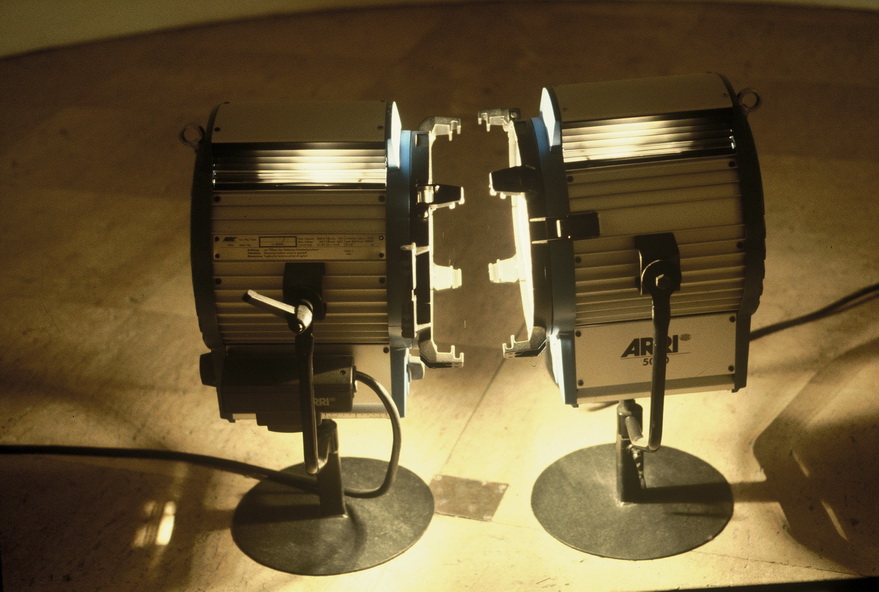
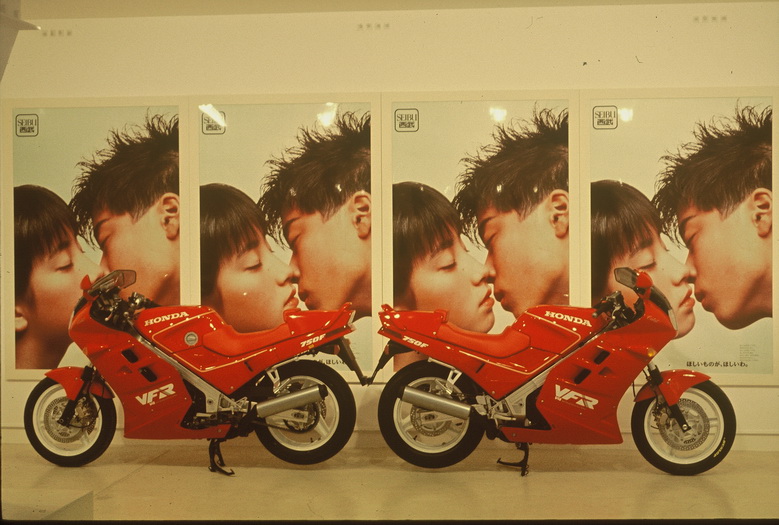
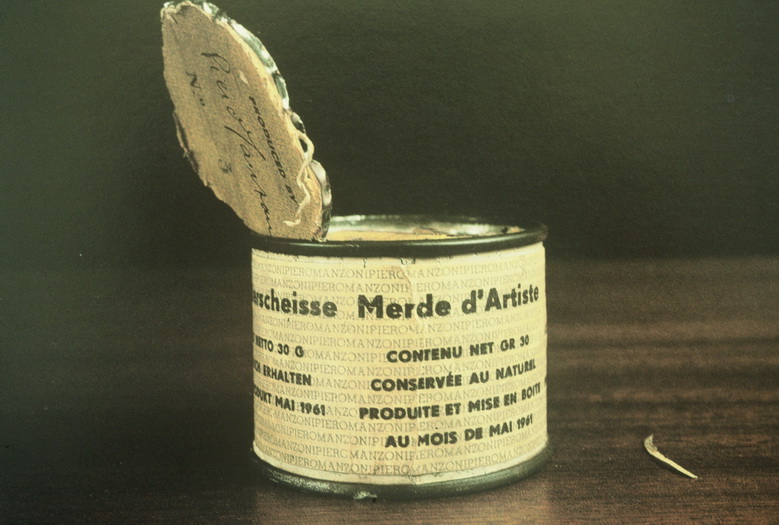
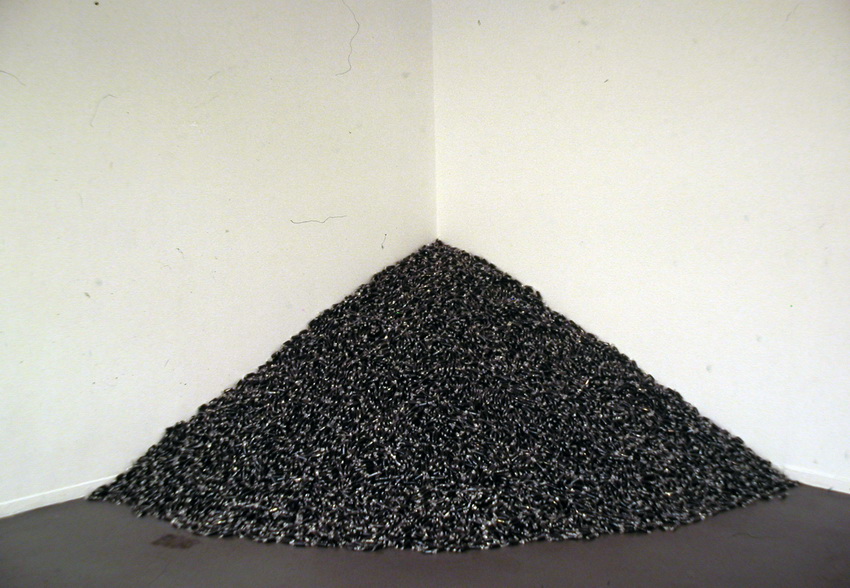
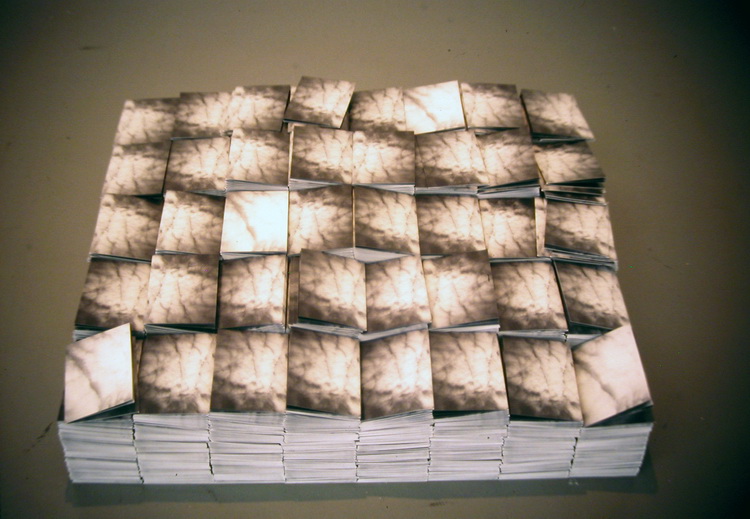
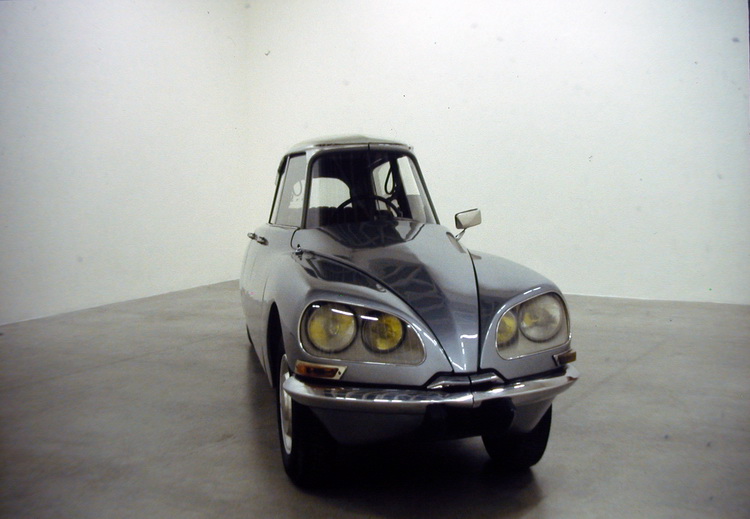
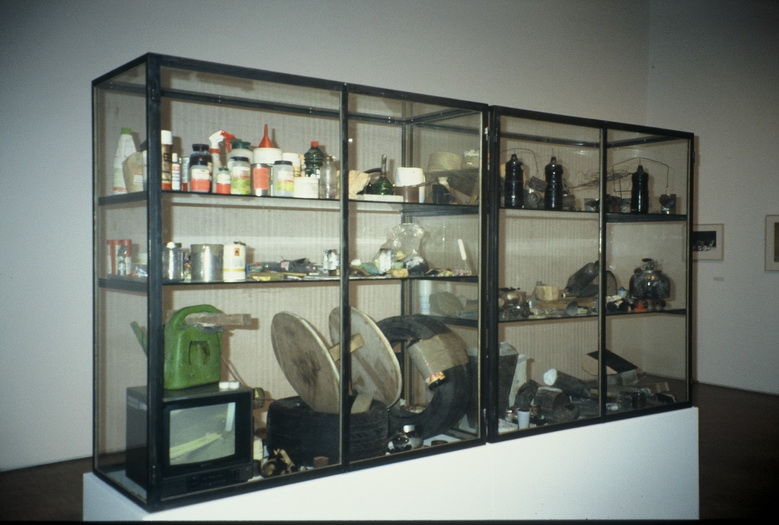
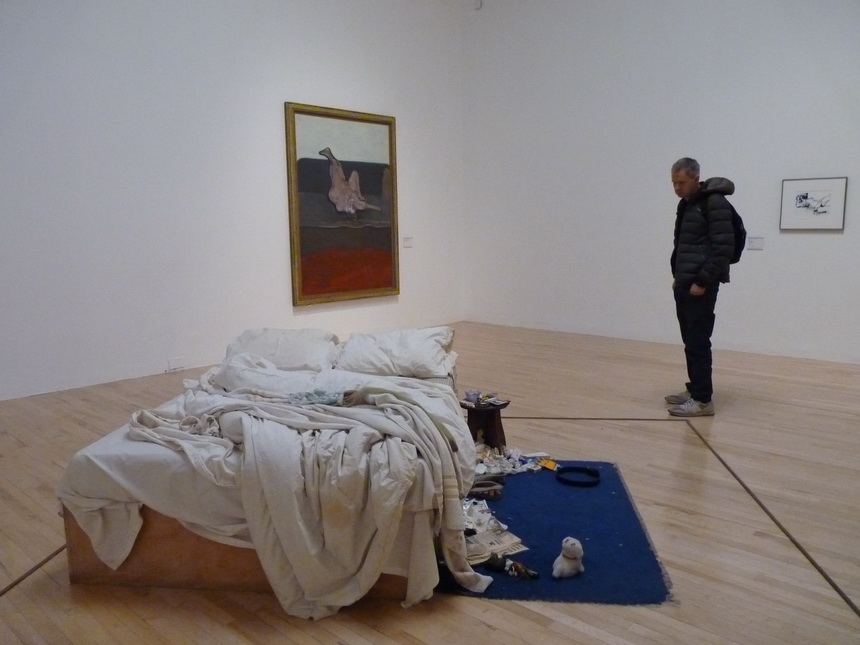
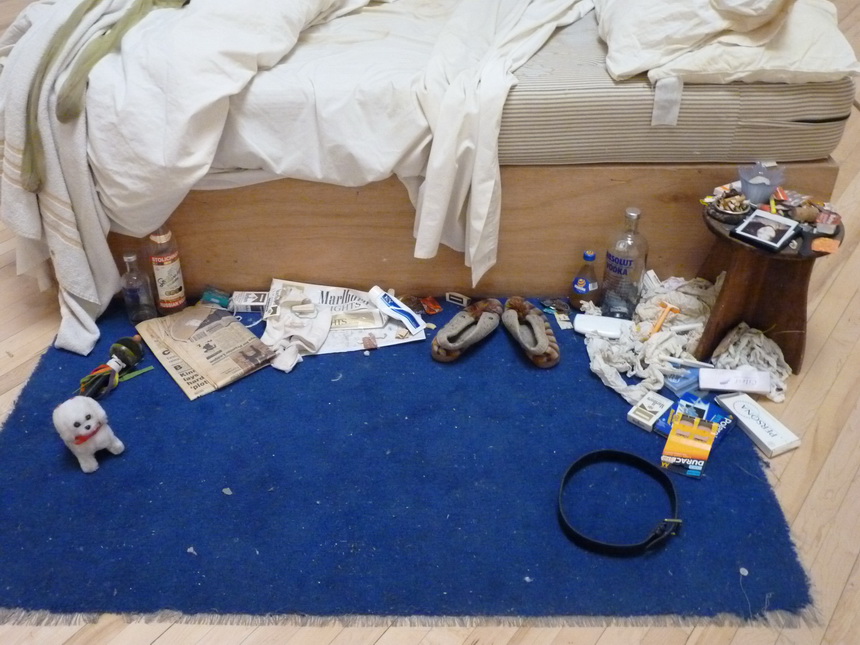
Text/Photos by Chen Chi-Hsiang
"Contemporary Art Lecture Series - 2"
Time: Friday, Dec 16, 7:00 PM - 9:00 PM
Speaker: Chen Chi-Hsiang
Topic: "Grandpa Duchamp: Anything Can Become Art"
We ask Grandpa Duchamp: "What exactly is art?" What is art? What should art look like? Is anything art? This seems profound, yet perhaps not. Grandpa Duchamp answers: "Anything can be art." He also says, "It is the viewer who makes the art," and "You see it, you are an artist too." Art is constituted through your act of viewing; you become the best co-creator of the artwork.
Duchamp: "Anything has the potential to become art."
This seems to imply that all things find their ease in quiet contemplation.
All appearances are illusory; if you see that appearances are not appearances, then you see the Tathagata.
Witnessing the mysteries of existence through comprehensive and holistic observation.
What exactly is art?
Readymades are everywhere—where is the art?
Think about it: when taking a photo, framing what you want to shoot and what you want to see allows the image to form.
Photographer Wei Zi said: "The story begins when you press the shutter." It lies between seeing and not seeing, being and not being.
German writer Milan Kundera said, "As soon as man starts thinking, God laughs," and stories and events take shape.
The you on stage and the you off stage are different. On stage, you may become someone else. Isn't this how readymades become art?
Artists frame life; life becomes specific intent—any object can become an artwork. "All images are manifestations of the inner," symbolizing abstract mental imagery at the bottom of human psychology.
The truth of art and the truth of reality are different. "Transformation" becomes a wondrous method. It redefines the way we view the world and reconstructs our understanding of truth, granting humanity unprecedented freedom. Indeed, life is unsolvable and full of mysteries. "Truth has no form, yet contains all forms"; the mystery of the universe lies within this.
Duchamp's readymades—like worshipping a stone as the Earth God—the stone becomes a deity, but not every stone is a deity. Everything is left unspoken.
Zen, Dao, and Buddha are omnipresent, yet not everything is so. They are framed or discovered/proposed—unperceivable transformations within knowledge.
An apple falls from a tree—yet only Newton discovers gravity—analogous.
American 1950s critic Clement Greenberg once claimed: "All deep original art is initially considered ugly."
Contemporary composer John Cage also quoted W.H. Blythe's couplet: "The artist's greatest responsibility is to hide beauty."
Dadaist poet Tristan Tzara: "I have a mad and sublime desire to kill beauty..."
Rebellious Dadaism views art as a means to drive political and social progress.
Subverting traditional society and politics, trampling beauty until its disappearance, acknowledging other possibilities, innovating beauty, revolutionizing art.
Art and culture are divided into two types:
Aesthetic—art is the knowledge object itself.
Social and Political—art is a tool for cultural knowledge.
Duchamp clarifies art: merely thinking about "beauty" is not enough.
For example, art is like a great cathedral, and beauty, which is always just a means rather than an end, undoubtedly exists inside the cathedral. The important thing is not to stand outside staring blankly at the decorations, but to go inside. Beauty remains the lure, just as beauty functions in most heterosexual relationships. Quoted from Arthur C. Danto, The Abuse of Beauty (Looking at Beauty Through Another Lens), Litu Publishing House, published in 2008 (Republic of China Year 97).
The true key lies not in vision but in thought:
Before Duchamp: Artworks provide people with something to appreciate {the question of beauty}.
After Duchamp: Artworks provide people with something to think about {what is art}.
The same is not necessarily identical; the same is actually something else.
Hegel pointed out: "The End of Art"—art has become an object of intellectual judgment, rather than being treated as a sensory representation of reality. Quoted from Arthur C. Danto, The Abuse of Beauty (Looking at Beauty Through Another Lens), p. 130, Litu Publishing House, published in 2008 (Republic of China Year 97).
Beauty is everywhere, unrelated to art. Art is everywhere, unrelated to beauty.
Where there is no imagination, one cannot dream. The greater the imagination, the stronger the creativity.
Only where dreams occur do myths and art arise. Only where wonder is felt can energy flow smoothly.
Registration Information:
Venue: Yue Coffee Shop, No. 13-1 Qingtian Street
Method: Please register in advance. Paid course, open to 20 participants.
Planner: Pema Lamo
Administrative Sponsor: Jinglu Gallery
Contact: nina@jingluart.com
When registering, please note "Contemporary Art Lecture" in the email subject and include your contact phone number and the number of registrants. We will confirm payment methods after receiving registration details. If the quota is full, priority registration will be extended to the next session.