Contemporary Art Lecture Series - 3: The Grand Palais "Monumental" Exhibition in Paris
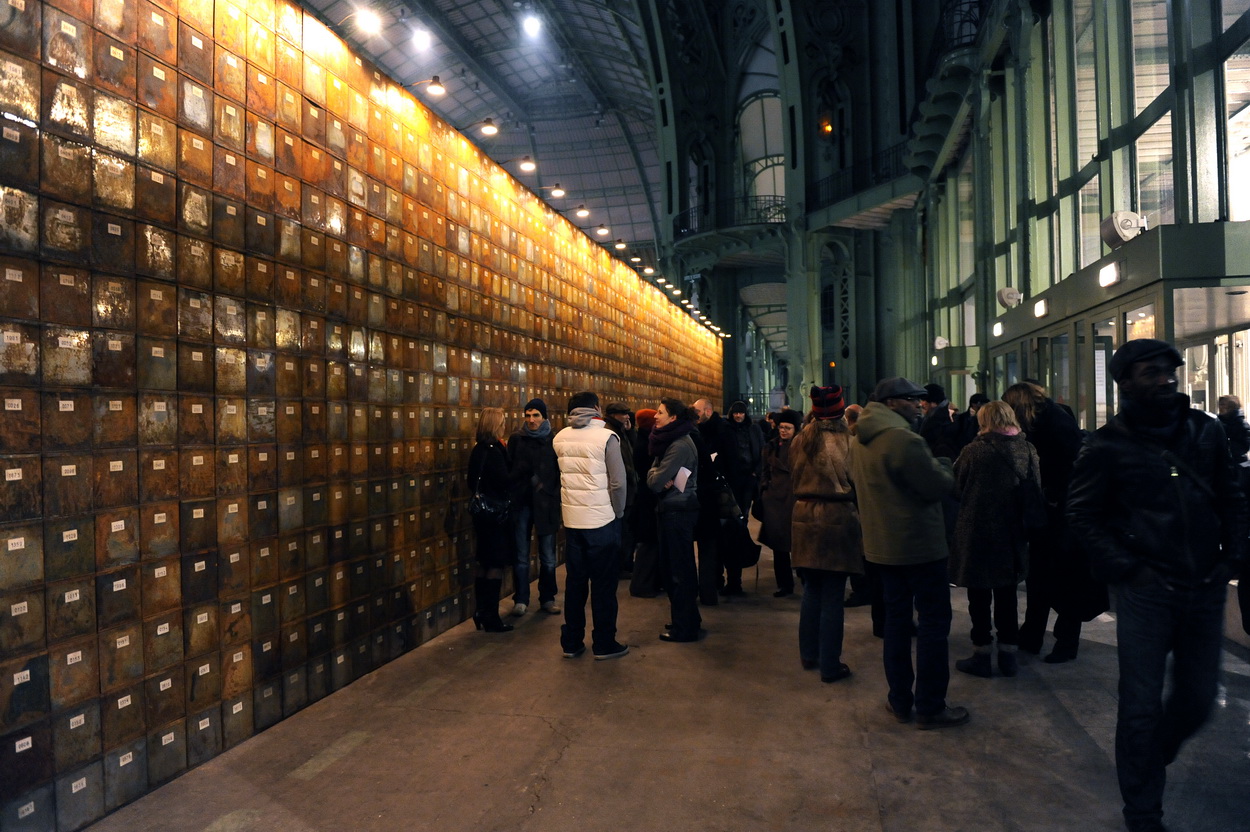
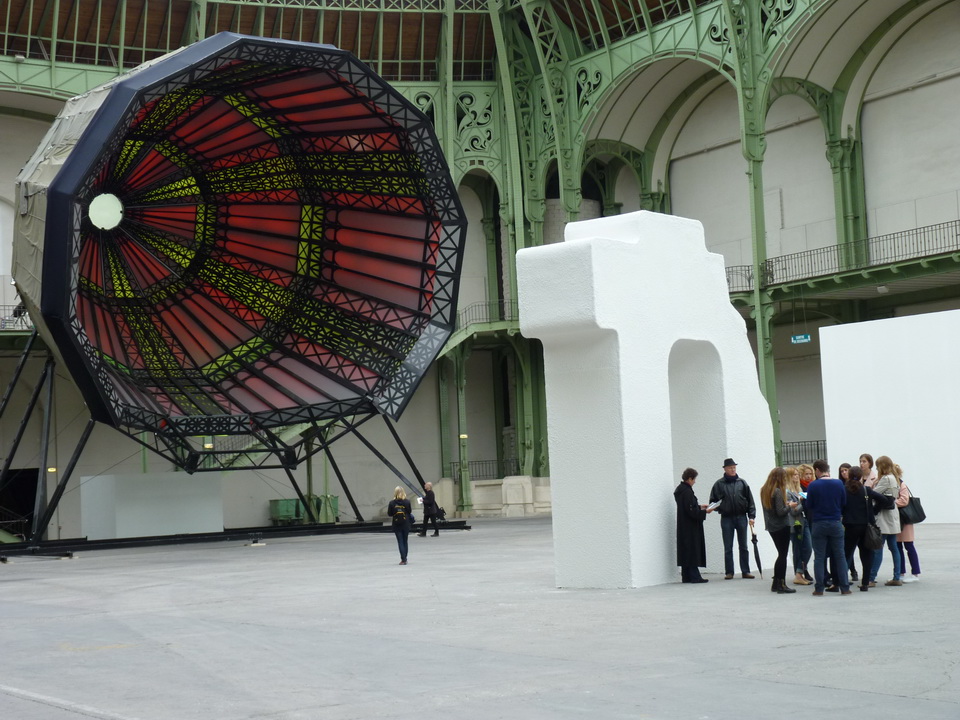
2007 Anselm Kiefer "Meteorite" Site Scene
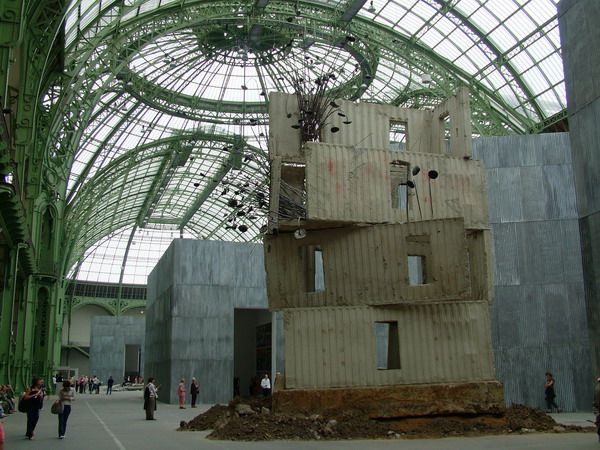
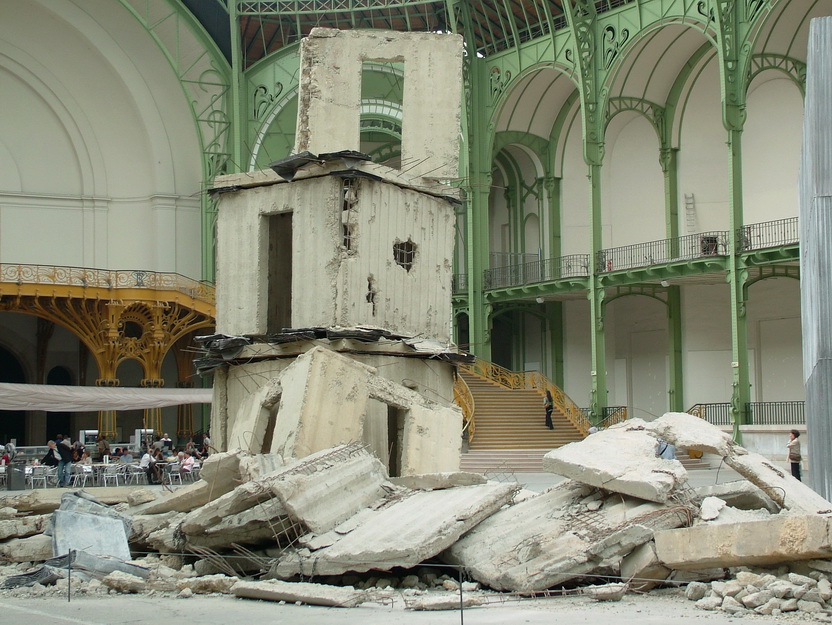
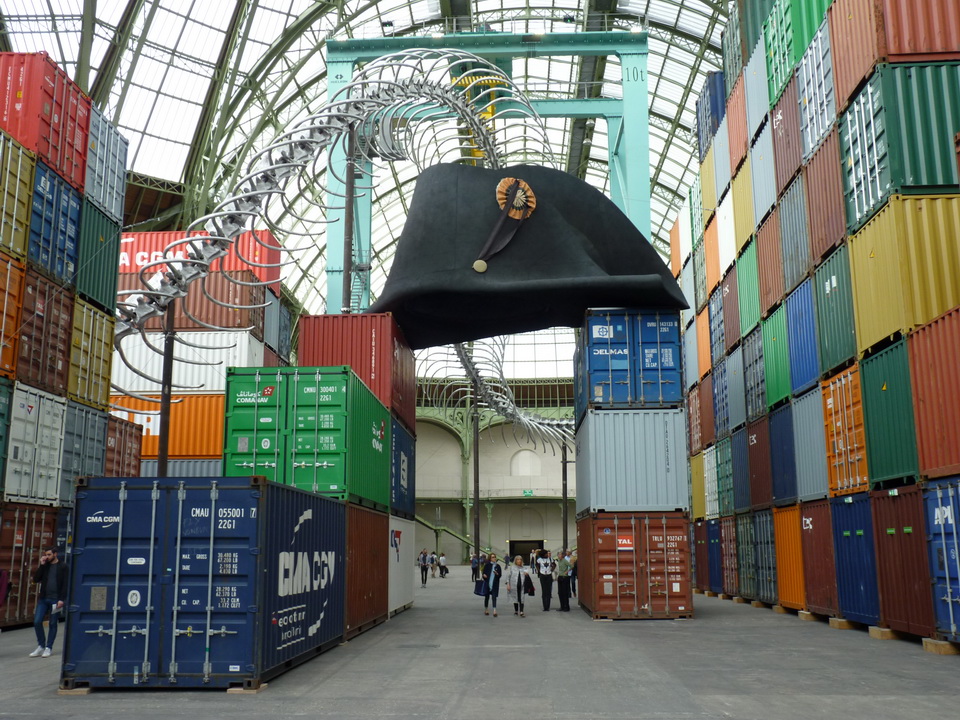
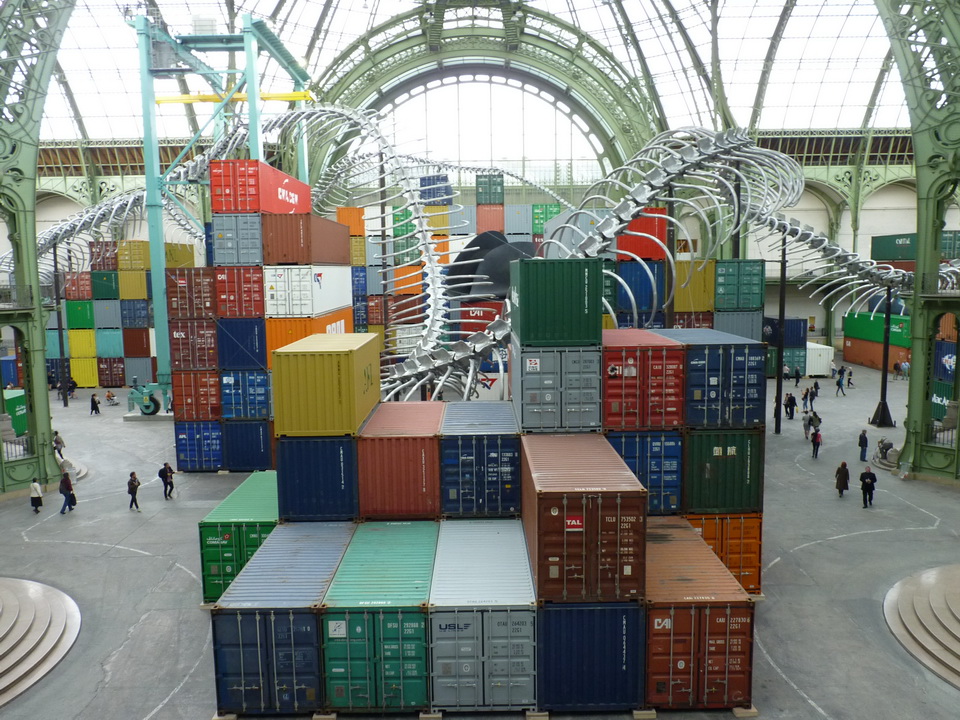
Text and photos by Chen Chi-Hsiang
Contemporary Art Lecture Series - 3
Speaker: Chen Chi-Hsiang
Topic: Appreciation and Interpretation of the Grand Palais Contemporary Art "Monumental" Exhibition in Paris
Time: Friday, December 23, 2016, 7:00 - 9:00 pm
Curator: Pema Lamo
Preface: The Grand Palais Contemporary Art "Monumental" Exhibition began in 2007. After 2012, it was held biennially, inviting a world-renowned artist to create art under the invitation of the National Museums Federation of the French Ministry of Culture. Each installation presents a major challenge for both the artist and the space, filled with surprising imaginative spaces and visual codes. Stay tuned.
Introduction to the Grand Palais Contemporary Art "Monumental" Exhibition: In 2007, German artist Anselm Kiefer presented "Meteorite"; in 2008, American artist Richard Serra presented "Walk"; in 2010, French artist Christian Boltanski presented "Anyone"; in 2011, British-Indian artist Anish Kapoor presented "Beast"; in 2012, French artist Daniel Buren presented "Eccentric Circle"; in 2014, Russian artists Ilya and Emilia Kabakov presented "The Strange City"; and in 2016, Chinese-French artist Huang Yong Ping presented "Empire." Looking at the nationalities of these artists, it is clever that they represent the five permanent members of the UN Security Council. Is this a coincidence or an accident? Does global art operate with power dynamics similar to the UN? Is this France's wise cultural policy balancing act? It is played beautifully, very "art outside art." These artists are all globally renowned and hold significant positions and influence in contemporary art. Among them, the Chinese artist is the youngest, making this the best example of globalization moving from the periphery to the core. Looking at these artists, besides two senior French artists, both Anselm Kiefer and Huang Yong Ping have established their lives and creations in Paris. It is no surprise that Paris, with its bewitching metropolis, is also the city of charm for contemporary art creation. From the Grand Palais Contemporary Art "Monumental" Exhibition, one can glimpse the influence that the French take pride in.
Content Excerpts:
2007 Anselm Kiefer "Meteorite": Anselm Kiefer (born 1945) is one of the most representative artists of German Neo-Expressionism. All his works revolve around the historical emotions and literary romanticism of the Germanic past, exploring how to reconstruct the remnants of national character after committing historical sins under the weight of history. He studied law and Latin languages early on while also loving art. He studied at the Karlsruhe Academy of Fine Arts in 1969 and entered Joseph Beuys' influential studio in Germany in 1970 to study modern art. He is currently the most skilled German artist in utilizing multimedia materials. His art is founded on Germanic literary heritage and historical plots, specializing in deep spatial field landscapes or scenes of symbolic historical buildings and mysterious spaces. His works demand a restoration of a relationship with traditional rigor, demonstrating deep reflection on past history, magnificent sorrow, full of sensibility and visual shock, and the effect of tragic poetry.
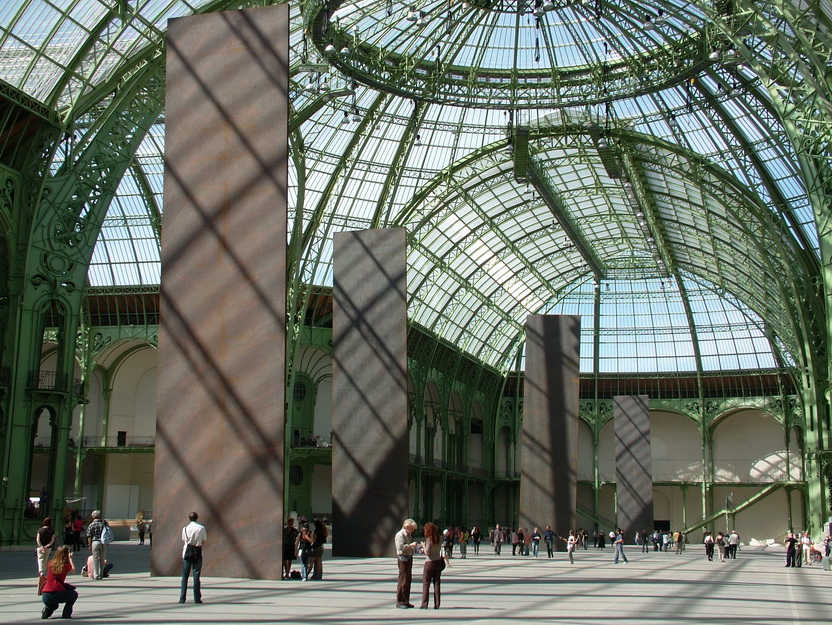
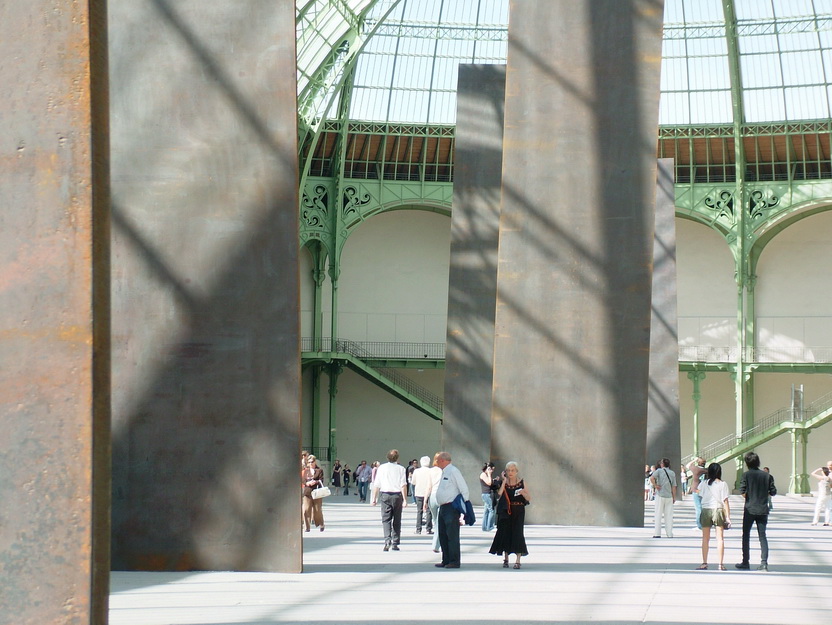
2008 Richard Serra "Walk": This year, famous American minimalist sculptor Richard Serra takes the stage, accepting the challenge of the vast space in the glass palace window of the Grand Palais. Serra's works always challenge not only unusual spaces but also the audience's vision and artistic boundaries, often causing controversy. His sculptures are unlimited, challenging grandiose spaces (both indoor and outdoor). For 40 years, he has constructed works by establishing space (in situ). The volume of his sculptures is extraordinary and large, resulting from procedures akin to grand construction projects, reinforcing the weight, gravity, and balance of these unique steel plates. The overall construction exists under extraordinary tension, forming magnificent and dramatic scenes, revealing unimaginable spaces and manifesting physical and spiritual volume.
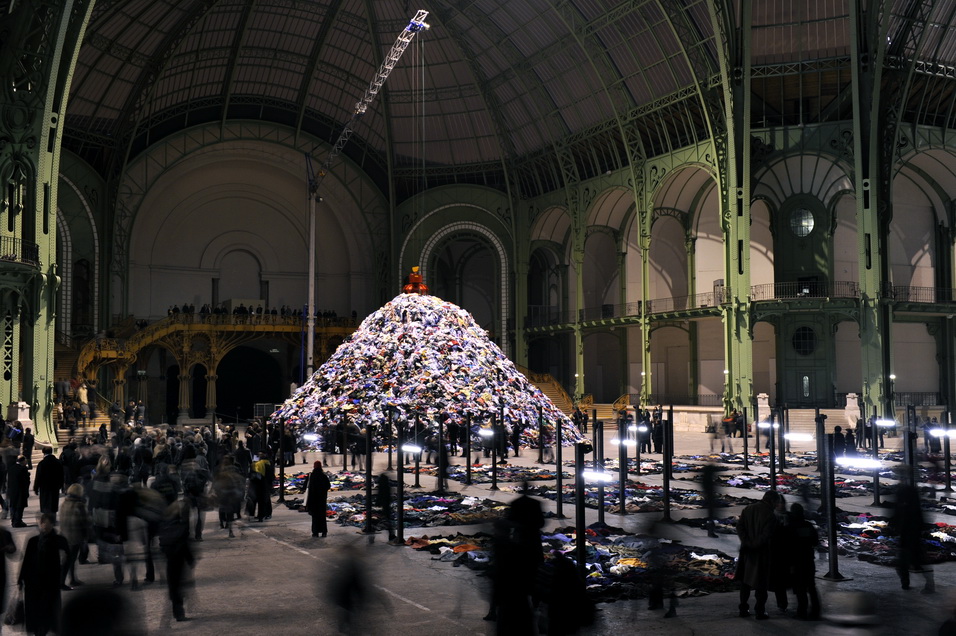
2010 Christian Boltanski "Anyone": In the Grand Palais Monumental exhibition "Anyone," Christian Boltanski builds upon a series of personal memories and fabricated constructions. Starting from fragile and insignificant personal memories, through family and ethnic groups to humanity's extraordinary collective memory, from historical to fictional memories, from altar-like to extraordinary monuments, fabricated and constructed from archives, until becoming a witness to humanity and history. He transforms those vanished bodies into the reappearance of souls, rejecting all forgetting and death caused intentionally or unintentionally by time and humans.
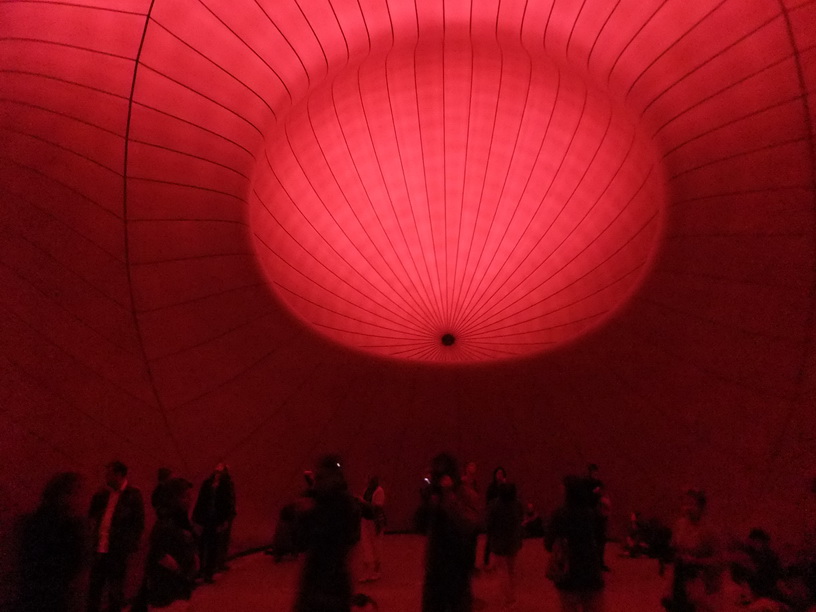
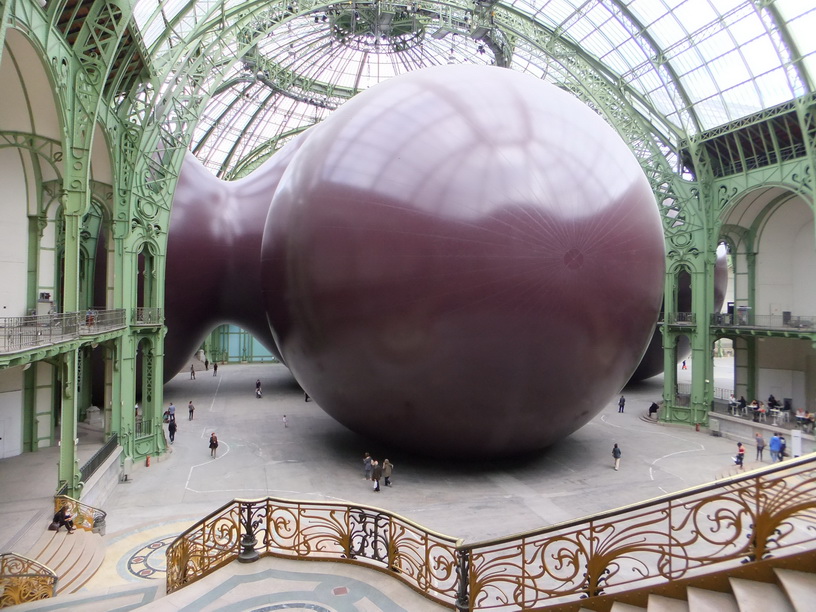
2011 Anish Kapoor "Beast": Kapoor's works are mesmerizing, possessing a mysterious energy that is particularly rewarding to look at. Concise and organic forms, magical colors, reflective mirrors, extraordinary proportions, unusual volumes, architectural geometry, and diverse material media construct subtle physical phenomena, spirituality, emptiness, and poetry, full of imaginative space. They are eye-catching, highly sensitive, and awaken different unusual spirits and consciousness within. His numerous works guide people's perception and experience: how to construct reliable forms, how to contrast a huge object against our fragile conscious understanding, how to immerse oneself in deep dark colors to find original feelings, and how to reawaken people's awareness and spiritual resonance through inner deep consciousness revelation. Color, proportion, and the connotations of these material objects guide people from precise modeling methods to a vocabulary people consider theirs. The artist explains: "A sculpture like this carries the body; viewing it materially, we establish a relationship between subject, form, non-form, primal form, etc. Its deepest feeling is... physiological."
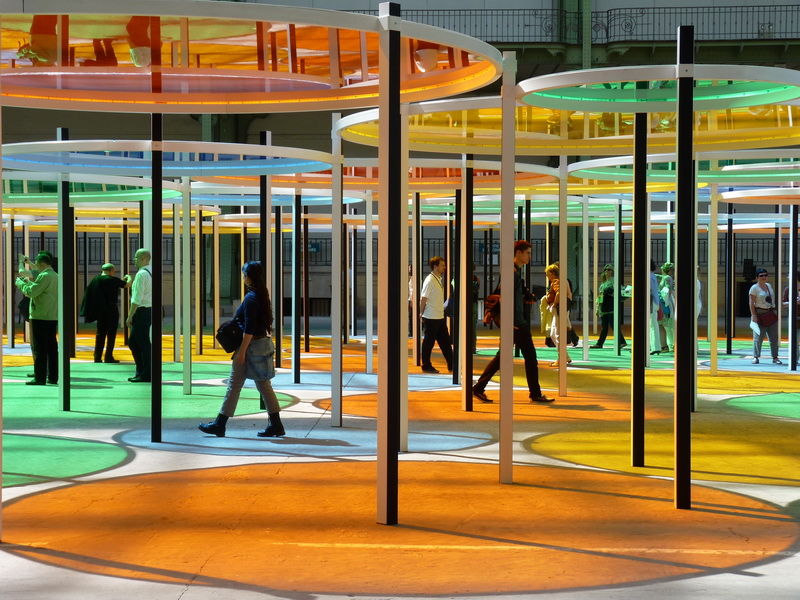
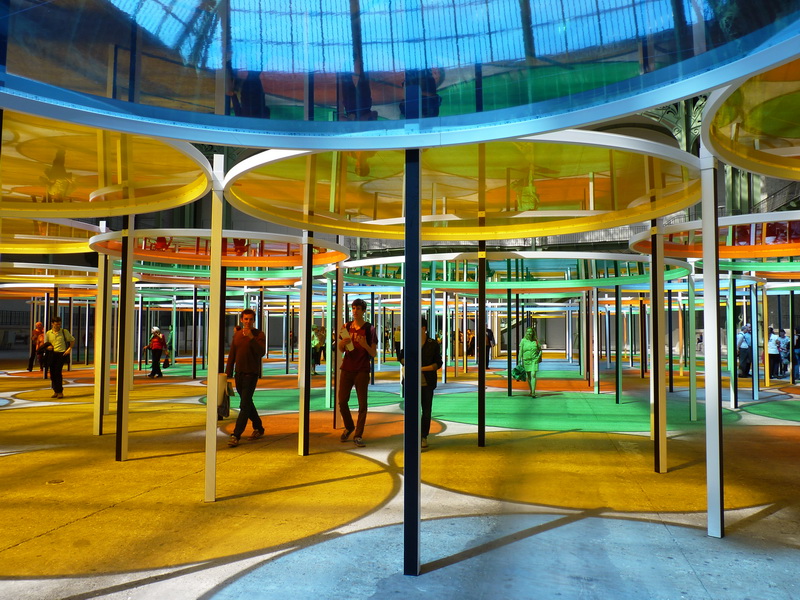
2012 Daniel Buren "Eccentric Circle": Daniel Buren is one of the most international artists and theorists in the current French art scene, famous for his minimalist vertical lines of 8.7 cm, which he calls "visual tools." The function of these visual tools is like measuring instruments, revealing characteristic and site-specific volumes. The vocabulary becomes the identity and style of his personal artistic construction. Obviously, he is also a master of contemporary "in situ" establishment (creating works tailored to the space), affirming the effect of the work on the site, changing and transforming locations, and conversing with space. He has never had a studio, revealing the meaning of the site freely and autonomously, providing a new vision of site and work. The artist believes: "The environment of painting (...) seems more important and rich than the painting itself." What is important is to make, see, and experience on site, because Buren's works cannot be separated from location; without their established place, the works do not exist.
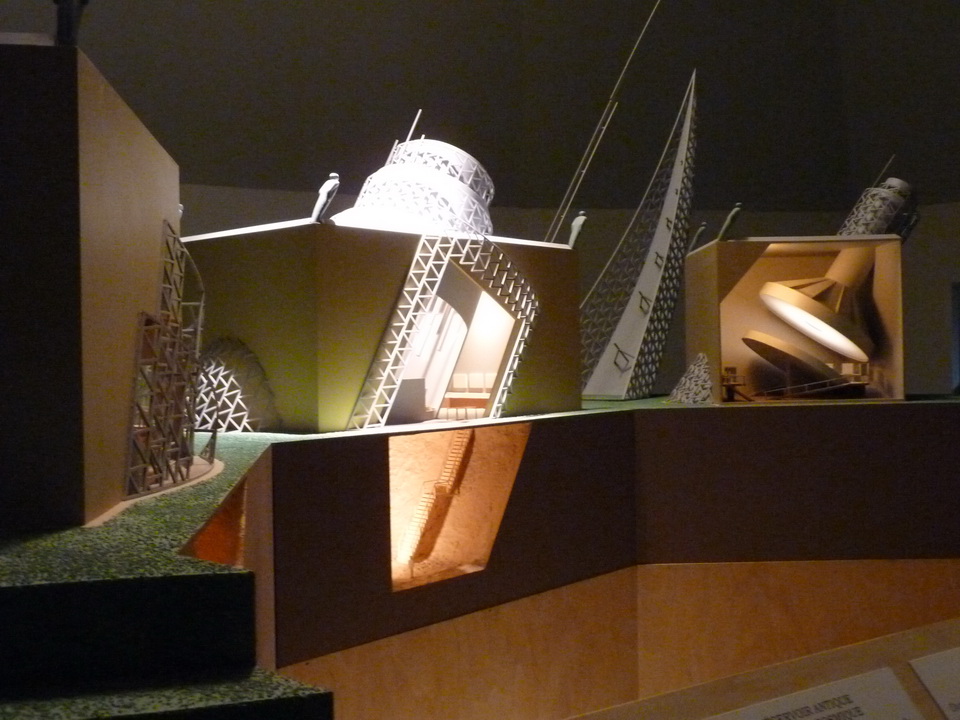
2014 Ilya and Emilia Kabakov "The Strange City": Ilya Kabakov (born 1933) and Emilia Kabakov (born 1945) are the most famous couple artists in the current art scene. Emilia has dual artistic education in music and Spanish literature. Since 1989, she has created together with her husband. "The Strange City" is full of magic and utopia, reflecting on humanity's endless pursuit of evolutionary progress (where does human continuous evolution go?). The artist says: "The world changes so rapidly that people forget the feeling of life itself." "The Strange City" references the Renaissance and Romanticism combined with modern science, comprehensively constructed, full of imaginative space and metaphysics. "The Strange City" leads people into dreams and reality. Through this, Kabakov questions the human condition and the "great progress, science, and noble image of humanity," leading people to the edge of disaster.
2016 Huang Yong Ping "Empire": Huang Yong Ping (born 1954 in Xiamen) came to Paris in 1989 to participate in the "Magicians of the Earth" exhibition. Coinciding with the Tianan