Contemporary Art Lecture Series – 6 Theme: The New Wave of French Contemporary Art
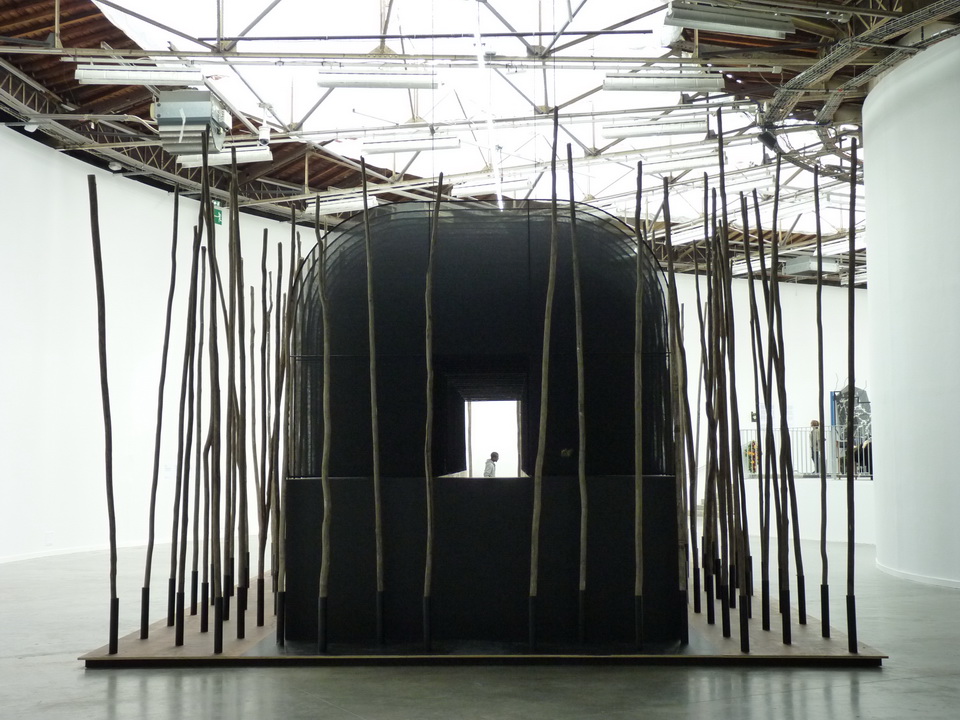
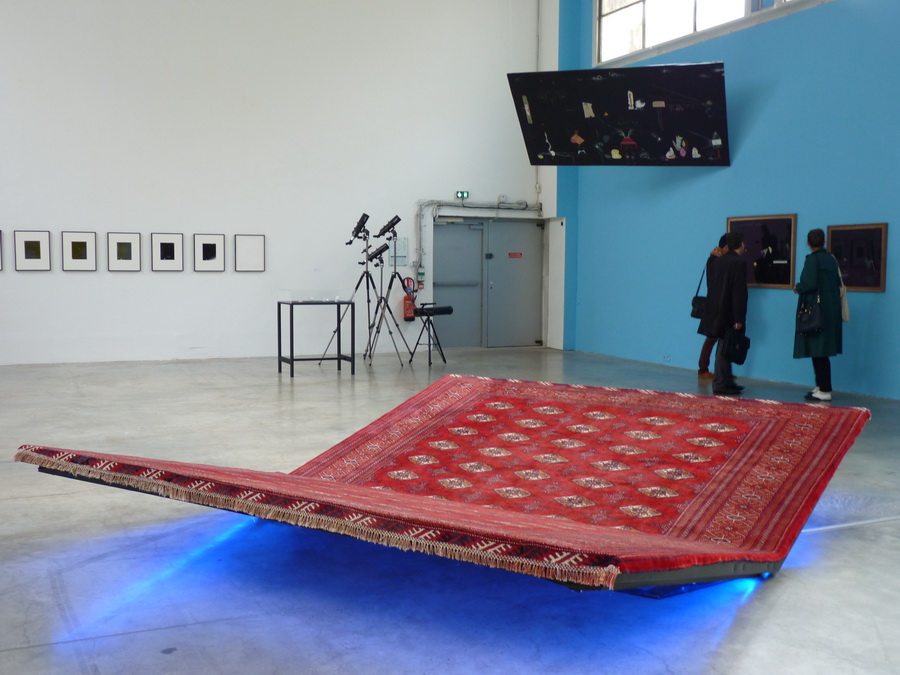
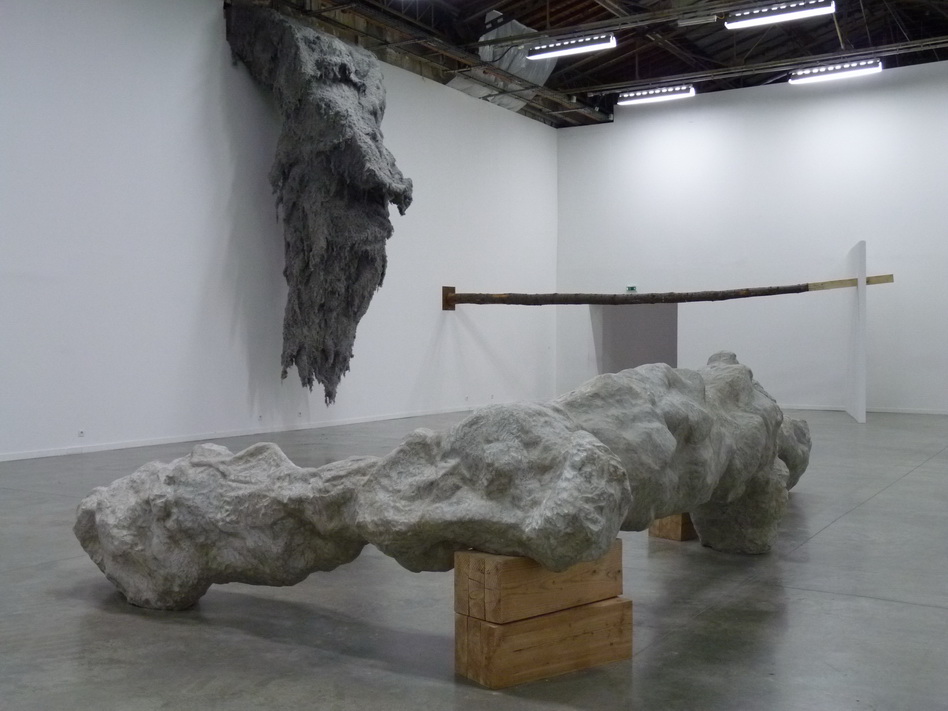
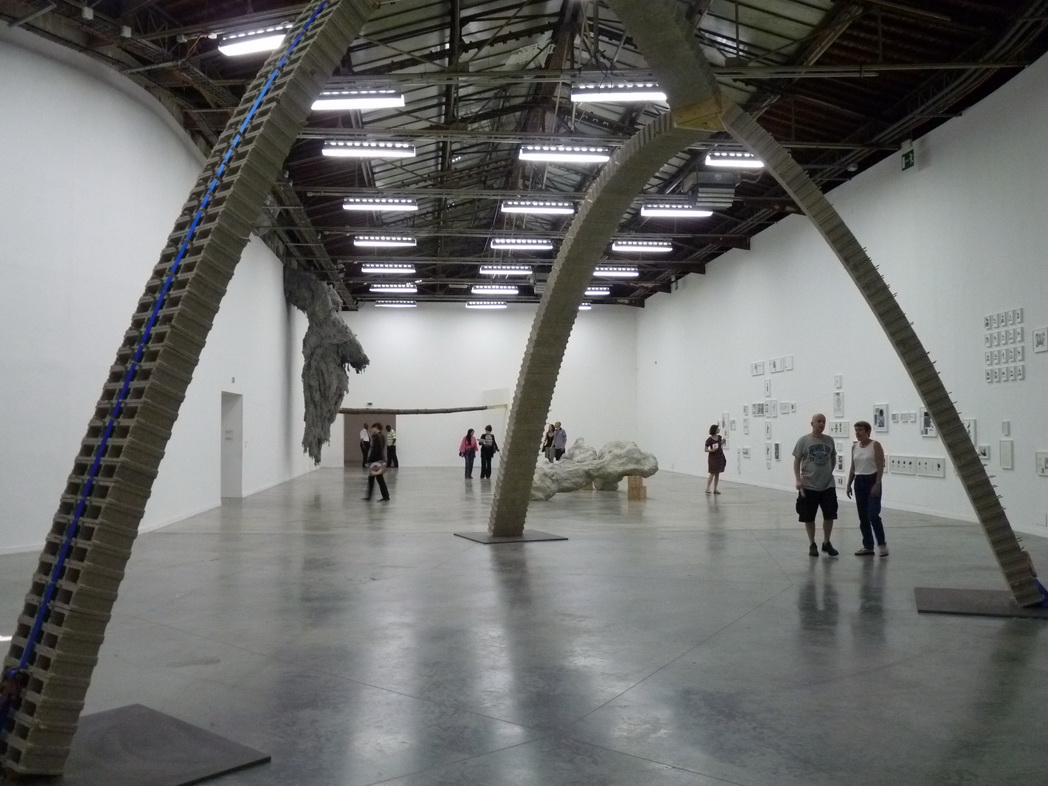
2013 "New Wave" Special Exhibition - Singapore Artist Randy Chan in situ 2013
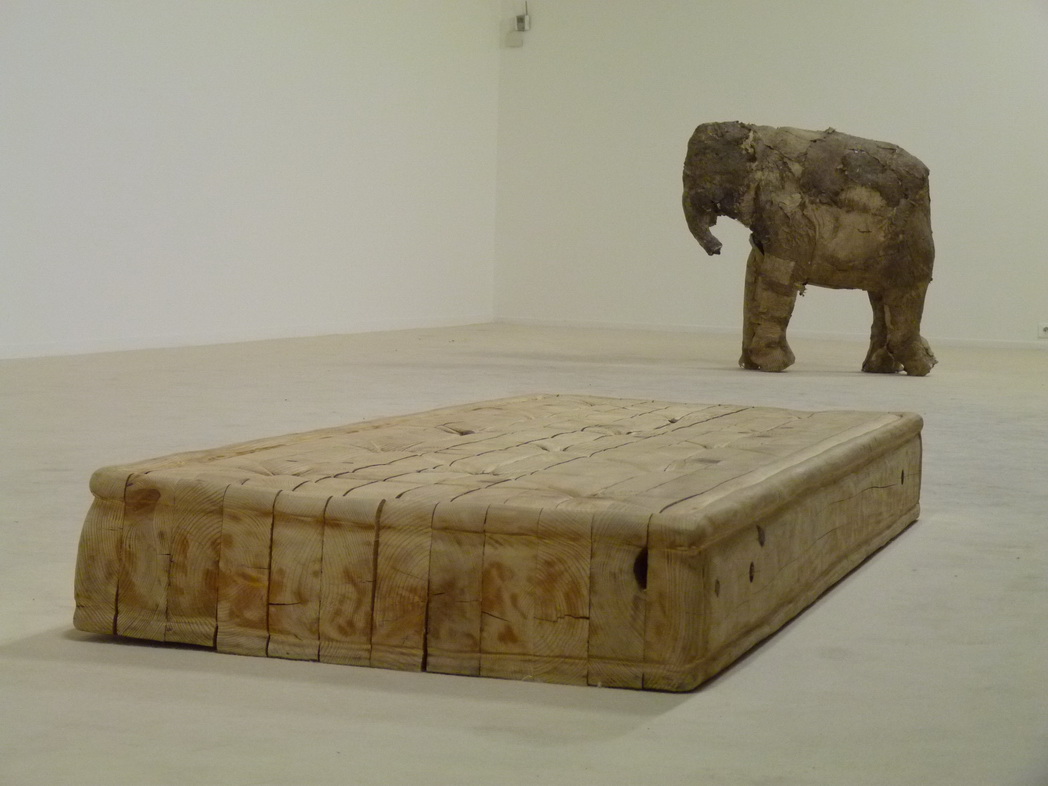
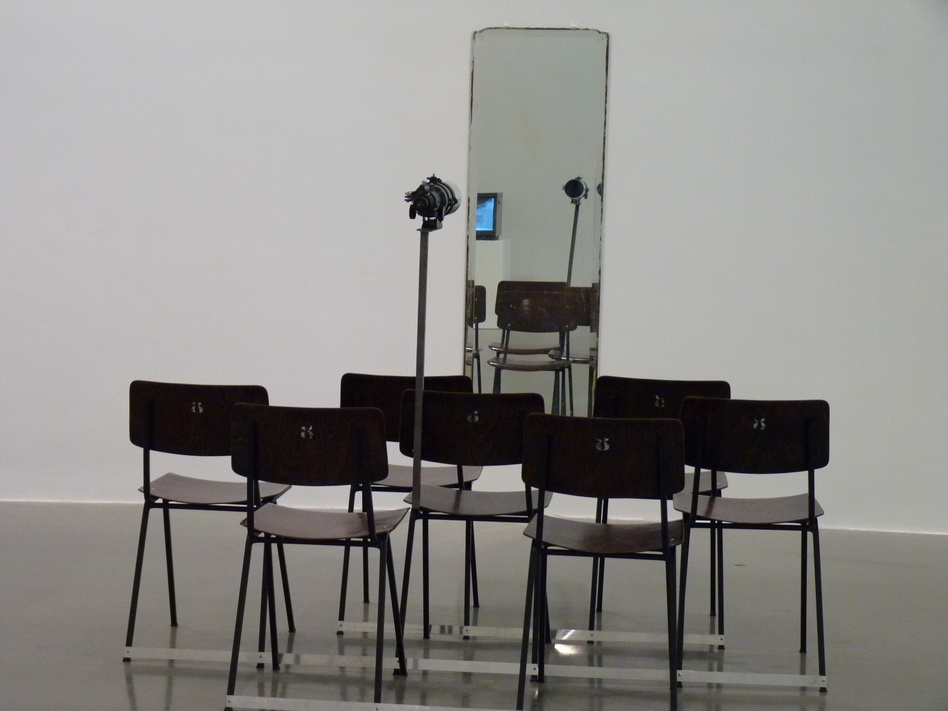
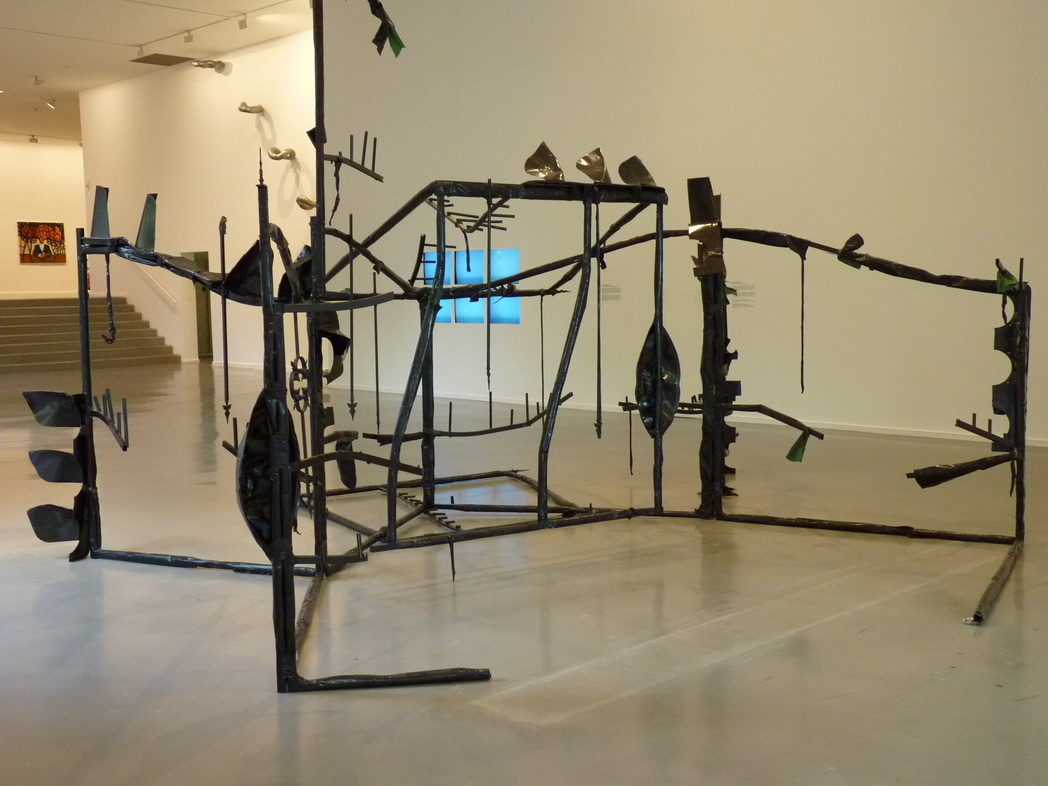
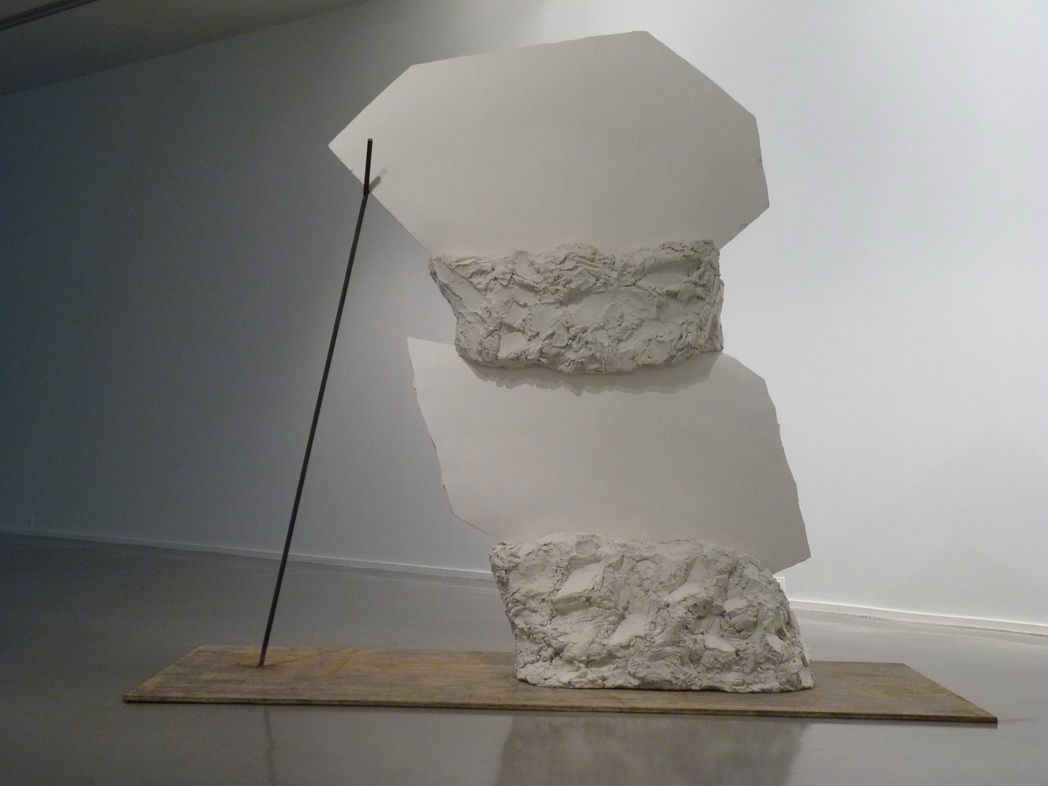
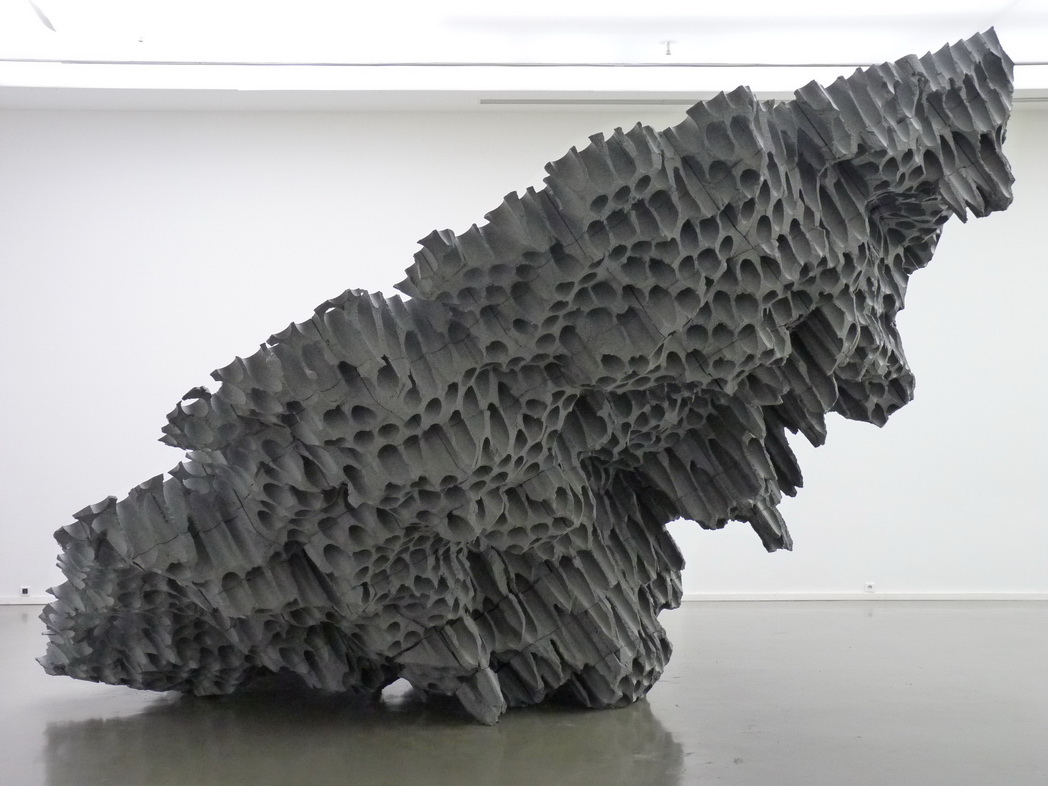
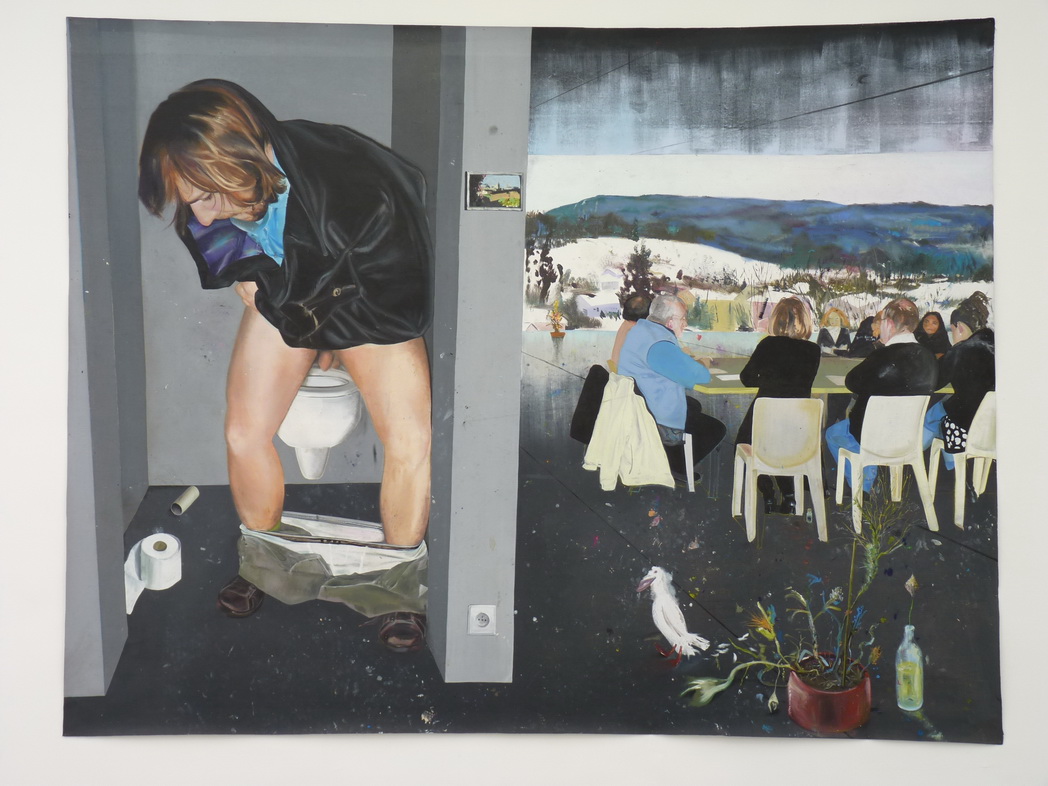
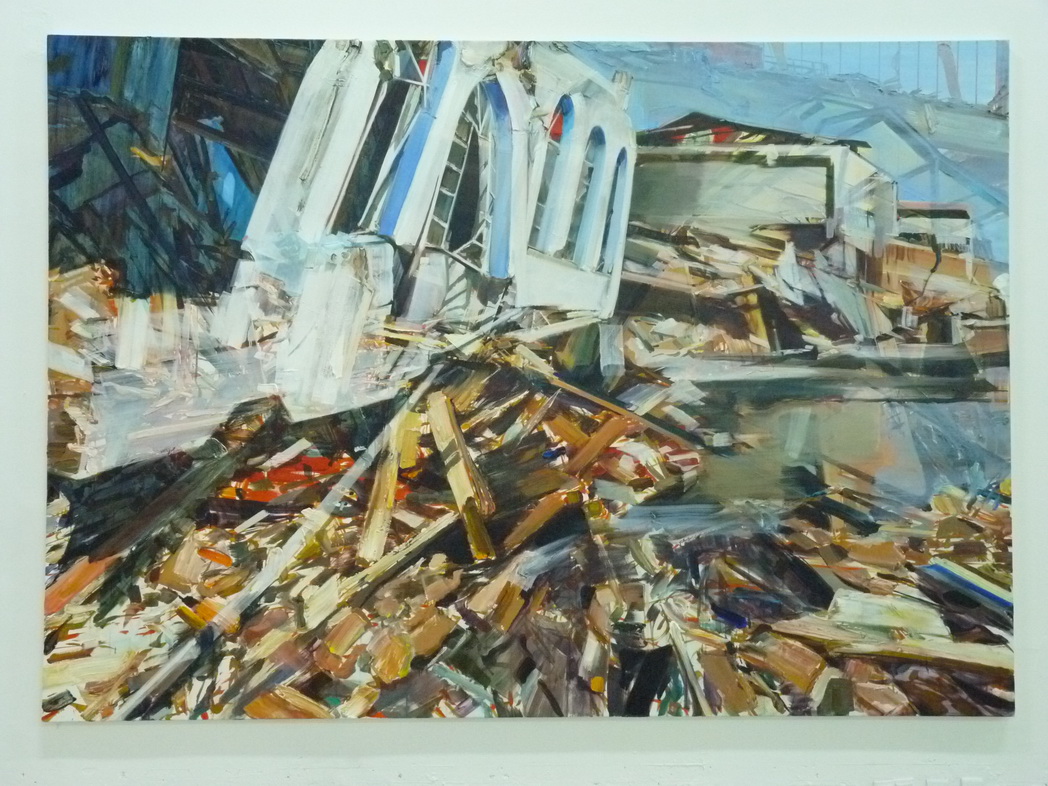
Text and Photos / Chen Chi-Hsiang
Contemporary Art Lecture Series – 6
Speaker: Chen Chi-Hsiang
Theme: The New Wave of French Contemporary Art: Observing the Rise of France's New Generation of Artists through the Palais de Tokyo Exhibitions "Dynasty 2010" and "New Wave 2013"
Time: January 13, 2017, 7:00 – 9:00 pm
Curator: Pema Lamo
Lecture Venue: Er Yue Cafe. (Paid event, please reserve in advance. See full text for details.)
Preface: How does the French art system act as the helmsman of contemporary art, coordinating and building the strength of new generation art—the New Wave? As an international capital of art, Paris leads trends with its contemporary art and cultural thought, utilizing the state’s abundant resources to manage the living source of contemporary art and expand its influence. How do they inherit the past and usher in the future to renew and build new vitality for French contemporary art? The future new force is undoubtedly the ideological energy of the nation and the driving force leading the world. French cultural elites create and coordinate through policy-driven art systems, guiding the creativity and value creation of the national cultural direction. Under the macro-humanistic vision and strategies of those in power, they exert their imagination and substantial influence, intending to lead global new cultural trends.
The Paris Biennale ended after 1985; currently, only the influential Lyon Biennale remains in France, showcasing the French global artistic vision and perspective. As the international capital of art, Paris continues to bridge the past and future, discovering and promoting new talent through the Paris art system. In the past, the Paris Municipal Museum of Modern Art played a role in promoting ongoing contemporary new talent starting in 1977 with the "Atelier" program held every two years at ARC (which stopped in the mid-1990s).
Today, the Palais de Tokyo serves as the experimental factory for global contemporary art and the weather station for artistic trends, taking on the heavy responsibility of being a major hub for global contemporary art exhibitions and discourse. It simultaneously provides an experimental field for current French new artists, discovering new forces in contemporary art from among them, coordinating and condensing new energy for French contemporary art, becoming the birthplace of the New Wave. Since the experimental "Modules" exhibition for young contemporary artists at the Palais de Tokyo began in 2006, the 2010 "Dynasty" exhibition of French youth contemporary art was shown at both the Palais de Tokyo and the Paris Municipal Museum of Modern Art. These grand exhibitions of new talent focused primarily on young artists graduating from French art academies, products purely of the French art system, built upon a global-local framework.
In 2013, "Nouvelles Vagues" (New Wave) was constructed on a globalized mindset, featuring contemporary dissidents and French new talents from around the world. Diversity displayed a new form and energy, shaping a unique New Wave. All aimed to promote current young artistic creations, elucidate diverse trends in current creation, and attempt to point out future artistic paths and prospects. This lecture attempts to view how France's new generation of contemporary art rose through the two Palais de Tokyo exhibitions "Dynasty 2010" and "New Wave 2013," and further analyze the ideology, trends, and work indicators of this new generation. After these few years, this promising new force of contemporary art has formed a new vitality and energy, becoming visible artists in the current French and global art scenes, respectively entering major French galleries, showing that the grand vision and coordination of the art system have been indispensable.
Reflections on the New Wave: The New Wave implies the creation of the current new generation, meaning the later waves push the earlier ones. In art under globalization, fashion trends can only rise with the market; otherwise, they quickly evaporate into the air. Didn't Pop Art giant Andy Warhol say: "Everyone will be world-famous for 15 minutes"? The speed of current idle rotation is so fast (five minutes seems too long), dizzyingly fast.
What can be discussed is already outdated; what cannot be discussed leaves people confused. Looking is perception; the wave crest is right now. Of course, the back waves always push the front waves wave after wave. In an era of bubbles, the pursuit is speed. In a generation rushing for speed, it is natural to evaporate before even entering. The back waves surge up so urgently, while the front waves roll like spray, competing for attention and attracting the market. Consumption is the meaning of fashion. Under market dominance, metaphysical philosophy and aesthetics seem drowned by materiality, sinking into vulgarity, materialization, and commodification. Art encounters unprecedented confusion and doubt amidst twists and turns, entering a dead end of competition. Of course, the back waves always push the front waves; this is the natural law of the world. The New Wave reflects the current climate and mirror; the era is vigorous, but new does not necessarily mean fresh. New wine is filled with mixed flavors.
Event Registration Information: Administrative Sponsor: Jing Lu Gallery To register, please contact nina@jingluart.com When registering via email, please note "Contemporary Art Lecture" registration, and "indicate your contact phone number and number of registrants." (Seats are limited. Registered participants may pay to attend on-site.)
Event Location: Er Yue Cafe. No. 13-1 Qingtian Street, Taipei City (Entrance of Lane 11) Event Method: Please register in advance. Open quota: 20 seats.