A Cultural Awakening of Beuys and a Feast of French Cuisine’s Color, Aroma, and Flavor
Students with me at Chiayi Little Black Cat French Art Restaurant, a cultural awakening of Beuys and a feast of French cuisine’s color, aroma, and flavor.
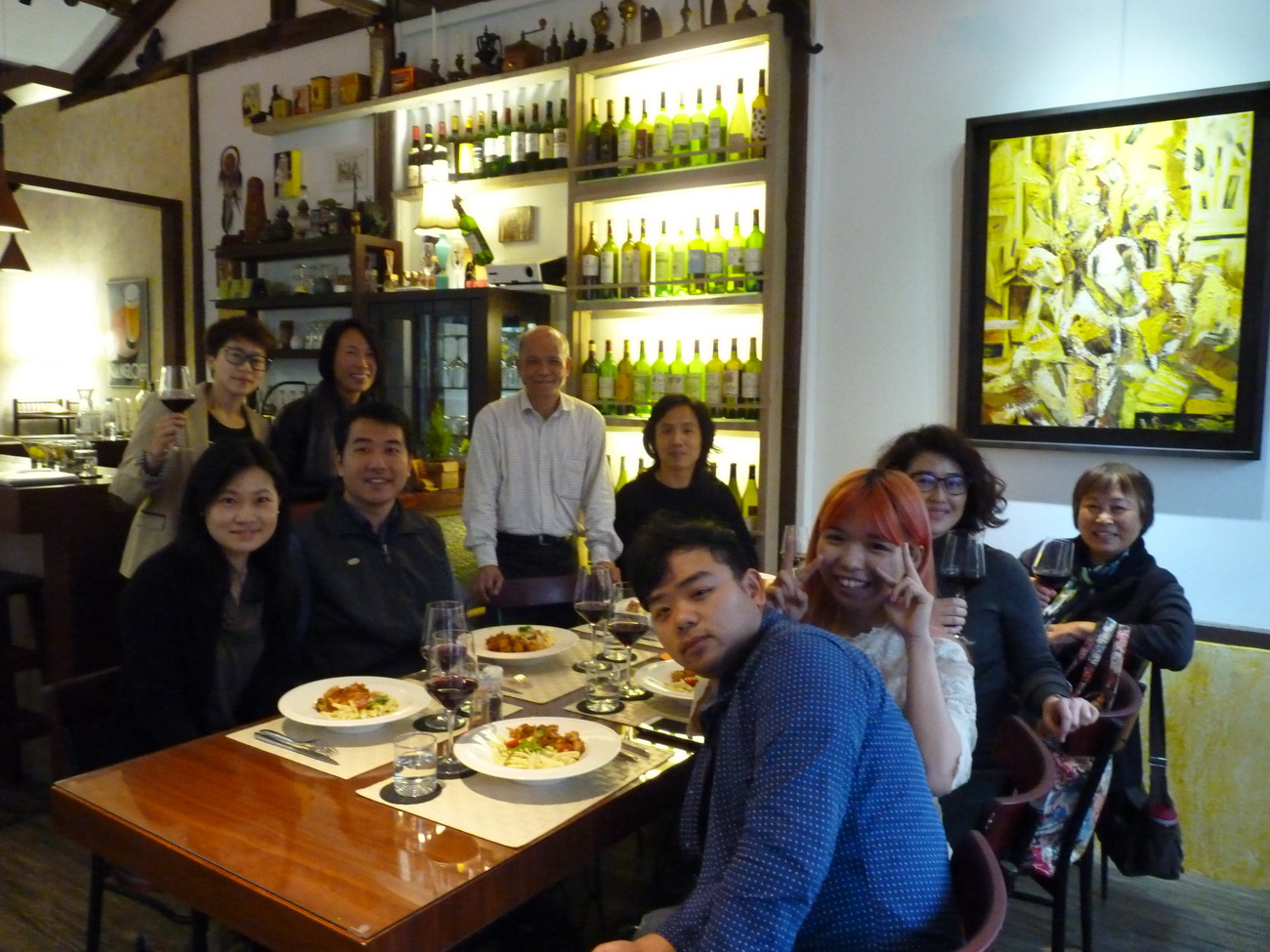
Text and photos by Chen Chi-Hsiang. The contemporary art workshop held the day before yesterday (February 27) at Chiayi Little Black Cat French Art Restaurant finally broke the convention of urban paid art lectures in Chiayi. Thanks to Pema Lamo for her careful curation, thanks to Little Black Cat for providing the venue and exquisite afternoon tea (French crepes, coffee, and dinner), and thanks to Toph and Sunny for their hospitality. Of course, even more gratitude goes to the artistic kindred spirits and enthusiasts from both north and south who traveled far without complaint to participate in this feast of art and French cuisine’s color, aroma, and flavor.
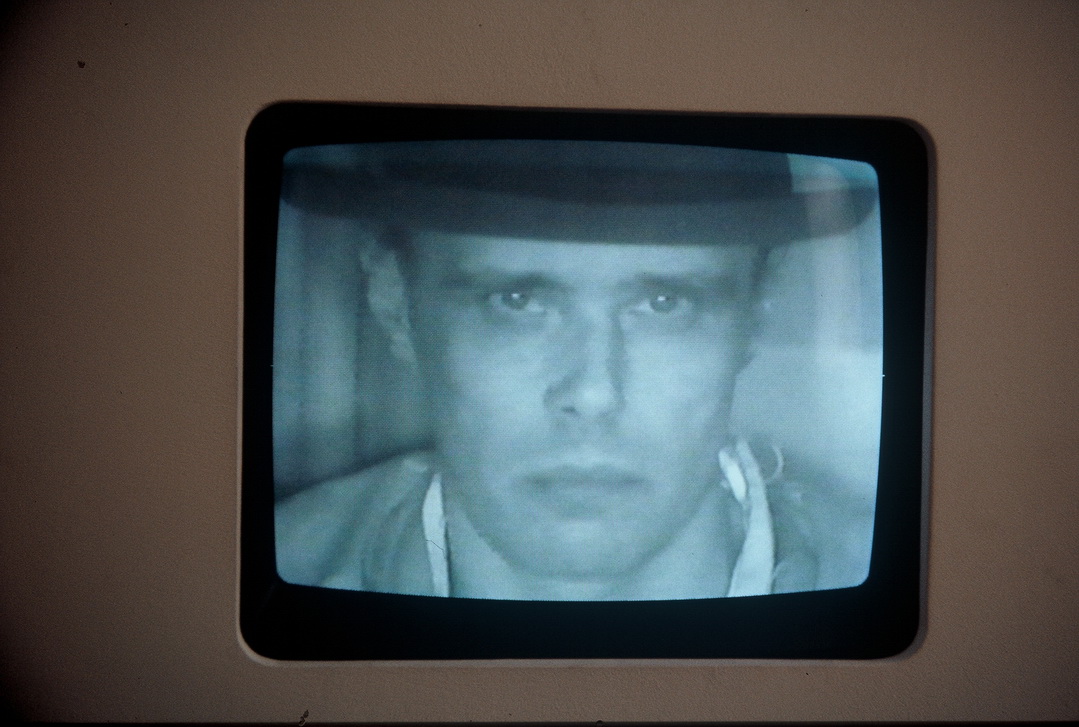
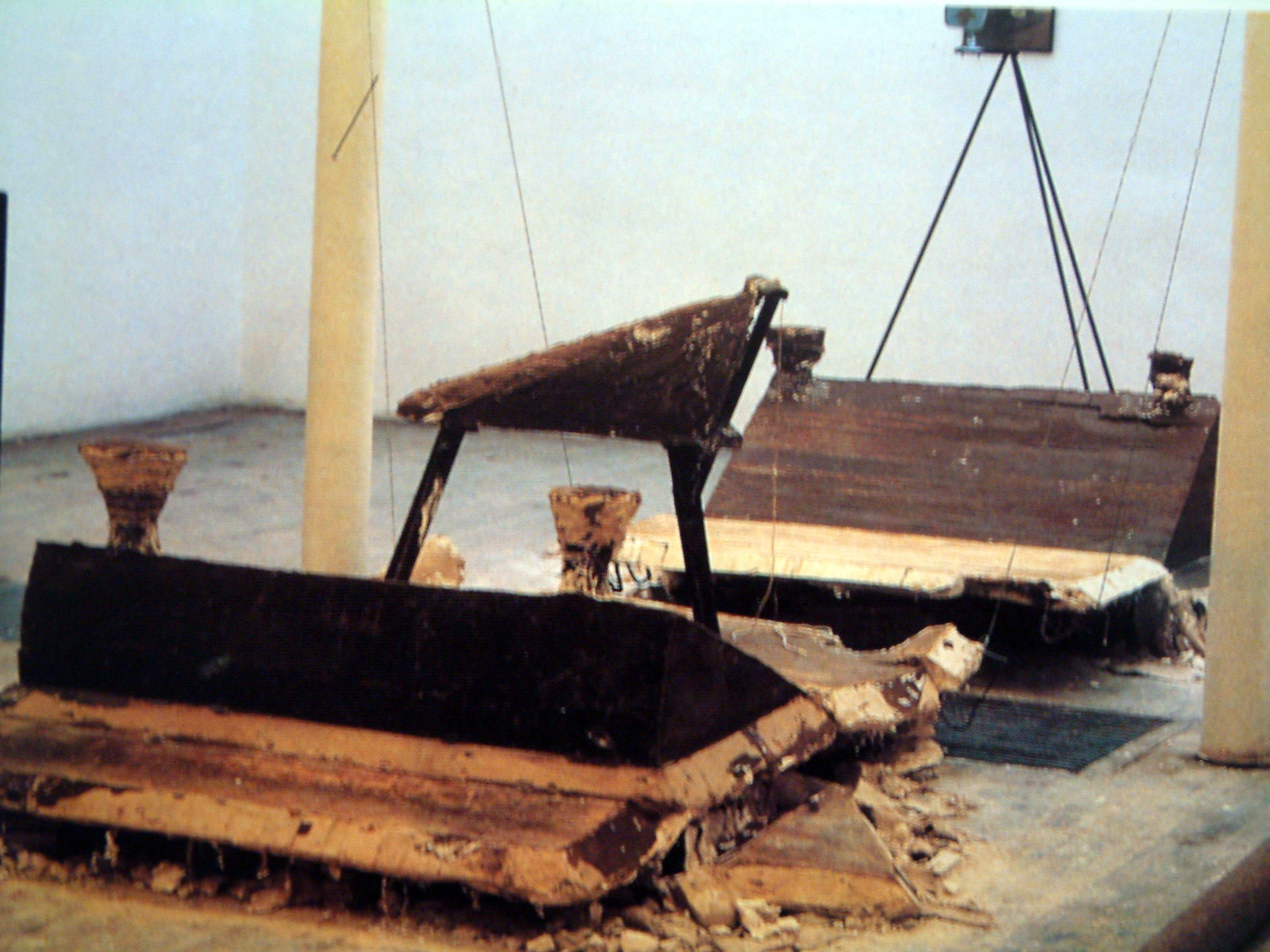
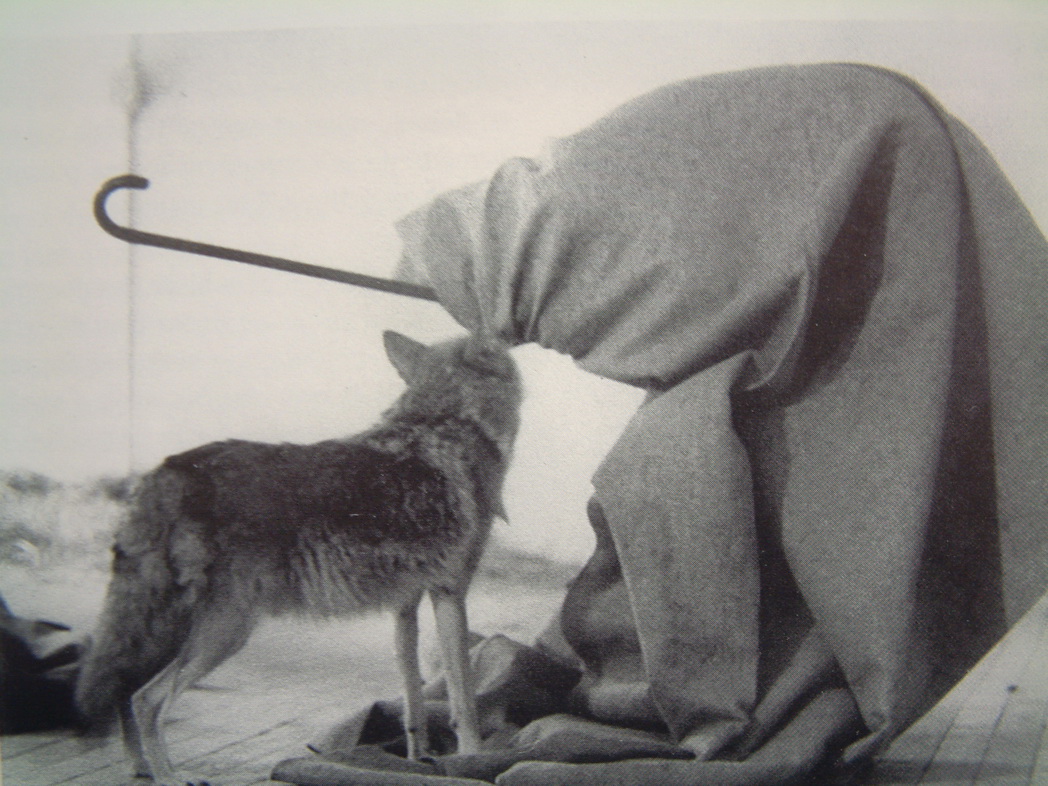
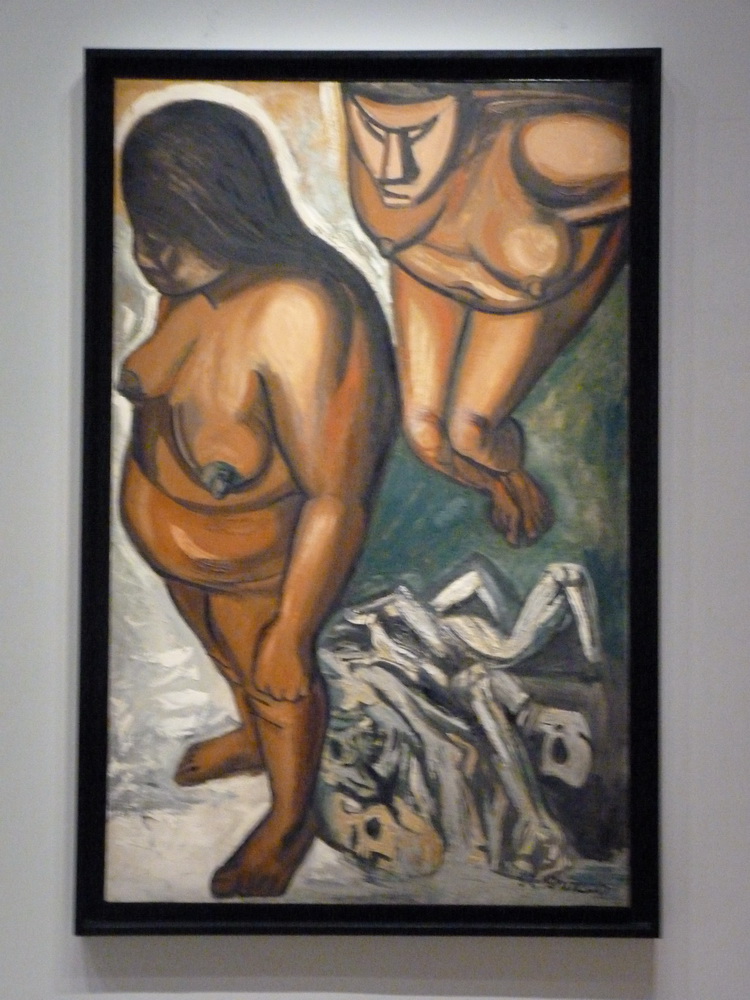
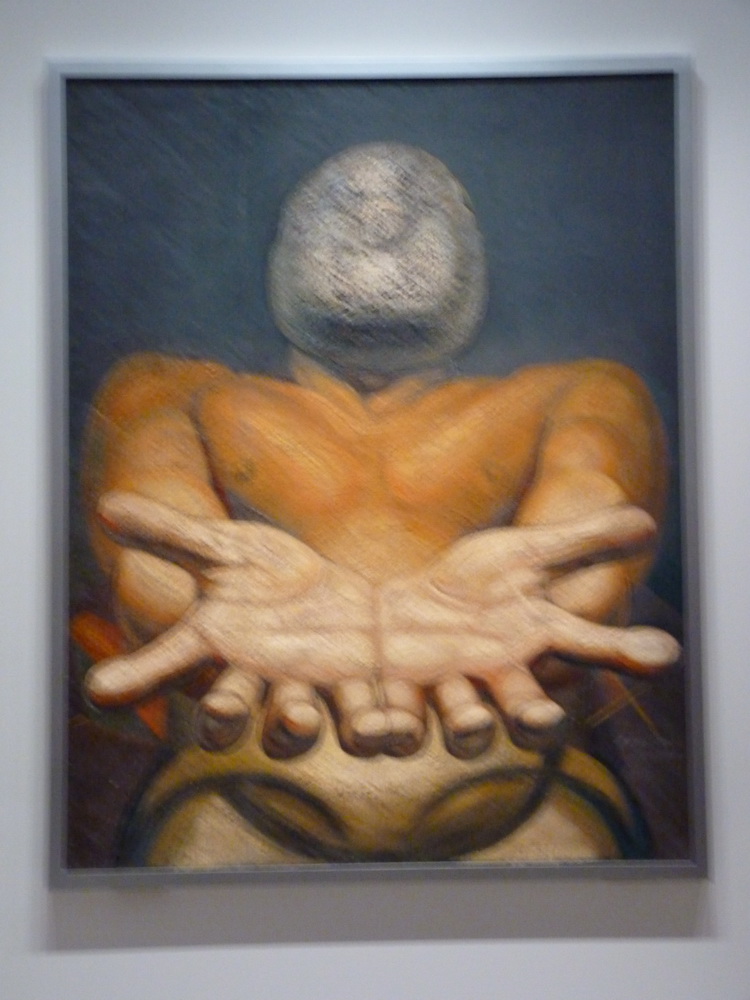
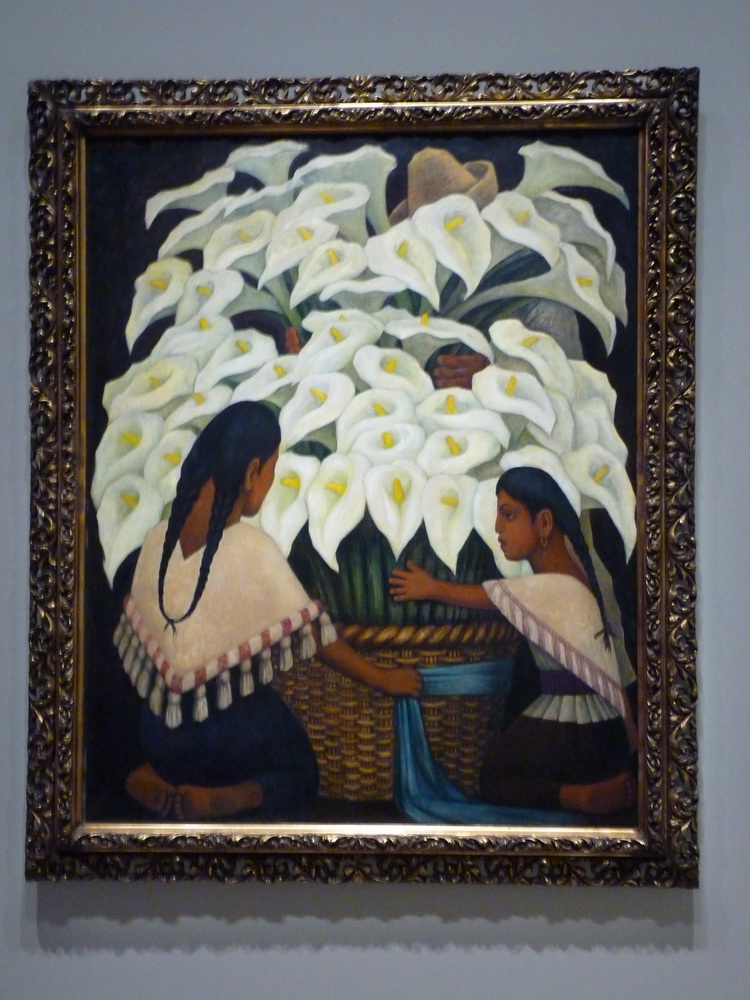
From Joseph Beuys’ concept of “Social Sculpture”—discussing contemporary socio-political issues related to cultural self-awareness in art—from Beuys’ creative background and legendary life story, to “Art is Life – Total Art,” “Every human being is an artist,” “A theory of transcendence in modern art,” and “Social Sculpture.” Is art redemption? We explored Beuys’ art and politics, his discussions on natural ecology, his relationship with the proletariat, examples of his symbolic works, as well as historical examples of cultural awakening (such as Mexico’s three great painters) and paradigms of awakening in Taiwanese art.
The continuous four-hour exposition was an irresistible and brilliant sharing session. At 3:30 PM, we had afternoon tea, taking a break to taste the French people’s unique lemon honey crepes and coffee, then continued sharing and dialogue until the class ended around 5:00 PM. Afterwards, the students sat down together to discuss art and current collection issues from ancient and modern times, China and abroad. By nearly 6:00 PM, we ate a simple French meal. Although there was no champagne to celebrate this cultural awakening workshop, two bottles of French red wine were opened to enhance the mood. Amidst drinking, everyone participated more actively in the dialogue and exchange, teaching and learning from each other, getting close to this land, and witnessing our enthusiastic sharing. Indeed, cultural awakening comes from the land, language, and culture. The contemporary hero Beuys said: “He came to fulfill the task of Germans in this world.”
Beuys’ creation culminates in symbolism, organicity, and energy, using these three criteria to explore the energy, power, and variation of all things. All things are explored: symbols, feelings, any material and symbol combined with energy, constructed into a whole organic object, constituting Beuys’ innovative visual language of expression.
As the enlightener of German cultural awakening, Beuys’ total artistic creation is built upon an unprecedented and unparalleled grand plan of reform participating in world society and politics. He passionately urged a new distribution between politics and aesthetics, opening all logical aspects of individual reform plans through society as if it were a total work of art.
The artist said: “Social Sculpture is about those relationships among humans; humans are almost a living action.” “Expanded Concept of Art,” “Social Form,” and “Social Sculpture” can all be viewed as Beuys’ political ideals or ineffective political concepts that cannot be used. He said: “My only problem is expression and form, that is to say, in substantial situations I prove that I have nothing to do with politics. What needs to be said is the problem of how I form the world; seeing the formation of the world develop like sculpture, and transforming this form into a new one.” Beuys continued: “Politics must submit to language first: or more accurately, politics exists in the dominance of language, because in language people possess their automatic constitution of ‘auto-governance’ and self-determination. This means my auto-affirmation of sovereignty in humans—through language and through the land—is the completion of politics.”