Modigliani, Vivaldi, and Françoise Mitterrand
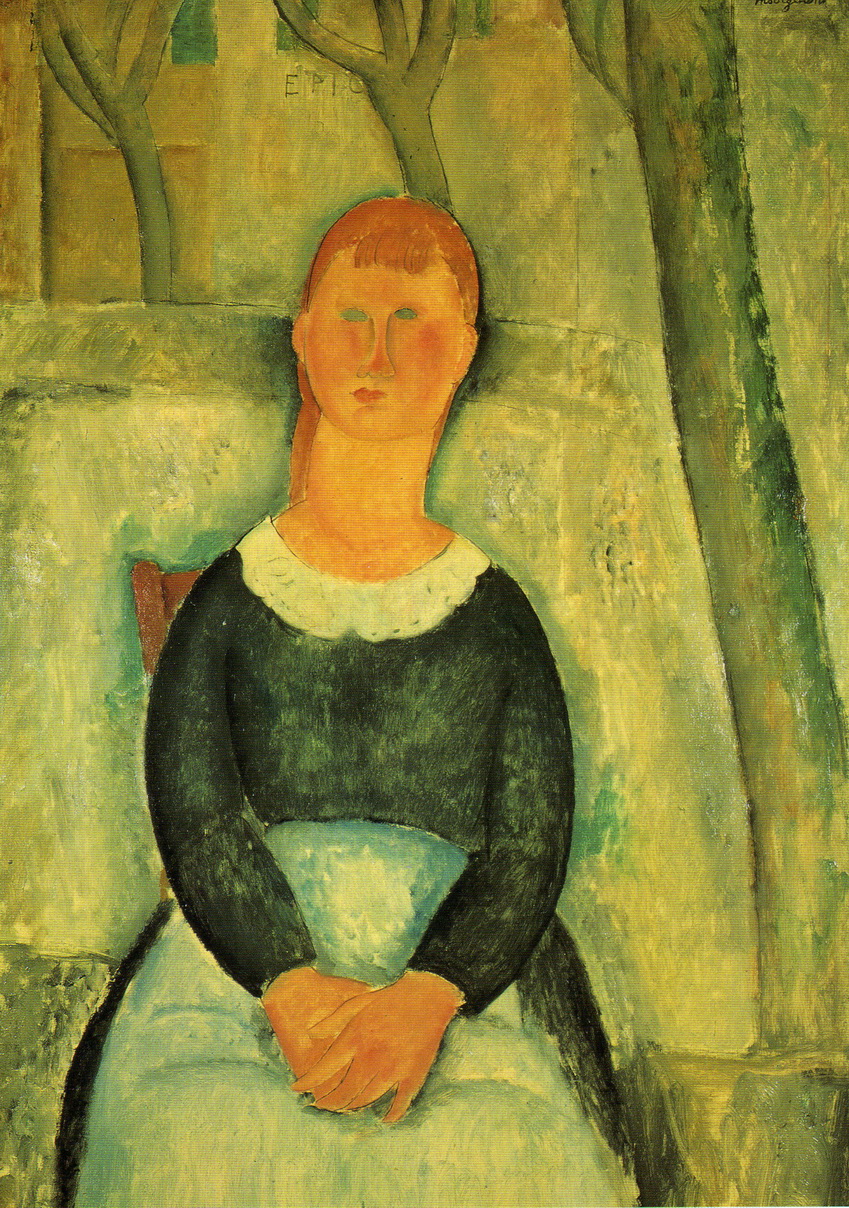
Modigliani Pretty Grocery Store Girl 1918 100x65cm Private collection Paris
Text/Photos by Chen Chi-Hsiang. Modigliani is a world-renowned painter; Antonio Lucio Vivaldi is a famous Baroque composer; and François Mitterrand was a President of the Fifth Republic of France. These three have no apparent connection, yet they are the three keywords of my Paris life this week, narrating my daily routine in Paris.
Film Library - Modigliani: The French Film Library is located near Bercy Park, not far from my home. I often go there for walks and sunbathing, occasionally watching classic films, exhibitions, or lectures. Currently, the library is hosting a retrospective of Jacques Becker (1906-1960), the most representative director of 1950s France. Becker was an auteur of artistic cinema who spanned two World Wars and served as an assistant to the famous French director Jean Renoir. His films are unusually imbued with strong personal biographical elements. In 1947, he wrote in Cinéma magazine: "One can only tell personal stories outstandingly on screen." Although his films are classical, they are already very modern, featuring concise and powerful visuals and theatrical spatial forms. He excels at creating atmospheric lighting and capturing psychological states, particularly through gestures or trivial situational signs. He considers how to reproduce time from psychological states, pioneering a cinematic style with a unique dramatic perspective.
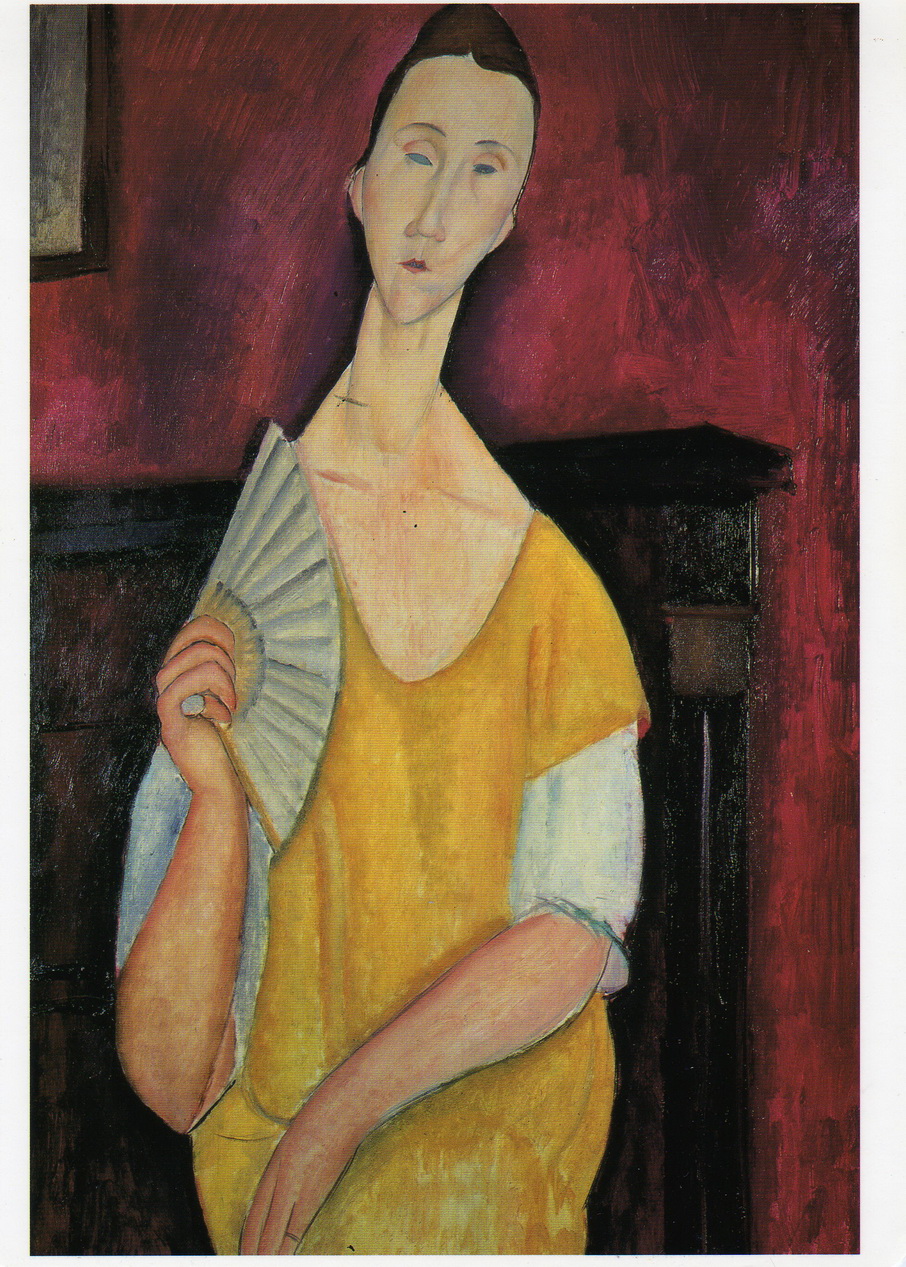
For this Jacques Becker retrospective, I chose Montparnasse 19, a film about the legendary life of the great painter Modigliani. Inspired by biographies of Modigliani’s creative and living experiences, the black-and-white film presents visual truth against the backdrop of post-war Parisian Montparnasse. Becker uses unique techniques to depict this bohemian artist, permeated with sadness and elegance. It portrays the confusion and unease of striving for recognition for one’s distinctive art, for creation, and for survival. He lived almost entirely in destitution and poverty, dying young at only thirty-five, yet his artistic life shone brilliantly. He pursued art with passionate intensity, describing himself thus: "I only want a short, intense life!" Thus illuminating modern art with eternal radiance.
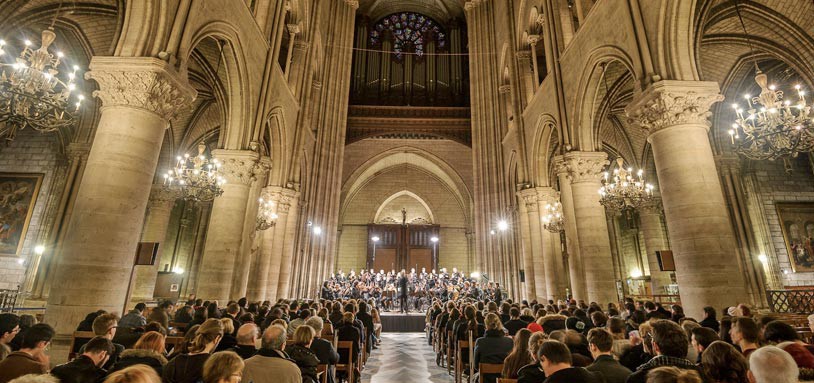
Notre Dame - Vivaldi Concert: Every spring, I have the opportunity to attend a sacred music concert at Notre Dame Cathedral. Listening to music in such a special spatial setting is a great pleasure. The acoustic effects in this Gothic space are extraordinary, allowing me to enter a state of mental consciousness with every musical melody. Each year, the Paris Chamber Orchestra and the Choir of Notre Dame perform together. The notable Choir of Notre Dame offers hymns every week and during festivals; it is a highly professional group comprising members from sixth grade through high school. Seeing children holding sheet music, their faces barely visible, yet producing such loud and charming voices, is astonishing. I am honored to listen attentively at Notre Dame each time; it is a feast of life. A few years ago, Notre Dame’s sacred concerts featured both classical and modern music. This year, under the enthusiastic direction of Andrea Marcon, the famous Paris Chamber Orchestra dedicated its performance to the well-known Baroque sacred works of Vivaldi. Accompanied by the orchestra, choir, and male and female sopranos, pieces such as Magnificat, Nisi Dominus, and Gloria were performed in three major movements.
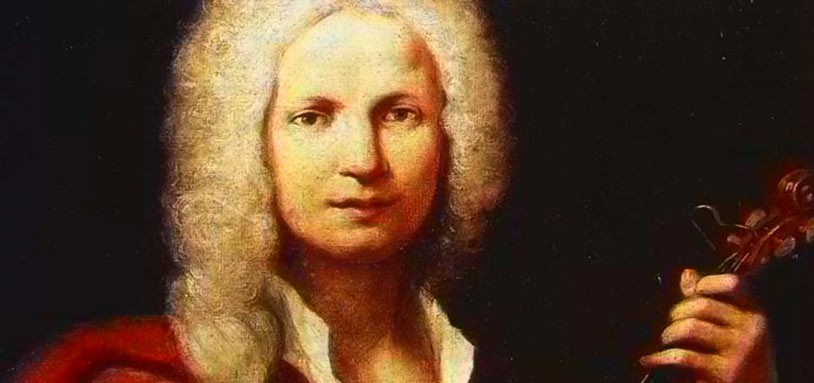
Vivaldi’s (1678–1741) most famous work, The Four Seasons, has become a household name today, appealing to all ages. Its charm is akin to Mozart’s music, becoming eternal. Unexpectedly, after this Venetian red-haired priest became famous throughout Europe, he faded into obscurity. It was not until the 1940s that Vivaldi’s works were rediscovered. It is hard to imagine, but I believe good works transcend time and always move people.
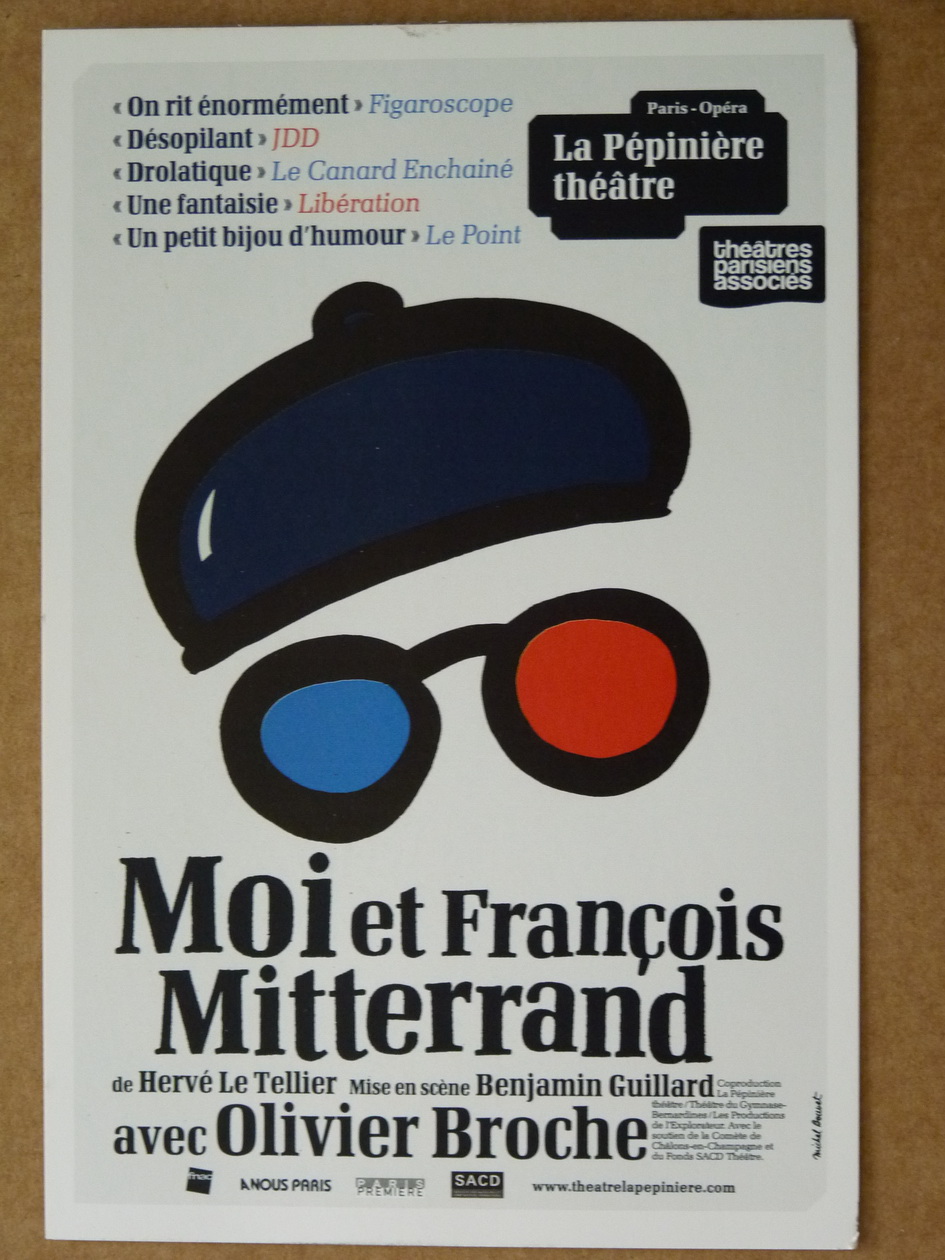
Jardin du Luxembourg Theater - Françoise Mitterrand: In Paris, I spend most of my time visiting museums, galleries, or exhibition activities. Although the capital has many theaters, I rarely visit them. Occasionally, I have the chance to see a play. This Saturday, I was invited to the small theater near the opera house to watch the humorous play Me and Françoise Mitterrand. Reviews in French media arts sections were positive, such as "a humorous little masterpiece," "fantastic work," "belly-laughing," and "ridiculous." So, I went to enjoy this moment of humor.
Me and Françoise Mitterrand is a solo performance by Olivier Broche. Starting in 1983, the protagonist, Herve, a common man, writes letters to President Mitterrand. The presidential secretary replies with an administrative letter: "Your opinion will be considered." Herve arrogantly imagines the beginning of a friendship, leading to correspondence between him and the Élysée Palace. The play narrates his separation from his girlfriend, his holidays, and finally his unemployment. The replies he receives are almost identical, monotonous. Delusionally talking to himself while facing a portrait of the president hanging on the wall, he imagines an ironic closeness to a world leader.
After President Mitterrand left office, Herve continued writing to subsequent presidents—Chirac, Sarkozy, and finally Hollande—using the same method. The replies remained the same: "Your opinion will be considered," revealing the bureaucratic rigidity of official documents, which satisfies Herve’s delusions. During this process, the audience sees portraits of Presidents Mitterrand and Chirac hanging perfectly on the living room wall; Chirac’s portrait is slightly smaller than Mitterrand’s. When discussing Sarkozy, when the curtain is pulled back, the portrait is found to be much smaller (causing the audience to laugh heartily). For the current president, Hollande, the portrait is decent, but no matter how it is adjusted, it remains crooked (revealing the situation of the incumbent). This clearly tells the audience that the image and influence of these four presidents in the hearts of the French people are declining. With humor and sharp criticism, I think only through the form of art is it possible to elucidate the reality of French politics and the absurdity and helplessness of individual existence amidst belly laughs.
Note - French Film Library Spring 2017 Program Schedule, pp. 63-64.