Li Mingwei – Glimpsing the Local Scenery of Life: "Our Labyrinth"
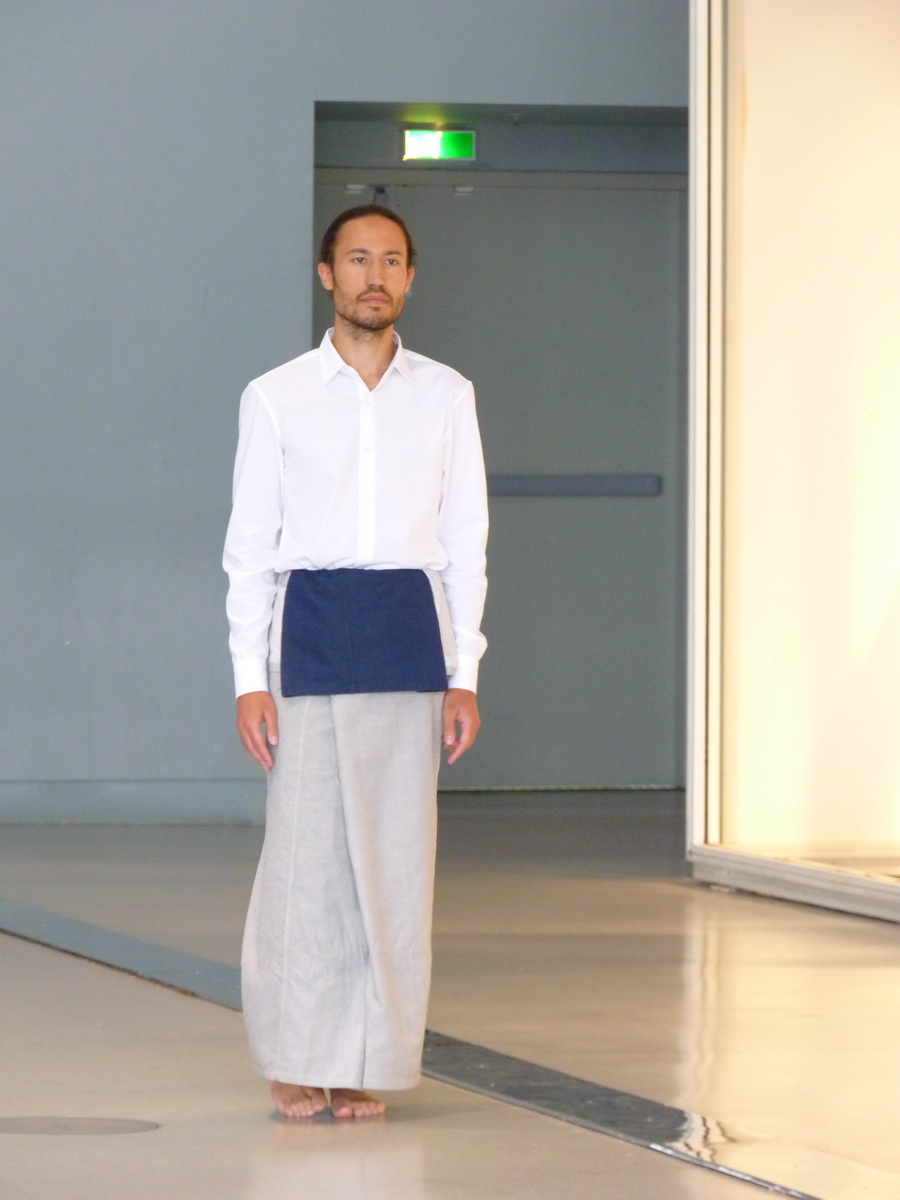
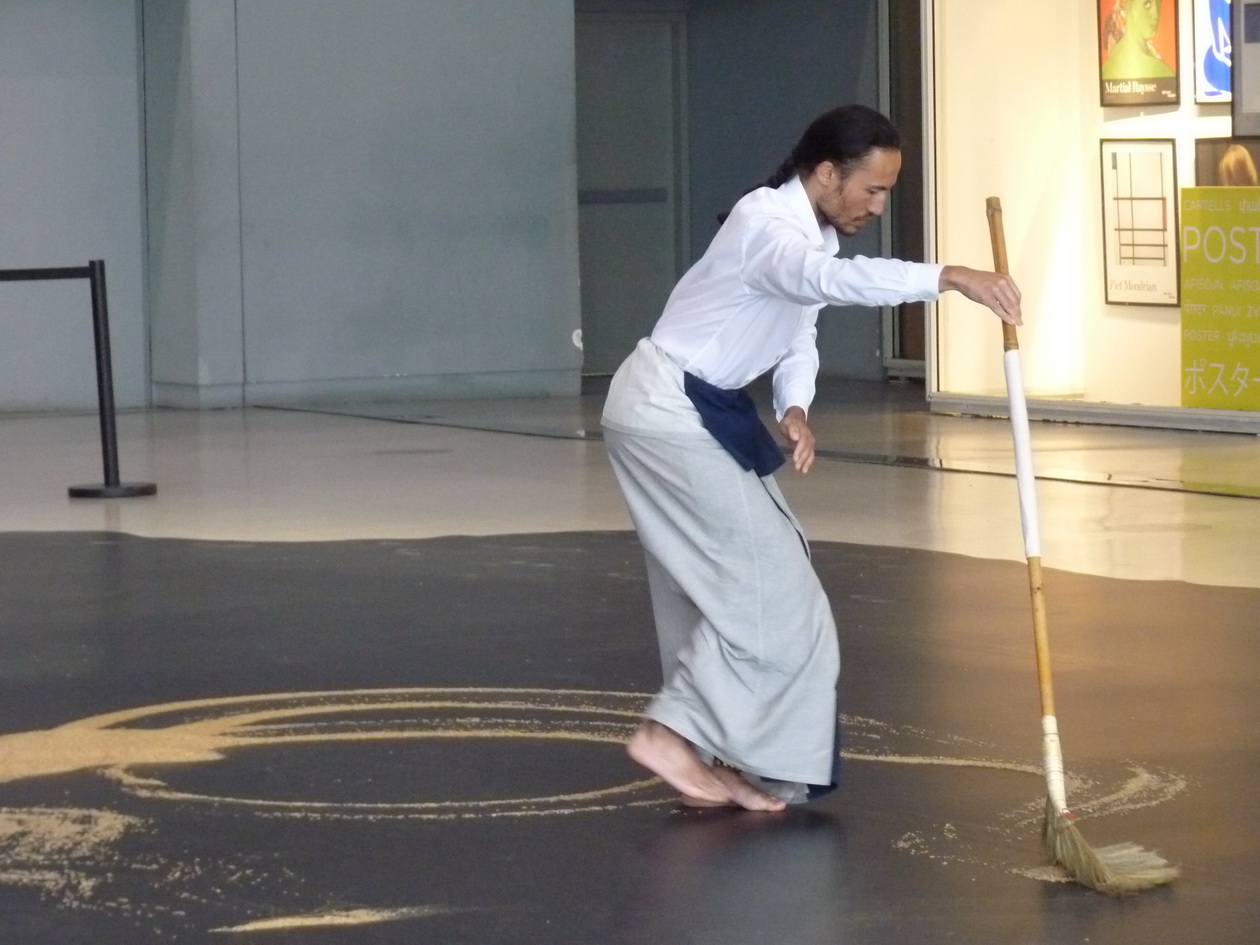
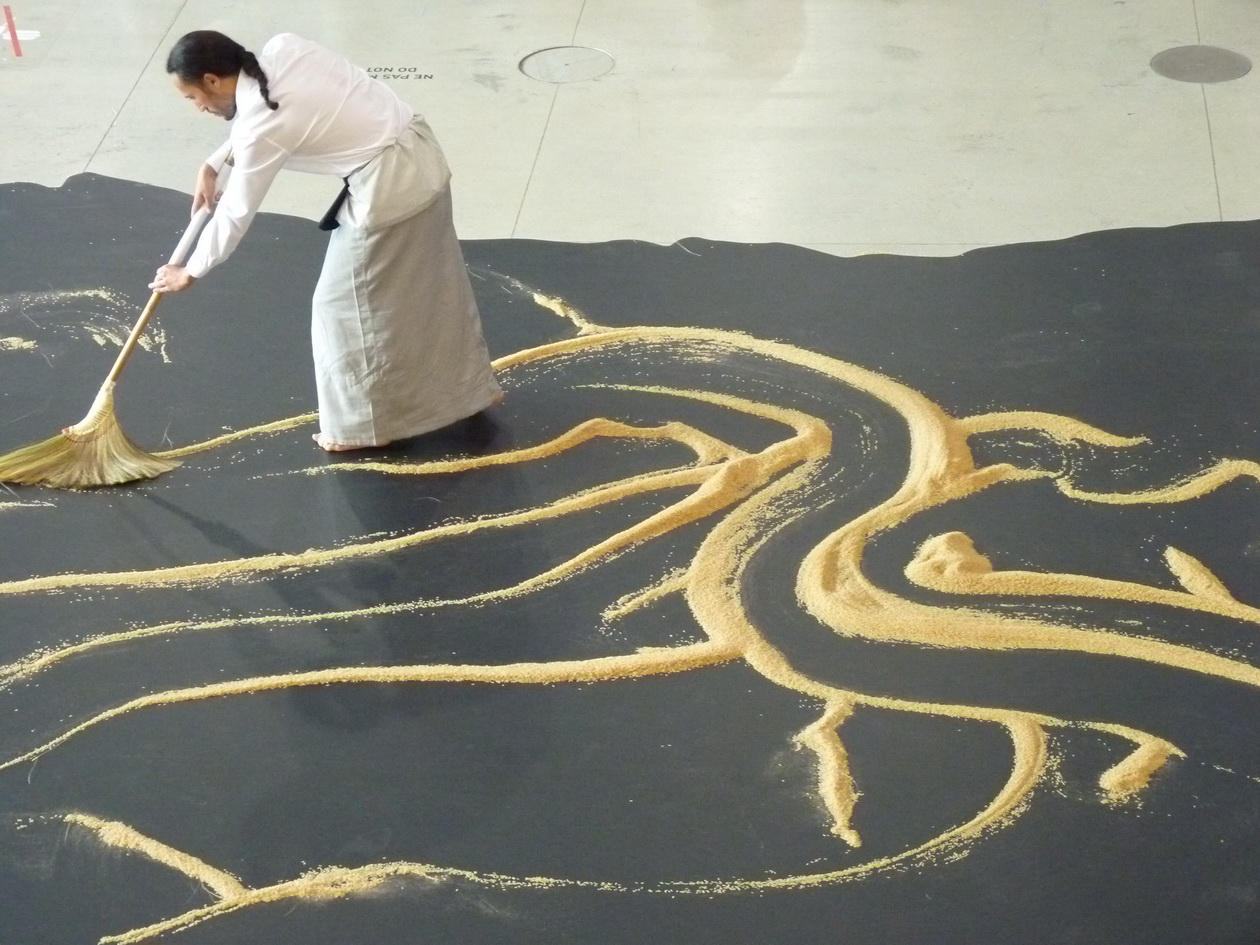
Li Mingwei – "Our Labyrinth" performance. Ritualistic entrance. 2017. French dancer Jean-Gabriel Manolis.
Text and photos by Chen Chi-Hsiang. Location: Centre Pompidou, Paris. Dates: June 2 to June 26.
Preface: Li Mingwei (born 1964) is one of Taiwan’s most prominent international conceptual action artists. His works resemble life; his creation is as free and natural as breathing. Rarely, his work is full of humanity, possessing acute sensitivity, subtlety, emotionality, introspection, and Eastern philosophical thought. Born in Taiwan, he left home at age fourteen to study in California, USA. He earned a Master of Fine Arts in Sculpture from Yale University in 1997, later lived in New York, and has now relocated to settle in the art capital, Paris. He is famous for his introspective participatory relational aesthetics (works are completed only through participation). Through interactions, privacy, and dialogue among strangers, he reflects on the interaction between interpersonal relationships and social contexts, exploring connections between people, between people and themselves, and between the environment and the world, constructing human consciousness of existence and investigating issues such as trust, intimacy, and self-awareness.
Li Mingwei’s creation begins with self-observation of life and reference to daily living. Facing his grandmother’s death, he elucidated the perfection of cosmic life through observing and experiencing the blooming and withering in "One Hundred Days of Narcissus" (1995), thus opening the door to his artistic path. His creations are nurtured from the artist’s personal existential experiences and memories of life. His rich body of work takes shape through projects, constructed via installations interacting with objects in time and space. These are often open scenes based on daily life interactions, functioning according to active participation by different audiences. The exhibition results are unrestricted, developing and transforming within them. Notable examples include the Sit, Stand, Lie Down, and Dinner Project (1997), Sleep Project (2000), Mending Clothes Project (2009), Living Room Project, Letter Project (1998), Nuwa Project (2005), Guernica Like Sand (2006), Memories of Fabric (2006), Moving Garden (2009), and Bloom of Sound (2013). In short, Li Mingwei and his relationship: Participatory Art – connecting with the world through observation, dialogue, giving, writing, and dining.
Artist Li Mingwei says, "My creation is not made for exhibition in great museums. Its naturalness is like breathing; it is part of my attitude toward life. When it receives recognition from others and invitations to exhibit, it is like pouring oil on fire, prompting me to explore further. I feel this is very fortunate. More importantly, without these unknown participants, my works cannot be completed." (Note 1).
Glimpsing the Local Scenery of Life: Li Mingwei's "Our Labyrinth," created in 2015 and performed at the Taipei Fine Arts Museum, is a work full of ritualistic elements. Inspired by the artist’s travels to Myanmar, where he observed Buddhist devotees silently sweeping the roads to temples every day regardless of wind or rain, completely immersed in a humble and calming ritual. This purification cleanses not only the path but also their own souls, within the context of Eastern introspective life philosophy. The exhibition theme "Labyrinth" is full of metaphorical meaning regarding life, reflecting confusion about human existence—birth, aging, sickness, and death—and various difficulties in life. To live requires wisdom to resolve confusion and bravely seek the path of life. As for the artist choosing "rice," it is not just a material or substance, but a culture, and an extraordinary spiritual quality. The artist says, "Rice is special to Taiwan’s indigenous peoples. The spirit of 'rice' is often considered fully feminine, like the figure of a mother. Rice connects heaven and earth, mortals and gods. In 'Our Labyrinth,' rice grains guide the dancers step by step, repeatedly reviewing the relationship of deep rhythms, sharing our magnificence with the fertile earth" (Note 2).
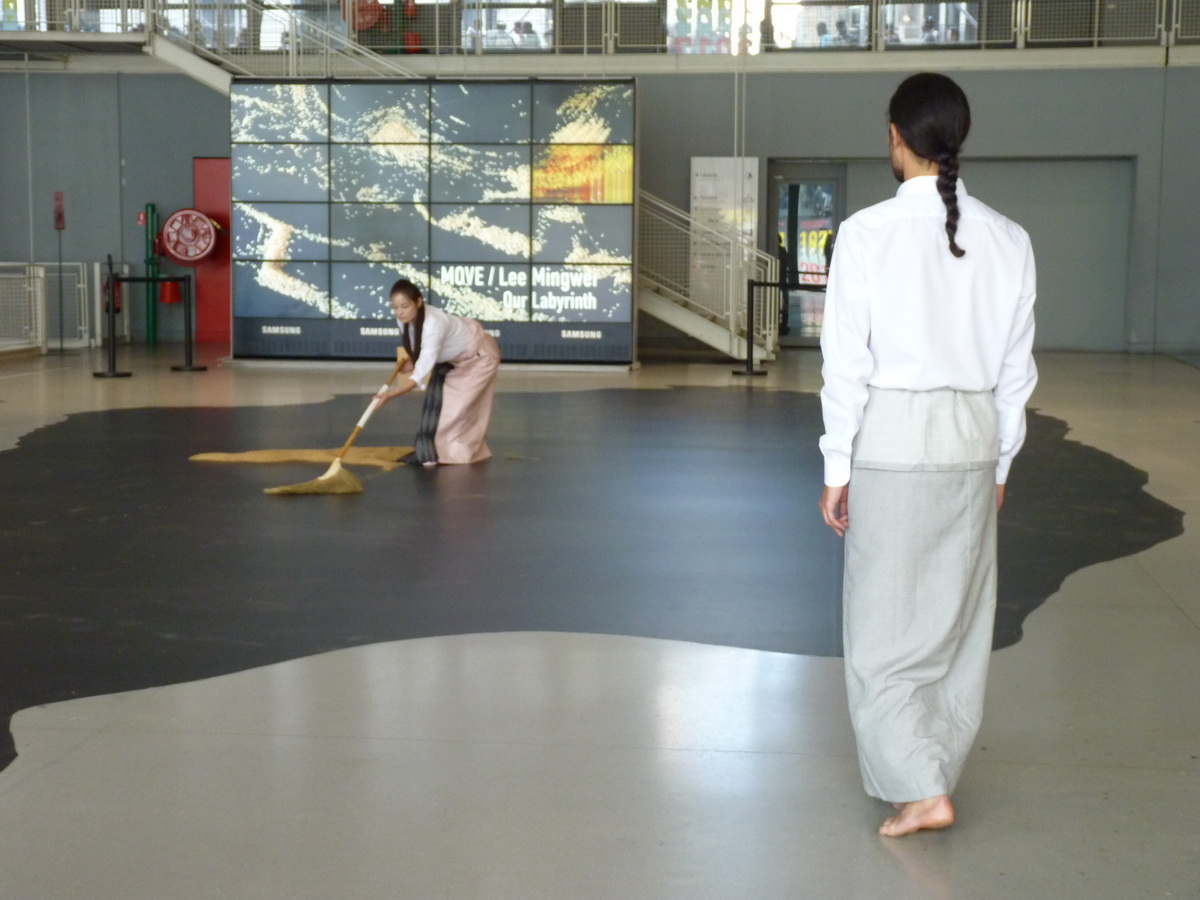
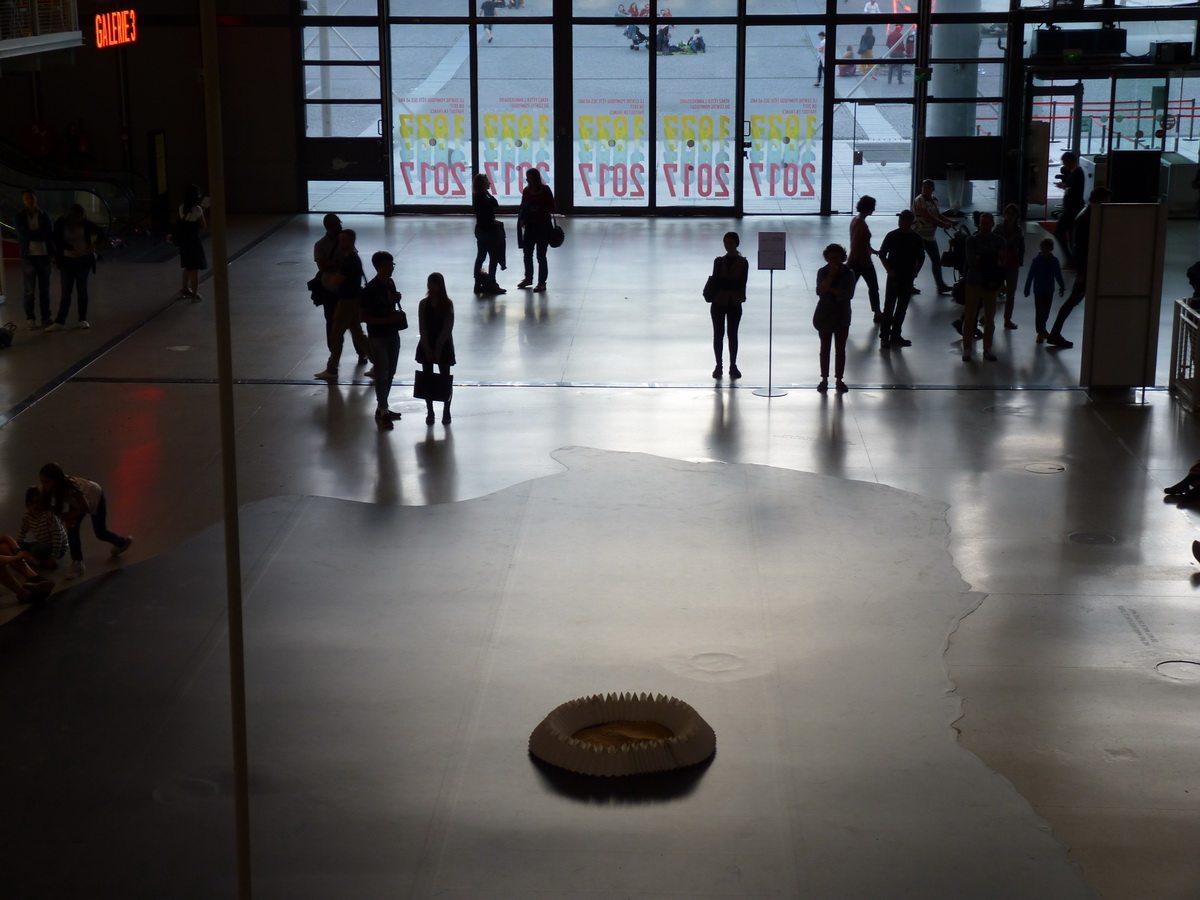
For this Paris performance of "Our Labyrinth," Li Mingwei invited eleven dancers to participate. The dancers were carefully selected by the artist himself from the Paris dance community: one Japanese, one Korean, mostly French dancers, and two from Taiwan, young generation professionals or amateur dancers (and dance school students). Amidst multiculturalism and various bodily dance forms, seeing the inherent culture and physical vocabulary behind each dancer, under their commonalities and differences, unfolds a culturally stunning artistic performance and exchange. For the Paris performance of "Our Labyrinth," the audience had no direct opportunity to participate; they could only attend the site to watch and savor the mysteries of dance and perceive aesthetic experiences. Importantly, the exchange lies in each dancer being able to observe and learn from one another under their inherent culture and highly poetic physical vocabulary.
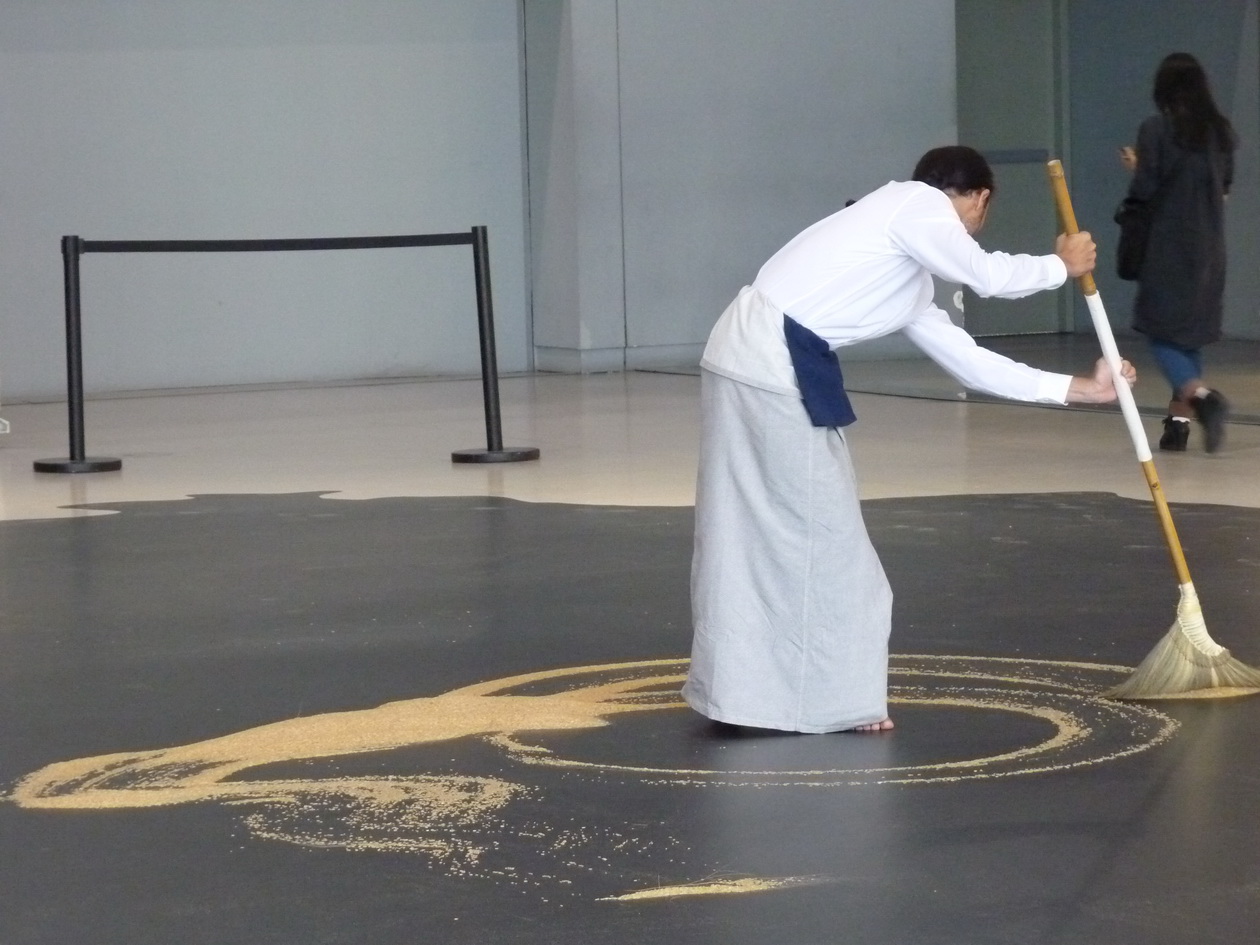
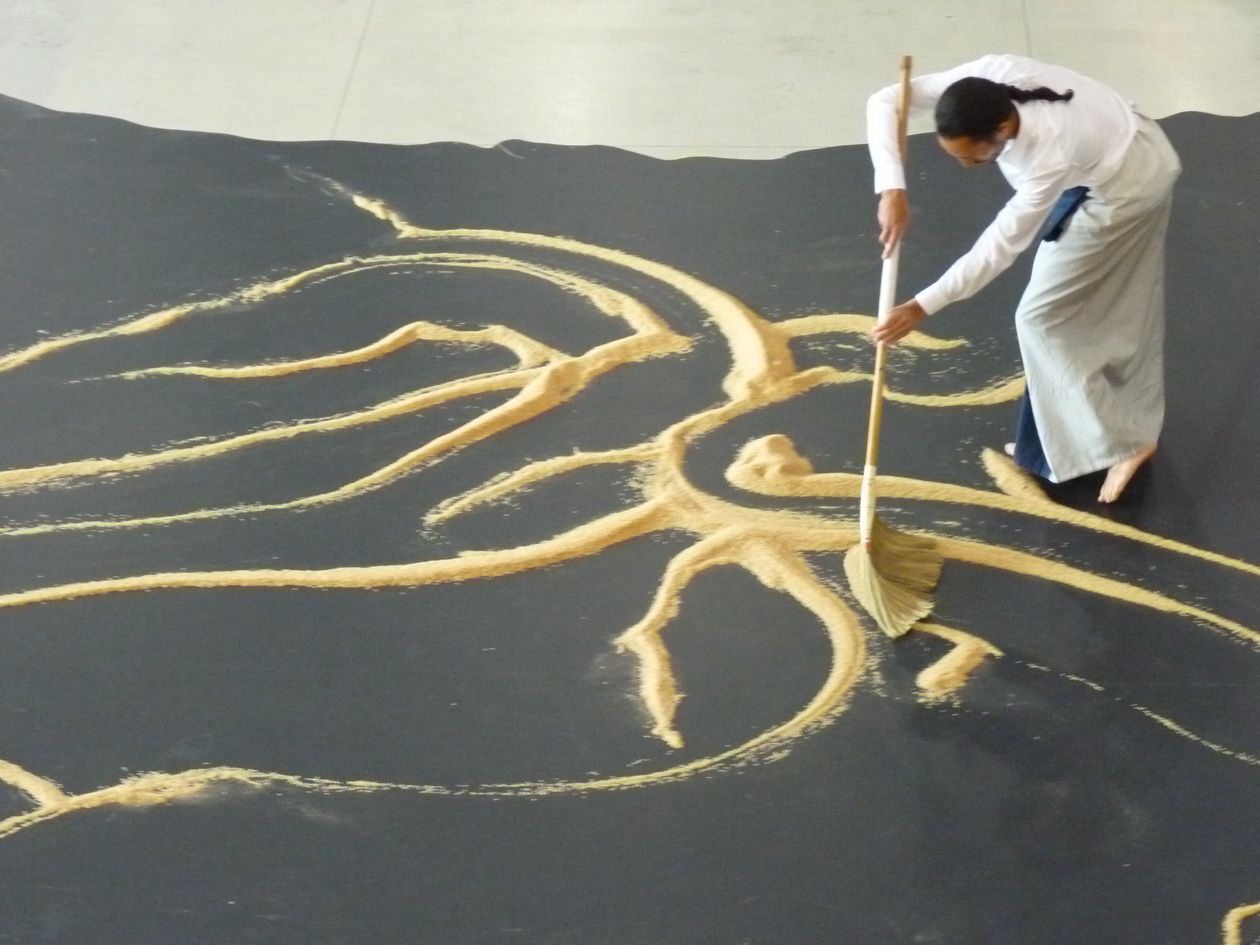
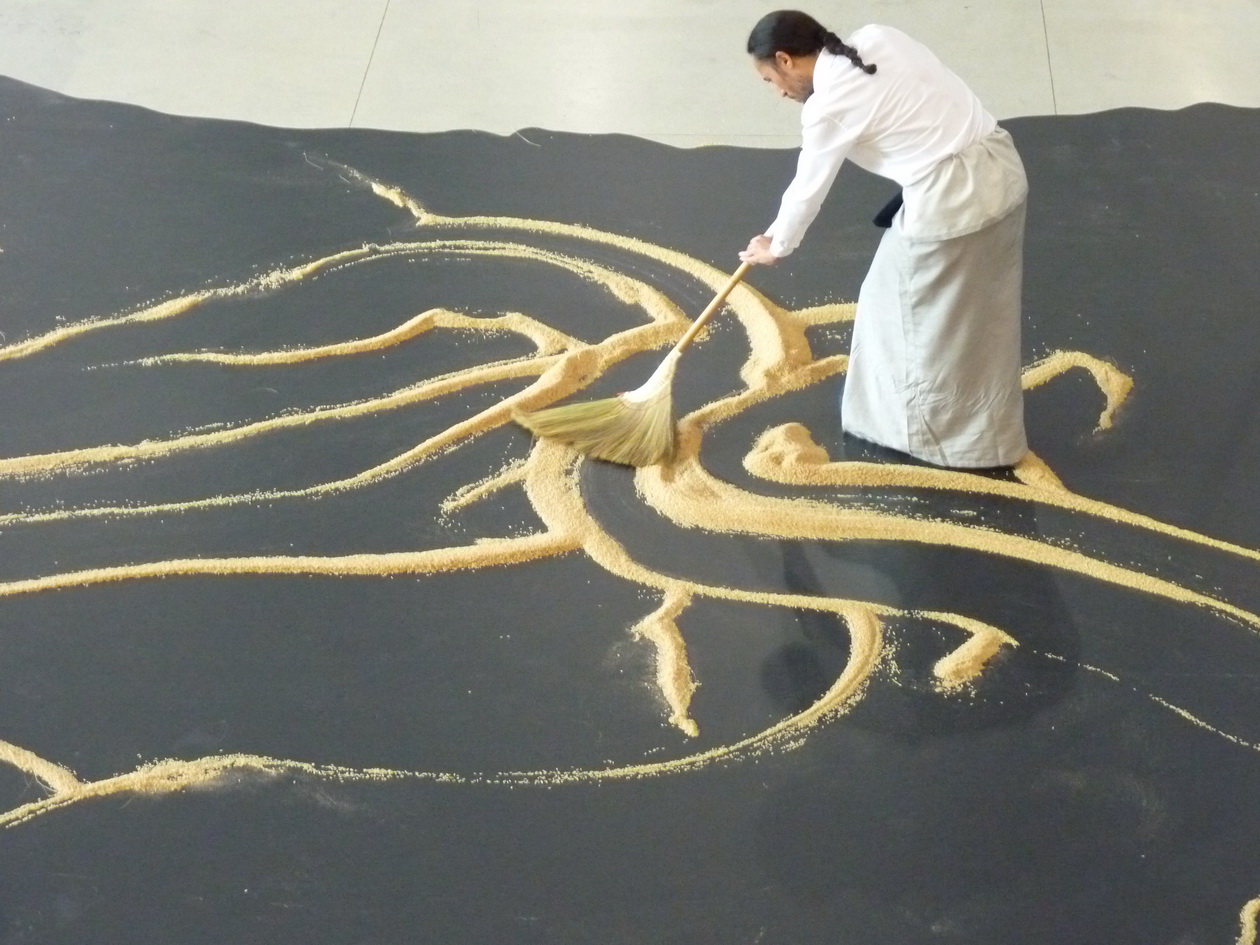
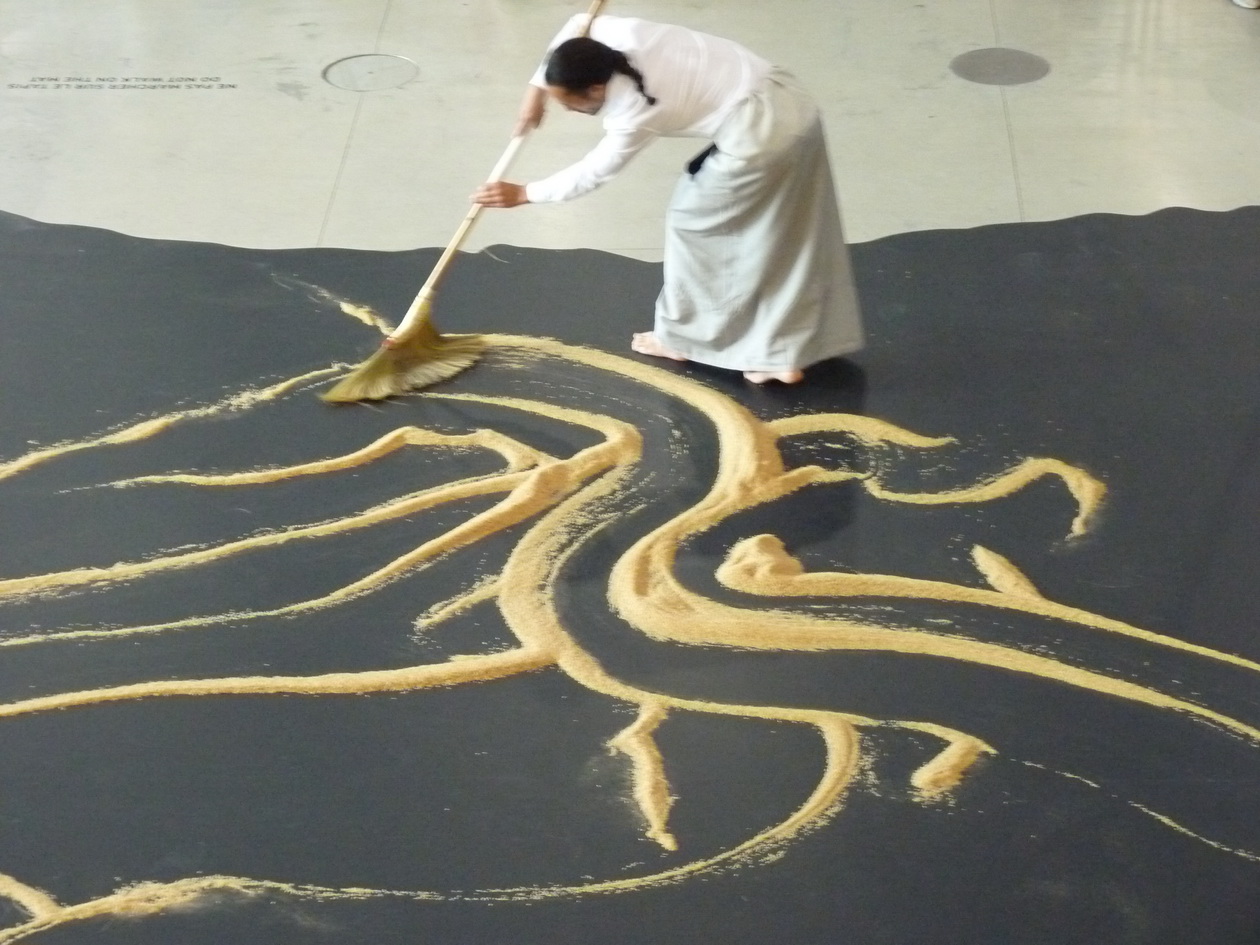
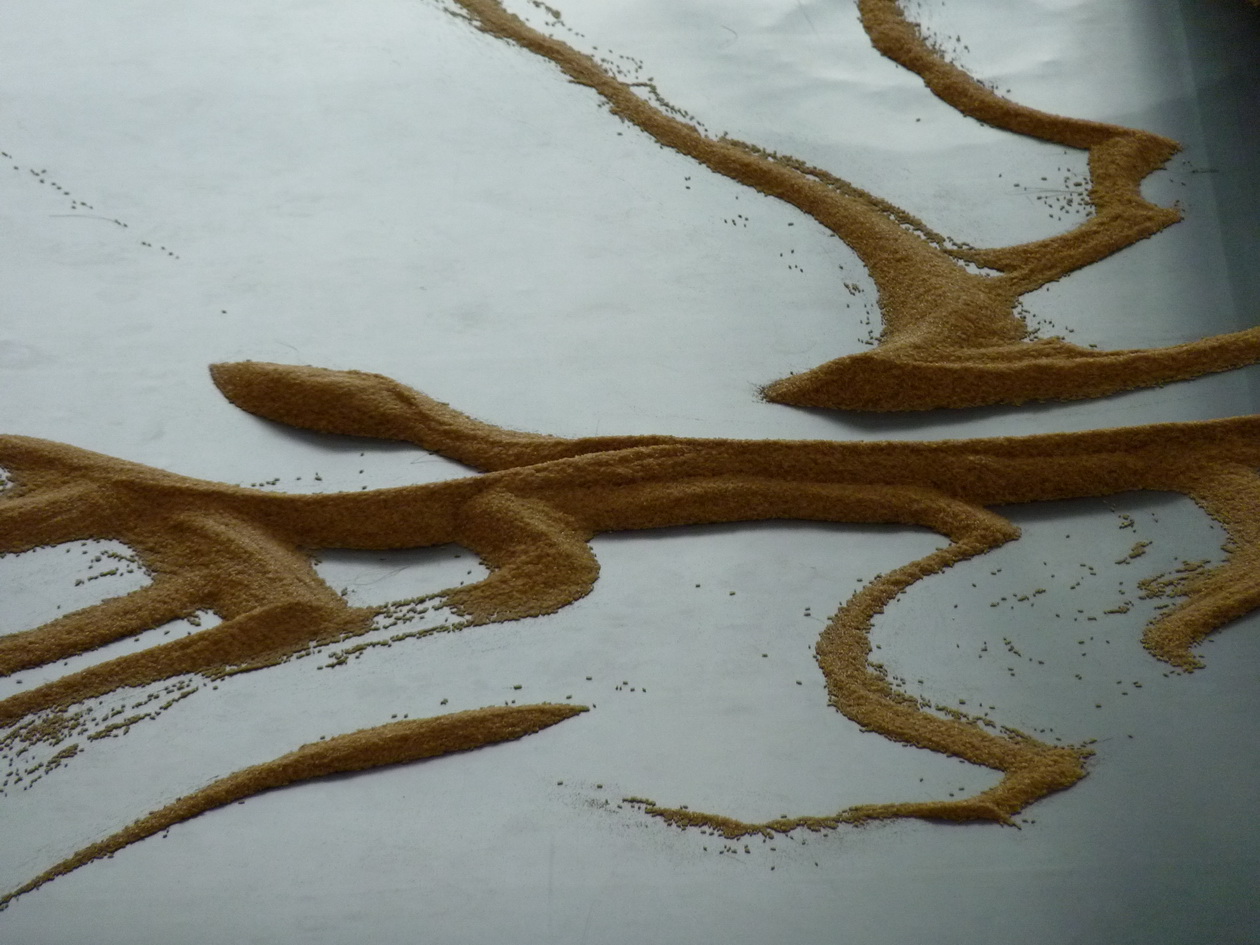
In this performance, Li Mingwei achieved complete tacit understanding and cooperative trust with the dancers. The artist provided only some basic viewpoints; the rest was improvised by each dancer following their body and consciousness in the moment. From a pile of rice, they slowly swept out flowing, undulating lines and shapes stroke by stroke. The scene arises from the mind, so each dancer or each performance writes out ever-changing images. Each dancer has their own unique qualities, lyrical and expressive: concrete, abstract, imagistic, mental imagery, etc. Rich in poetry, whether natural or supernatural images, they are the true existence of the dancers in the moment.
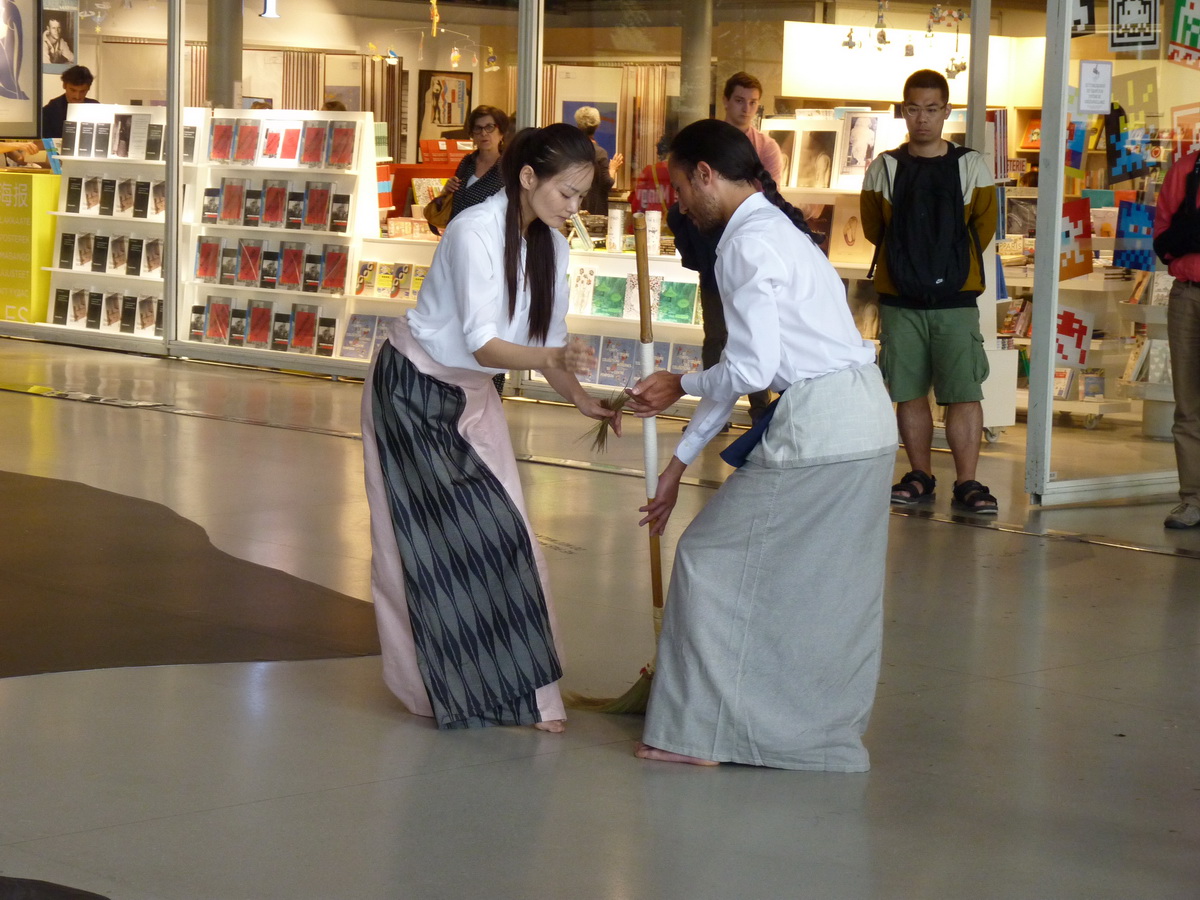
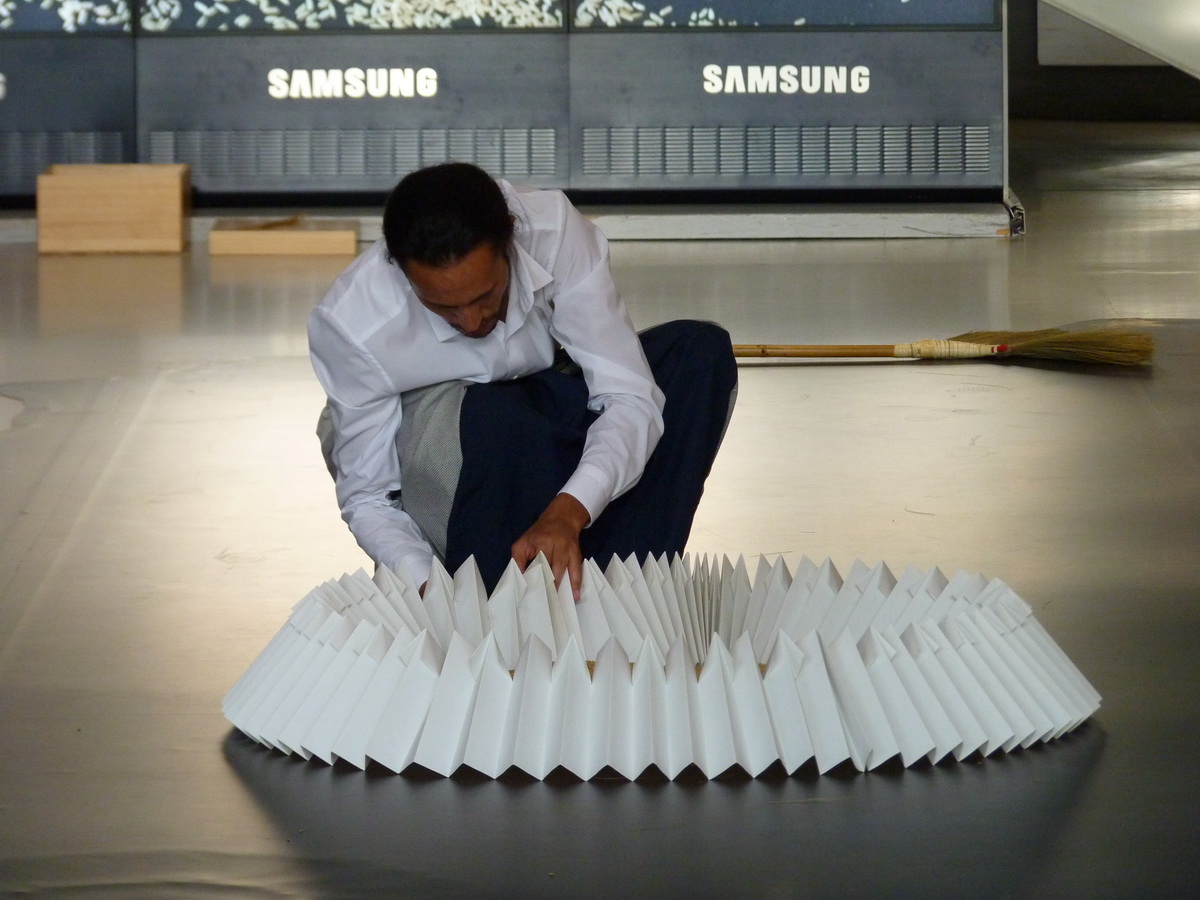
The ritualistic "Our Labyrinth" is a performance accompanied by no music or sound (at the entrance area downstairs at Centre Pompidou, where crowds intersect, it is quite noisy; the Italian artist Nomad’s narrative dance music flies everywhere downstairs. The dancers focus inward—moving meditation in stillness. The viewers are no exception, needing to immerse themselves completely, discovering a rhythmic vast ocean amidst the noise). The entire performance proceeds in order. Dancers in plain colors wear blue around their waists, using bamboo brooms as "brushes" in the open field. As time develops, during the ritualistic entrance and exit when dancers change shifts, they pass the brooms and bow to each other. Slowly entering, instinctively and emotionally guiding with a brushstroke, entering action meditation, developing form stroke by stroke, rich images transforming with bodily movements, flowing imagery rotating with time and space, yin and yang contrasting with slow bodily movements writing the mental scenery of "rice." Then, gathering inward to form shape, continuing naturally pushing inward, shrinking the brush into a pile. Dancers take white folded paper rings from boxes, dramatically surround the rice pile, bow respectfully, and slowly exit, completing a fulfilling journey of body and mind full of Zen intent. Each dance constitutes its own time and space. Following the incredible body of energy flow consciousness, it brings the audience to a climax, entering the wandering of contemplative mental awareness, feeling a deep aesthetic experience from it, witnessing the power of silence, and glimpsing the local scenery of life.
Note 1: November 10, 2012, United Daily News Arts Section. Note 2: From the introduction of the first "Move" art exhibition at Centre Pompidou, an interview with Li Mingwei.