The Paris Chamber Orchestra in Dialogue with a Building
Scene of the Paris Chamber Orchestra in dialogue with a building
Text and photos by Chen Chi-Hsiang. Every year during the sunny summer holidays, Paris is filled with outdoor carnival music, theater, and various art activities. These are grand events for all Parisians or pilgrims from around the world. For nearly thirty years, French politics (from the Mitterrand era to the present) has continuously implemented cultural strategies to democratize access to art, such as annual music festivals, Heritage Days, White Nights, and Garden Festivals. The aim is to use music and humanities as tools to elevate or transform society.
The popularization of humanities and arts has become integrated into the daily lives of Parisians. Art approaches the public (examples include the 13th arrondissement becoming an open-air street art museum, outdoor concerts at the Luxembourg Gardens every summer, and long-term photography exhibitions on railings). Under this subtle influence where art becomes life, France’s cultural soft power is strengthened, which in turn becomes an asset for tourism. Clearly, as a major cultural nation, France’s cultural value is created, and its national soft power is the result of deliberate, long-term management. Paris is a place where art ferments; creativity is everywhere, and various humanities and arts converge here. Regardless of whether it is classical, modern, or contemporary, each genre has its considerable audience. Everyone seeks entertainment according to their interests and tastes. Paris truly deserves its reputation as the capital of art.
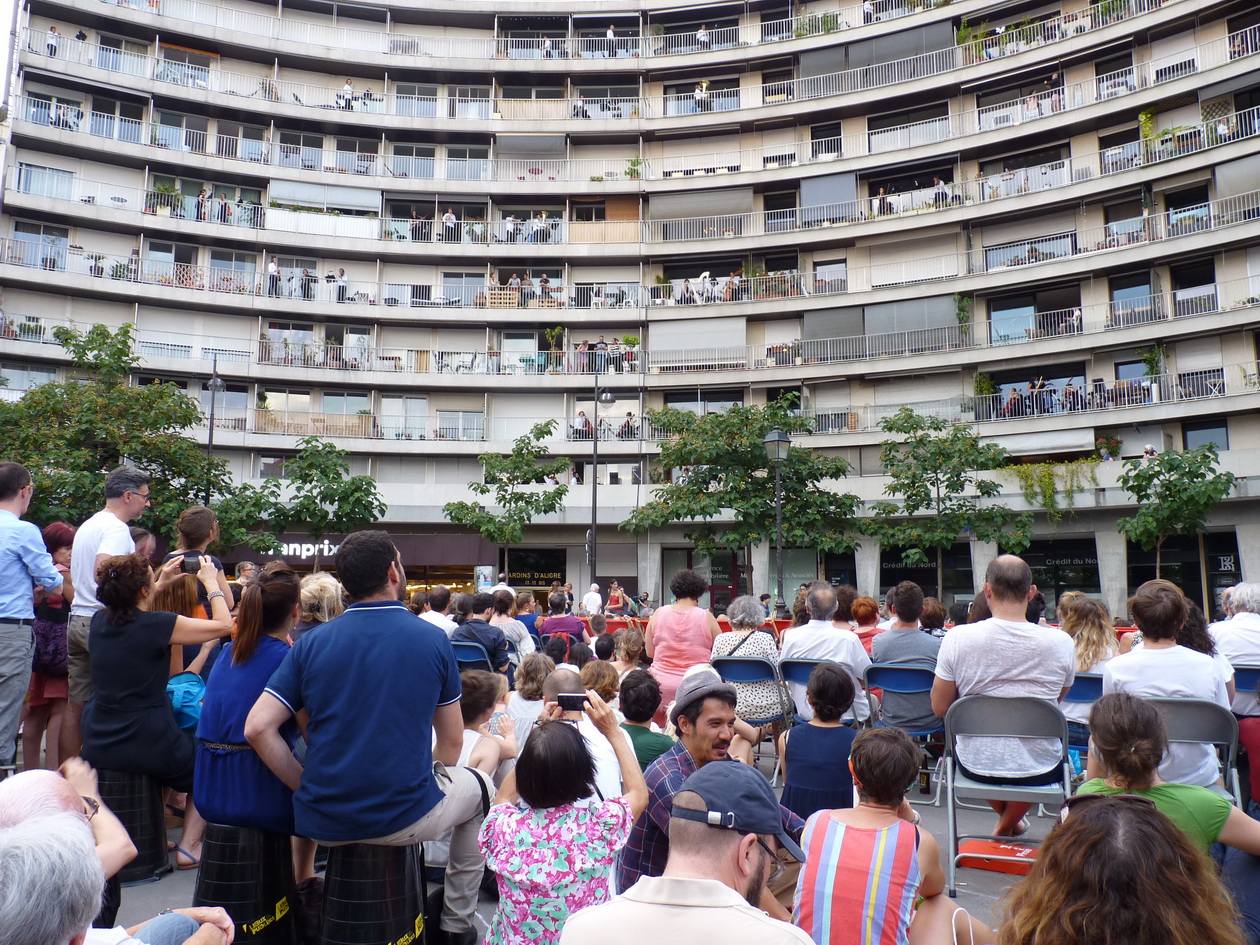
Under the influence of cross-boundary integration in contemporary art, any artistic performance holds possibilities. What happens when music and theater break out of their frameworks? What sparks might fly if they collaborate with circus arts? On the evening of July 6-7 this year, just as the sun was setting, the Paris Chamber Orchestra—traditionally focused on classical music—collaborated with a circus troupe. At 8 p.m., they held a grand, fully open-air concert on the balcony of a building in the historic Aligre Market Square in Paris. This unique event engaged in a fresh dialogue with the community and Parisian audiences, creating an unprecedented mass musical event.
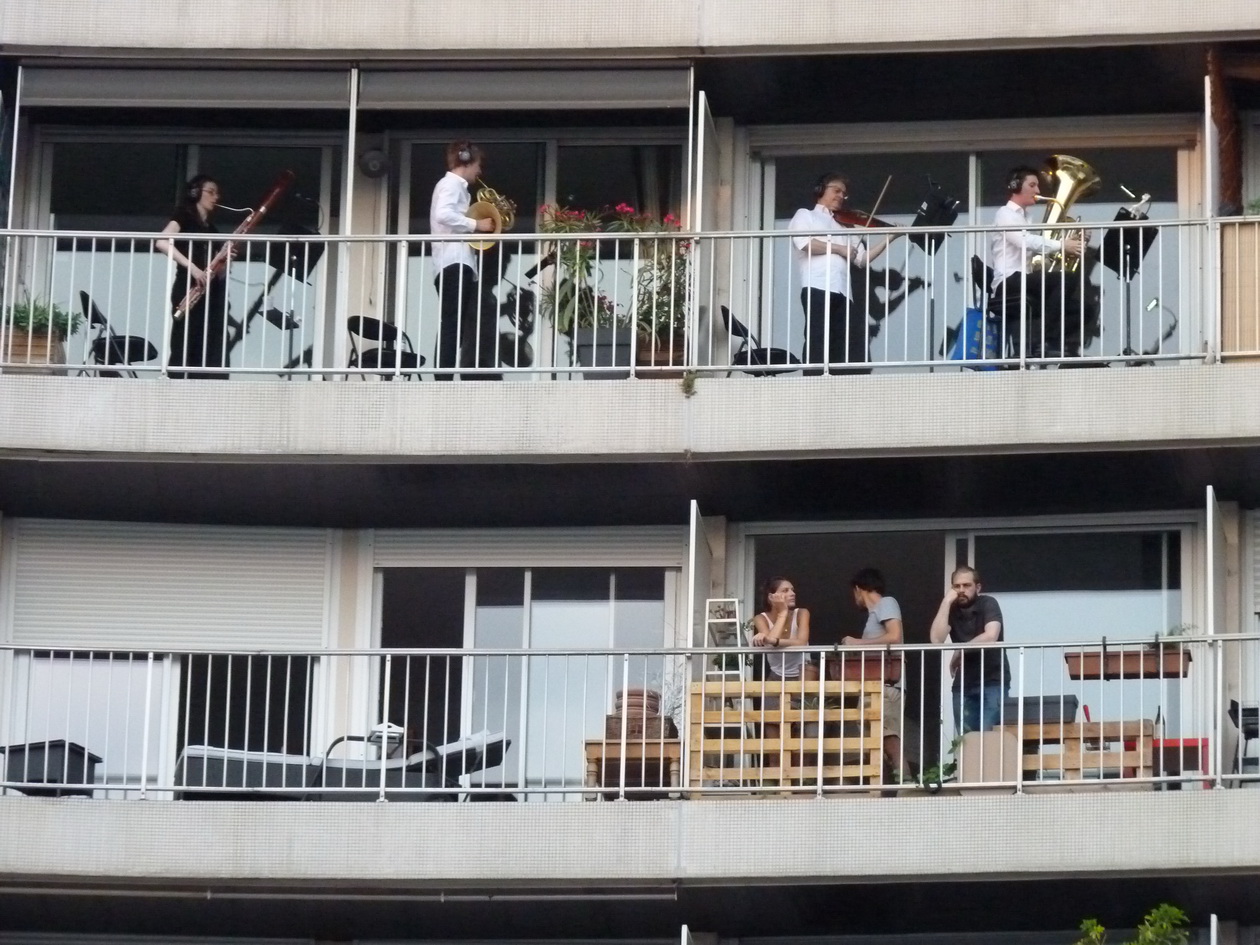
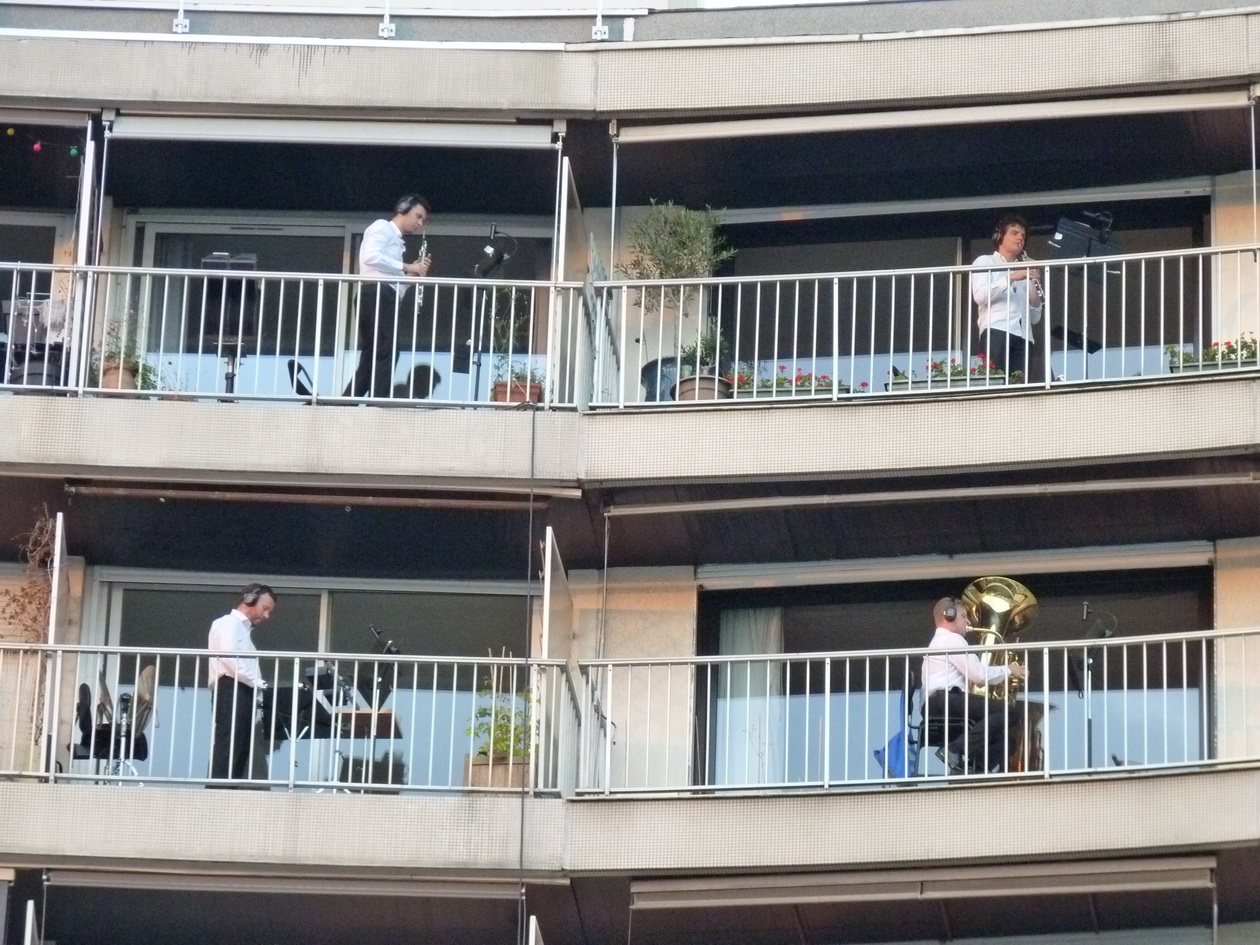
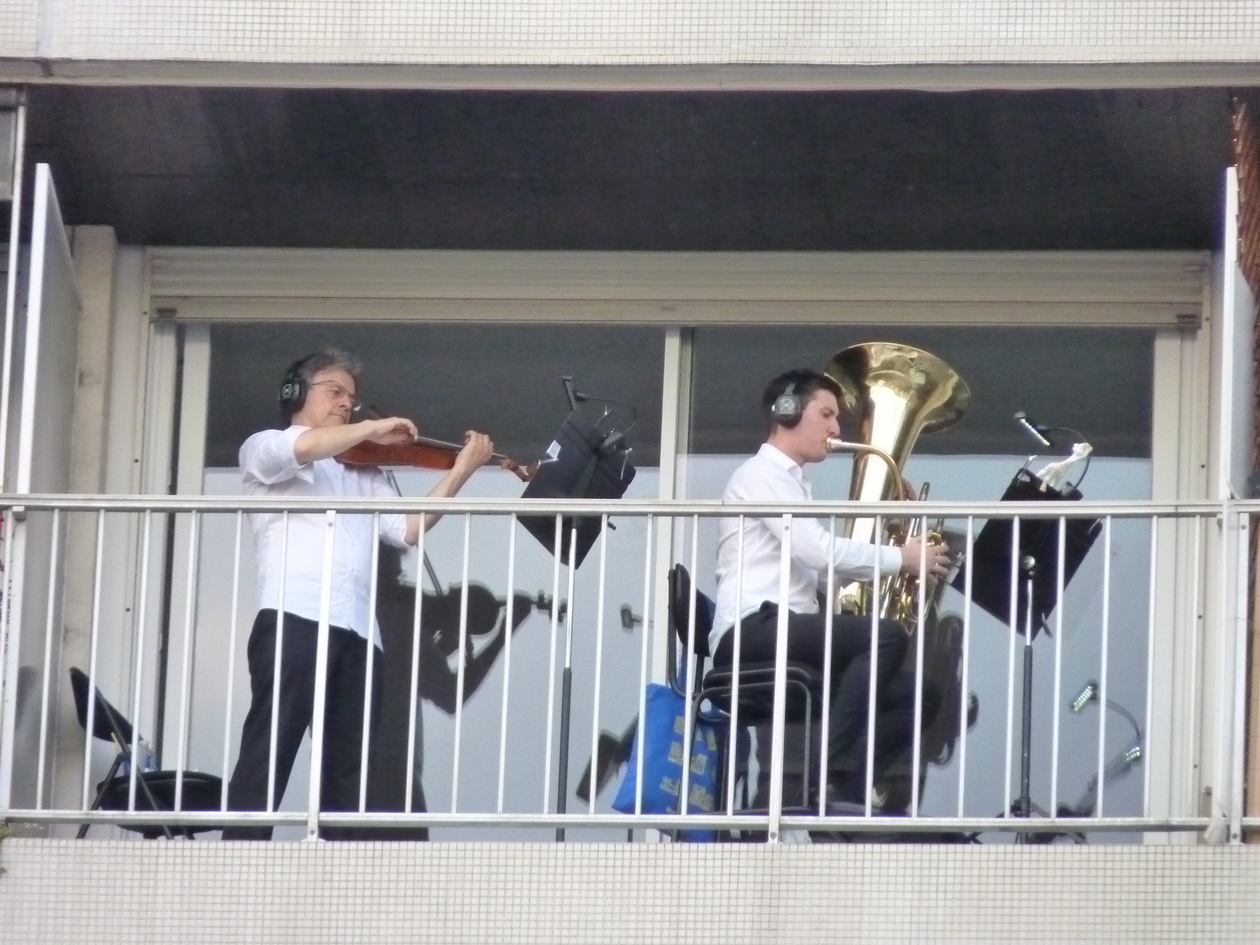
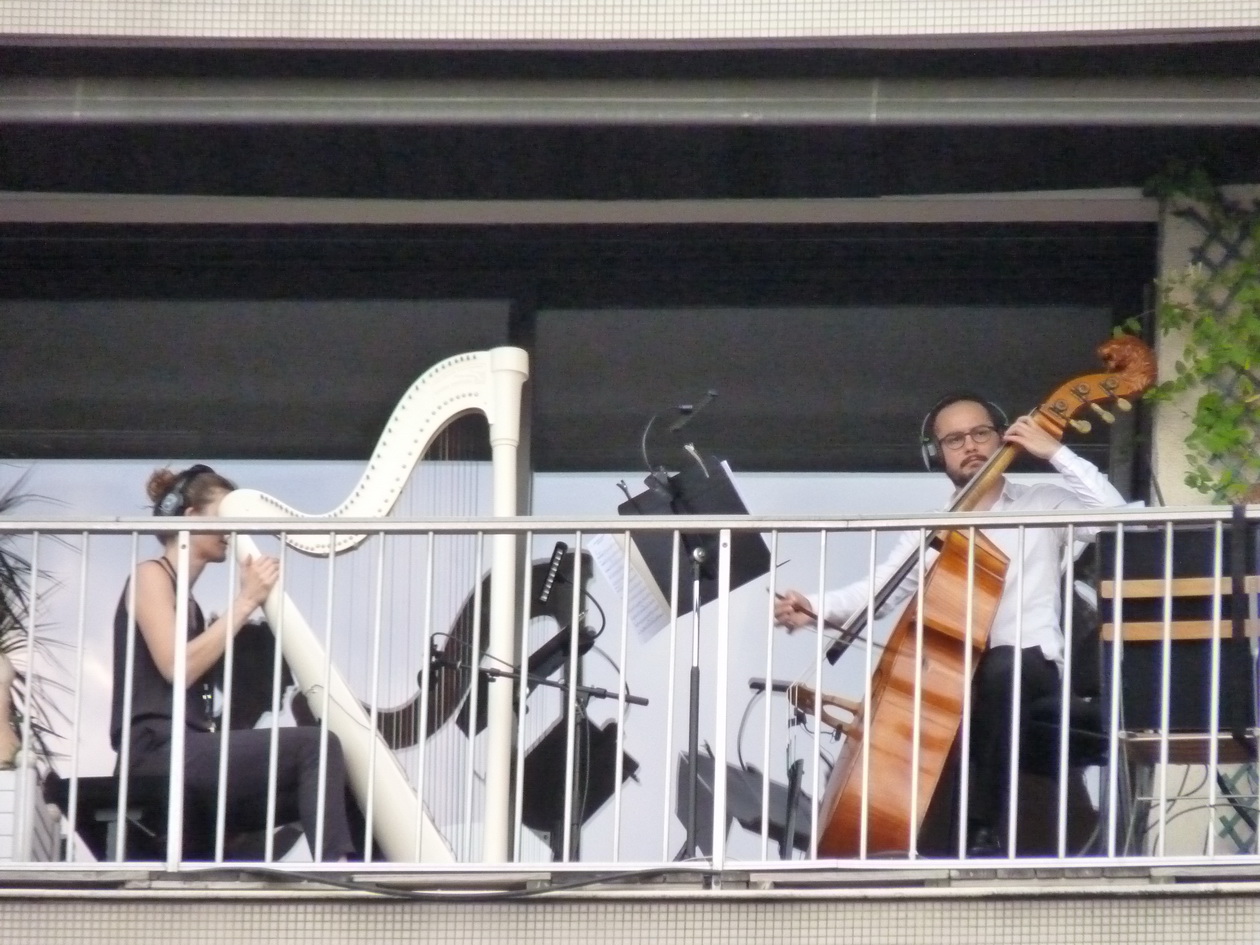
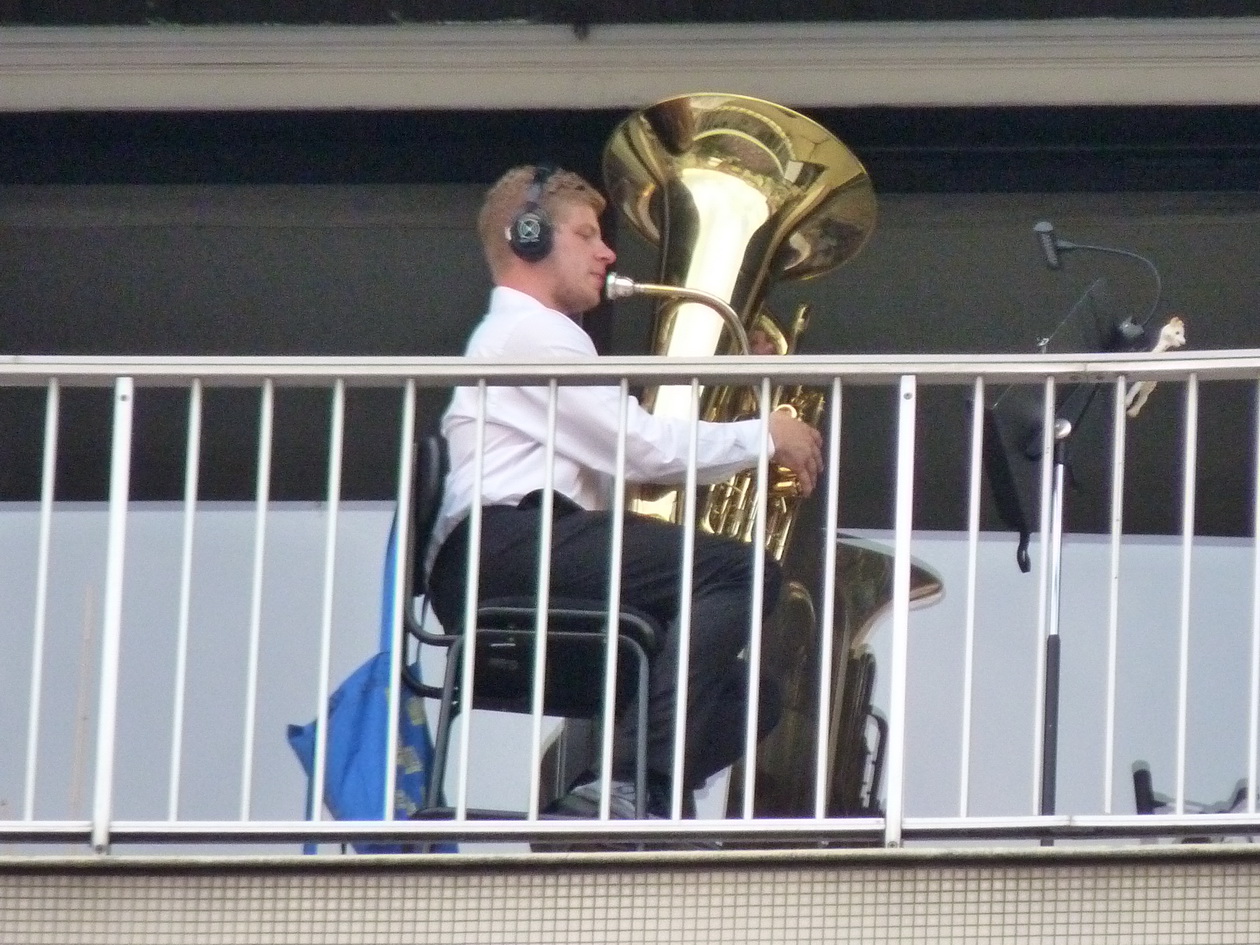
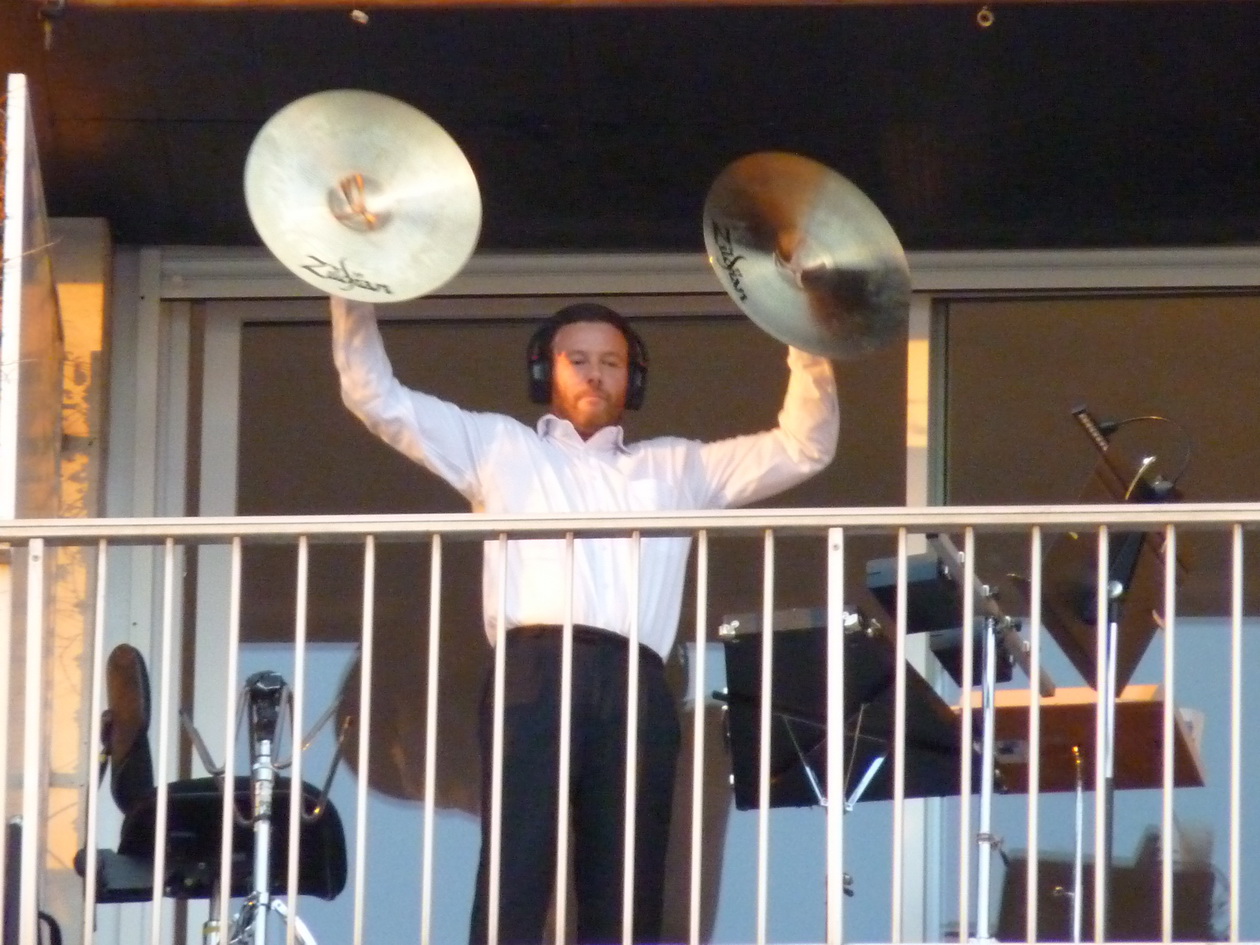
The theme of this grand public musical activity was "The Paris Chamber Orchestra in Dialogue with a Building." This imaginative event was conceived by Pierre Sauvageot, an unconventional composer and the current artistic director of the orchestra. The event took place at a curved building in the square of Aligre, one of Paris’s oldest traditional markets (located near Bastille, it is the most accessible and affordable market, offering meat, produce, daily necessities, and a flea market). The apartment building has nine floors and nearly one hundred apartments. The orchestra musicians were evenly distributed across the small balconies of each floor, individually or in pairs, mixed among the residents.
Each musician wore headphones, guided by the conductor at the central sound control hub in the square core. They performed Sauvageot’s "Grand Collection," initiating an extraordinary musical dialogue with the building. Interspersed within the classical or modern melodies were electronic music and sounds of domestic life in the apartment block: ringing telephones (as part of the dialogue), baby laughter, sounds at the dining table, TV programs, casual home conversations, opening doors and windows, doorbells, greetings in various languages (reflecting the diverse nationalities of the residents), teenagers’ chatter, and the noise of the market outside the windows. Through these fragmented sounds depicting the domestic scene of a Parisian apartment building, the music engaged in over an hour of lively dialogue with the sounds of daily life. Amidst the musical melodies and the rhythm of everyday vocabulary, imagination and entertainment flowed, leading to a night that will be unforgettable.