Giverny — A Pilgrimage to Monet’s Garden
Monet once said, "My most perfect masterpiece is my garden."
Text and photos by Chen Chi-Hsiang. Giverny — The Holy Land of Impressionism: Giverny is a typical small rural village in Normandy on the west coast of France, lush and green, with clear mountains and beautiful waters, picturesque scenery, winding through the Seine River, entering the sea at Saint-Lazare, backed by bright hills, in the poetic pastoral landscape, every scene is like an excellent Impressionist landscape painting, every corner full of poetry. Monet once said: "The natural beauty of the small rural village of Giverny fascinates me," showing that Monet's settlement here was not without reason.
This quiet and peaceful small rural village of Giverny is not famous for producing any special products, but for being the late residence of Monet, the father of Impressionism. Monet created the world-famous Water Lilies and vibrant garden painting series here. This vibrant garden, open only 7 months a year, confuses people so much, attracting more than 4 million Impressionist pilgrims from all over the world, which is truly unimaginable.
The Monet Foundation in Giverny is a double memorial place for Monet personally, first is the life memorial of the painter himself (house, studio, vibrant garden), second is the commemoration of his painting journey (settled here from the age of forty-three until his death, this period of most mature works were completed in this area), especially his most famous haystacks, Rouen Cathedral, water light illusion Water Lilies large series and charming landscape paintings... etc., are Monet's most important masterpieces in his later years.
Projection of Artistic Spirit — Home: Monet's warm home is located in the vibrant garden, belonging to the middle-class independent large house, the main entrance, on the left is a spacious and comfortable large living room, also the studio before 1915. On the walls are displayed Monet's paintings from various periods (all replicas), where Monet created and received guests. On the right is a generous yellow dining room, under bright and soft light, highlighting the Japanese Ukiyo-e prints on the wall. Next to the dining room is a blue-toned kitchen, covered with eye-catching blue tiles, with pots and pans of various sizes hanging orderly on the wall, arranged next to the Ukiyo-e prints. Upstairs, several rooms, bedrooms, lounges, spacious and comfortable rooms, display various Monet family memorabilia and photos.
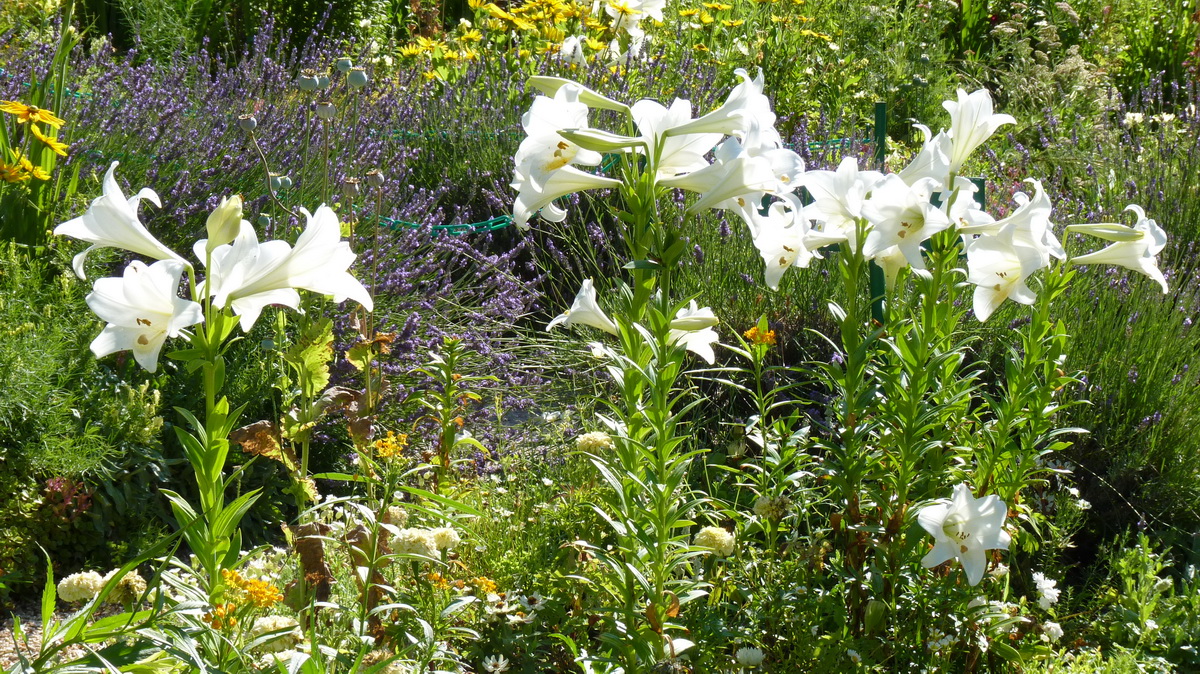
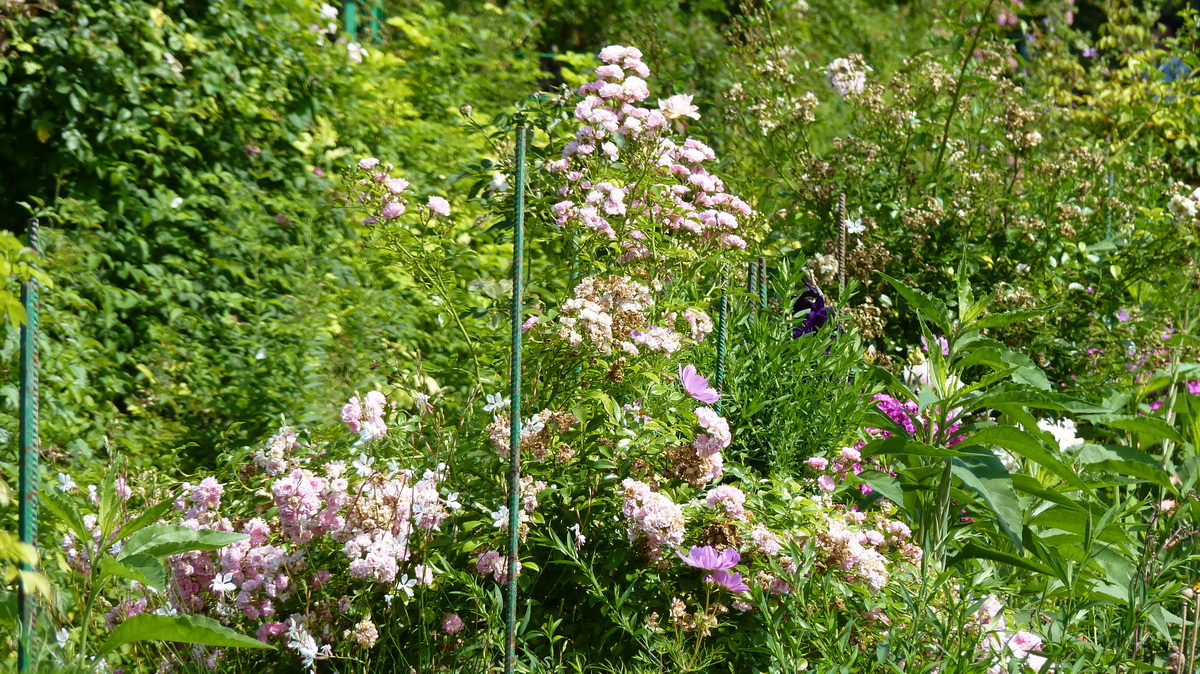
Masterpiece of Art — Garden: Monet once said: "My most perfect masterpiece is my garden." Indeed, this garden with grass aslush green, flowers displaying their beauty, colorful, water light illusions, poetic and picturesque, is the projection of the artist's spirit, especially under his painting-like management, becoming the incarnation of art itself, when people experience it, they can better understand Monet's painting art.
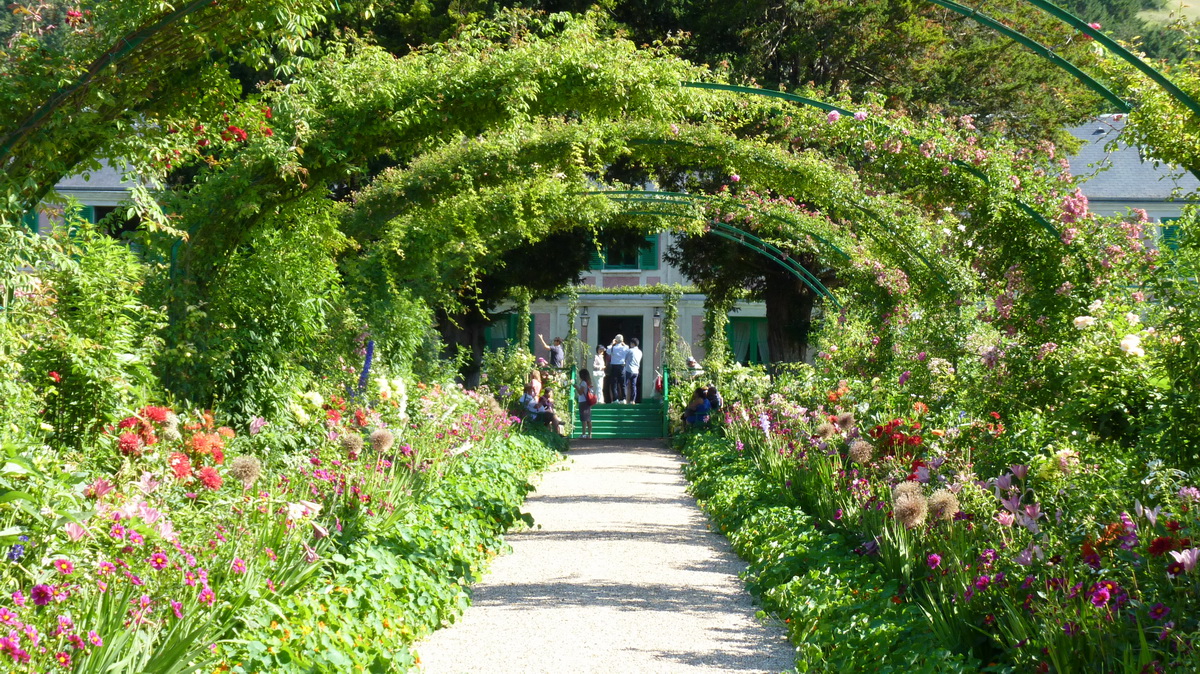
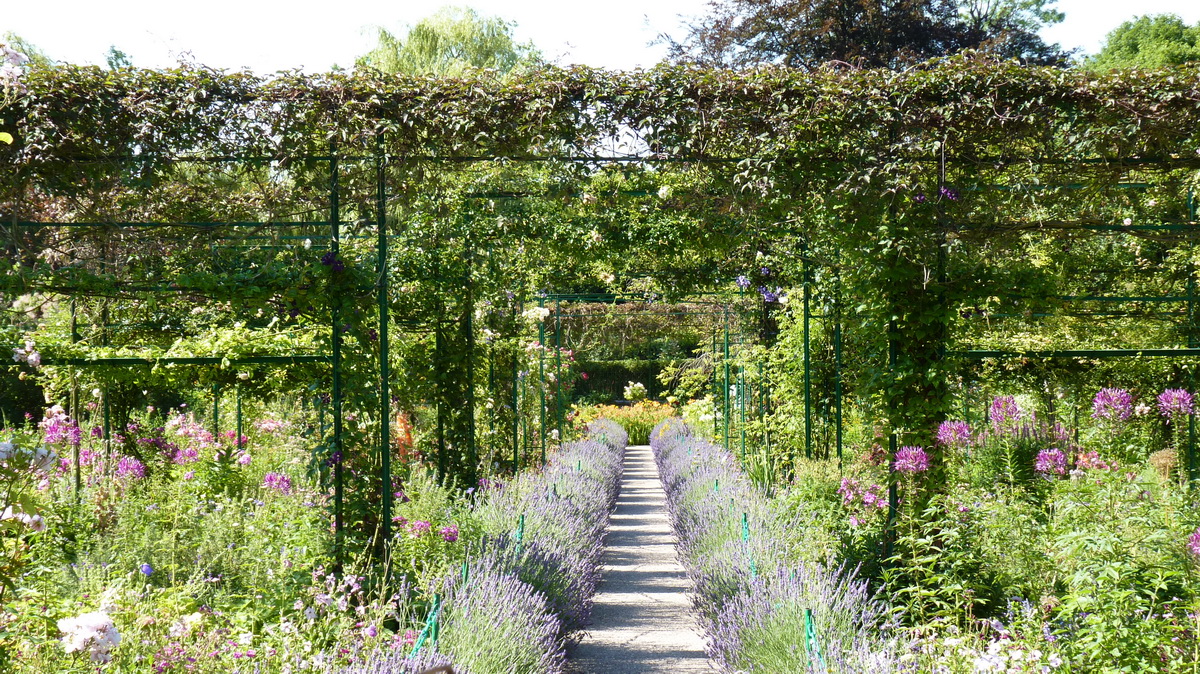
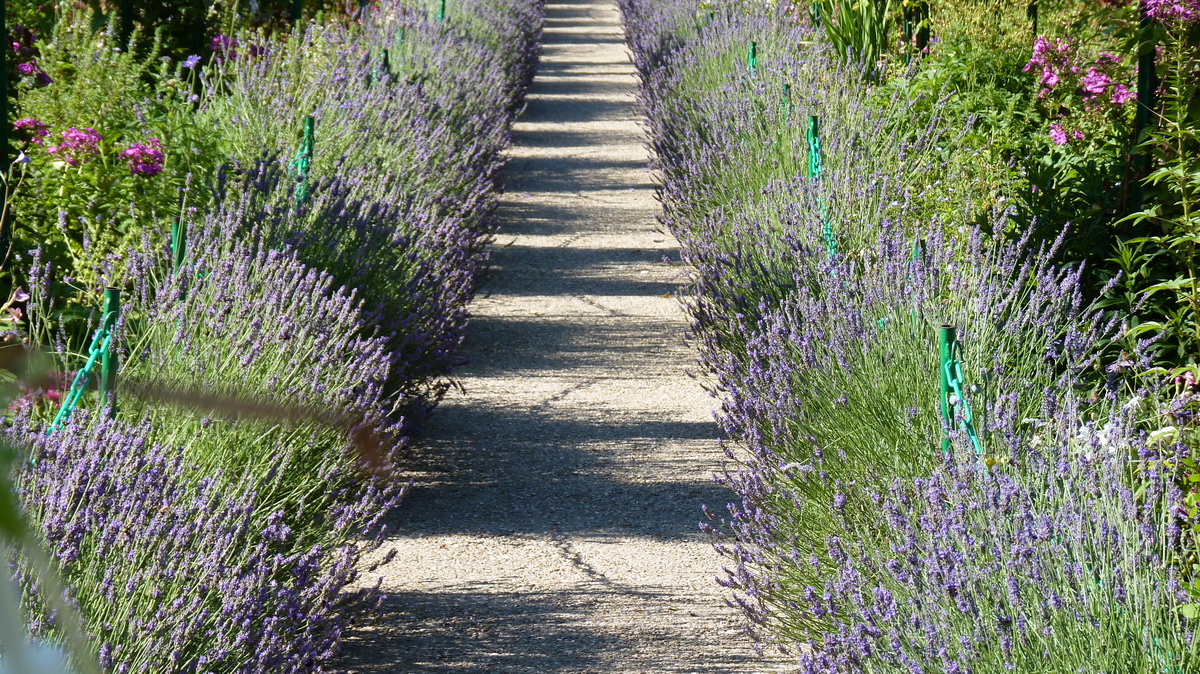
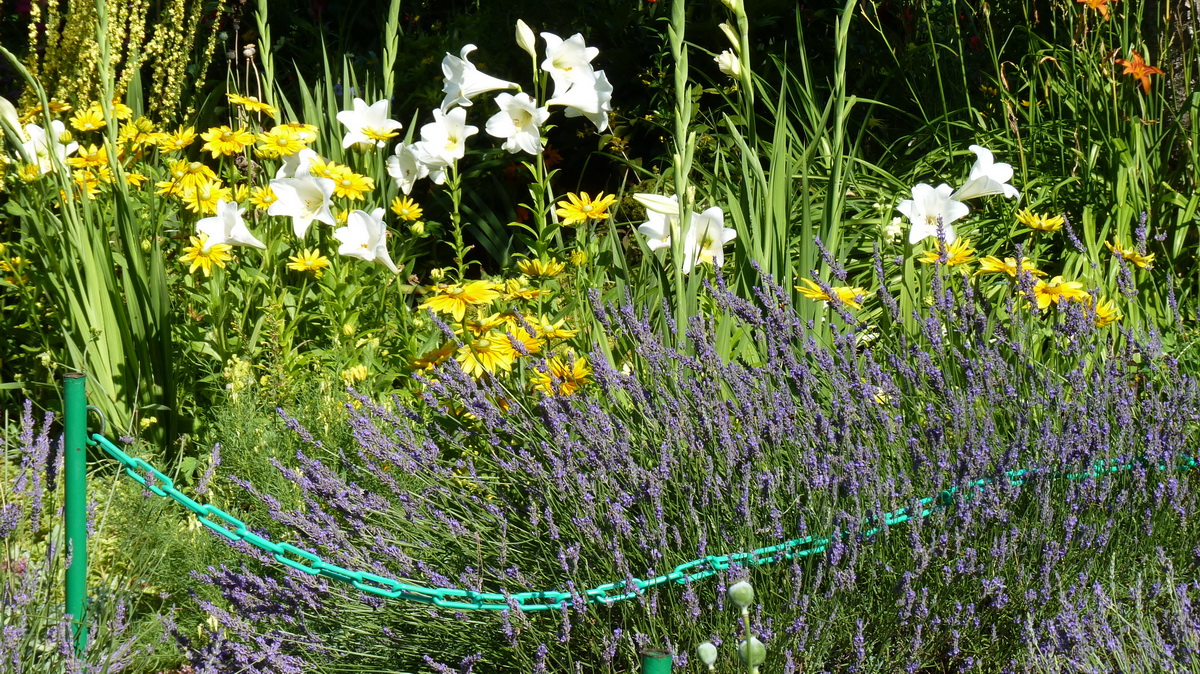
The front yard (garden) of Ode to Flowers, also known as the Land Garden, is poetic and picturesque, with the house (main gate) as the axis, a path of lush green trees in front, strictly divided into two vibrant seasonal flower beds on the left and right. Under the orderly arrangement, in the rhythmic seasonal flower and plant forms, colors and volume structures, poetic and picturesque, pleasing to the eye, like a sculptural art — painting world, if Wang Wei's artistic conception of "poetry in painting, painting in poetry", this place becomes "painting in the 'flower' garden, 'flower' garden in the painting". That series of flower beds framed between low fruit tree green hedges and some vigorous fruit trees (apples, pears, plums), and a few Japanese cherry trees, whenever spring comes to the earth, brilliant and dazzling, and thegorgeous and delicate tulipsin large patches under the trees, constitute a mesmerizing sea of flowers,breathtaking。 In the summer praise of gentle breeze and sunny days, pieces of flowers displaying their beauty, colorful comprehensive flowers, so beautiful that people dazzle, whenever the autumn sky is high and crisp, full of poetry, pieces of bright and dazzling autumn chrysanthemums, really charming. All full of seasonal climate rhythm visualaesthetic appeal, making people linger and forget to return.
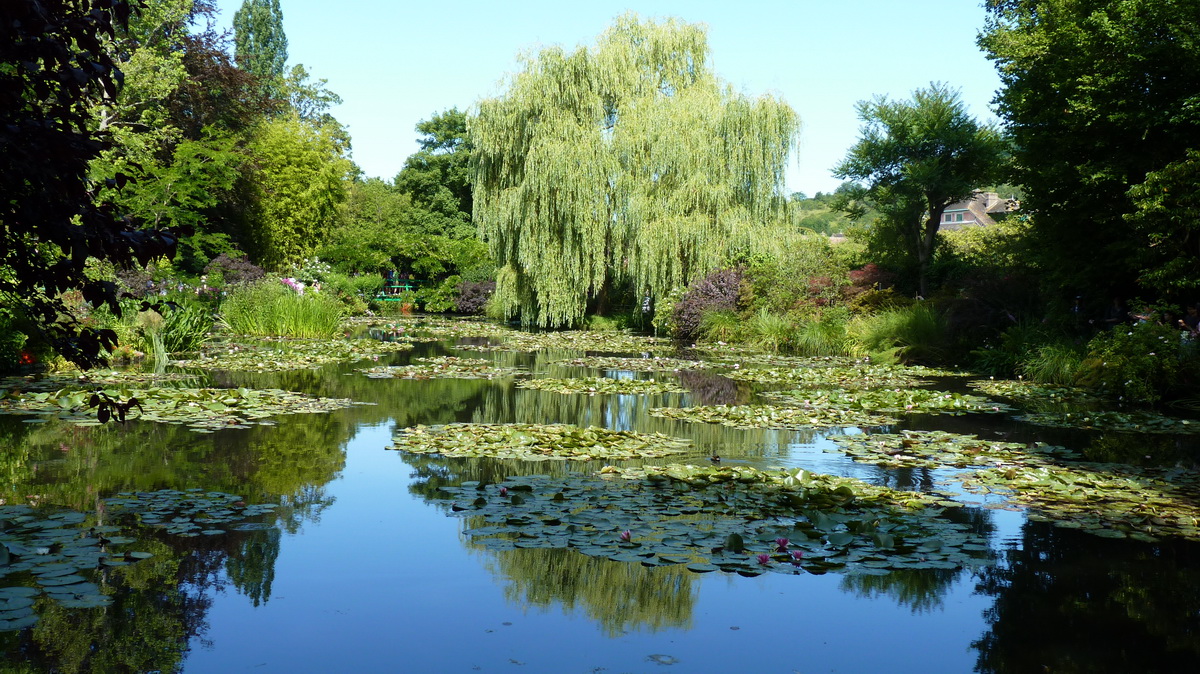
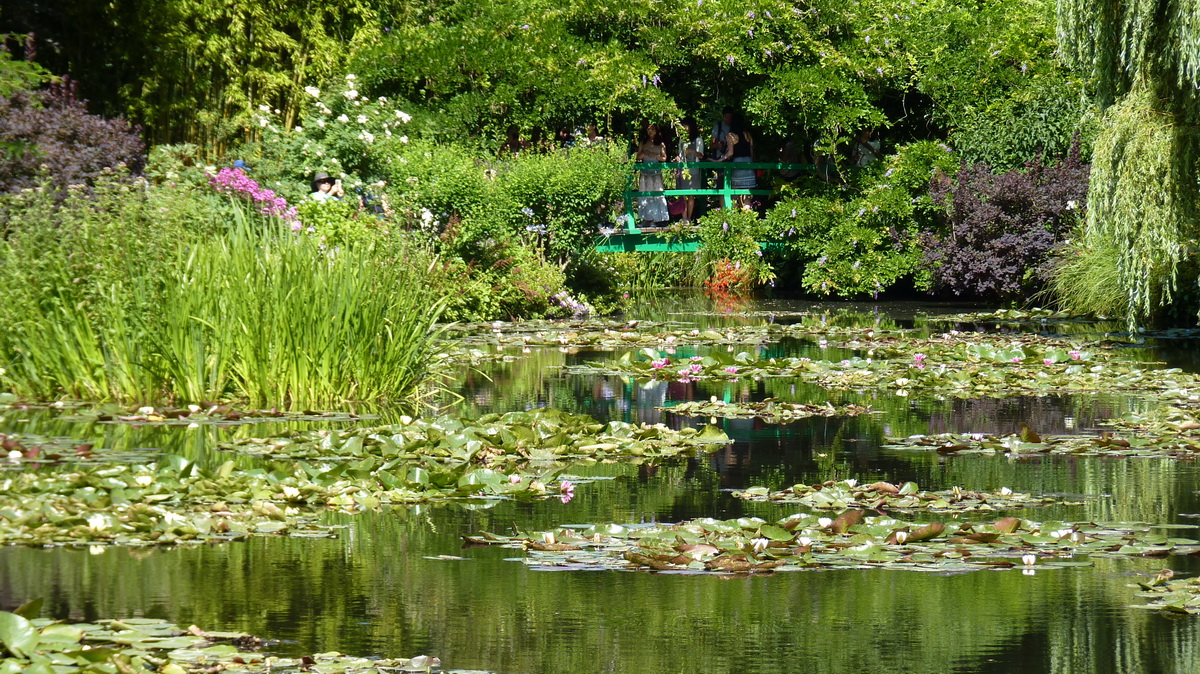
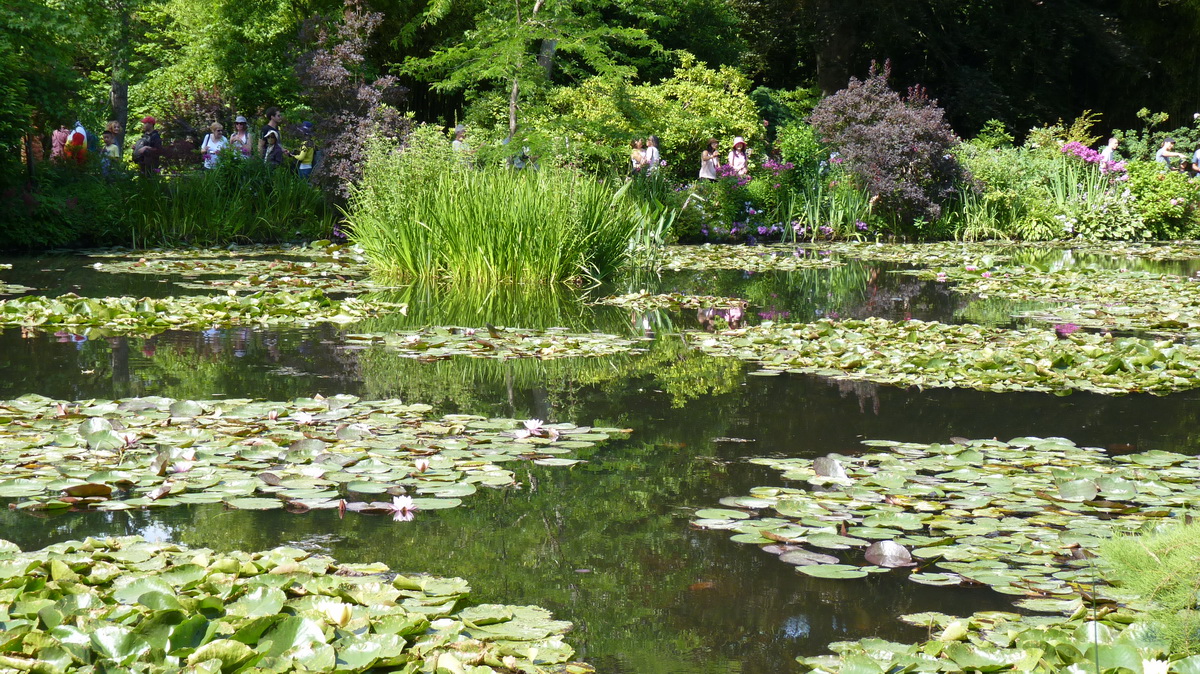
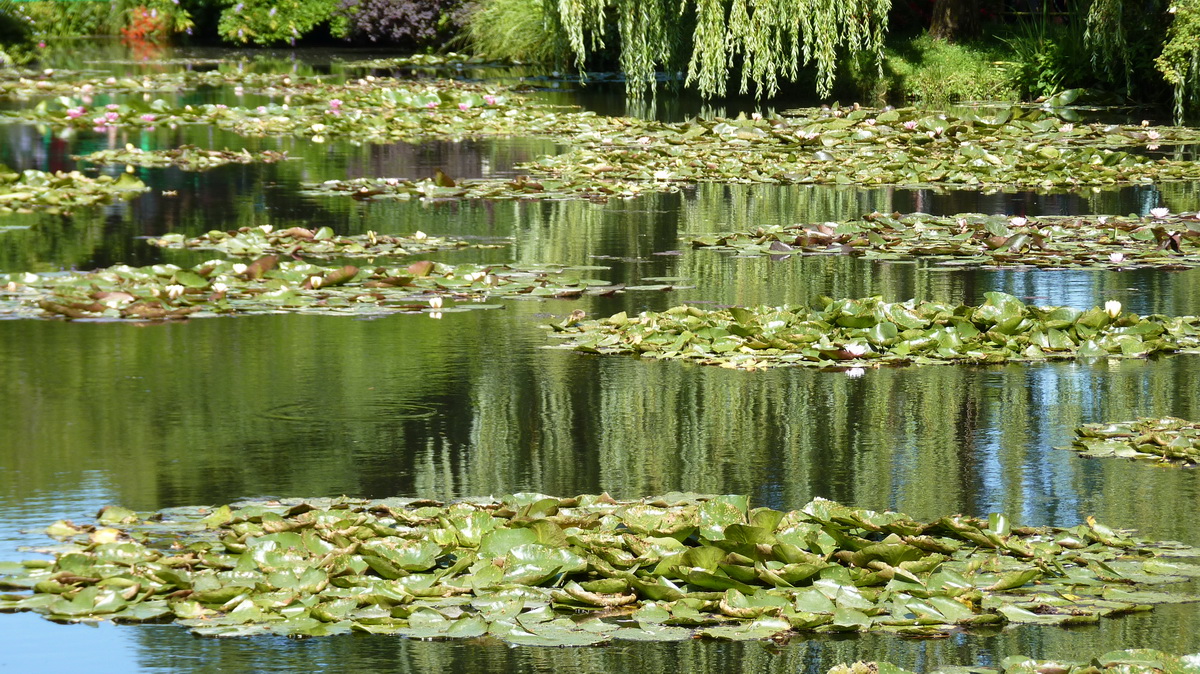
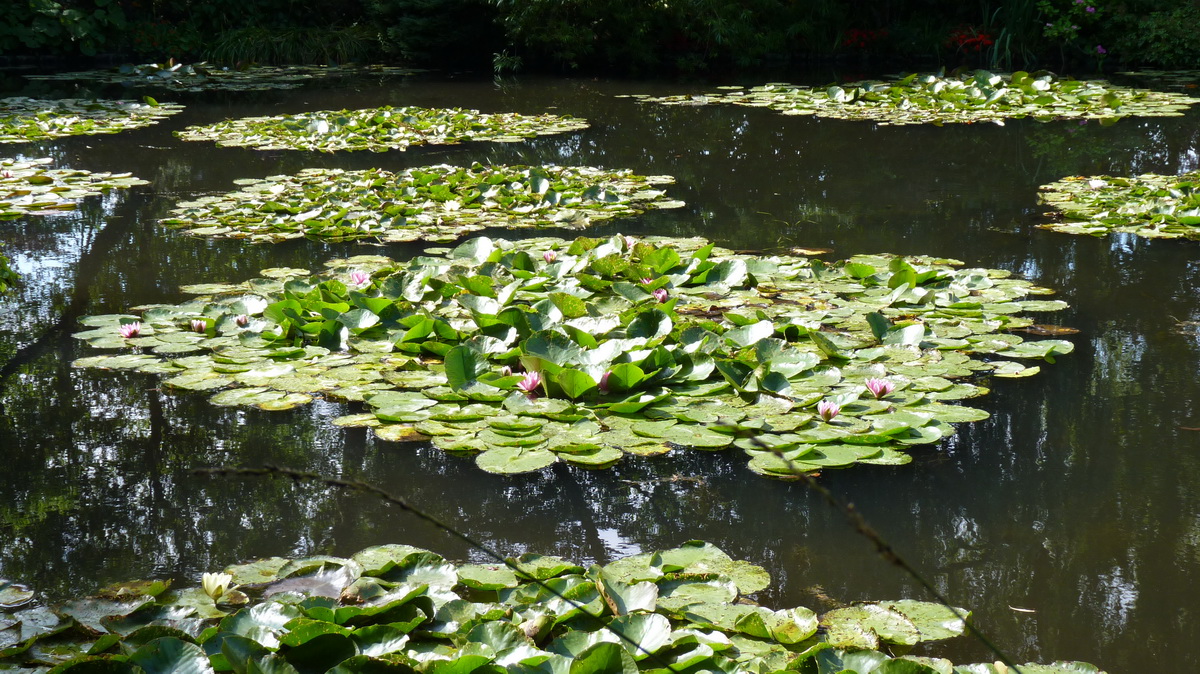
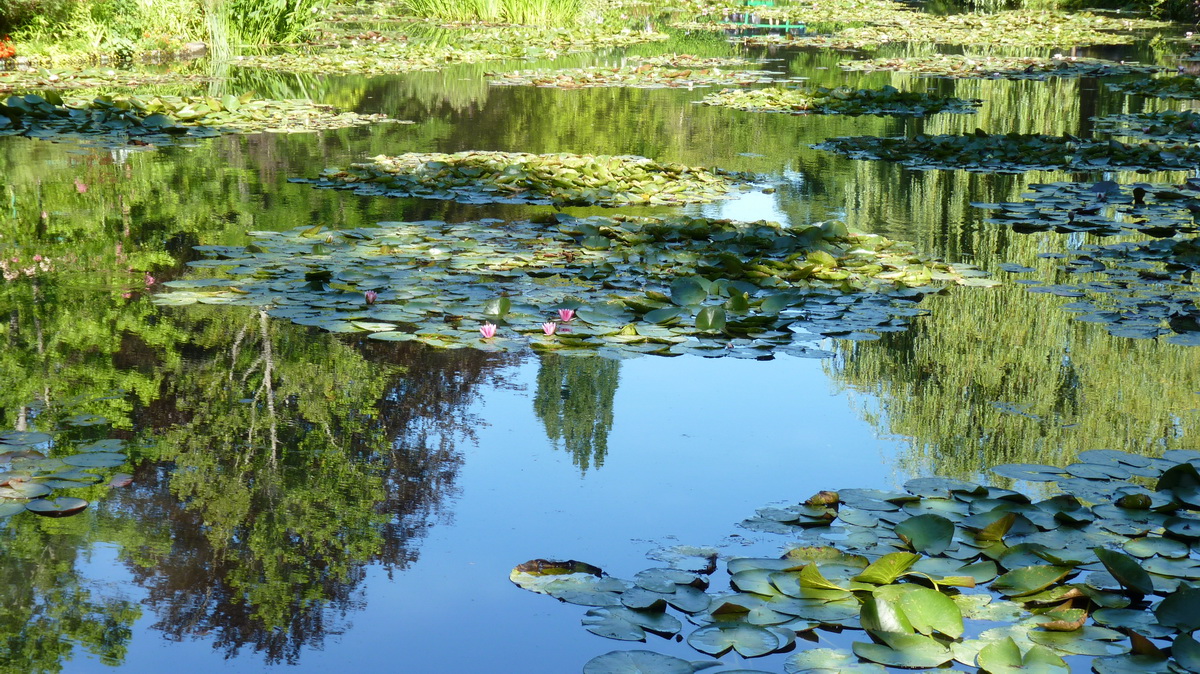
When people have seen Monet's late Water Lilies series masterpieces at the Orsay, Marmottan Museums, especially at the Tuileries Orange Garden Museum, they will immediately think of Monet's poetic Water Lily Pond. So! Through the underground pedestrian tunnel, one can arrive at Monet's famous Water Lily Pond, to secretly explore the true face of Monet's painted lotus pond, a Japanese bright red small wooden bridge covered with wisteria, this is exactly the concrete presentation of Monet's longing for Eastern aesthetics. The water light illusion pond, clear as a mirror, vividly reflecting natural beauty, in its dual visual forms and volumes, reveals profound space and imagination. Poetic water surface, lotus emerging from clear water, full of natural charm, grass aslush green by the pond, a few lush weeping willows, maple trees, thin bamboo, water swallow tail, poppies, vibrant rose bushes, colorful and vigorous. On the pond a Japanese small wooden bridge with exotic flavor, covered with lush wisteria, whenever spring is swirling, flowers displaying their beauty, extremely charming. Poetic and picturesque pond, every scene is a Monet color painting masterpiece, every corner permeated with a sense of poetry, enjoying a rich visual feast, roaming in Monet's artistic world, immersing in Monet's painting art world, is it not happy! (Monet's Garden opens annually from April 1 to October 30, 10 am to 6 pm, closed on Mondays)