Tuileries National Orangery Museum—Monet’s “Water Lilies” Masterpiece Series
Monet’s famous “Water Lilies” masterpiece series is housed in two spacious oval exhibition halls on the first floor of the Tuileries National Orangery Museum.
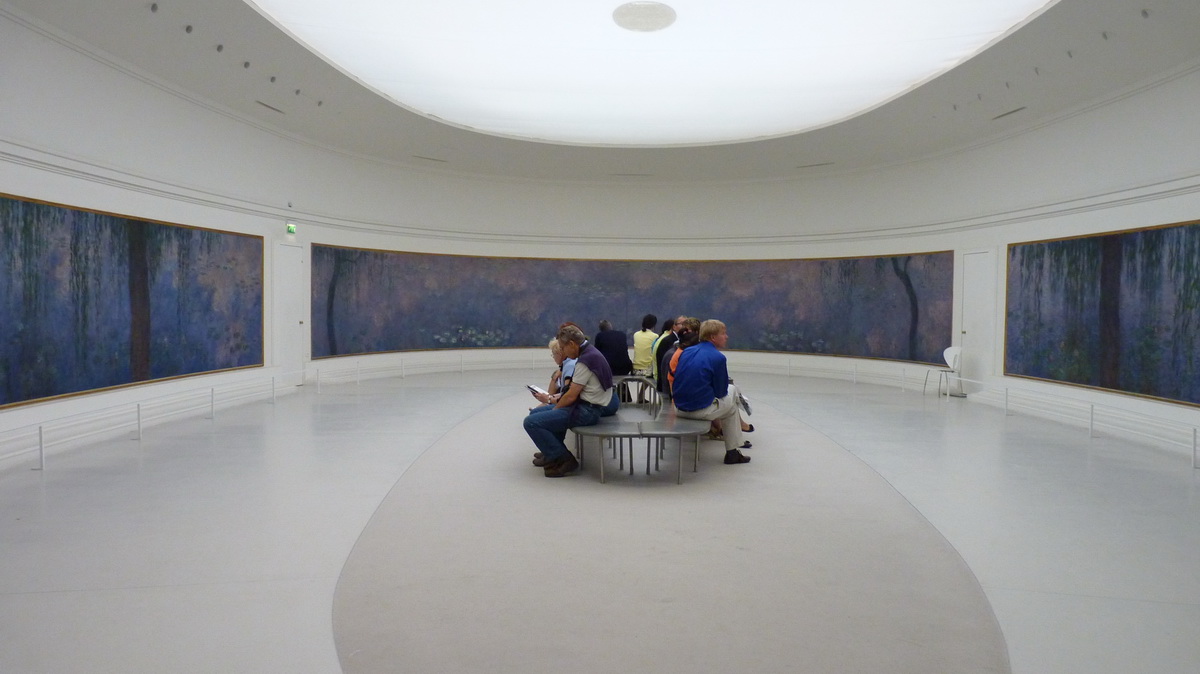
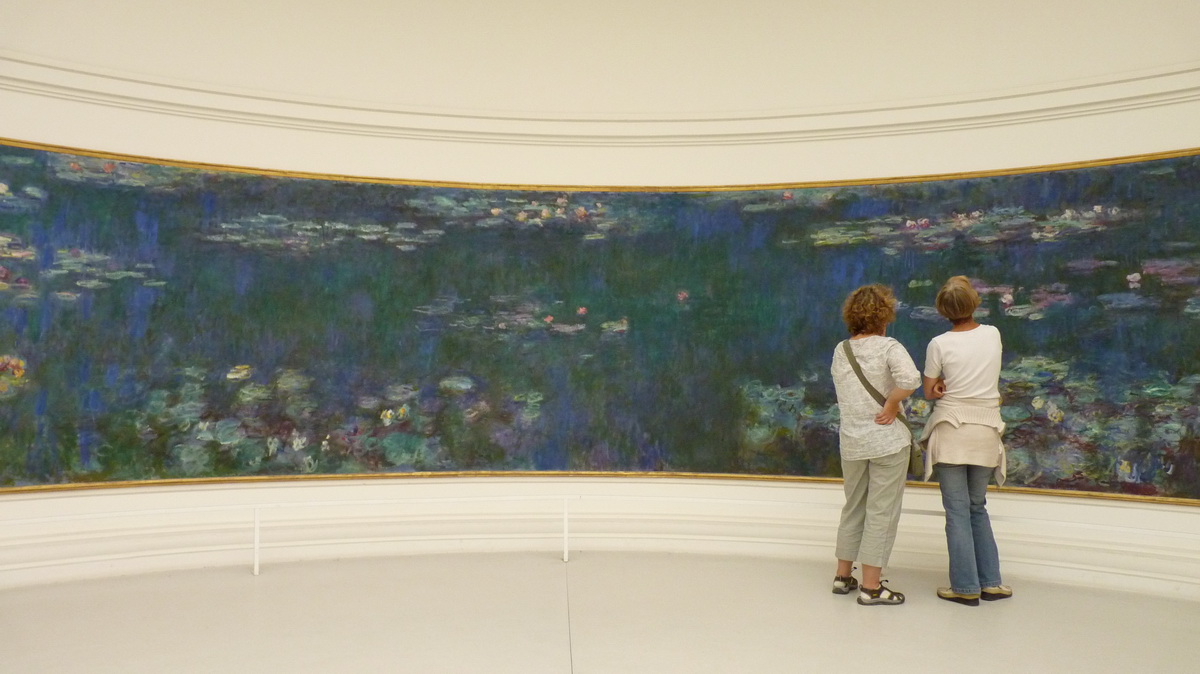
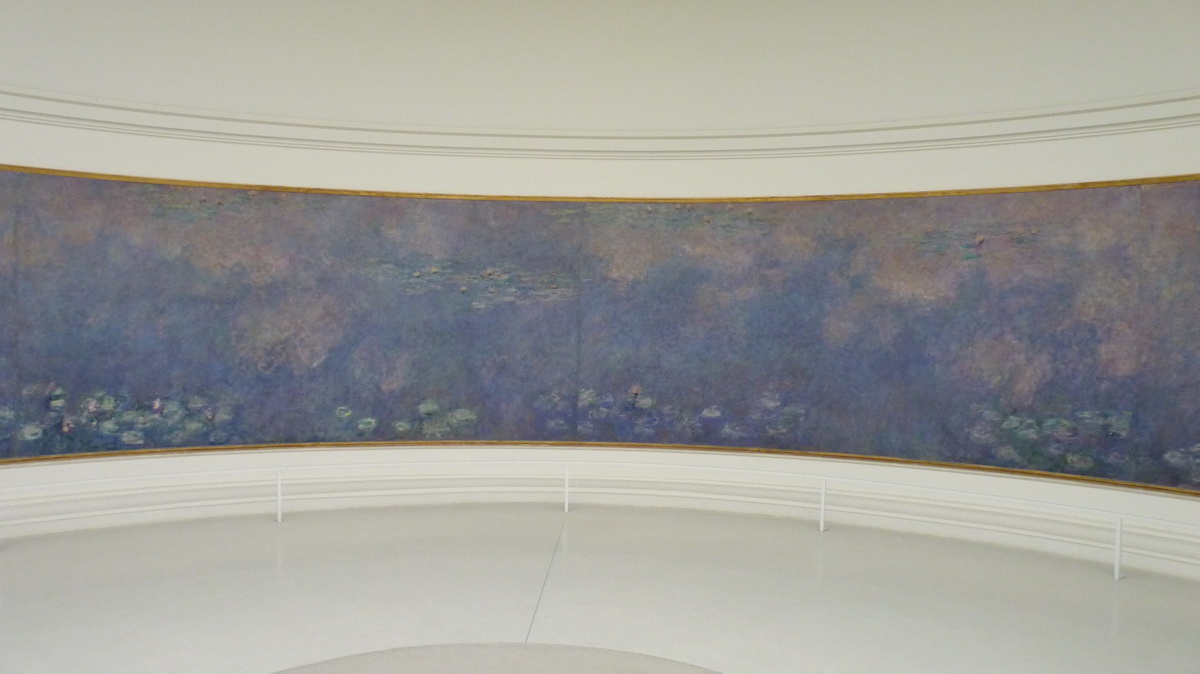
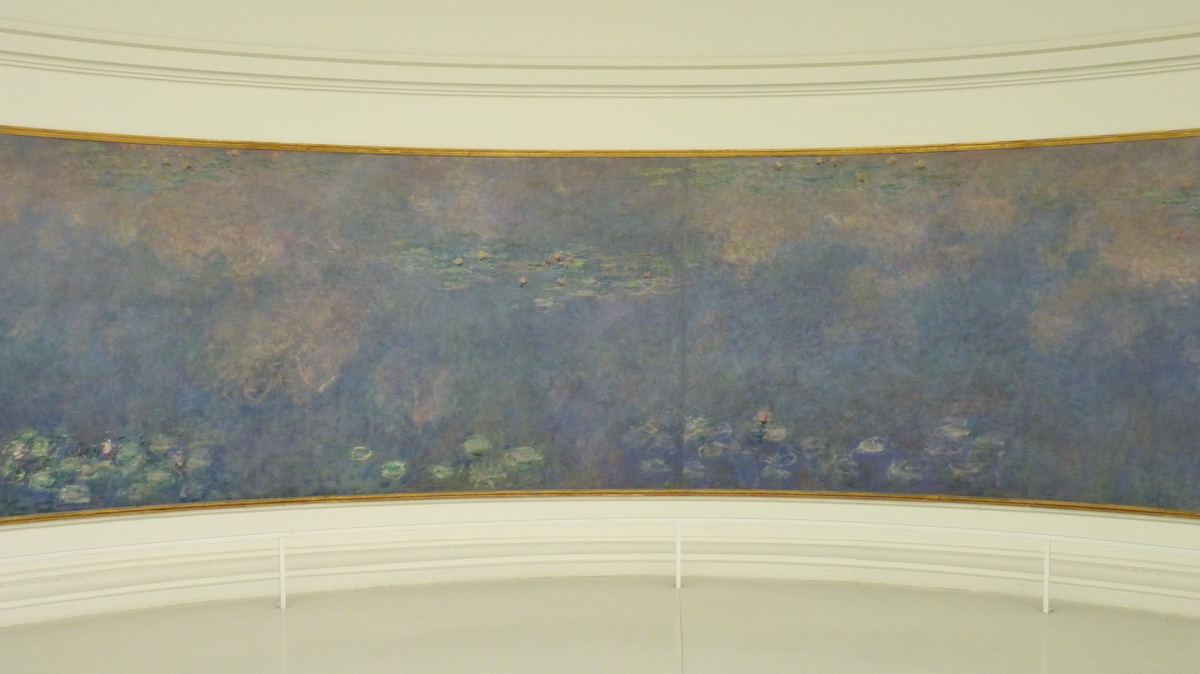
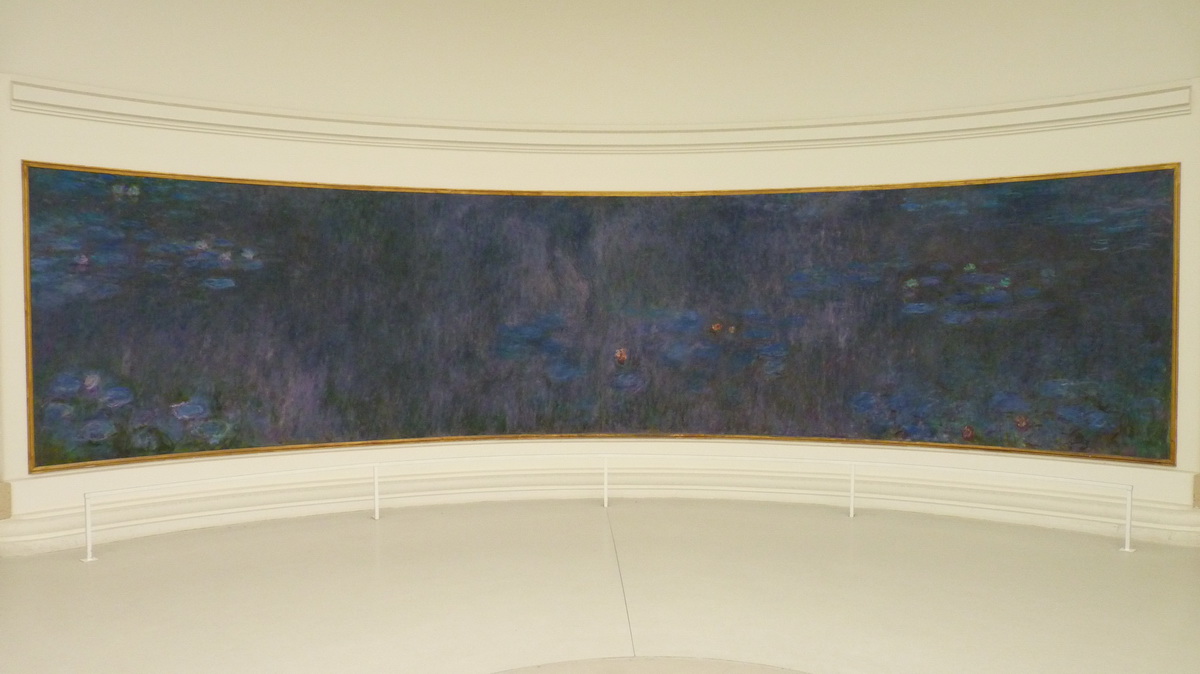
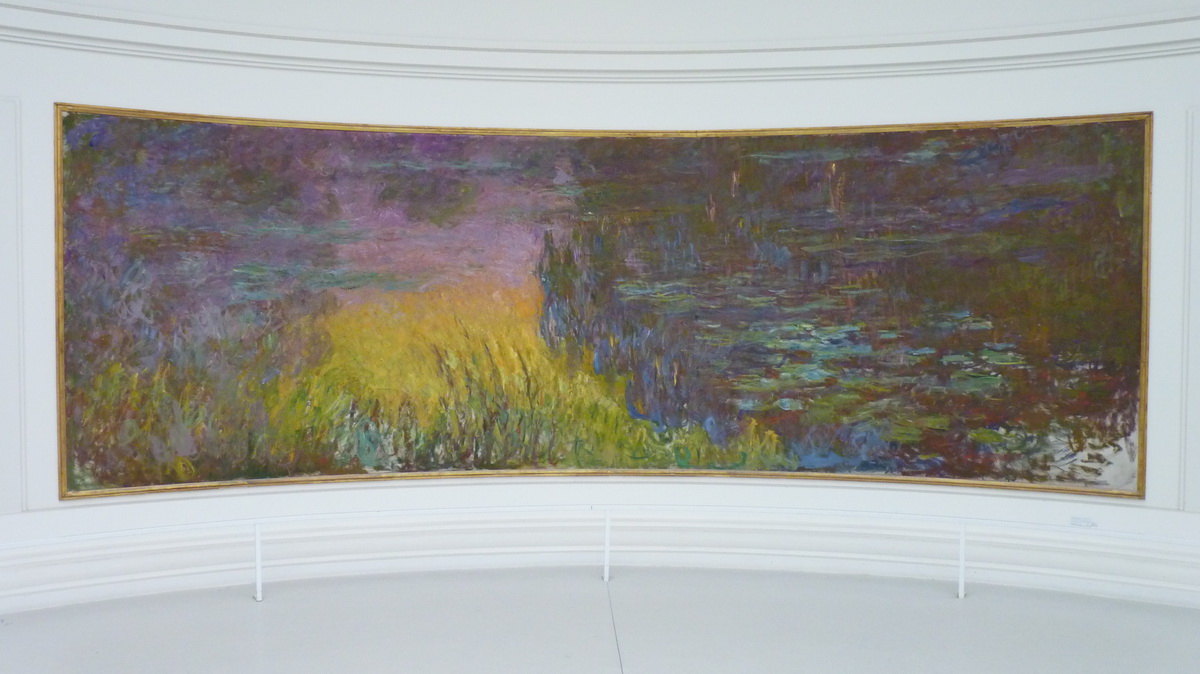
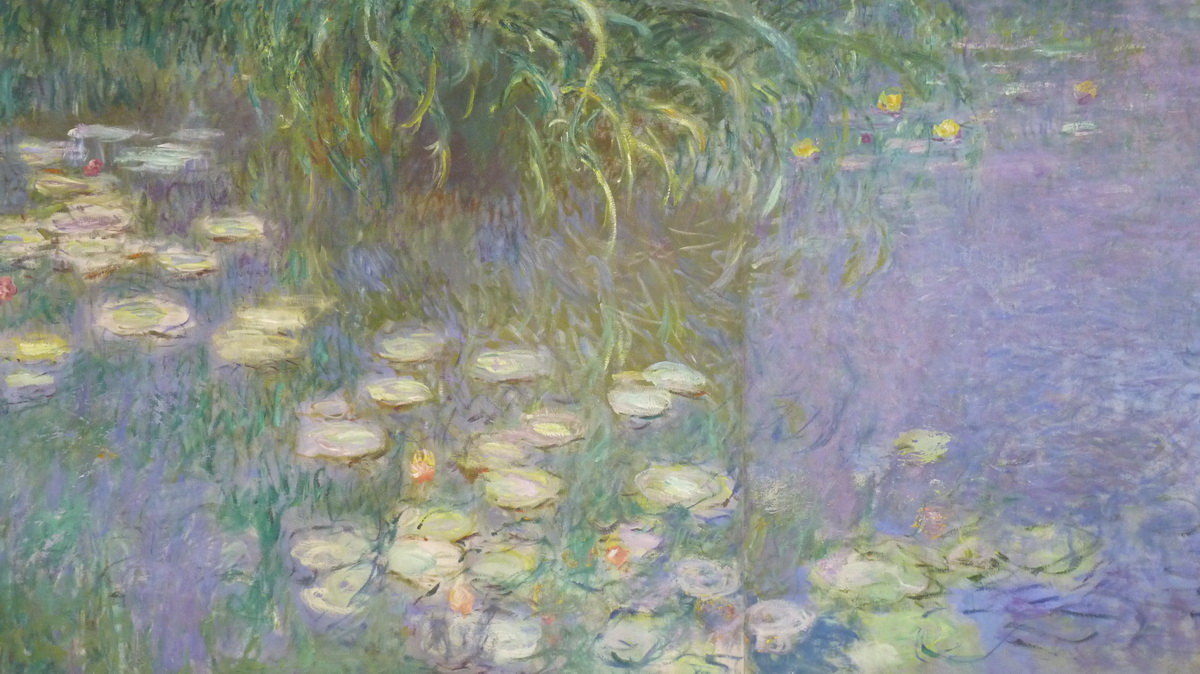
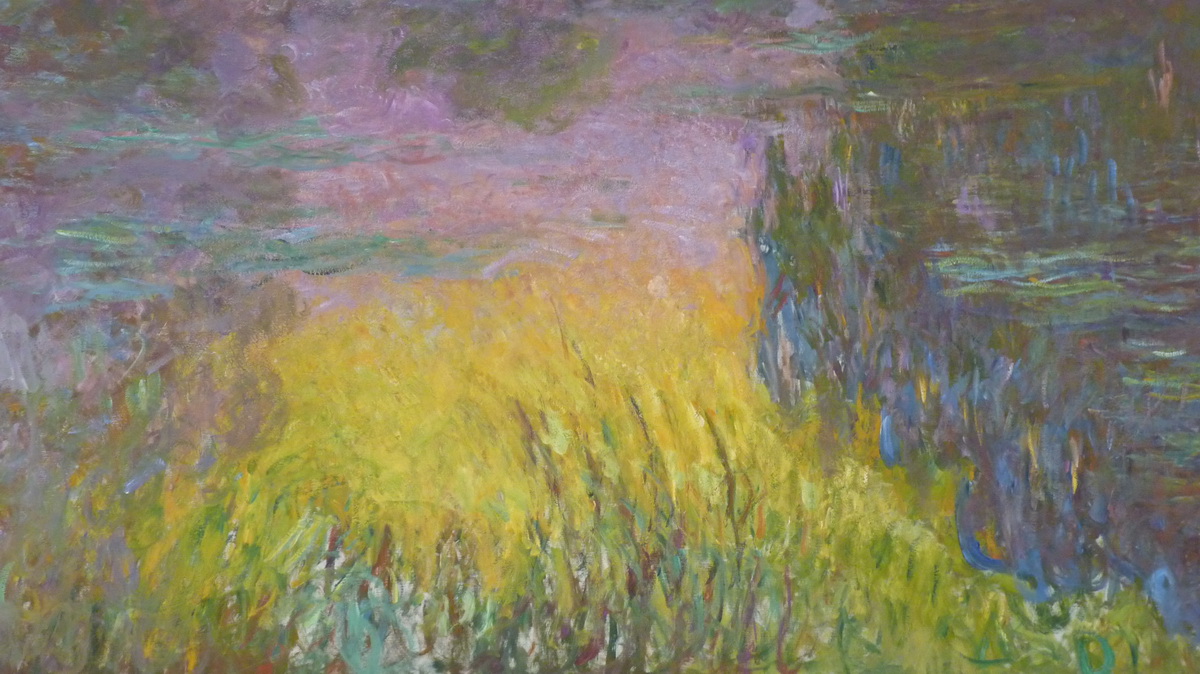
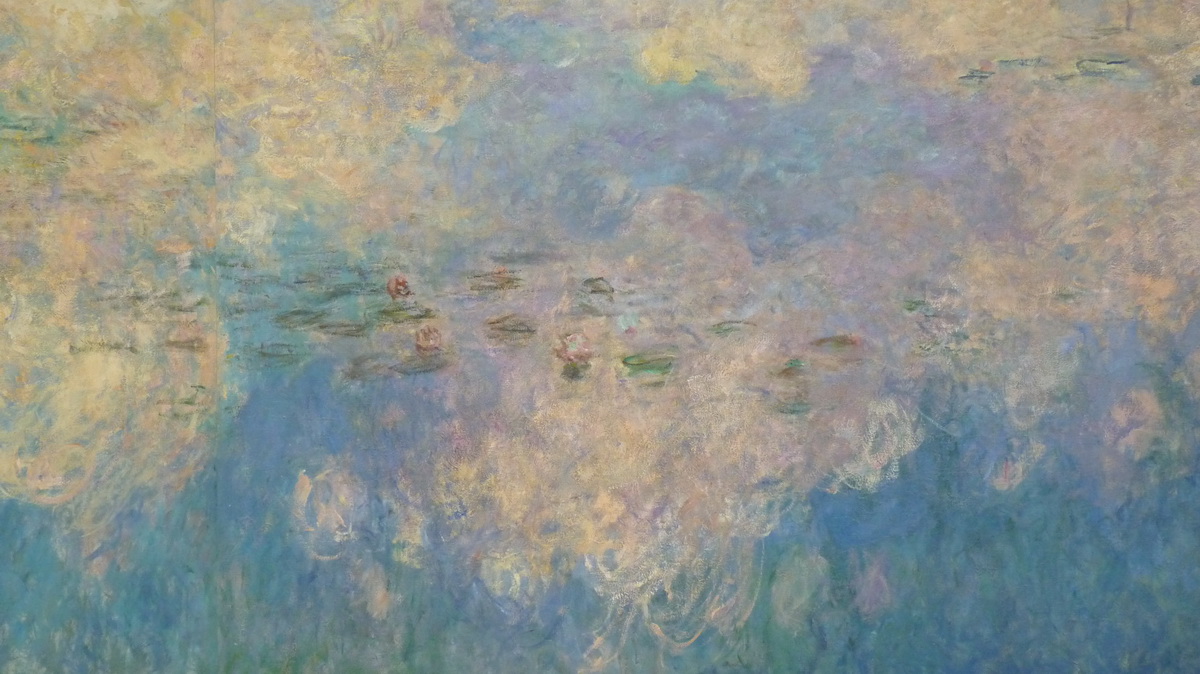
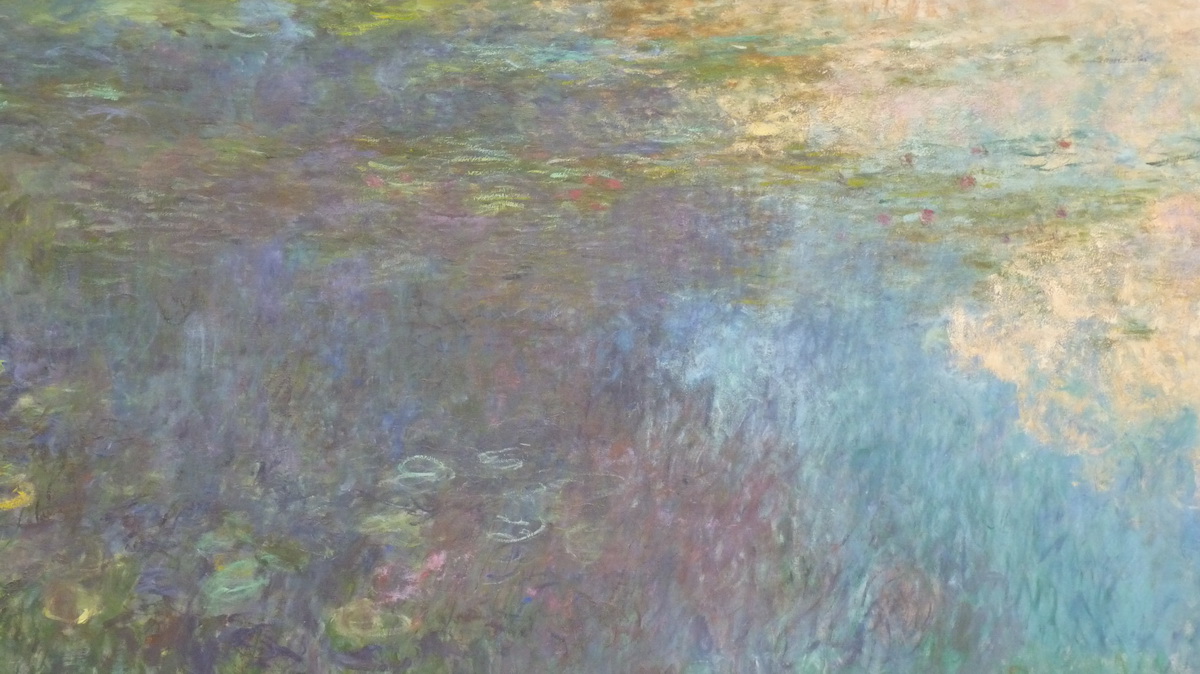
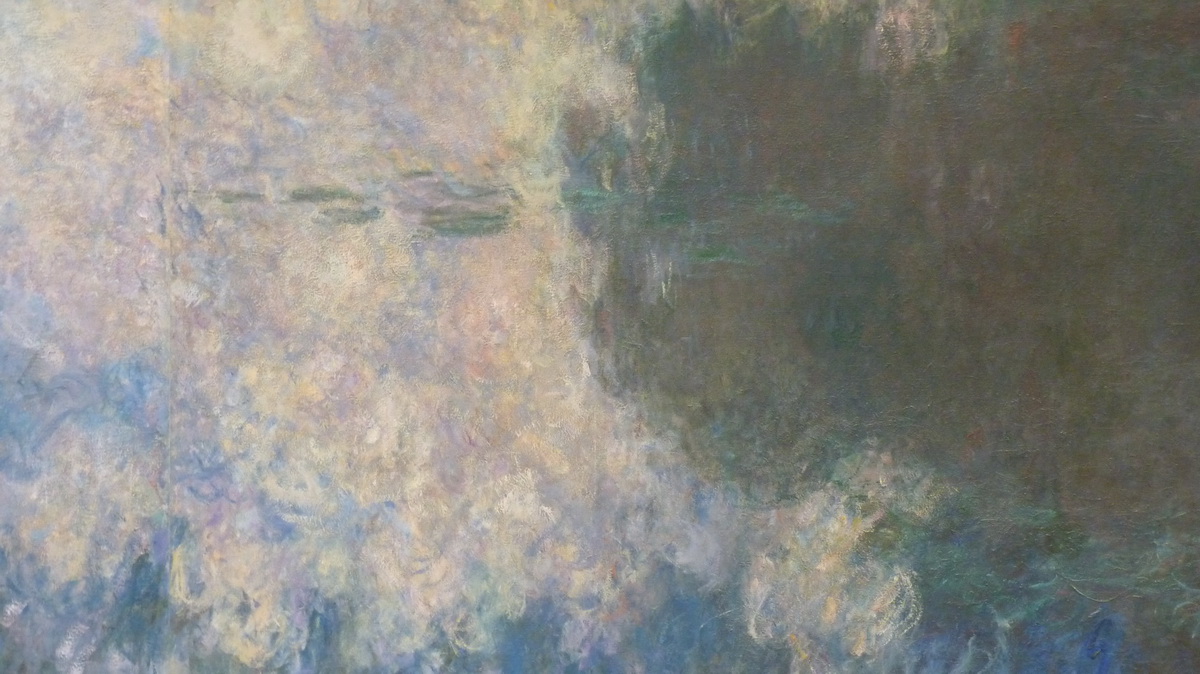
Text and images by Chen Chi-Hsiang. The world-renowned late-period “Water Lilies” masterpiece series by Monet is housed in two spacious oval exhibition halls on the first floor of the Tuileries National Orangery Museum. This “Water Lilies” series represents the essence of Monet’s lifelong creation, opening the door to abstract painting in the new century as a pivotal series that connects the past and future. On November 11, 1918, the day of peace marking the end of World War I, Monet decided to donate this series to his country, France. According to his estate, the exhibition of these “Water Lilies” could only open after his death (in 1926), finally launching its permanent display at the Orangery on May 27, 1927.
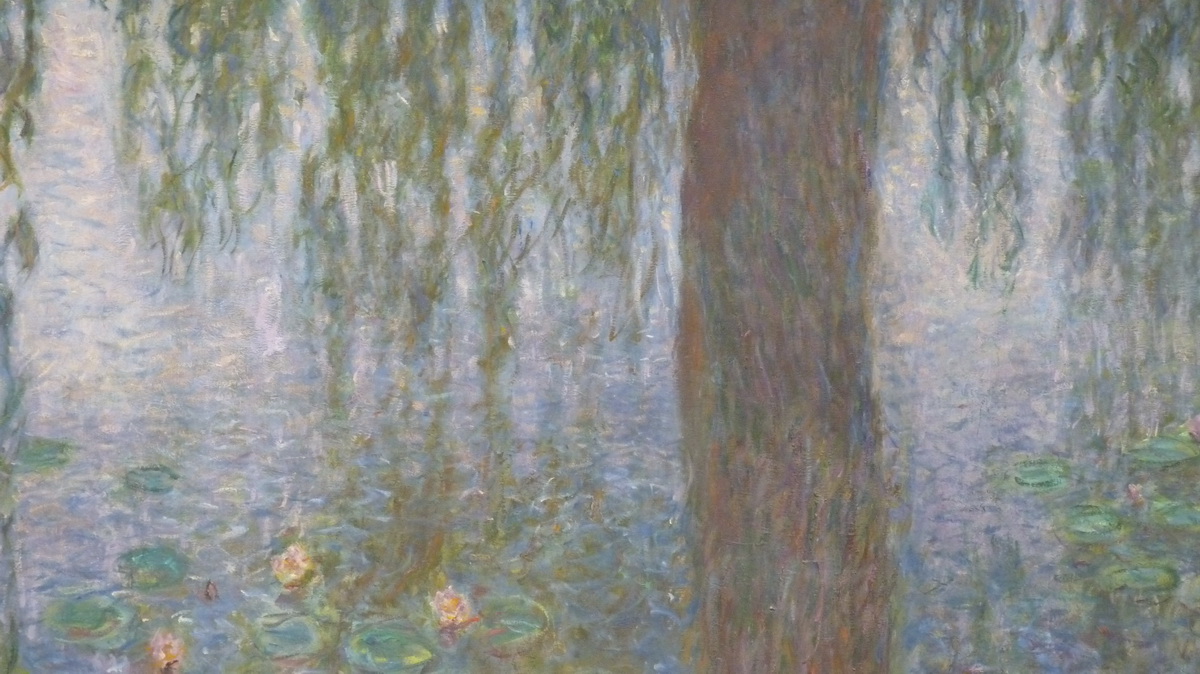
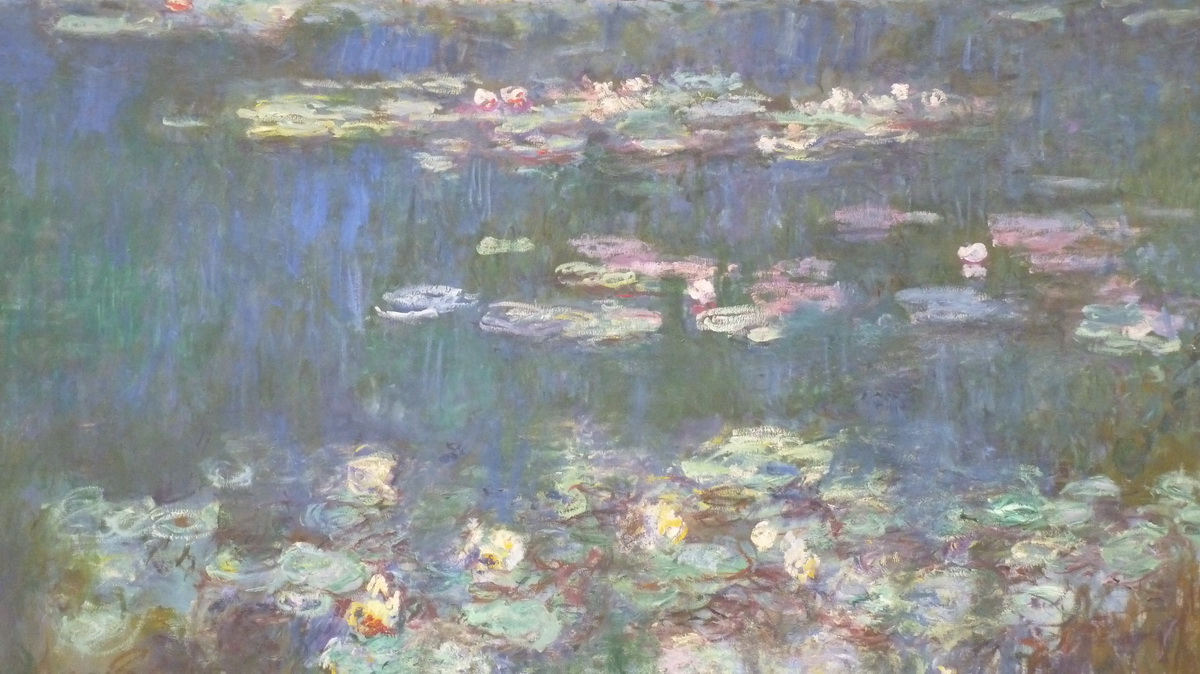
The creative inspiration for Monet’s “Water Lilies” masterpiece series came from the water lily pond in his Giverny garden. The painter once said, “My most perfect work is my garden.” Indeed, there are paintings within the garden and gardens within the paintings. This lush, colorful, and picturesque garden, with its grassy lawns, blooming branches, and shimmering reflections, serves as a projection of Monet’s spirit. Starting in 1893, Monet focused on painting the pond, concentrating on the scenery and reflection effects above the water, attempting to unveil the veil of lotus flowers resting quietly amidst the light and shadows. To create this series, he built a large studio specifically in 1905. These eight monumental canvases, resembling cinematic panoramic screens, are Monet’s most iconic representative works. Ranging from figurative to semi-figurative, non-figurative, and even abstract, they feature bold forms, subjective colors, and expressive brushstrokes swirling between blue and green tones.
The natural scenery and light reflections on the pond exist between the figurative and non-figurative. Willow trees and flowers often serve as foreground elements, expanding the boundless space. Sometimes, rough contrasting colors accumulate into shapes floating on deep blue reflective surfaces, extending infinitely through time and spatial reflections. From a distance, the specific forms of flowers and plants are clear; up close, each stroke reveals its expressive quality. At times, one might wonder: Is this really water lilies? No, it is a painting. The painting no longer has a subject, because painting itself is the subject.