Kang Mu-Xiang – Taiwan’s Most Explosive Sculptor Today
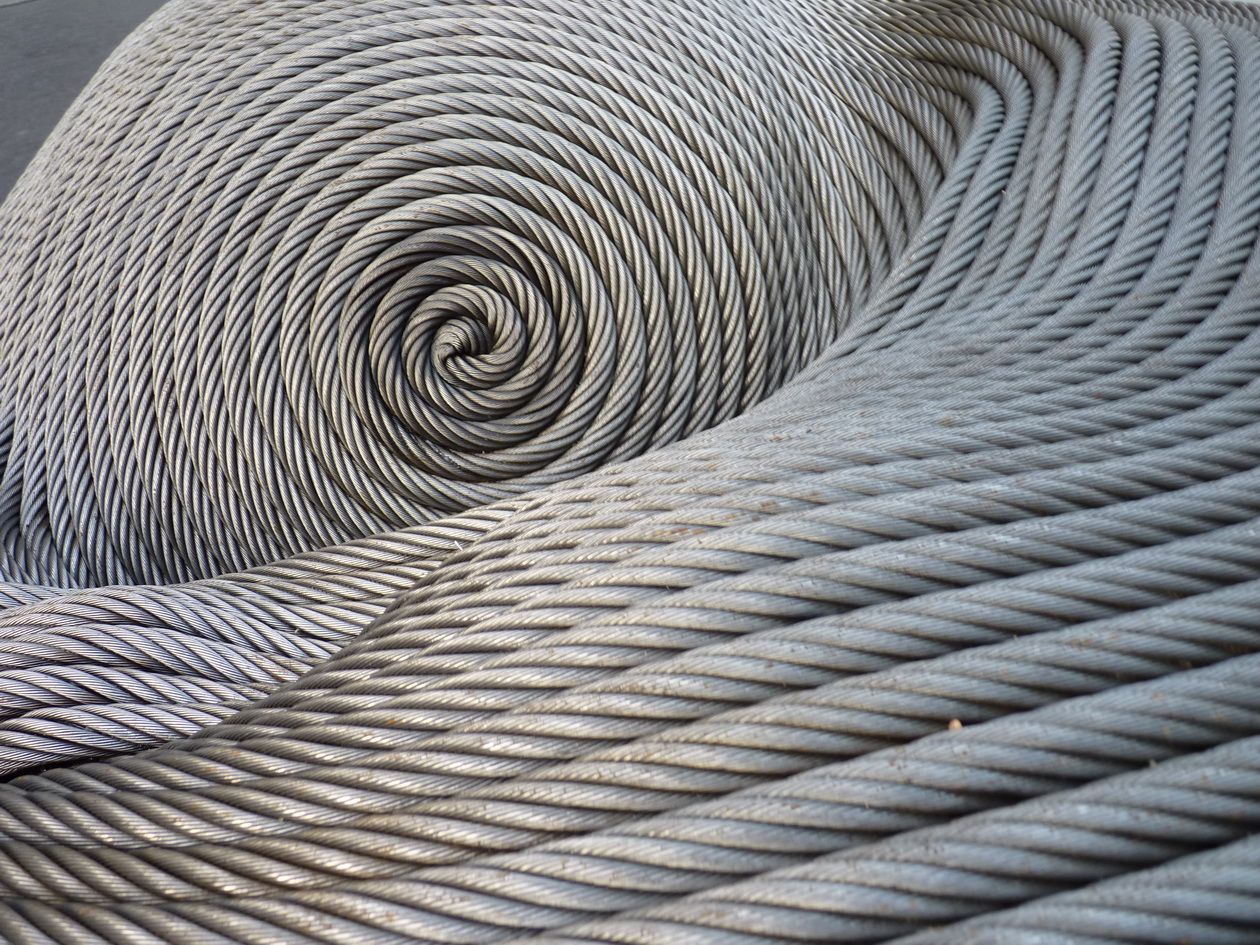
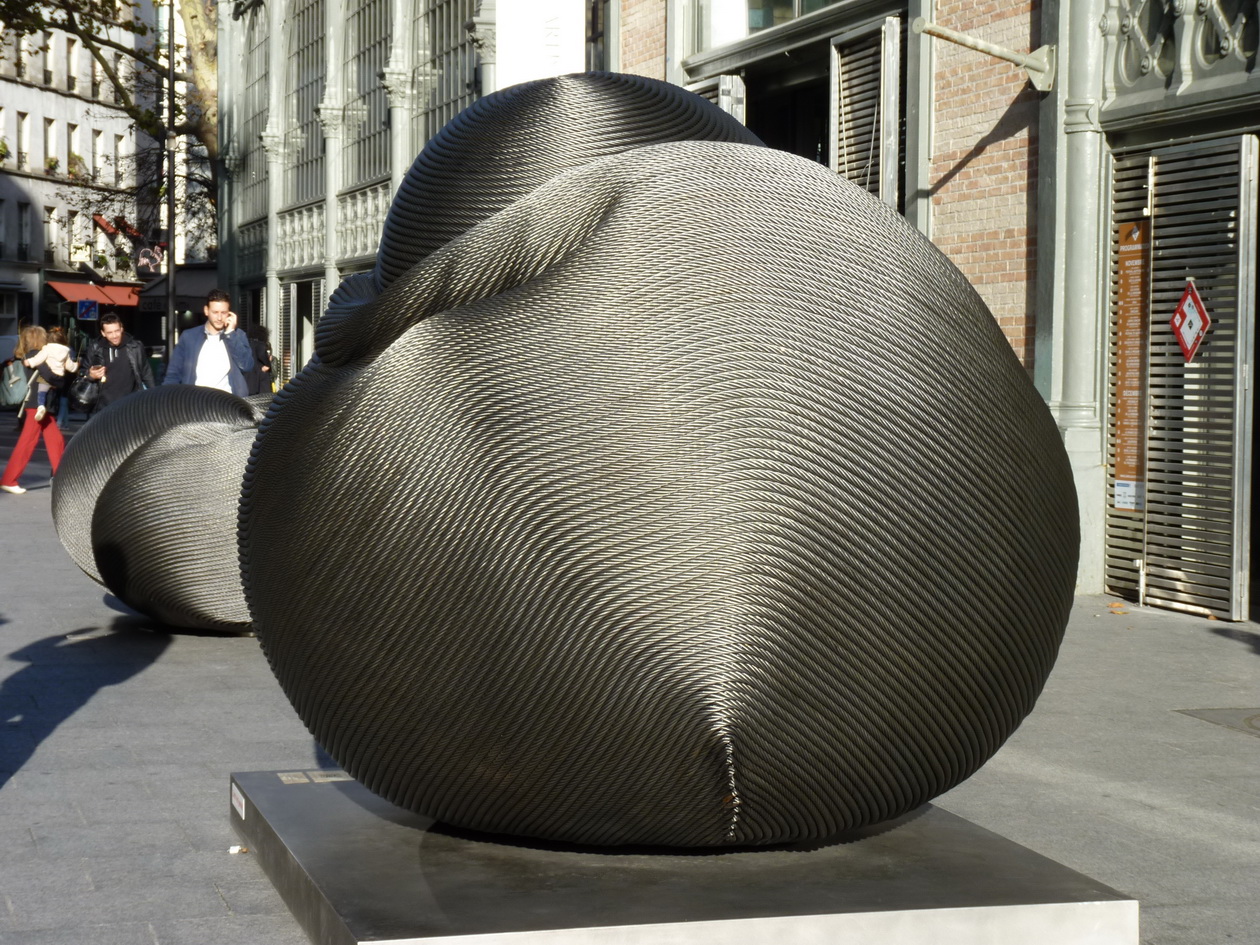
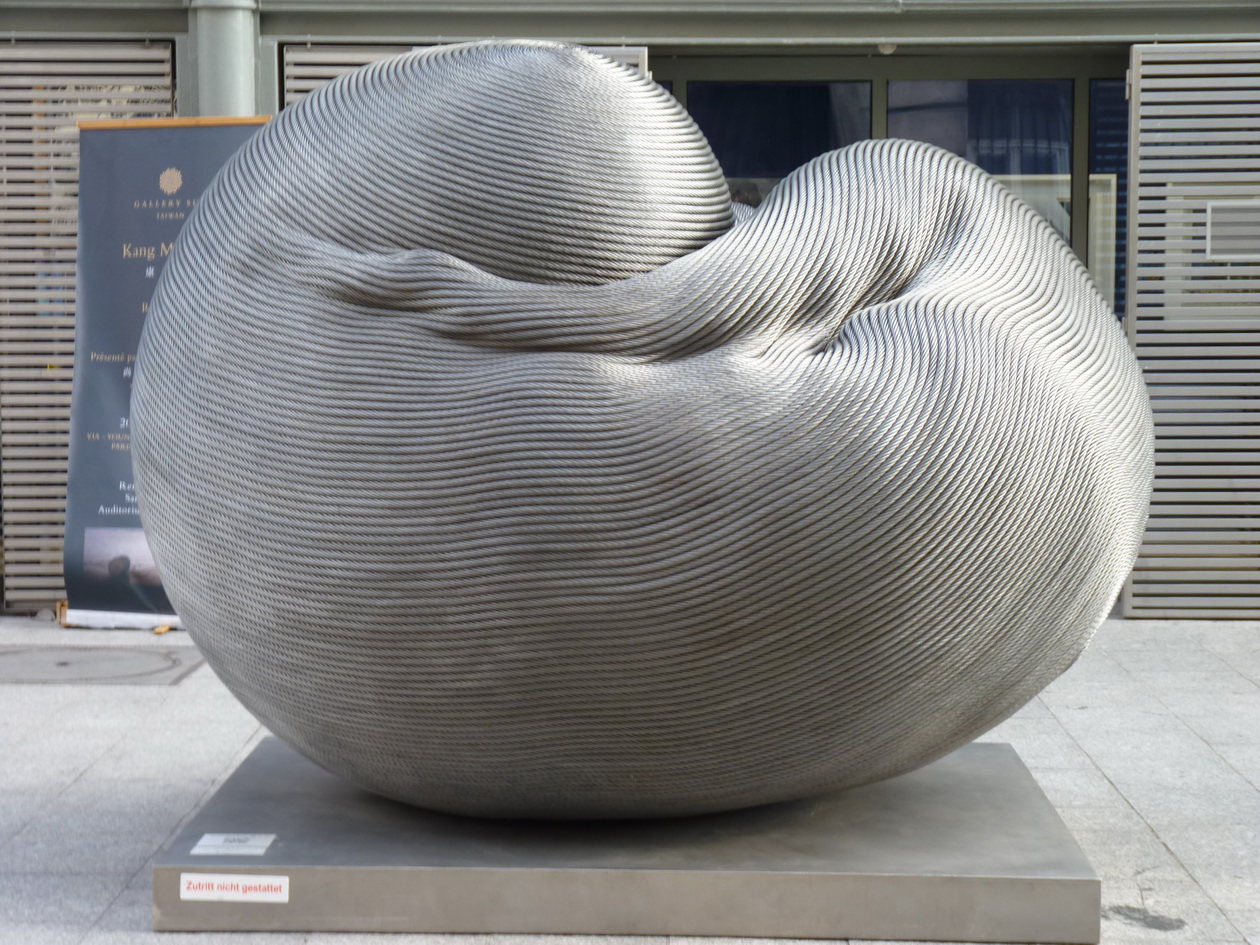
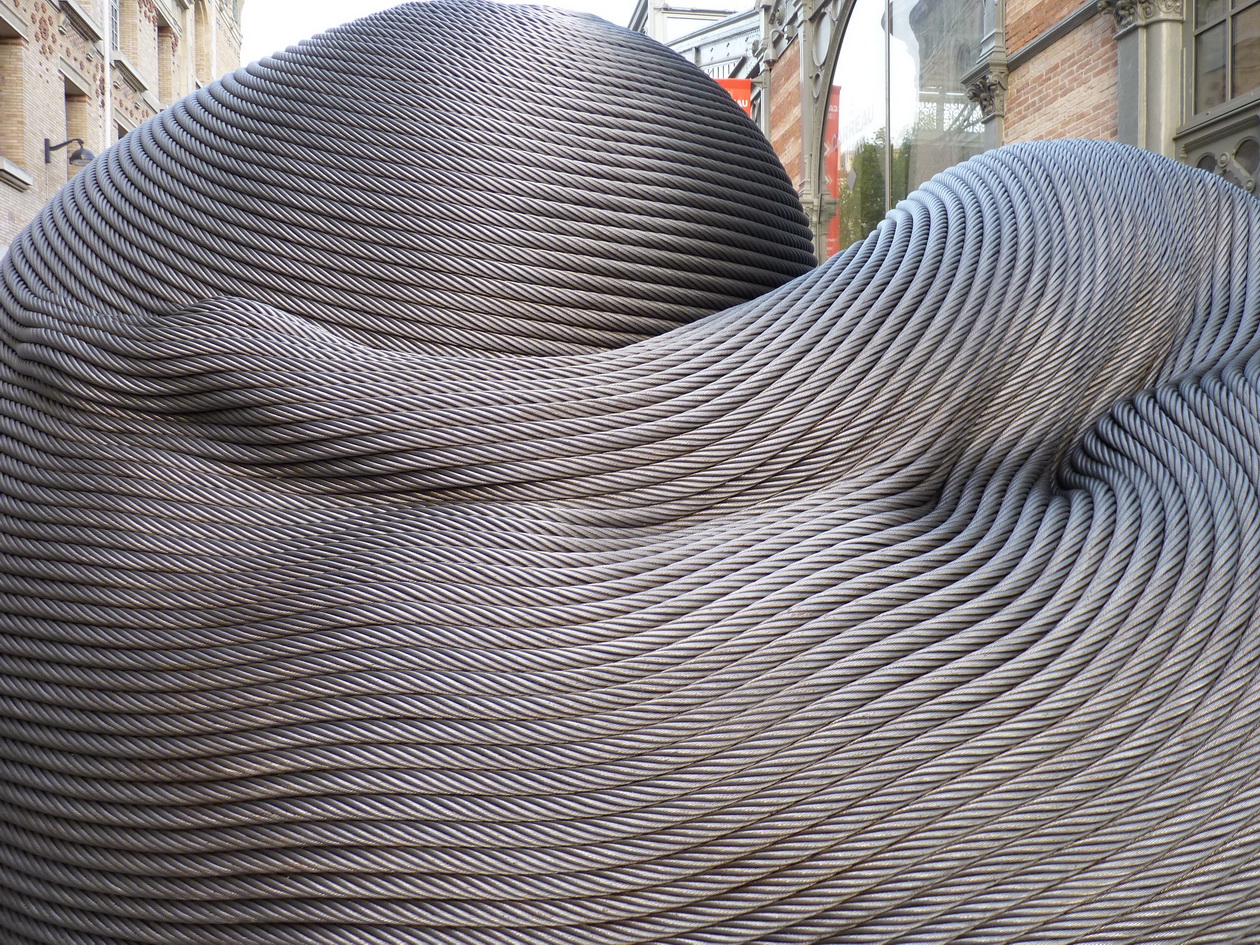
Kang Mu-Xiang, Rebirth, 238x158x128cm, 2015, Taipei 101 Elevator Cable
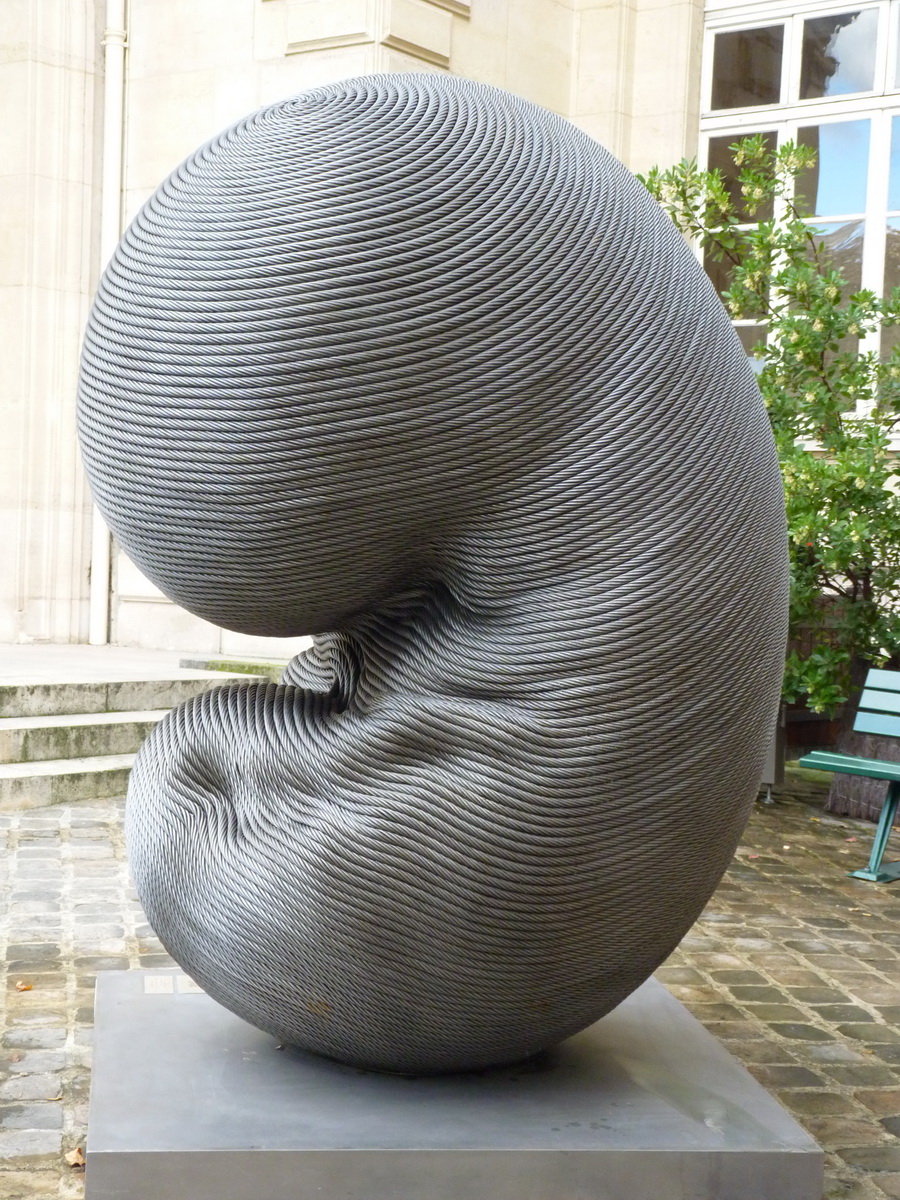
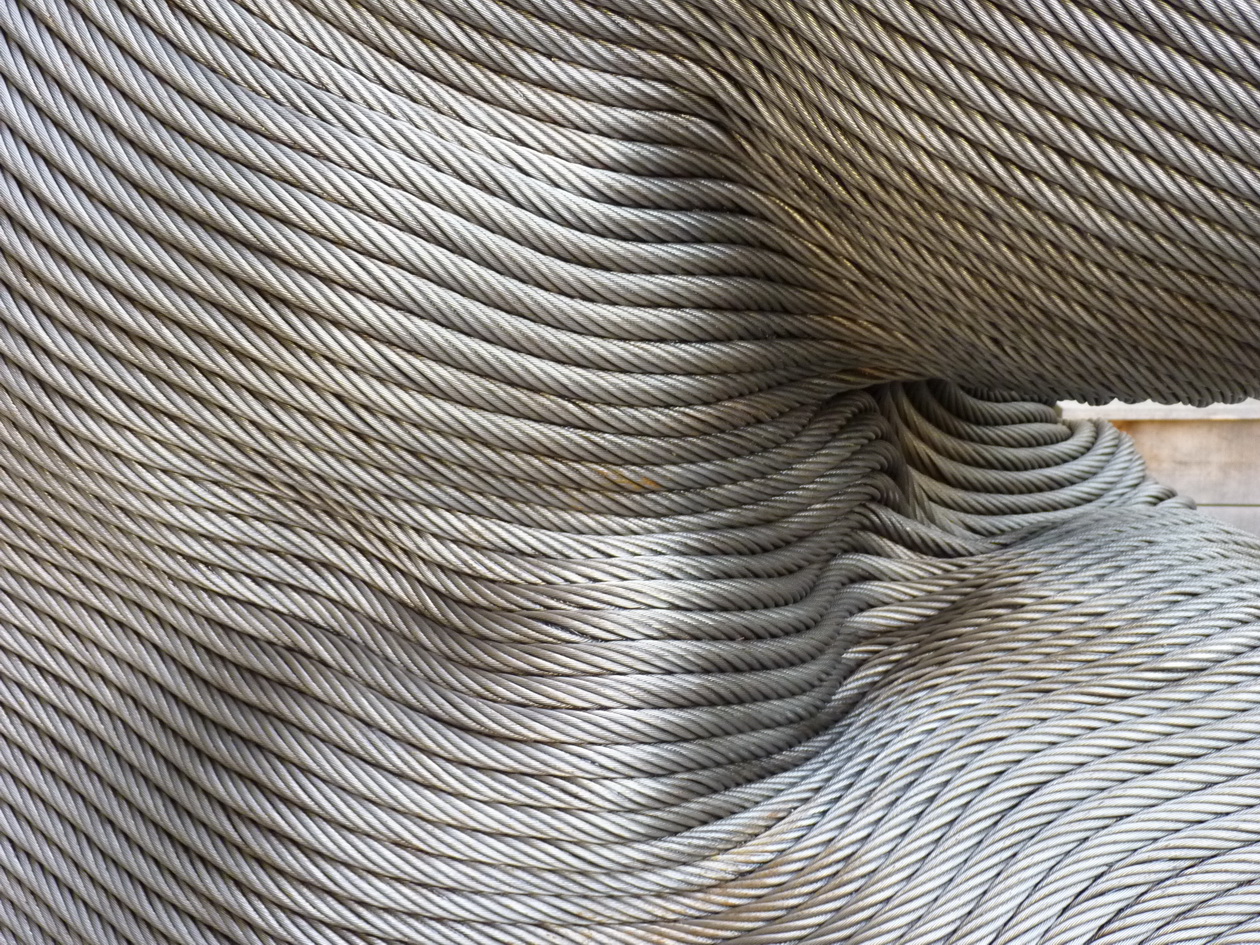
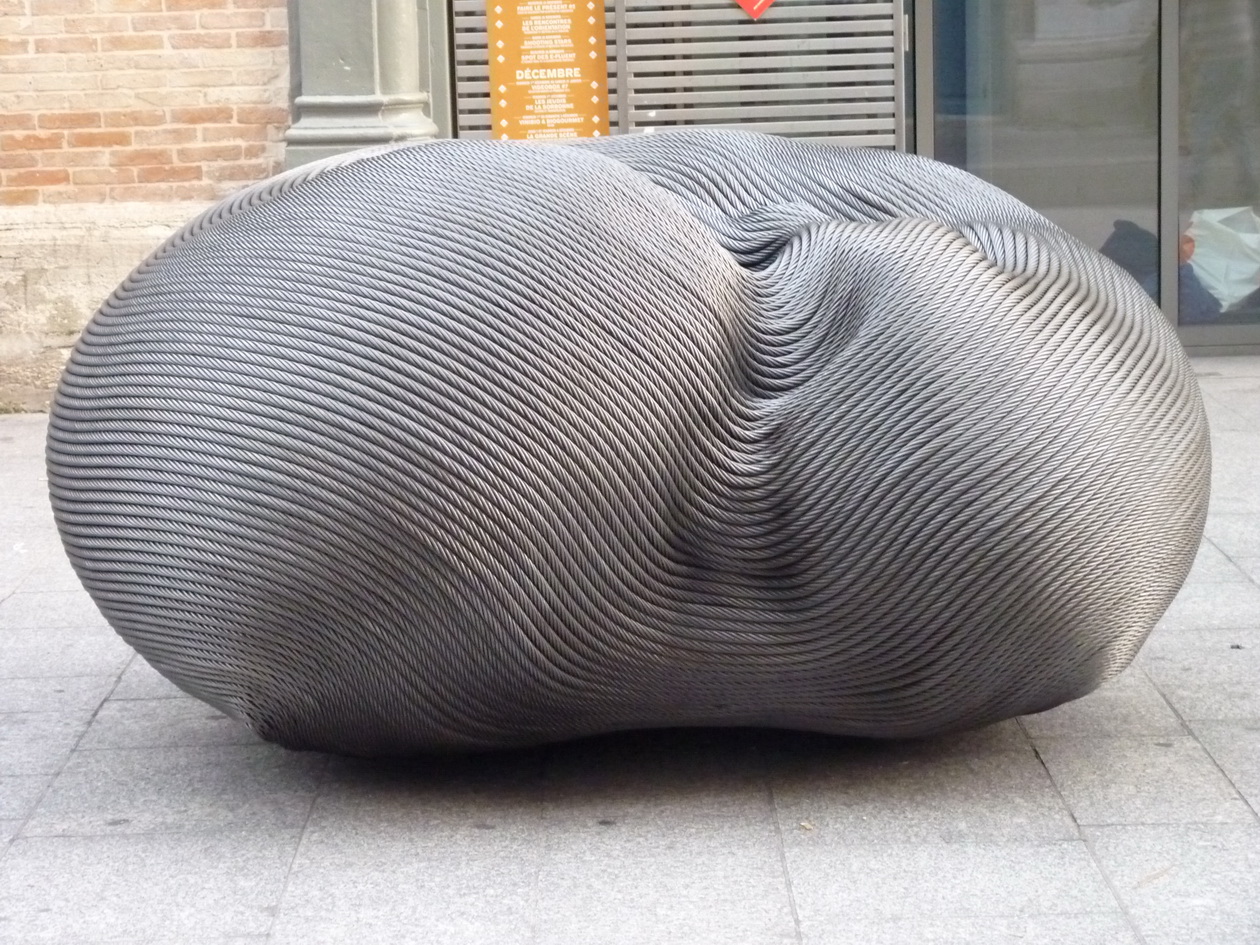
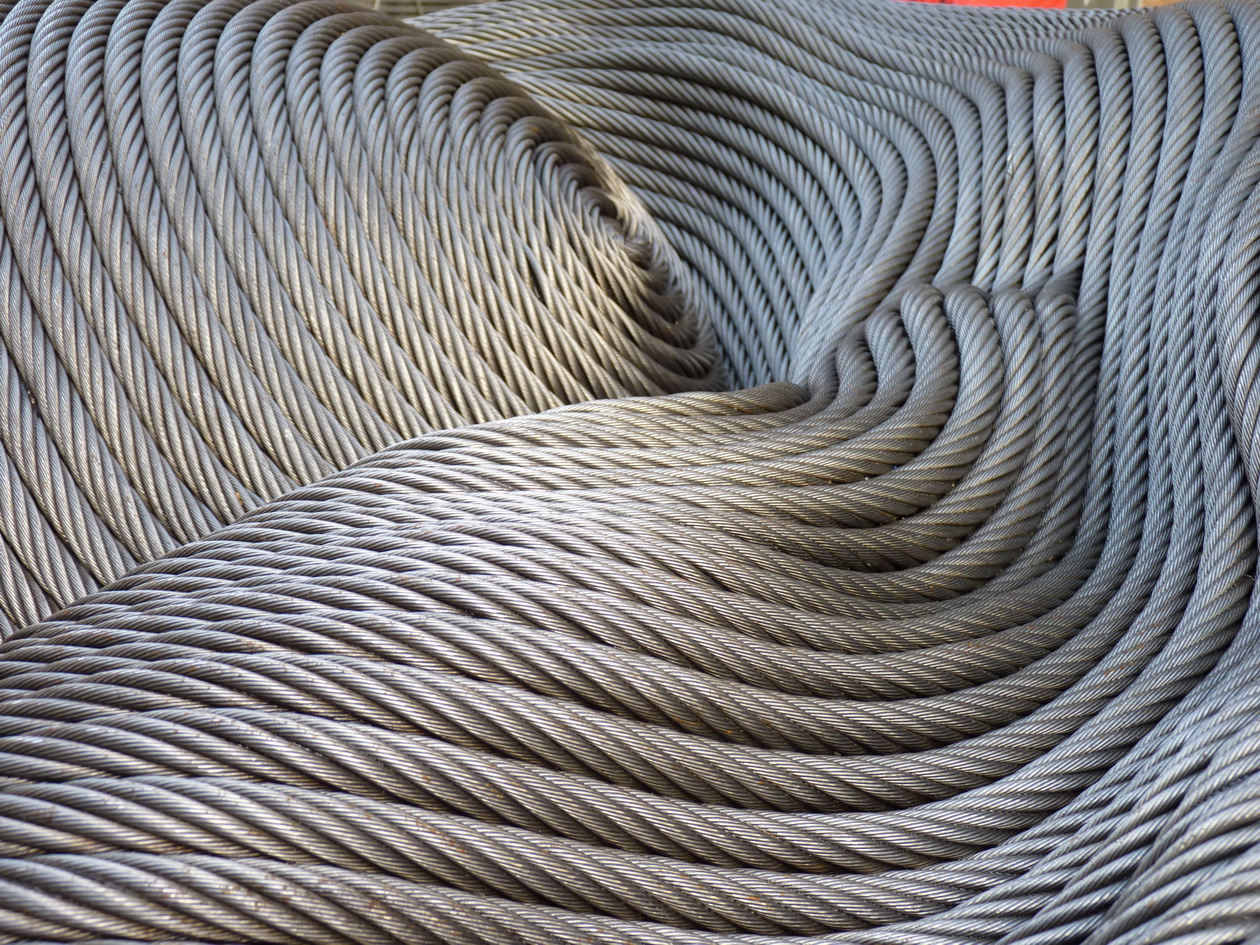
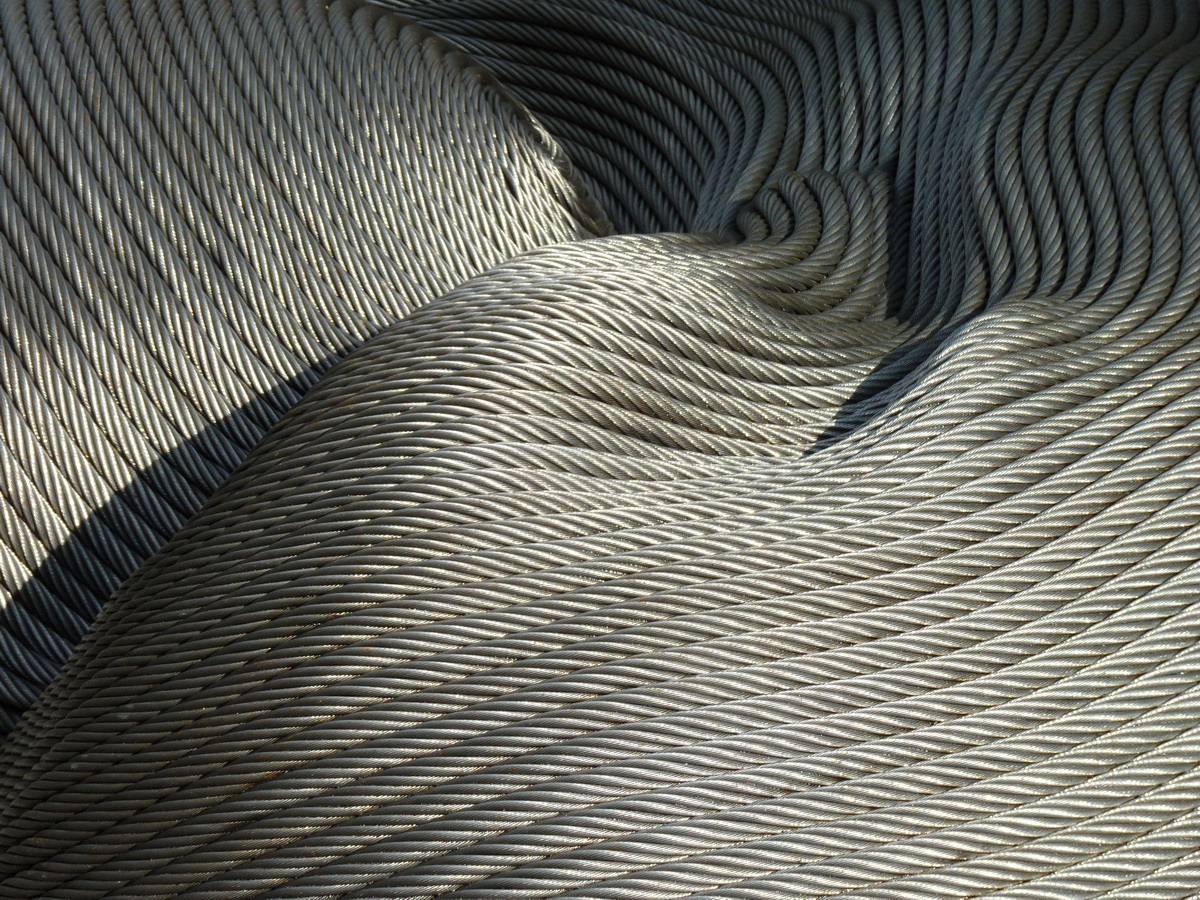
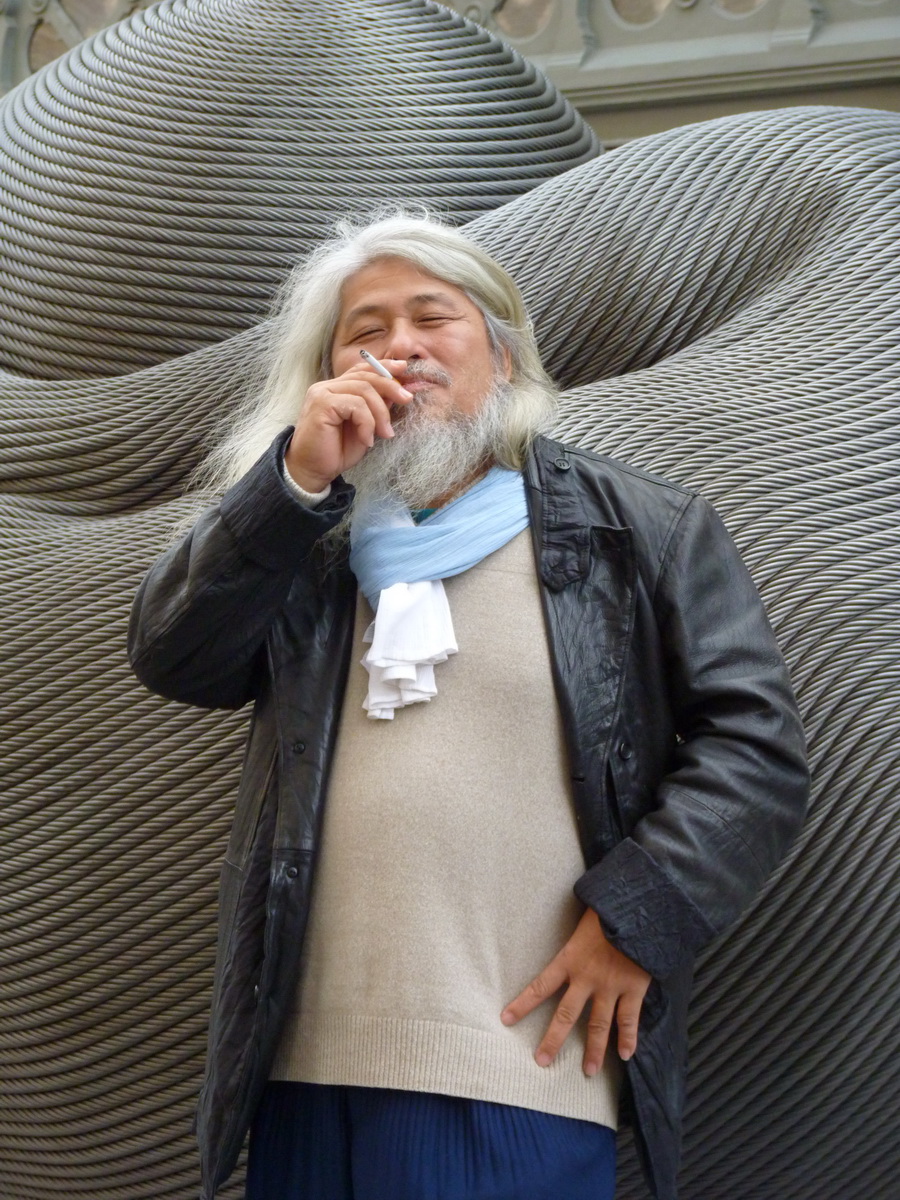
Text and photos by Chen Chi-Hsiang. Kang Mu-Xiang is Taiwan’s most explosive sculptor today, famous for his monumental cable series characterized by extraordinary momentum and energy. His works are mesmerizing, overflowing with explosive power surpassing that of an atomic bomb. They possess a bewitching force rooted in the depths of life, visual shock, profound aesthetic depth, and strong appeal, irresistibly attracting attention. Regardless of material texture or naturally formed shapes, they radiate a fatal attraction.
His sculpture represents an unusual natural prototype—spherical or sporophyte forms (such as seeds, fetuses, pebbles, eggs)—concise and powerful energy bodies constructed from circulating lines filled with musical rhythm. These carriers of life approach the origin of the universe. Born in 1961, Kang Mu-Xiang’s creativity stems from his abundant vitality. Growing up in Tongxiao, Miaoli, near the mountains and sea, and close to Sanyi—the hometown of traditional Taiwanese wood carving—he was immersed in traditional woodcraft throughout his life. His artistic creation arises from his sensitivity, instinct, and sensibility, bringing him closer to nature until he becomes one with it; art has become his passionate pursuit of life.
He began learning wood carving at age thirteen. Through practice, he mastered skill, constantly breaking through and innovating upon exquisite traditional craft techniques as his creative goal, transcending himself and continuing to explore possibilities in various materials and media. Kang Mu-Xiang’s wood carvings integrate traditional skills with modern spiritual insight. In recent years, his exploration of industrial materials—specifically elevator cables—has revealed a fresh contemporary quality. However, regardless of changes, his work always retains the pursuit of nature’s original heart.
The turning point in his creative core was 2002, when Kang Mu-Xiang was invited to Wuguishan Island, an uninhabited island on Taiwan’s northeast coast. He lived self-sufficiently and created there for nearly a year, building and creating using “driftwood” readily available on the island. Facing nature silently and engaging in direct dialogue with it, he deeply observed the mutual influence between human existence and the natural environment. In this isolated world, he contemplated the meaning of life, entering a deep existential experience of heaven, earth, and humanity. This gave Kang Mu-Xiang a deeper understanding of life, leading to the birth of a new series titled “Life” a year later, which directly influenced his “Infinite Life” cable series ten years later.
Clearly, the materials he used in 2010 were primarily natural: wood or driftwood. He constructed forms spiritually, ranging from traditional Buddha statues (such as Guan Gong or Bodhidharma) to semi-abstract works with profound familial affection. Starting from the millennium year 2000, he shifted toward receiving modern industrial materials from Taipei 101 skyscraper elevators—cables—for transformative artistic creation. After three years of experimental exploration, he conquered these stubborn industrial materials, transforming hardness into softness. Using traditional rope-binding techniques, he wrapped steel cables around internal supports to form shapes, finally developing new works that emphasize material texture and consciousness. Instinct and sensibility leaned towards imagery and even abstraction. Concise and powerful symbols: dramatic, expressive, monumental forms, organic shapes revealing the inner imagery of life. Between figurative and abstract, imagery and imagination, tradition and modernity, they manifest the spiritual state of nature.
Regeneration is not just accepting retired elevator cables but inviting prison inmates to participate in the process of cleaning oil stains. Through this process, he metaphorically suggests the concept of cleansing the soul and rebirth. Kang Mu-Xiang’s series also points out that creation, like life, holds infinite possibilities. His groundbreaking new steel sculpture “Infinite Life” (2013) was permanently placed in the plaza in front of Taipei 101, thus launching his most representative “Infinite Life” series.
In 2015, Kang Mu-Xiang’s steel sculpture “Ruyi Life” was invited by the city of Karlsruhe, Germany, to be exhibited and permanently displayed in the plaza of the ZKM Center for Art and Media, celebrating the city’s 300th anniversary. Starting in 2016, Kang Mu-Xiang officially launched the touring exhibition “A Steel Cable Connecting the World – Let the Five Continents See Taiwan.”
In 2017, Taiwanese sculptor Kang Mu-Xiang (represented by Shang Gallery) participated in the YIA Art Fair in Paris, meeting Parisian audiences for the first time. He exhibited three monumental works: “Rebirth,” “Quiet,” and “Don’t Mind Me” (2015). Since each sculpture weighed over one ton, “Rebirth” was installed in front of the City Hall in the third district, while “Quiet” and “Don’t Mind Me” were placed in the entrance plaza of the YIA Art Fair, becoming the most dazzling focal point of the fair. These three concise, powerful works full of life imagery gave viewers strong shock, refining beauty, reproducing nature, and sublimating it.