2017 Prix Marcel Duchamp Shortlist Contemporary Art Exhibition
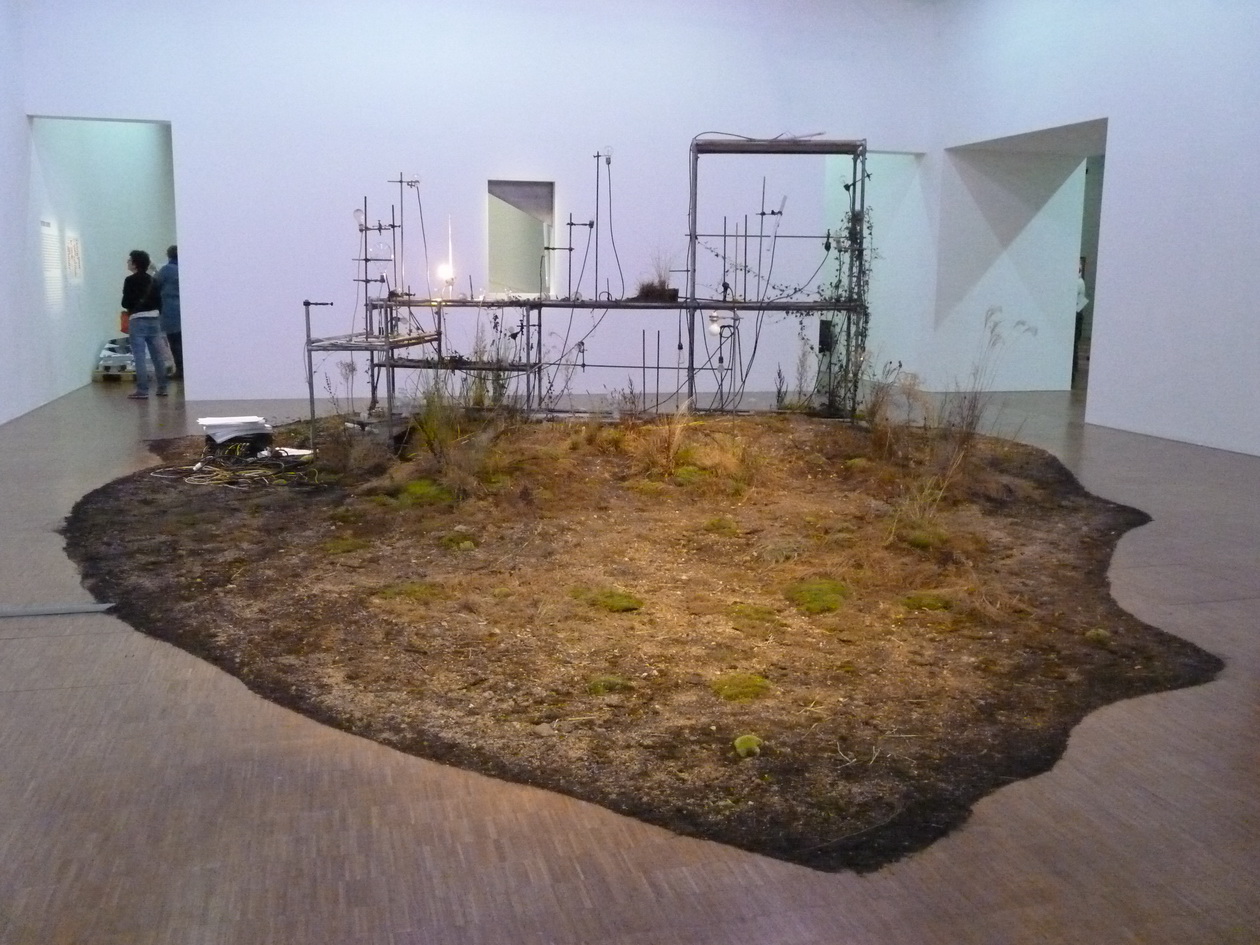
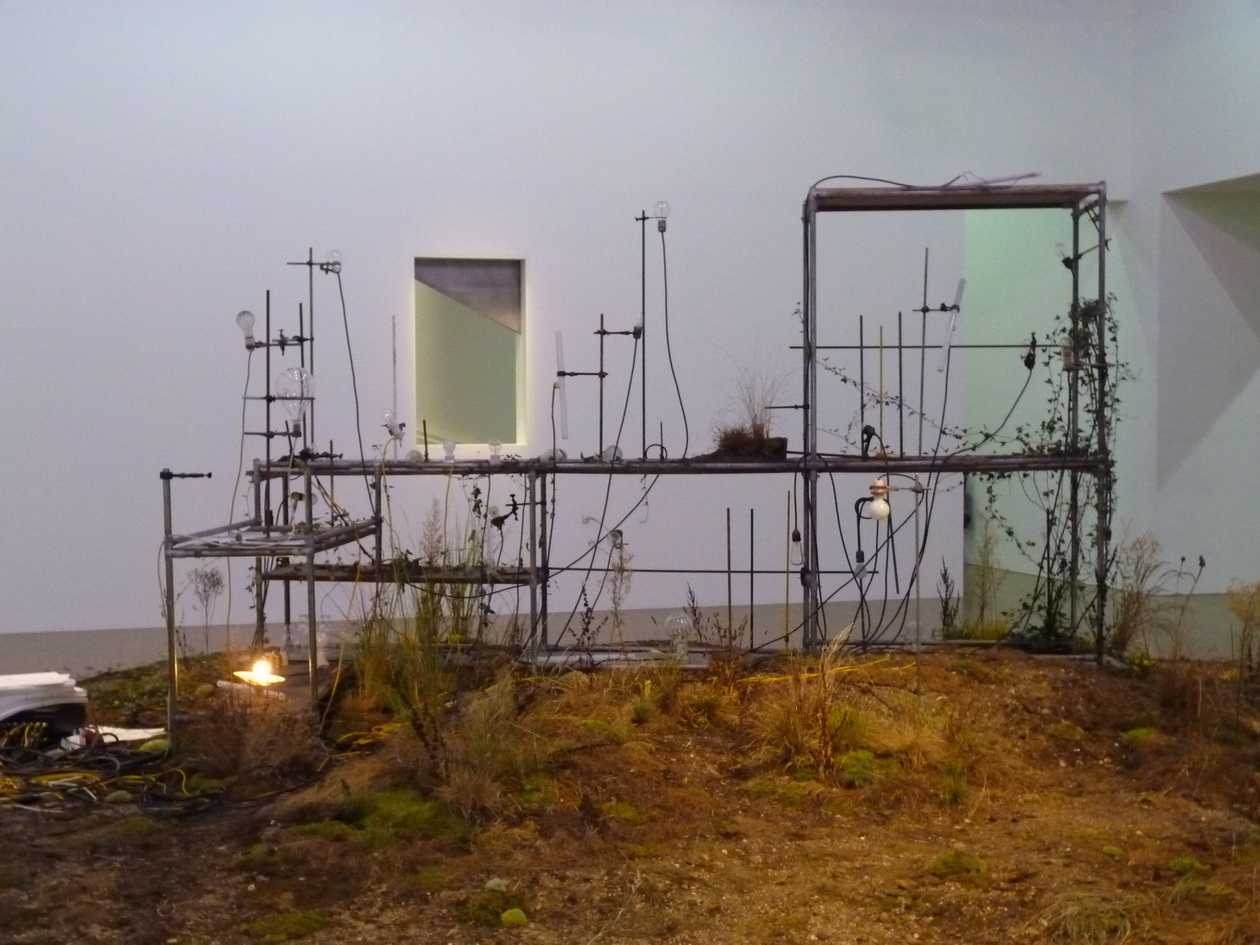
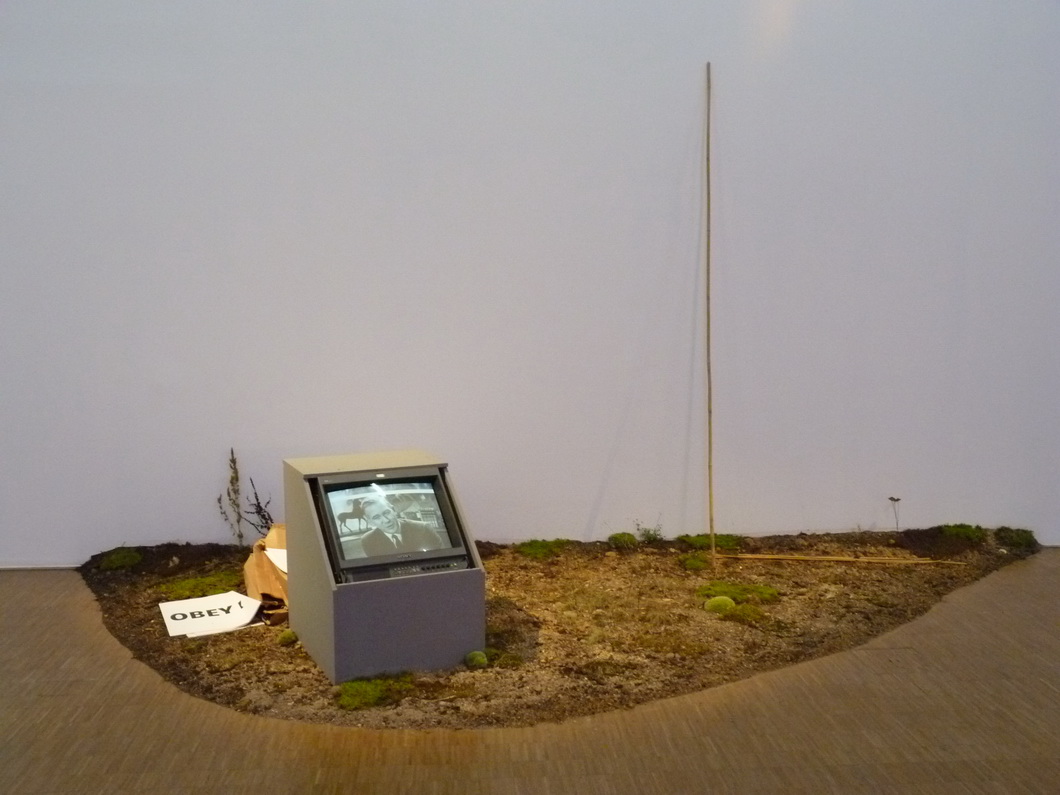
Maya Kalash Bajevic Beach Under Plants 2017 installation
Text and photos by Chen Chi-Hsiang. Location: Centre Pompidou South Gallery. Dates: September 27, 2017 – January 8, 2018. At year’s end, a major event in French contemporary art arrives: the annual Prix Marcel Duchamp shortlist exhibition. Four emerging artists are selected each year; last year included two artists who have already made their mark on the French or international scene (such as Kader Attia and Barthélémy Toguo, whose work oscillates between Paris and Berlin, with Kader Attia being last year’s winner). This year’s four (groups of) artists are relatively unfamiliar to me, and none are of French origin: Maja Bajevic was born in Bosnia (former Yugoslavia); Joana Hadjthomas and Khalil Joreige come from Lebanon; Charlotte Moth is from the UK; and Vittorio Santoro was born in Switzerland. However, their shared site of creation is Paris, demonstrating that the international art scene in Paris remains a contested ground for emerging talent. In recent years, the Prix Marcel Duchamp has favored interdisciplinary conceptual forms and object-space construction installations; flat painting has been absent for quite some time, and no one knows when objects will make a comeback.
The works shown annually at the Duchamp Prize offer insight into French or current artistic trends and zeitgeist. The new generation, driven by a spirit of adventurous exploration, continues forward, aiming to capture their sensitivity and emotional perception of their era and environment, thereby validating present-day awareness and social consciousness. This year’s shortlisted artists tend to reflect on imagery, exploring the poetics of archives and the hidden genealogies or vocabularies of objects. They are interested in the complexity of language and the decryption of meaning, questioning the transparency of information characteristic of postmodern society.
Maja Bajevic (born 1967): In this post-truth era, returning to forgotten utopias, she divides the exhibition space into two green oases of prairie size. On the larger oasis, light, sound, and structural supports create a machine filled with rhythmic flashing lights and sounds, resembling a bachelor signal transmission device. Old machines are overgrown with plants and flowers, alluding to modern information traps. Code-based information reflects the multiple archives created by the artist around forgotten utopias: intellectuals such as Slavoj Žižek, Jacques Lacan, or Alain Badiou are summoned to replace the unconscious of post-truth at the center of our current system. On the smaller oasis, a monitor plays video clips or competes with advertising slogans and science fiction novels. Here, the artist operates to re-conquer the often-misled senses of postmodern society. Or perhaps official truths manifest like fantastical novels, appearing dreamlike.
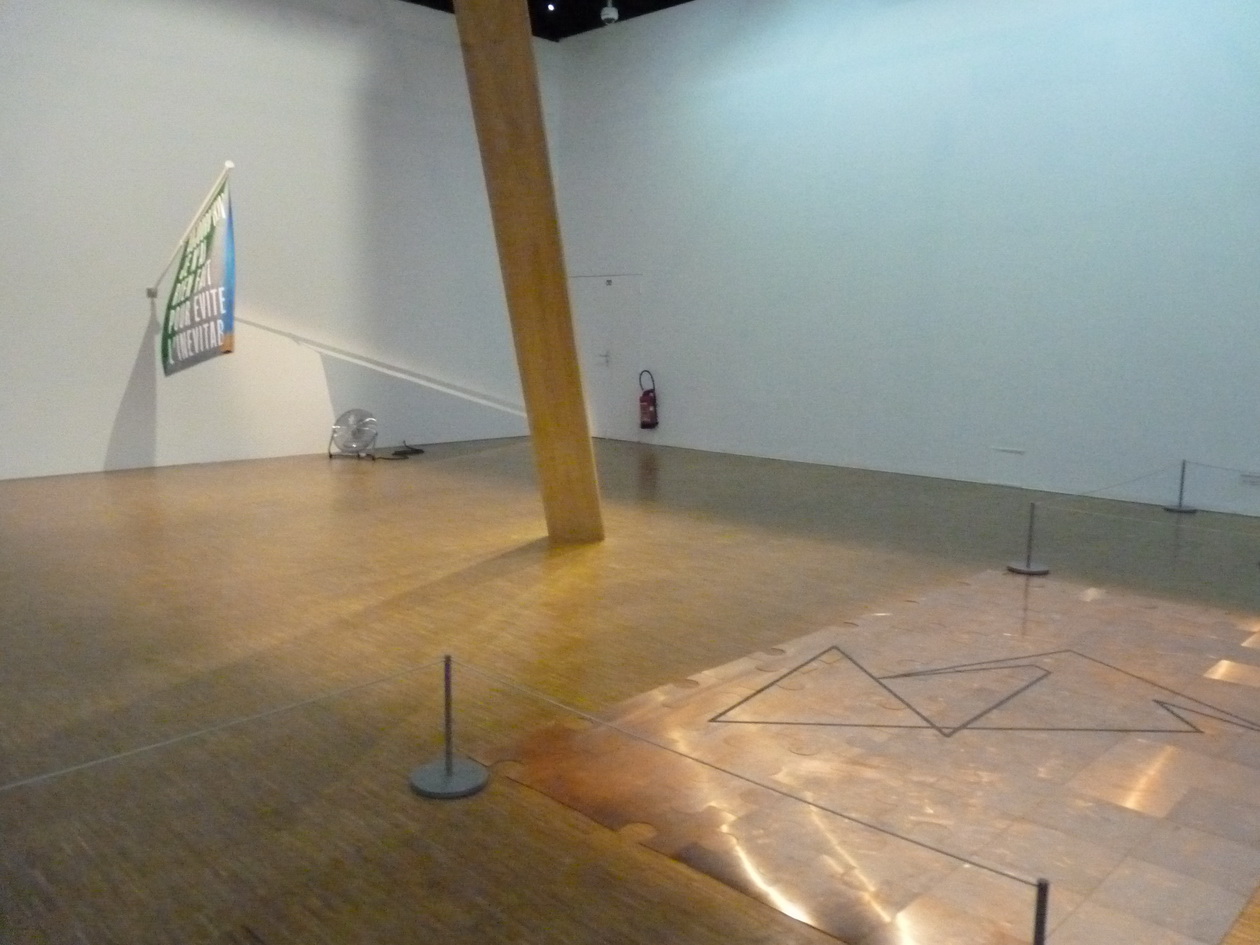
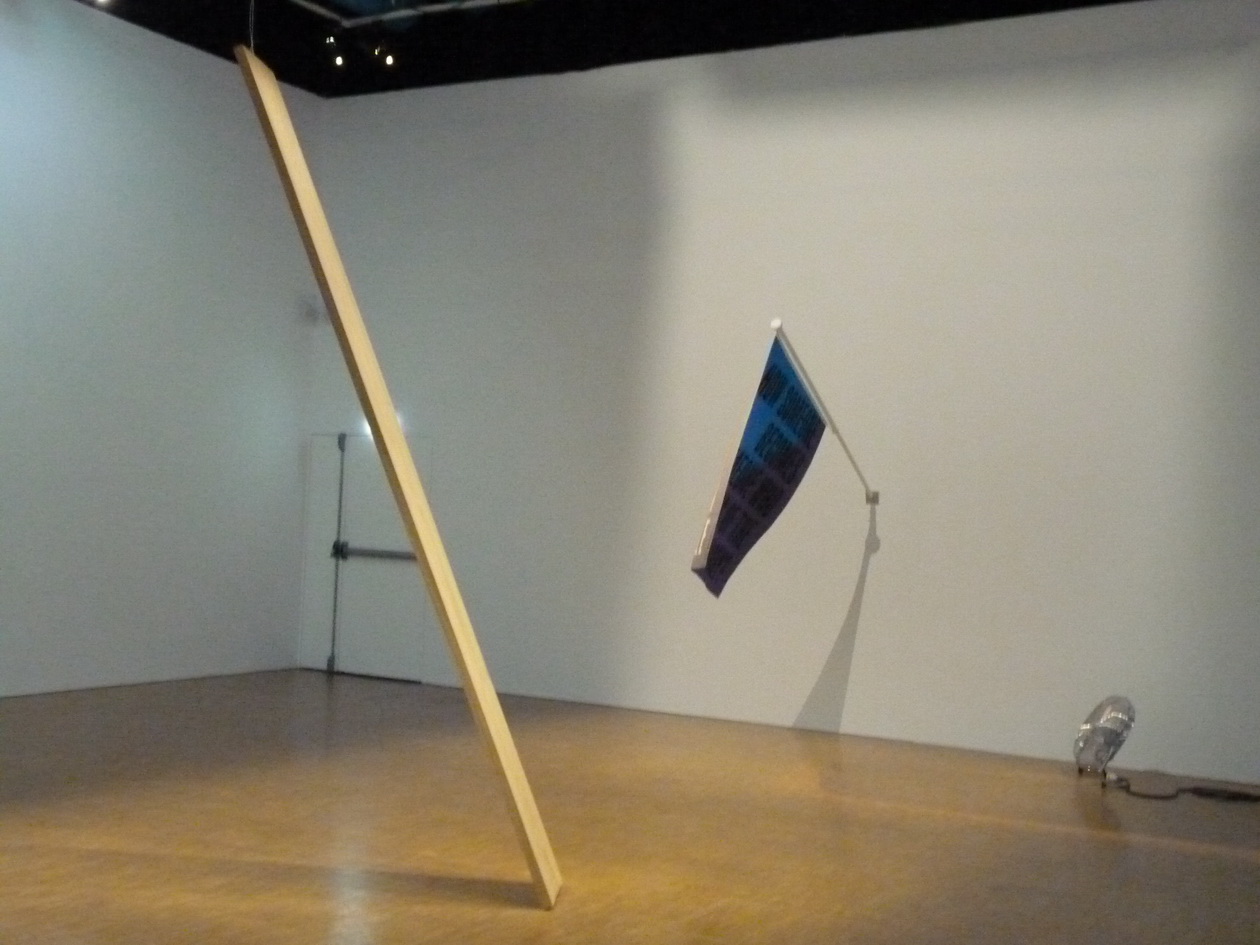
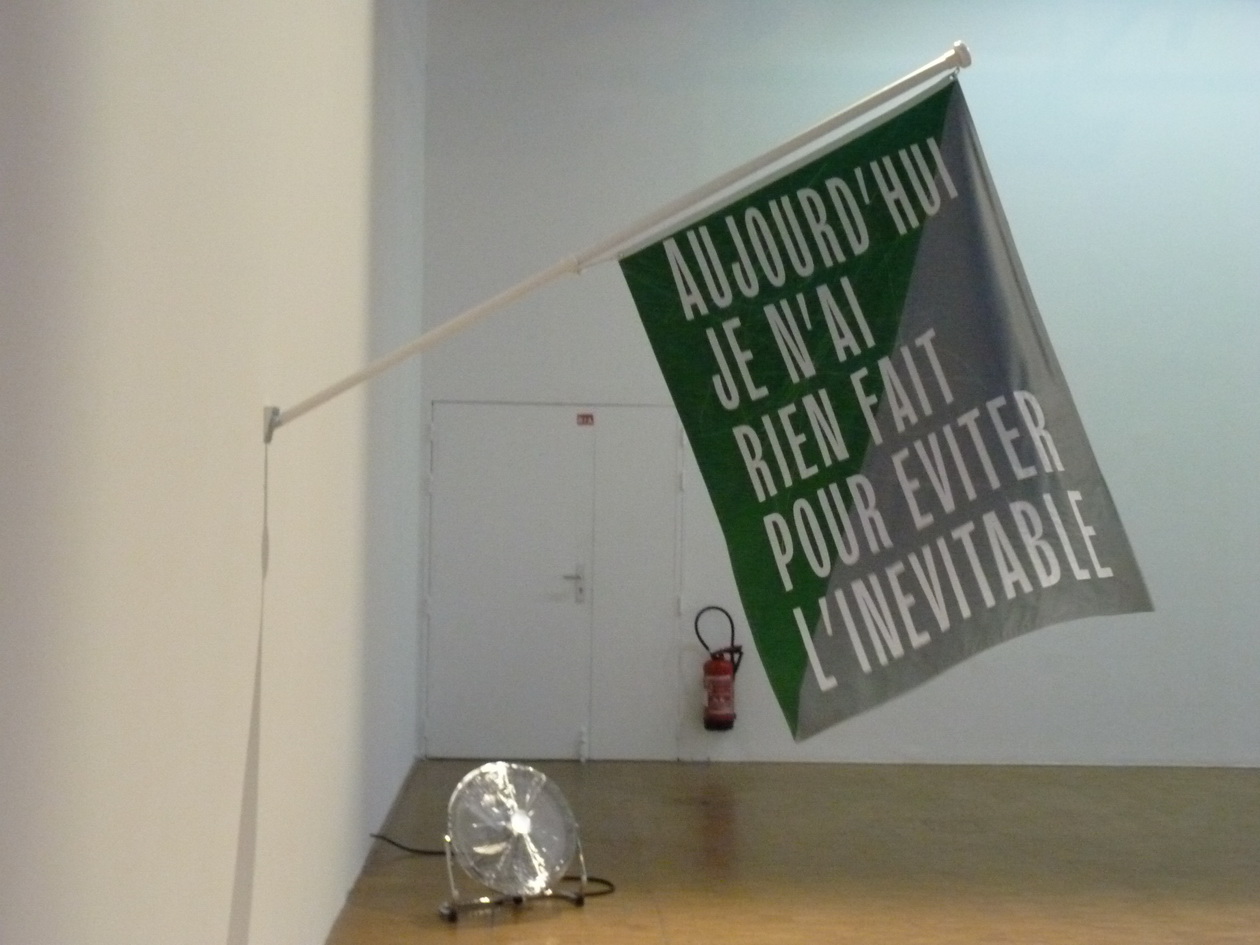
Vittorio Santoro (born 1962): Using site-specific sculptures to abbreviate spatial installations, he constructs a unique theatrical scene where continuous layers serve as its appearance or accident, articulating his novel perspective on the contemporary world. Presented in a directorial manner: a copperplate print with visually confusing graphics is laid on the floor; a tense, slender wooden plank hangs in the space; and aphoristic flags hang on the back wall, evoking the fragile connection between language and the world. Through nine other flags hung on public buildings or private facades across Paris as an act of commitment, he opens the museum’s space to urban contemplation. Through these physical and mental pathways, the artist makes art a tool of constant movement and transformation.
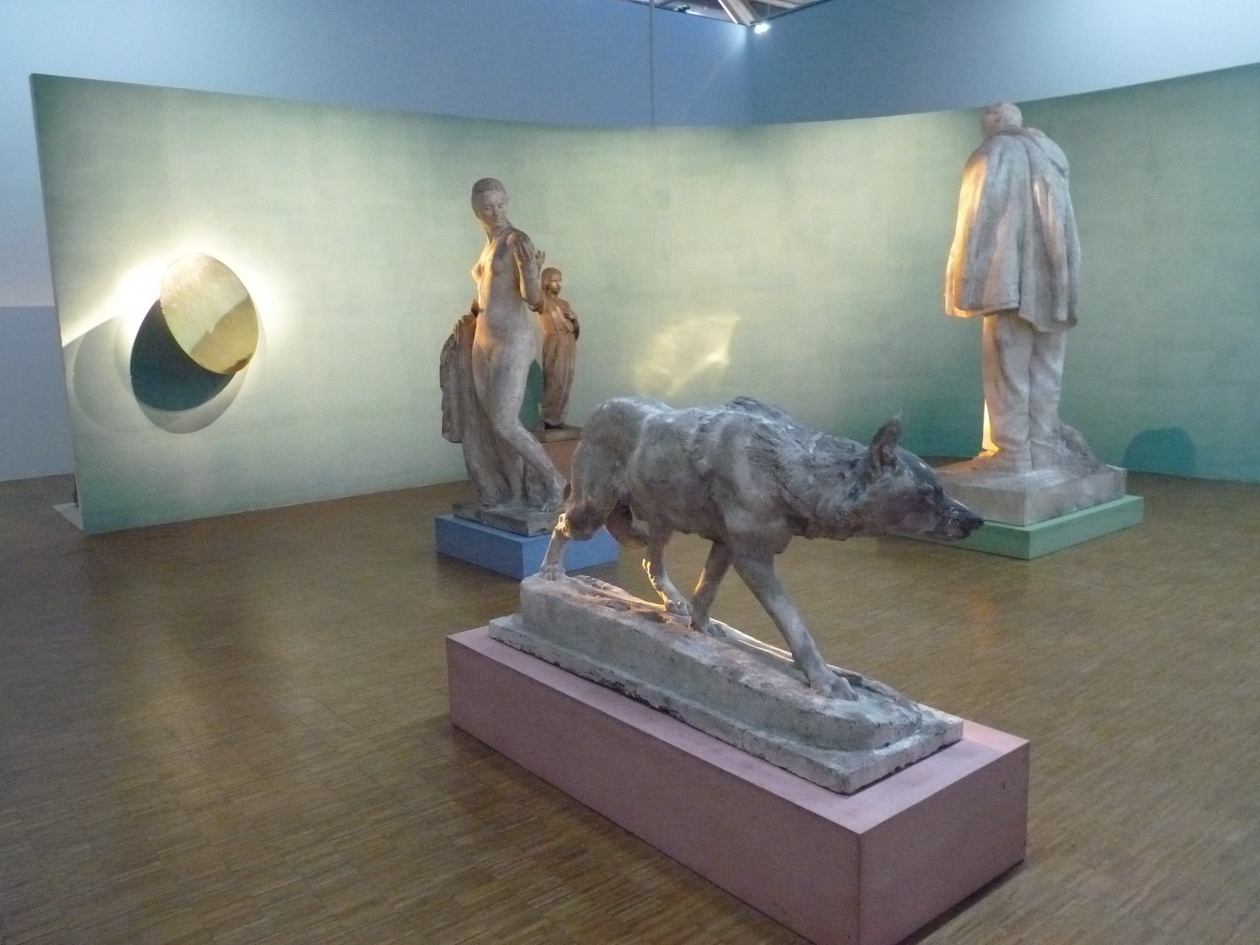
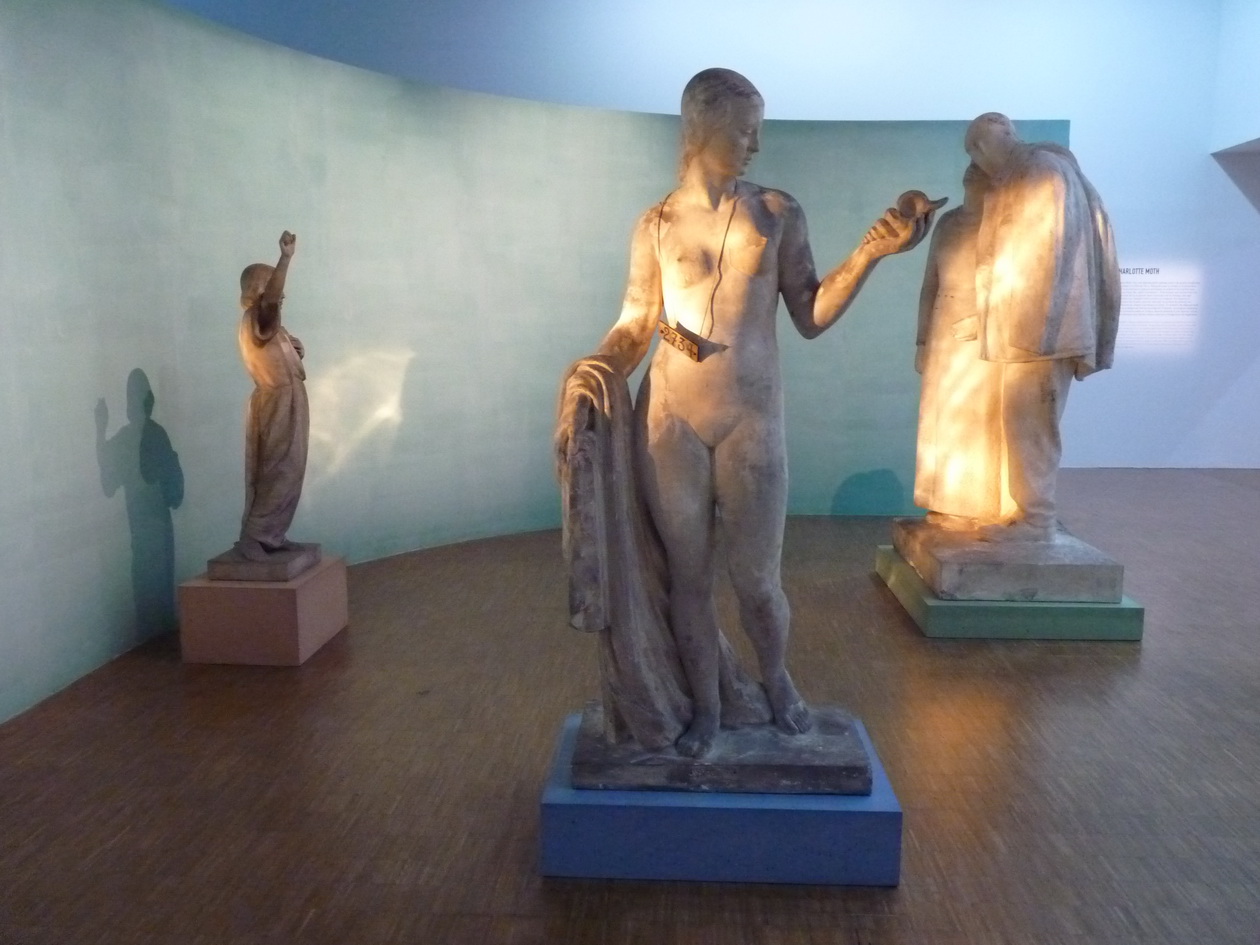
Charlotte Moth (born 1978): Highlighting hidden public sculptures, she creates spatial chaos by appropriating four warehouse monuments in Paris that have remained unseen and covered in dust year-round. She chooses a method of cleansing to continue exploring sculpture within architecture and imagery. The four sculptures in the space act as material media; a brass disc hangs on the wall, refracting strange light onto the sculptures, transforming them into a magical scene. This critical and poetic scene of displacement makes the reconstruction of history possible.
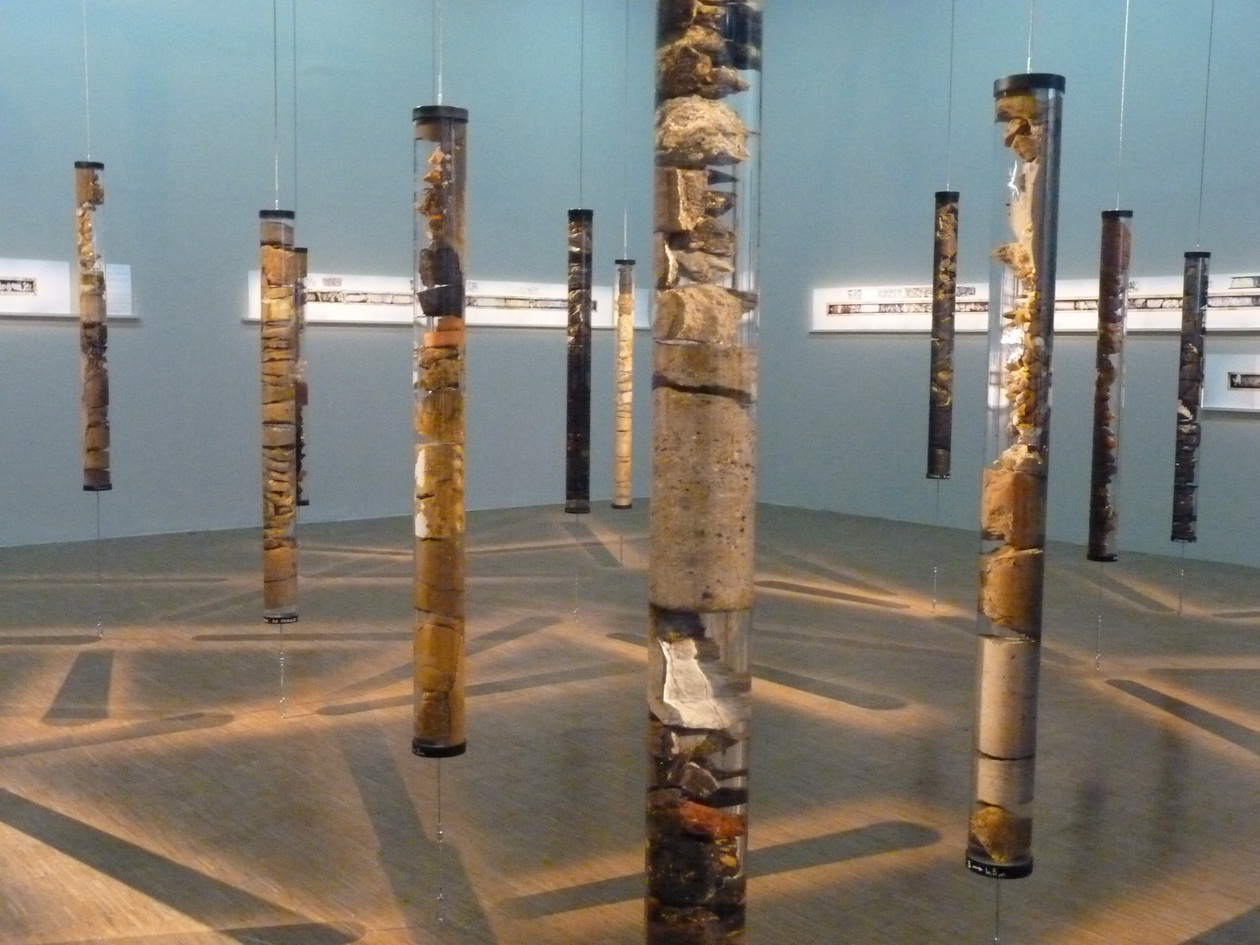
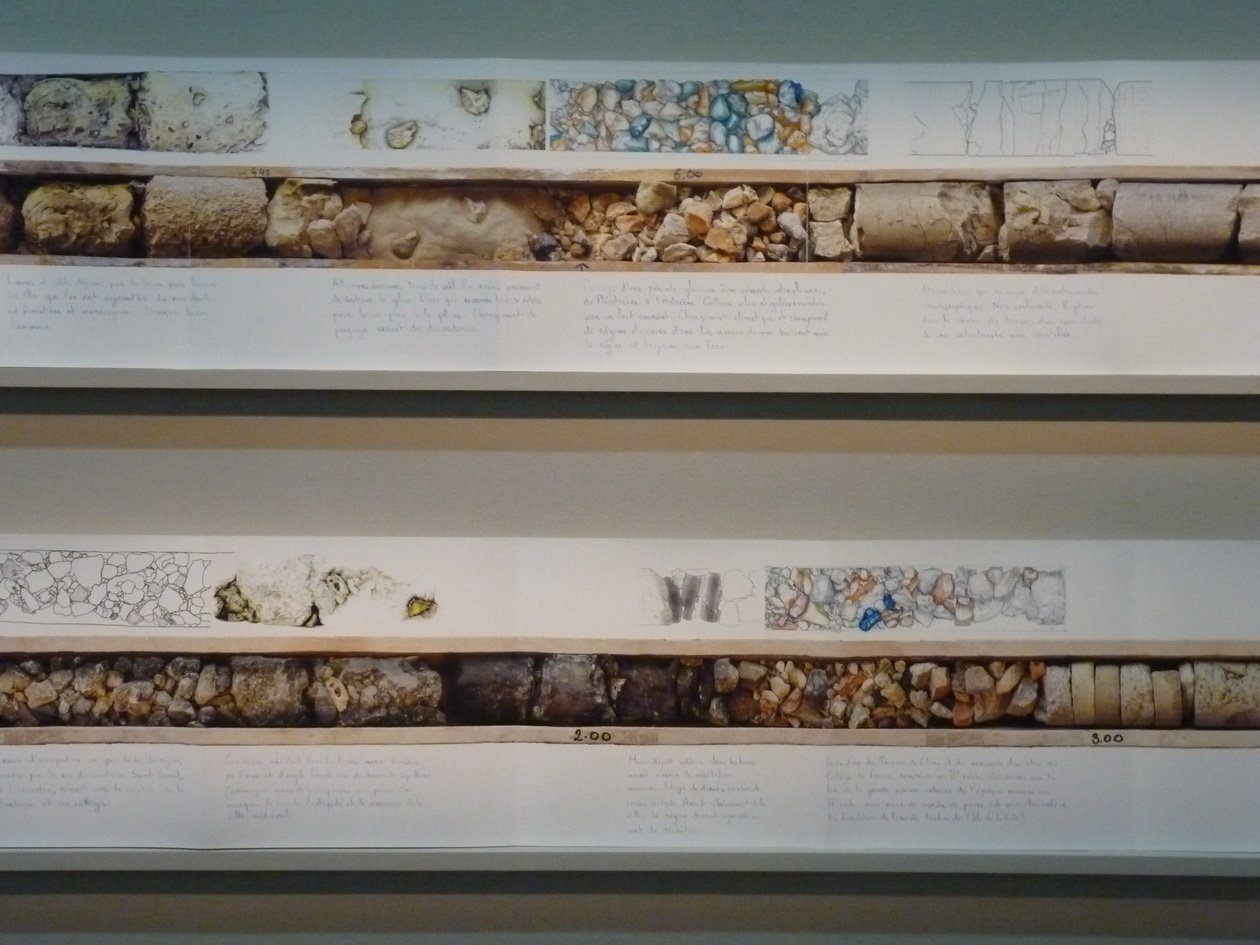
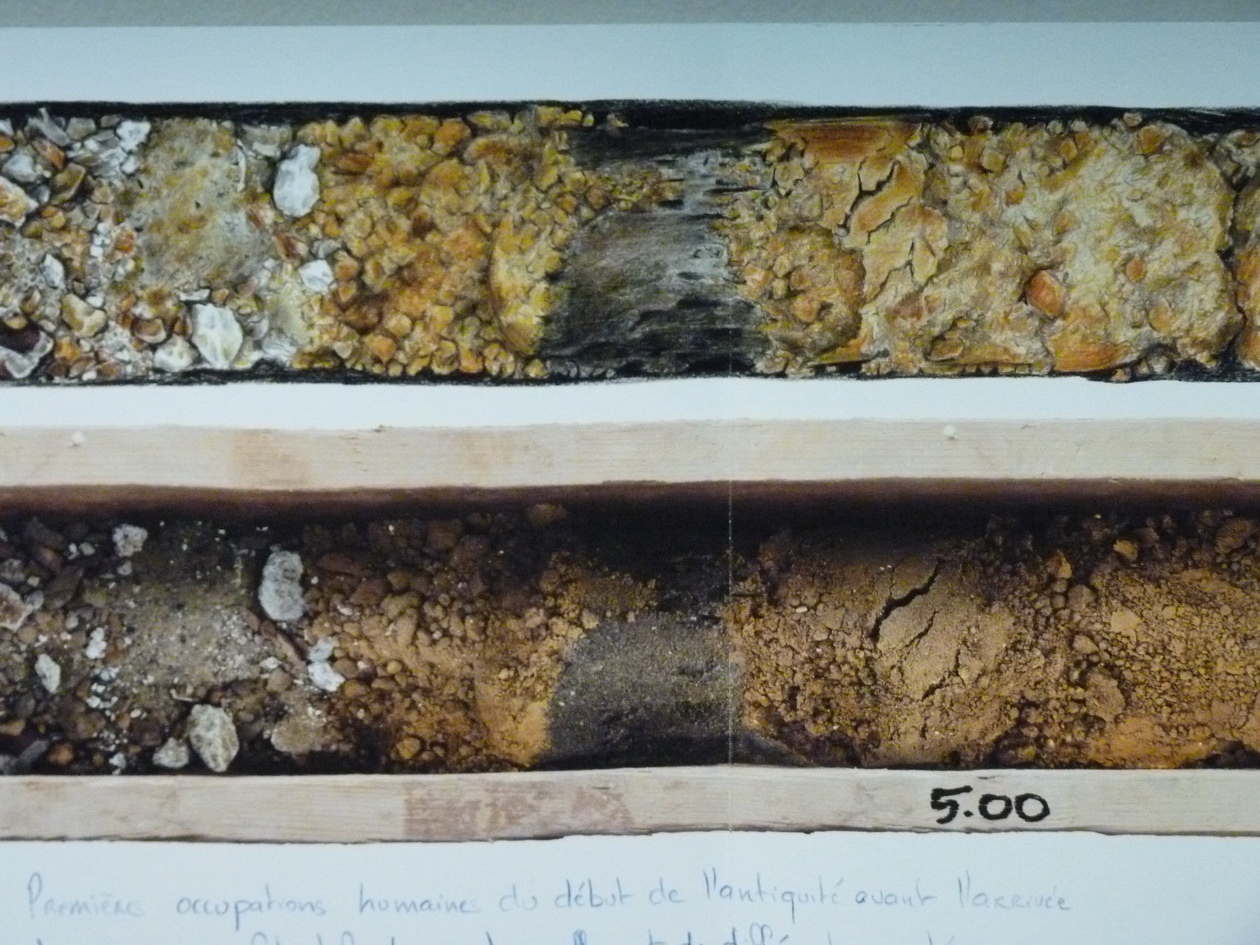
Joana Hadjthomas and Khalil Joreige (both born 1969): Excavating geological genealogy, they present works from their series of geological drilling cores that reveal the natural and rugged underground histories of Paris, Beirut, and Athens, existing everywhere in their personal imaginations. The geological drilling cores present natural changes and conditions of human existence: interrupted time, disaster, regeneration, and dissonance. Geological questions address the human world; eras mark the beginning of continuous human impact on the environment. These sediments reveal the cyclical nature of construction and destruction, leaving traces mixed with action. The artists’ poetic reconstruction questions the possibility of irregular historical narratives and representations through exploring the present.
(Note: The full text refers to or translates the exhibition press release.)