Black Ink on White Paper – (2017 10th Edition) Traditional and Experimental Calligraphy Biennale "Keywords"
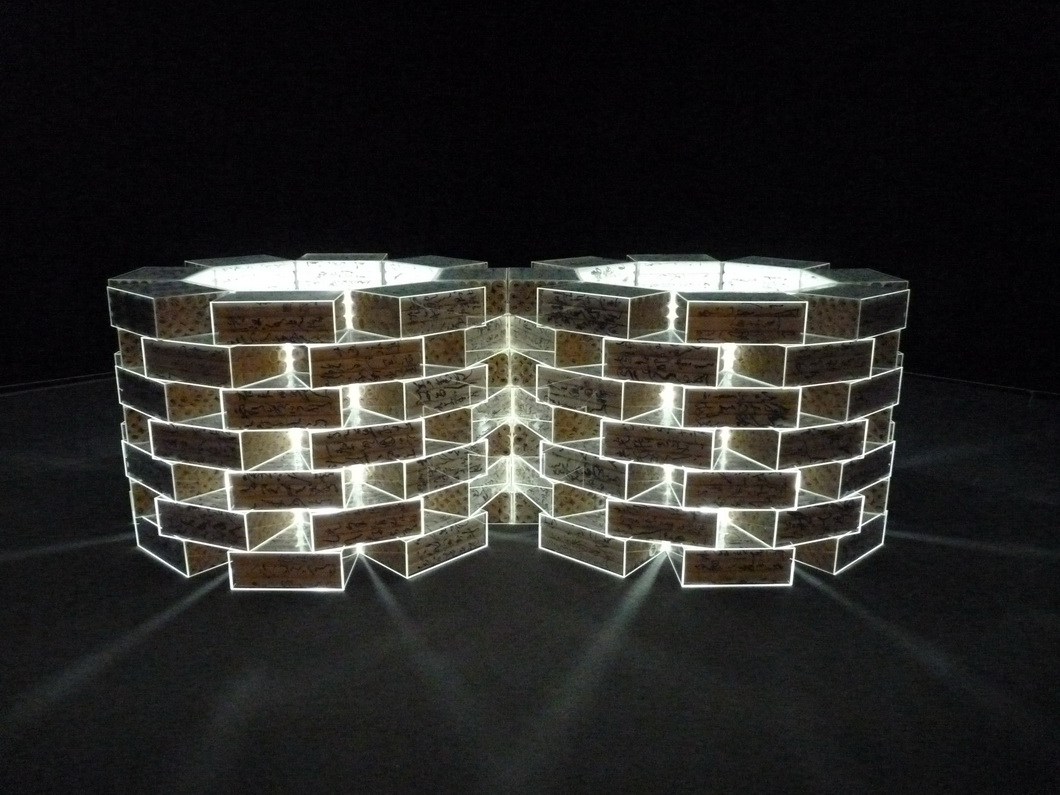
Xu Yongjin Infinite 160x95x2cm 2017 Spatial Installation
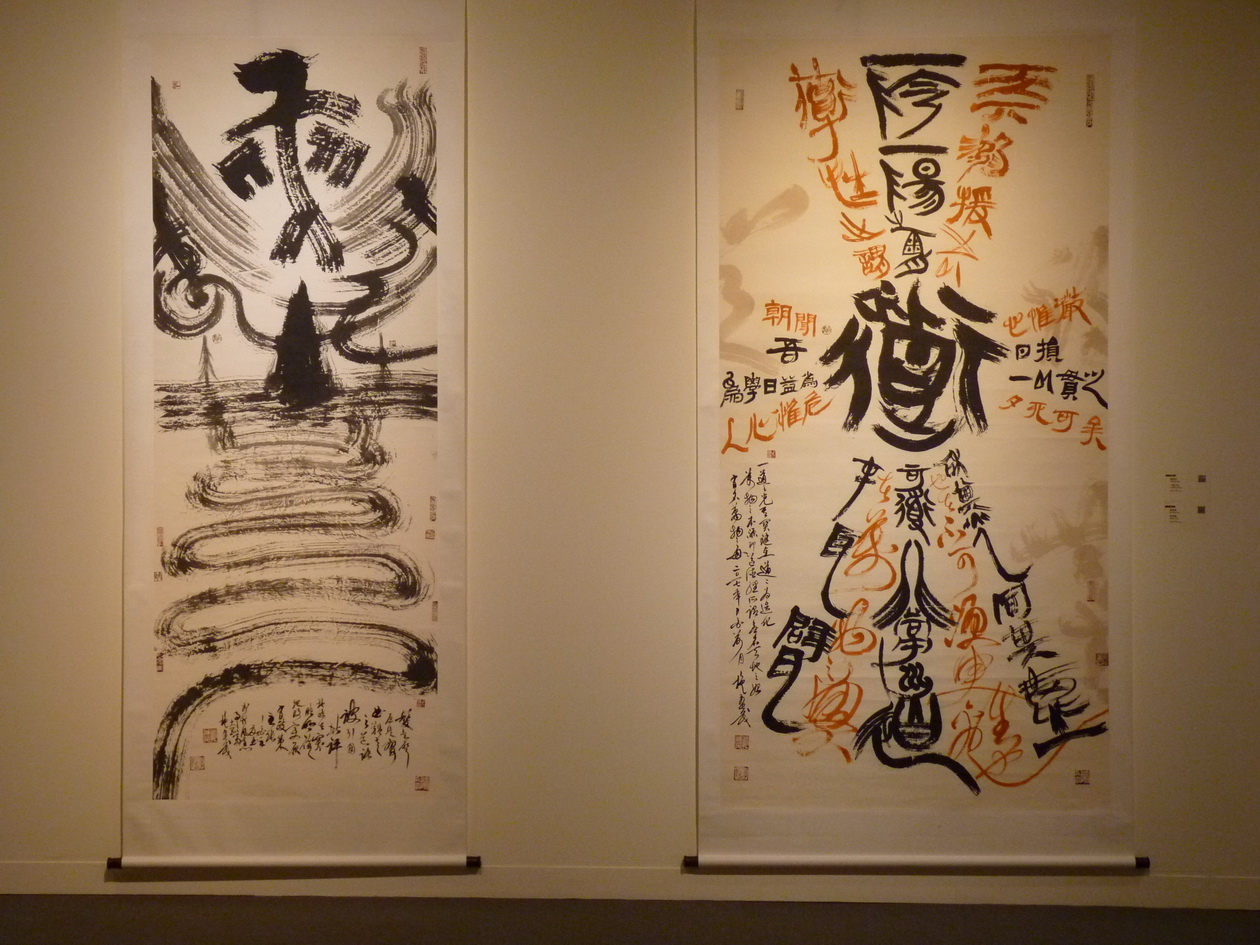
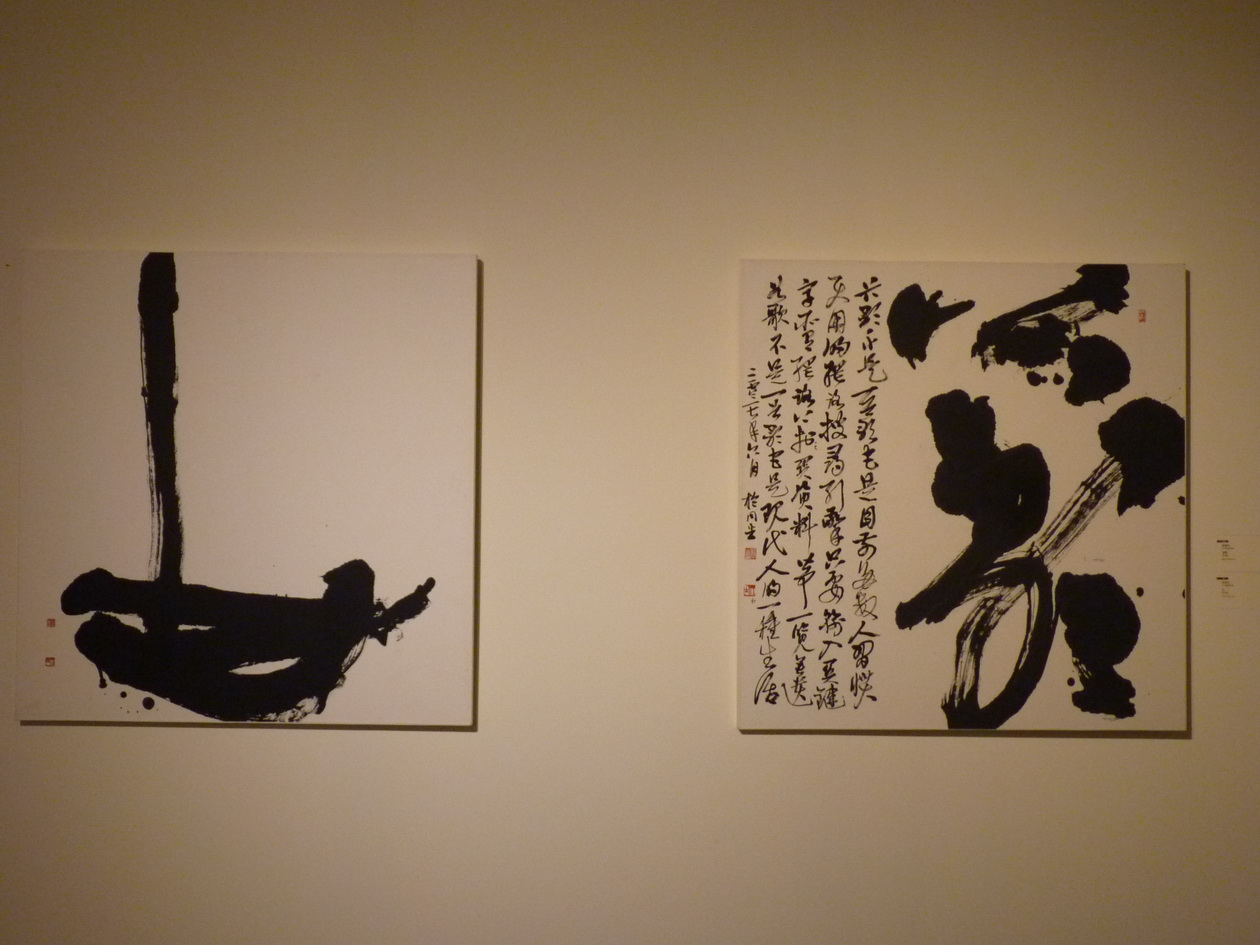
Text/Photos by Chen Chi-Hsiang. Dates: August 5–November 19. Venue: Kaohsiung Museum of Fine Arts. The 2017 10th Traditional and Experimental Calligraphy Biennale "Keywords," curated by the Ho Chuang-shi Foundation, is a biennial exhibition emphasizing that contemporary calligraphy and tradition are inseparable. Since its inception in 1999, it has responded to Taiwan’s changing times, encouraging current calligraphers to bravely innovate. Now entering its twentieth year, despite persistent efforts to promote new themes, expression methods, mounting forms, and artistic styles to present contemporaneity, the exhibition features 36 participating artists, including both established masters and newcomers. All participants possess skilled calligraphy skills and deep heritage. Amidst the balanced traditional and experimental elements, the intent is to explore Taiwan’s current modern values and significance. Experimental works subtly challenge traditional frameworks, creating progress with the times; traditionalists continue to inherit the past and inspire the future using existing forms or concepts, while experimental calligraphers attempt to articulate the new era through new formal vocabularies, concepts, and attitudes.
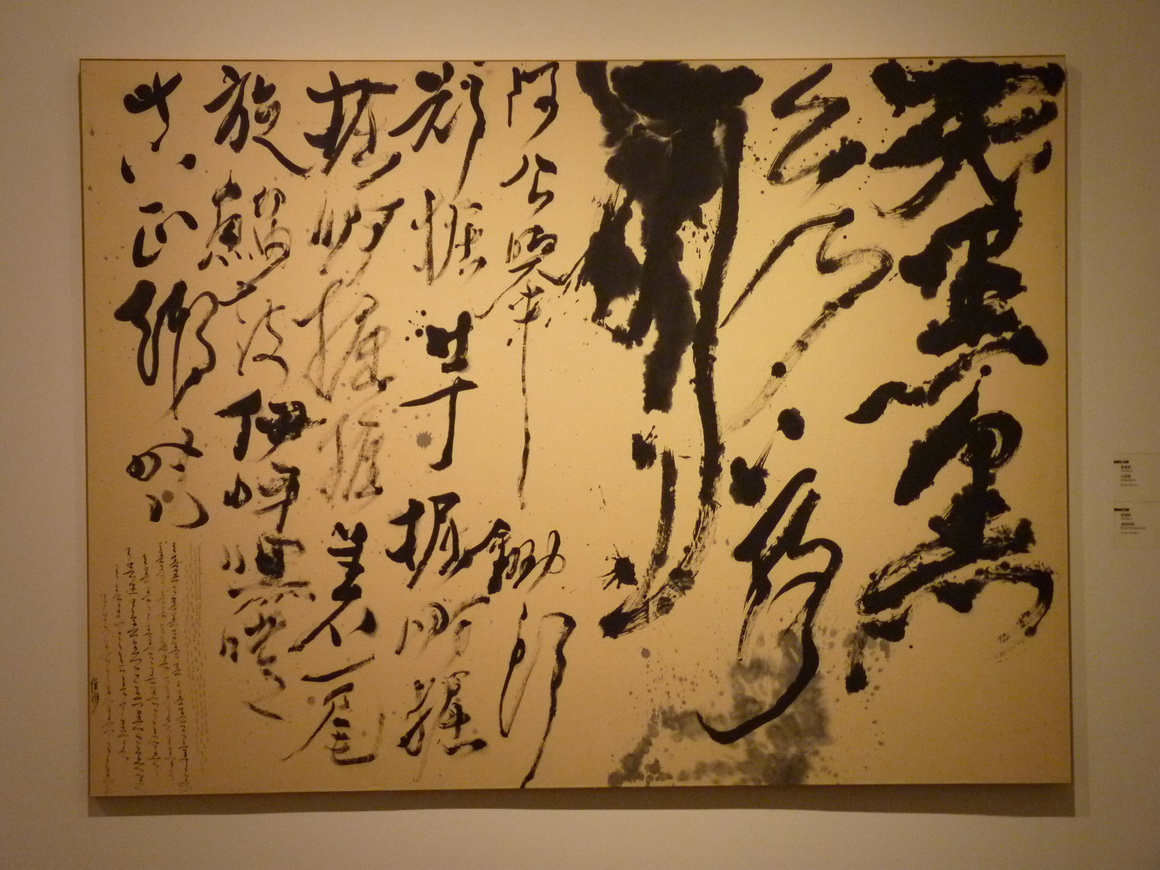
Traditional calligraphy holds its own value and significance, serving as the driving force for inheriting the past and inspiring the future, operating within the categories of regular, clerical, and cursive scripts from traditional steles and model books. Examples include Chen Hung-mien’s “Four Panels of Large Seal Script: Leisurely Joy,” Chen Yi-lang’s “Bitterness – If Not Each Requires Seven-Character Couplet Running Script,” Lin Chin-chung’s “Li Bai’s Song on the River,” Lin Chun-chen’s “Li Shutong’s Farewell,” Guo Hui-ya’s cursive “It’s Getting Dark,” and Chen Ming-teh’s “Escaping the World 1 / Deng Shiru ‘Bishan Study’ Long Couplet.” Creation is the artistic value of every era; the world’s greatness is formed by creativity. Undeniably, tradition holds its own value and significance. Experimental works possess their own temporal attributes and spirit, nurturing new life within cultural depth.
Traditional calligraphy continues to evolve within the line attributes of steles and model books. Experimental calligraphy deconstructs traditional forms and signifiers. Brushwork, ink lines, shapes, and composition are not the sole values of modern calligraphy; structuring and deconstructing text, or transcending text, are also paths toward liberation. Diverse forms, imagery, mental images, and even abstract symbols and visual vocabularies create necessity. Traditional calligraphy continues to strengthen the essence of ancient texts, while experimental creators stay grounded. New themes become inevitable, possibilities of new materials emerge, and new spatial concepts are explored expressions. New styles arise accordingly.
Experimental calligraphy takes shape with contemporary formal vocabularies, and responding to current events in creative themes is natural. Incorporating contemporary popular vocabulary into works involves “text”; current events and popular vocabulary reflect people’s lives in the present world, as well as calligraphers’ sensitivity and awareness of their society. Text mirrors each creator’s state of mind and consciousness, representing the spiritual temporality of modern calligraphy; otherwise, it lacks novelty. Black ink on white paper simply cannot manifest its temporal value and significance.
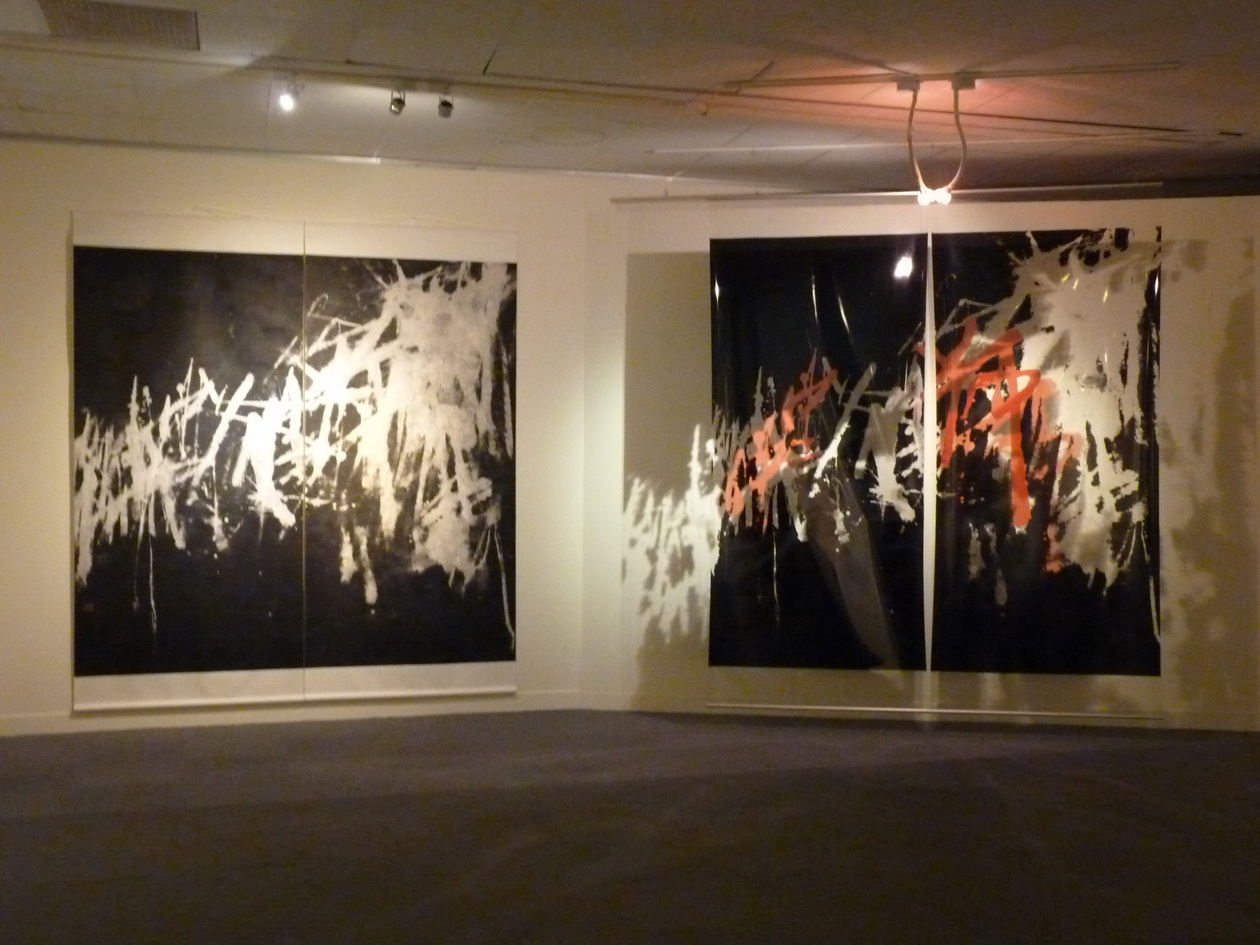
Must modern calligraphy always be black characters on white paper? Look at Huang Yi-ming’s work “Hope” for clarity. What about color calligraphy? Such as Huang Tsung-yi’s “94 Madness.” While ink divides into five colors, light calligraphy is rare. Must calligraphy or art calligraphy be written with traditional brushes? Besides black ink, what about oil paint or black charcoal? Or utilizing photocopying, printing, or inkjet output? Huang Yi-ming’s inkjet output is an excellent example of modern calligraphy.
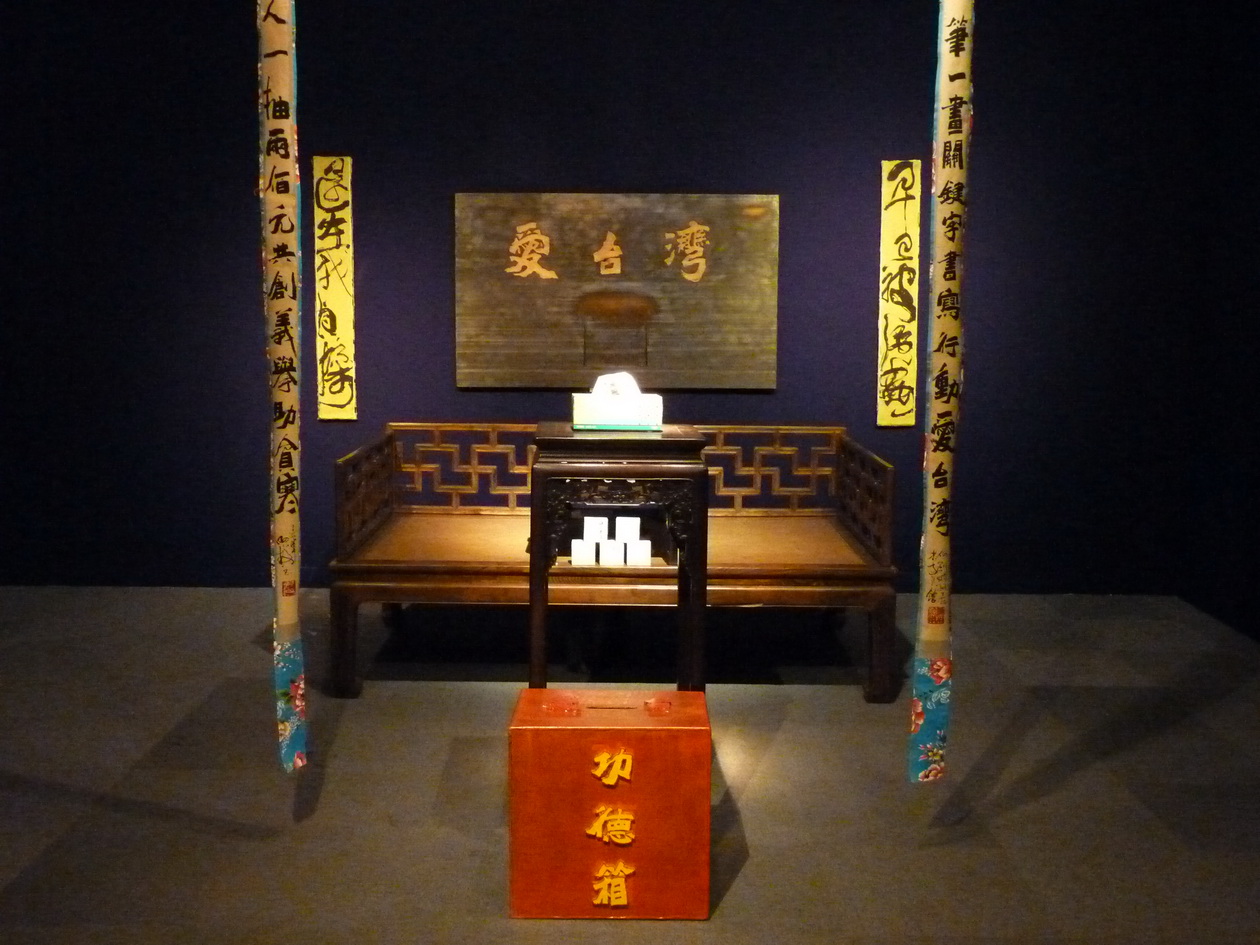
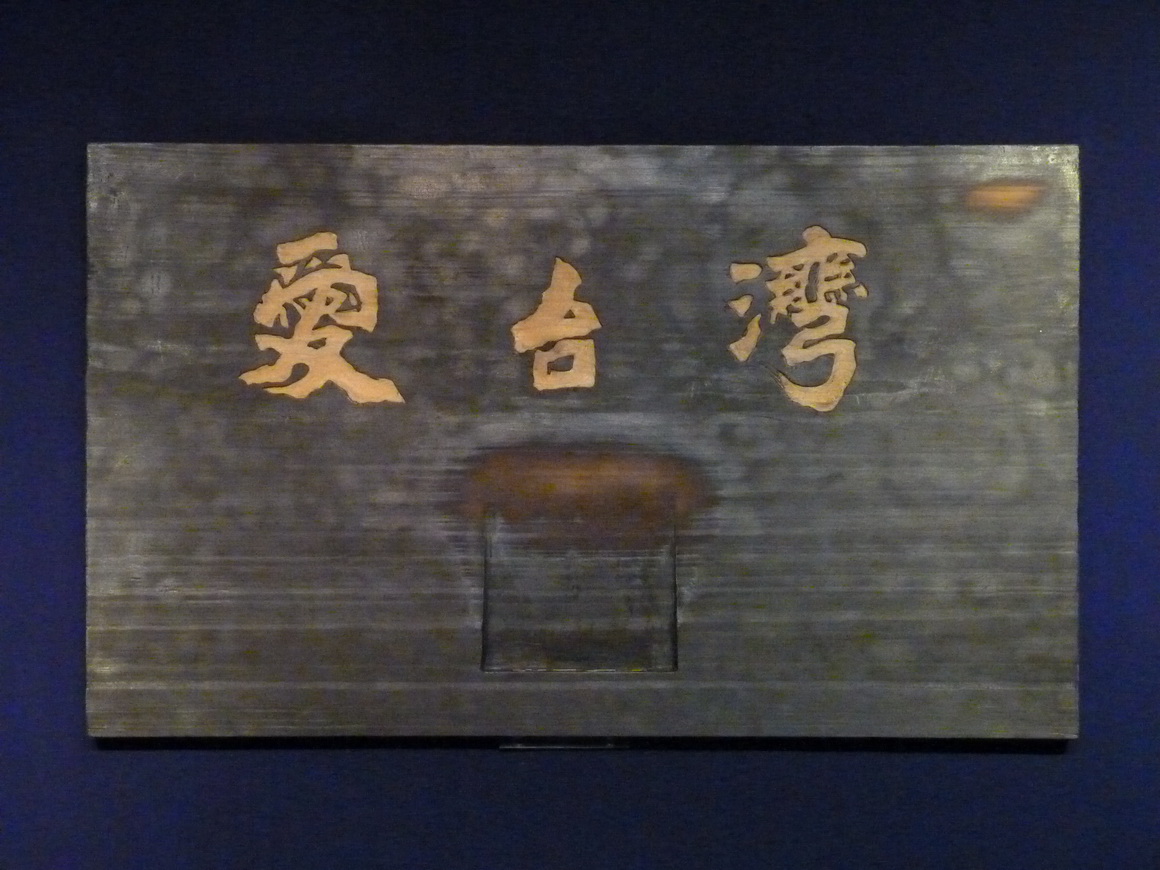
Even incorporating multimedia materials today or combining digital art under new technology can provide exploration media or expressive possibilities for contemporary calligraphy. New material media become possibilities for new artistic styles. Does this also imply the spirit of the times and contemporaneity? When liberating traditional material media, calligraphy should have more possibilities. Is all calligraphy flat? Exhibition formats must have the courage to detach from walls, attempting and exploring space to make spatial expression more diverse. Perhaps this is the inevitability of highlighting the temporality of calligraphy. This exhibition includes three subtle spatial installation works (whether they are successful works is another matter): Huang Yi-ming’s hanging work “Hope”; Xu Yongjin’s “Infinite,” where calligraphy is assembled in transparent acrylic boxes stacked into double wells; and Aba’s highly local “Love Taiwan” spatial installation.
Numerous experimental, personalized, and subjective approaches are inevitable. In improvisation, sensibility, and expression, deconstruction and construction, Li Xiao-kun shows distinct trends with pattern paintings like “Analects: Xue Er Chapter Excerpts”; Shi Chun-mao’s pneumatic writing “Hairpin Bend”; Yu Tong-sheng’s deconstruction “Ancient” and “Google”; Li Yu-chou’s near-abstract structure “Chu Seal Script Refined Characters”; Jiang Bo-xuan’s linear abstract structure “My Keywords”; Huang Zhi-yang’s graffiti writing “South”; Xiao Yi-fan’s momentum-filled running-cursive “Zhi Te Wen – Stele Learning Ancient Collection,” etc. “Rather than learning from ancients, learn from nature; rather than learning from nature, learn from the heart.” Liberating tradition with an experimental spirit, bravely exploring and attempting, is the vision for the future of calligraphy.