Syllabus for a Lecture on Modernist Art
Left-Delaunay 1912-13 Right-Kandinsky Impression V 1911 Centre Pompidou Collection
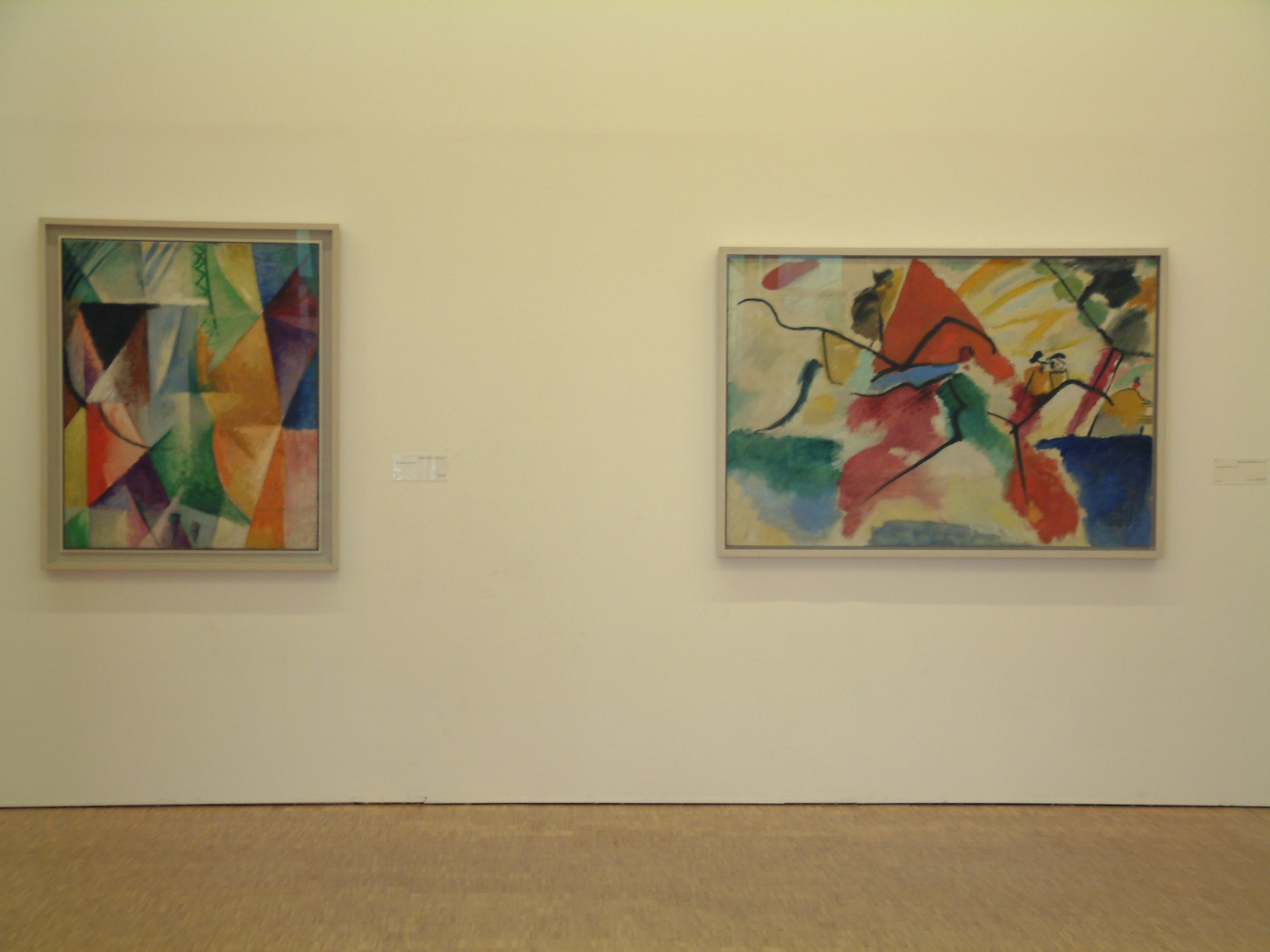
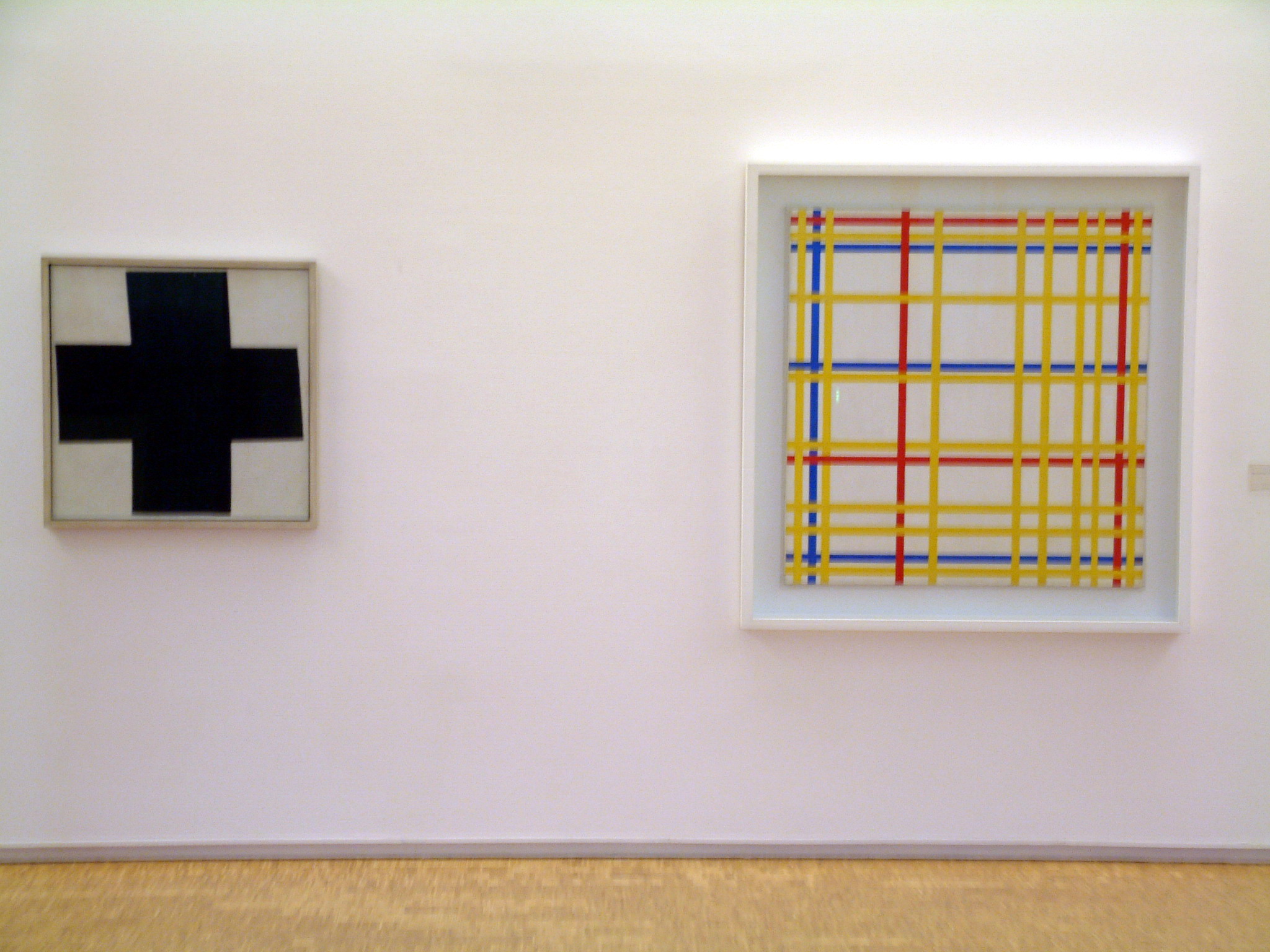
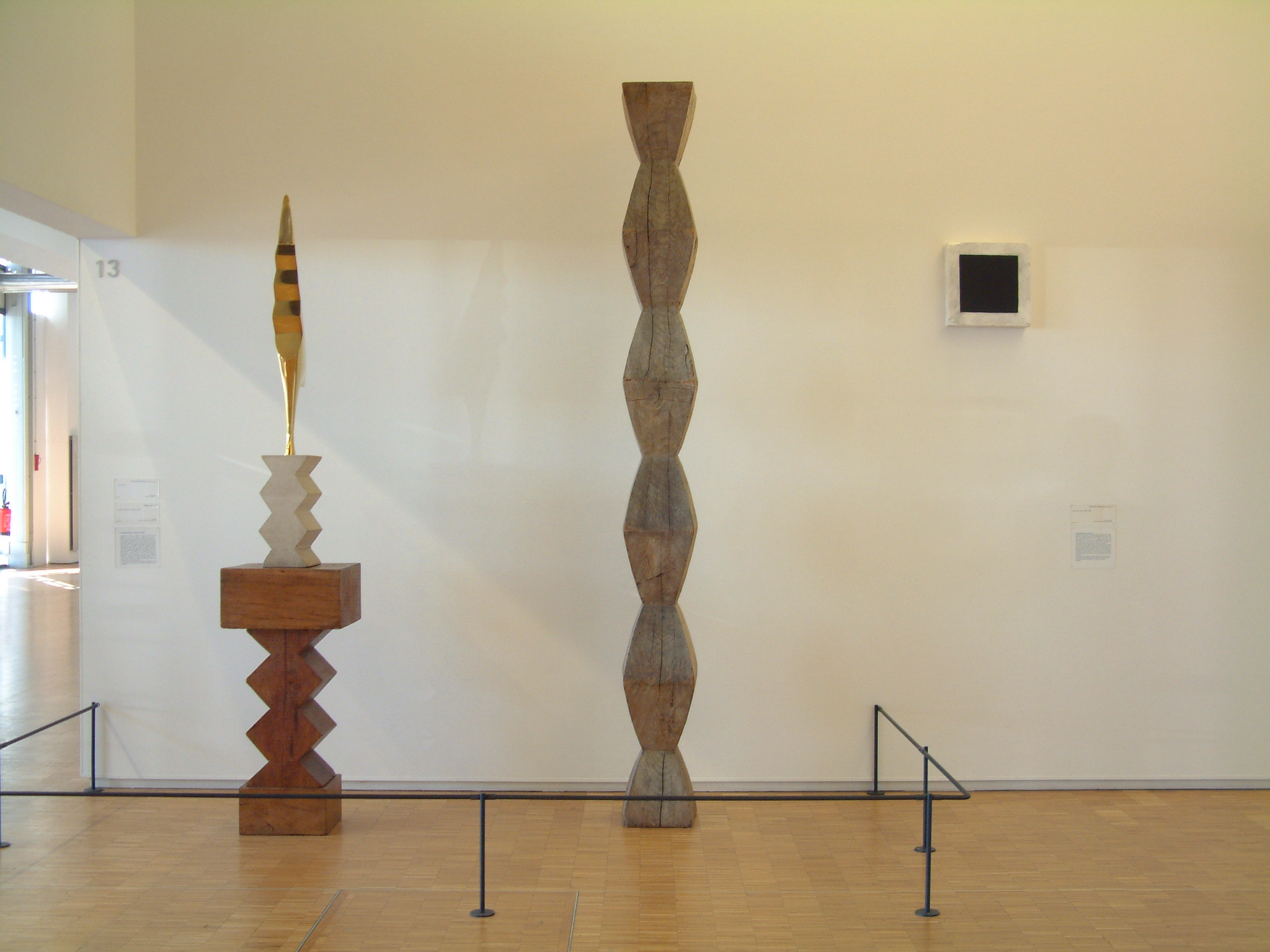
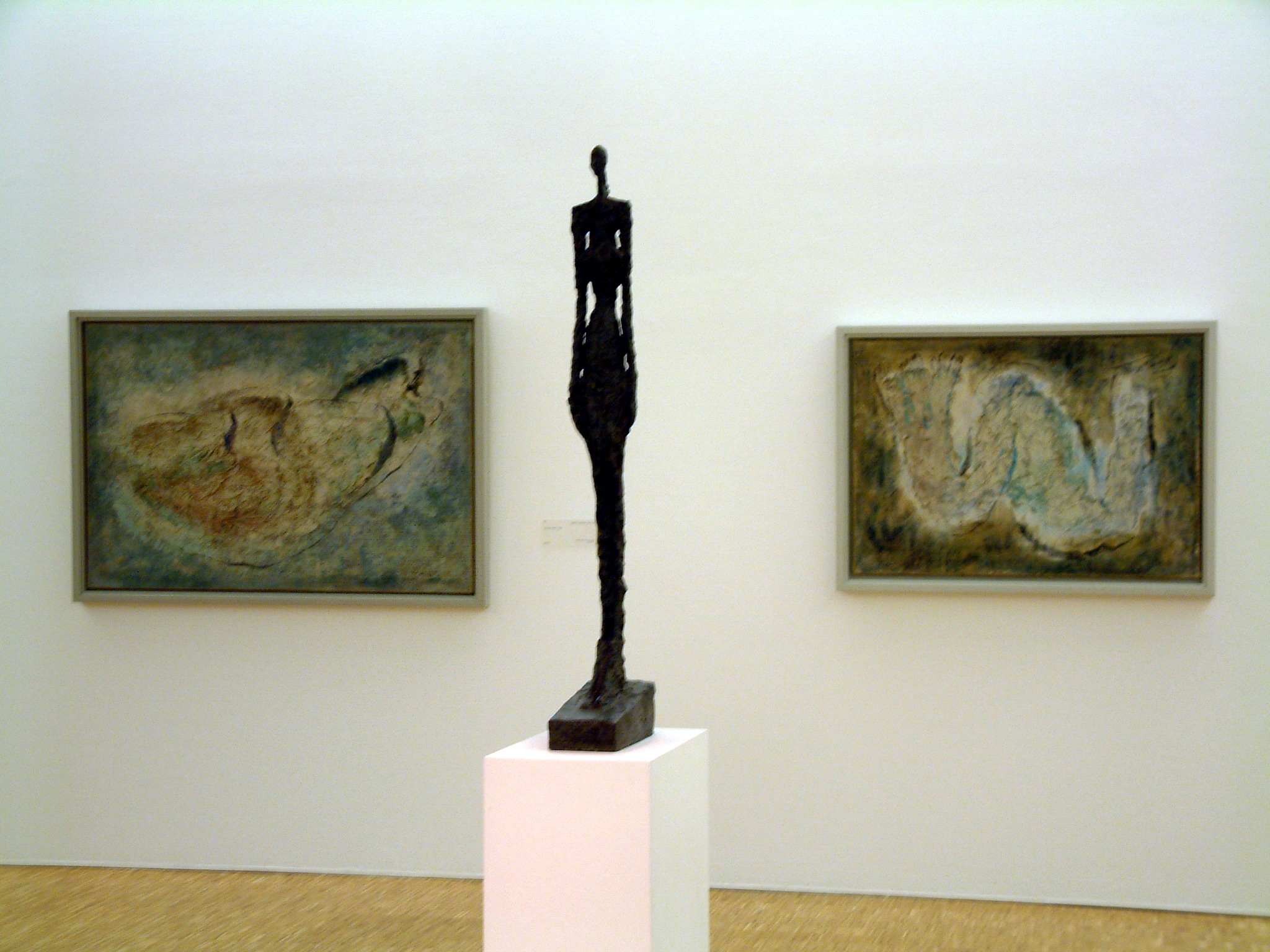
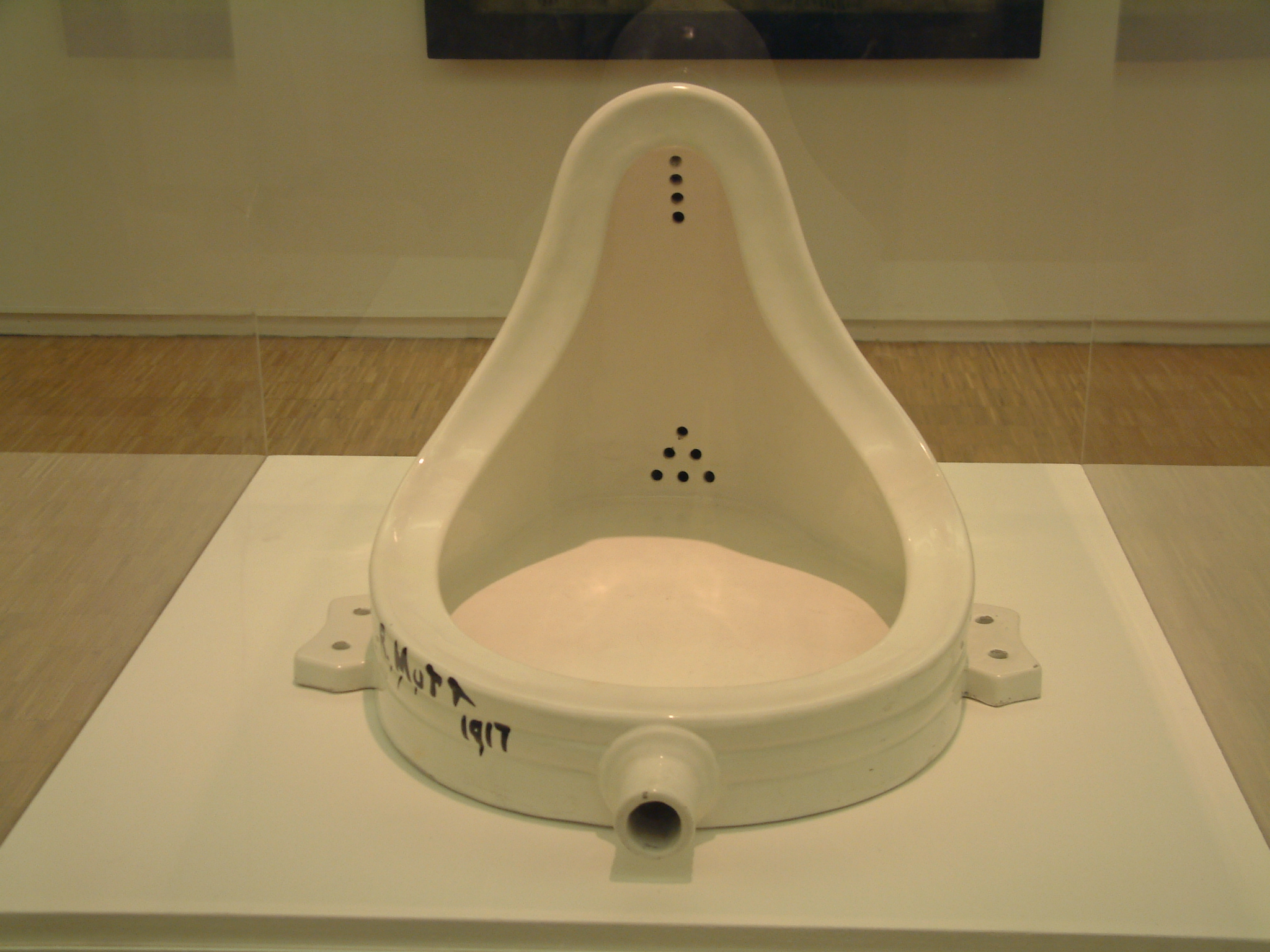
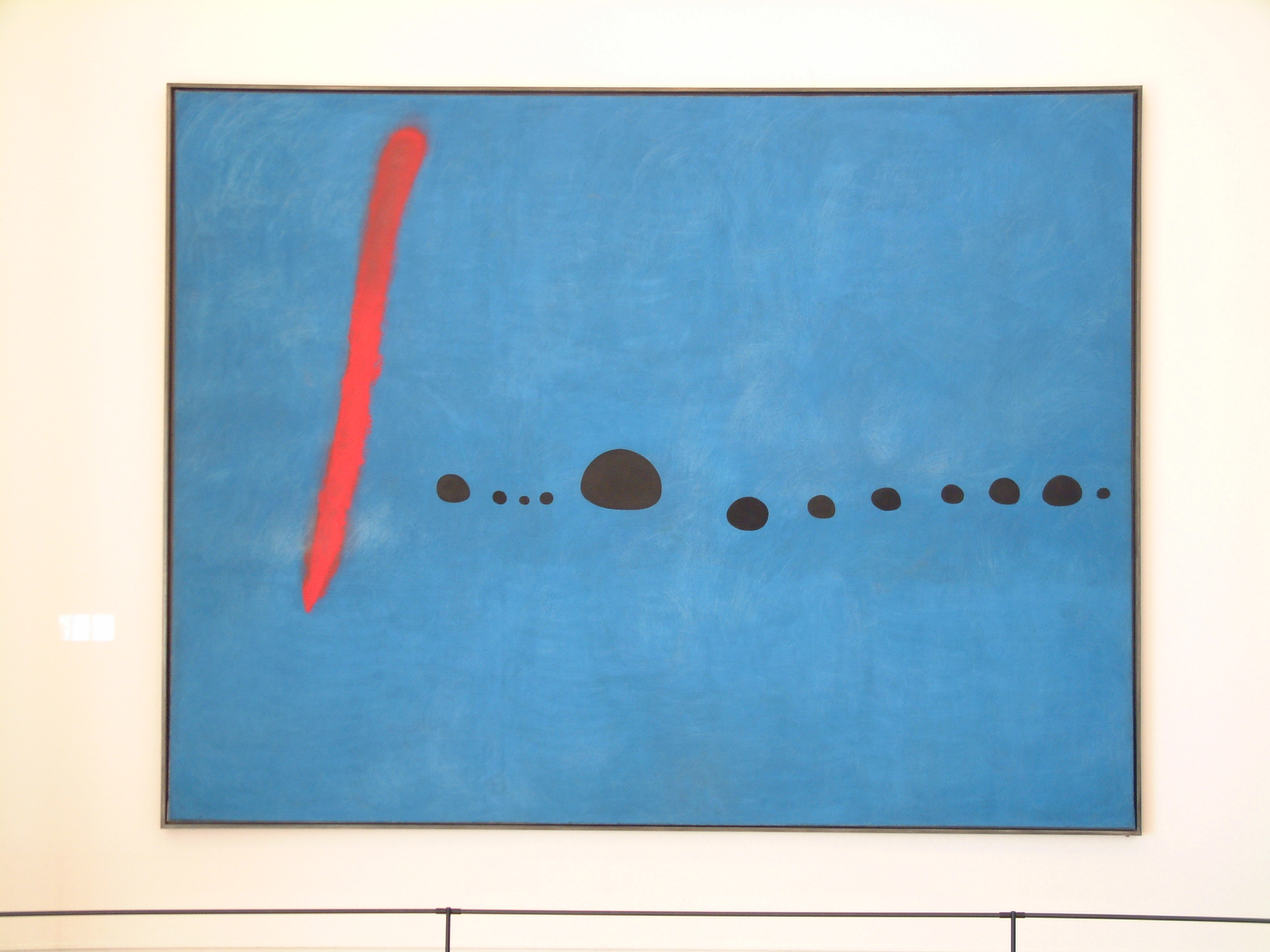
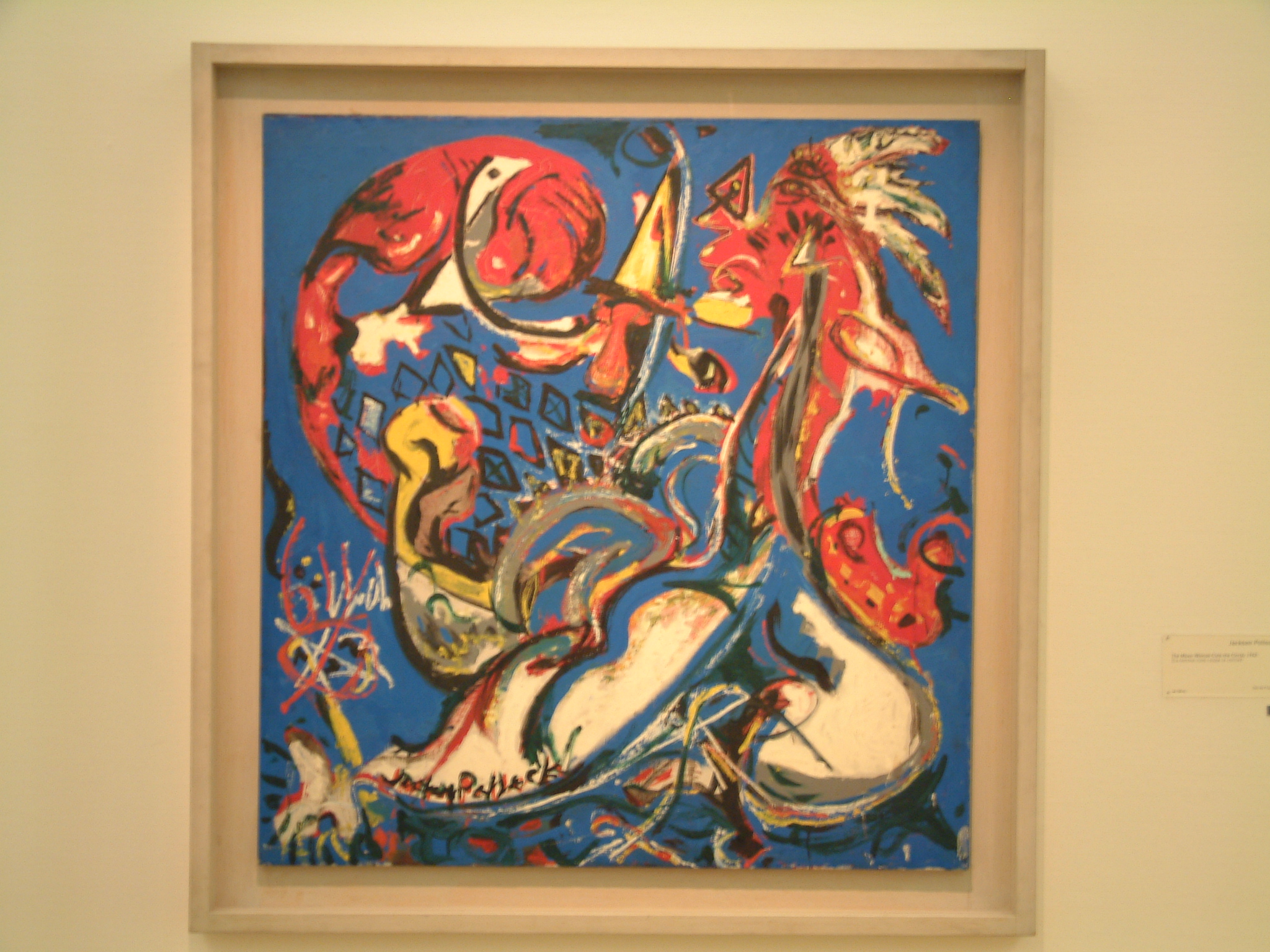
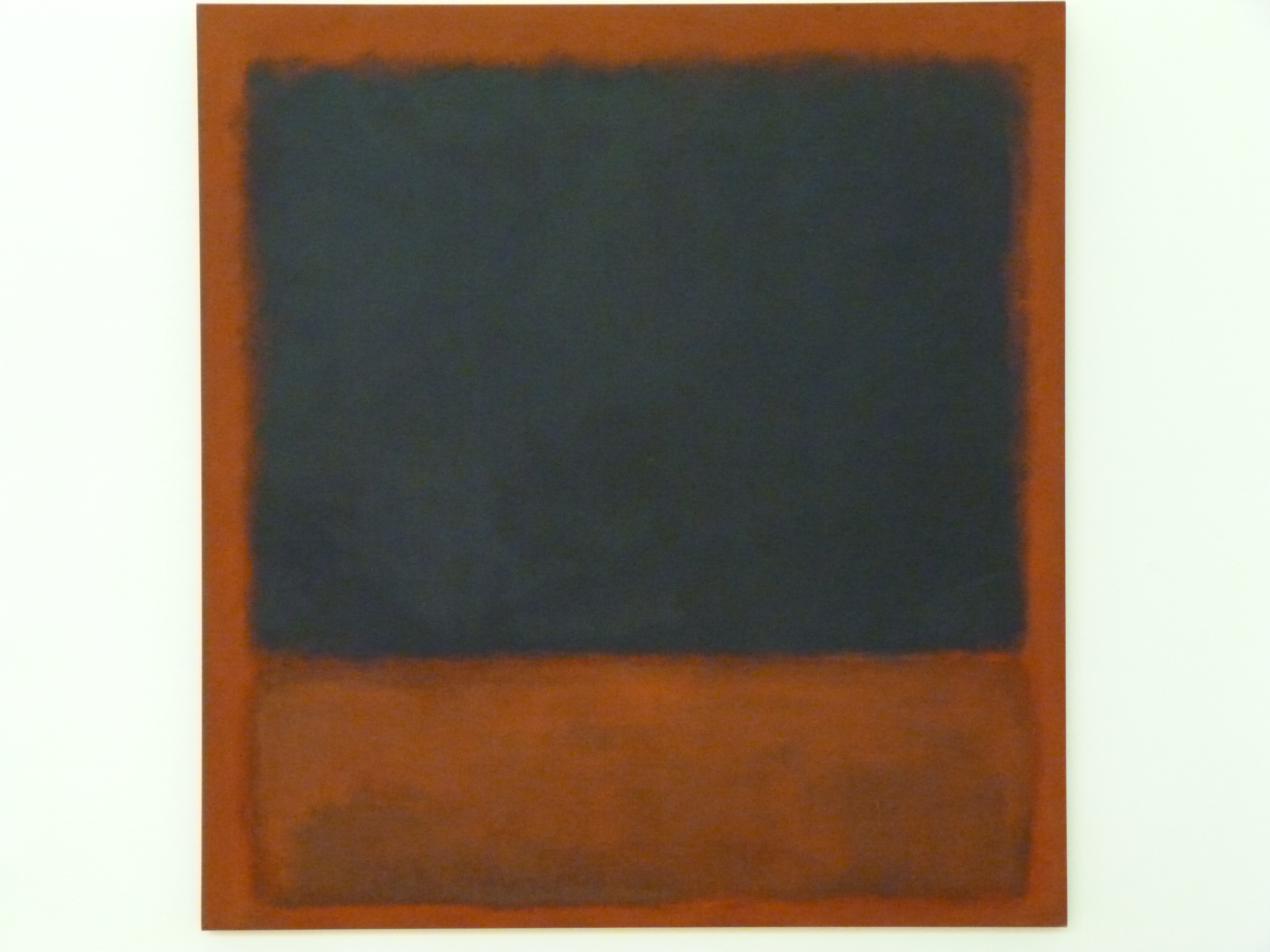
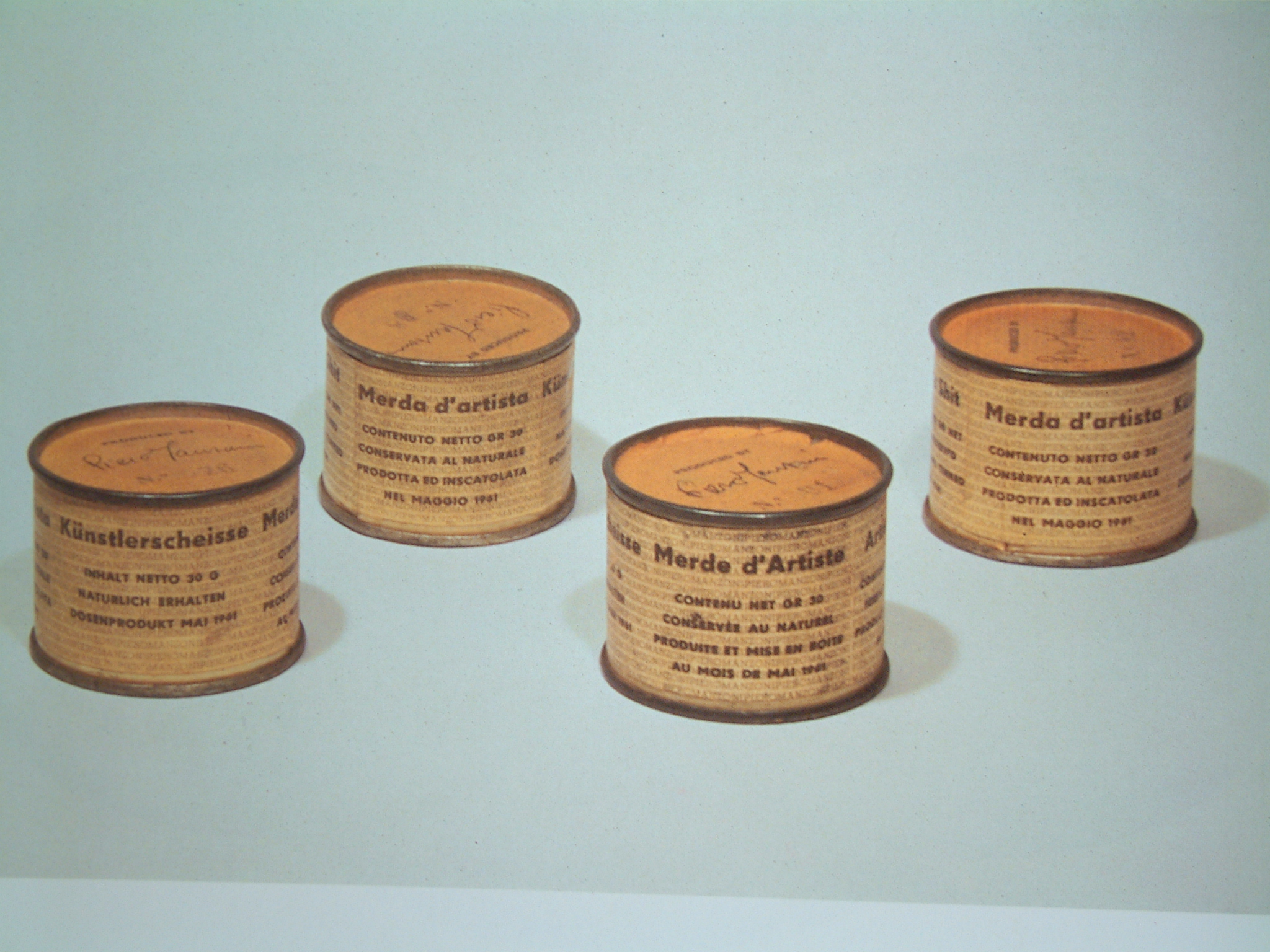
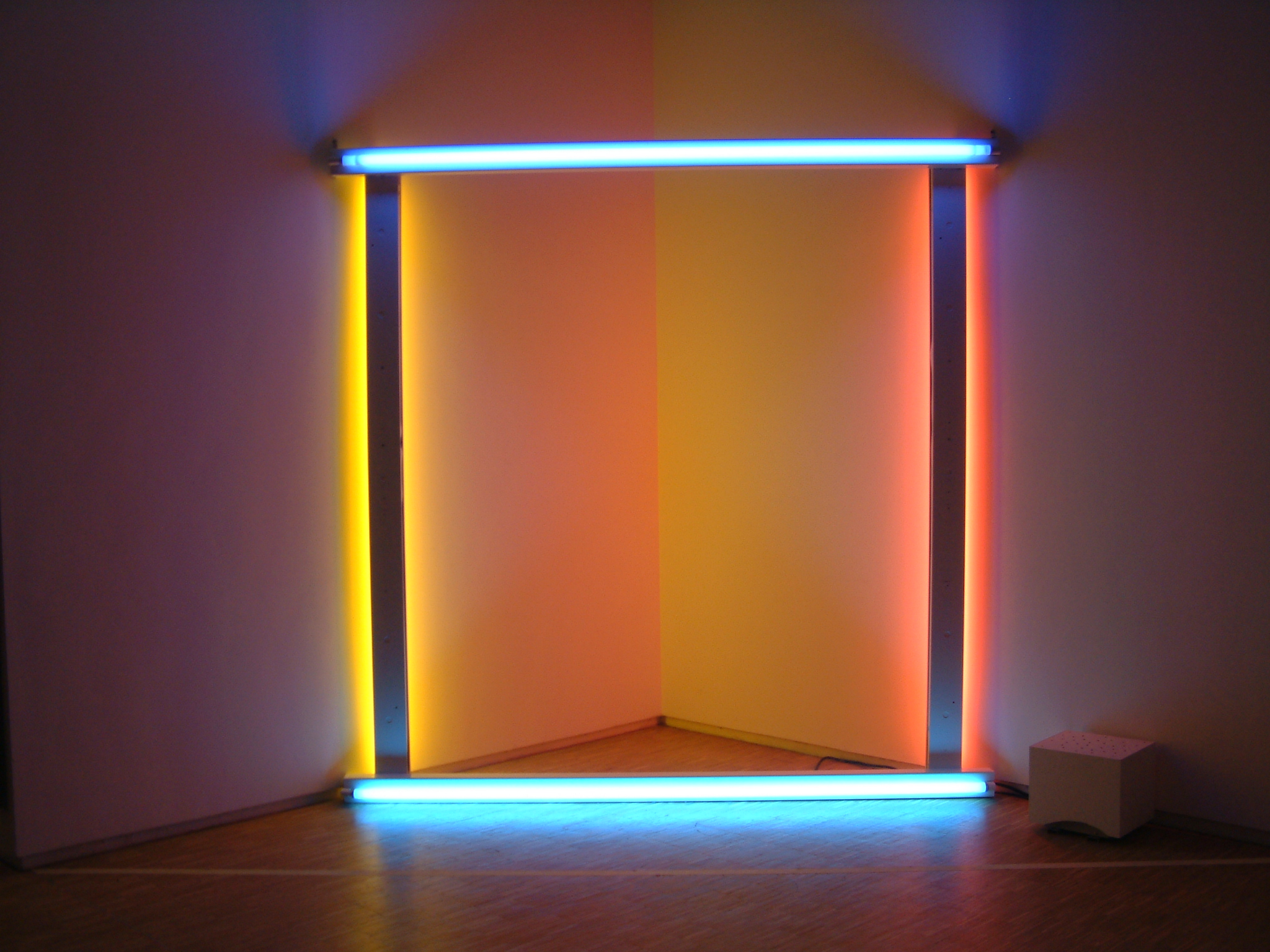
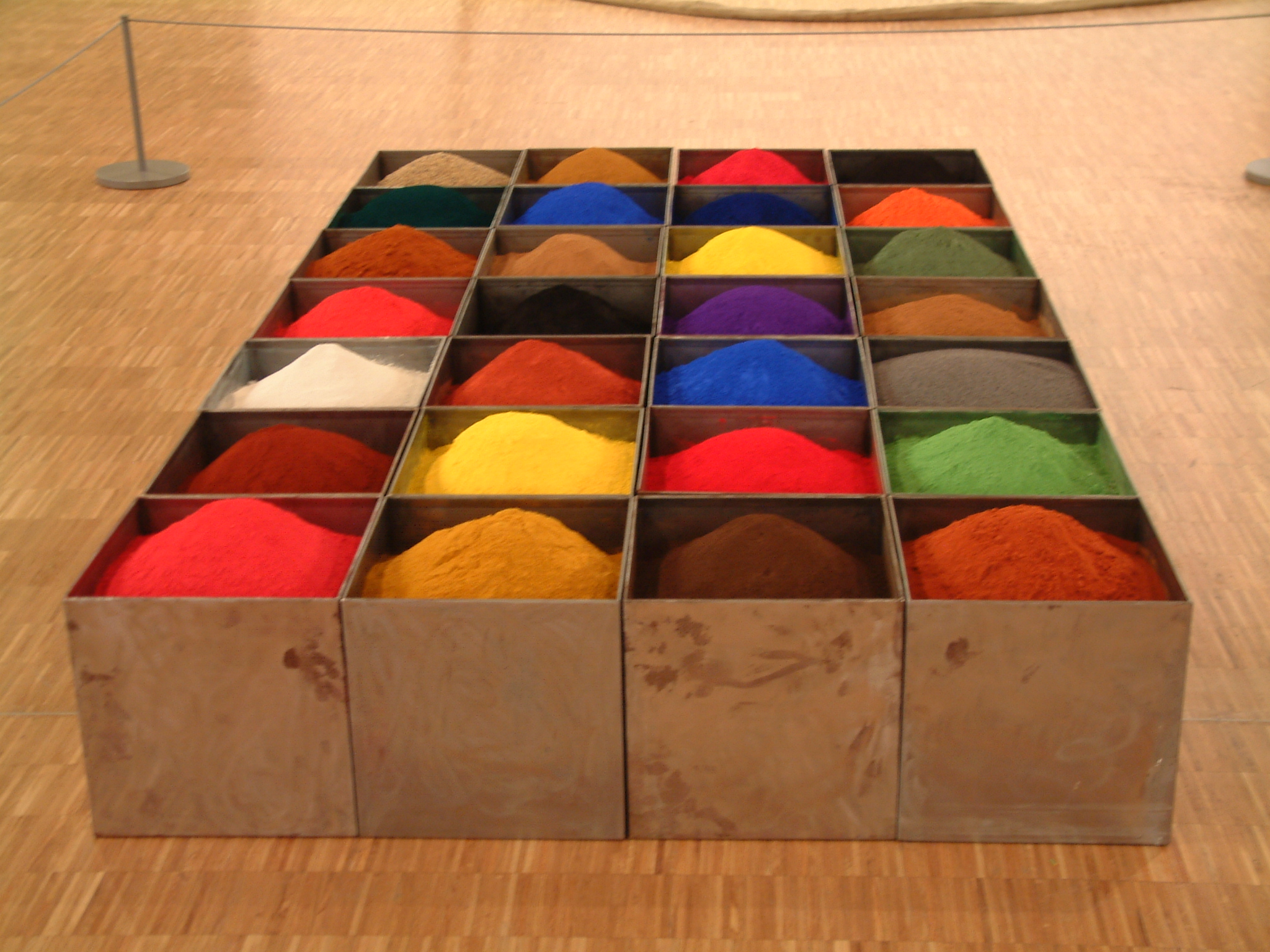
Text and photos by Chen Chi-Hsiang ▎Course Instructor ▎ Chen Chi-Hsiang ▎Venue ▎ Yiji Hall ▎Theme ▎ Fusion and Collision · Art Thought Series ▎Schedule ▎ 01/08, 01/22, 02/05, 02/26, 03/12, 03/26 (two sessions per month)
Modernism: Explaining what modernism is, its artistic characteristics, and its dilemmas. Two sessions each.
Postmodernism: What comes after modernity or the appearance of postmodernity, and its artistic characteristic signs. Two sessions each.
Globalization: Why globalization, the value and significance of relative localization, and the artistic signs of globalization. Two sessions each.
In the eyes of modernists, tradition becomes old, stale, and corrupt. Facing contemporary perception with an innovative stance and expanding into the unknown world, the avant-garde spirit becomes mainstream consciousness. In other words, "neither repeat others nor repeat yourself." This concept dominates the trend of the times; advancement replaces retreat, swift currents surge upward, competing in splendor, causing confusion and doubt.
The meaning of "modern" is to refuse to be defined by old authorities and to insist that everyone can define themselves with their own vocabulary, taking negation as the artistic manifesto. Attempting to view one's birth and the world one possesses from a non-presupposed, brand-new perspective. In fact, the tumultuous modernism and avant-garde art are of the same body; their greatest characteristic is constantly "confronting" tradition and society and experimenting with "innovation." It plays the role of progress and liberation, projecting the imagery of a progressive world. It possesses "action for action's sake," "negation for negation's sake," and "innovation for innovation's sake." From the standpoint of artistic liberation, it indiscriminately pours out destruction upon art, regarding the criticism and transformation of society as a sacred mission within the spirit of "Oedipal patricide."
Avant-garde art: That which is heterodox, thoroughly liberating art and entering the realm of the unknown. Subverting traditional society and politics, revolutionizing beauty and art. Avant-garde art is a revolutionary type of theory based on progressivism or evolutionism. The avant-garde or modern art seeks out outliers, and artists often consider themselves pagans.
For example, Taiwanese artist Mei Dingyan said, "The avant-garde is not a concept, but an attitude."
"The avant-garde is an absolute synthesis of utopianism, anarchism, and liberal ideals. With intuitive conscience and action, carrying idealistic adventurism, believing in never 'going offside' and never 'turning,' it wages guerrilla warfare in the cement jungle of historical kitsch, regardless of success or failure. Its life is short, but its spirit is immortal." (From Mei Dingyan's Facebook)