Outline of a Postmodernist Art Lecture
Georg Baselitz Figure 1987 162x130 Oil on canvas
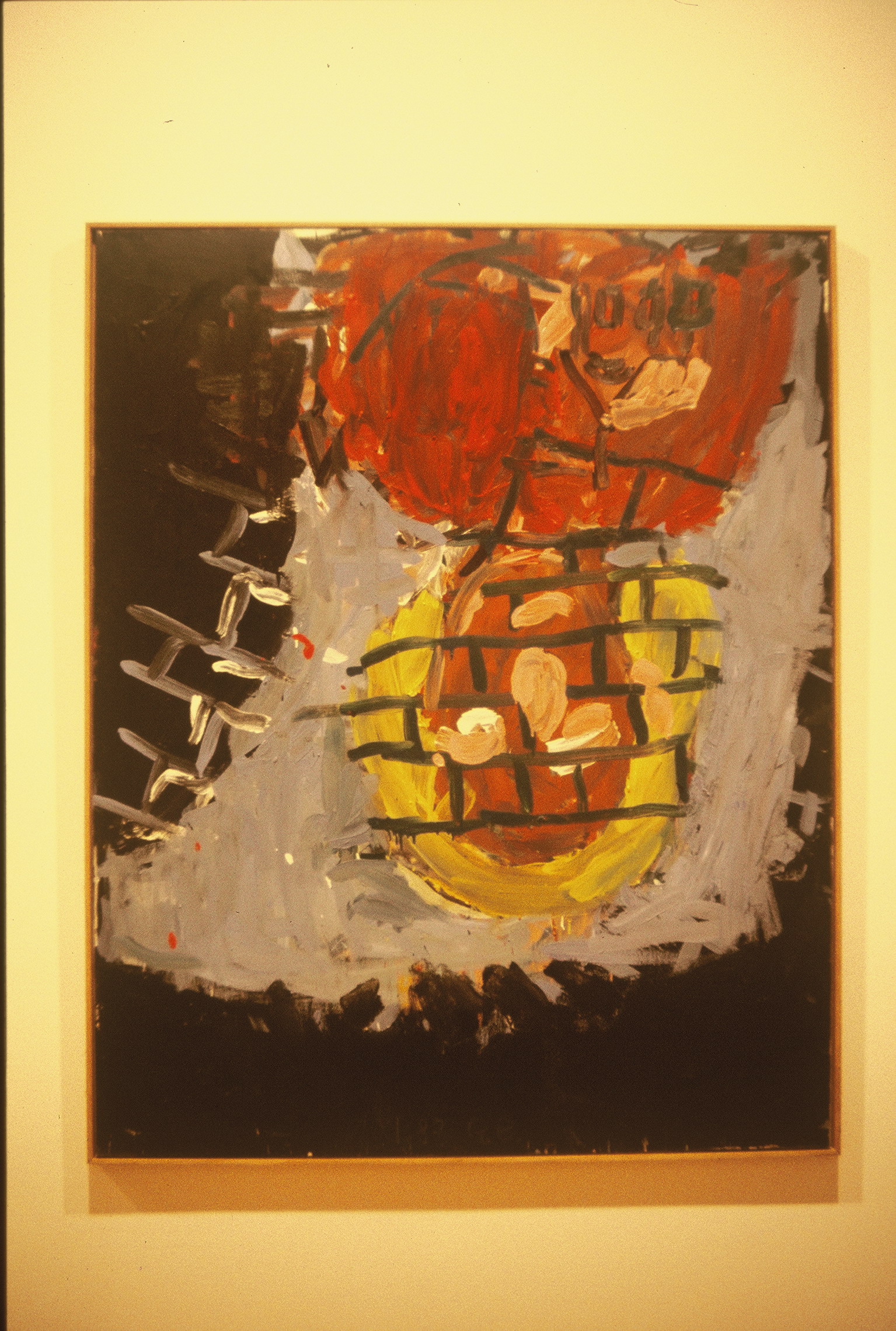
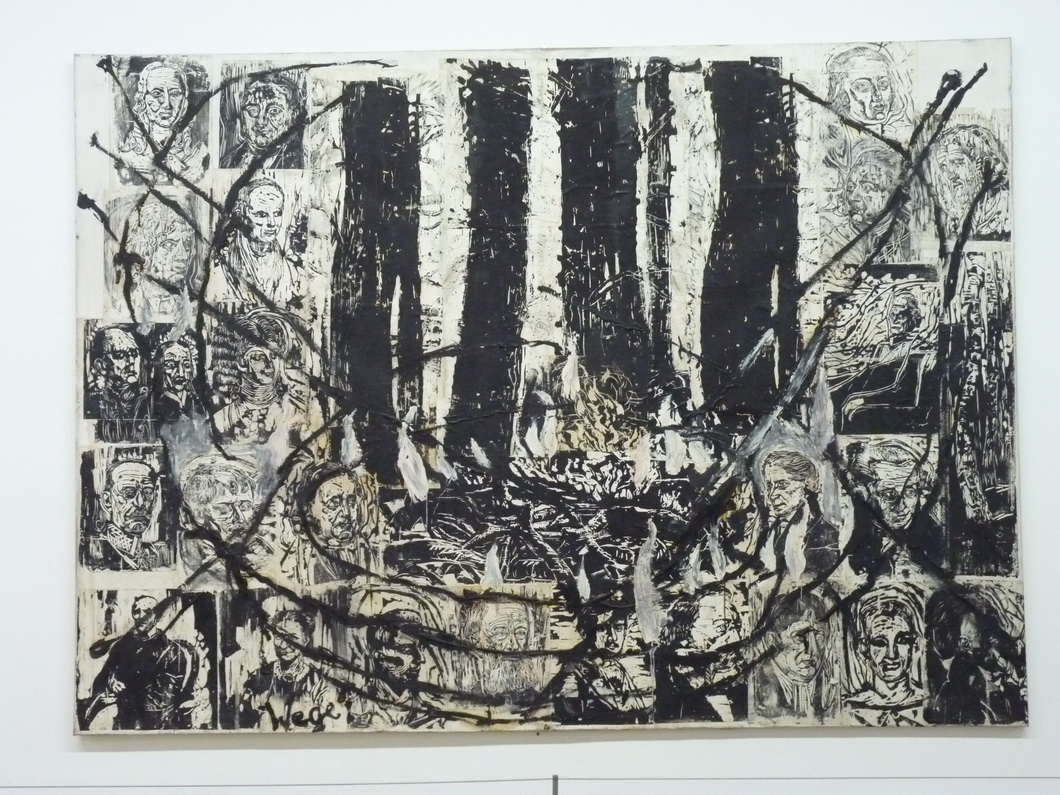
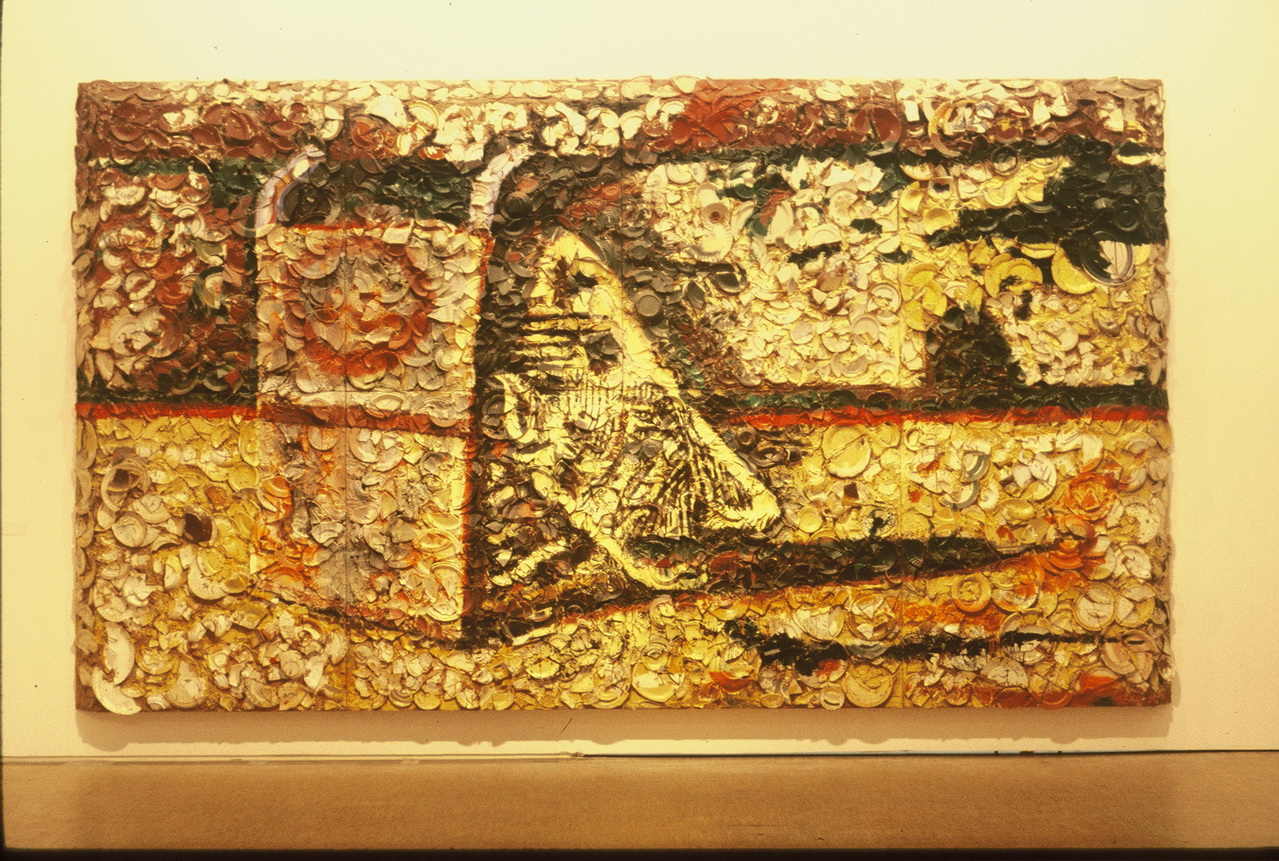
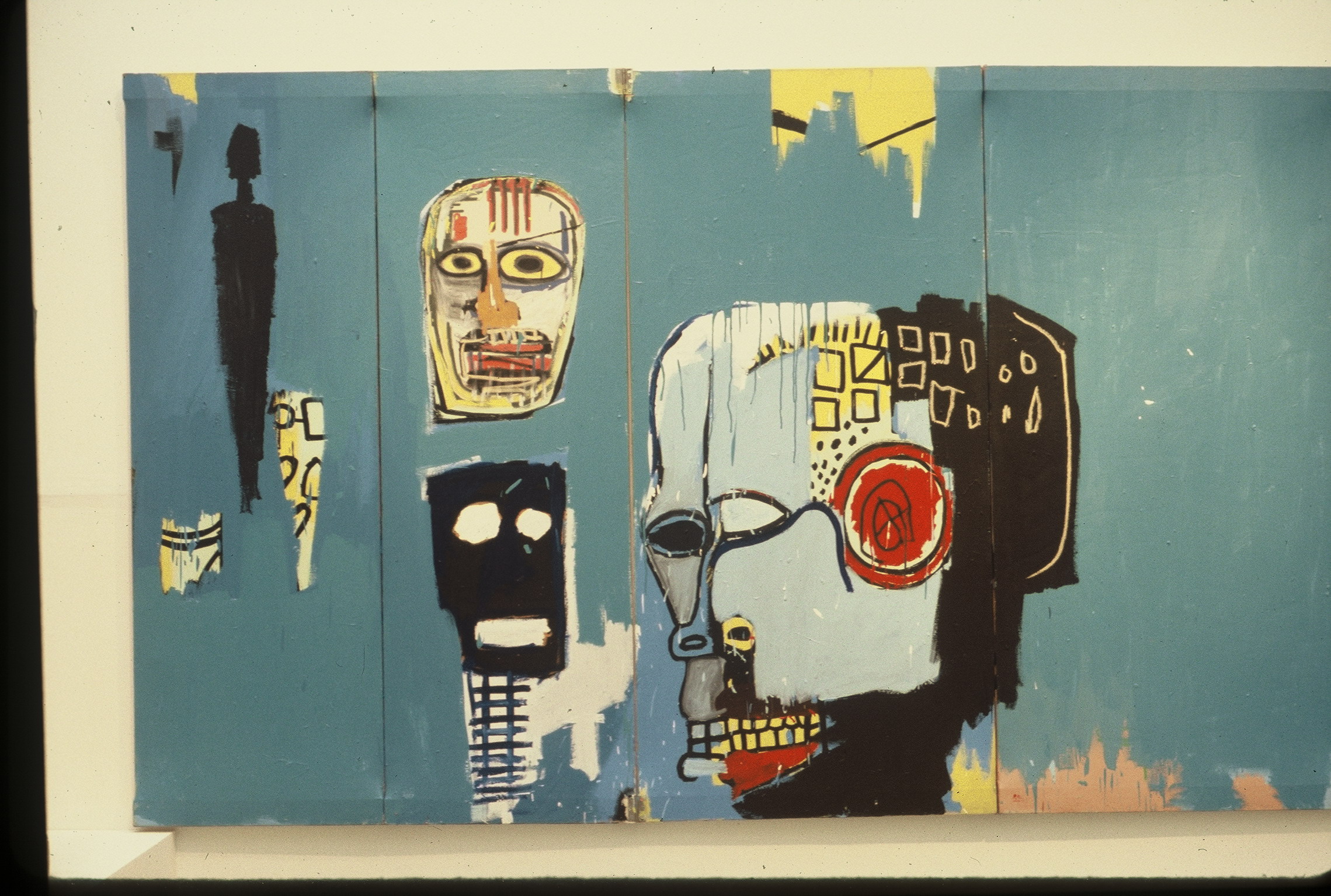
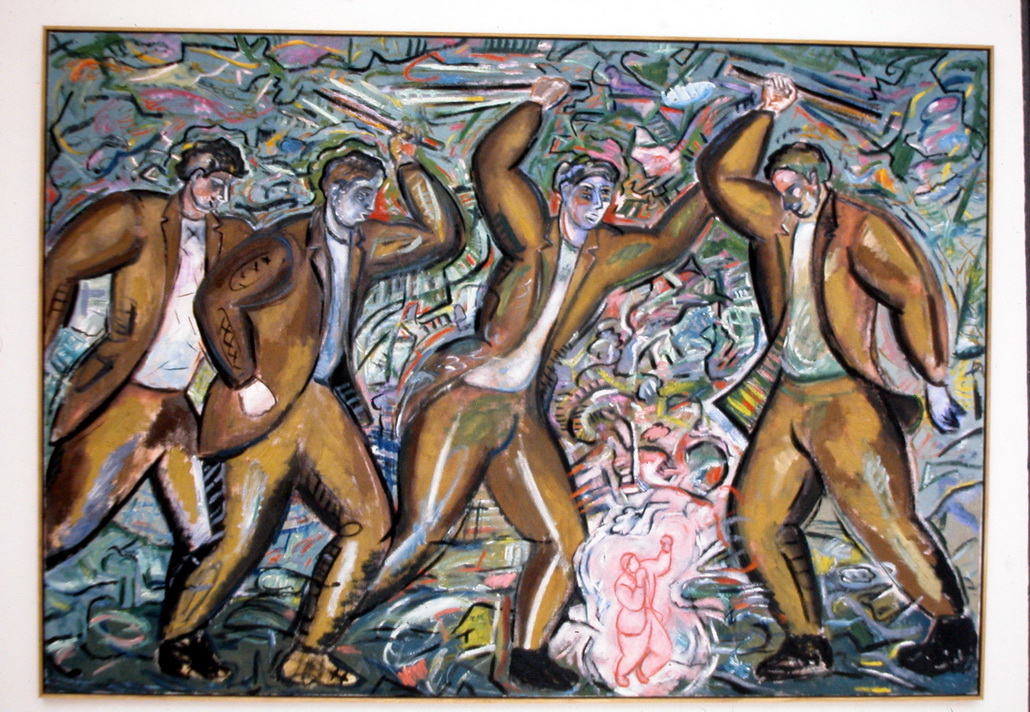
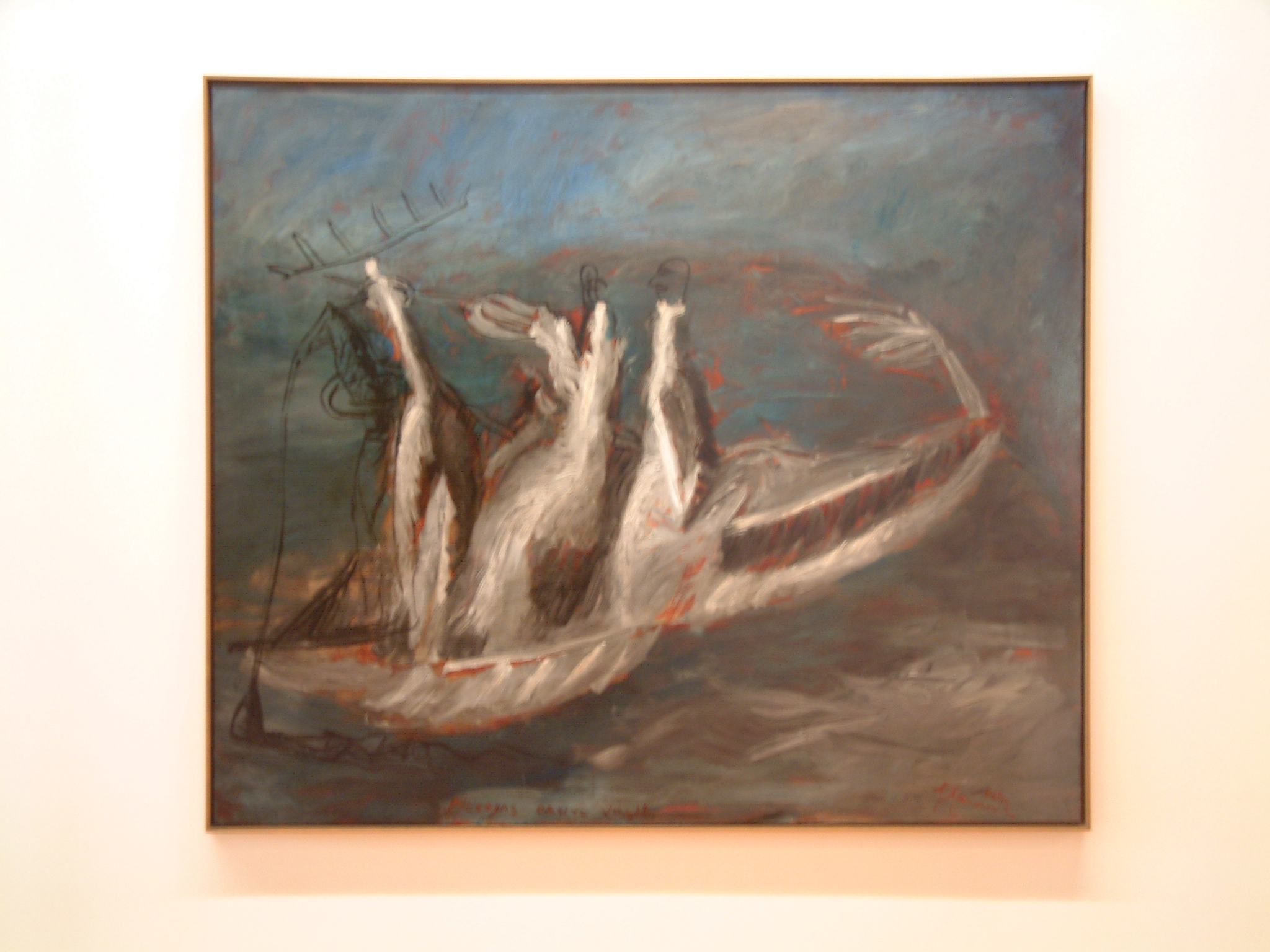
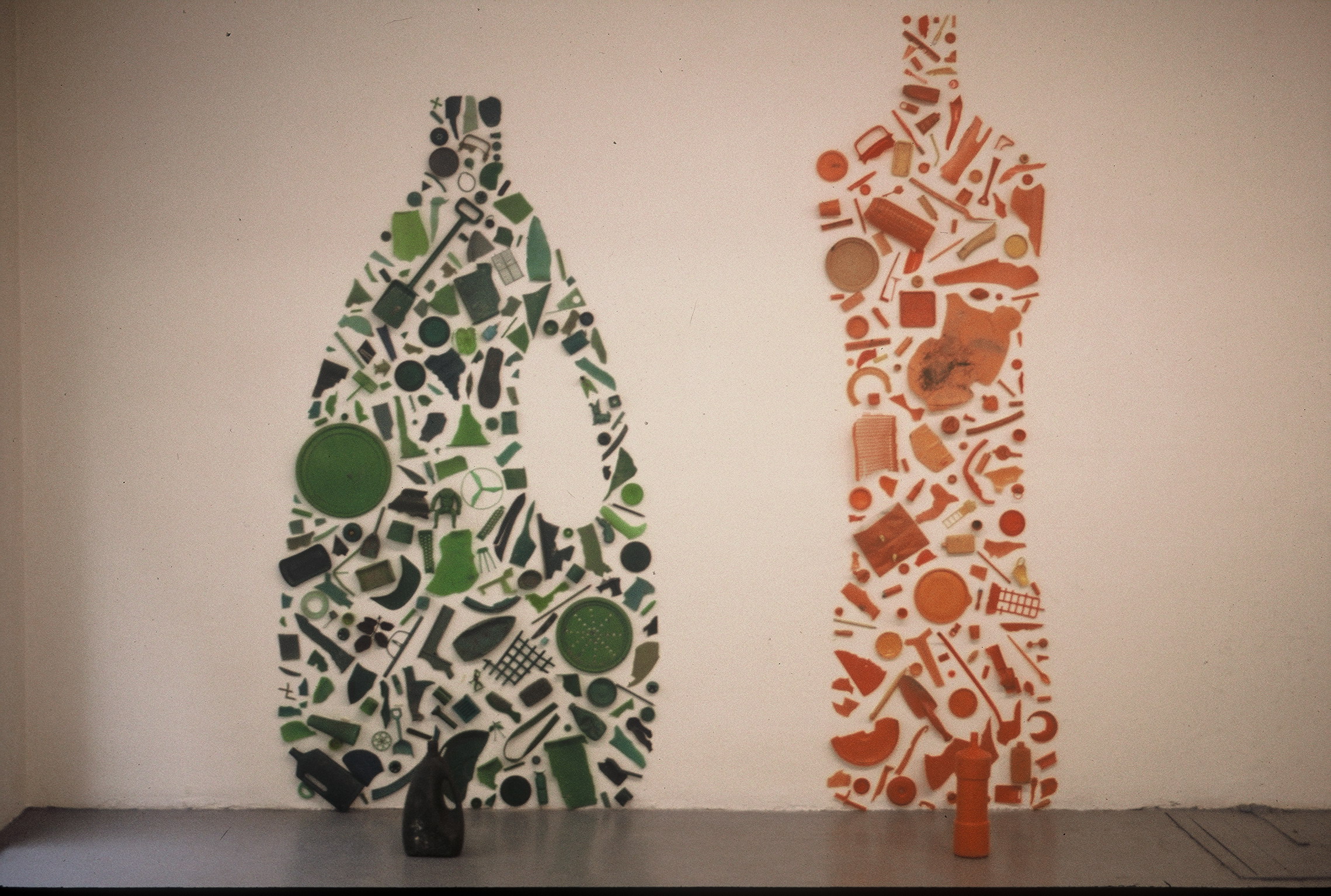
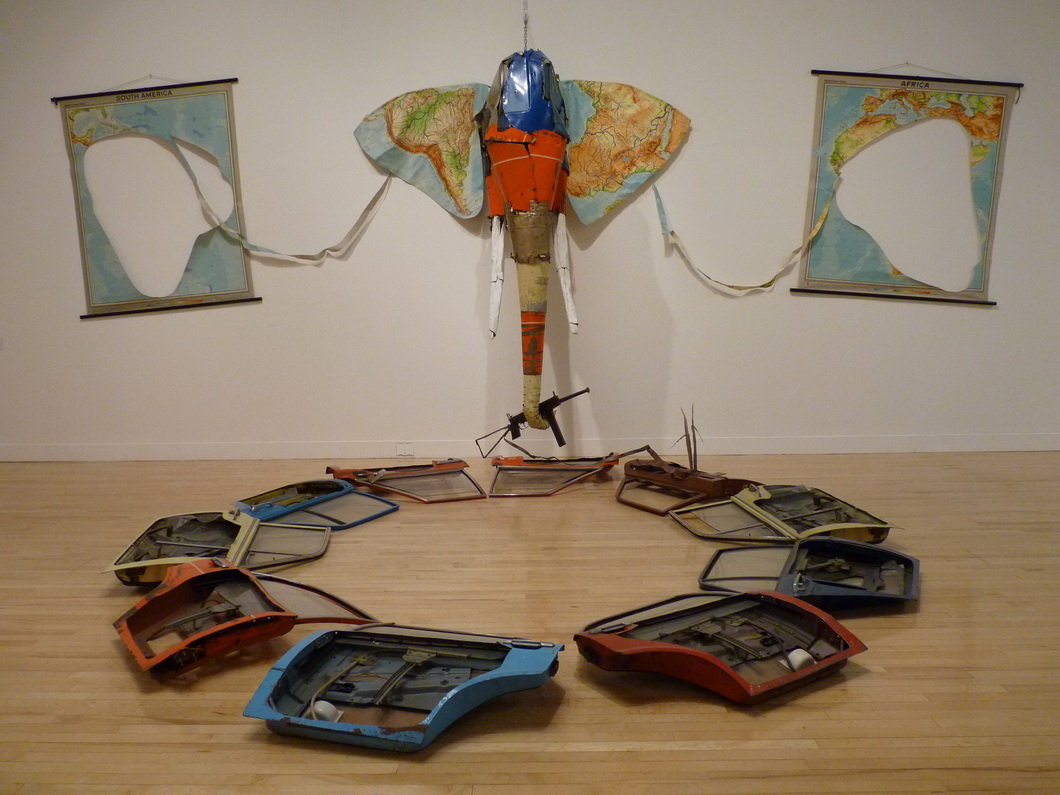
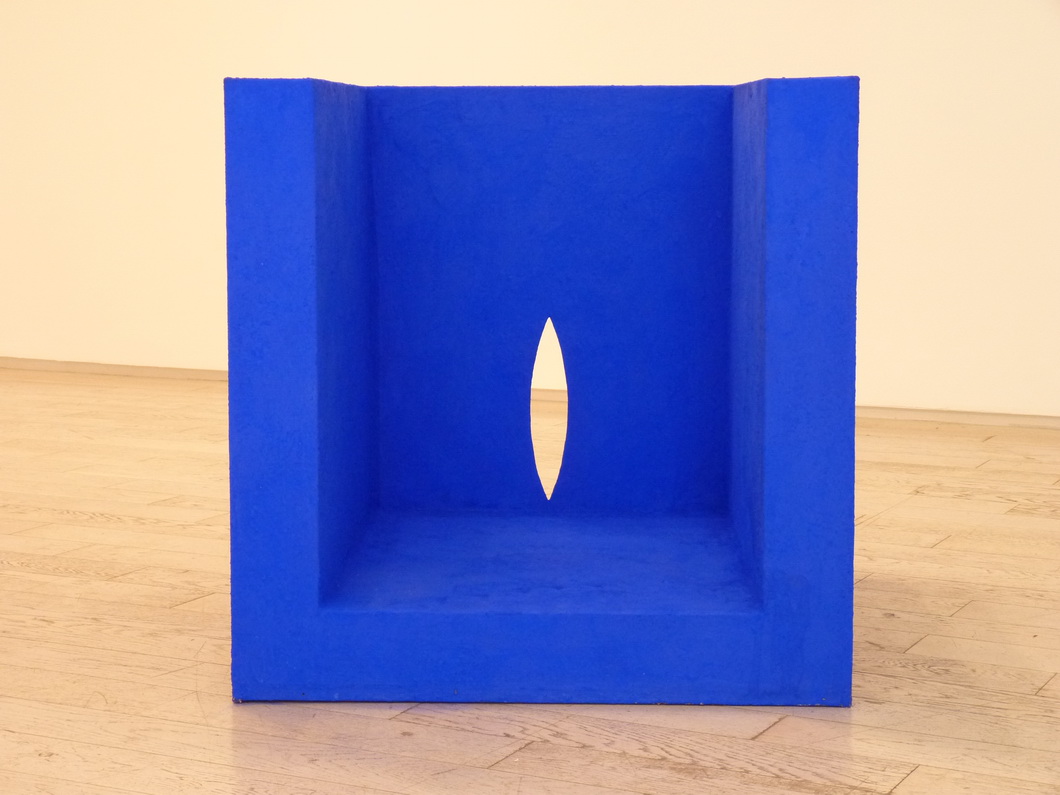
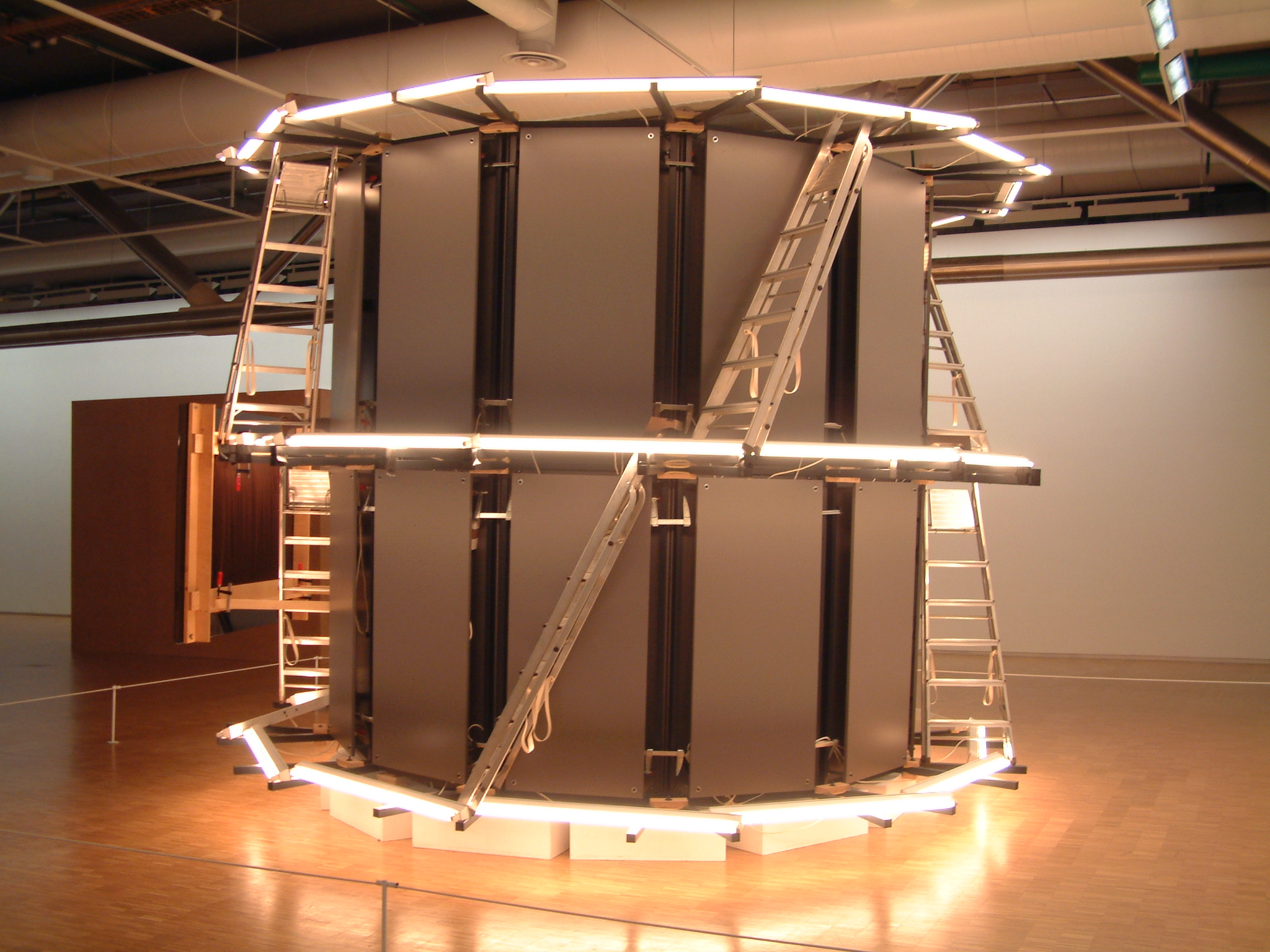
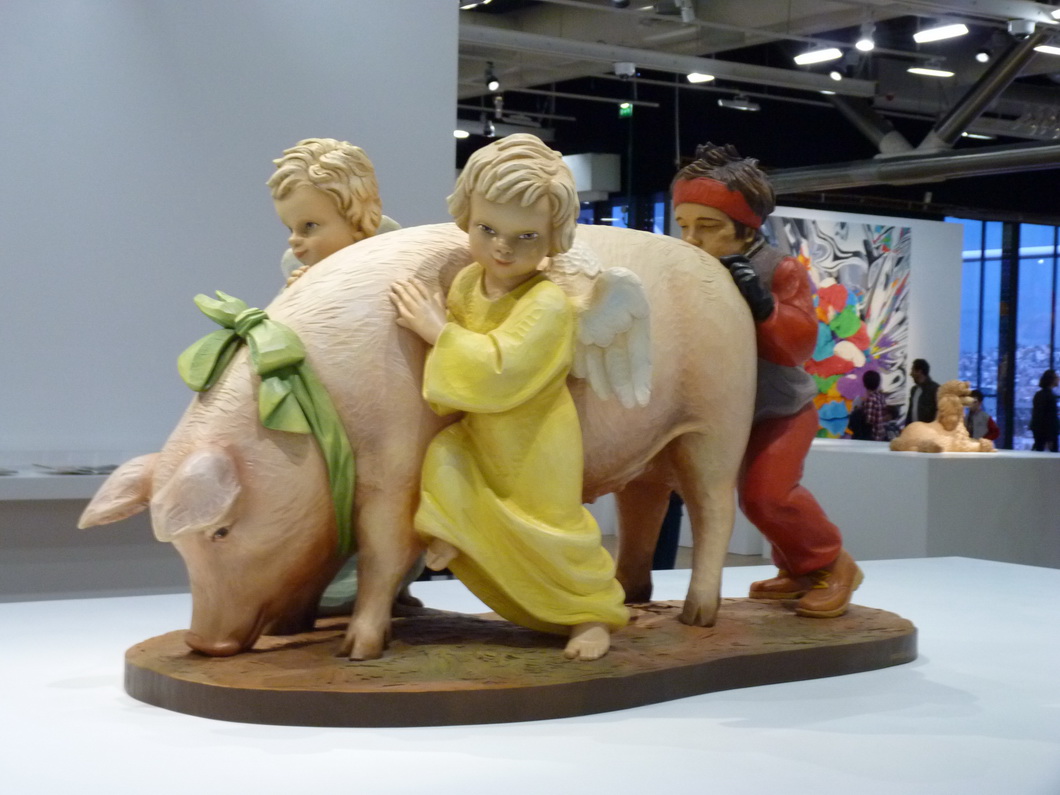
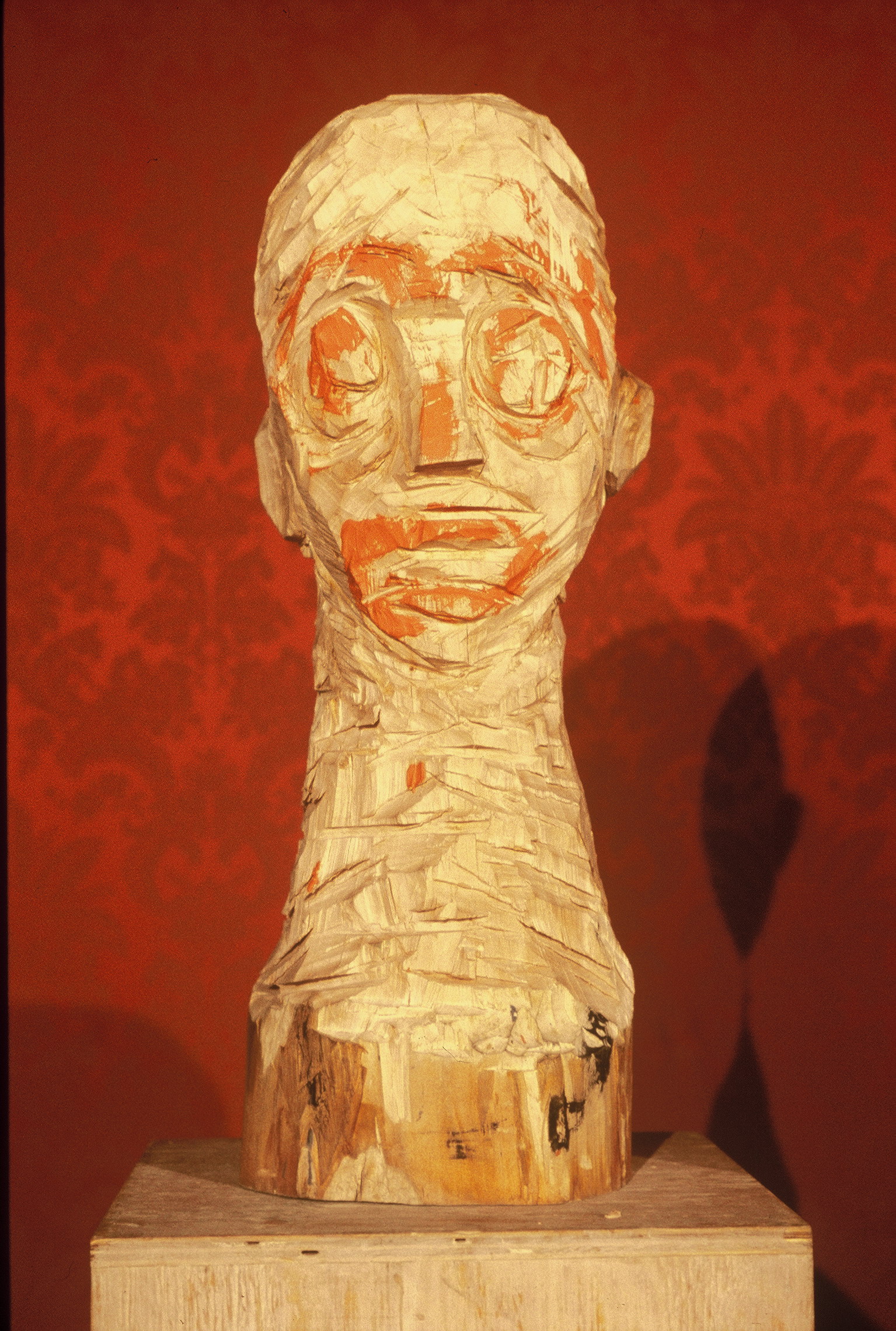
Text and photos by Chen Chi-Hsiang ▎ Instructor ▎ Chen Chi-Hsiang ▎ Venue ▎ Ji Yi Hall ▎ Theme ▎ Fusion and Collision · Art Trends Series ▎ Schedule ▎ Jan 08, Jan 22, Feb 05, Feb 26, Mar 12, Mar 26 (two sessions per month)
Postmodernism: Returning to regional traditions and cultures, breaking modernism’s arrogance, singularity, and dictatorship, emphasizing plurality. The renewal of tradition under any possibility; the gentle reinterpretation of diverse traditions and modernity. Postmodern visual arts: renovation, retro style, appropriation, transformation. Postmodern popular culture: inflation of knowledge and culture, multiculturalism and commercial dominance. The postmodern shift toward liberation and the arrival of the new century—globalization and localization.
Two major features of postmodernism: First, reality is transformed into image; second, time splits into a series of enduring presents (the disappearance of historical sense). It no longer blindly opposes or confronts precedents like modernism did. Instead, it flattens and synthesizes previous artistic trends or historical processes, adopting them as a rhetoric of creation. “Postmodern” refers to the Western art world’s return, revival, or reanimation of historical images, which is also the common appearance and characteristic of postmodern art.
The face of postmodern art: American Neo-Expressionism, Bad Painting, and street art; French total art. German Neo-Expressionist painting and sculpture, questioning whether their achievements are political feedback or economic compensation, and examining the factual nature of postmodern German art while elucidating the overall appearance of Neo-Expressionist painting and sculpture. The origins, historical relationships, characteristics, and appearance of Italian Transavanguardia art. The heritage, spatiotemporal background, and artistic appearance of optimistic and progressive British new sculpture. Spanish artistic exploration of possibilities in art development after the collapse of military rule and under liberal democracy.
Soviet art: Exploring the relationship between Gorbachev’s political and economic reforms and art. After the disillusionment of socialist utopia, what was the face of Soviet art? Was it copying Western modern traditions? Or catering to new European and American capitalism? Was it a mirror reflecting current Western art? Or a fresh start? Of course, from the dramatic development process of contemporary Russian art, one can easily understand the current development of Chinese contemporary art.
New geometric abstraction or neo-abstract geometry: Is this the postmodern reanimation of the past or the resurrection of “modernism”? Elucidating the heritage and appearance of geometry. Photographs, art about photographs, exploring contemporary art using photographs—is it “photography” or “art”? Moving to the multiple uses and manipulations of photographic visual imagery, and elucidating the arrival of photocopy art and digital image art.
The significance of the 1989 exhibition Magicians on the Earth: Why invite non-Western artists to participate at the end of the 1980s? Was it compensation for non-Western art? Were non-Western achievements impressive enough to make Westerners take notice? Or did the exotic appeal of non-Western art attract the West? None of these. It was because self-centered Western modern art had reached an impasse, opening the doors of art to peek at the world—the arrival of globalization.