Outline of Contemporary New Media Art
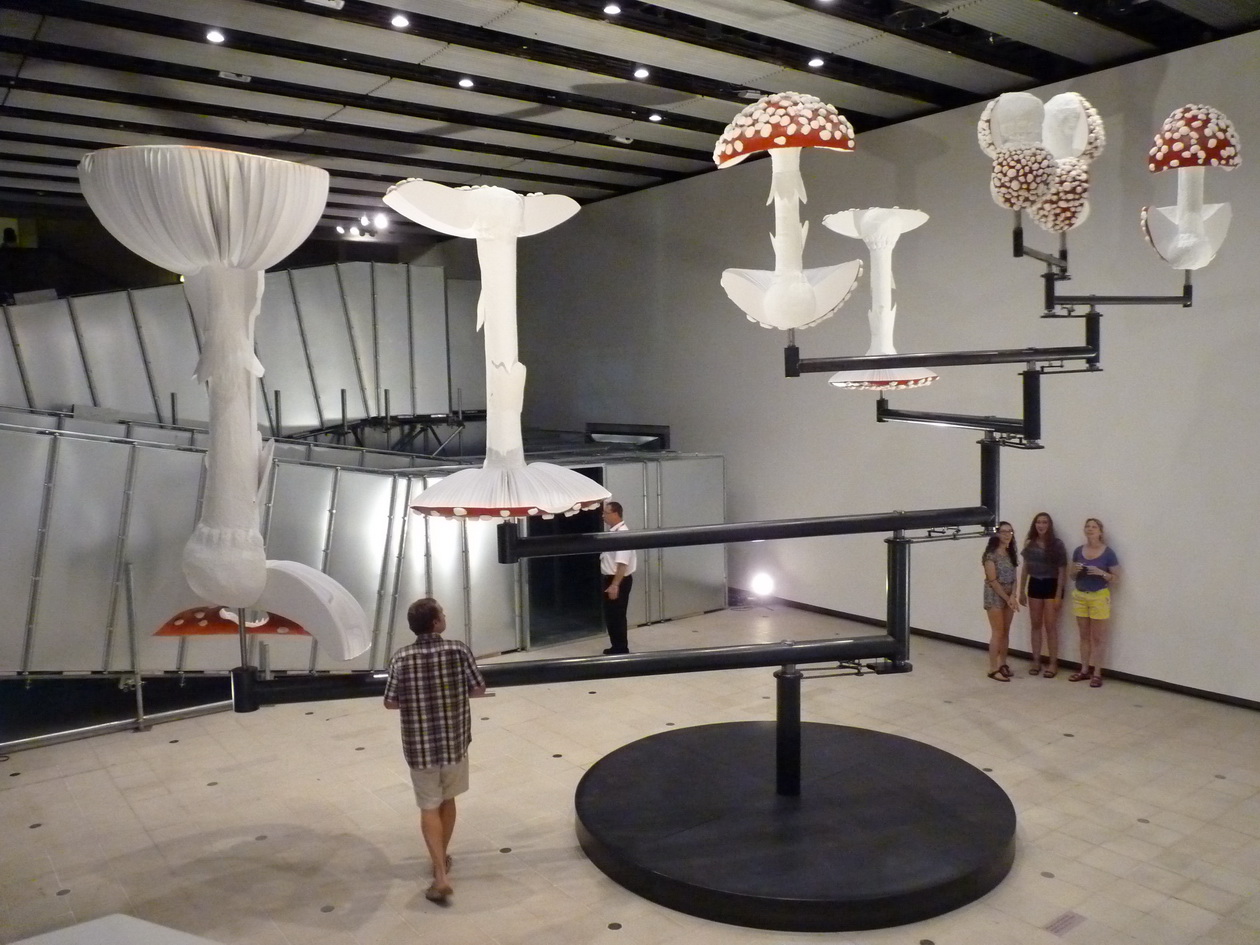
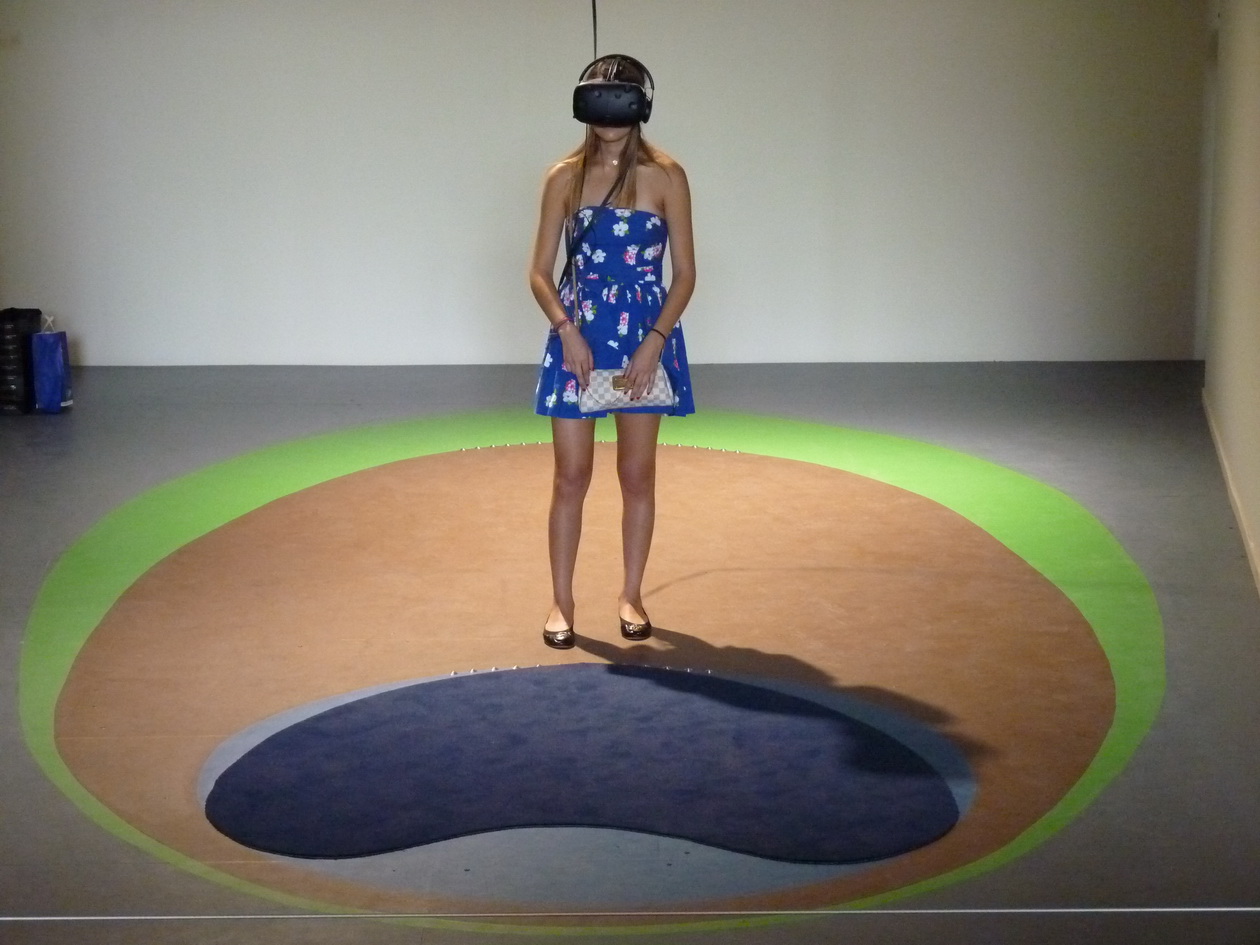
German artist Carsten Holler, Flying Mushrooms 2015, mechanical interactive installation
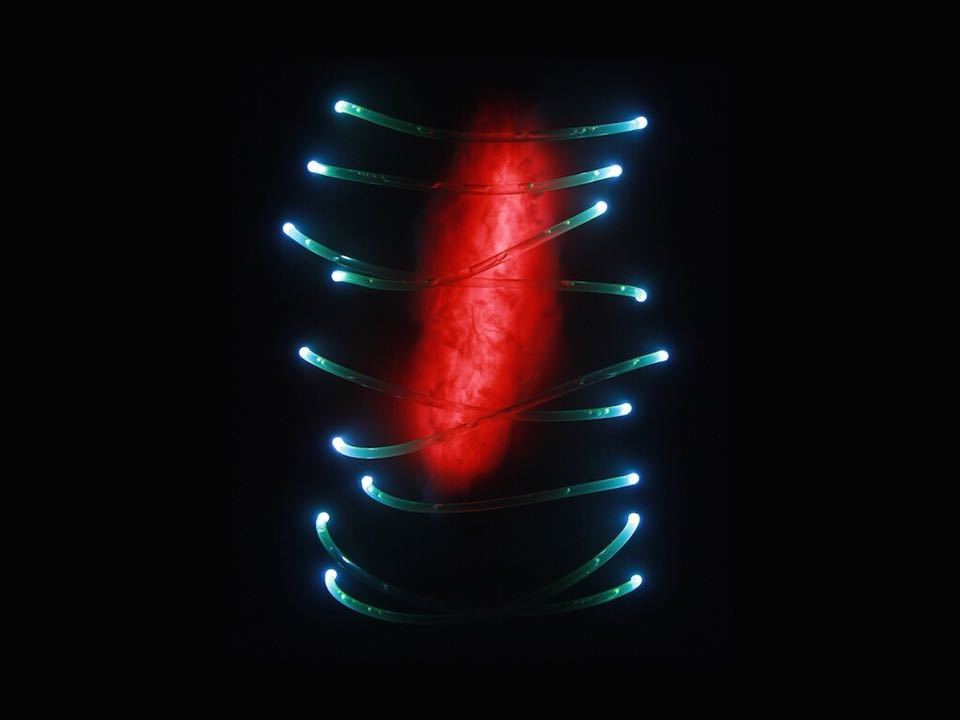
Text/Chen Chi-Hsiang
The contemporary intent is a probing glimpse into the present and the unknown. It strikes your imagination where you least expect it, stunning you in a state of pause. Current art is the artist’s way of observing the world, along with their immediate awareness and feelings. Artworks reflect various social situations and human consciousness of the current era.
After postmodernism, art broke free from the dictatorship and constraints of avant-garde art. It opened the living doors and consciousness of tradition and modernity, like a runaway horse entering the realm of globalization. Full of vitality, it crosses boundaries and merges, becoming more diverse and pluralistic, unlocking all possibilities. It practices the exploration of composite pluralistic concepts, openly accepting the possibilities of all media.
In this era of cross-culture and information media, within an age of homogenization, the flood of information changes people’s perception of the world and reveals perspectives of the vast universe. In the globalized trend of media flourishing, under composite media and multifunctional technological digitalization, infinite impact and new prospects are brought to contemporary artistic creation. The internet and digitized imagery have deeply changed people’s lives and their vision for viewing the world.
In today’s era of the internet, information, new technology, and digitalization, the new generation not only inherits the past and opens up the future but is also broader than past creators. They touch upon extensive knowledge and messages across all dimensions with ease. Their mastery of new technology and ubiquitous information is unprecedented. They are often cross-disciplinary; composite interweaving nurtures the creative trends and worldview of the new generation’s diversity. Thus, whether from concepts and materials, or form and meaning, there is a kind of composite pluralistic constructive perspective.
As a result of globalization, world finance, economy, and culture exploded like a bomb, and barriers disappeared. In this era of drastic change, artistic trends are more diverse and varied. Under media and information networks, transportation networks, and logistics, the earth has become flat, and the world has formed village-like ethnic groups. Under digitalization, history has become flat; existence in space and time transforms into big data, following each other like dreams and bubbles.
Cross-boundary integration—of culture, material media, and various disciplines and fields—injects local cultural contexts and differences under globalization. Adopting plastic behavior and attitudes, comprehensive transformation becomes new possible forms, proposing personal viewpoints of the times, injecting fresh new visions, awareness, and imaginative spaces.
Since the appearance of the internet in the 1990s, with the advancement of rapidly changing science, informatization, image-ization, and digitalization have brought an unprecedented and completely new driving force for art. Art, like a runaway horse, continues to transform with new technology. Especially in today’s exploration of composite, diverse types of art, audio-visuals, and spatial environments, extraordinary network art and various types of digital art have developed. With boundless imagination, panoramic interactive media art or virtual reality worlds have been created, developing unrestrained emotions, new experiences, and aspirations, unlocking the possibilities of art for the new generation.
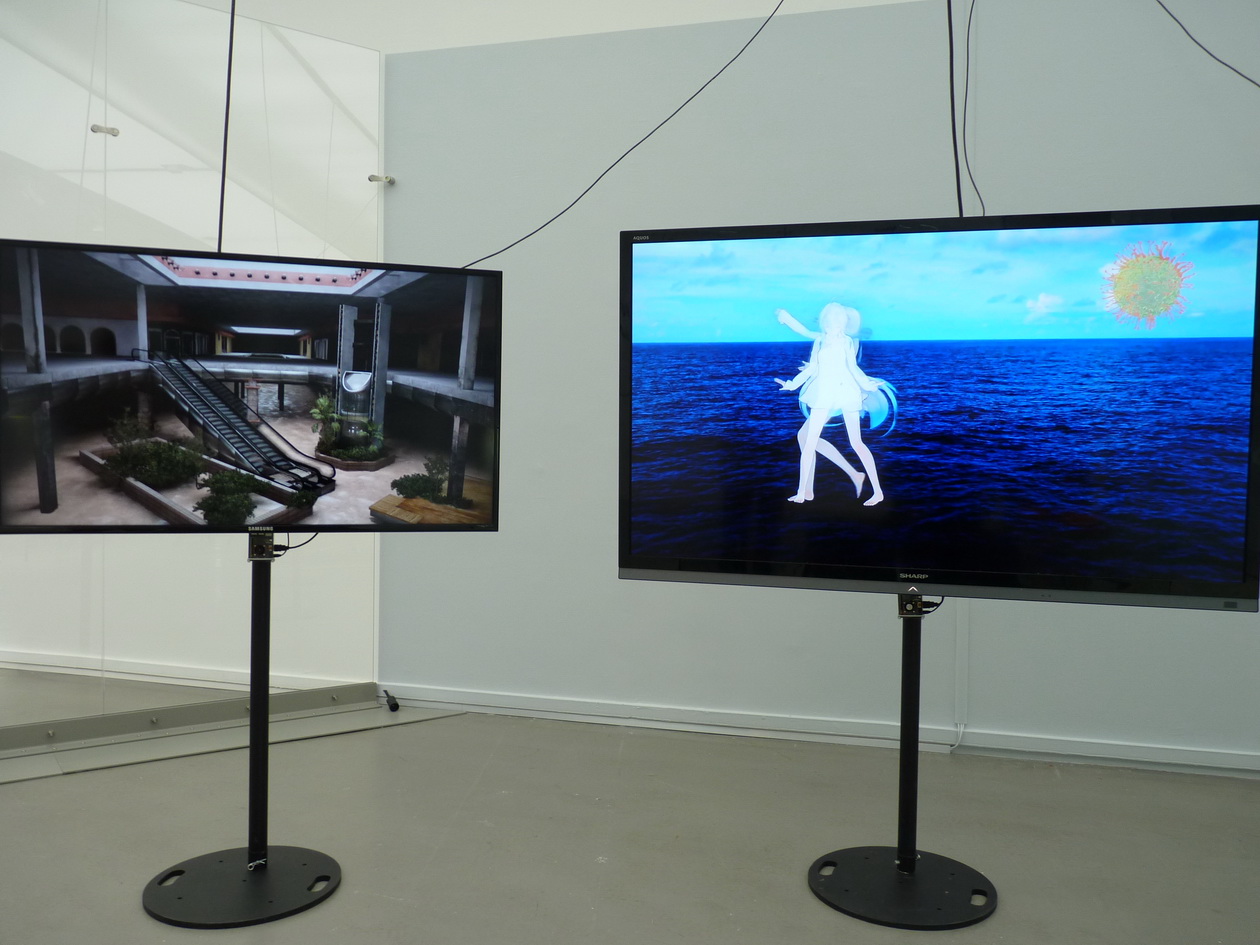
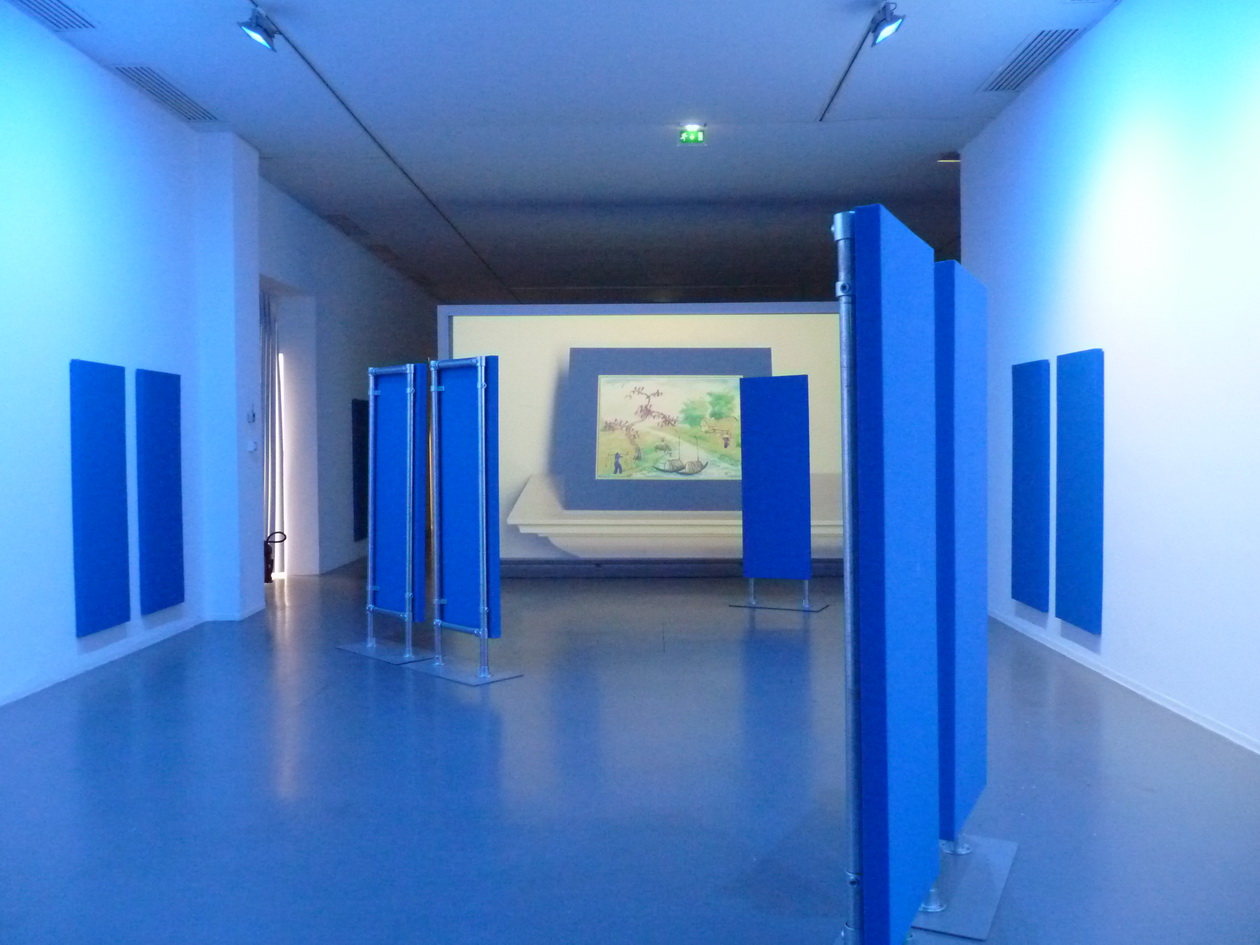
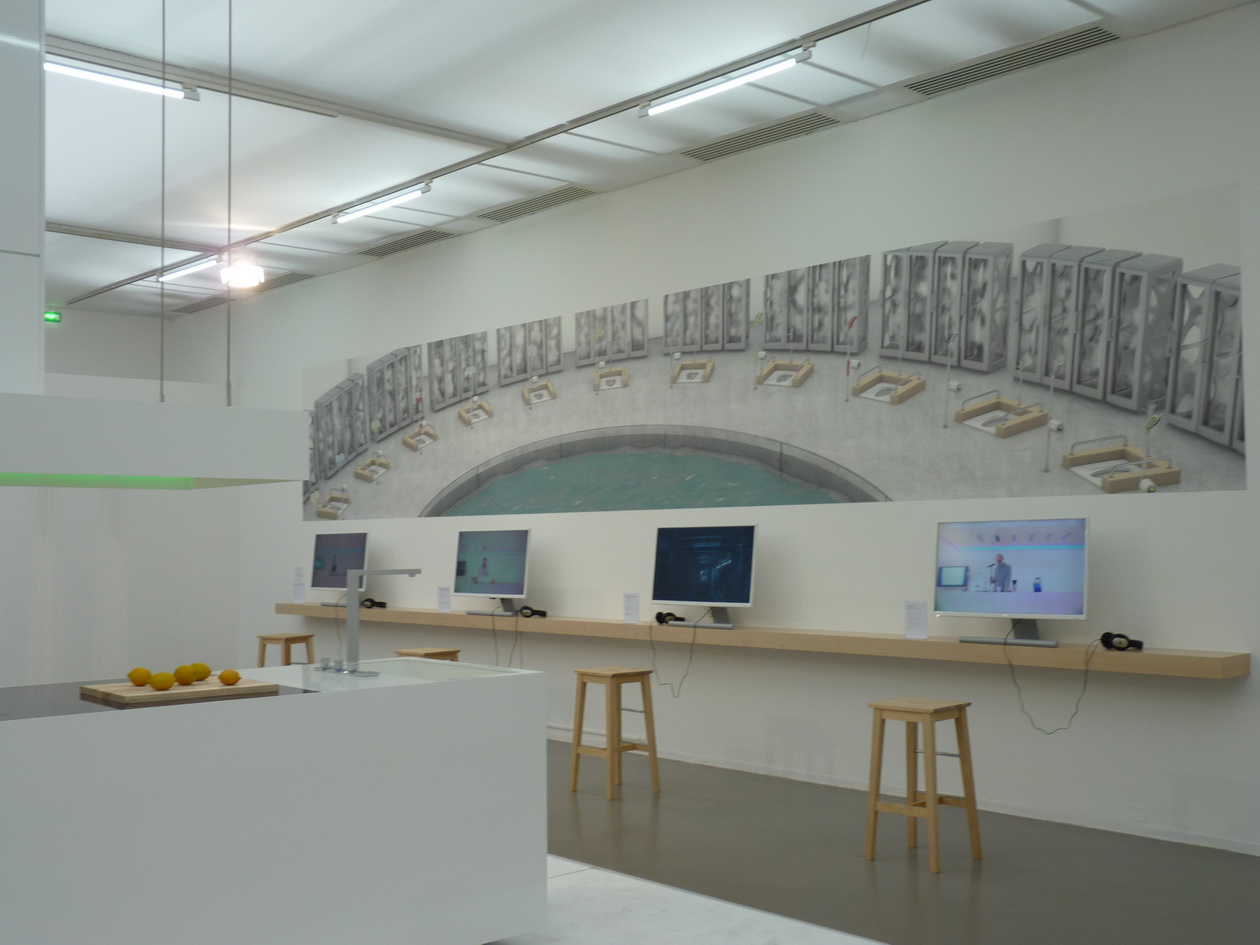
The encounter between technology and art brings infinite aspirations through the charm of digital and new sciences, sparking an unprecedented vision. Through insight into these new sciences and natural phenomena, in landscapes created by audio-visuals, light, and kinetic environments, the intention is to expand the probing of infinite possibilities from new technology, redefining "art forms": such as Net Art, Interactive Art, and Post-Internet Art. For example, the 2015 Paris Municipal Modern Art Museum exhibition "Colleagues (co-workers): The Network as an Artist" presented new forms of art. To emerging Virtual Reality Art, such as digital artist Miguel Chevalier’s environmental space installations. Or the exploration of virtual-real realms by new technology, attempting to develop new sensory, audio-visual, and bodily experiences, such as Spanish artist Pablo Valbuena’s exploration of audio-visuals and flowing light.
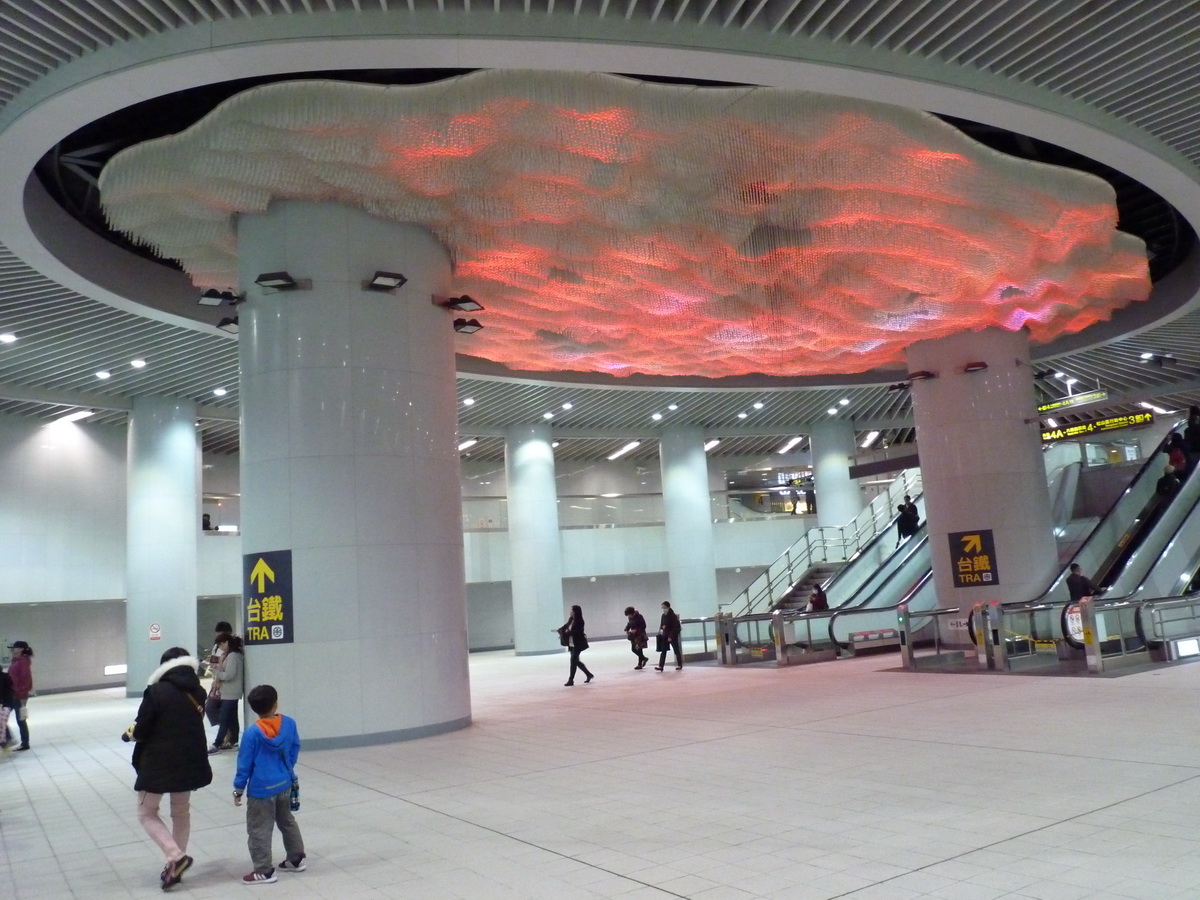
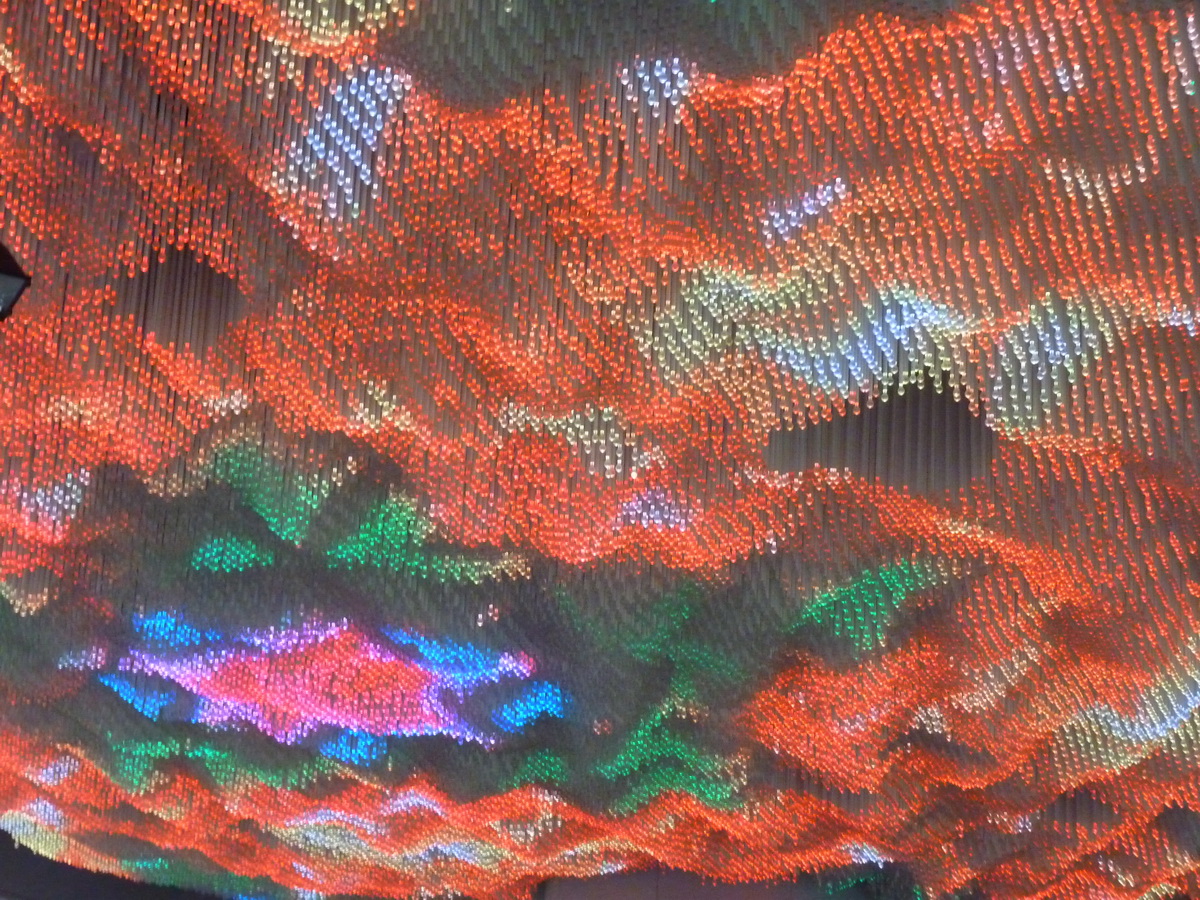
The cross-boundary integration of science and art has become an all-encompassing realm. Composite reconstruction and construction, numerous objects belonging to new science—sculptures and established spatial or dramatic environmental installations—prompt viewers to think about the relationship between humanities, nature, and technology. Examples include Jiang Yanghui’s exploration at Mazi International Culture Experiment Company, such as the Taipei Metro Songshan Station – River Bend area, seeing blooming flowers in light; or new scientific art talents like Liu Chenxiu, who combines scientists, engineers, and designers in cross-disciplinary team artistic creations.
The current situation of infinite possible cross-boundary integration: when new media—digital and new technology—collide with painting, sculpture, objects, imagery, video, sound, body, performance, and exhibition, they expand through spatial field installations into new field types and possibilities for new situational experiences. Through depiction, reference, symbolism, metaphor, expression, etc., exploring form, concept, medium, and type, narrative, allegorical, literary, social, political, philosophical aspects, etc., attempting to recreate unprecedented historical situations and current consciousness.
Artistic exploration spans aesthetic experience and social, political, post-colonial, post-historical, post-industrial, new feminist, environmental issues, anthropology, archaeology, environmental studies, futurology, linguistics, and more. The construction of new technologies, new materials, and new scenes; the expansion of behavior-concept-material and spatial fields; cross-boundary construction of interactive participation and performance art; materialization and sensualization; entertainment and dramatization.