The "May Storm" of 2018?
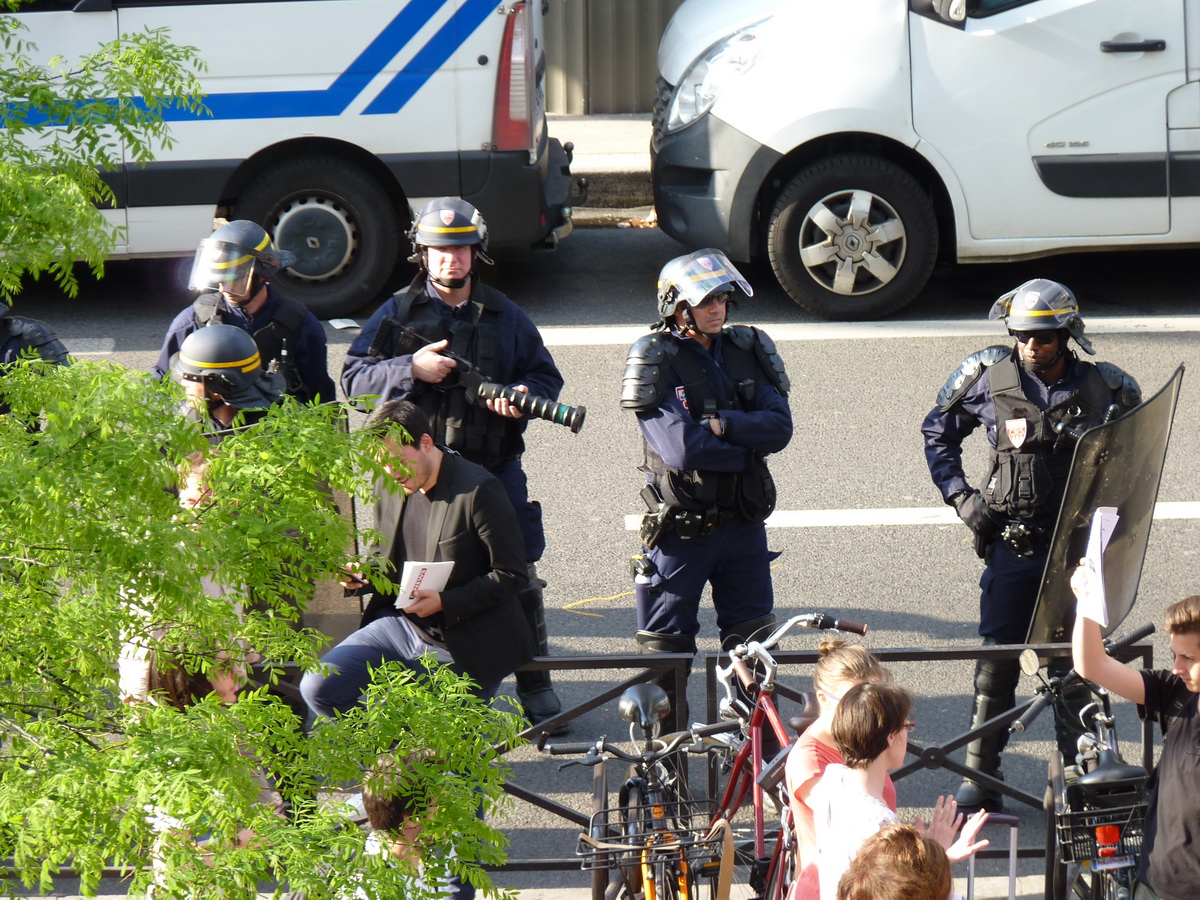
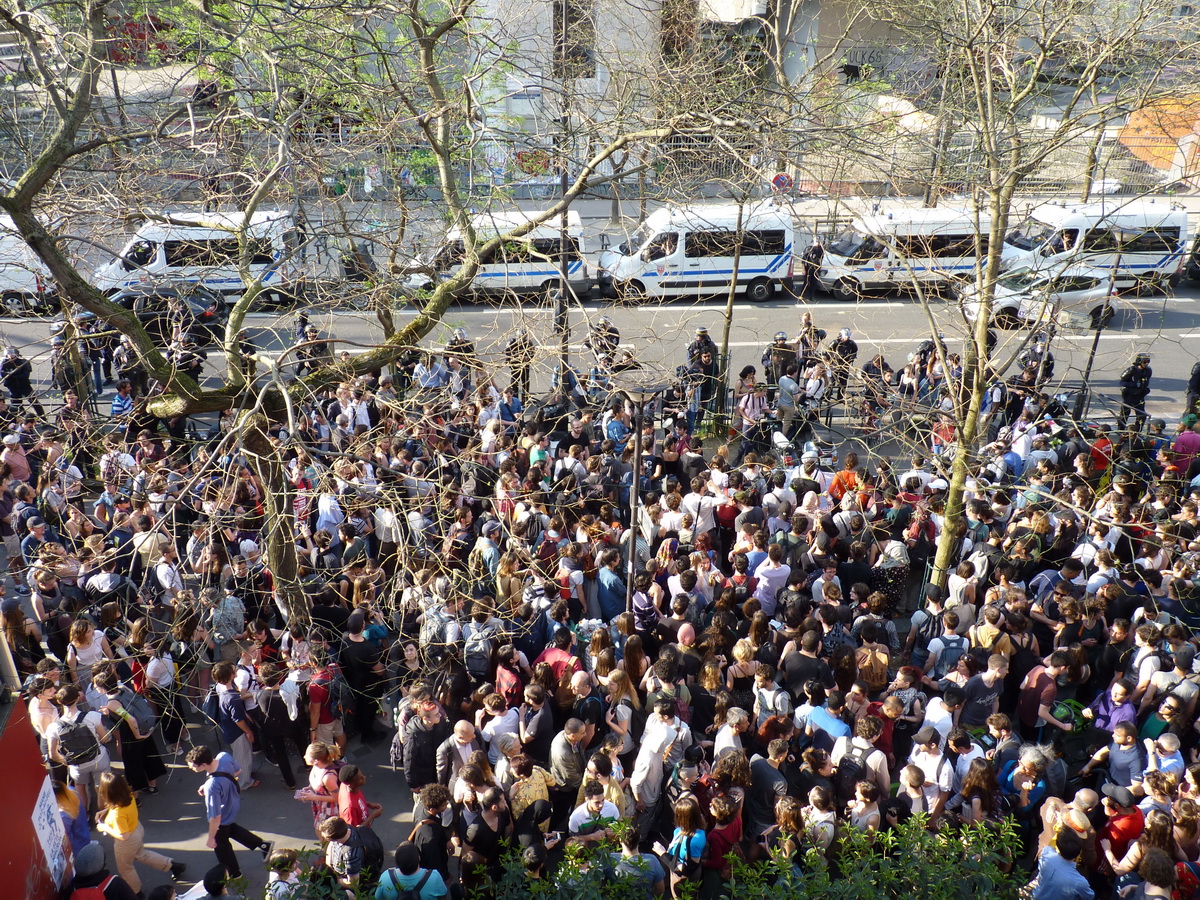
Confrontation between riot police and students in front of the Sorbonne at Tolbiac. 2018-04-21
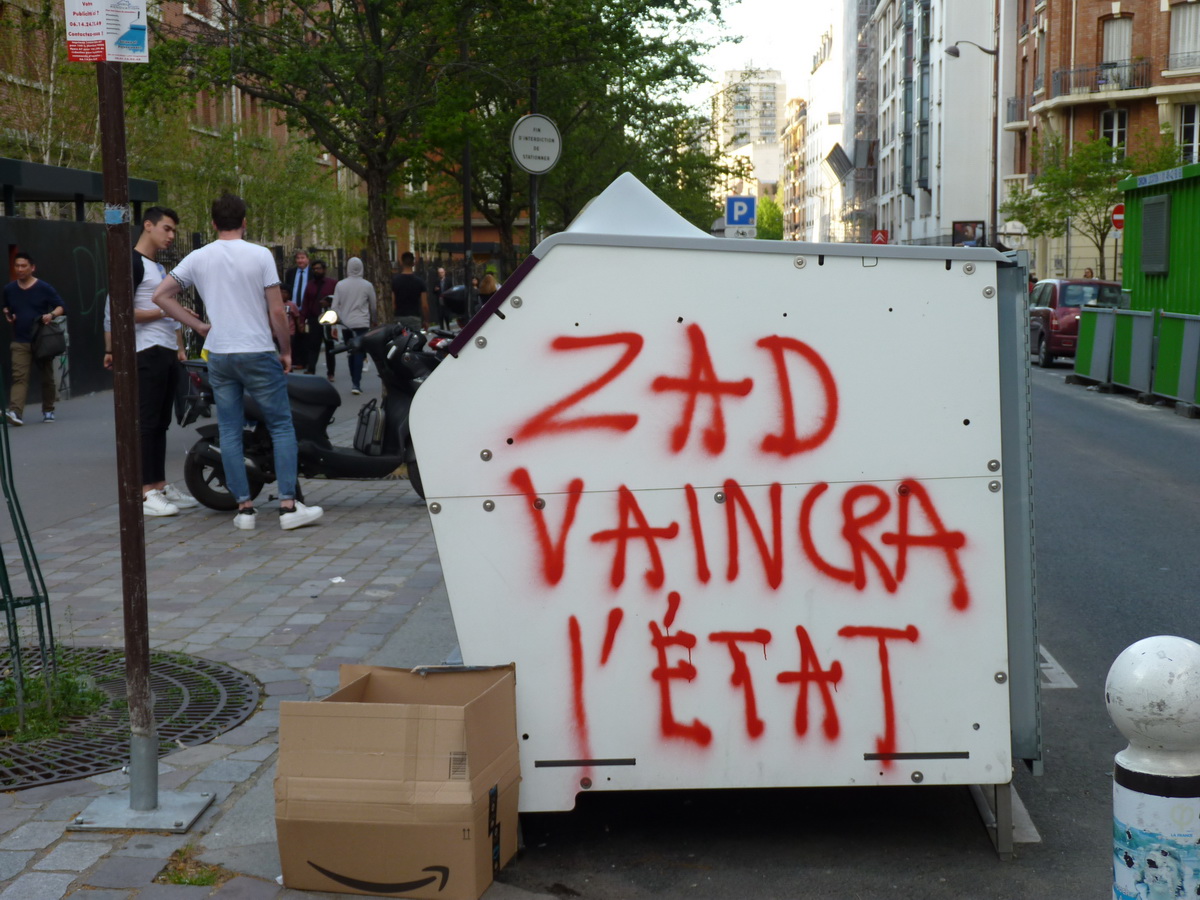
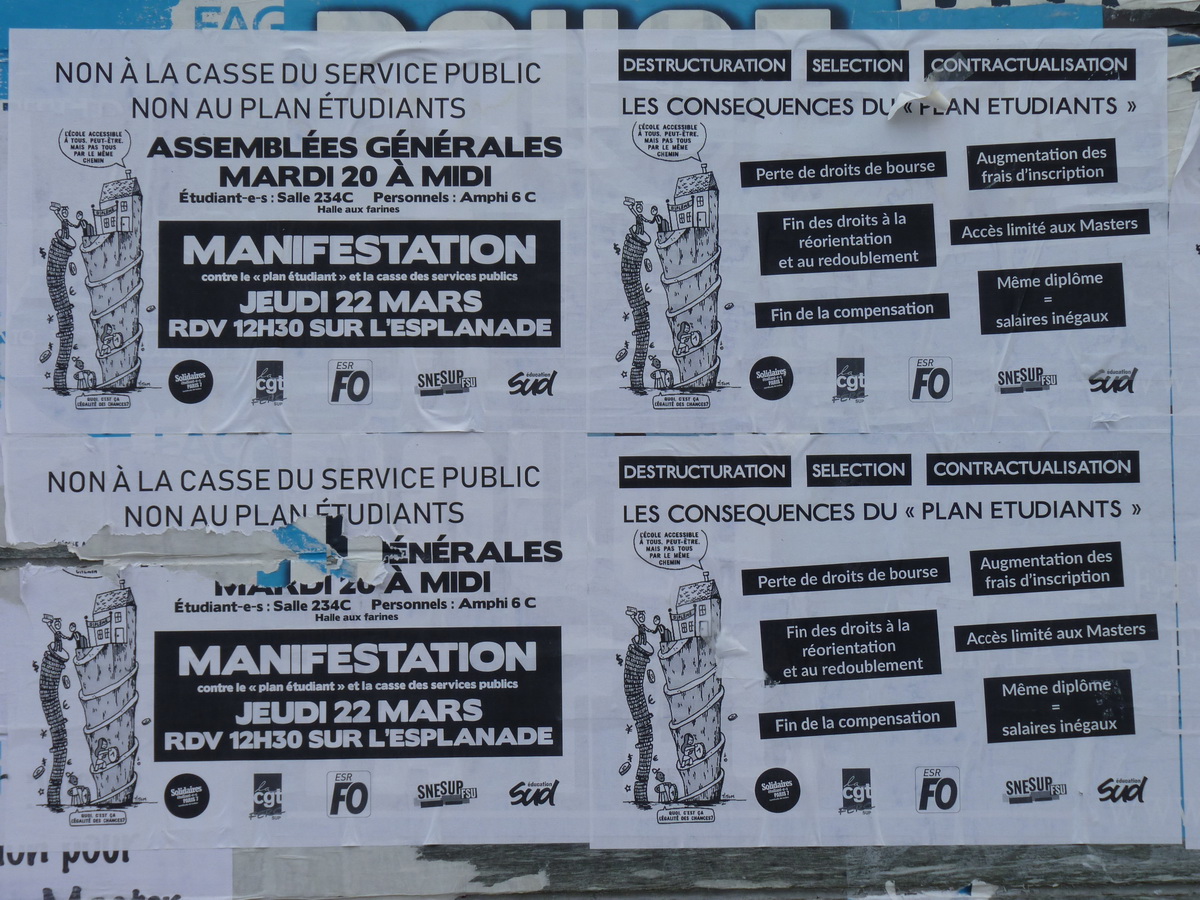
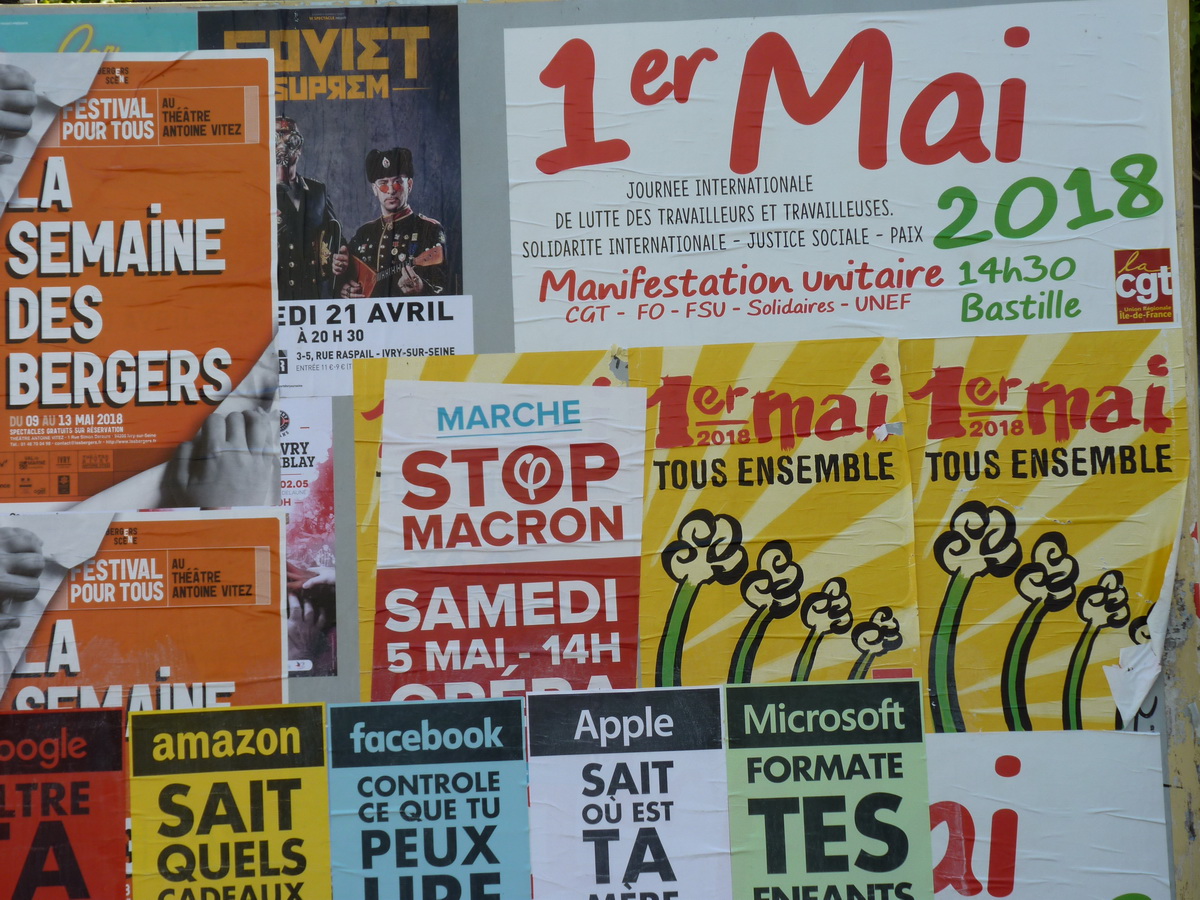
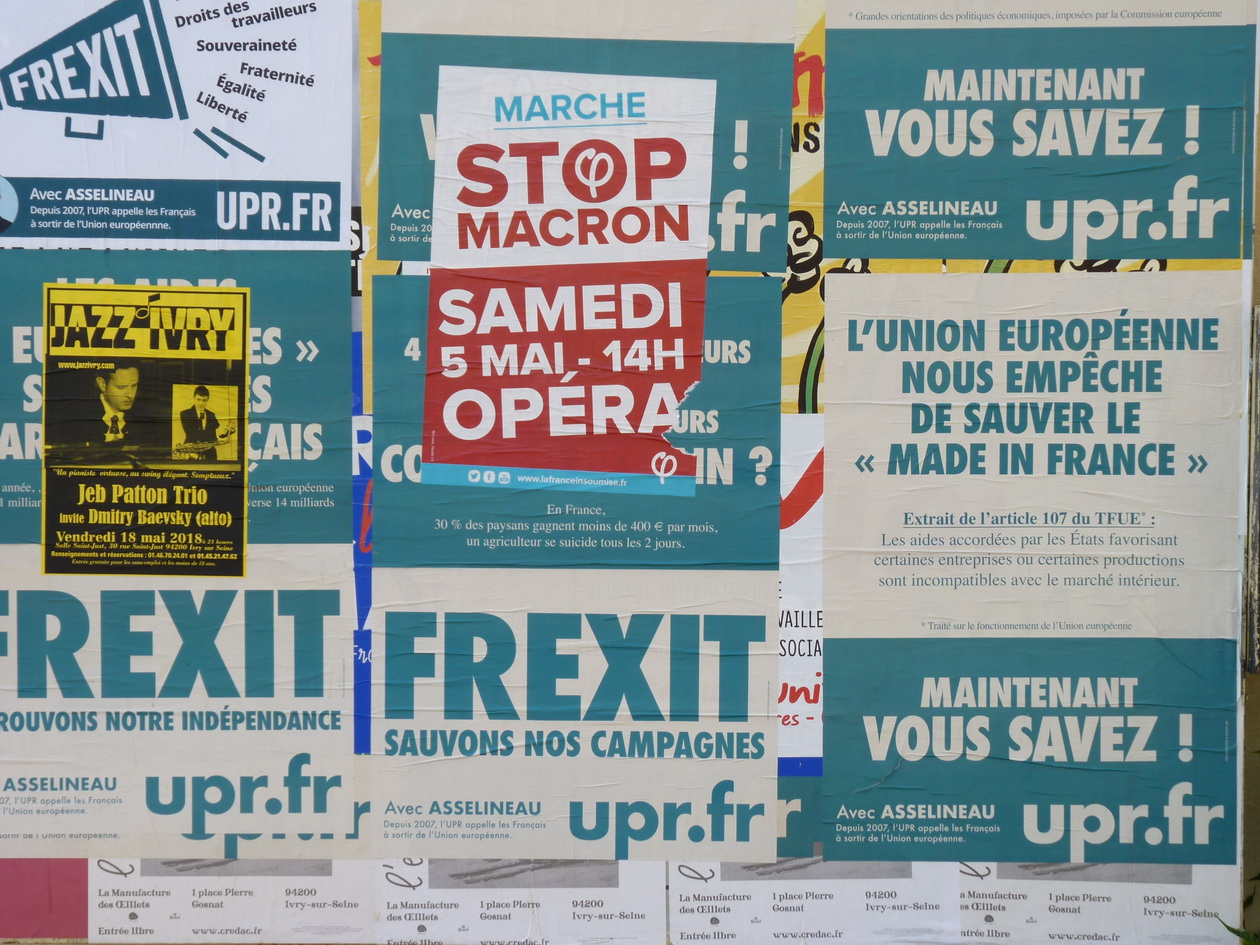
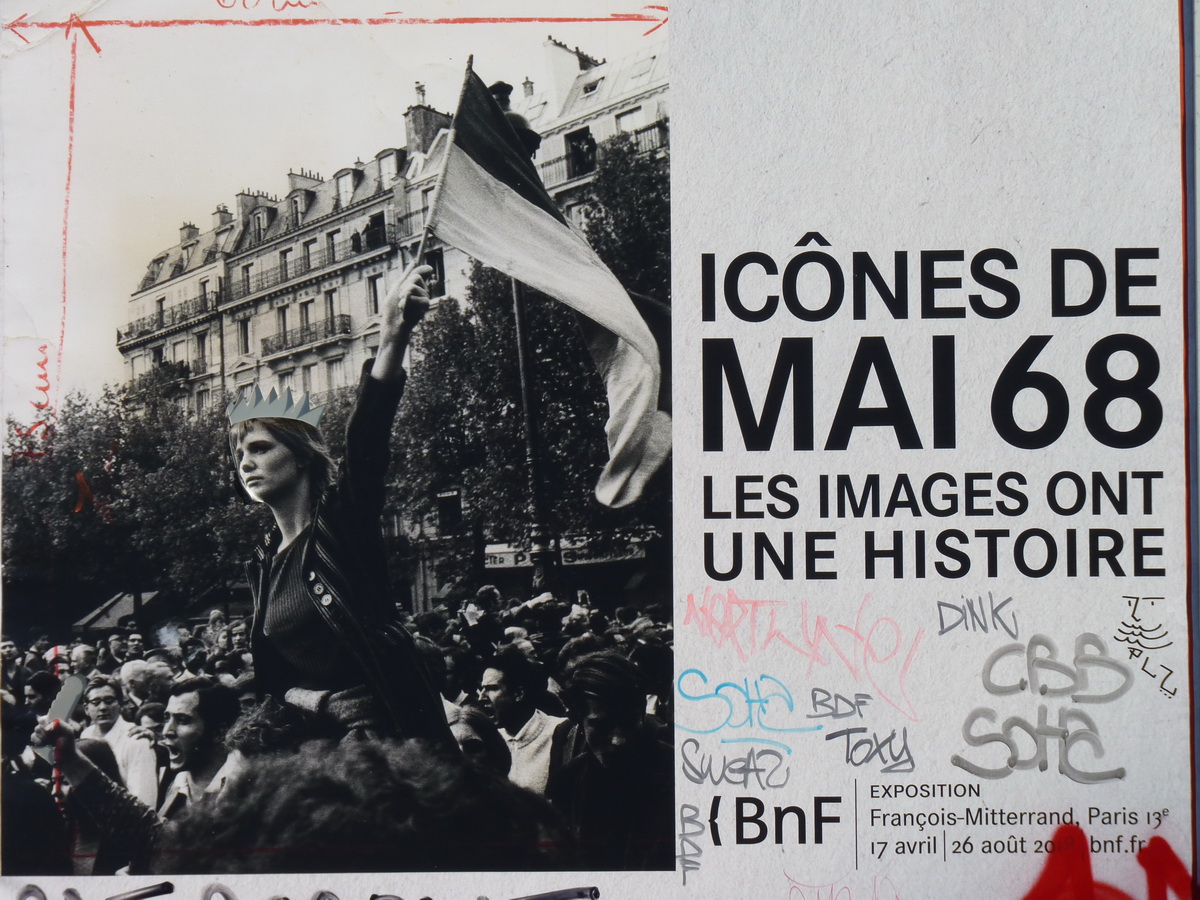
Text and photos by Chen Chi-Hsiang. Since the inauguration of France’s youngest president last year, his administration has spent a year implementing neoliberal reforms that many French people believe liberate society and institutions primarily for the benefit of the wealthy. He is described as the “president of the rich,” accused of reducing freedoms, rights, and public services without ensuring fairness or justice, while neglecting the middle and lower classes. Acting hastily without achieving broad social consensus, these policies have sparked widespread public outcry, causing approval ratings to plummet to rock bottom and leaving deep anxiety and pessimism about France’s future under Macron’s leadership. Social movements have become a means of resistance; strikes, demonstrations, and student walkouts have become commonplace, evoking memories of the May 1968 upheaval. Is this current class struggle a historical reenactment? No one can predict its future development.
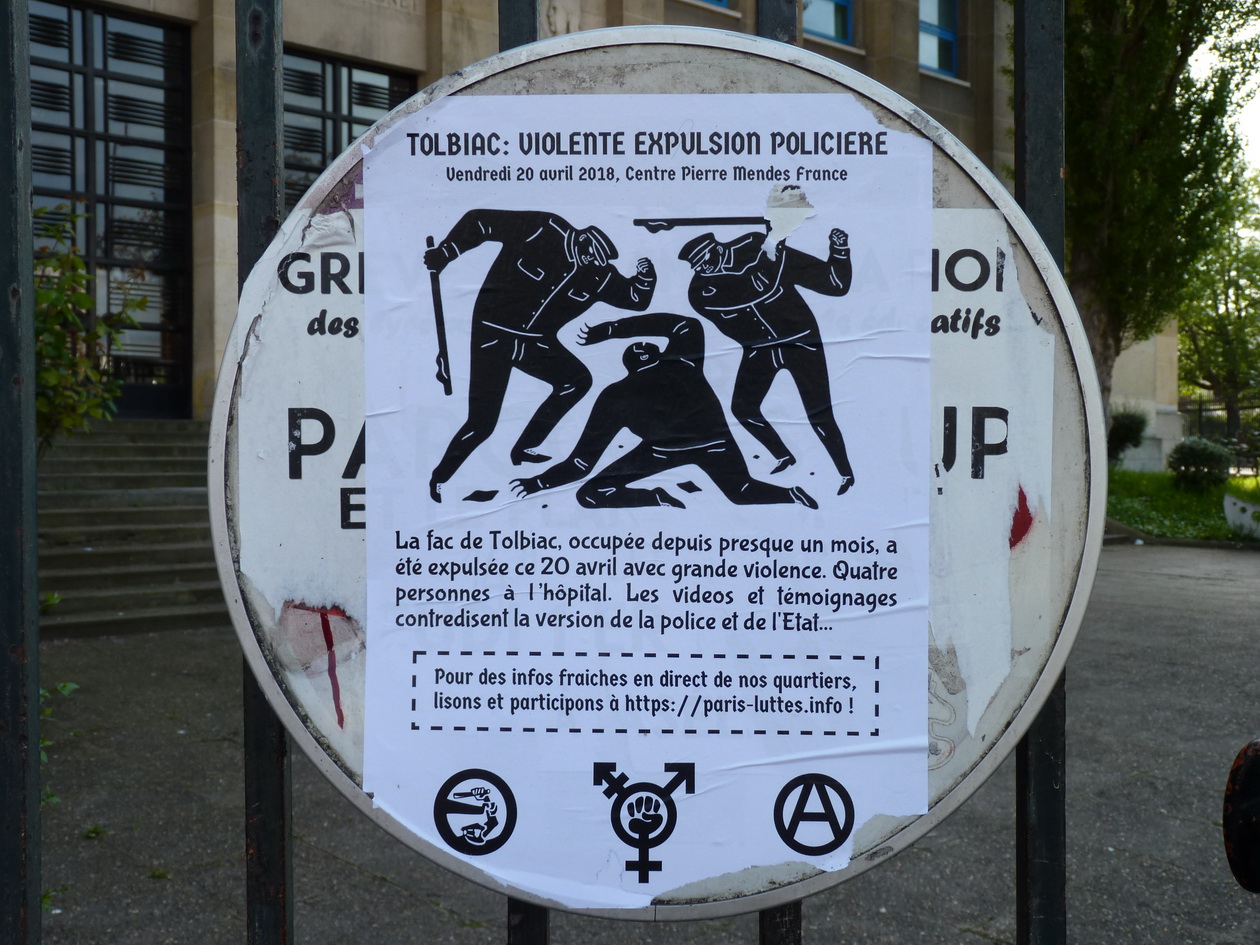
Macron’s new government has pursued radical, comprehensive social reforms over the past year, including tax reform, pension reform for retirees, deregulation of workplace systems, privatization of public sector entities, cuts to hospital positions, mandatory vaccinations for eleven childhood diseases, restructuring of judicial personnel, selective university admissions and student loan reforms, and the retirement and privatization of SNCF (France’s national railway). Public outrage has swept through all sectors—from housewives and young students to the working class, civil servants, nurses, and retirees—leading to widespread protests. The SNCF strike has lasted nearly four months, with plans to continue until before the summer holidays. Recently, universities across France held walkouts and occupied campuses; after May Day, the Paris Institute was also occupied by radical students dissatisfied with the policies. Before returning to Paris, I noticed that the Sorbonne University near my residence had already been occupied for some time. One day, passing by, I witnessed occupying students being driven out of the campus by heavily armed riot police, leading to a confrontation on the main road. Since the occupation, the Sorbonne at Tolbiac has remained closed.
In this context of intense resistance through strikes and walkouts, this year’s May Day parade was organized by traditional unions. It featured enthusiastic participation from various unions, workers, retirees, student groups, and medical staff, resembling a carnival. Proposed by the traditional left-wing group La France Insoumise, the demands included opposing tax evasion by the rich and multinational corporations, raising small pensions and minimum wages, and protecting public services and social insurance. As flyers stated, “When everything will be private, we will be deprived of everything.”
During this carnival-like parade, a dramatic appearance occurred: a group of approximately 1,200 demonstrators dressed in black and masked, holding banners reading “black bloc.” Said to be a European anti-capitalist and anti-globalization group with members from across Europe, they had previously appeared during protests against the WTO and G7 summits. This striking radical black bloc seemed intent on disrupting the peaceful union parade. They targeted symbols of capitalism and multinational corporations, such as smashing windows or storefronts of McDonald’s, Mercedes-Benz, or Renault, and burning vehicles, ostensibly to oppose President Macron’s labor reform policies. This incident shamed this year’s May Day, diverted media attention, and distorted the unions’ demands. Reuters reported that before the parade, police had warned on social media that Tuesday’s May Day march might face attacks from far-left organizations. This group, commonly known as the “Black Bloc,” aimed to transform Tuesday’s parade into a “Revolutionary Day.”
The May Day demonstration was not just a display of nationwide union power. On Place de la République, another small anti-EU party, UPR, gathered over 3,000 citizens and party members to enthusiastically hold their first “Frexit” demonstration. However, no major or minor media outlets paid any attention. Clearly, this is a world where information is manipulated and public opinion manufactured; if it does not attract media coverage, it seems not to exist.
On May 5th, another large demonstration by unions and opponents of the policy took place, starting from the Opera House and ending at Place de la Bastille. The peaceful demands resembled a carnival, concluding with an outdoor music concert for young people, bringing a beautiful day to a close under the watchful eyes of riot police. On the same day, the anti-system party CNT held a demonstration at Place de la Concorde, advocating for political ideals based on the French Declaration of the Rights of Man, and protested at the back door of the Élysée Palace, hoping their ideas and actions would attract attention. Similarly, there was no media coverage, and it seemed as though it never happened. Obviously, whoever controls the media controls public opinion and, consequently, the world. Today’s world often dances to the tune of mass media; manipulating the world does not seem difficult, and who holds power is evident.
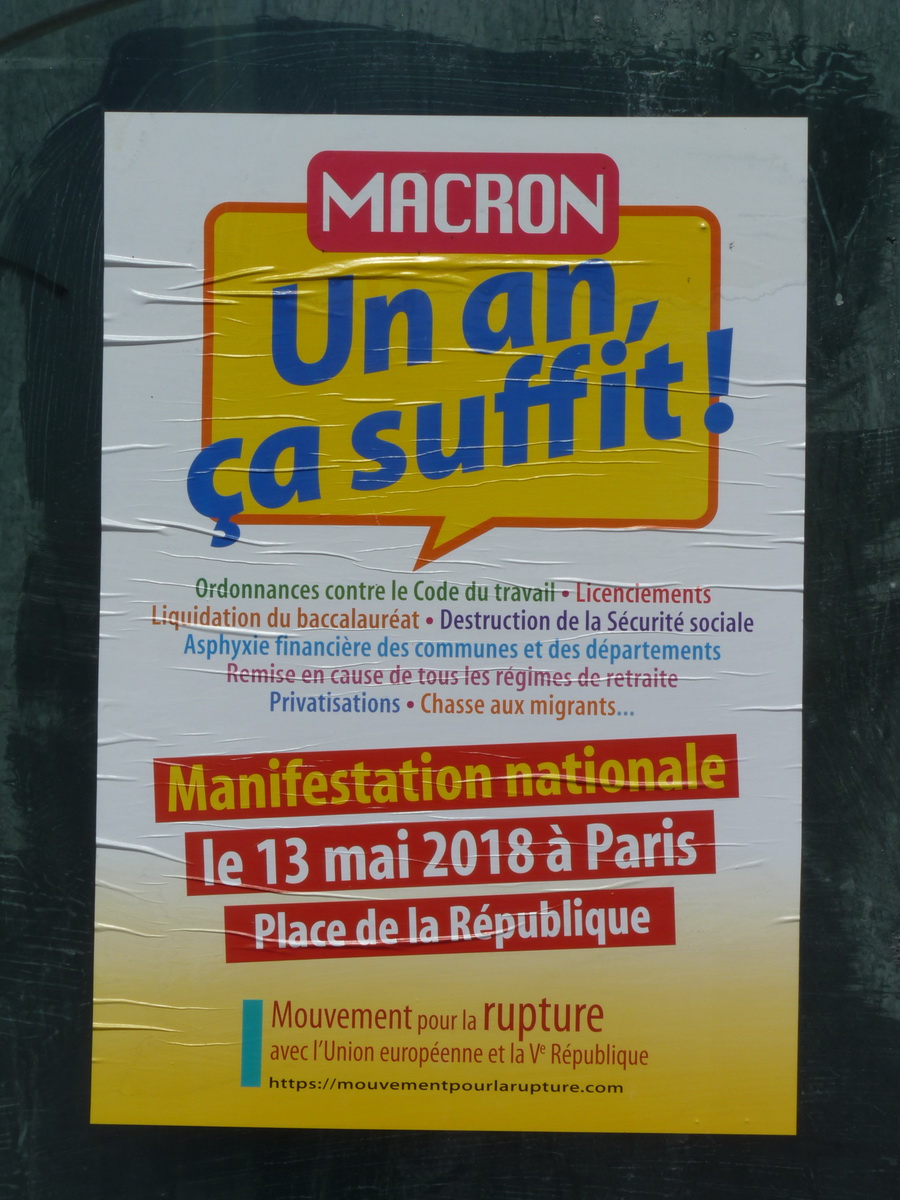
Following this, on May 13th, the movement continued with demonstrations led by the group Mouvement pour briser l'UE et la Ve République (Movement to Break the EU and the Fifth Republic). Because there was no disruption, the media ignored it, and no information was visible. Subsequently, on May 22nd and May 26th, nationwide demonstrations by civil servants took place throughout May. Perhaps this will continue, marking this year’s “May Storm”?