"Artists and Robots" Special Exhibition
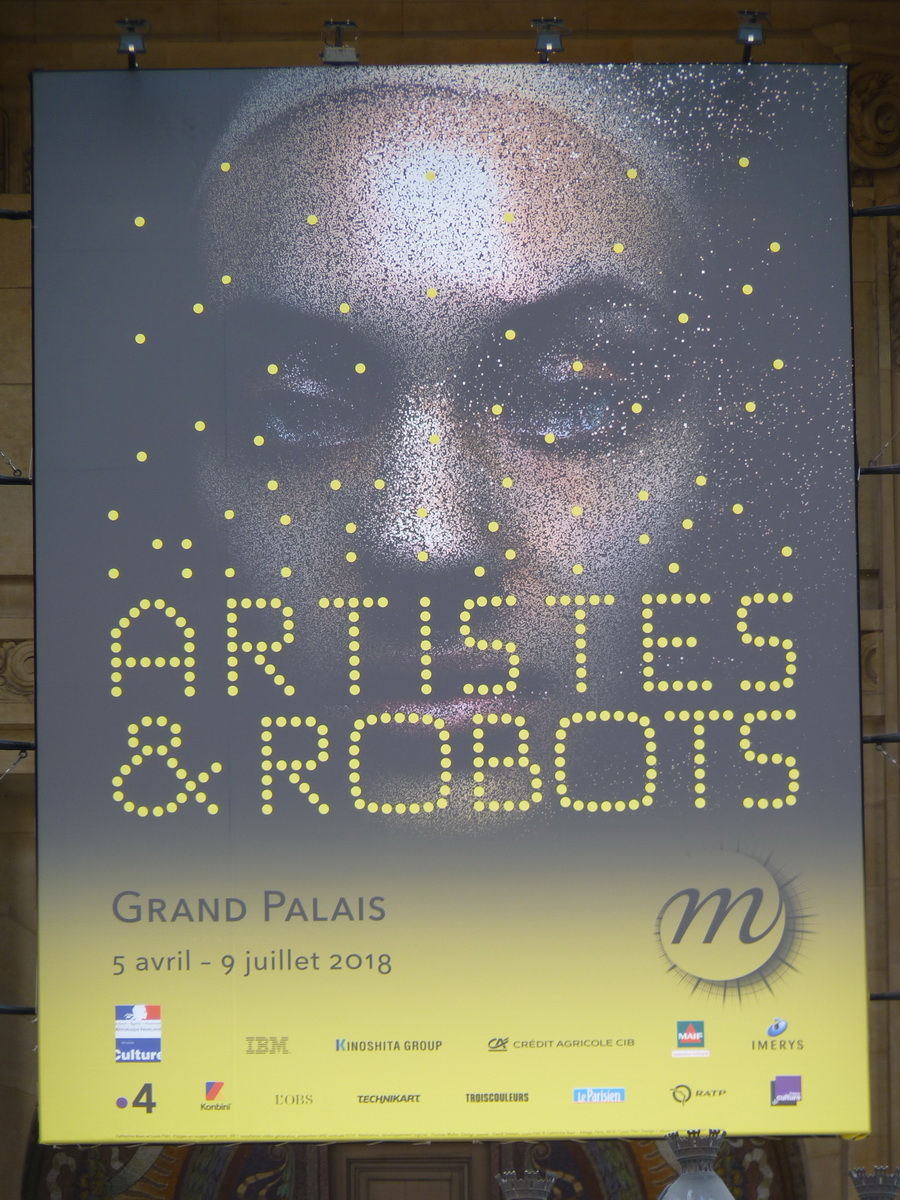
Poster for the "Artists and Robots" special exhibition
Text and photos by Chen Chi-Hsiang. Dates: April 5 to July 9. Location: Grand Palais, Paris.
"As long as it looks like it, it doesn't need to be real." Isaac Asimov's Foundation series, 1953
In today’s era of unprecedented technological upheaval driven by digitalization and artificial intelligence, humanity faces both positive and negative impacts that have thoroughly altered our lives, perspectives, senses, and conditions of existence. In a society increasingly defined by virtual reality, the internet, digital media, 3D technology, and robotics, new trends and challenges have emerged that surpass previous imagination. Art, dedicated to continuity with its times, is no exception; new media technologies have become the most prominent cross-disciplinary artistic exploration, offering new opportunities that young artists aspire to explore. They probe the infinite possibilities of the present and future, engaging and interacting with the public through body, touch, sound, or breath to change works, transcending time and space to expand the beautiful new horizons of art and alter its new forms (production, exhibition, dissemination, and protection).
Since the Renaissance, the artistic prophet Leonardo da Vinci pioneered machines. With the development of the Industrial Revolution, machines became new energy for production. The arrival of the industrial machine age in the early nineteenth century accelerated industrial innovation, driving the prosperity of Western commercial society, changing human living contexts and civilizational evolution, and constructing modernism. The twentieth century saw rapid scientific and technological innovation, leading into the twenty-first century’s unprecedented digital age of electronic new technologies and the internet. The era where artificial intelligence replaces human wisdom has quietly arrived.
Clearly, humanity has progressed from physical labor to manual mechanical operation, and now to fully automated machines; from the machine age to the electronic age; from workers to robots, and to artificial intelligence replacing humans. Advancements improve daily life and existential consciousness, shortening time, space, and distance. Machines have become essential instruments of modern life, intrinsically linked to modern artistic creation. Cubist mechanicism, Futurist spacetime speed, Constructivist new media construction, Duchamp’s visual works powered by small motors, and Picabia’s mechanical drawings all point to the innovation and creation of modern machine power. The "Artists and Robots" special exhibition focuses on developments in art involving machines and artificial intelligence from the 1950s to the present, marking the first exhibition dedicated to machine-created art.
"Machine Creation": Art and literature often dream wildly, imagining creative possibilities. As early as the nineteenth century, British novelist Mary Shelley (1797–1851) created a sci-fi hero monster in her novel, which ultimately threatened to destroy humanity. The word "robot" first appeared in 1920 in Karel Čapek’s stage play R.U.R. (Rossum’s Universal Robots) in Prague (Note 1 – Introduction to the "Artists and Robots" special exhibition).
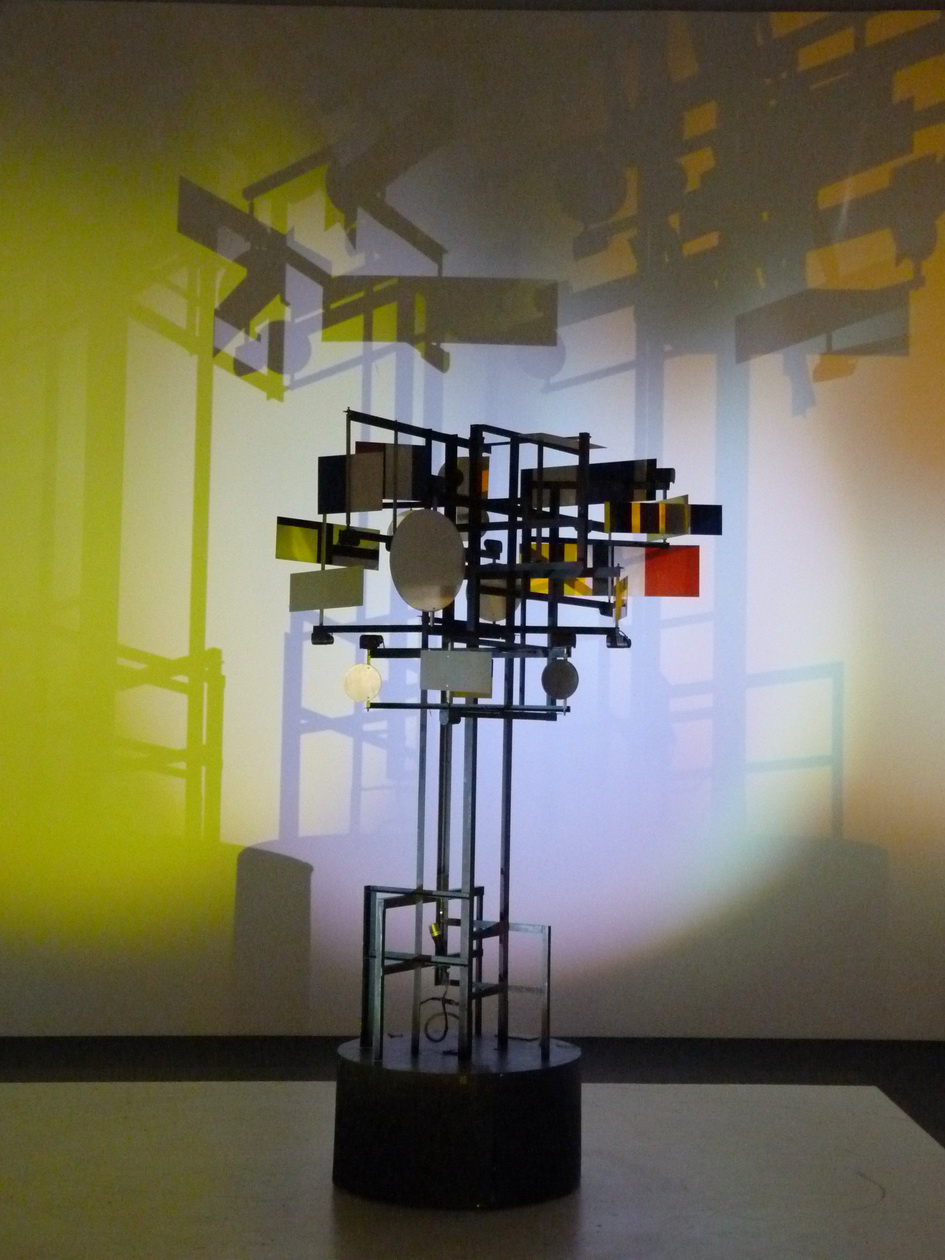
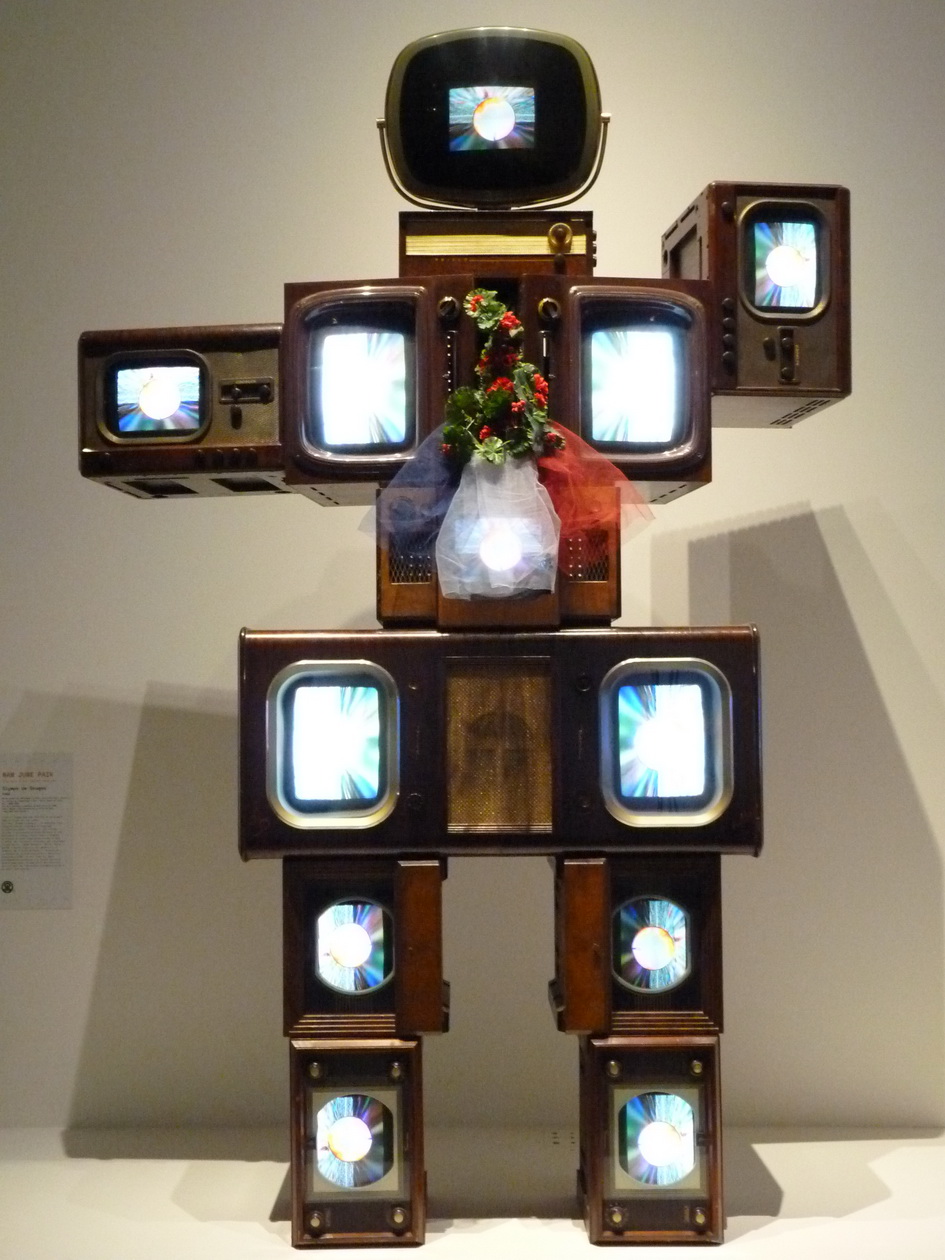
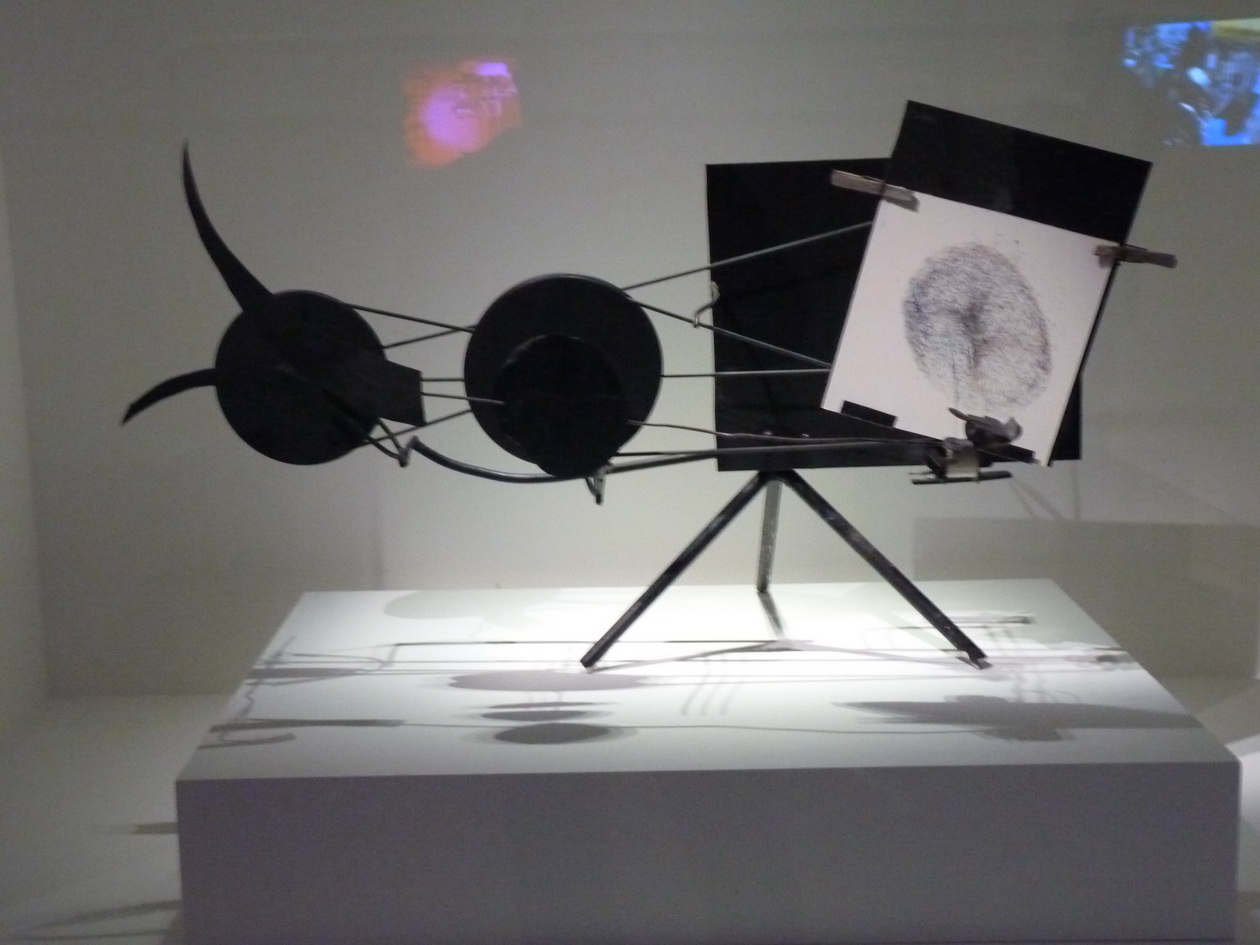
Artists create artworks using machines, which simultaneously become machines that paint. From powered machines to today’s fully automatic robots controlled by computer programs, machine creation stems from the exploration of kinetic art in the late 1950s. Artists began attempting to assemble kinetic sculptures. Nicolas Schoffer pioneered the kinetic cybernetic sculpture "cysp-1" in 1956, combining light, shadow, and environmental space, opening a new era of mechanistic art. Jean Tinguely, famous for his kinetic art in the 1960s, created the automatic painting machine "meta-matic" kinetic sculpture in 1959 (a prototype of a robot), which uses pencils held by structural mechanisms to improvise graffiti, becoming a pioneer of automatic painting. In 1965, video art pioneer Nam June Paik co-created the world’s earliest robot, Robot K-456, with Shûji Abe. Simultaneously, Paik created television (video) images, progressively establishing an unprecedented artistic landscape that profoundly influenced the exploration and development of contemporary digital video art.
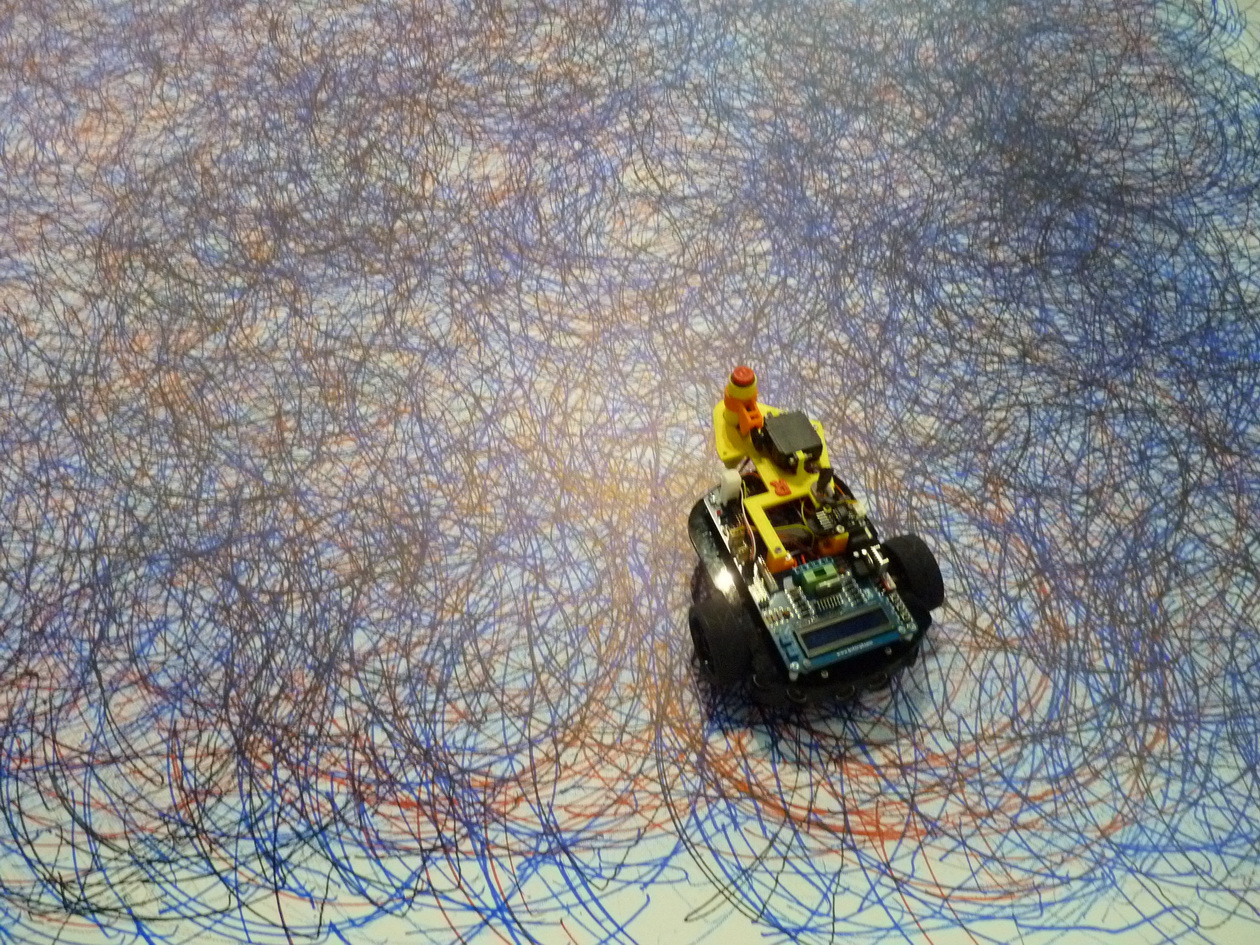
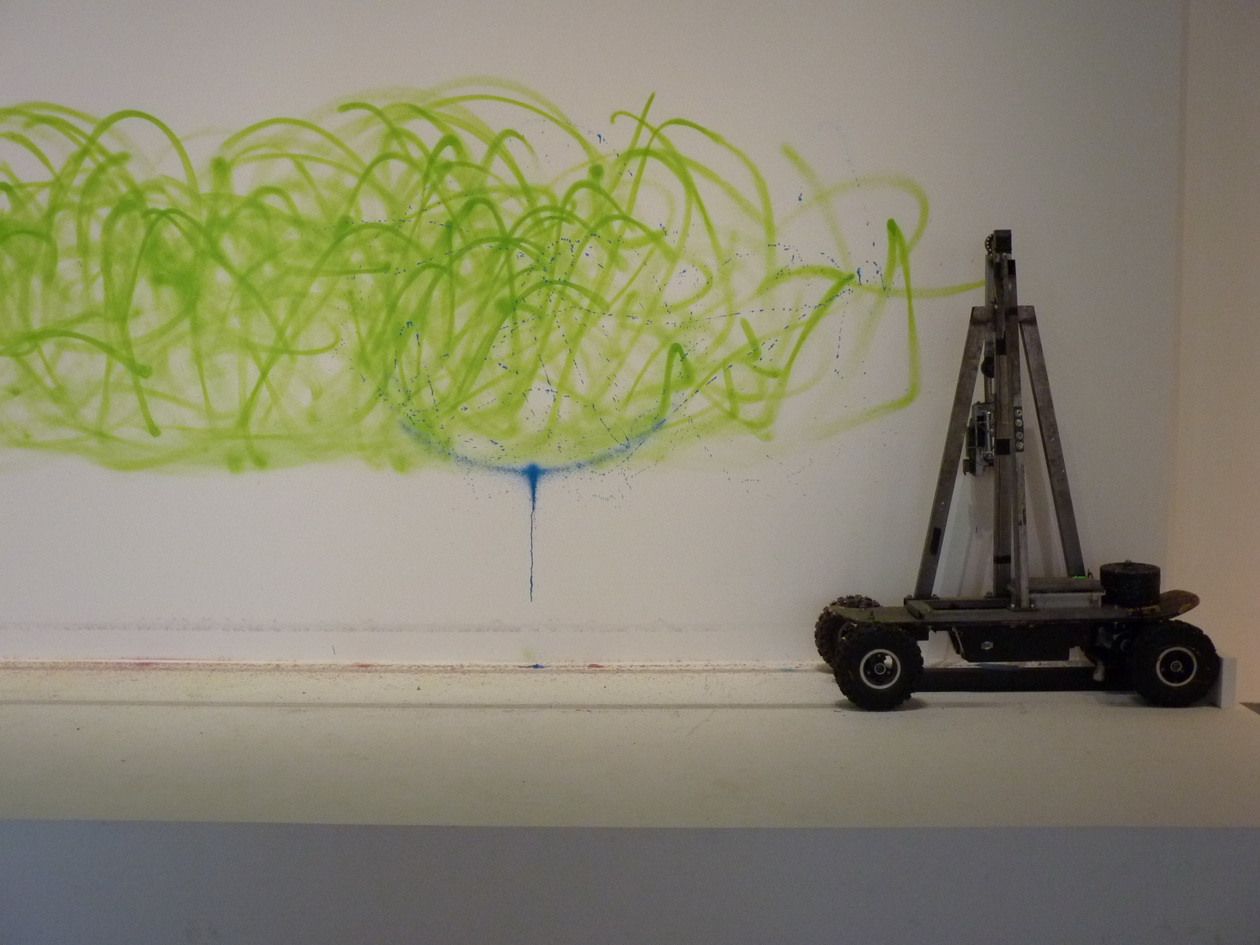
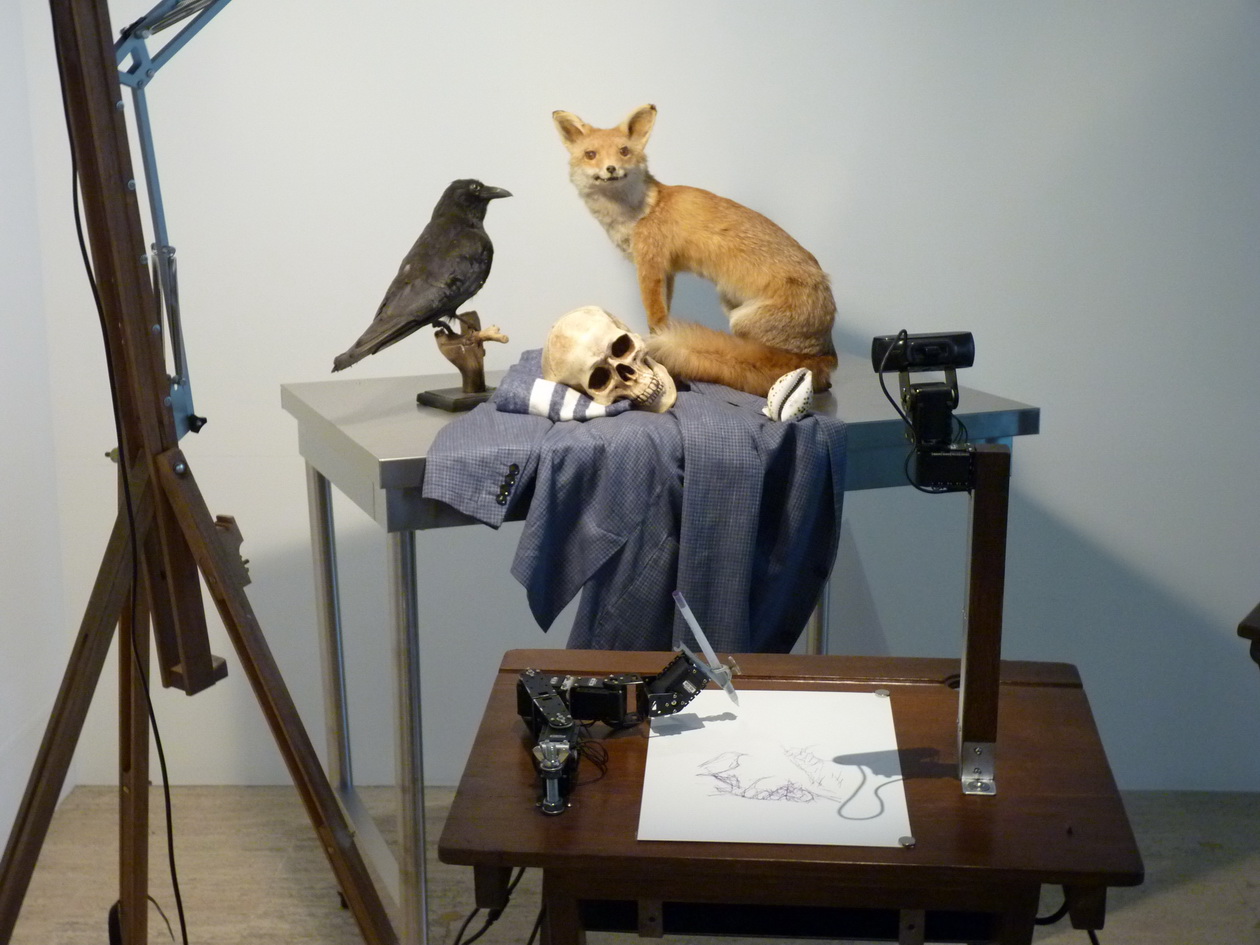
This exhibition features several representative emerging artists and three different types of automatic painting machines. Portuguese artist Leonel Moura (1948)’s "robot Art," which he has explored since 2001, uses simple fully automatic control painting machines (robots) that rotate rhythmically on platforms to form circular structural patterns. A group by Japanese artists Takahiro & Yamaguchi (1984), "Meaningless Drawing Robot" (2011), consists of a vertical machine structure on tracks holding crayons to scribble back and forth on wall paper. British artist Patrick Tresset (1967)’s highly metaphorical work, "Human Painting Market -2: The Great Vanity of Crows and Foxes" (2017), is the most refined; it features a still life of skulls, foxes, and crows, with an electronic arm holding a ballpoint pen drawing the scenery in front. Italian artist Arcangelo Saccolino (1967) presents a large gripping device titled "Untitled" (2006–2016), intermittently emitting gripping sounds.
"Program Planning": Under rapid technological advancement, from manual to mechanical to electronic eras, and rapidly changing digitalization, another era of art begins. Robots are no longer cumbersome mechanical assemblies; the pad-based era is replaced by computers adjusting calculations via programs. Robots disappear from view, their works given autonomous movement forms by software design, leading to infinite generativity and interactive functions with the public, entering a virtual reality more real than reality, completely changing daily life and artistic expression.
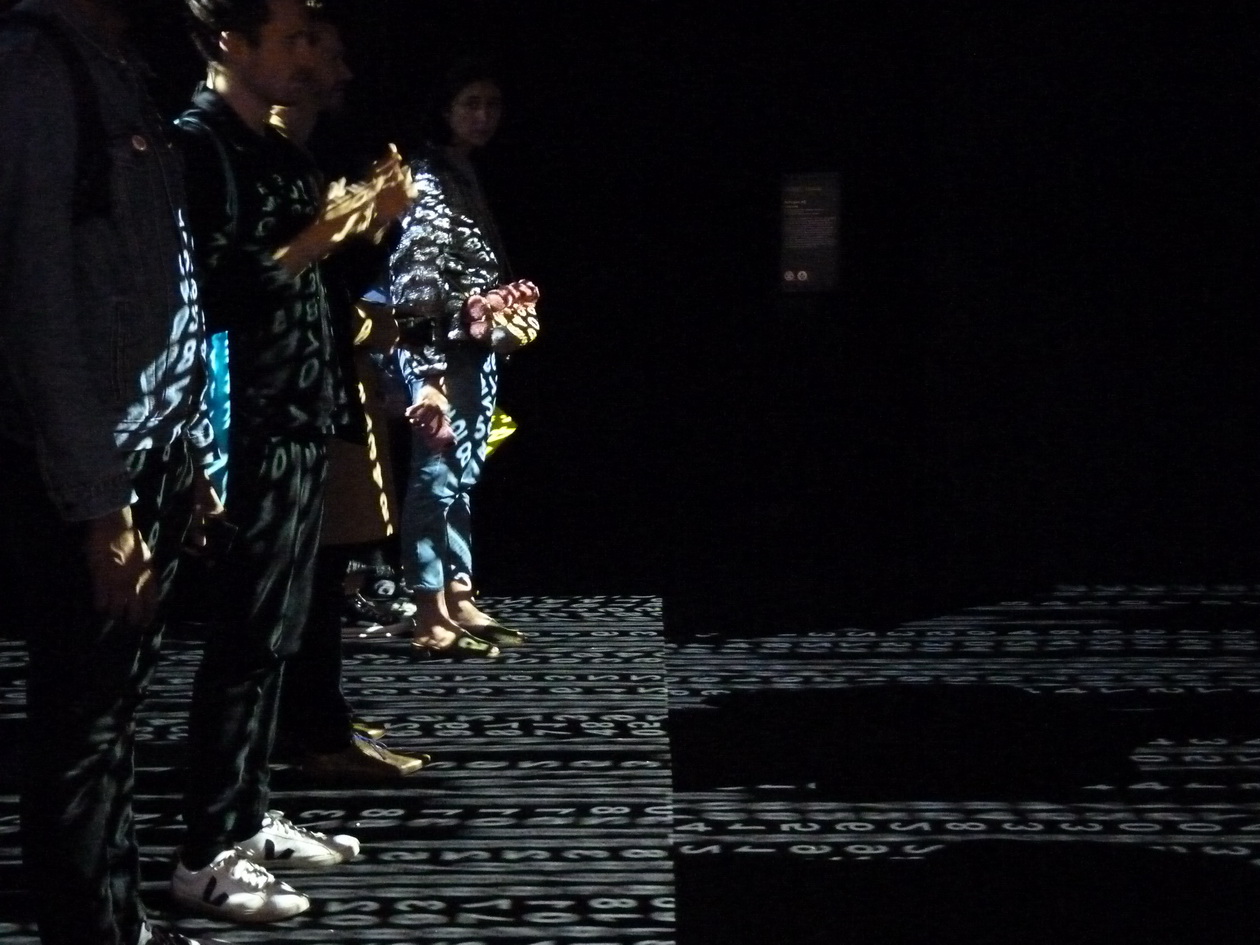
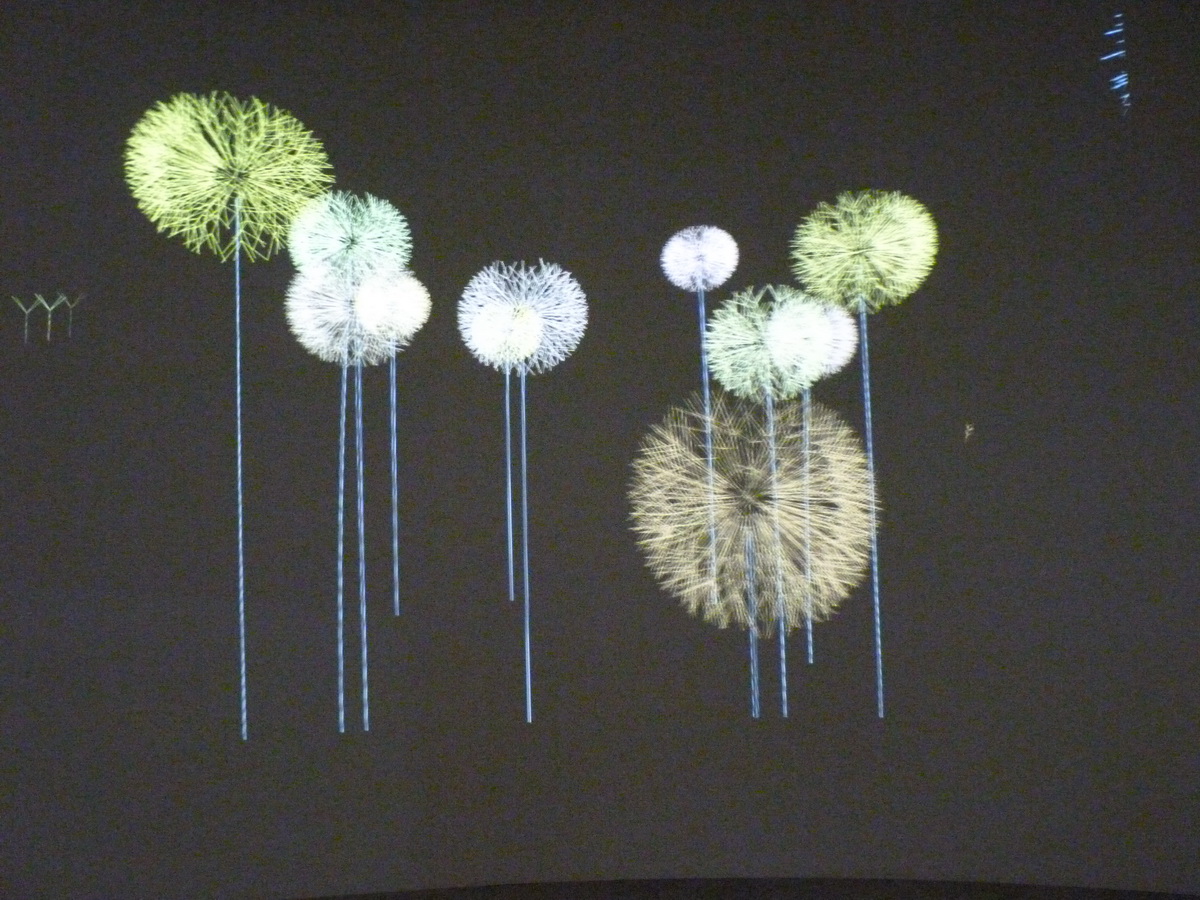
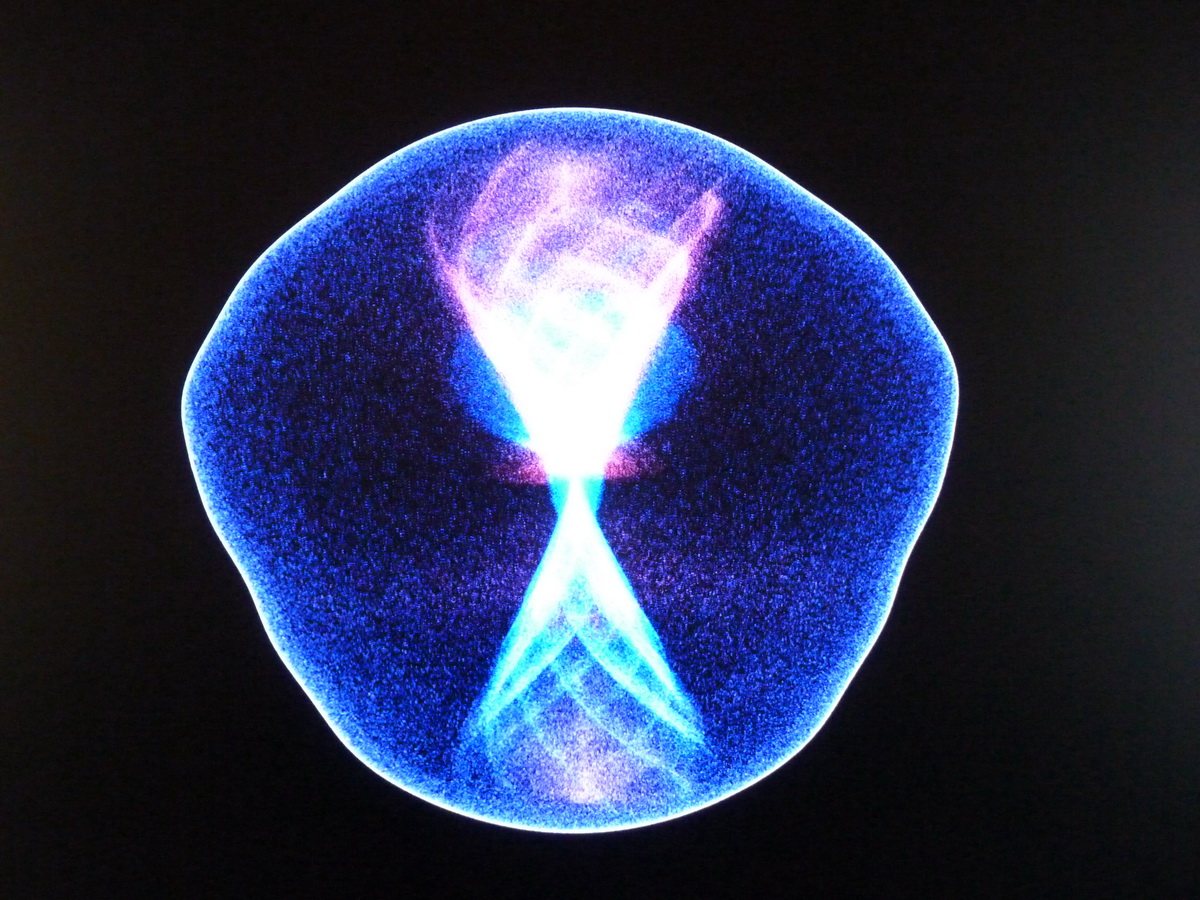
In this new generation of digital new media art based on computer programs: Brazilian artist Raquel Kogan (1955) creates the virtual reality mirror space installation "reflexao-2," immersing viewers in an interactive digital world of constantly shifting linear numbers. Viewers become part of the work’s support structure, altering its form. Under the infinite field of vision between front and rear mirrors, light and shadow transformations construct an endless world. Japanese artist Ryoji Ikeda (1966), a soul figure in electronic music, presents the audiovisual installation "data.tron -WUXGA version" (2011). An information world created by infinite mathematical procedures, its large screen serves as an interface for musical digital sound and images, exploring the possibility of perception permeating our invisible data world. French artists Edmond Couchot (1932) and Michel Bret (1941) create the poetic digital real-time interactive installation "Puffin" (1996–2017). On the screen, blooming dandelions fall with the wind when viewers blow at the sensor.
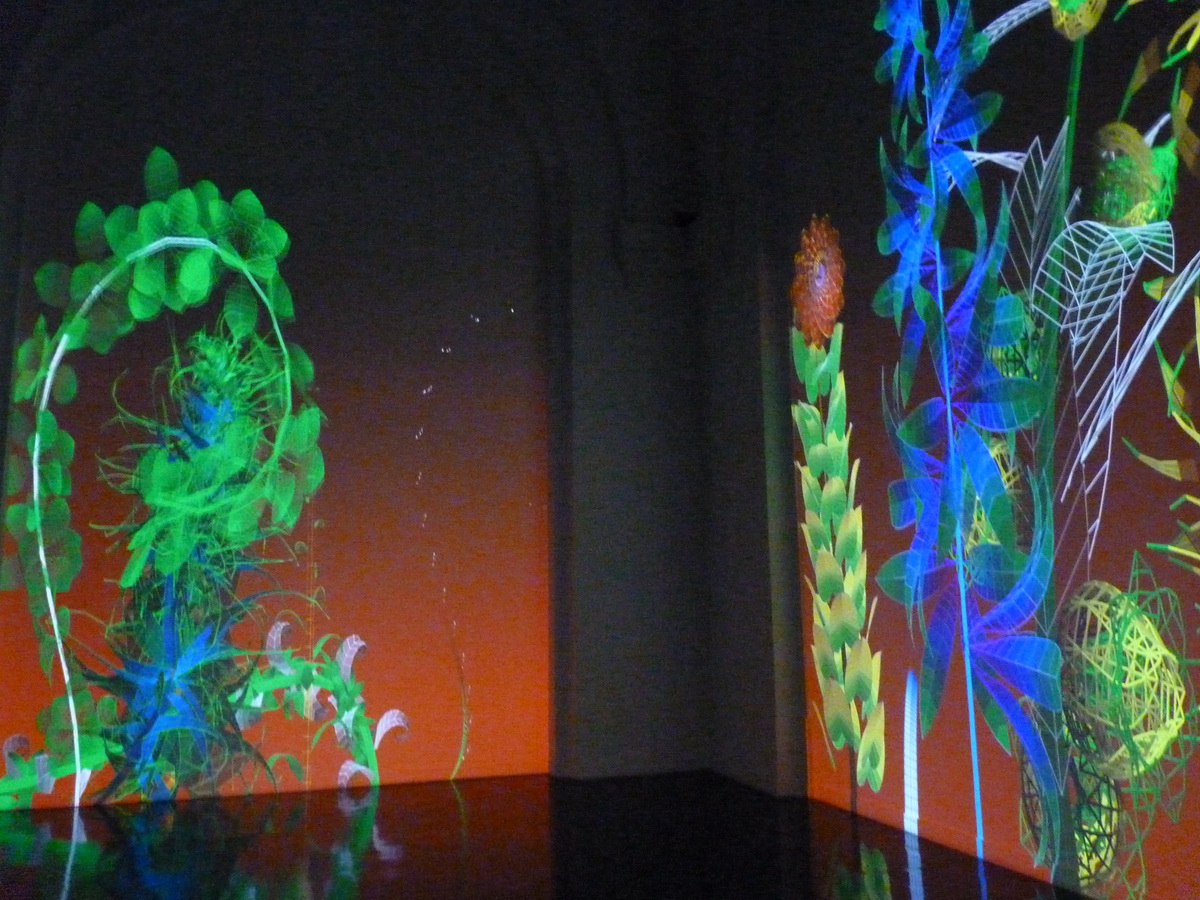
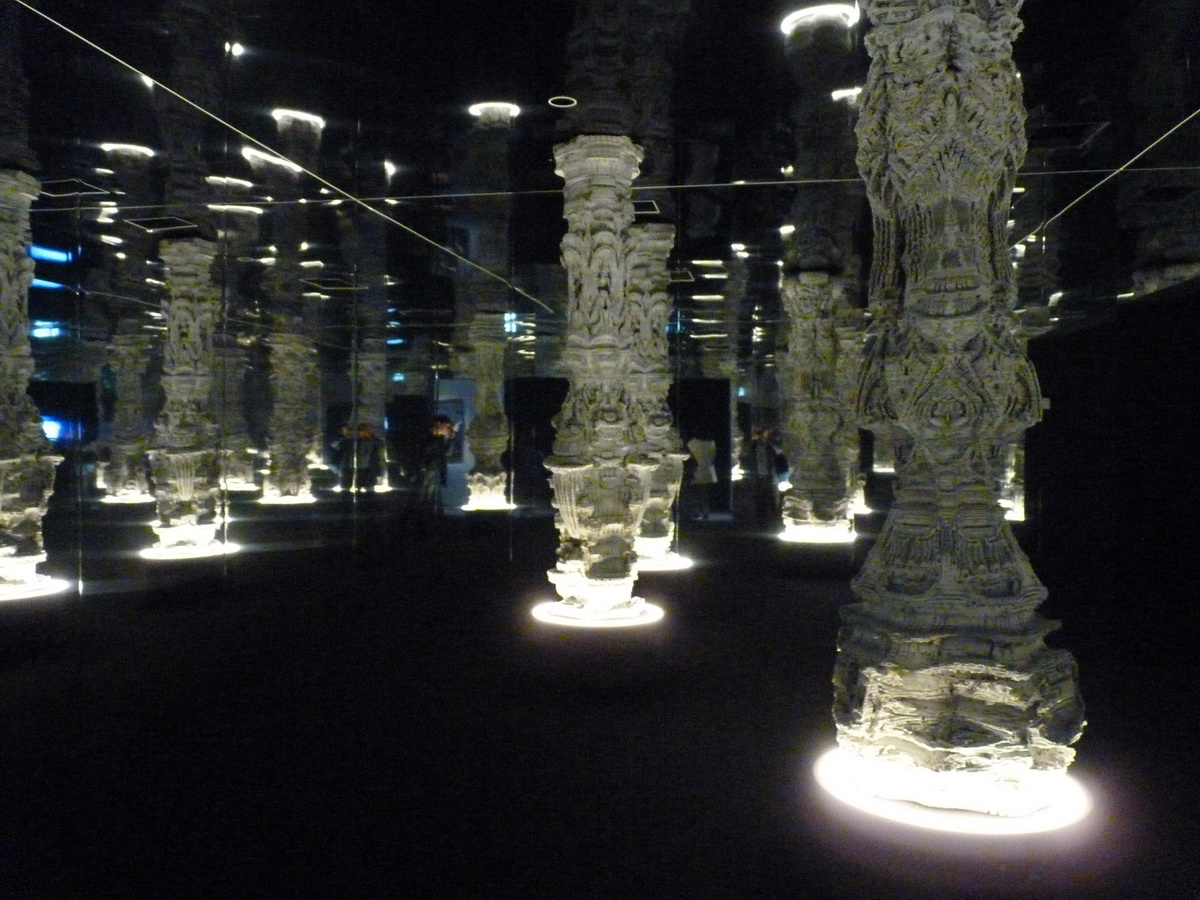
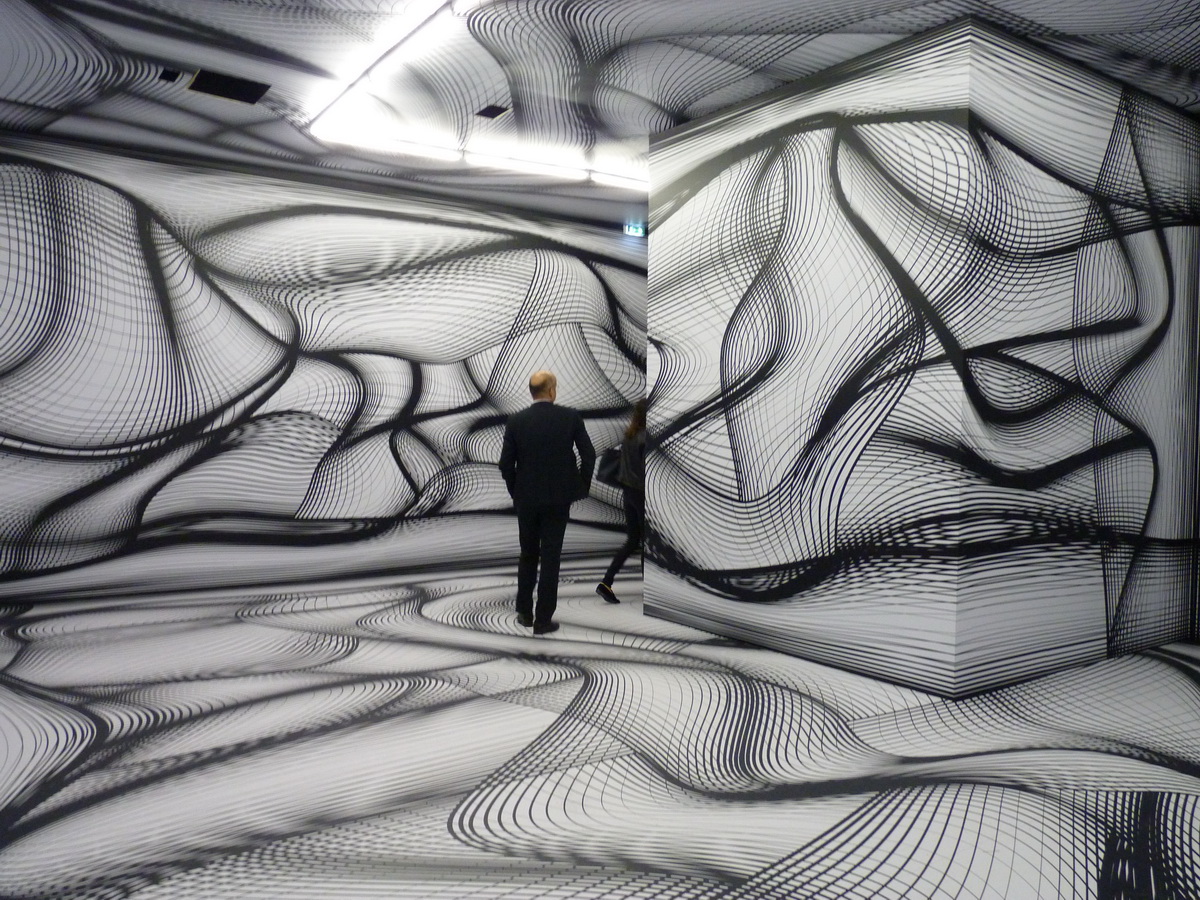
Digital art pioneer Mexican artist Miguel Chevalier (1959) has used computer information as a tool for plastic art creation since 1978. His generative and interactive virtual reality "extra-natural" (2018) is a vibrant, colorful garden of generated virtual reality, with infinite growth, proliferation, disappearance, and endless evolution, illustrating the natural cycle of flowers blooming and fading, metaphorically contemplating life. Viewers can change the ecological transformation of plants and flowers through touch. German artist Michael Hansmeyer (1973) creates and imagines using computer program tools. "astana columns" (2017) consists of columns constructed from twenty million laser-cut cardboard pieces, placed in a maze’s hall of mirrors, making viewers feel as if they are in a virtual reality. Austrian artist Peter Kogler (1959) develops architectural spaces for digital new media. In the spatial installation "Untitled" (2018), he uses streamlined curves constructed by computers to create an optical illusion maze more realistic than virtual reality.
"Liberation of Robots": In today’s era of cutting-edge technology advancement and rapidly changing digital innovation, people’s daily lives (such as digital devices like mobile phones) and contexts are changing. Factories have efficient automated production lines, and artificial intelligence provides diverse social services, increasing life skills. A beautiful new world is being actively liberated. Artistic creation is no exception. Especially entering the twenty-first century, digitalization and artificial intelligence open a new era for new media art. Artists capture this atmosphere of new exploration, appropriating and transforming artificial intelligence-robots to create various possibilities.
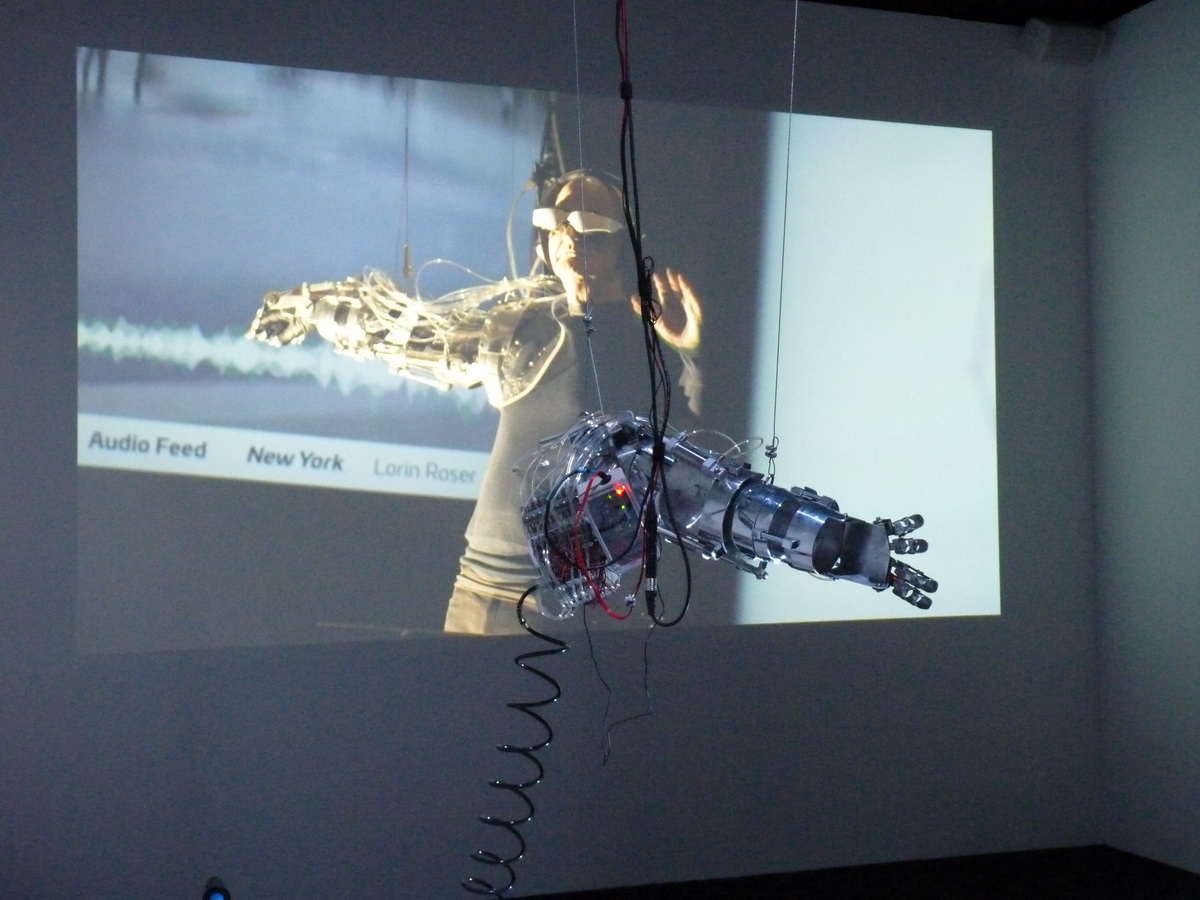
Artistic manifestations under the liberation of robots: Veteran performance artist Stelarc (1946) uses his own body as a medium for the interactive installation "Cyborg Arm" (2016). He presents video recordings of his Re-wired/Re-mixed performances interacting with audiences, developing physiological and aesthetic discordance and fragmented bodies. French pioneer of new media digital art Catherine Ikam (1948) and Louis Flerne (1953) create inspiration from science fiction in the video "Facing Point Cloud" (2017–18), creating a parallel reality with painted heads, virtual and seductive, infinitely transforming with real time. French new media artists Laurent Mignonneau (1967) and Chista Sommerer (1964) present the portrait "the Fly" (2015) in an interactive video installation. Based on illusion, when viewers stand before the screen, fine black flies reflect their figures, questioning human self-worship.
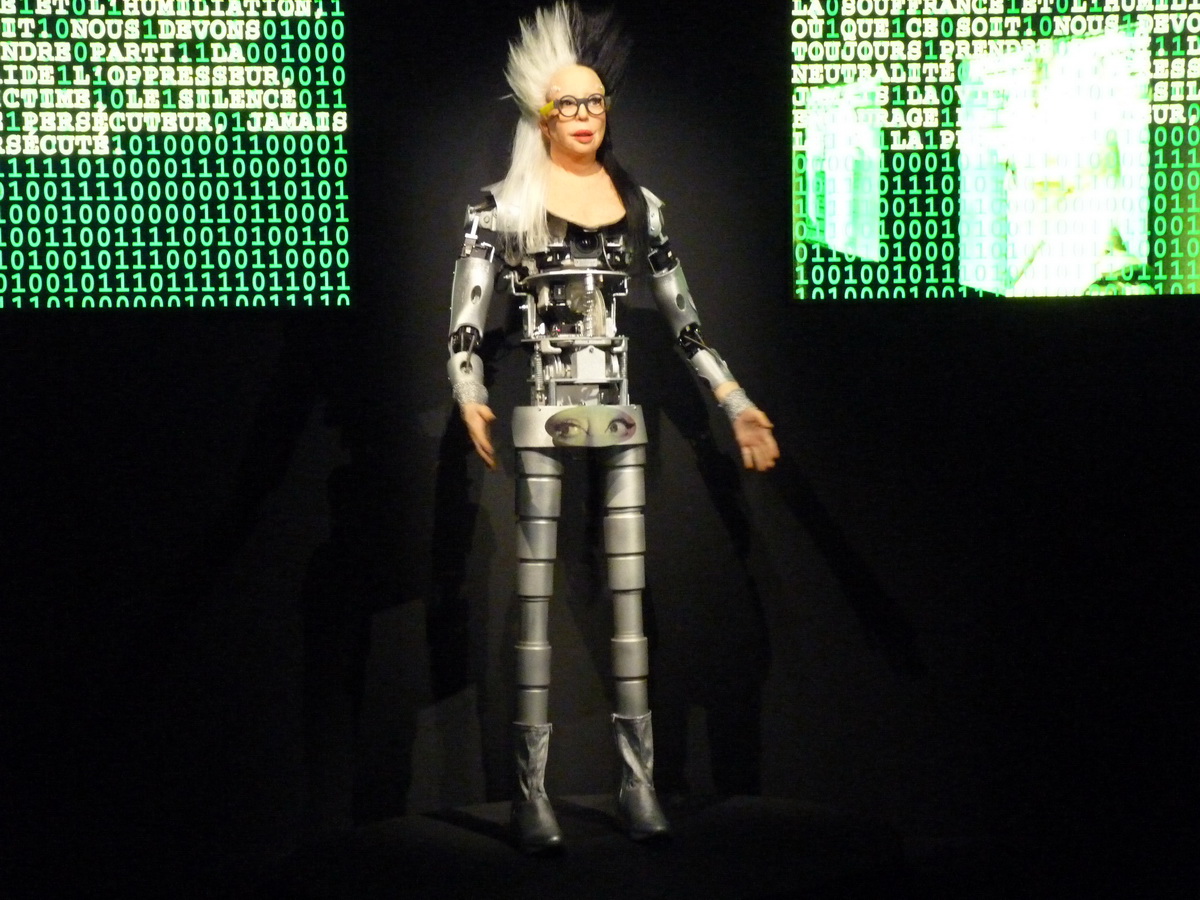
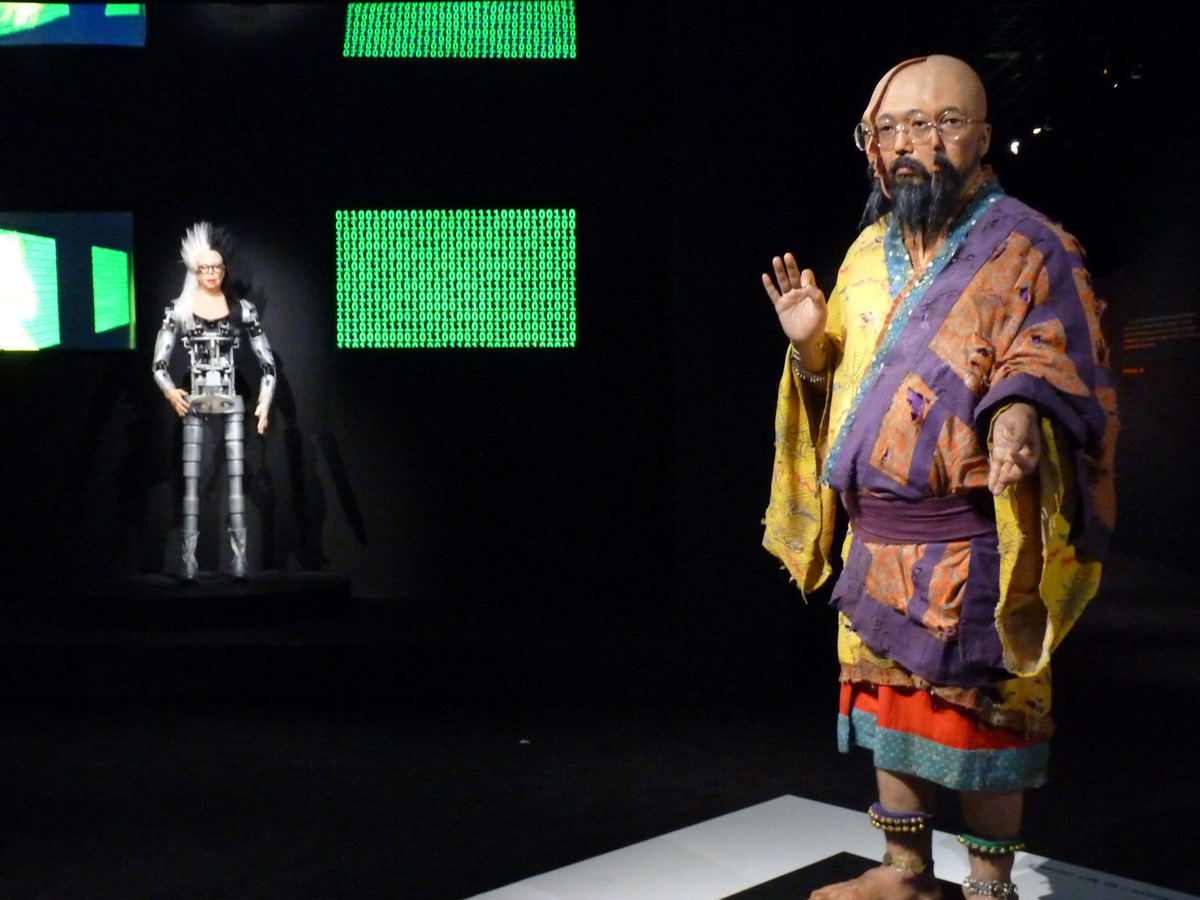
Two full-body robot installations in this exhibition: French body artist Orlan’s comprehensive robot and digital audiovisual space installation "Orlan & Orlanoide strip-tease artistique electronique et verbal" (2018). A self-portrait robot of the artist dances with limbs while conversing with a large electronic wall displaying the artist’s video. The self-portrait robot and the artist in the video seem to be the same person. Exploring the gift of new technology: rebuilding and reshaping the body, because the artist attempts to do this with his own body. Takashi Murakami (1982)’s "Untitled - Murakami Archat Robot" (2016), created in 2015 for the Mori Art Museum Tokyo exhibition, represents the deepest reflection of the Japanese artist since the 2011 Fukushima incident. The artist wears Taoist robes, glasses, dual faces, Buddha-like posture, barefoot with decorative rings, a self-portrait muttering spells, praying for blessings regarding the Fukushima incident? "In facing the only true form. I will transfer life to a second copy, and transfer according to your wishes." (Note 3 – Introduction to the "Artists and Robots" special exhibition)