A Pilgrimage to Auvers-sur-Oise
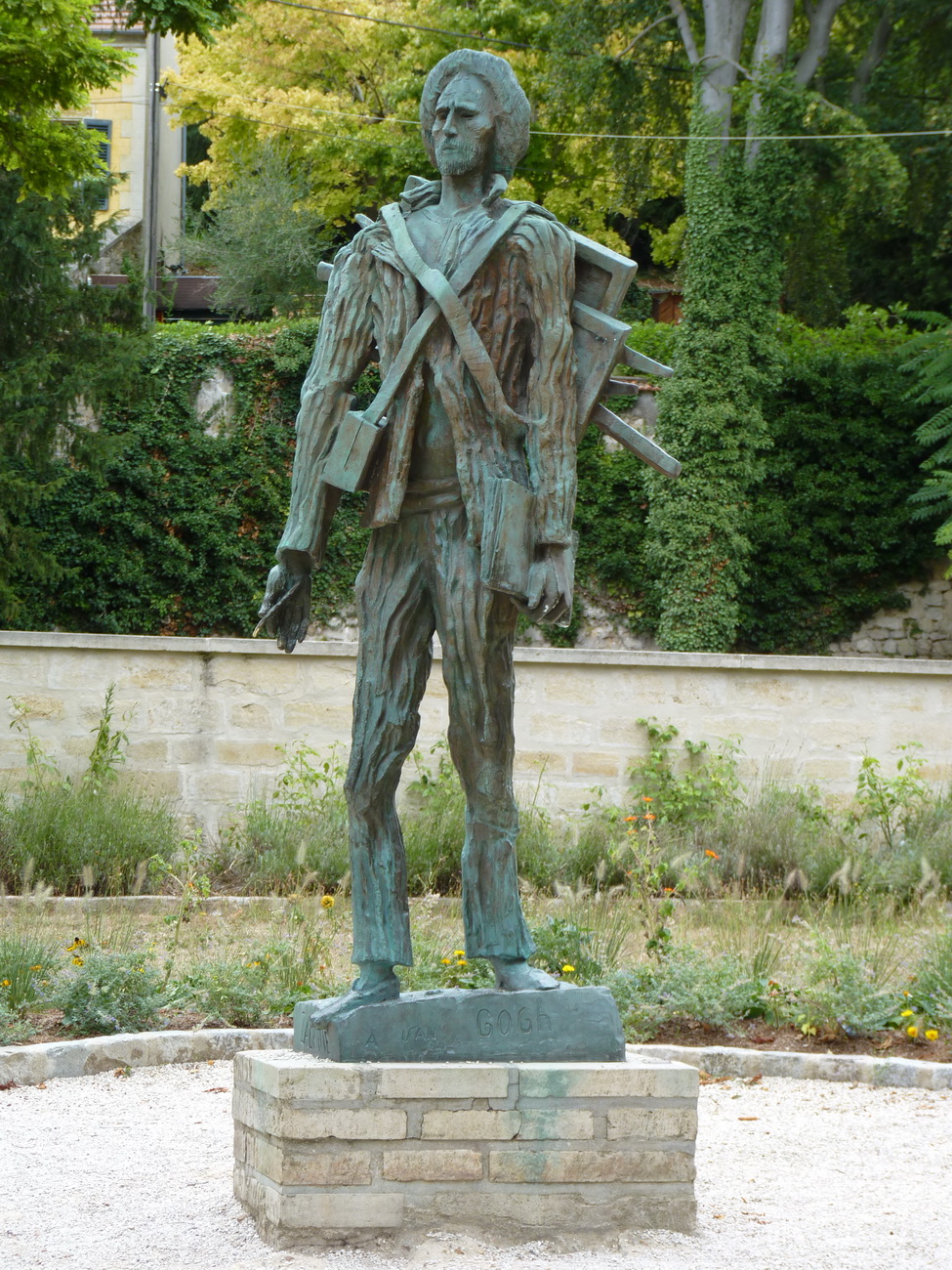
The Van Gogh statue in front of the Auvers-sur-Oise tourist information center, sculpted by renowned artist Zadkine in 1961.
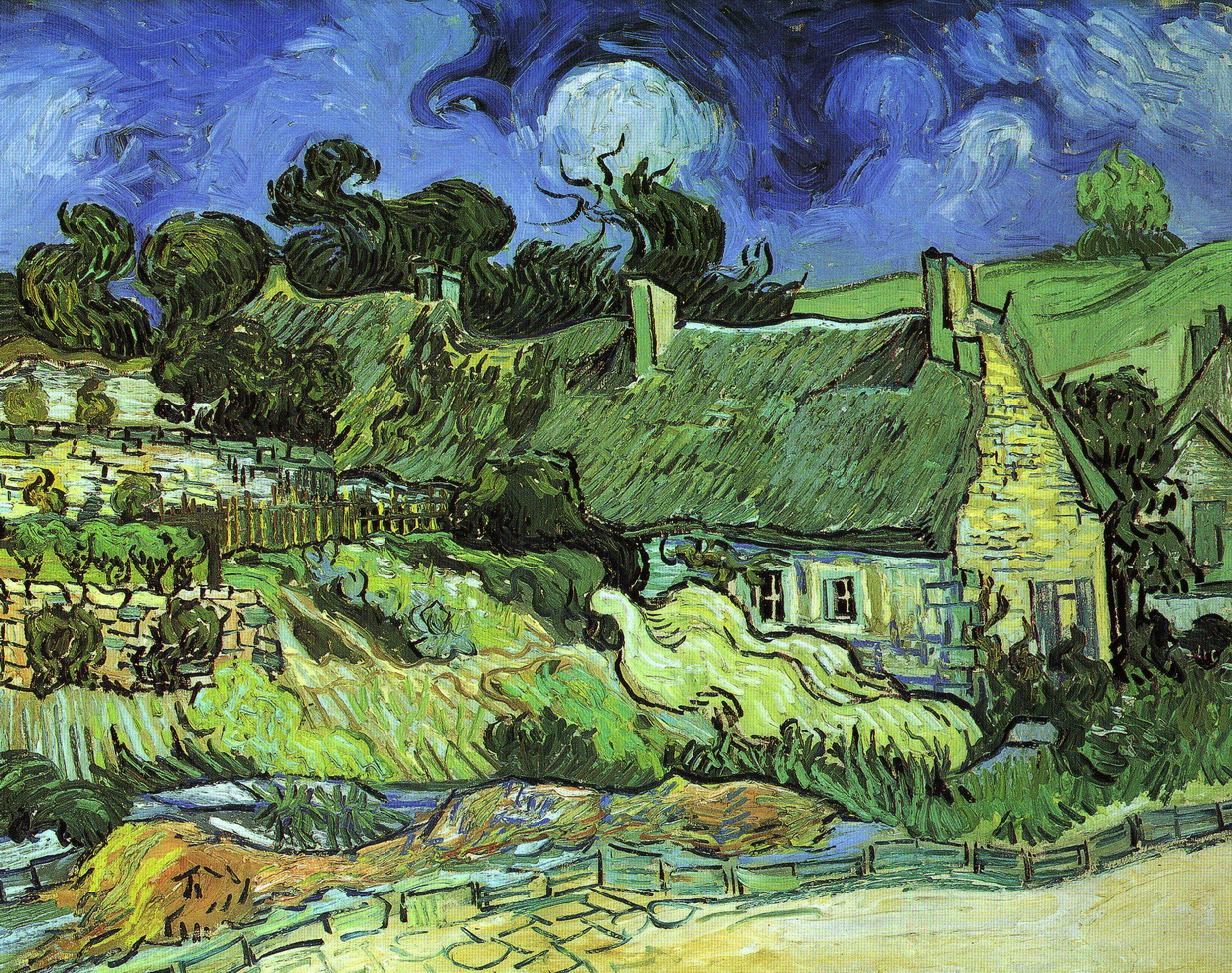
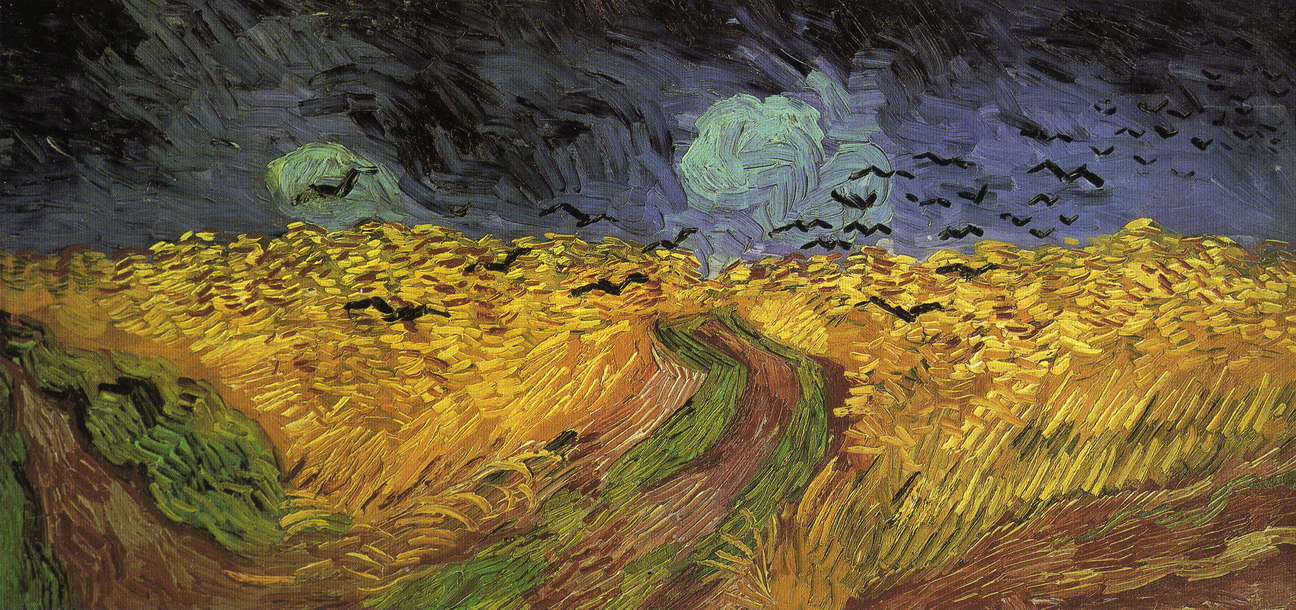
Text and photos / Chen Chi-Hsiang. Auvers-sur-Oise is located northeast of Greater Paris (30 km from Paris), a typical small rural village in the suburbs. It is famous only because the legendary painter Van Gogh created frantically here in his later years and died mysteriously in this place, attracting art lovers and Van Gogh fans from around the world as a pilgrimage site today. The pastoral scenery of Auvers, with its lush trees and grass, attracted many painters (such as Daubigny, Daumier, Pissarro, Cézanne, and Van Gogh) in the 19th century to sketch here, becoming a place where Pre-Impressionist, Impressionist, and Post-Impressionist painters drew inspiration and painted. It is also the holy land for many world-famous paintings—Daubigny’s “Auvers-sur-Oise,” Pissarro’s “Valhermeil,” Cézanne’s “Houses at Auvers,” and certainly Van Gogh’s numerous masterpieces, such as the well-known “Church at Auvers” with its dancing appearance and “Wheatfield with Crows”—all of which have become treasures in major museums around the world.
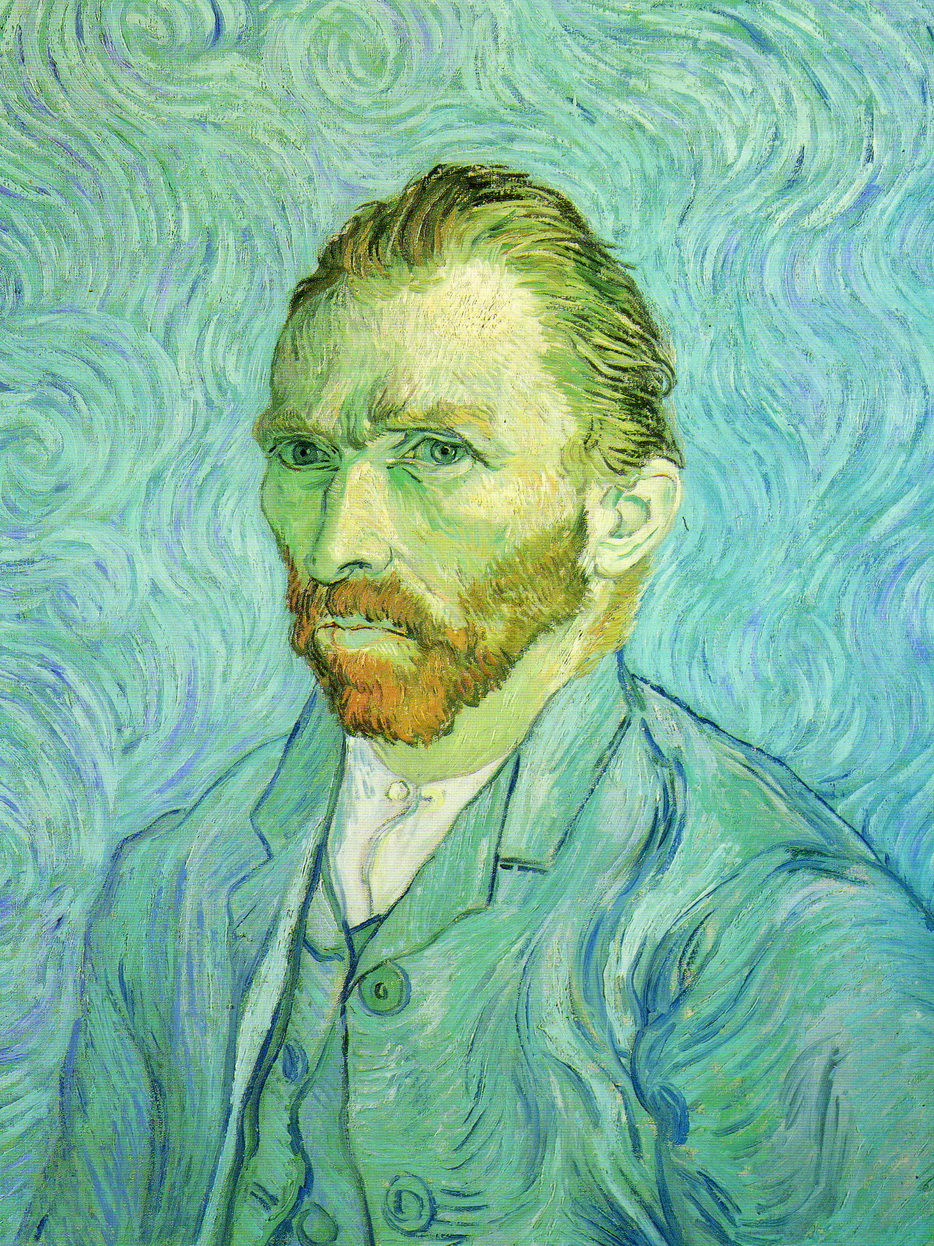
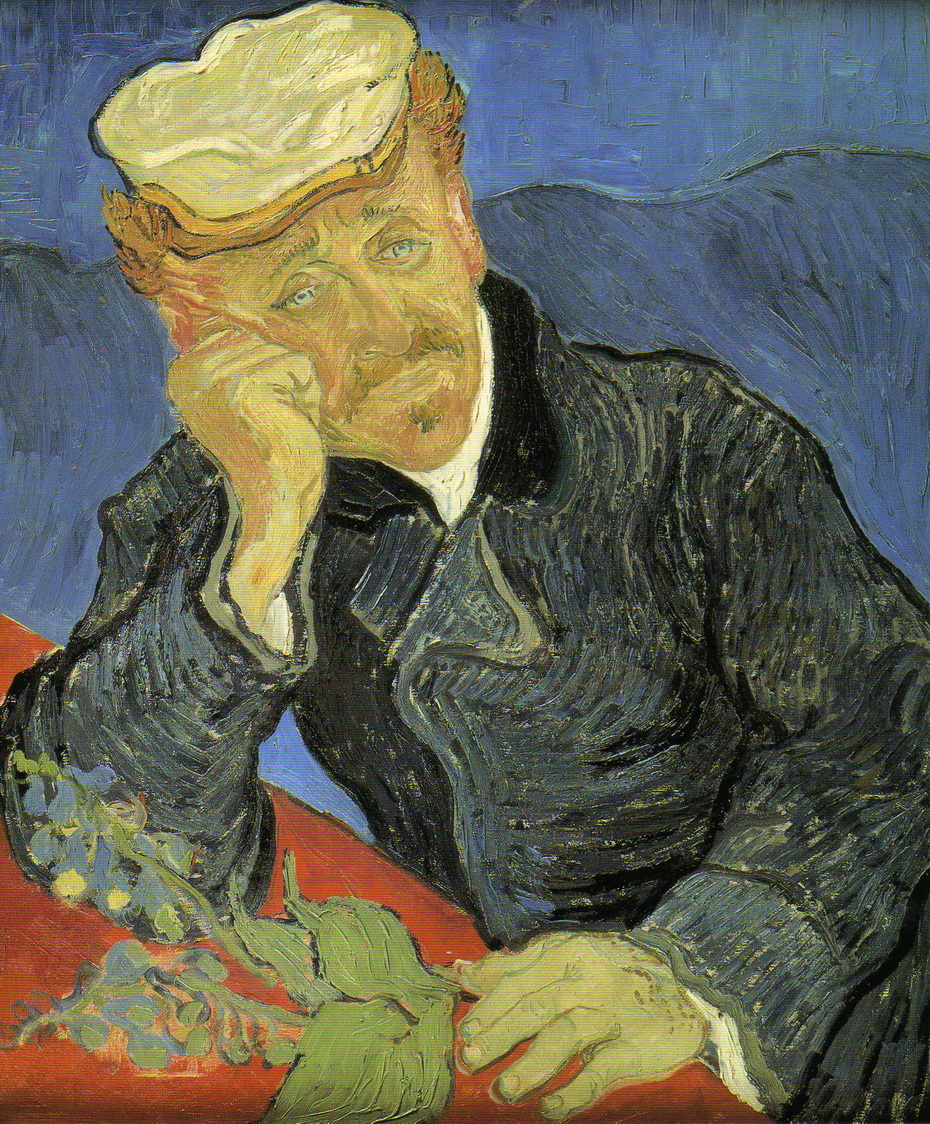
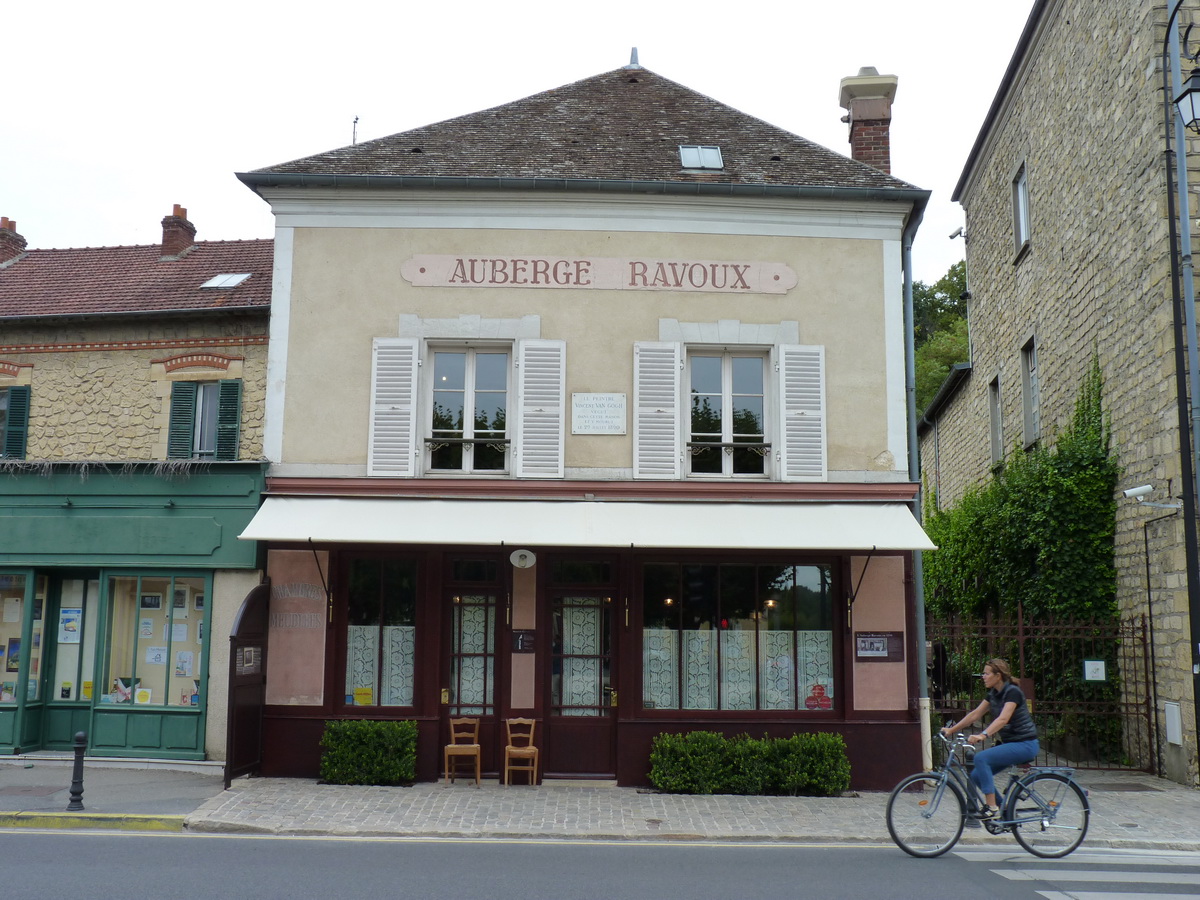
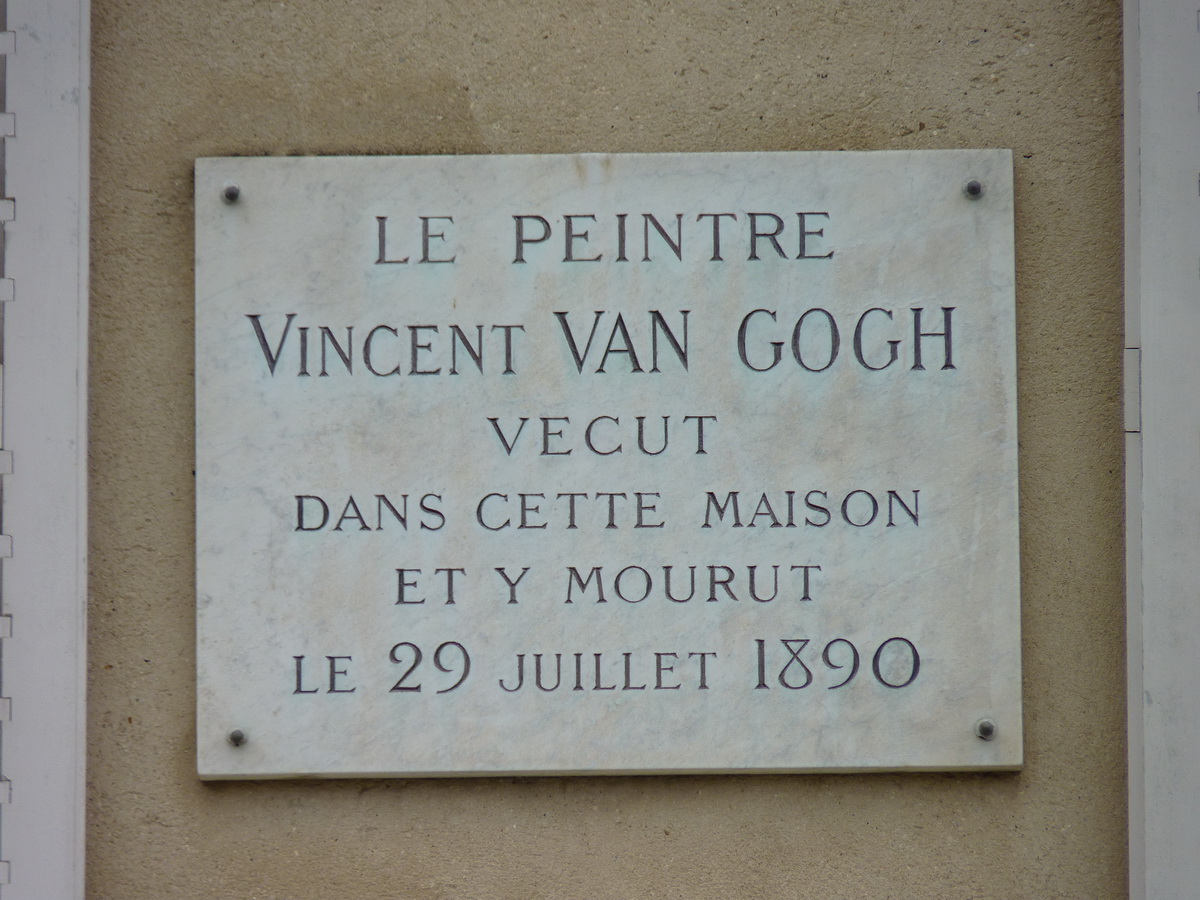
Van Gogh Memorial Museum: Van Gogh was like a bright meteor streaking across the sky. In his 37 years of existence, he moved 38 times. From the Netherlands and Belgium through England, he finally settled in France. From Paris to Arles in southern France, Saint-Rémy in Provence, and finally Auvers-sur-Oise in the Paris suburbs, which was the most dramatic endpoint of Van Gogh’s life. On July 10, 1890, in a letter to his brother, he wrote: “I seem to always feel like a traveler going to some destination.” Van Gogh deeply felt the drifting nature of life. Do you remember? He had an accident in southern France where he cut off an ear after arguing with Gauguin. Later, Van Gogh was sent to the Saint-Rémy sanatorium to recuperate. After a while, his brother invited him back to Paris to care for him and further discuss matters with Van Gogh. A few days later, Van Gogh went to the village of Auvers-sur-Oise in the Paris suburbs. Under the care of Dr. Cachet, the family doctor of Pissarro, he stayed at the Auberge Ravoux restaurant and inn, passionately embarking on the peak of his creation. His lonely soul found an outlet in painting, dedicating his entire existence to his art. He successively completed dazzling works such as “Church at Auvers,” sorrowful and moving “Wheatfield with Crows,” emotional “Portrait of Dr. Gachet,” and touching “Self-Portrait,” strongly expressing his emotions and his consciousness of existence at that moment. As he wrote in a letter to his brother in 1890: “Under the cloudy, changing sky, boundless wheat fields, I tried without hesitation to express my sadness and loneliness,” or “Trying to understand great artists, masters saying their last words in their masterpieces, where God must be present.”
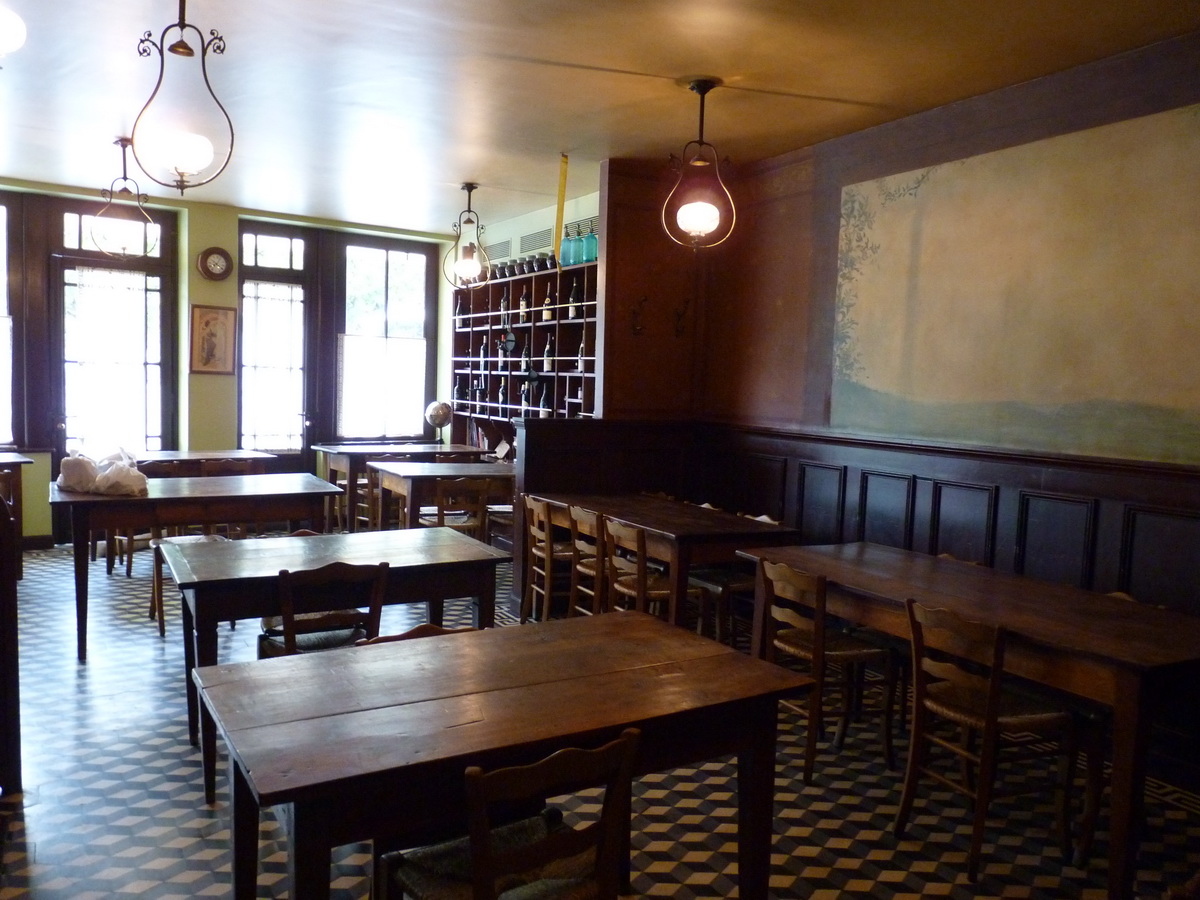
The Van Gogh Memorial Museum is located directly in front of the Auvers town hall at the restaurant and inn (Van Gogh also painted a picture of the town hall from his accommodation). The warm milky-white exterior of the Auberge Ravoux restaurant and inn has a restaurant on the ground floor (Van Gogh’s food and lodging were all-inclusive), and simple limestone-white guest rooms on the second and third floors (without bathrooms, only a single bed and a table and chair each). Climbing up via the wooden stairs behind the restaurant, there are two guest rooms on each floor (actually eight in total—four in the backyard). During the heyday of French provincial painting in the 19th century (such as the Barbizon School), many painters came to the countryside to seek creative inspiration and paint, and this inn was often fully booked. Van Gogh lived in Room No. 5 next to the wooden stairs on the third floor, a cozy attic room (less than 7 square meters), with sloping walls on both sides (one side a wardrobe, the other a small skylight), and two plaster partition walls (spaces for the painter to dry oil paintings). It is said that Van Gogh’s room had only one bed and one chair, even more minimalist than a monastery, serving as a place for the painter’s body to rest and a field to embrace his own soul.
Van Gogh worked diligently every day, leaving early in the morning with his easel, paint box, and canvas to paint enthusiastically and frantically. His creative footprints are everywhere in the Auvers countryside. (From May 20 to July 29, 1890) In the short 70 days in Auvers, he completed nearly 80 touching masterpieces to his heart’s content. One can imagine the small room filled with paintings, the smell of oil paint and turpentine soothing his journey of life, the room becoming a space where his body could rest. Who could imagine that Van Gogh created his most classic masterpieces in such a crude and narrow inn? It is said that the room we see now is the scene preserved since Van Gogh’s death. Although the room is empty and there is nothing much to see, people can profoundly feel everything here, entering Van Gogh’s time tunnel from this point. Finally, in 1985, this restaurant and inn was listed as a historical monument, allowing future generations to commemorate the painter and explore Van Gogh’s legend here.
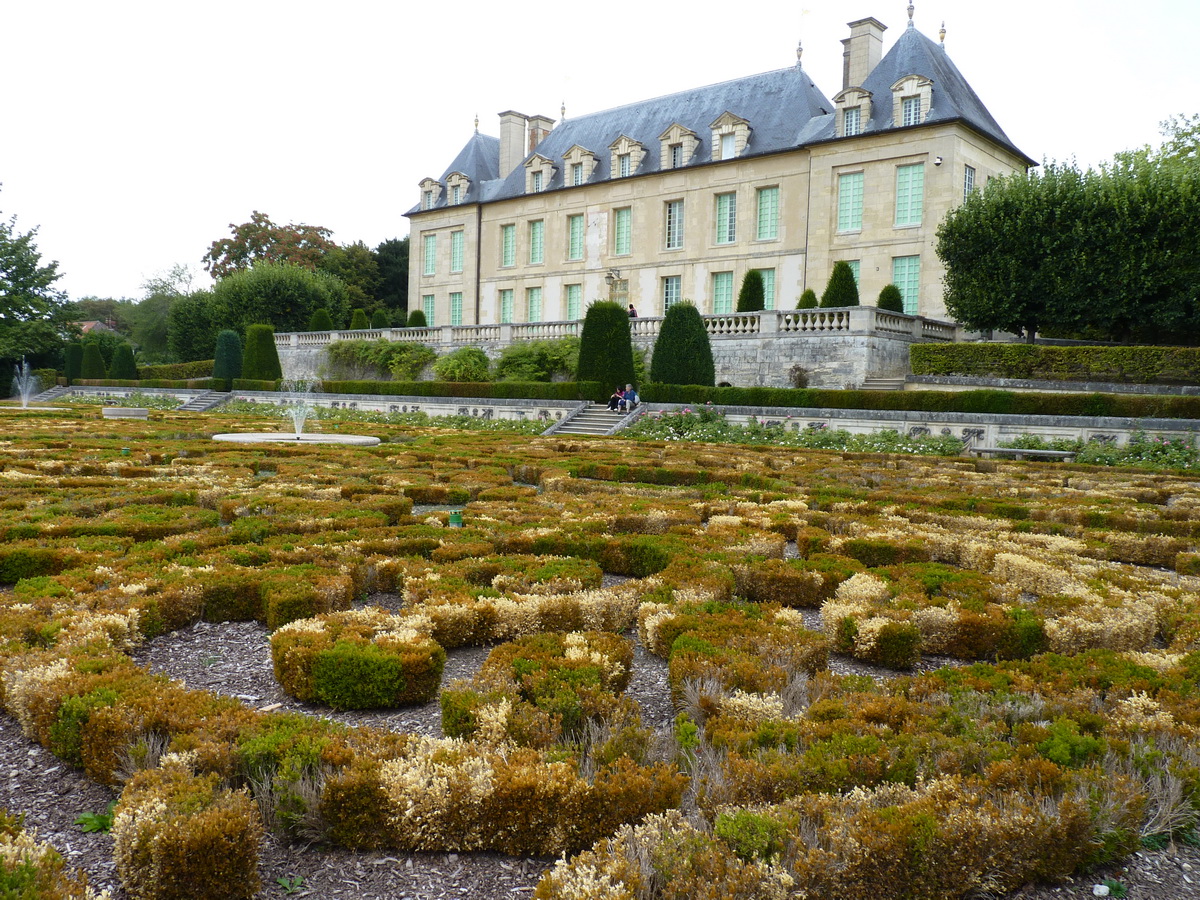
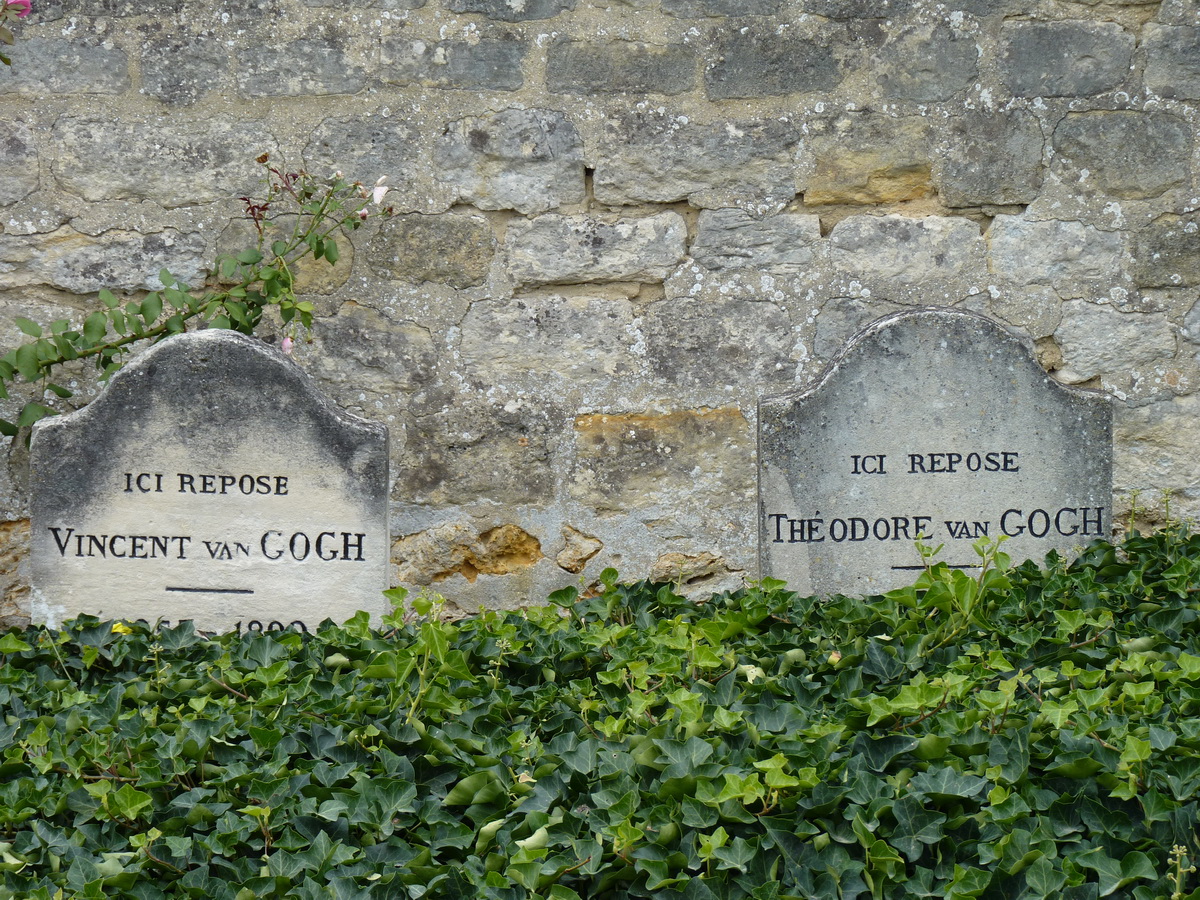
On July 27, did Van Gogh commit suicide near the castle? With his chest blooming like a flower, he returned to his accommodation. Two days later, under the watchful eyes of his doctor, police, and his brother Theodore, he passed away. Because he died by suicide, Christians and the church refused to allow a funeral mass in the church. Finally, with the help of his closest friends, a simplified yet solemn artistic mass ceremony was held. Billiard tables downstairs were surrounded by all of Van Gogh’s paintings in Auvers, marking the painter’s bumpy and legendary life. He was buried alongside his brother Theodore (who died in Amsterdam, Netherlands, in 1891 and was also buried there). More than twenty years later, thanks to the wise decision of his brother’s wife, the two brothers were reunited and lay side by side in eternal rest in the Auvers cemetery. Ivy covers the grave, symbolizing the eternal memory of “mutual affection.”