Reflections on the Semester Review of Art and Design Programs in Higher Education
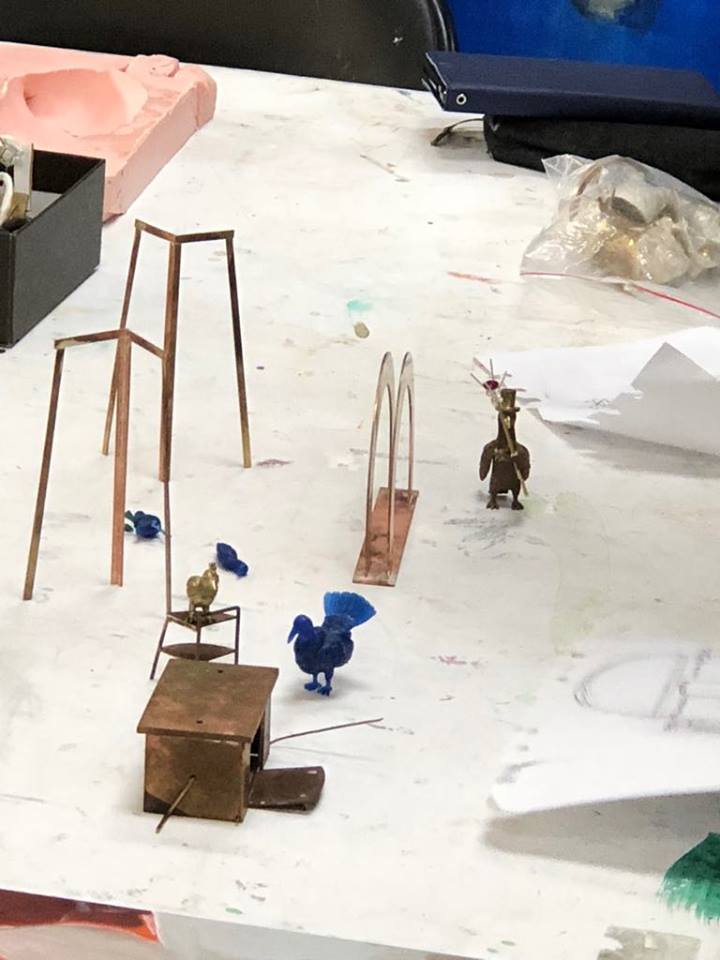
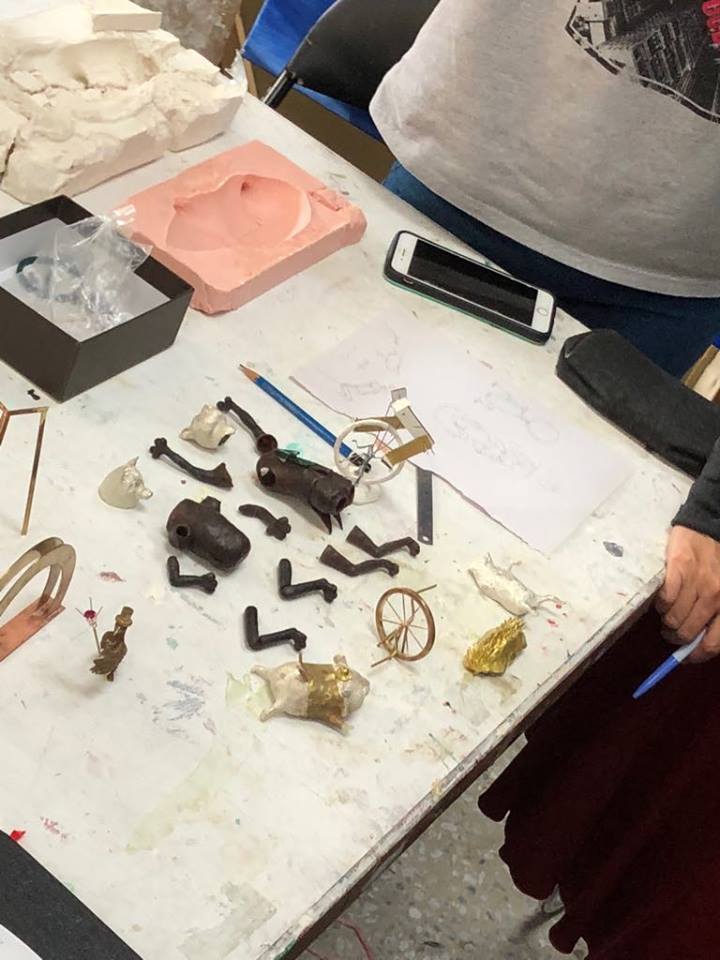
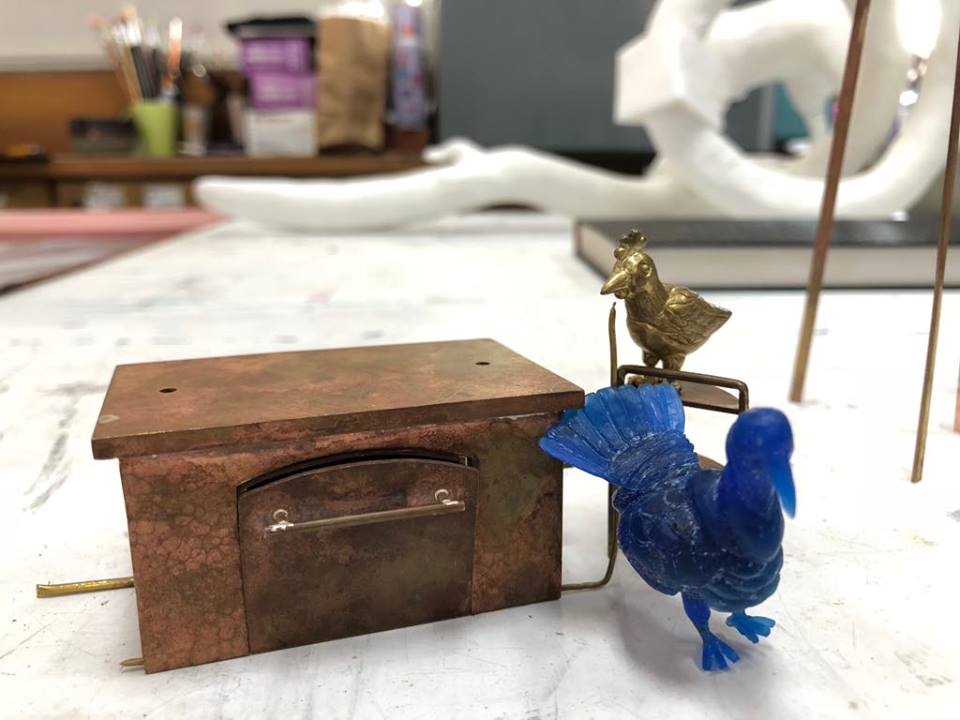
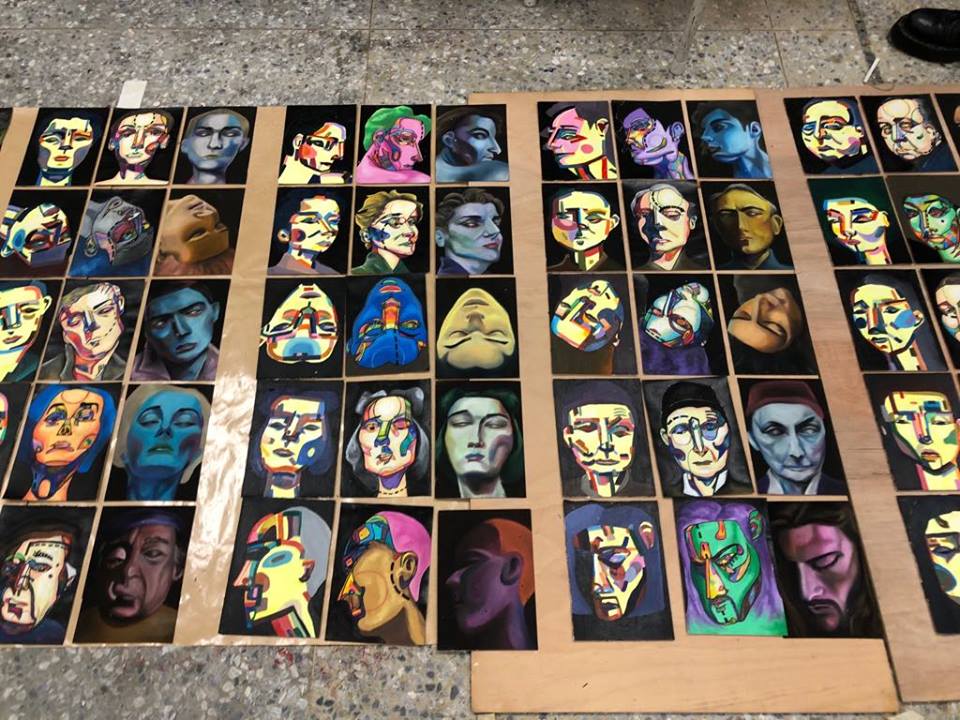
Early this year, at the National Taipei University of Education's Art and Design semester review: Senior graduation exhibition student works - Micro-carving images - Provided by Teacher Hsiao Mei-ling
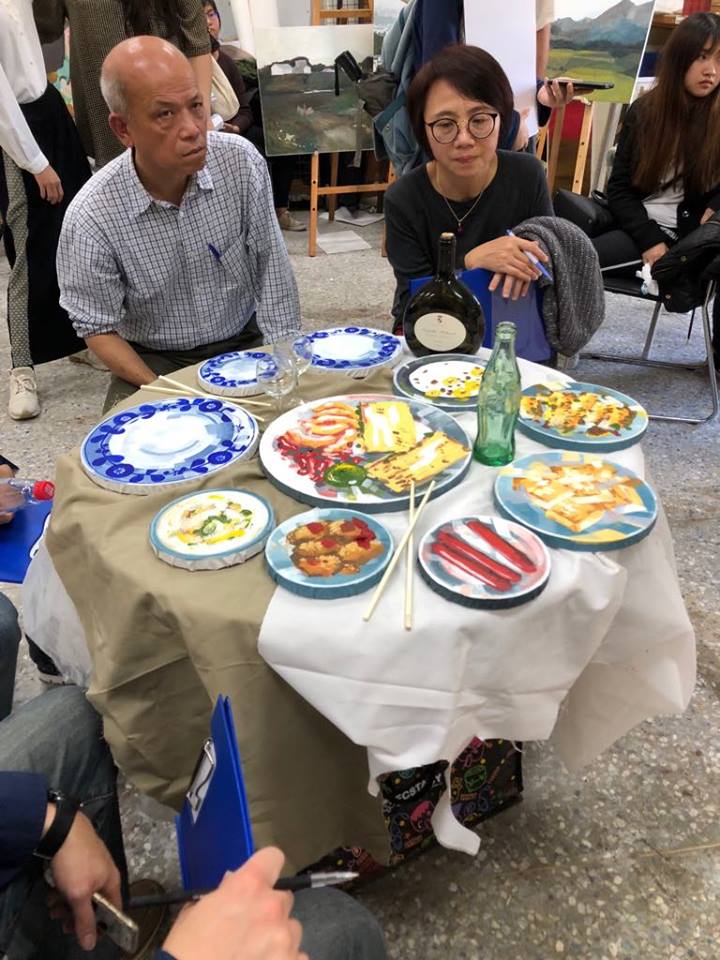
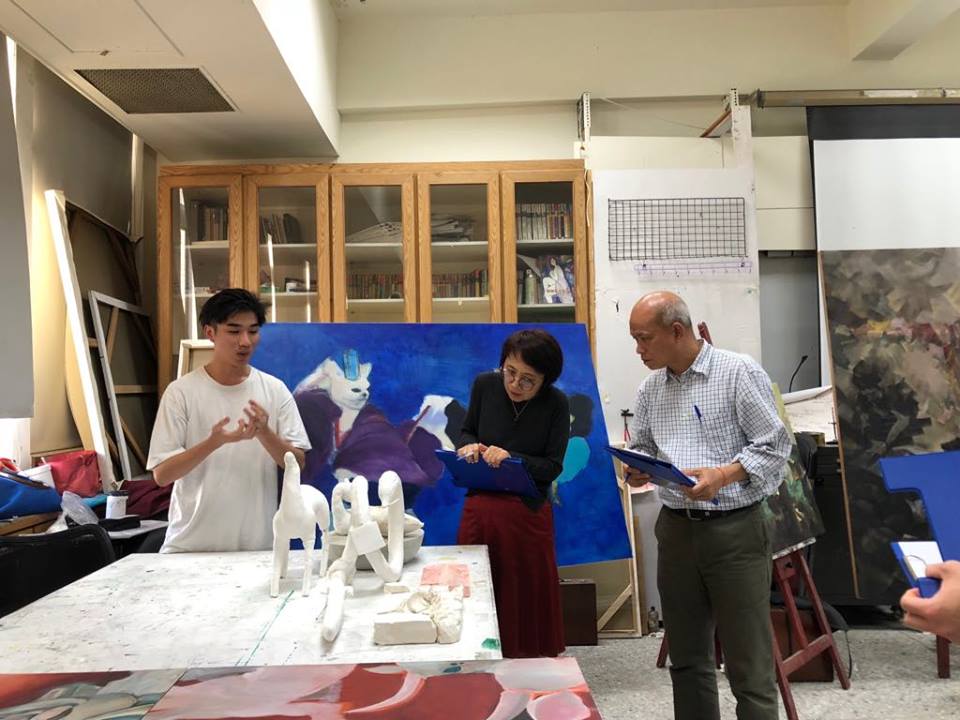
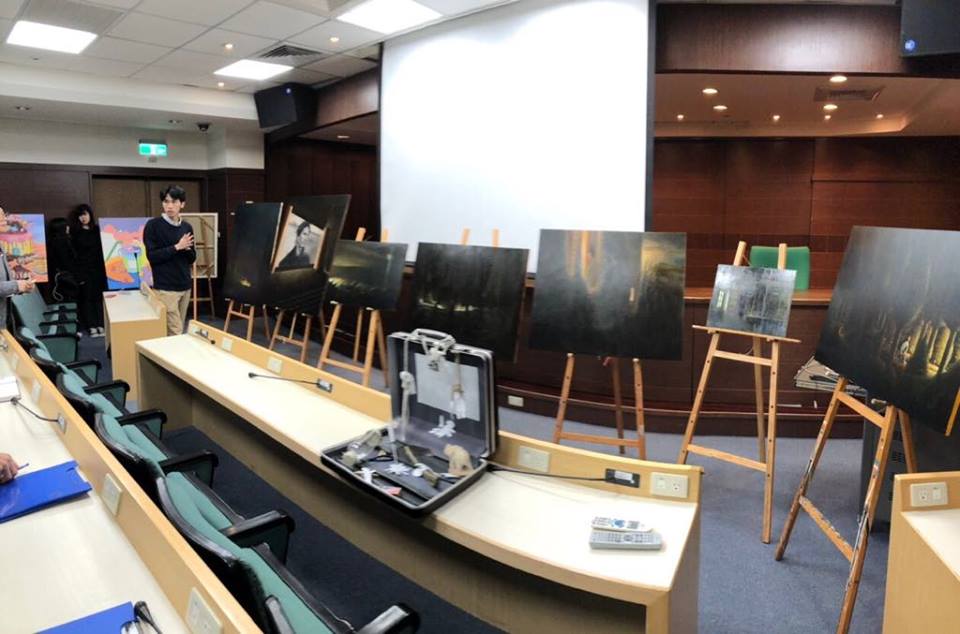
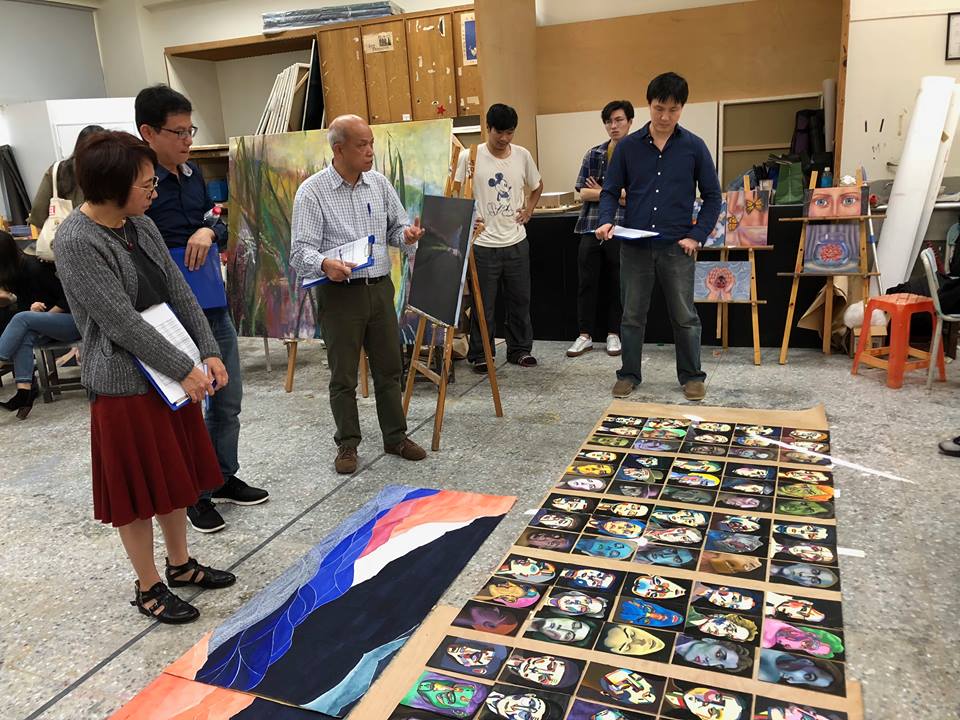
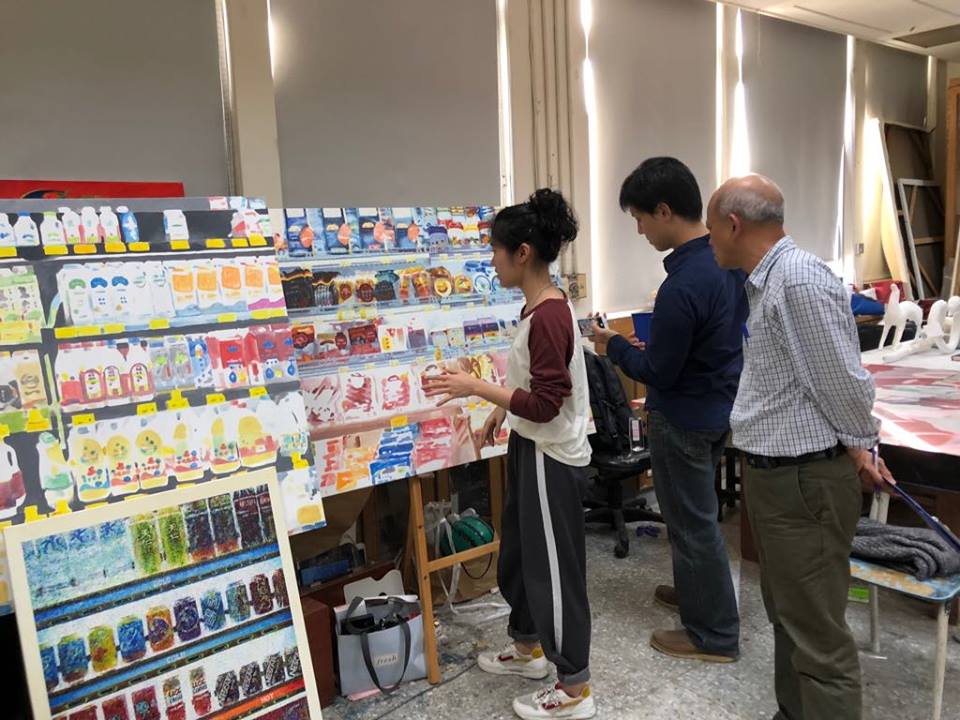
Text and photos / Chen Chi-Hsiang. Invited for three consecutive years to the National Taipei University of Education’s Art and Design semester reviews, I have evaluated everyone from first-year freshmen to graduation exhibitions and graduate students. Is the review merely to assign final grades or provide feedback and guidance? What is its goal? To evaluate students’ semester practice assignments? Or to glimpse their sparks of creativity? If it were only about grading semester exercises, class advisors or technical course teachers could do so privately; why invite external artists or scholars? Moreover, this might conflict with the department’s supervising teachers, who judge based on attendance and attitude, while external experts can only grade based on the works presented.
Of course, I am curious to personally understand contemporary Taiwan’s art and design educational philosophy and methods, young students’ learning attitudes, how they explore themselves, observe the world and social environment, and their expectations for art or its future. I care deeply about understanding Taiwan’s art and design education. The modest honorarium (NT$2,000) for these reviews does not concern me much (though such fees are indeed distorted; reviews often exceed two hours, making it hard to attract insightful senior experts). I hope to impart my care and love for Taiwan’s future to this land, expecting a dawn for arts and culture.
Reviews are difficult for me. In the process of learning art, one can easily see talented or diligent students. Creation cannot be taught or judged; under unlimited possibilities, we should guide each student according to their nature, providing methods, knowledge, critical thinking, and conceptual inspiration. Immature technique is natural (there are many opportunities to hone skills); igniting the fire of creation, learning attitude, and passion is more important than anything else. Art is a lifelong vocation; how can we demand too much from these young students interested in art or design? We should communicate, dialogue, ask questions, offer attention and encouragement, and provide guidance and methodology. Reviews should offer positive encouragement and guidance rather than judgment, stimulating creative passion and providing broader information and imaginative space, guiding students to find themselves and nurture their unique personalities.
I enjoy reviewing enthusiastic, energetic freshmen—unconstrained energy and personality, brave in exploration, carrying an innocent and lively aura with small sparks of creativity. By the second year, however, the fire of creativity is often extinguished as they become institutionalized; student creativity and uniqueness are ignored. I feel that vibrant students often possess more talent than teachers, due to institutionalized education. This raises doubts about school curricula that fail to keep pace with the times or stimulate creativity, leading students to question and even challenge them. Have you ever seriously considered whether art can be taught? I doubt it. Where are the guiding and inspiring teachers? In this era of globalization for Taiwan’s art market, do our art and design educations have the courage to meet new challenges?
In annual higher education art and design semester reviews, amidst the internet age of information explosion, what seems most lacking is knowledge. College and graduate students almost lack perspectives in art history, theory, and knowledge; few have deep life experiences. When today’s youth unconditionally surrender all knowledge and messages to Google without judgment, where does critical thinking come from? Without a proactive attitude, thirst for knowledge, and future aspirations, the fire of creation cannot be ignited. This negation of ignorance stems from the fact that in a world where information is easily accessible, ignorance has become a choice. (From Top’s notes)