Taipei Award 2018: Thoughts and Suggestions
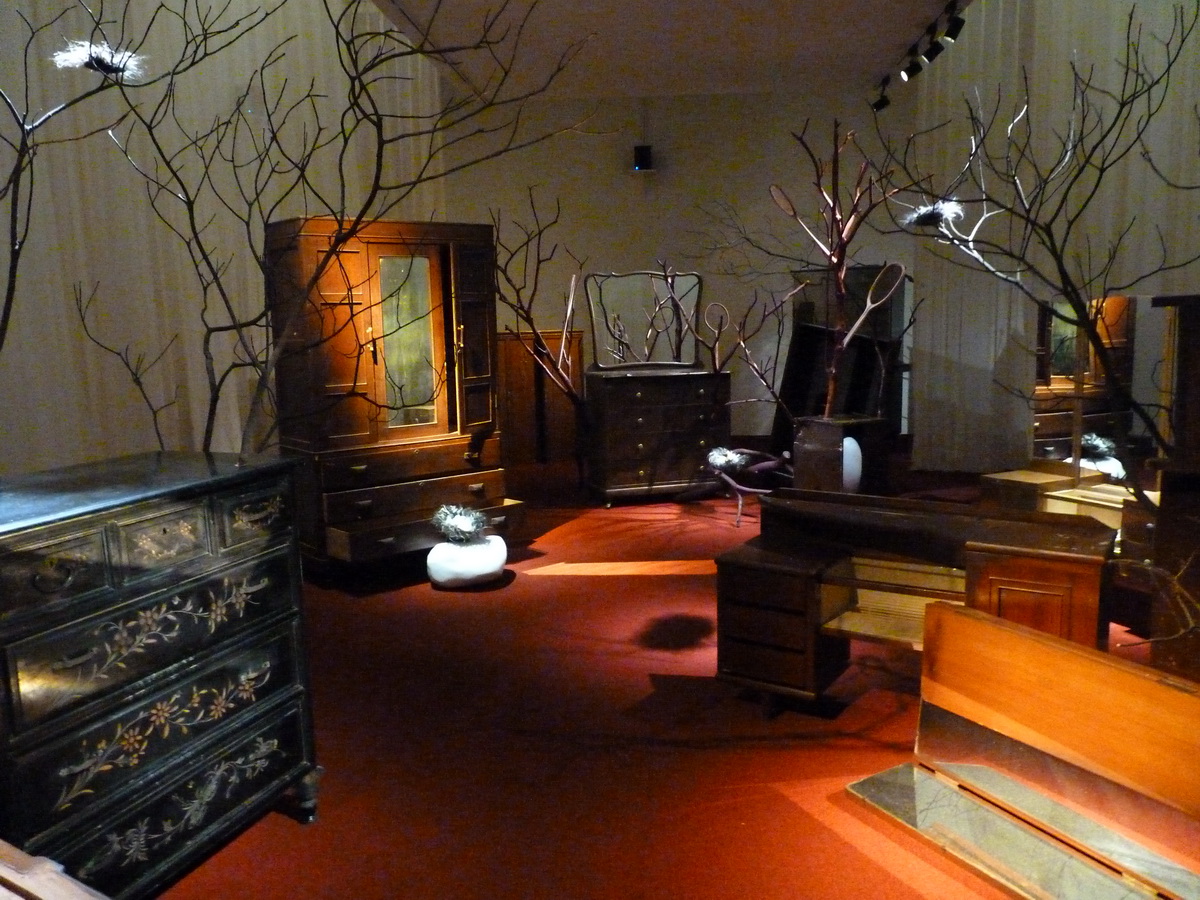
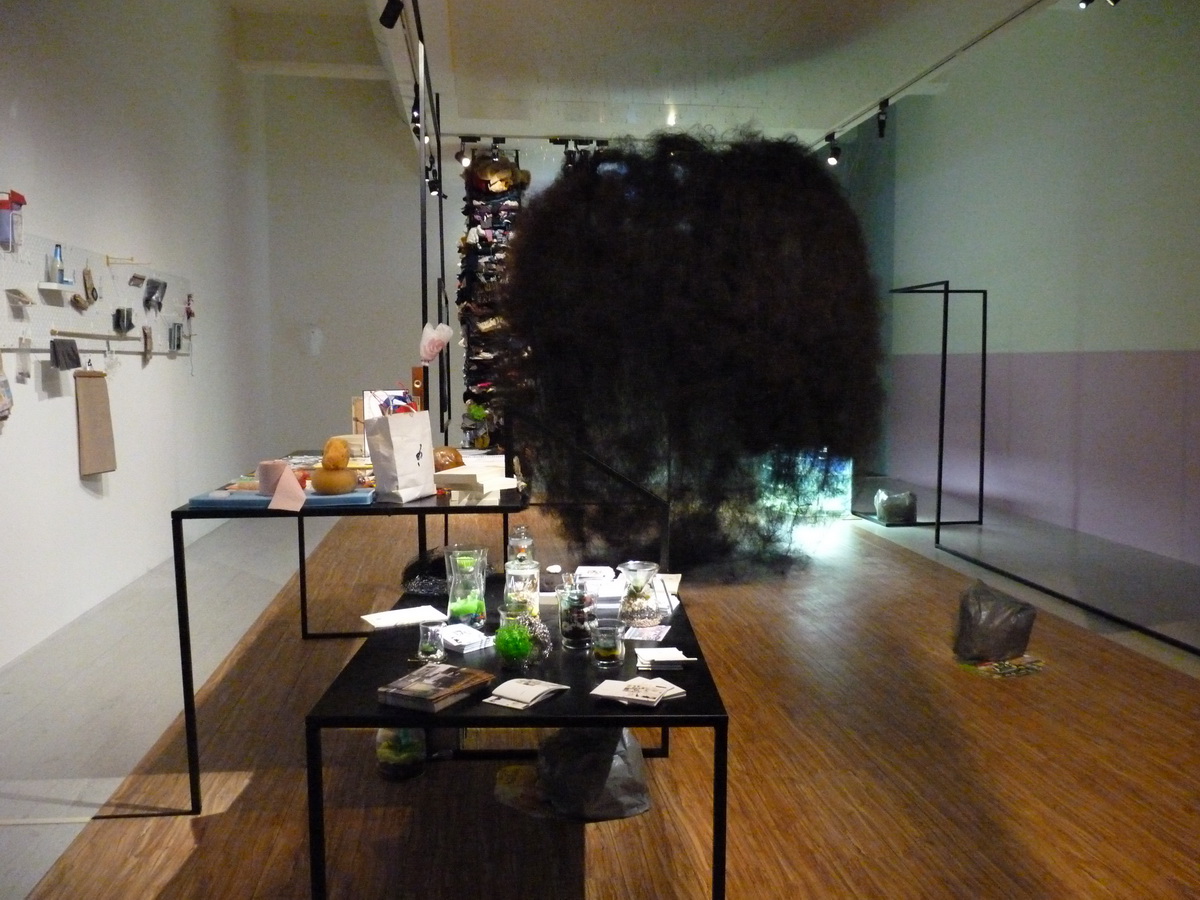
Zhang Wenxuan, b. 1991, Honorable Mention. Suicide Technology Foundation - Annual Presentation 2018 Murder of Malinche - International Suicide Competition. Mixed media. Lecture performance. Dimensions vary according to space.
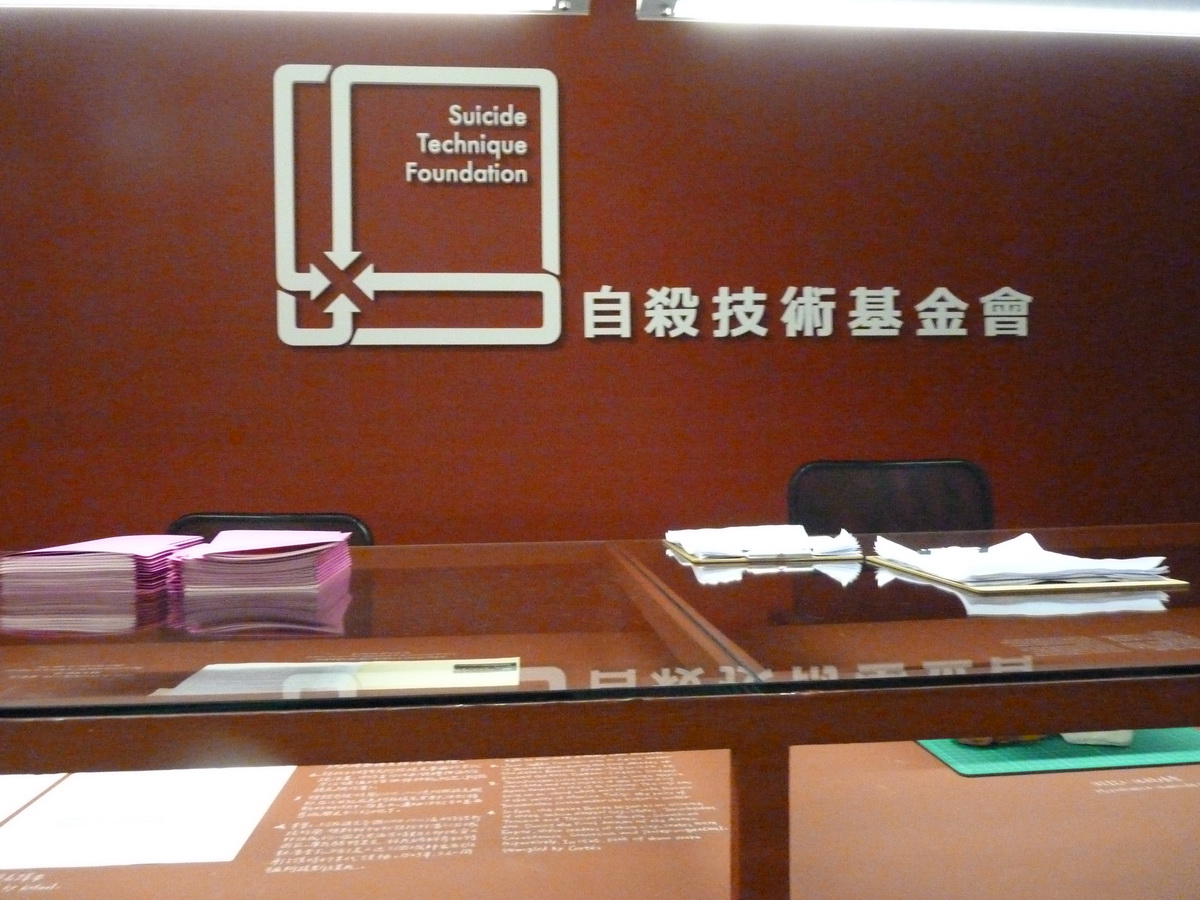
Zhang Wenxuan, b. 1991, Honorable Mention. Suicide Technology Foundation - Annual Presentation 2018 Murder of Malinche - International Suicide Competition. Mixed media. Lecture performance. Dimensions vary according to space.
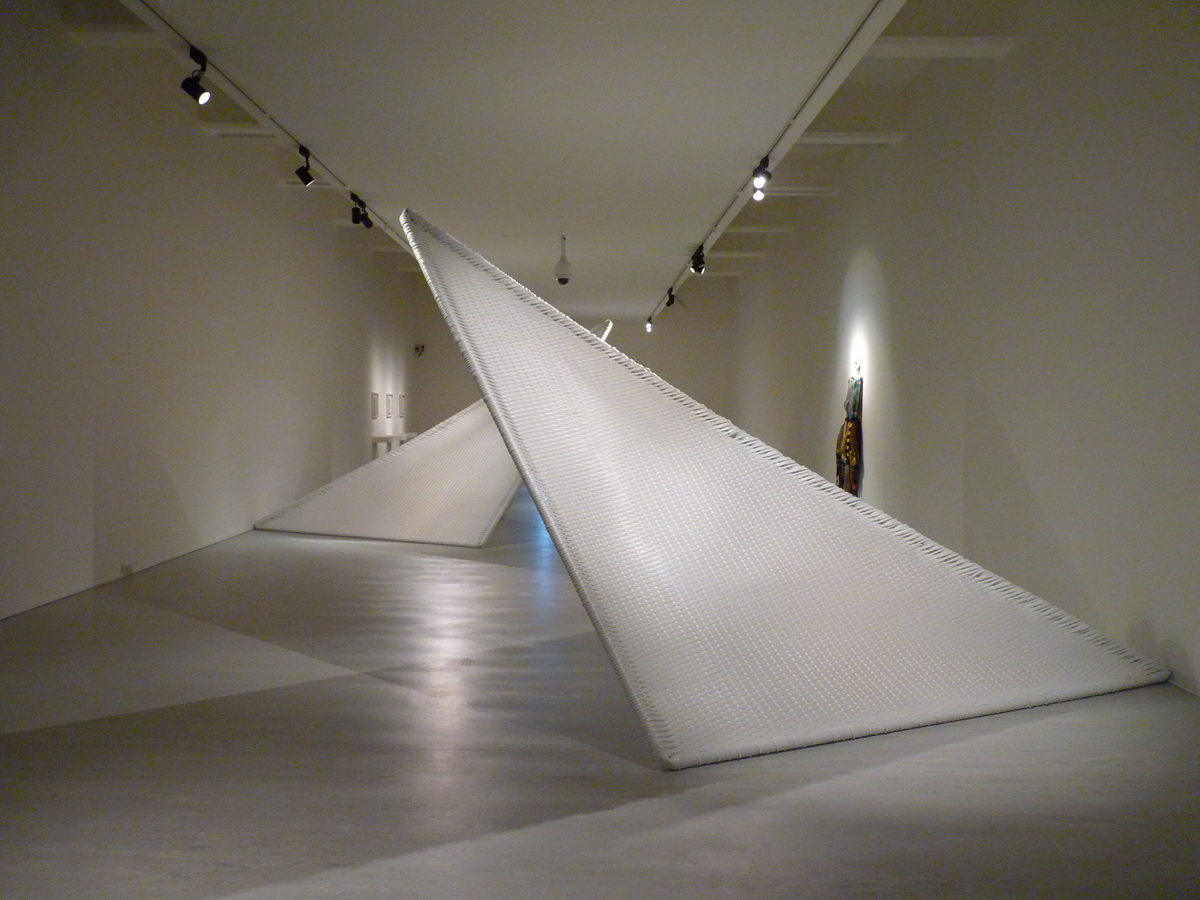
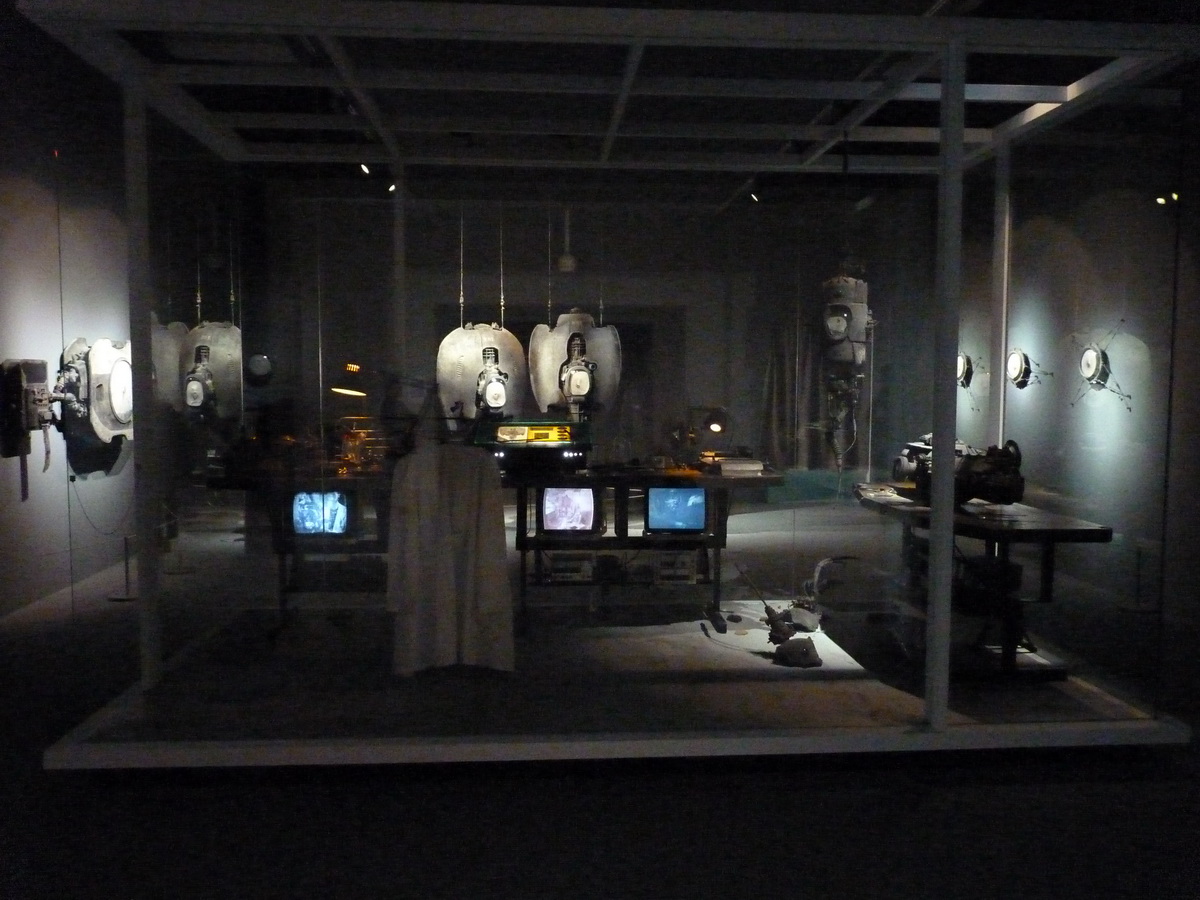
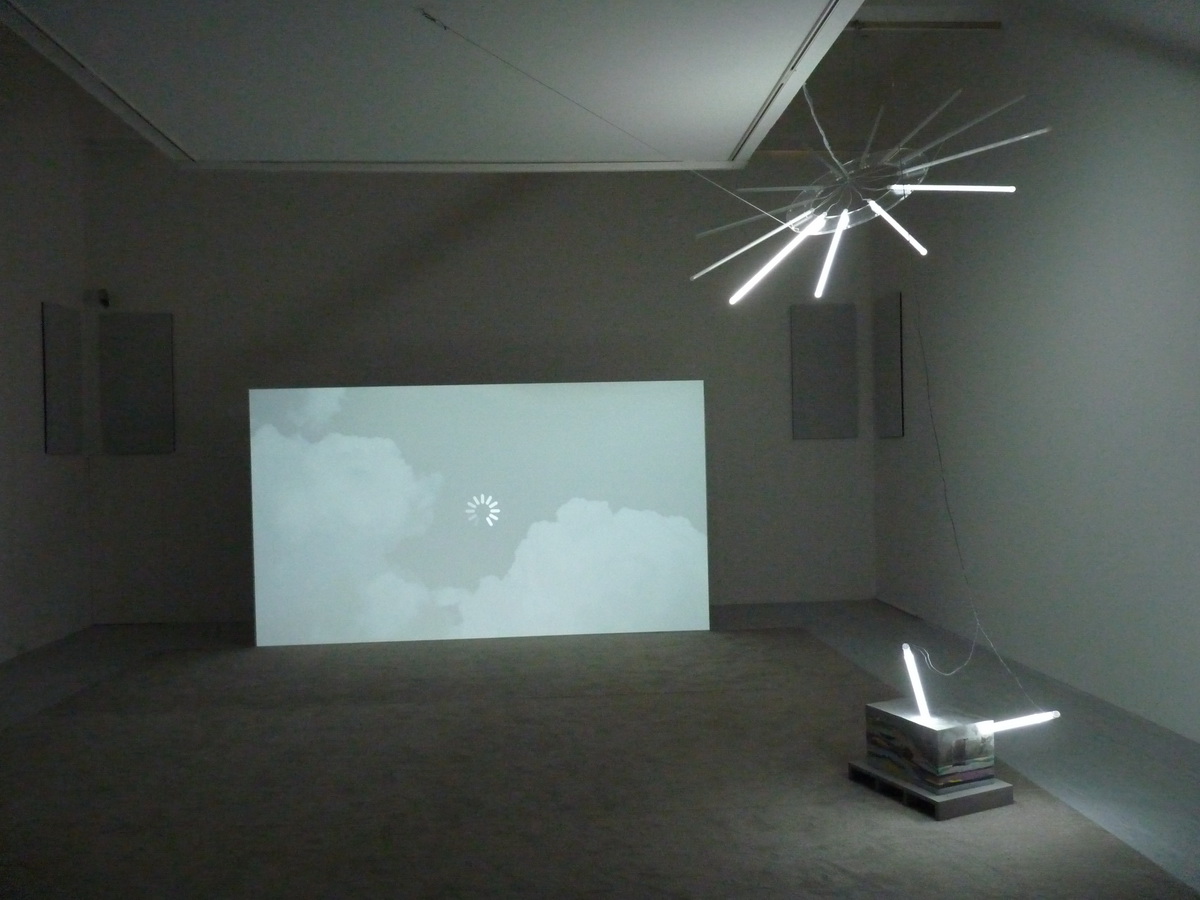
Text/Photos by Chen Chi-Hsiang. Location: Taipei Fine Arts Museum. Time: December 22, 2018, to March 31, 2019. The Turner Prize and the Prix Marcel Duchamp select only four nominees each year, whereas the Taipei Award selects a batch of fourteen artists as finalists.
Naturally, the Turner and Duchamp prizes are national-level honors and institutional recognition (these finalist artists already have professional gallery representation).
However, the benchmark for the Taipei Award is a municipal prize (can it be seen as an indicator of emerging art in Taiwan?). When the Taipei Award is exhibited annually, it marks First Prize, Honorable Mention, or Selected, thus losing the exclamation mark.
Consider how the French Prix Marcel Duchamp stands out among its finalists; the annual winner is announced based on the works on site.
This award represents a force that encourages emerging art, possessing a perspective that connects the past and future, aiming to discover and cultivate new energy for future art.
Beyond the monetary prize, the greatest gift from this artistic institution is granting the First Prize winner a solo exhibition the following year at the South Gallery of the Centre Pompidou or within a museum, injecting new energy into contemporary French art.
In contrast, besides the cash prize, do the Taipei Award or Kaohsiung Award offer solo exhibitions?
The number of finalists for the Taipei Award is not a controversial issue, because Taiwan has never had an imagination of a "new wave" of art or thinking about cultivating new vitality for the future art scene. Does the Taipei Award seem to carry some implication of this?
Taking the French artistic system as an example, youth exhibitions originate from the Paris Municipal Modern Art Museum's ARC "Atelier," held biennially since 1977 (which ceased in the mid-1990s), followed by Palais de Tokyo taking over with "Modules" starting in 2006.
Both aim to promote young contemporary artistic creations in France, elucidate diverse current creative trends, and attempt to point out future paths and prospects for art.
For instance, in recent years, Palais de Tokyo has held "Dynasty," a French youth contemporary art exhibition every two or three years (the second half of 2010-09 was exhibited simultaneously at Palais de Tokyo and the Paris Municipal Modern Art Museum; Yuhsin U.
Chang, currently popular in European art circles, emerged from this exhibition). This exhibition is "very French," as all participating newcomers come from art academies across France.
Then, in 2013-09, Palais de Tokyo once again held "New Wave," which belonged to globalized artistic newcomers, intending to discover new energy for future creation and bring new vitality to French art.
Other people's stones may serve as reference for us. Thus, I suggest that the Taipei artistic system should follow the methods of Europe's two major awards: selecting only four or five finalists would make the award more authoritative and weighty.
One could also carefully consider a forward-looking plan for cultivating and promoting future artistic energy (Taiwan has never been able to see the future), organizing a youth contemporary art exhibition every two or three years (a method for selecting artists is needed).
If Taipei has ambition, expand this into a national benchmark exhibition featuring diverse, unique, and distinctive works (one representative masterpiece or a series of works).
Invited artists (limited to those under thirty) need not necessarily be products of institutional education; any group with foresight and unique artistic creators (number to be discussed) can exhibit at the Taipei Fine Arts Museum, which possesses such institutional authority.
Without needing an award, exhibiting here becomes a stepping stone to becoming an authoritative professional artist.
Regarding the Taipei Award 2018, I feel it is neither sweet nor bitter nor astringent, but rather uniform.
It seems like a single work coming from the same window, sharing homogeneity and the same temperature layer, resembling a (group) of artists, the same (group) of jury members, and the same art university. Could it be products from the same company?
Anyway, wearing the same pair of pants or the same plaid shirt makes it rare to walk with a swaying gait in sync. Even worse, eating the same food.
If this were a thematic curation, it might be considered successful, as relevance and homogeneity under a certain topic are unavoidable. But this is an intense annual art competition, a grand event in Taiwan's art scene! The problem is our lack of diversity and variety.
The palette of Taipei's contemporary art system is monotonous and dull. Where are the brilliant, colorful hues? How does this call itself "diversity" and "variety"?
Besides object and video spatial installations, there should be more diverse new media exploration and experimental works. Compared to the previous edition, the specifications were stricter and more standardized. At least in the last edition, painting still existed.
What we need is different colors and a breath of fresh air. (Of course, I absolutely respect the jury members every year, but I hope there will be different discourses and uniqueness each year).
The finalist works of the Taipei Award 2018 each displayed their own skills, tending toward narrative and literary concepts.
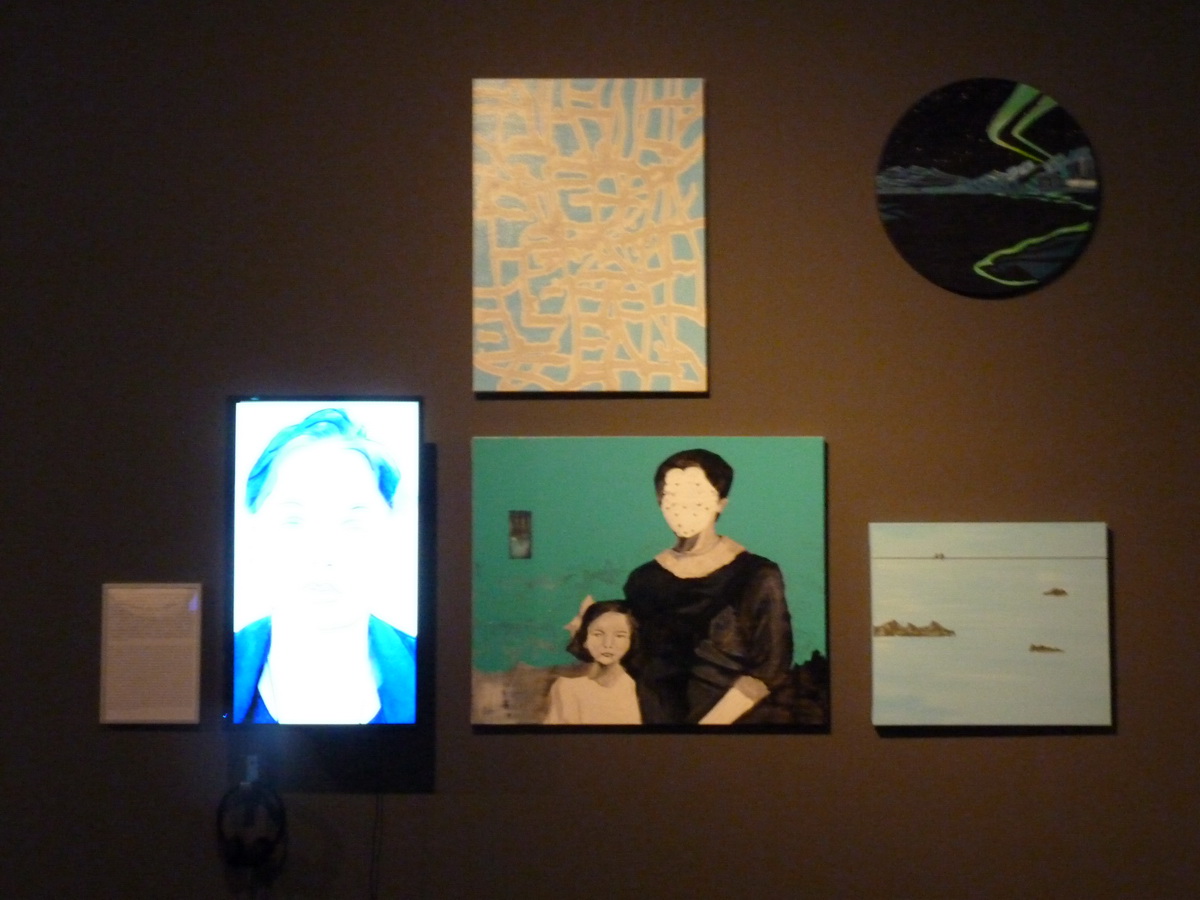
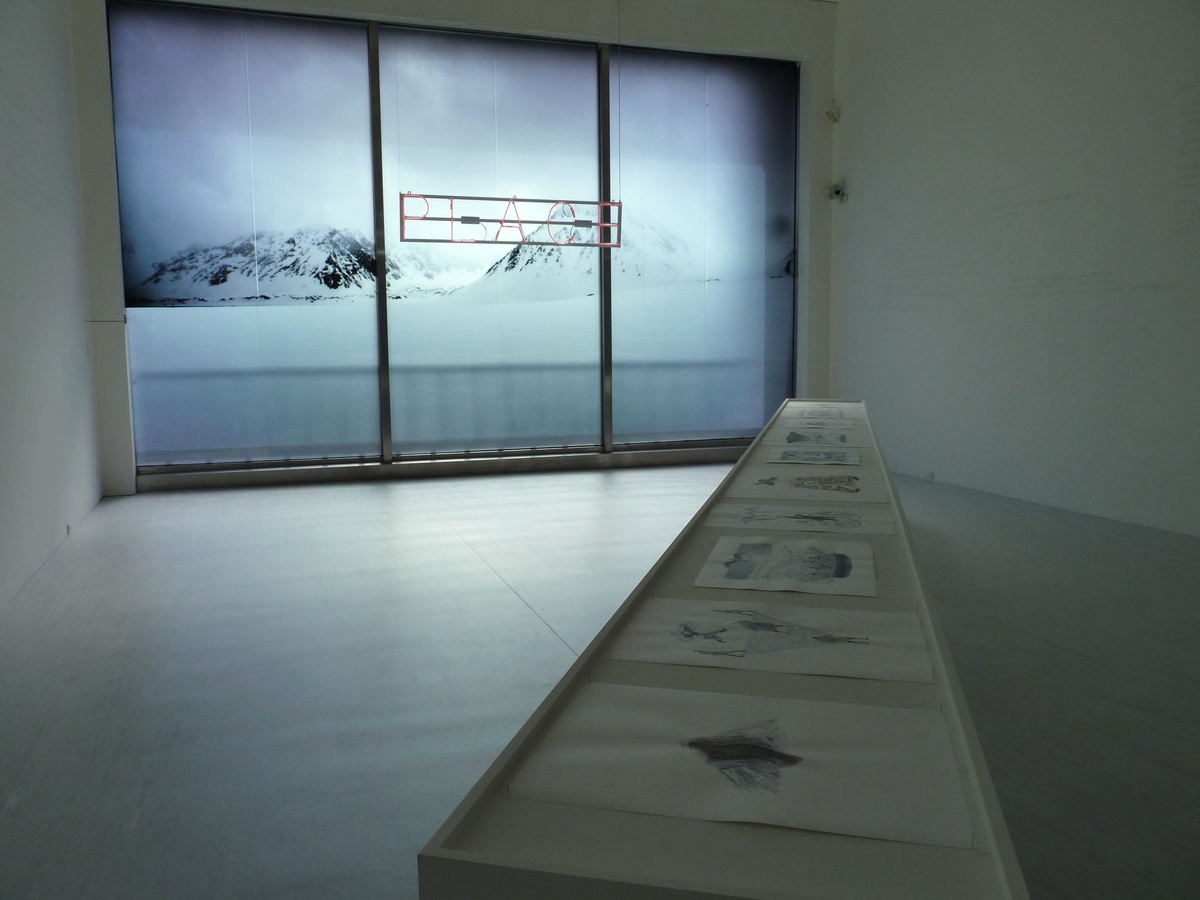
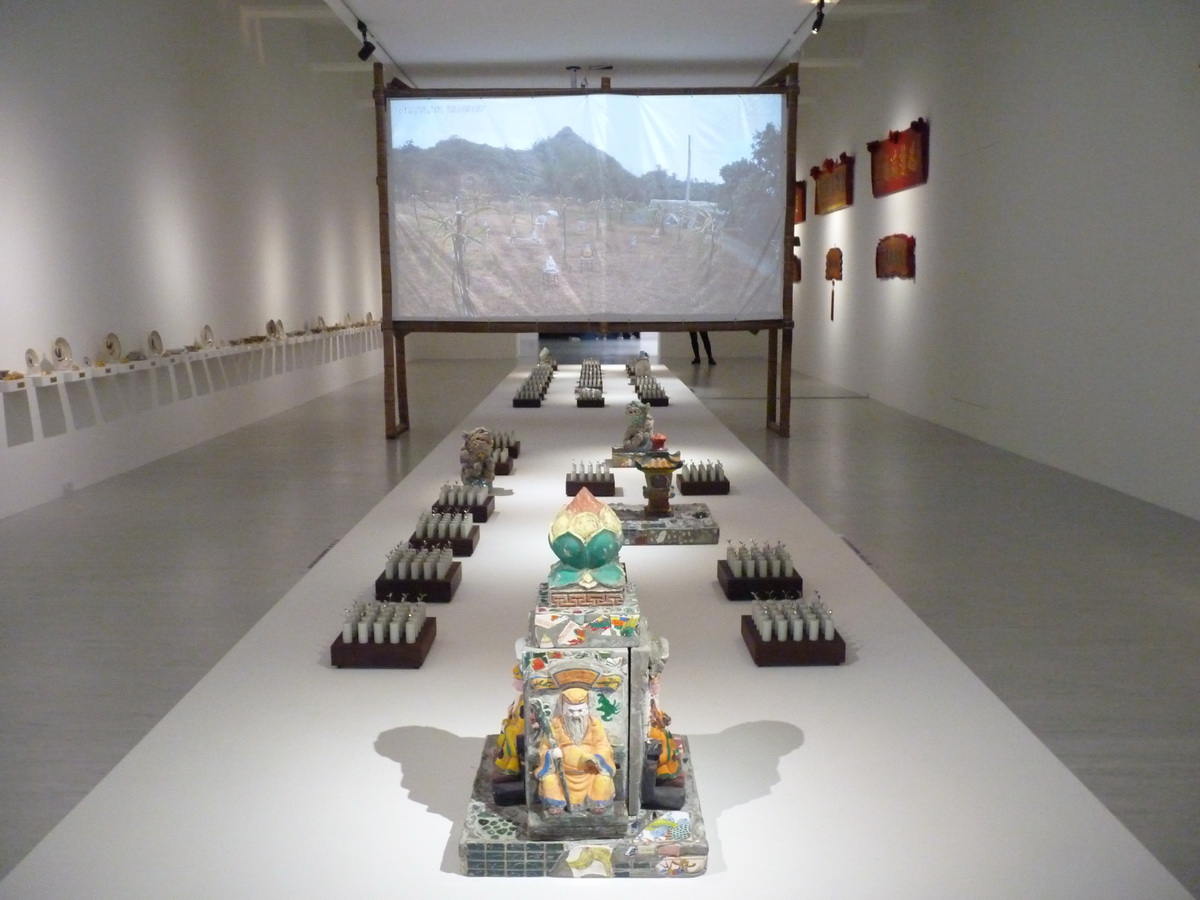
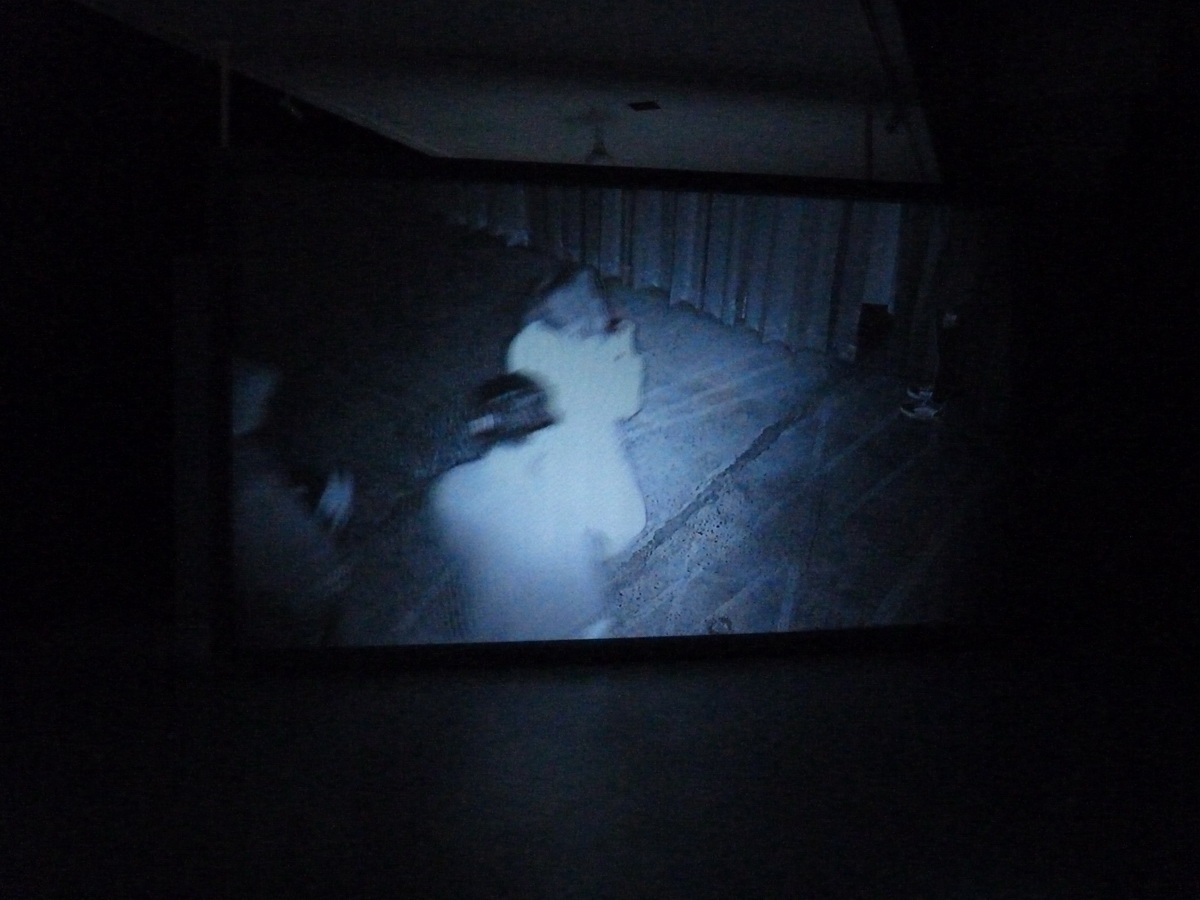
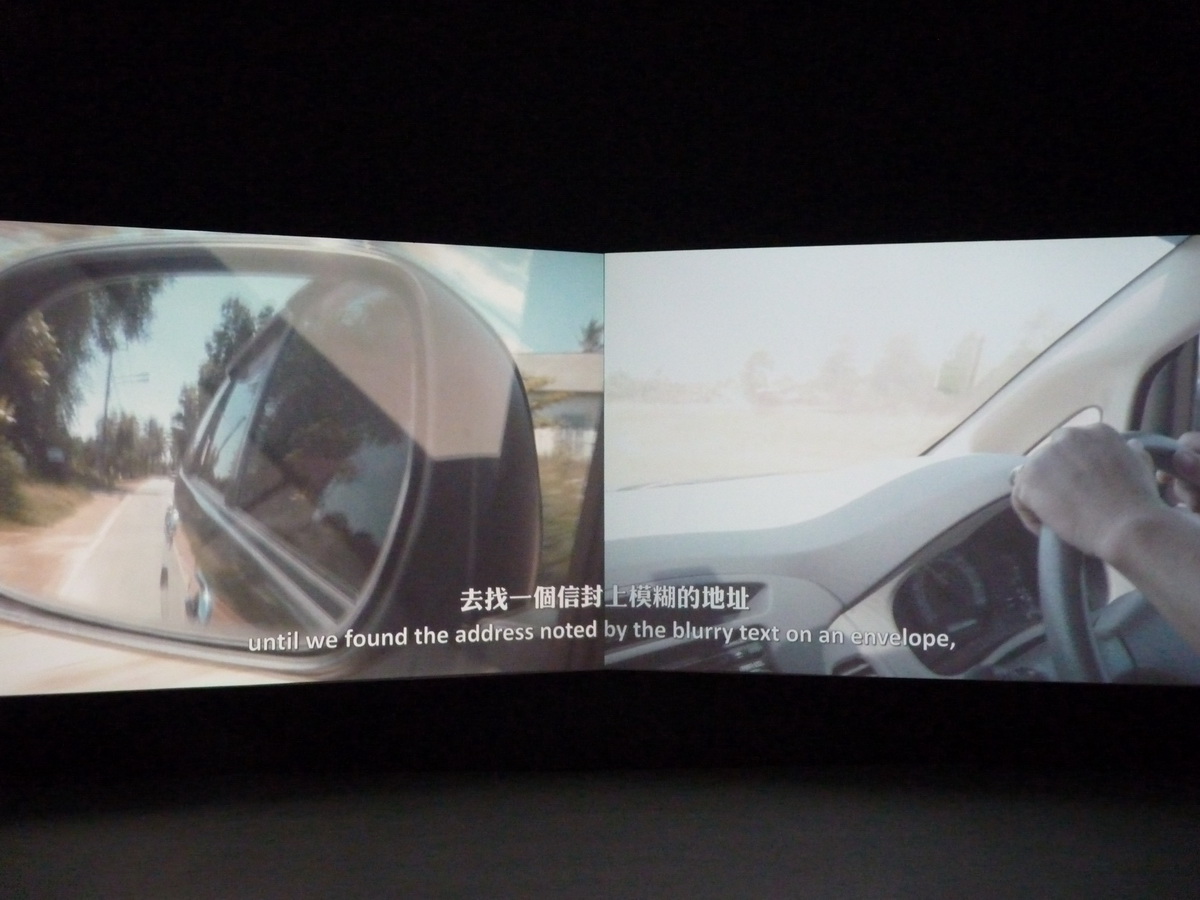
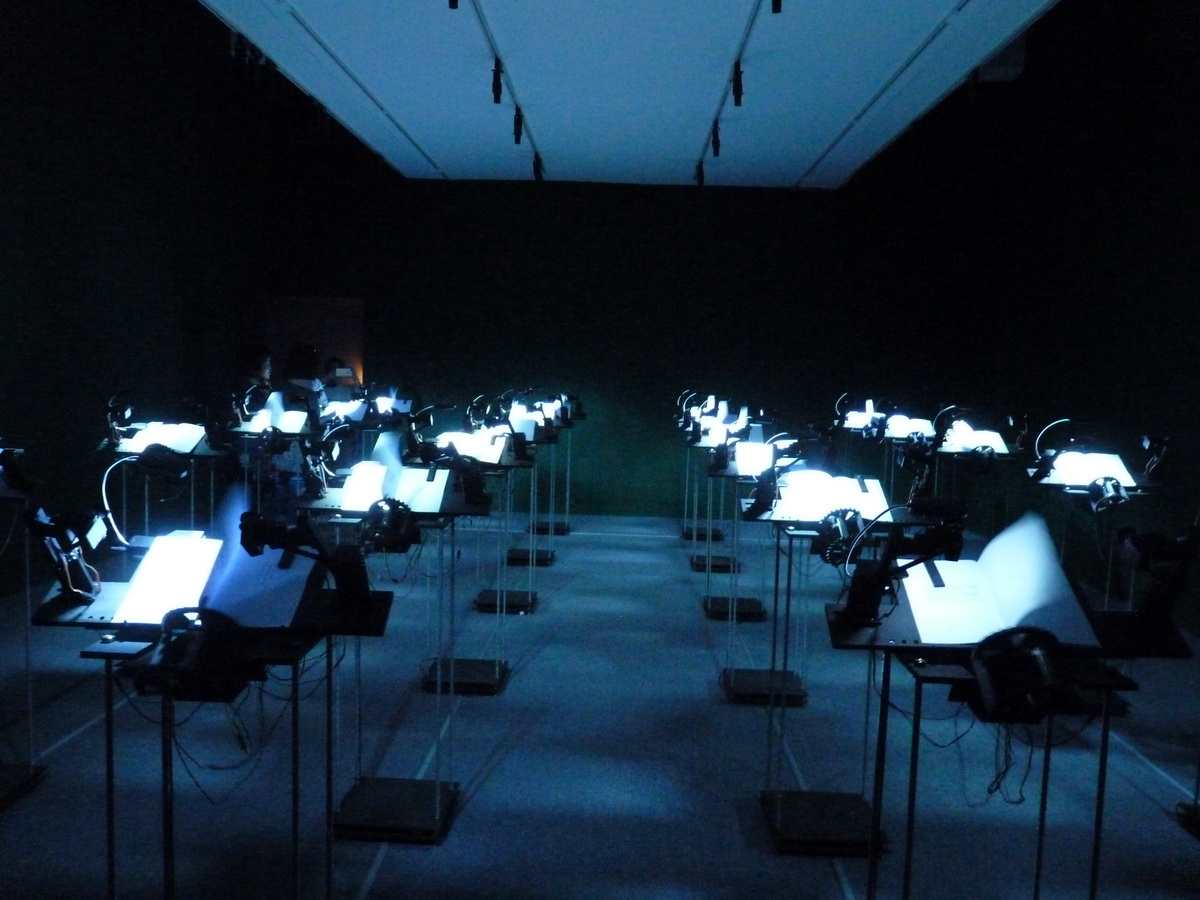
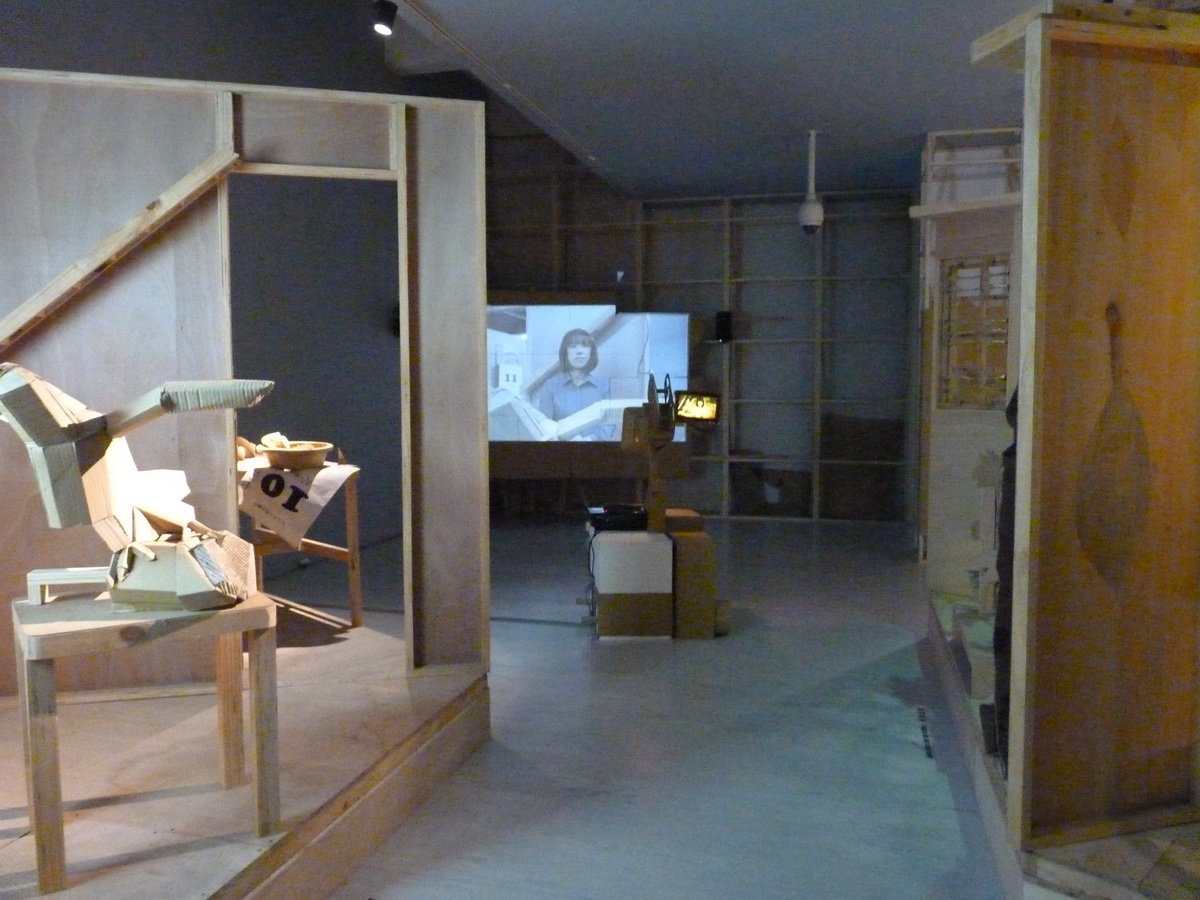
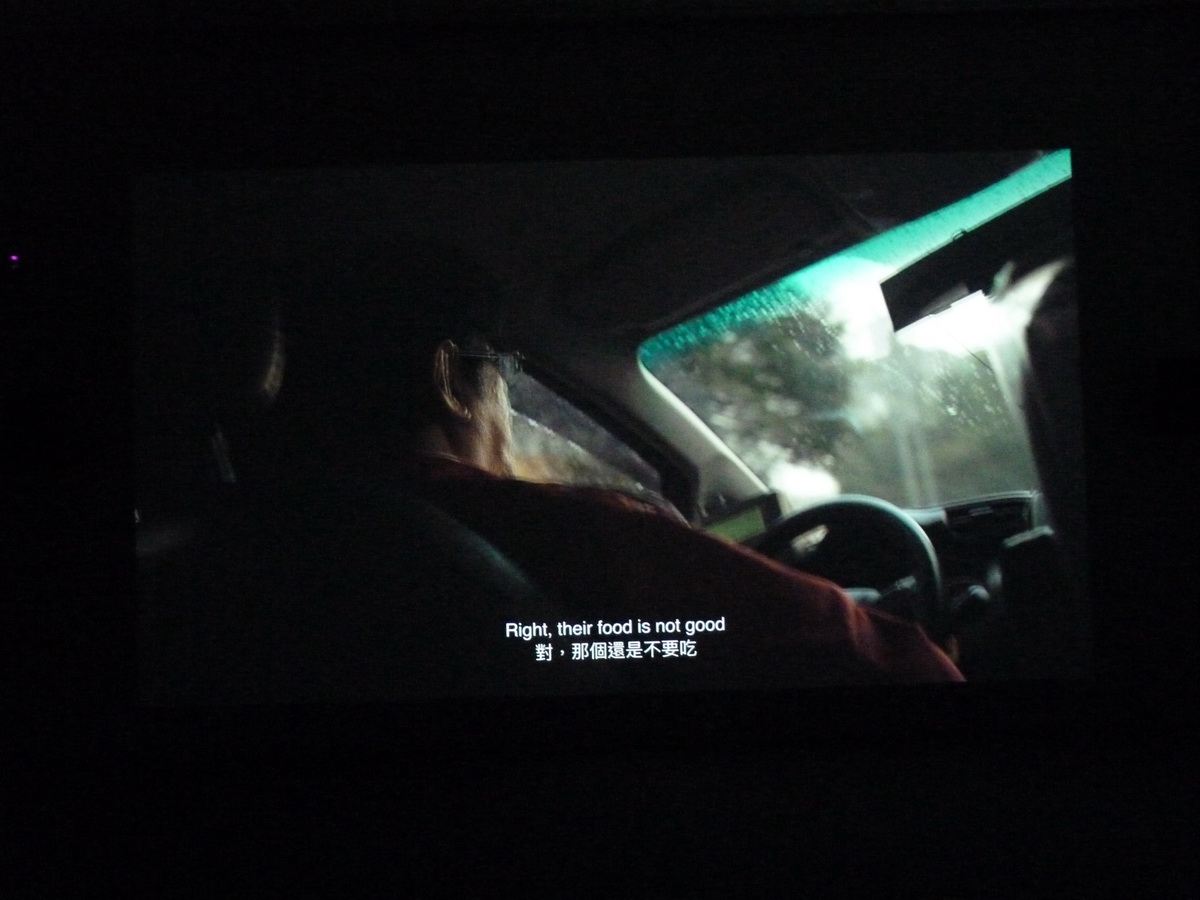
Almost all were objects or spatial installations combined with video, clearly telling individual stories: Zhang Wenxuan's virtual "Suicide Foundation" office; Dong Dong-Hou Wen's camping installation for "Three Things Happening 2018" performance video; Yu Xuan's virtual reality scene "Klein.Hertz - The Non-Existent Laboratory"; Chen Yichun's "Entering World Systems - Earth Defense Youth 2018 Healing - Reconstructed Memory, Image, Painting, Translated Documents"; Chen Cheng-Yu's unpredictable "Fog Balance" video installation; Qiu Ziyan's nostalgic film video and model scenes of "Little Town Story"; Guo Yuping's sound and mixed media spatial installation "There Is No Lunch in My Stomach, My Neck is Seeking Sunlight, My Brain is Searching for Love, There is Panic in My Soul, and There is a Sharp Pain in My Heart" regarding selling old furniture; Zhang Yunhan's virtual Arctic imagination "Actually We Are Nothing"; Chen Hansheng and Liu Xingyou's Walking Grass Farm-Art Group "2018 Lake Bottom Field Water Archaeology Series"; Guiqiu Guichan Team's ghostly maze scene "Entering Ancient Times for Copying" image installation on-site expression archive; Wang Liansheng's approximate reading project (book mechanical installation); Lin Yiqi's elaboration project - Backward Drifting and the Shores of Nanyang (video); Jia Qianru's streets and alleys of Dayong Street Lane 25; Rao Jia'en's taxi driver (video).
The age range of the Taipei Award 2018 finalist artists is around 35, a mature creative period. Rao Jia'en (b. 1976) is the most mature, while Zhang Wenxuan (b. 1991) is the youngest, along with Dong Dong-Hou Wen, an indigenous artist from the mountains.
Although the artistic creation techniques of this same-temperature-layer group are diverse, they possess consistency.
The materials are diverse and lively, with creative inspiration drawn from daily life, integrating fragments of life to create anecdotes and emotional plots between reality, virtuality, and imagination, resembling scenes of small stories with grand narratives.
Concepts, texts, narration, and stories have forcefully taken over "art." The accuracy of numerous object spatial installations is insufficient; not only is the space lost, but it fails to evoke deeper consciousness, leaving only a pile of narrative texts and materials that guide the story content.
It seems there is no "art" involving artistic modeling/shaping. Regardless of how rich and perfect the artists' discourses are, in the end, only the empty shell of "concept" discourse remains.
Who creates the artistic system? Obviously, the review committee members. But who invites the review committee?
It goes without saying that it is neither the artists nor the review committee members, but the official system manufactures "newcomers." However, looking comprehensively, those who manufacture or hype trends should be the market. In capitalism, "money" is paramount.
Emerging artistic creation oscillates between ideals and reality. The longed-for ideal slowly gropes its way forward through growth amidst torment. With passion, perseverance, full courage, and persistence, can one penetrate/cross the challenges of reality?
That tests the endurance and wisdom of each artist. Art is a lifelong vocation. Being a finalist or winning an award is merely the starting point of an artistic career, isn't it? Do the new generation dance to the tune of globalization trends/thought?
Or do they affirm their own value from within? Under a system and market that hardly cultivates new energy for future Taiwanese contemporary art, what kind of artistic zeitgeist does Taiwan actually want?
The way emerging artists want to get on stage—the only shortcut is to participate in the Taipei Award or Kaohsiung Award. The path of art is realistic and rugged. But once on stage, one needs strong follow-up power and the talent to venture through hardships to move forward bravely. Where to go?
The dilemma is that if emerging artists produce exploratory works, where is the market? The practical problem is that in Taiwan, it seems impossible to find a market.
Without resources or ammunition in one's pocket, how can one continue to fight and create when worrying about making a living? Public institutions lack an emergency rescue plan, and private funds watch helplessly as newcomers break halfway.
Who is willing to provide resources to cultivate and strengthen them? Furthermore, does Taiwan's Art Bank have forward-looking vision to collect and encourage emerging artistic creation? Or does it only collect works that can decorate offices and salons?
I suggest that Taiwan's Art Bank should have a method and a challenging forward-looking plan to collect emerging artists' works. As long as there is vision, one can cast a long line to catch big fish. Do we have such vision?
Collecting famous works that money can buy is not difficult. What about works with artistic value? That challenges the sensitivity and vision of Taiwan's public sector and private collectors.