The Awakening and Cultivation of Beauty: Discussing Today’s Taiwan Aesthetic Education from the Perspective of France
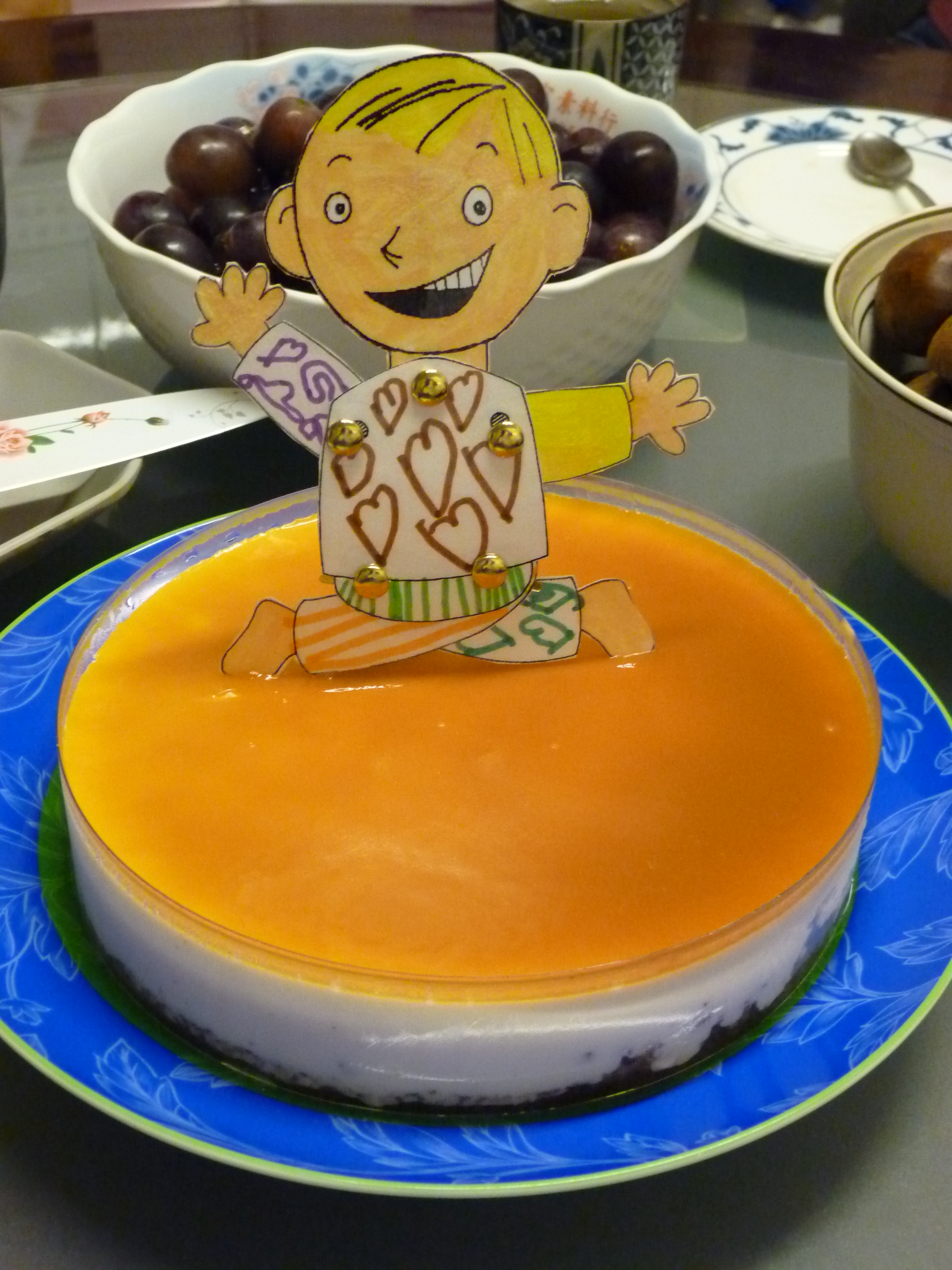
Under globalization—A first-grade student at a primary school in France conceives a case study on globalized education.
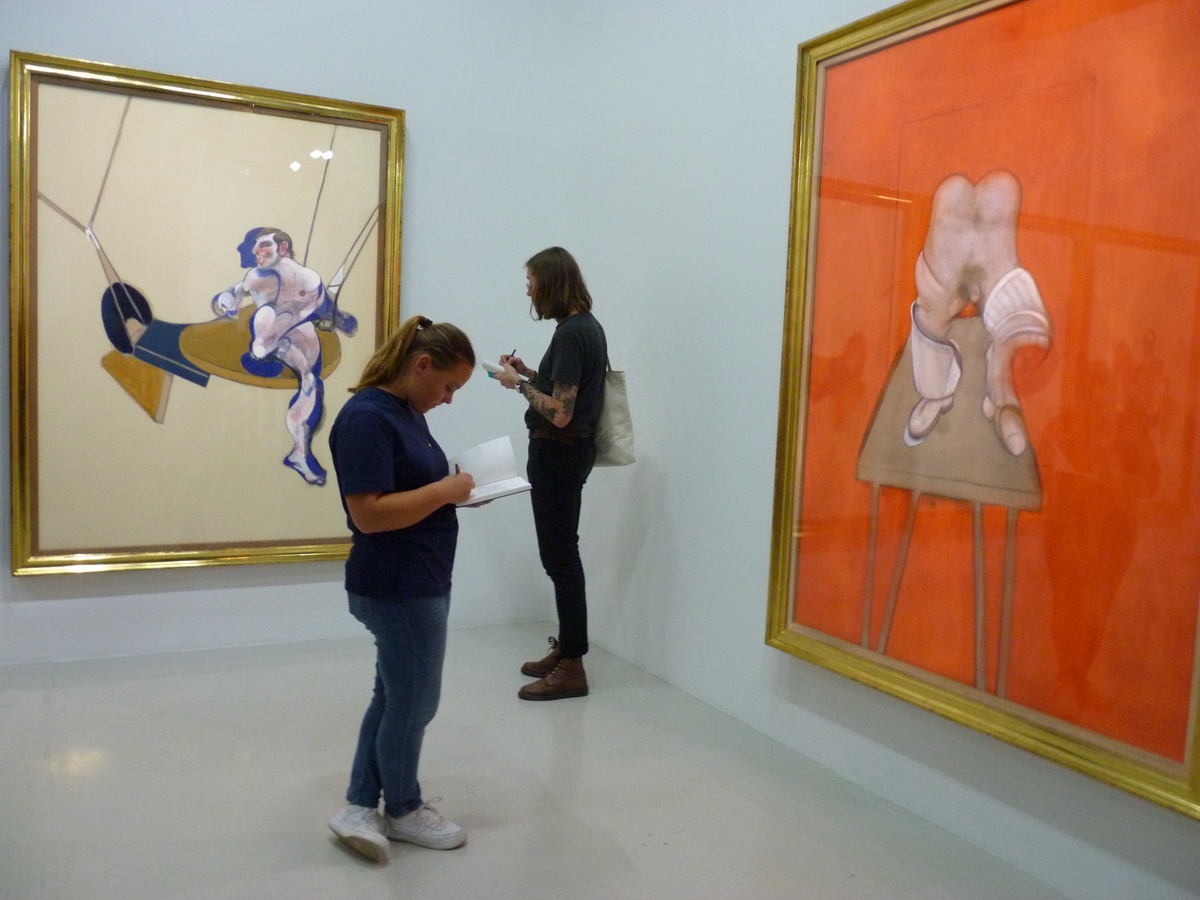
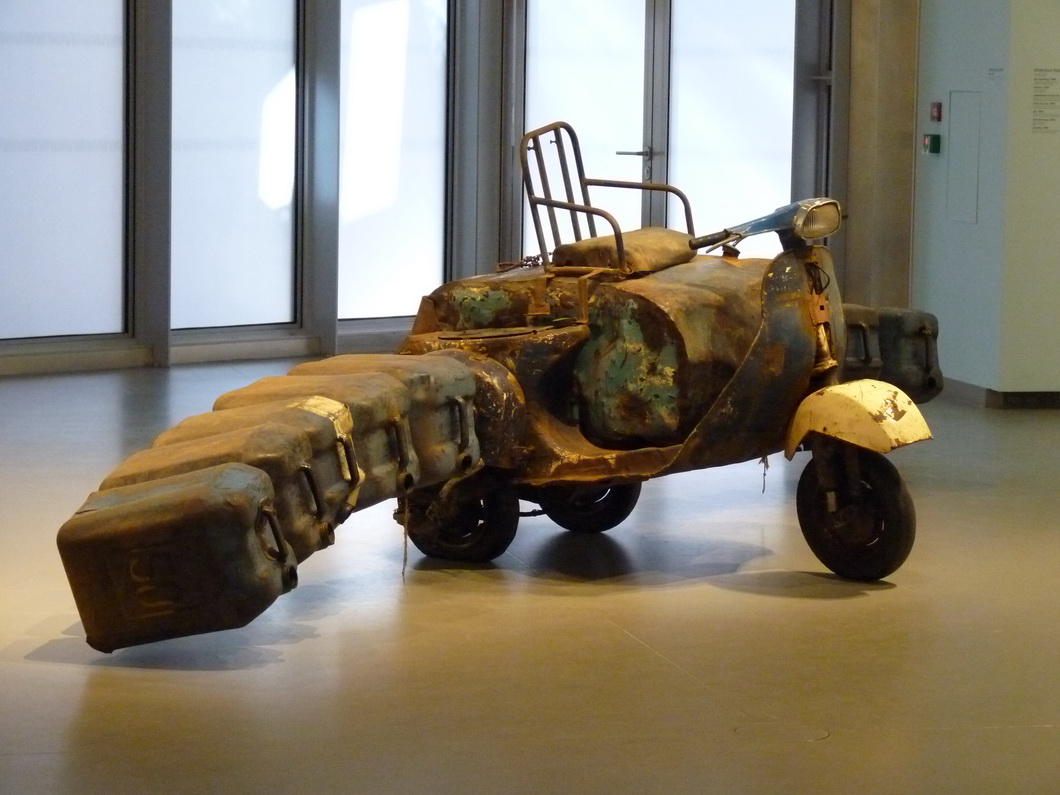
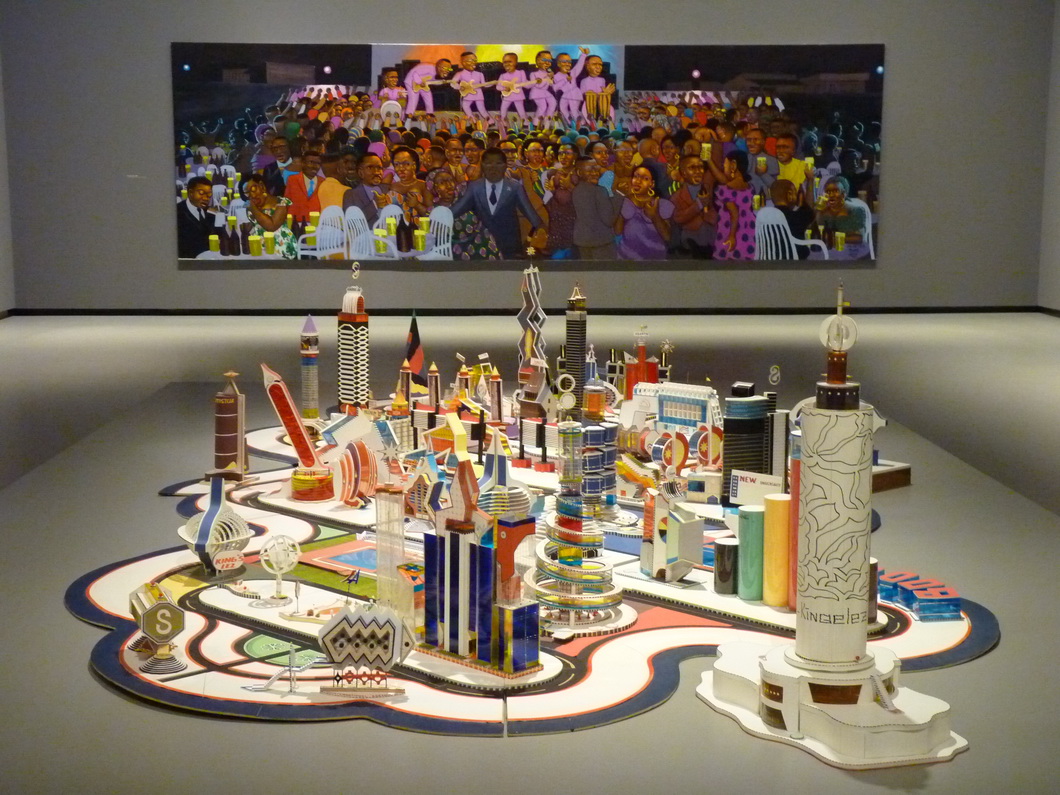
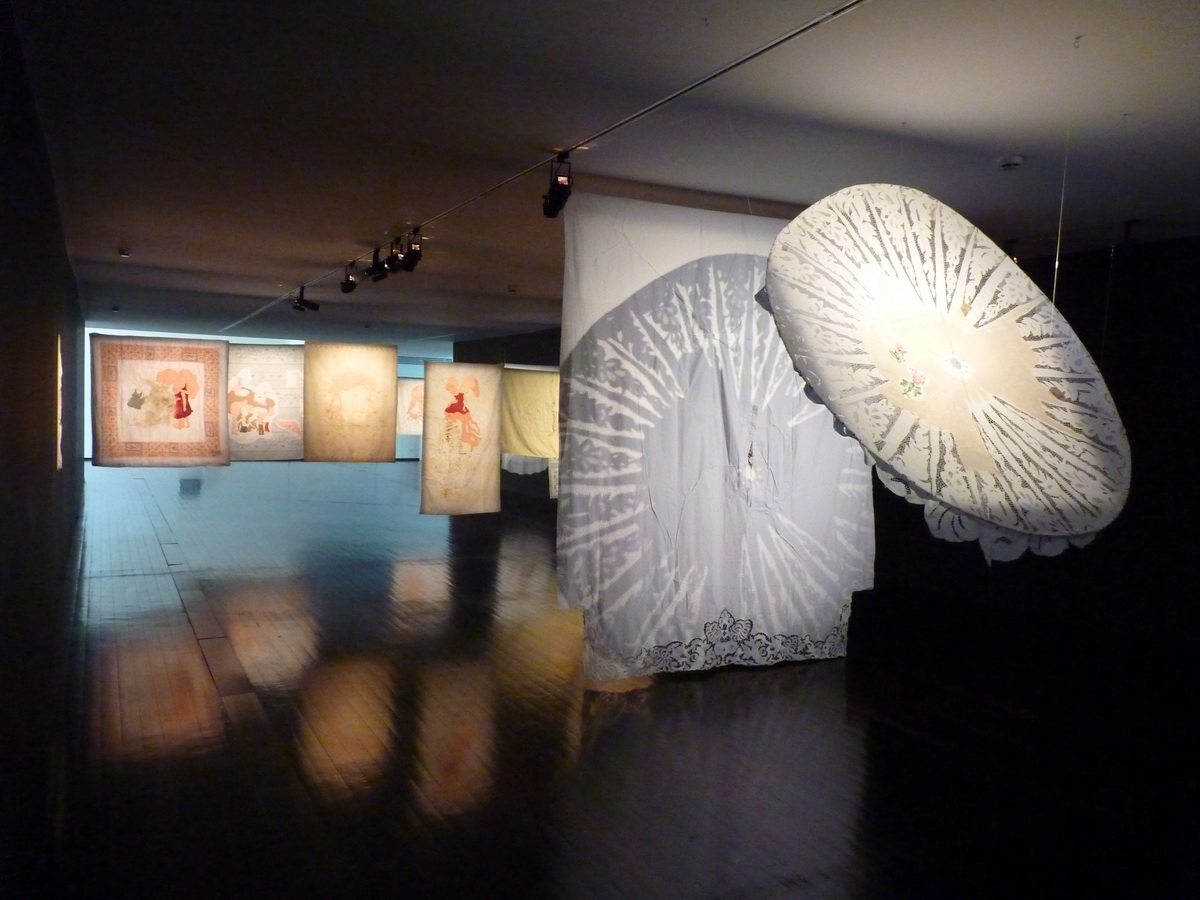
Text and images by Chen Chi-Hsiang. "The Awakening and Cultivation of Beauty: Discussing Today’s Taiwan Aesthetic Education from the Perspective of France" was a speech shared last Friday, invited by the Taoshan Humanities Salon in Chiayi.
Have you ever been amazed by "beauty"?
Have you ever been "moved" in your daily life?
Where is beauty? How does one feel moved? Those without spiritual insight cannot see beauty; cold-hearted people absolutely cannot be moved.
Surprises in life are a kind of happiness: they are gifts from heaven, ineffable, bringing new feelings and discoveries, becoming beautiful circumstances in life.
"Beauty" is not any specific thing; it is an existential circumstance, encountered but not sought, a momentary insight and experience. Beauty is intuition and imagination; being moved comes from the heart.
The emotional resonance of beauty belongs entirely to individual uniqueness and existence, becoming a force of personal awakening. Beauty is everywhere, unrelated to art; art is everywhere, yet unrelated to beauty. Beauty transforms with time, space, and state of mind.
Beauty is the mystery of the universe's existence. "Awakening" means arousing awareness and sensibility, the heart's comprehension, returning to one's original intention.
It means opening the black hole (mystery) of life, passing through the window of the soul, and igniting the light of life.
The German artist Joseph Beuys said: "The entire function of art, which society often attempts to suppress. (...) Only art makes life possible—in this radical premise he wished to express.
I say that without art, humanity would be unimaginably difficult spiritually." Yes, art actually allows us to see all things in the world; not only to see the myriad things of the world, but also to see the connections between them; not only to see the connections between things, but also to see the emotions between people behind those things.
Beauty is "priceless"; it cannot be bought or sold, nor given; it can only be realized. It has no economic value, yet holds great utility for existence. Beauty is the utility of uselessness—the energy of life and the profundity of existence.
"Beauty" is a gift from heaven, coming from your "insight or nature." Blooming flowers of the heart show the power of the mind—intention, present awareness—one beauty, all beauty. Beauty is unrelated to "concepts"; "beauty" is a certain witness experience of life.
"Beauty" is a "door" leading to paradise; "beauty" reveals your truth and the present moment. "Beauty" comes from the subject and transcends the object (the target thing). Beauty is absolutely not an imported product; "beauty" is yourself.
Beauty is a call of life, witnessing existence. Knowledge can only point like a finger pointing at the moon, bringing you to the "door" of beauty; you need to knock open the door of "witnessing" and "realization" yourself.
Intuition transcends the senses (sight, hearing, smell, taste, touch, mind); the senses merely open a window, not the entirety of life. In the Heart Sutra, the five skandhas are empty; only in "emptiness" can one transcend aesthetic experience and embrace this existing universe.
Intellectual "aesthetic" feeling proceeds from observation—analysis—understanding—experience—glimpsing the truth (the content of art itself—namely, formal vocabulary and narrative connotations), which is an aesthetic experience derived from the content.
"Beauty" is unspeakable; beauty lies beyond words; what can be spoken is not that thing. The "beauty" that touches the nerves can only be described. An Orthodox priest said: "If you can explain it, then it is necessarily not real." "Beauty" shifts with the heart's intent.
For example, glancing at a painting hanging on the wall before leaving for work in the morning is absolutely different from seeing it when returning home after work in the evening.
In love, everything is colorful, brilliant, and pleasing to the eye; in a fit of anger, the sky is gray.
Being moved comes from the "heart," absolutely not from "knowledge." Open your heart to view the vast universe, love it, embrace it, enter the profundity of existence, and witness the truth of life. "Beauty" is "love"; having "love" in the human world is most beautiful.
"Beauty" is "goodness"; hypocritical things are never beautiful, no matter how much effort is put into them. "Beauty" is "truth"; "truth" is the true meaning of beauty. "Beauty" points directly to the human heart; it is merely one option within art or nature.
Transcending aesthetic experience is the intuitive "transformation" and sudden enlightenment. Within "aesthetic experience," human nature is transformed, character is refined, and spirituality is deepened.
"Beauty" can heal the human heart, soothe temperament, bring peace to society, and create living beings. The awakening of beauty comes from the vast world; through art or nature, it opens your heart and resonates with you, touching consciousness and spirit.
Thus, both art and nature are forces of awakening. The power of civilization comes from the sedimentation and awakening of beauty; everything in daily life is a field nurturing beauty.
Aesthetic experience leads us toward new ways of seeing, listening, feeling, and acting; it is the holistic development of cognition, sensation, emotion, and imagination, allowing us to understand how our lives connect with the surrounding world. ~ Maxine Greene, American educational philosopher Einstein: "The most beautiful thing we can experience is the mysterious.
It is the source of all true art and science.
To him to whom this emotion is a stranger, who can no longer pause to wonder and stand rapt in awe, is as good as dead; his eyes are closed." (Letting go of opposition, meeting the joyful inner world by Richard Rohr, translated by Wang Shumei, Revelation Publishing).
Ernst Cassirer believed that "artworks are the intuition of humanity and inner life, manifested in the sensible form of images.
In the purely formal aesthetic intuition of artworks, humans can see themselves and also see the entire world." Open your heart—exist; do not be a boring person. Art is the restoration of feeling; art is a whole worldview.
Use art to settle your soul; life becomes complete because of art. Value is created by oneself; only art makes it possible. "All forms in life are imperfect; only art can see brilliance in imperfection."
Art is always in unexpected places, touching people's hearts and consciousness.
Art is always in unexpected places, exerting people's imaginative space.
Art is always in unexpected places, transmitting a magical power.
Art is always in unexpected places, infecting people's awareness and sensibility.
Beauty is everywhere, unrelated to art; art is everywhere, yet unrelated to beauty. Beauty is the perception of things; aesthetic experience shapes human awareness and sensitivity and opens the horizon of existential senses.
Sage Schopenhauer: "Things themselves do not change; only human feelings change." The cultivation of beauty begins in the family and living environment. Beauty becomes a path to life awakening.
Aesthetic experience begins with prenatal education and continues as lifelong learning.
The implementation of aesthetic education in daily life in France: Under wise social thought and open-minded education, beauty becomes the pheromone shaping the thoughts and existence of the next generation.
France is a mighty cultural nation, leading trends in humanities and arts as well as technological innovations, particularly in nuclear energy and aerospace. Its exquisite culture and excellent quality of life are the best examples of art implemented in life.
From food, clothing, housing, and transportation to aesthetic philosophy and scientific construction, France builds its robust power and ethnic vision. For example—under current globalization—what is globalization?
Case study: Cultivating children's inclinations and individualized independent personalities through education. The construction of children's aesthetic education—guidance and inspiration through openness and diversity.
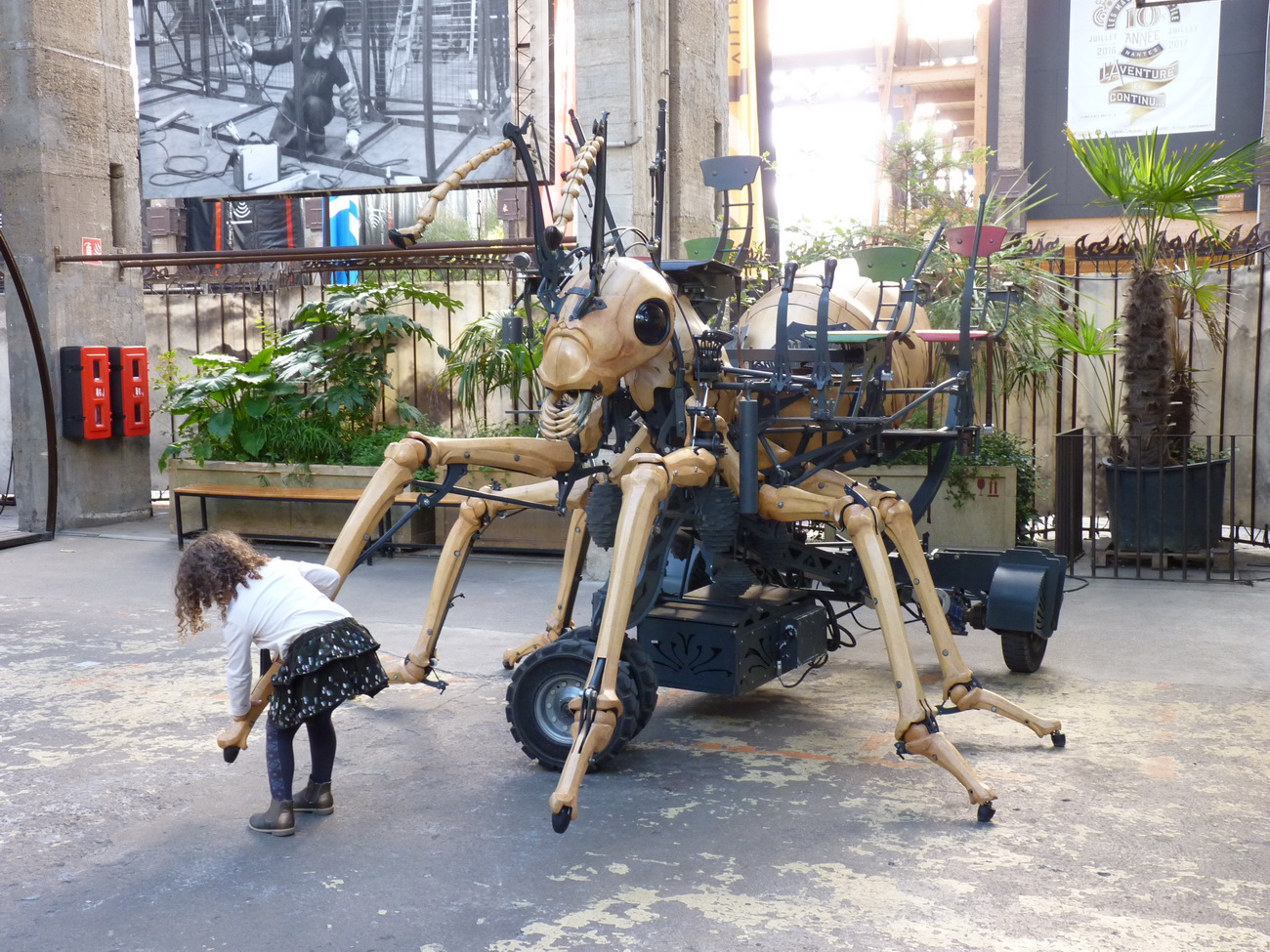
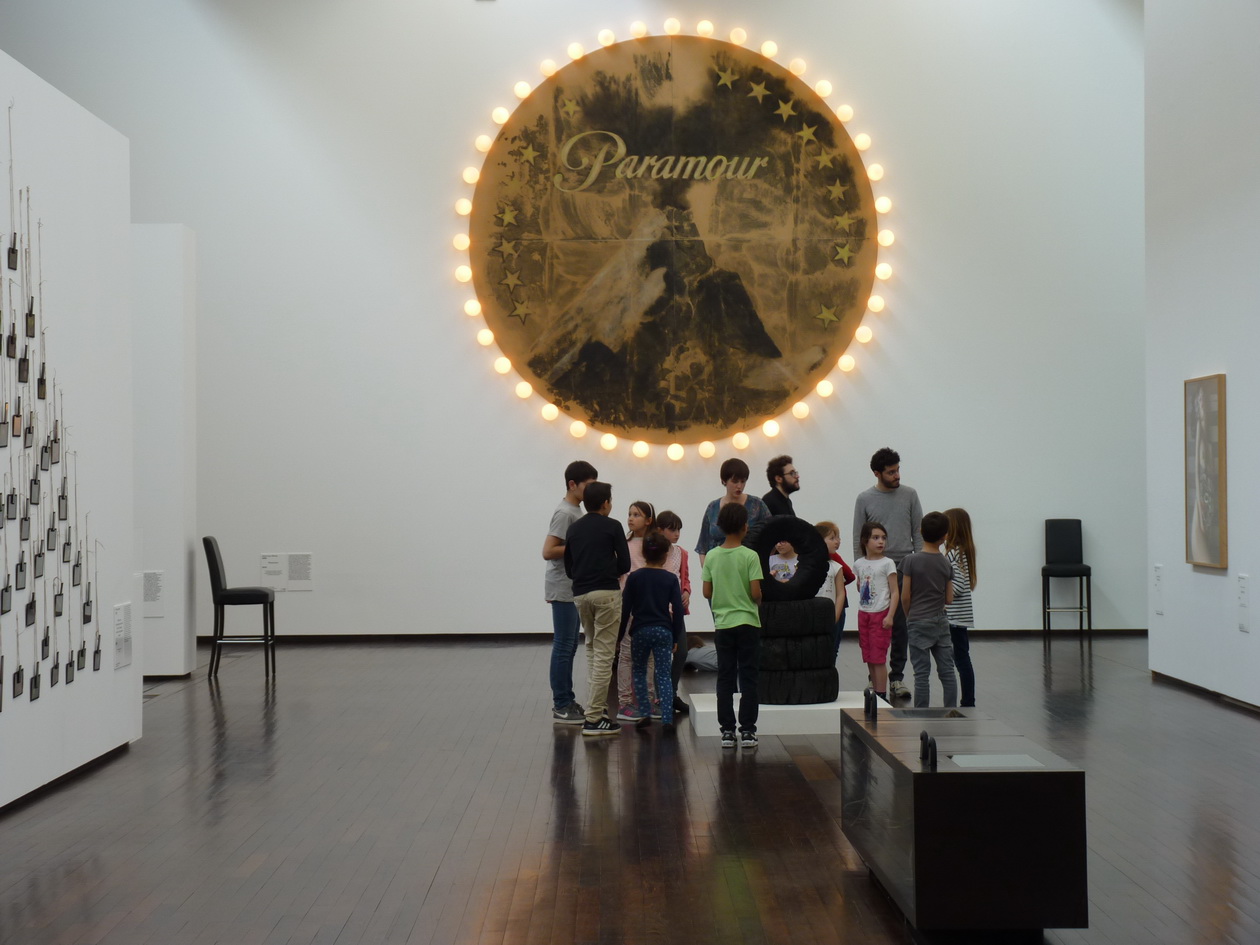
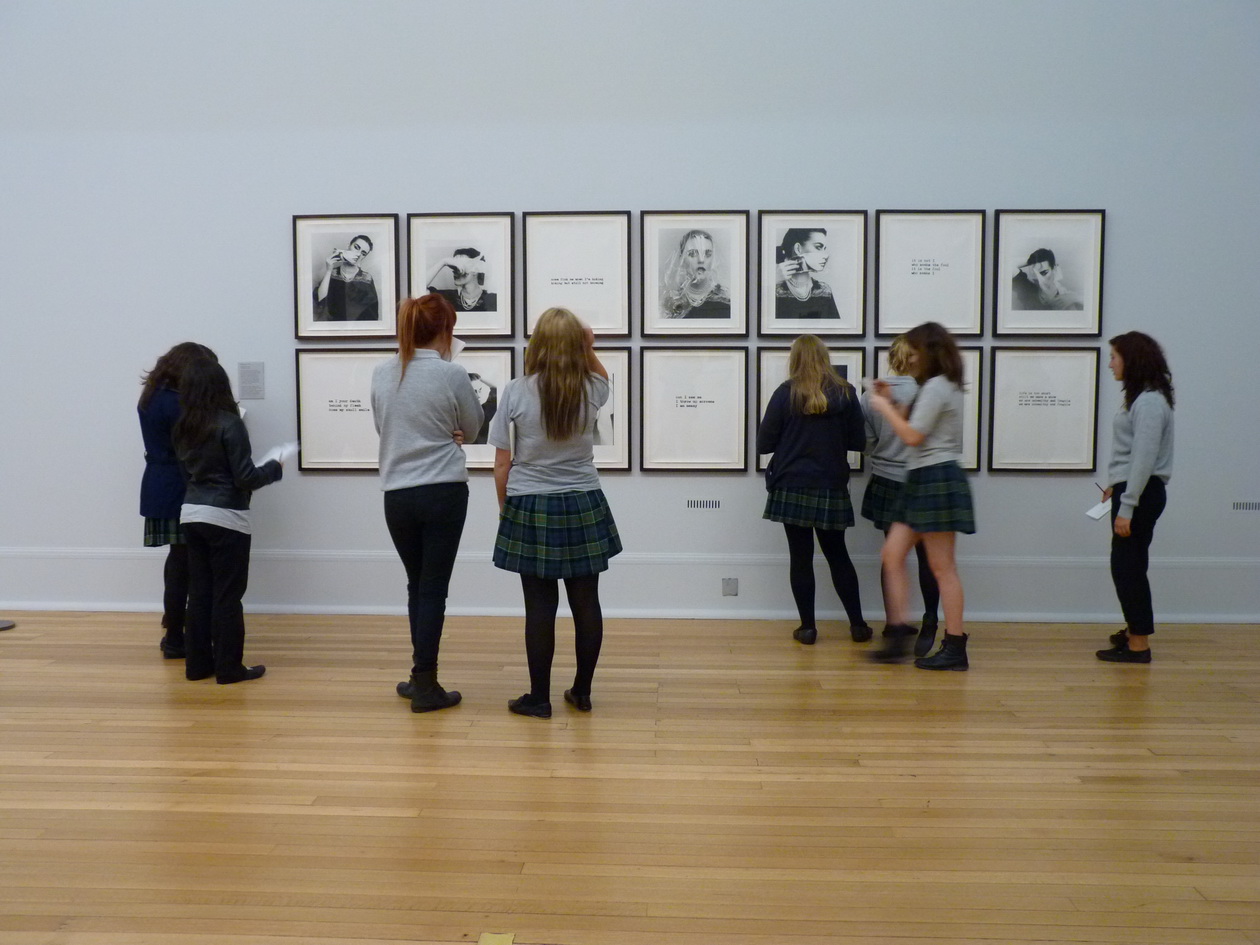
Such as art museums or concert halls becoming halls of aesthetic education, and through outdoor teaching, the nurturing of nature and the awakening and inspiration of aesthetic sense.
In an environment full of visual and audio-visual elements in life, subtle influence shapes future new energy and masters of their own destiny.
Universal art cultivation education—for example, the Paris municipal government establishing art studios in each district, open to all citizens for learning. Every district has music schools.
In addition to regular school education, students can apply on Wednesdays or Saturdays to enter the music school of their respective district to learn an instrument, read sheet music, or join a choir, etc. These music schools also become established advanced programs.
At the end of each semester, there are strict exams; failing results in repeating the grade or switching to another instrument.
One can proceed through levels based on this, from beginner classes to higher academic systems, becoming interdisciplinary and specialized cultivation of interests.
When French high school students take philosophical courses focused on thought, constructing their own independent thinking, Taiwanese high school students are currently taking Civic and Moral education, continuing to be indoctrinated into becoming intellectually disabled slaves.
During middle and high school, French students' inclinations and interests seem already determined.
Through the philosophical course of the high school coming-of-age ceremony, they construct thought, learn to think dialectically, and many already read newspapers and magazines they like, even buying them, active in communities, and even realizing the importance of reading world classics, creating their own reading lists, etc.
Continuously expanding everyone's horizons and experiences, often possessing diverse specialties. In college, they actively engage in society or various groups. Obviously, when young and vigorous, they have tendencies toward left-wing reform and dissatisfaction with social norms.
If young people lack left-wing thought and action, it seems they haven't truly been young, doesn't it? Popularizing art—for example, opening art museums and various art activities—such as the White Night Music Festival, Asset Day Gardening Festival, etc.
On television, there are programs introducing large art exhibitions, interpreting famous paintings, introducing famous artists, broadcasting live performances of large operas and concerts, or world-famous operas, etc.
Promoting humanities, history, and art implementation through activities. Such as the manifestation of food, clothing, housing, education, and entertainment, some examples of how to dress, how to look, how to discuss, etc.
There is a mechanism to construct future horizons—cultivating the power of the new era and future trends and energy, promoting newcomers, ensuring culture does not become disconnected or lost.
Continuous updates and establishment of art policies, inheriting the past and inspiring the future, constructing future new strength and prospects from the implementation of cultural policy.
Some thoughts on aesthetic education in Taiwan: For a long time, under the dominance of entrance examinations, art courses were appropriated and neglected under the utilitarian thinking of "uselessness for entrance exams." However, "the utility of uselessness is the greatest utility." The awakening of beauty arouses the energy of life, enriching the entire life!
Do not worry about the past or present; cultivation, as long as there is action, it is never too late! Why has Taiwanese society become like this?
Social values are confused; under comfort, tending toward conservatism, everything looks forward (to money); in a skewed era, intellectually disabled and fearing social unrest more than anything else. Who caused Taiwanese society's values?
Who manipulates Taiwanese people's aesthetic views? Who makes the whole of Taiwan live like headless flies?
Under the inexplicable situation of being unable to call out the name of Taiwan's "mother," subjected to long-term colonization or ignorant education, and distortion caused by rulers through mass media—not only social values but also human nature are distorted, thereby suppressing one's own sensibility and emotion, because this is profitable.
Under Taiwan's universal education, illiteracy can no longer be found; a society unable to think independently or afraid to be itself can only sink into intellectual disability within the collective consciousness of echoing others.
In such a highly utilitarian society, this creates a generation blind to reason and beauty—and yet self-righteous.
Under this lost social value system, education becomes a tool of the rulers, arrogantly sacrificing or belittling Taiwanese people's aesthetic views and artistic instincts under the functionalism of elites, distorting human nature and horizons.
Furthermore, through institutional scholars manipulating society's immature aesthetic views, under the threats, inducements, and ideologies of rulers, a conservative and educating artistic appearance is constructed, collectively losing and sinking in beauty, serving as the legitimacy of the rulers.
This functional and utilitarian orientation of aesthetic education is also completely distorted. "Fine Arts" only has technique, teaching you how to paint; mediums teach you how to observe, what is "like beauty," with not a bit of aesthetics.
World-famous paintings are dogma; why are they famous? "Music" teaches you to sing, whether you can read sheet music; famous composers are dogma. You have never heard of Mozart or Bach; Taiwanese folk songs are deliberately ignored, utterly worthless.
You have never heard of opera, where is drama, what is art, alas. Fortunately, there is still traditional puppetry to watch. "Beauty," "aesthetic sense," "aesthetics"—many people still cannot distinguish them today.
"Beauty" seems non-existent; drawing brings no rice, singing requires waist strength, theater has no audience, fine arts are blind. Actually, true art is a local force of awakening and a tool for participating in social liberation.
Art is not just a weapon of battle; it can also soothe the consciousness of local living beings, resist or reveal the ugliness of rulers or oppressors, subvert traditional culture and established social values, and deconstruct the thoughts and consciousness of rulers.
In 1987, French philosopher Gilles Deleuze, in a lecture titled "Creative Practice," constantly emphasized the close connection between "art" and "resistance." That is, since ancient times, through creative acts, art has not only continuously challenged the meaning of life and existence, but also demonstrated its potential critical and combative stance within the ubiquitous disciplinary mechanisms of modern society (Note).
Art is a force of awakening that can summon the collective memory of our Taiwanese compatriots, intending to heal the bodies and spirits of Taiwanese people.
Aesthetic education begins with cultivation in the family; the environment becomes the grand background for learning; social values are references or influences for parents.
The importance of parent-child education: one cannot hand over children's education entirely to society and schools. Children's futures are constructed regarding their inclinations and shaped personalities under adult guidance and following.
Parents of the world hope their sons become dragons; they rush to intend to create "children who win at the starting line." Such overprotection of small children causes what is now called "mommy's boys." Entering bilingual kindergartens from a young age, studying East and West, to satisfy parents' vanity.
Indeed, children are mothers' shadows. Starting from elementary school, tutoring in everything, loading and unloading, busy beyond belief, even preparing bento boxes in cars, holidays included.
Small children are squeezed by adults and schoolwork, leaving early and returning late, with absolutely no time to play. Children who cannot play are the most pitiful, losing curiosity, imagination, and adventurous spirit.
Still the same in high school; going to tutoring right after class, laughable. From elementary school to university graduate programs, all are tutoring, tutoring.
Not reading extracurricular books, only reading reference books, seeking only temporary academic achievement, solely for functional exams. Under personalized-depriving education, the phenomenon of intellectual disability considering oneself superior is visible everywhere.
The meaning of education is distorted under institutional education. In this digital internet knowledge explosion era, what is lacking is precisely knowledge; without judgment, where does criticism come from? Alas.
In France, it is common for high school graduates to choose to backpack around the world for independent travel, intending to seek challenges of life built on self-experience. After a year or more, they return with hearts full of gratitude to attend university.
This curiosity-driven desire to discover and understand new things fosters a more positive attitude toward learning, cultivating independent personality among them, ready to face future challenges.
In this world of twisted values, aesthetic education cultivation—starts with oneself. Cultivate interest in humanities and art, participate in various art activities, do not discipline yourself, appreciate diversely, experience variably, construct personal taste.
The beauty of life is built upon daily life; concretely implement the art of your own life. As the era of art museums arrives, is our aesthetic education prepared to welcome new horizons for the future?
Eat until full, look nowhere; eat until stuffed, eyes wide open looking at nothing, blinded. No wonder art museums hold Braised Pork Rice Festivals, or host celebrity weddings, or rent opera houses to direct-sales companies for events. Alas.
Art museums and opera houses will inevitably become future "mosquito buildings" (unused venues). Look at the National Palace Museum Southern Branch; it is a clear example. Note - [Philosophy Friday @ Taipei] — "Artistic Resistance?
In the Name of 'Weak Institutions'" — 2018/08/24 Speaker - Wu Xiangbin | Candidate for Doctorate in Aesthetics, Science and Technology at Paris VIII University