Li Bo-Yuan - "A Moveable Feast" Solo Exhibition
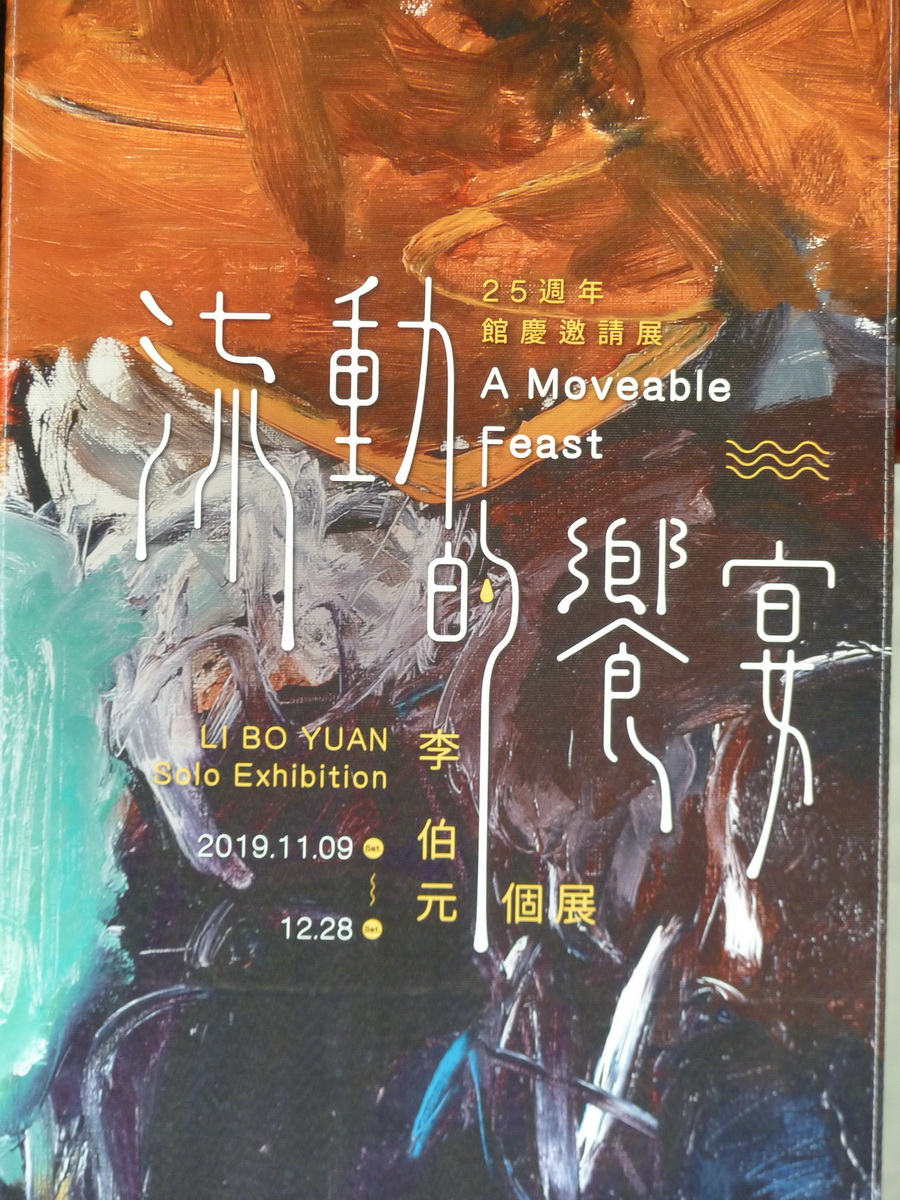
Li Bo-Yuan - "A Moveable Feast" solo exhibition poster
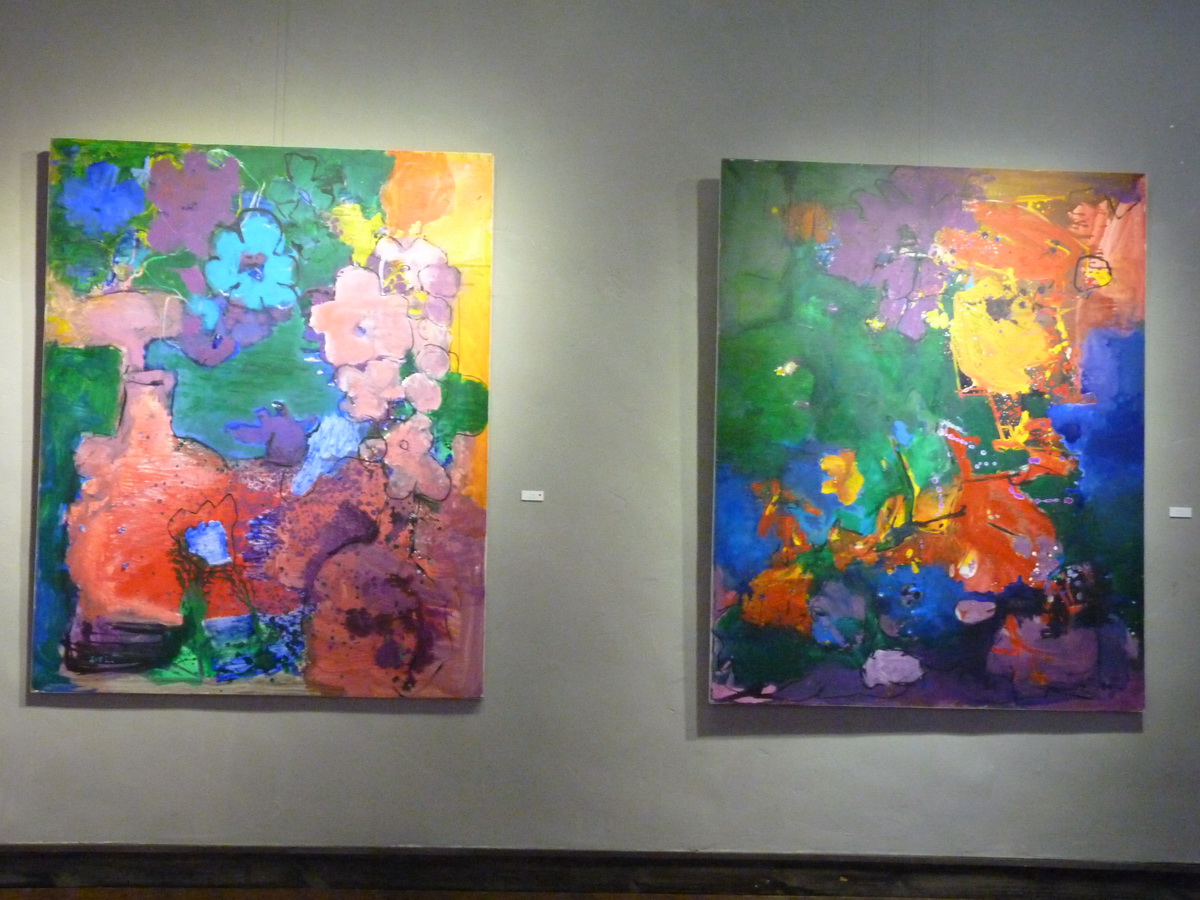
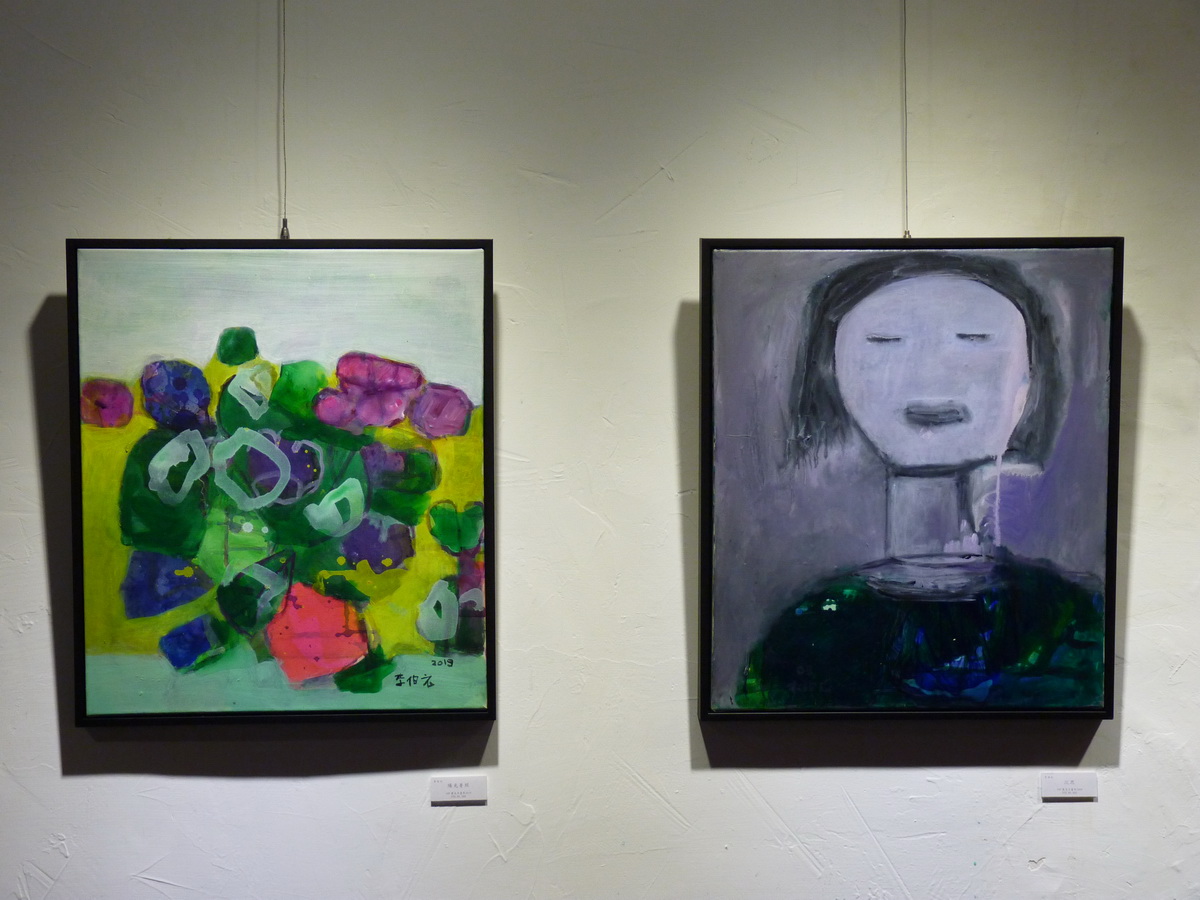
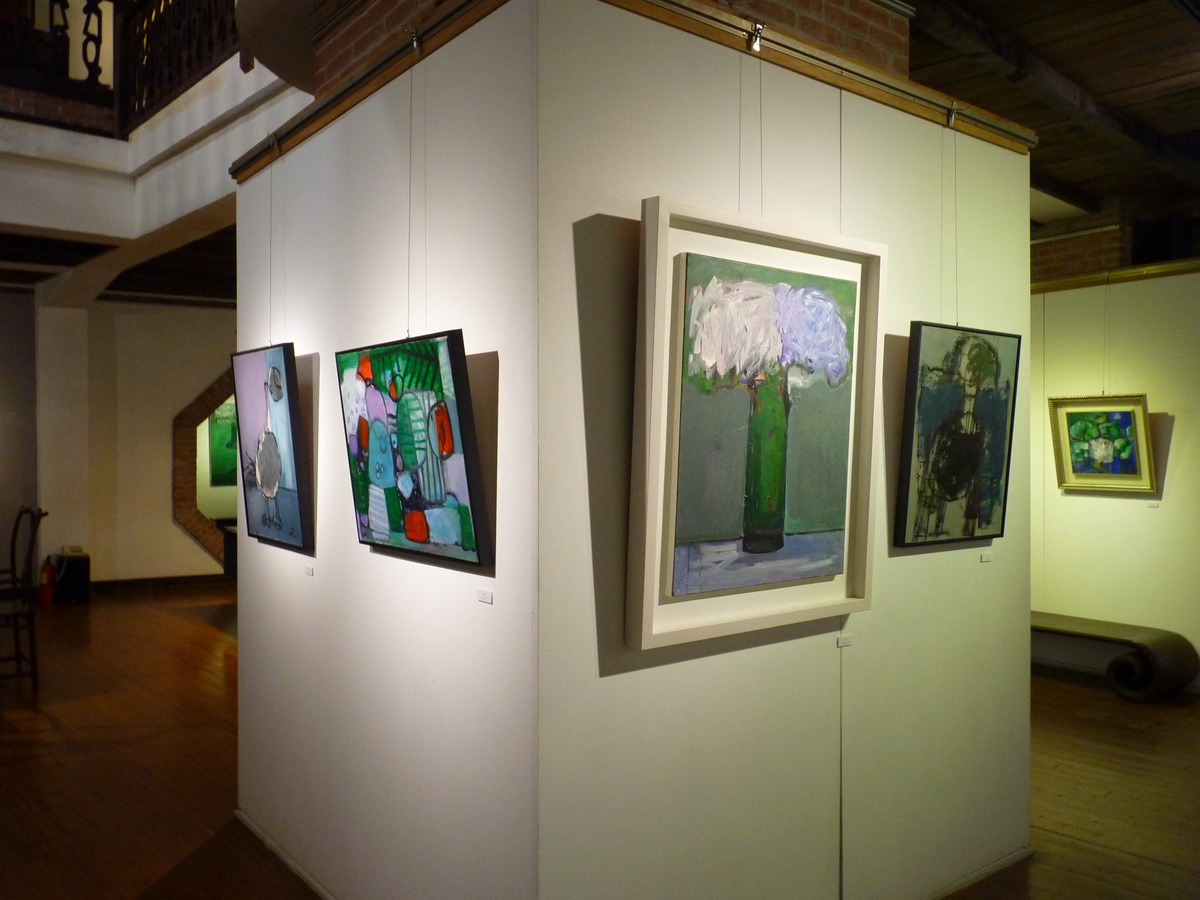
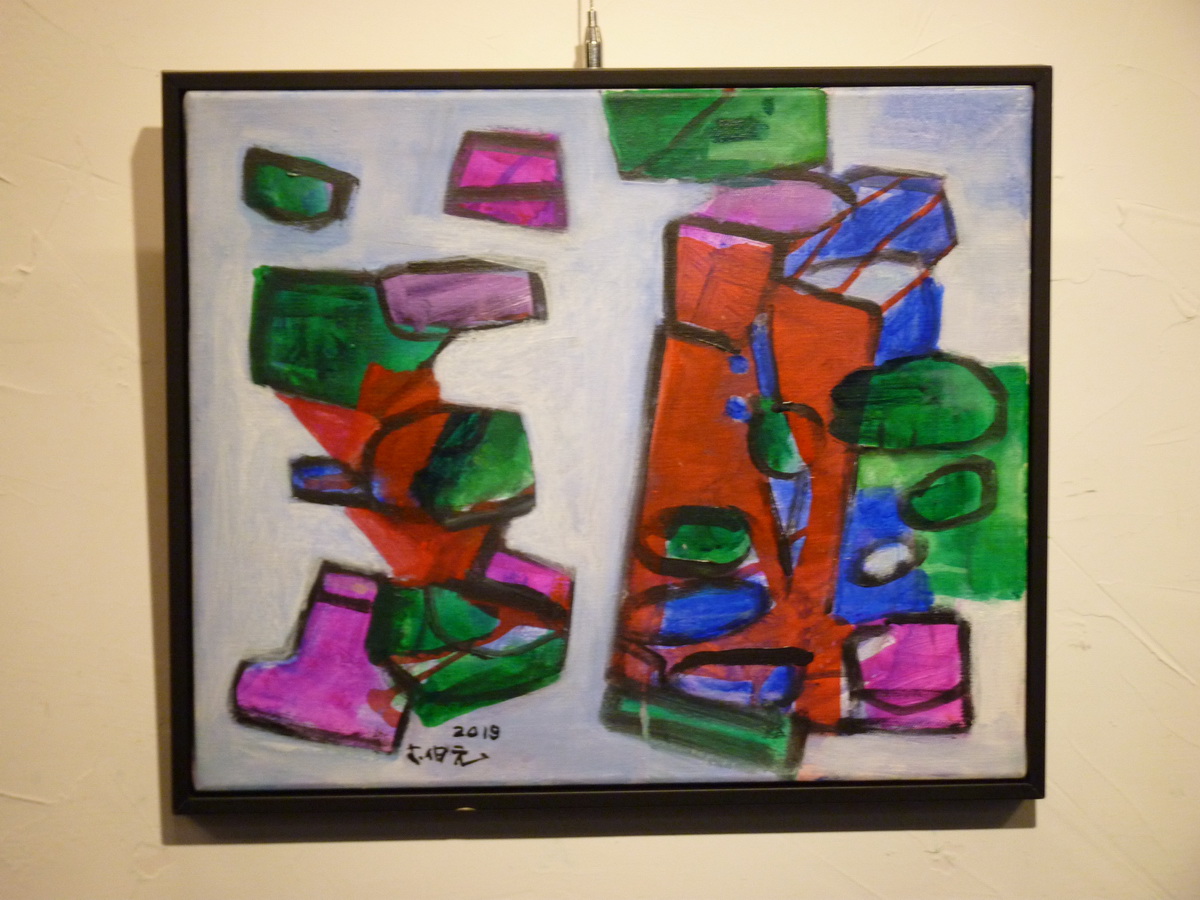
Text and images by Chen Chi-Hsiang
"Tradition must not be discarded; innovation is indispensable."
Exhibition Dates: November 9 – December 28, 2019 Venue: Mingguan Art Gallery, No. 95 Zhongxiao Street, Zhudong Township, Hsinchu County Curator: Tsai Yueh-Yen
This year marks the twenty-fifth anniversary of the Mingguan Art Gallery, which has specially invited French-based painter Li Bo-Yuan for his solo exhibition, "A Moveable Feast." Born in 1936, Li Bo-Yuan is an artist and practitioner who remains consistent throughout his life. His unpretentious character is defined by a lifelong practice of Buddhism, resisting the temptations of fame and profit, and embodying both art and spiritual practice through concrete actions in daily life and creation. Guided by the spirit that "all worldly joys arise from benefiting others," he believes that sincerity brings beauty ("Without sincerity, nothing exists; with sincerity, there is beauty"). While advocating humility and kindness as a person, his creative spirit dares to be untamed, breaking norms and conventions. He insists on "staying true to oneself while accommodating others," practicing this unique spirit endlessly with love.
Li Bo-Yuan graduated from Pingtung Teachers College in 1955. After two years of service, he entered the Department of Arts at National Taiwan Normal University. Eager to learn, he extensively studied Western humanities, history, philosophy, and listened to classical music. During university, he encountered Buddhism as a turning point due to feelings of frustration. Reading the Bible, Buddhist texts, Zen literature, and Daoist works, this shift made Buddhism another central focus of his life alongside teaching and creating calligraphy and painting. Particularly, Buddhist concepts became the living source for his artistic creations. (Note 1) During university, he cultivated his mind and built profound humanistic literacy, fostering independent thinking and spirit.
After graduating in 1961, he was assigned to teach at various secondary schools in Taiwan. Humanities, art, and Buddhist practice became his daily routine, and he continued to expand his painting and diligent calligraphy without interruption. After retirement, driven by curiosity to explore the mysteries of art and broaden his creative vision, he first went to New York, then settled in Paris starting in 1988, fulfilling his dream of studying in France prepared in 1963. (Note 2) Lifelong adherent to "breaking norms" as his creative guideline, Teacher Li’s uninhibited creation wanders between instinct and sensuality through subconscious, casual splashing, creating lively, unconstrained free forms that are both rough and delicate, with a simple, rustic charm. His true nature reveals itself without losing humor and innocence. His calligraphy is masculine and vigorous, possessing a painterly quality; his characters and paintings reflect his personality, embodying a calm and free life attitude and spiritual consciousness.
The solo exhibition is curated by Tsai Yueh-Yen. The title "A Moveable Feast" comes from American writer Ernest Hemingway, who wrote in 1950: "If you are lucky enough to have lived in Paris as a young man, then Paris stays with you for the rest of your life, for it is a moveable feast." This reveals the painter Teacher Li’s deep impressions and experiences living and creating in the artistic capital of France, Paris, highlighting his reverence for freedom.
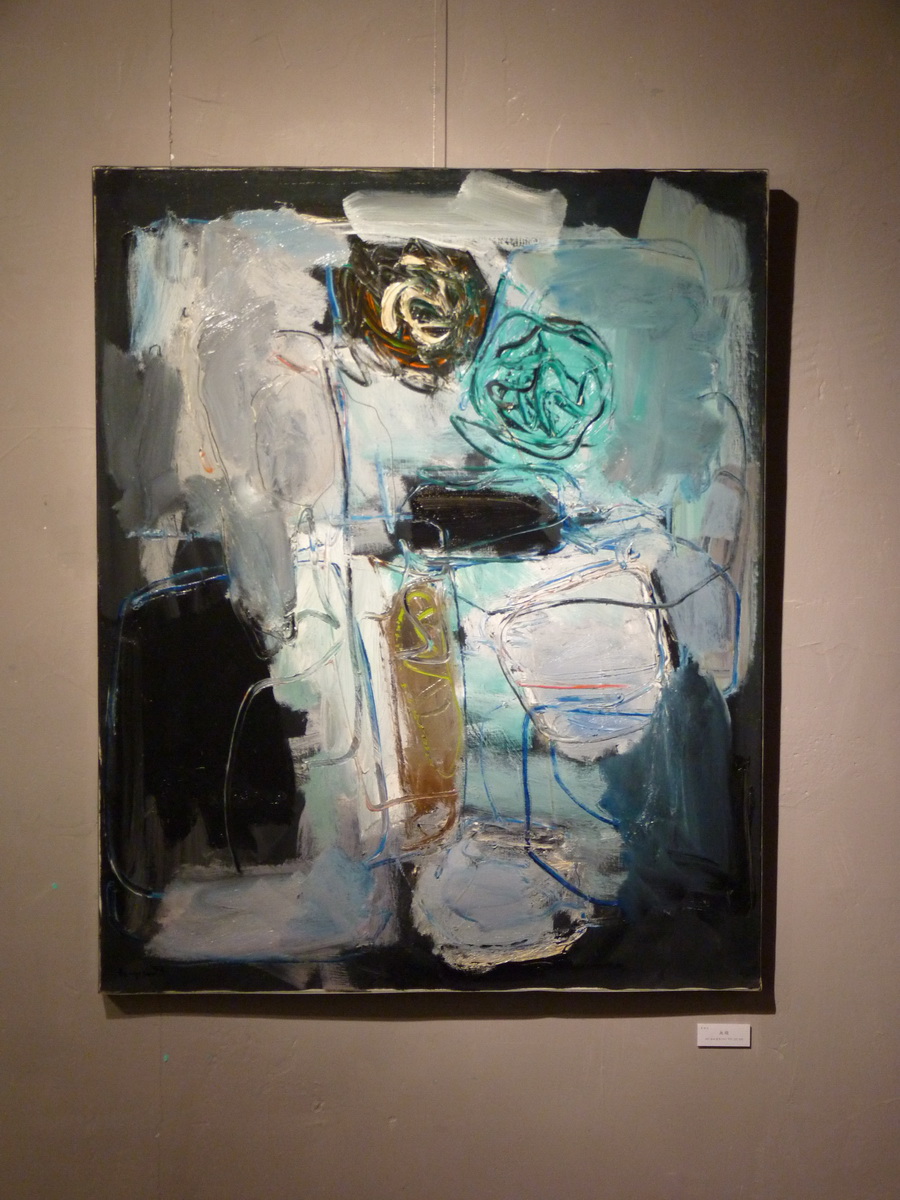
This solo exhibition features brilliant colors, all works painstakingly created by Teacher Li. From his early works in Paris in 1992 to the present, his abundant creation stems from emptiness (śūnyatā). Through instinct and sensuality, using free and unconstrained methods, he appeals to the subconscious to explore various open forms of myriad phenomena, then discovers and creates possibilities from these findings, embodying diverse expressions. The painter said, "When I paint, it often starts with accident, randomness, and freedom, splashing onto the canvas without a clear plan. Then, within these formed color blocks and lines, I find emotion, adding or subtracting to complete the layout. Although it begins unintentionally or by chance, when the work is finished, it is indeed decided after my deep consideration. Thus, this can represent the exposure of my inner depths." (Note 3)
For over fifty years, Teacher Li has immersed himself in his unique expressive style of calligraphy and painting, continuously breaking creative norms. Works with cultural depth and poetry stem from calls from the deepest heart and stream of consciousness. Early on, he focused on developing the subconscious, dancing with instinct and sensuality, letting go and being unconstrained. In his later years, riding the wings of consciousness, he soars between sensuality and rationality, creating. As his personal maturity and spiritual growth advance, form arises from the mind, and realm shifts with the heart; everything is created by the mind. Following the current situation of "what is," he deeply experiences beautiful circumstances of existence, pioneering a modern style of painting expression. Operating between non-figurative, imagistic, mental image, and abstract, he nurtures Li’s diverse and sensual personal style.
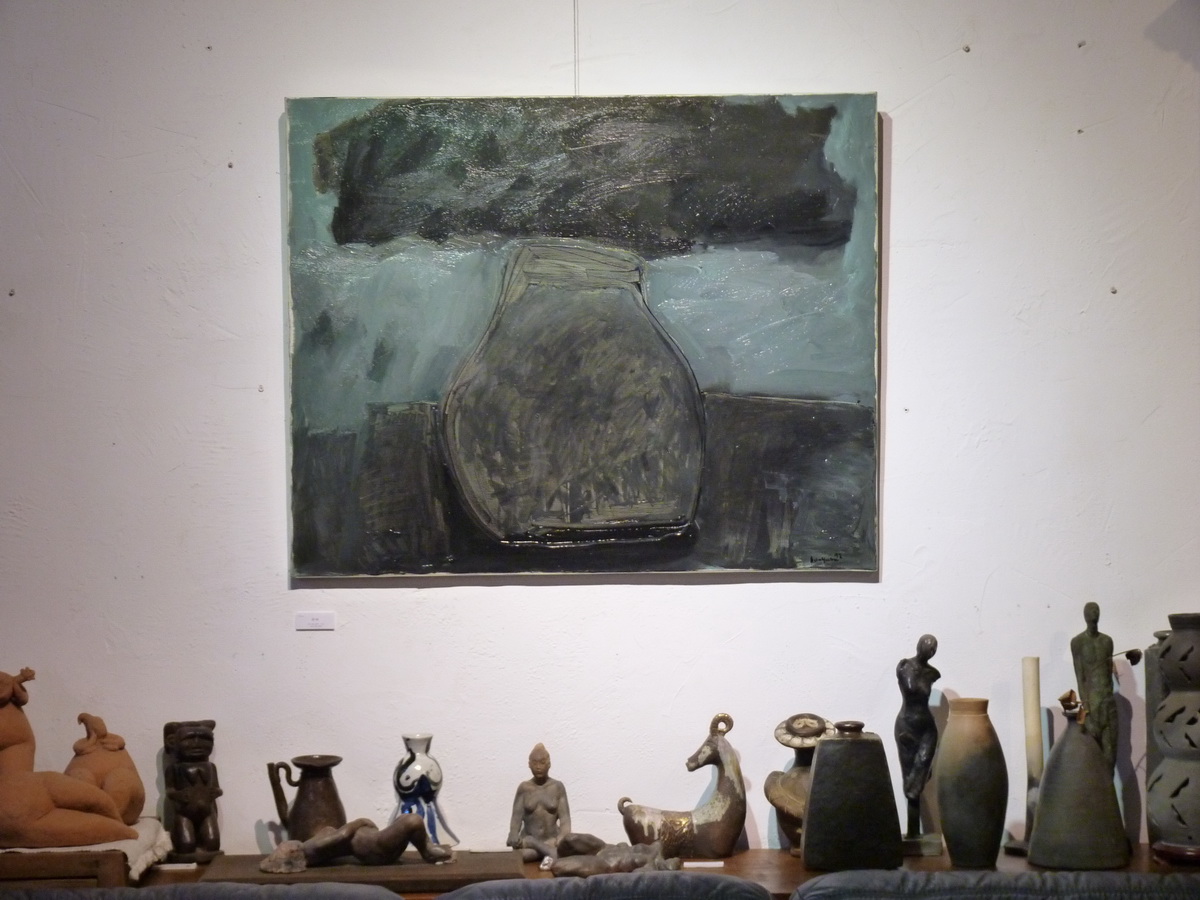
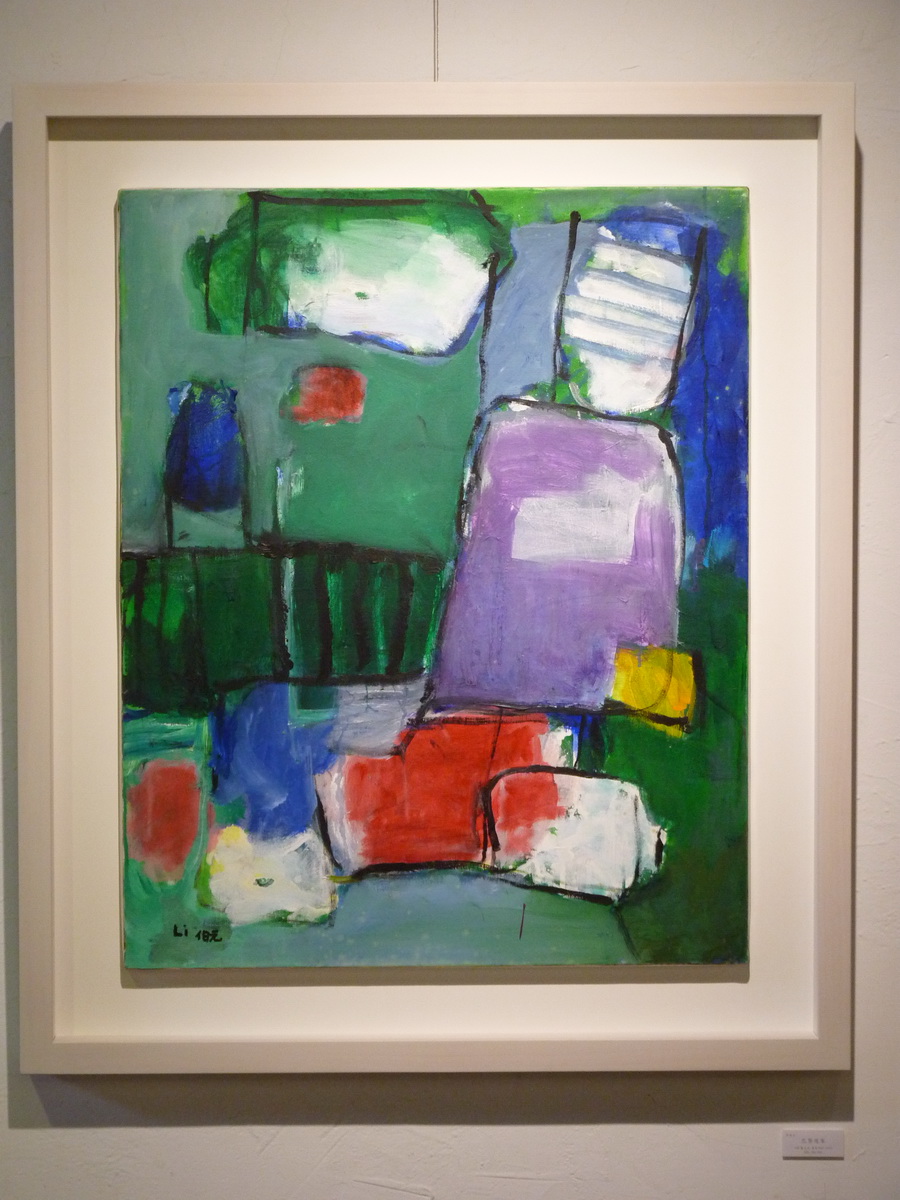
Early works were influenced by Western painting, appearing masculine and majestic, constructed within the rough and delicate instincts and sensual graffiti, full of emotional texture and brushstroke lines, presenting a dashing and unrestrained free image, where sensuality outweighs rationality. For example, natural imagery like "A Big Tree" and "Summer Spring Sentiment" (1992) release abundant emotion through brushstroke lines within color structures. The still life "Still Life" (1992), composed of black and gray with rustic charm, is concise and powerful, revealing a certain strength. During this period, immersed in subconscious graffiti, no work satisfied the painter; he painted again and again, changed again and again. Sometimes making bold changes, sometimes minor touch-ups, modifying works for three or five years was not unusual. For instance, the work "Afternoon" (1993–2005) took over ten years, revealing the painter’s passionate state of seeking truth and beauty.
Teacher Li’s early Paris works, those done in one breath, are hard to come by; masterpieces are not found but forged through time, space, and spirit. He repeatedly and seriously examines his works. Admiringly, he is a rare creator in the art world who bravely moves forward for truth and beauty without giving up, proving him to be a genuine practitioner of the art path. Painting and calligraphy creation are the dojo and realm of Teacher Li’s cultivation, and he enjoys the creative process, akin to walking alone through thousands of mountains and rivers, witnessing his own existence and consciousness. Creation becomes his personal practice of illuminating the mind and seeing nature.
Painting a picture is more than just a picture; it wanders through time and space realms, opening up the personal stream of consciousness to enter deeper layers of existence, finding back one’s original nature and true feelings. After the millennium, Teacher Li’s creation followed "form arises from the mind, realm shifts with the heart," reaching a place of renewed hope. Sorting out wise emotions from passion, his creation transformed into a beautiful butterfly, entering a mature creative stage. He affirmed his intuition, internalized simplified forms, with vibrant and bright colors, rhythmic structures, rustic charm, humorous wit, unrestrained richness of sensuality and emotion, colorful yet elegant, simple form with profound meaning. Between imagistic, mental image, and abstract, he freely and vividly expounds the painter’s insights into worldly affairs.
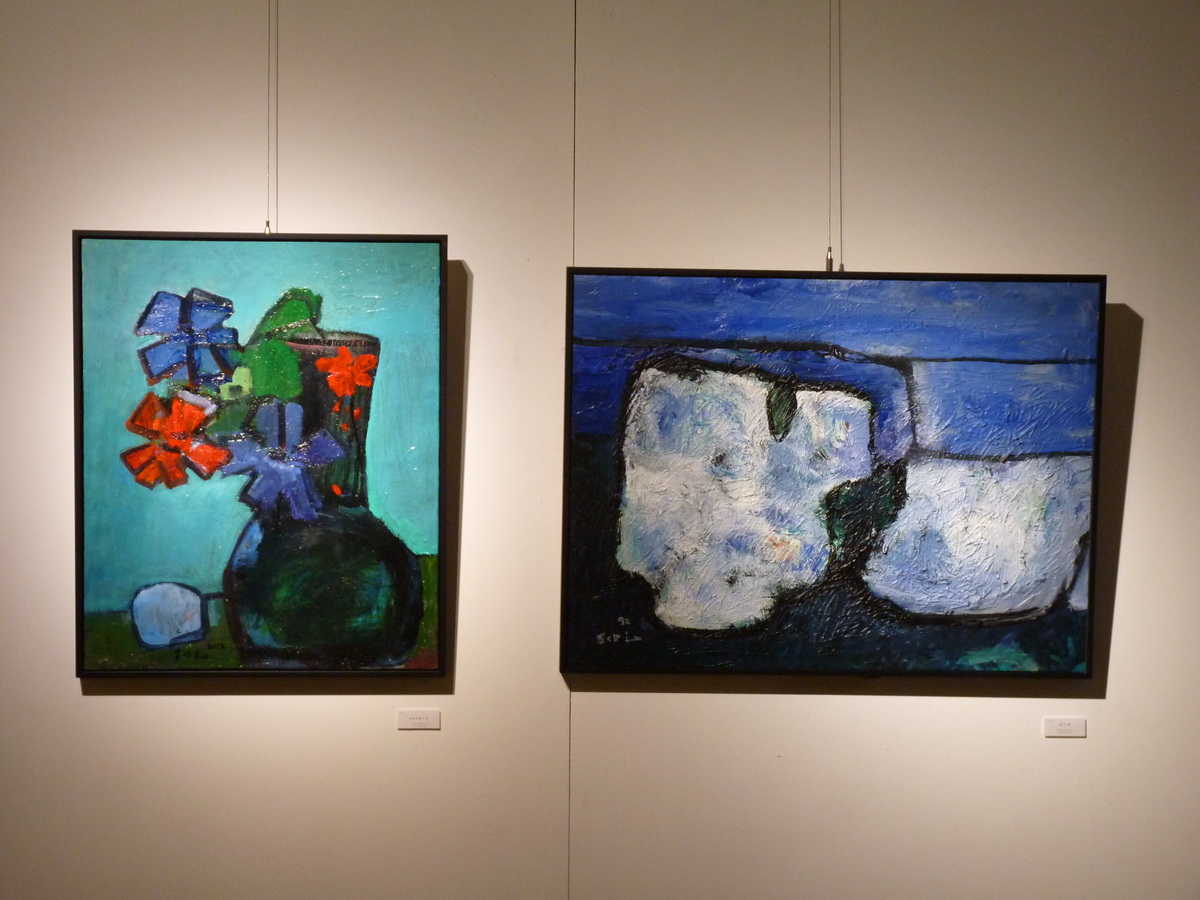
"Paris Tourist" (2007–2010) is an abstract painting constructed with lines and colors, mixing humorous human imagery. "Chief Couple" (2010) constructs imagery through vertical linear figures; the beautiful figurative images seem understandable only intuitively, not verbally. Between imagistic and mental image, "Beauty is Also a Power" (2012) features solid vase-like forms, a still life of flowers-in-vase rather than flowers, invoking the consciousness of beauty. The brilliant "Diana" and "Tiffany" (2012) are interludes in Teacher Li’s life, a romantic love story. With blooming hearts, he enthusiastically described his girlfriend "Diana" and daughter "Tiffany" with floral displays, expressing and showcasing Teacher Li’s true nature, freely conveying that power of deep affection through art.
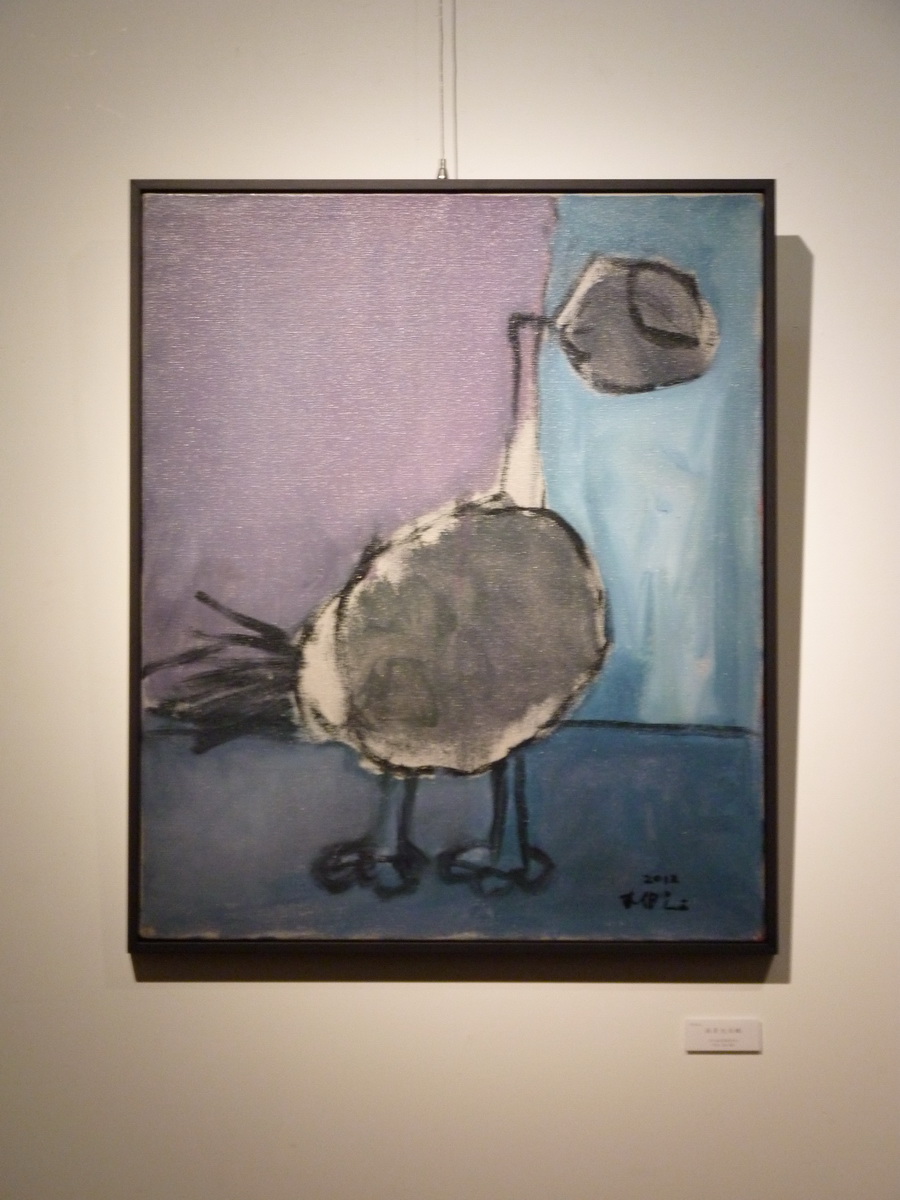
The humorous "I Am a Big Foolish Goose" (2014) is restrained and implicit, bringing a knowing smile; this great wisdom appearing as foolishness reflects the painter’s state of mind, verifying that the painting resembles the person. The non-attached "Family Affection" (2014) is the result of simplified, flat color block structures. Intuitively, a woman carries a baby, another holds a child. These two works, with rustic charm, share similarities in intuition and imagination, between literature and philosophy, freely opening people’s hearts, all in silence, seeming like images yet not quite images, too vivid.
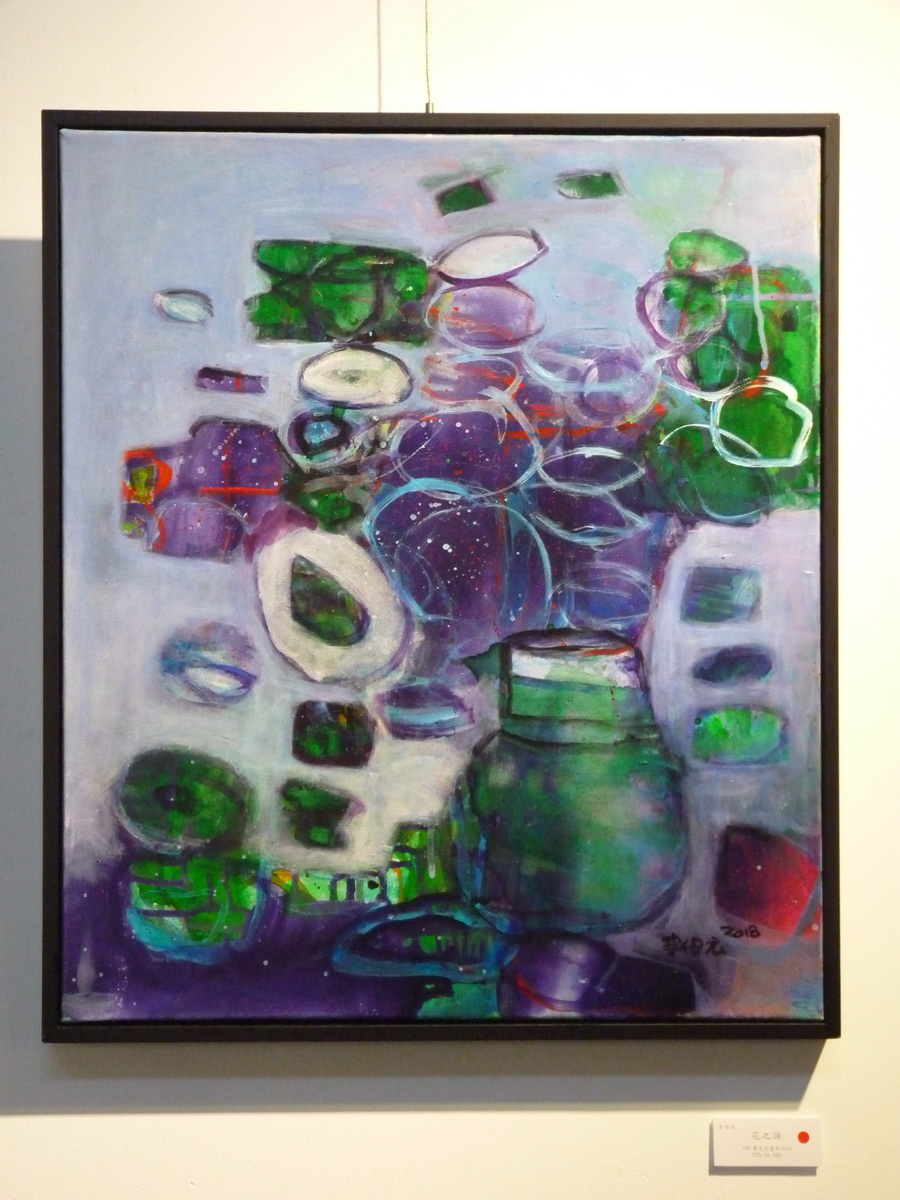
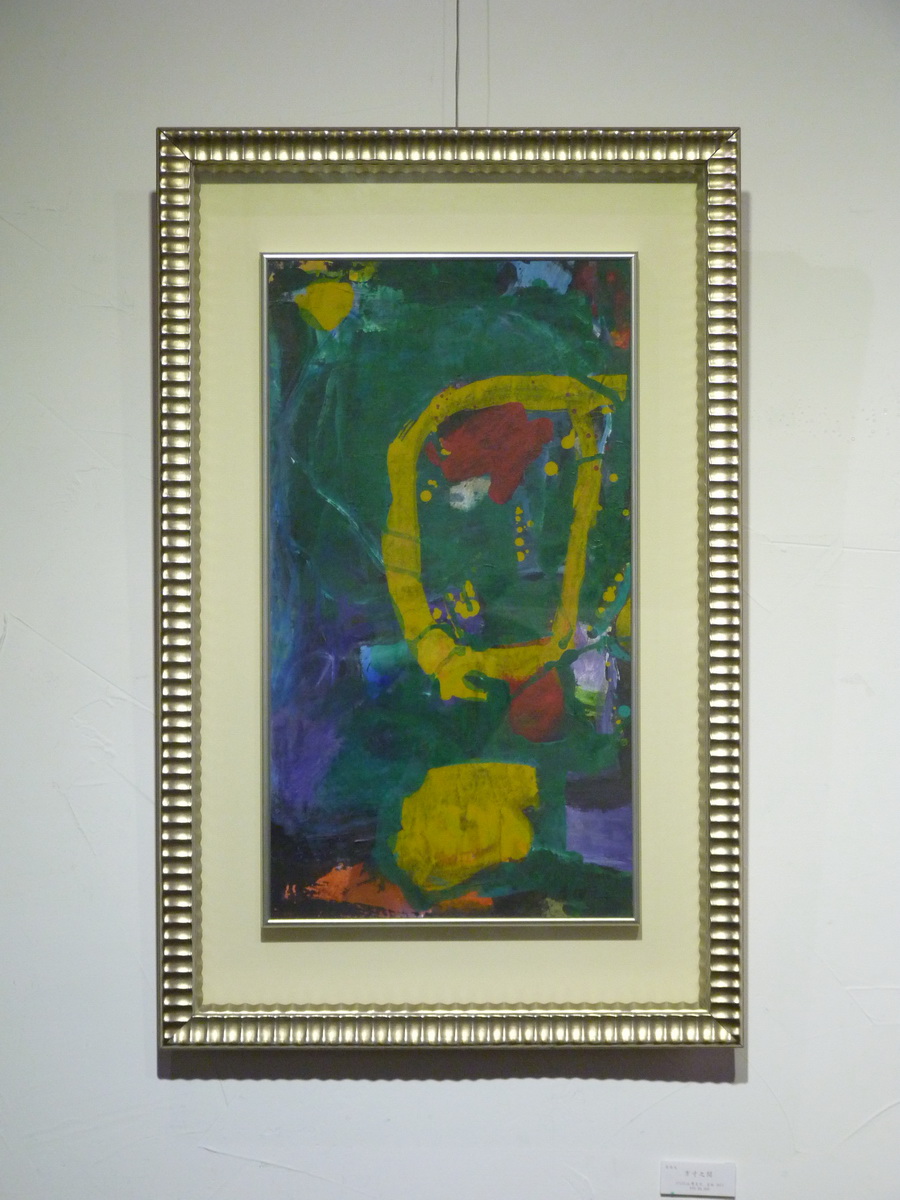
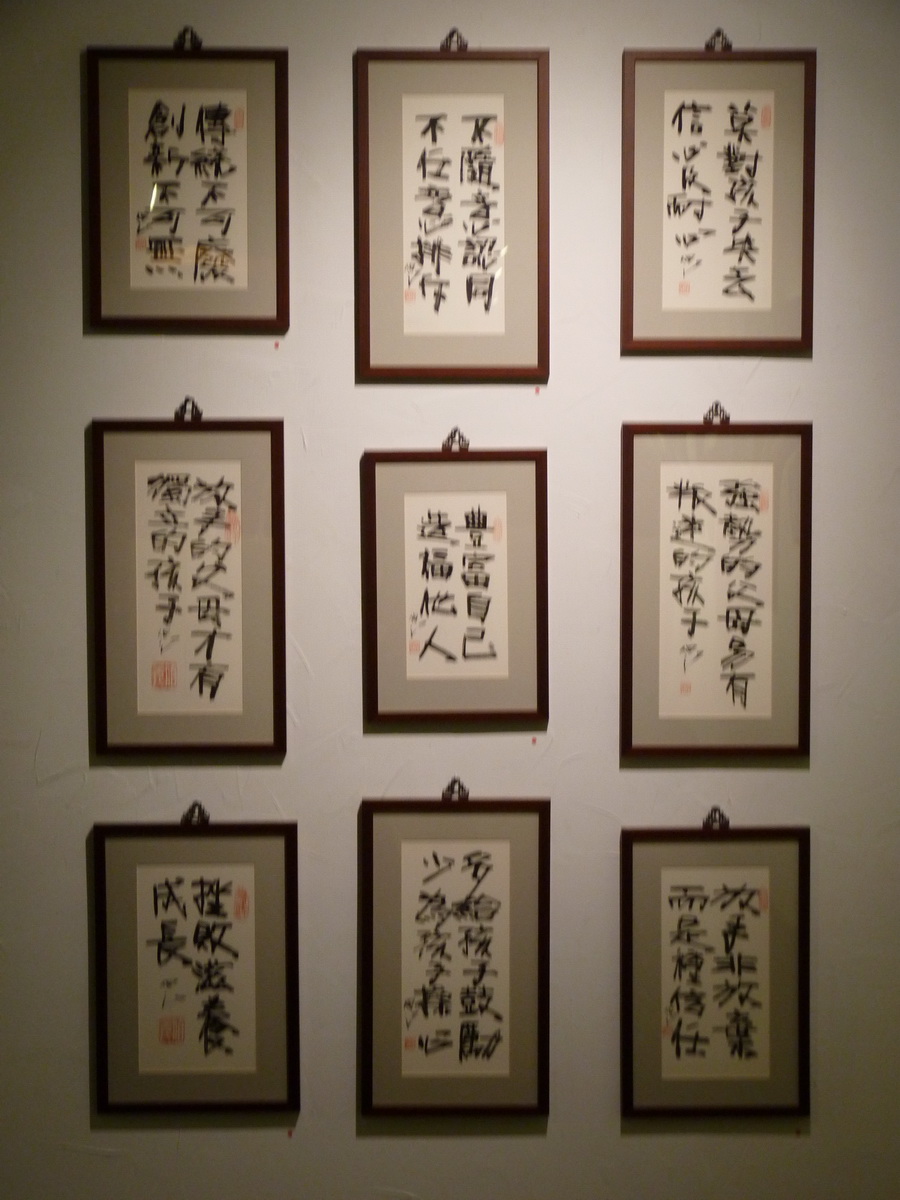
"Mountain Rain Approaching" (2017) features organic abstract combinations of blue sky, green land, and petrified figures. Under the scene of impending mountain rain filling the towers, resembling humans and mountains, it is the painter’s reflection on his mother’s homeland and the future, conveying a mood of concern for the country and people. Abstract yet not figurative, titled "Ode to Flowers" (2018), flowers overflowing like heavenly maidens scattering petals, non-flowers in flower vases, the composition of form and color sings loudly of the aesthetic beauty of endless love, like a romantic poem, radiating strong philosophical thought. "Sunshine Shines Everywhere" (2019) under bright sun evokes warmth; flying hearts and brilliant colors integrate into warm tones (ochre), releasing the painter’s abundant emotion and full energy. "Ancient Meaning" (2019) draws inspiration and longing from traditional Taiwanese floral cloth patterns. The painter believes "Tradition must not be discarded; innovation is indispensable," deconstructing tradition to construct modern abstract novelty, hiding cultural depth, and implicitly revealing Eastern charm.
An art practitioner who reveres freedom created Li’s unique integrated painting-calligraphy style (using Chinese characters to paint), endowed with Western modern painting strokes, composition management, and emphasis on black-and-white contrast spatial creation. Calligraphy and painting become the alchemy of the practitioner’s life and nature. Free painting-calligraphy is masculine and vigorous. Painting-calligraphy writes only large or small characters. Large-character paintings (written on full-size cotton or Xuan paper) are full of vitality and abundant emotion; small-character paintings are poetic and elegant. From the vocabulary Teacher Li likes to select and the titles and content of his works, we know he is deeply influenced by Buddhist thought. Large-character paintings use Chinese characters like painting, stacking strokes up or down, not following stroke order, line by line. Is the completed work calligraphy or painting? (Note 4) Large characters are usually two or three characters like "Non-Dual," "Pure Mind," "Like Foolishness," etc., with powerful structures like paintings. Small-character paintings serve as self-expectations and worldly inspirational vocabulary like "Without Desires, Character Naturally Rises," "Contentment Brings Constant Joy," "Setbacks Nourish Growth," "Strength Comes from a Calm Heart," "Tolerating Others is Kindness to Oneself," "Do Not Randomly Agree, Do Not Arbitrarily Reject," "Wind Stops, Flowers Still Fall; Bird Songs Make the Mountain More Secluded," etc. Painting-calligraphy becomes a reflection of Teacher Li’s daily state of mind and reflections on worldly awakening phrases. This unique painting-calligraphy embodies rustic beauty.
Note 1: Referencing Journal of Aesthetic Education, No. 189, Article by Huang Wen-Shu: "The Living Source of Li Bo-Yuan’s Calligraphy and Painting World." Note 2: Ibid. Teacher Li Bo-Yuan served in thePrepare officer course, assigned to the Marine Corps, guarding coastal defense in Zuoying, Kaohsiung for three months. During this period, he used leisure time to study French in Kaohsiung city. In 1963, he successfully passed the exam for self-funded study in France, preparing to go. However, due to economic conditions and his mother’s passing, he had to suspend his study plans. Note 3: Ibid. Note 4: Self-narration by Teacher Li Bo-Yuan, from the catalog.
December 10, 2019, at Chuluoshan - Tiaocheng