Parisian Horticultural History: Dialogue with Nature — Modern Gardens
(Fig. 1) The Parc Floral blooms vibrantly year-round. (Fig. 2) Dialogue with Nature — Modern Gardens: The Parc Floral of the City of Flowers. (Fig. 3) The water mirror of modern gardens reveals infinite charm, showcasing nature's vitality. (Fig. 4) The floral valley of the Parc Floral is dazzlingly
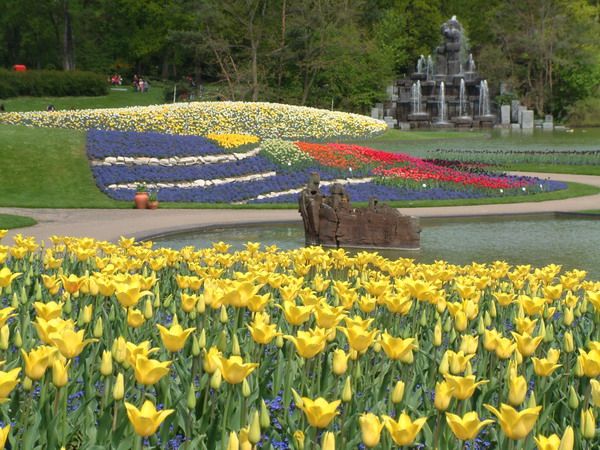
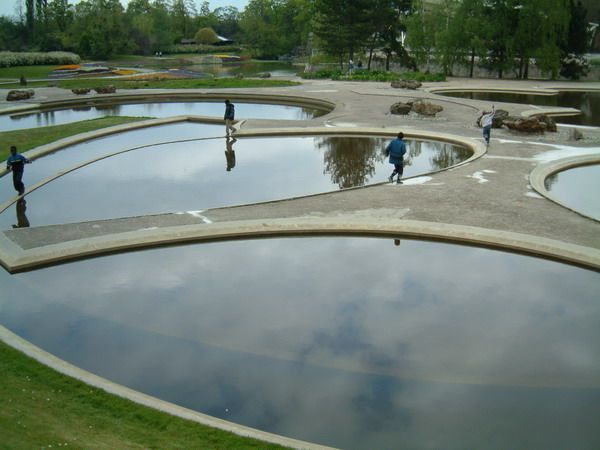
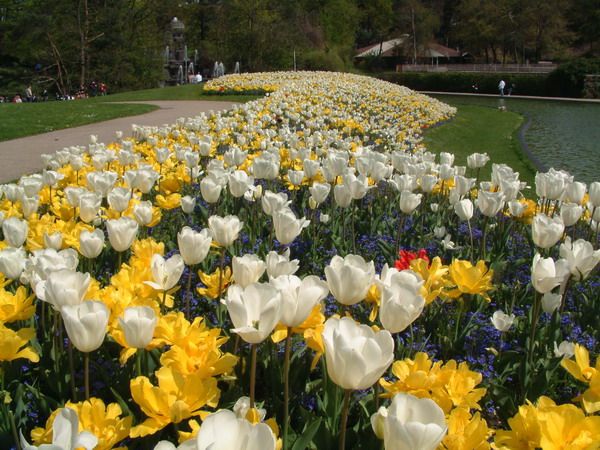
(Fig. 1) The Parc Floral blooms vibrantly year-round. (Fig. 2) Dialogue with Nature — Modern Gardens: The Parc Floral of the City of Flowers. (Fig. 3) The water mirror of modern gardens reveals infinite charm, showcasing nature's vitality. (Fig. 4) The floral valley of the Parc Floral is dazzlingly colorful throughout the seasons.
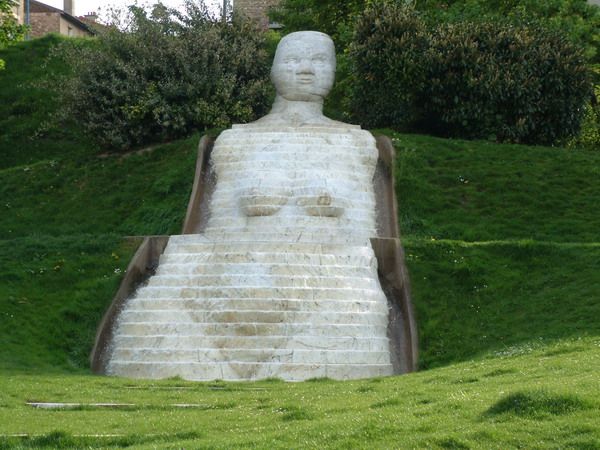
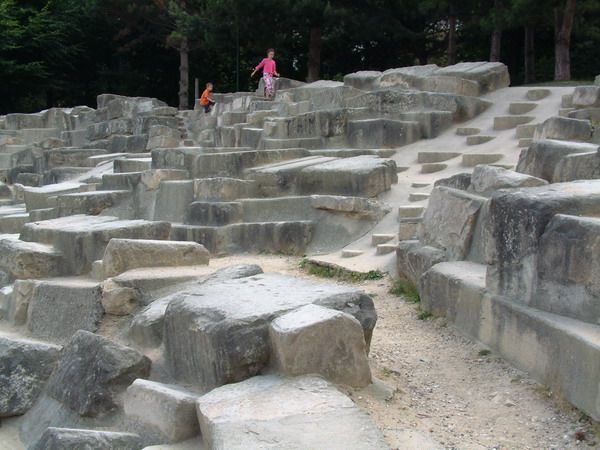
(Top) A massive sculpted waterfall creates an extraordinary scene in the Ivry-sur-Seine modern garden. (Bottom) An innovative stone hill offers bold scenery at the Georges Brassens Park.
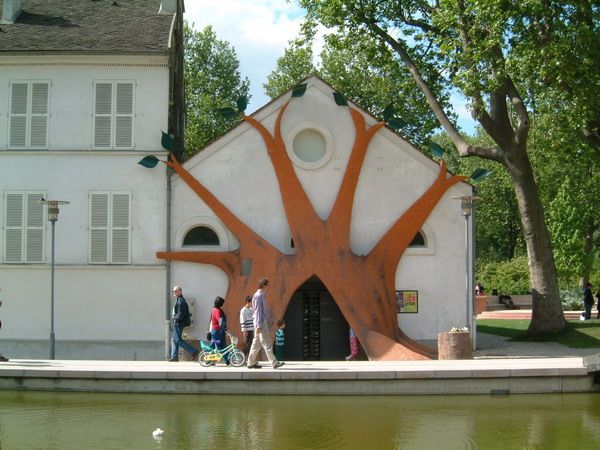
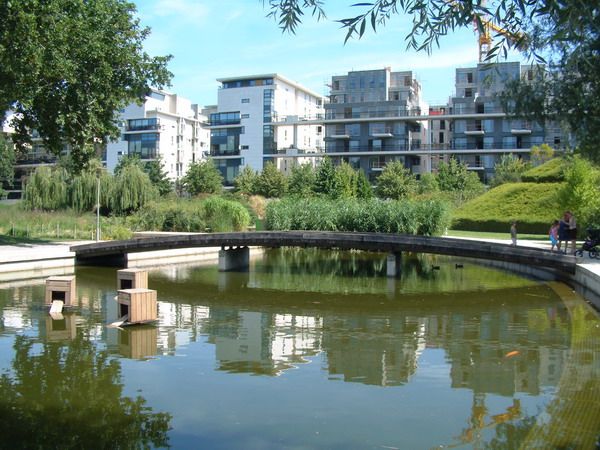
(Top) A lake house filled with magical imagination presents a chic landscape at the Bercy Modern Park. (Bottom) The Bercy Park in southeast Paris integrates with urban community development. In the twentieth-century "City of Flowers," inheriting the legacy since the Second French Empire, gardens, parks, and green spaces stand out as rare and precious amidst skyscrapers. They have become a priority policy for Paris, involving quality of life and providing space for dialogue with nature to soothe souls. Pleasing gardens not only embellish the urban landscape but also serve as buffer zones to relieve modern urban stress. Parisian gardens continuously improve the urban environment. By the early 1920s, the Paris municipal government implemented a series of public construction plans, including green spaces. This was the most significant construction since Haussmann’s nineteenth-century renovation. The series of gardens built in the 1930s were established under this plan, profoundly beautifying and changing the city's appearance, especially the Champ de Mars Garden under the Eiffel Tower and the vibrant Trocadéro Garden opposite it. Additionally, the Renaissance-style Jardin Hoche, and the brilliant Kellermann, Bréguet, and Pétion-Gouin Parks all share this comprehensive garden character. After World War II until the 1960s, urban green space construction was not a primary urgency. From the 1970s to the present, Paris has rediscovered the tradition of leisurely strolls from the sixteenth century. Under its green revolution, it has become one of Europe's major metropolises with the most important green spaces. It is hard to imagine that in this land-as-gold city, over 150 new parks and gardens of various sizes have been created (including the most representative ones like Parc Floral, Buttes-Chaumont, Bellecour, Georges Brassens Park, Marché aux Fleurs, Bercy Park, and a clever sky garden—the Atlantic Garden—and a chic promenade...), increasing the number of Parisian gardens to 413 and hundreds of hectares of green space. Everywhere is lush with flowers and trees, colorful and brilliant, allowing Paris to enjoy its reputation as the "City of Flowers." Modern urban gardens emerged during the 1970s green space revolution, closely integrating with urban planning and blending modern forms of English gardens. In the urban living space between nature and architecture, form and color, vision and imagination, they achieve the exquisite aesthetic of modern French life.