A Parisian’s Country Excursion, Part Three
(Fig.) The pond in the back garden, with its shimmering reflections, was where we often fished for leisure.
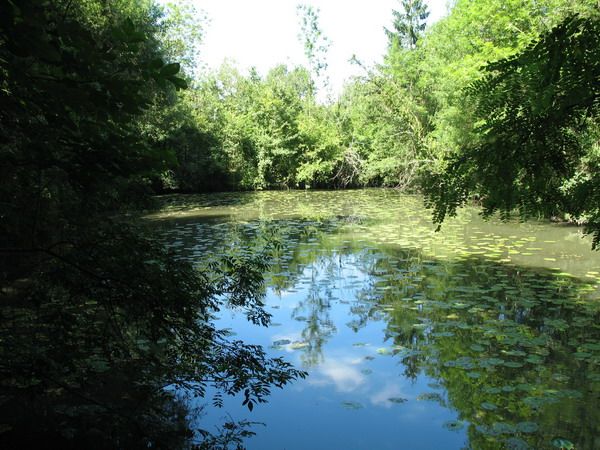
(Fig.) The pond in the back garden, with its shimmering reflections, was where we often fished for leisure.
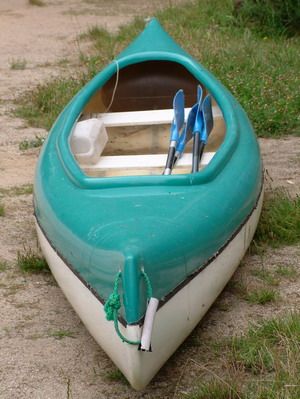
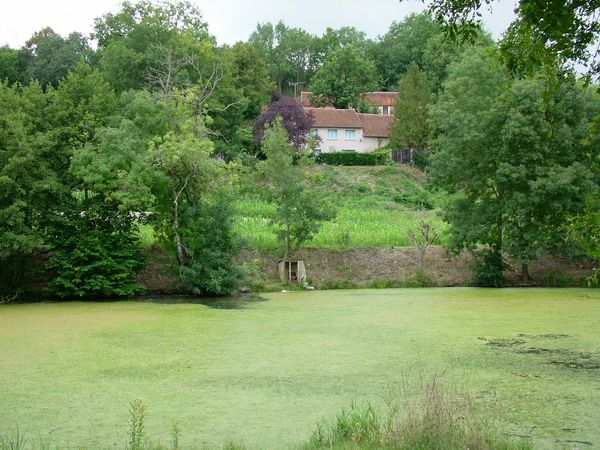
(Fig. 1) Our canoe was a frequent pastime for country life. (Fig. 2) The beautiful scenery along the riverbank.
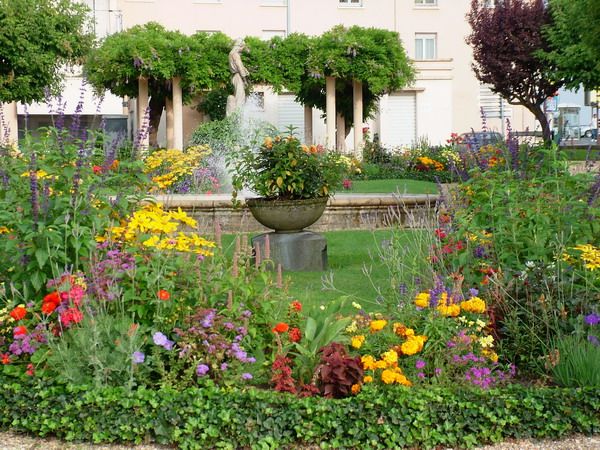
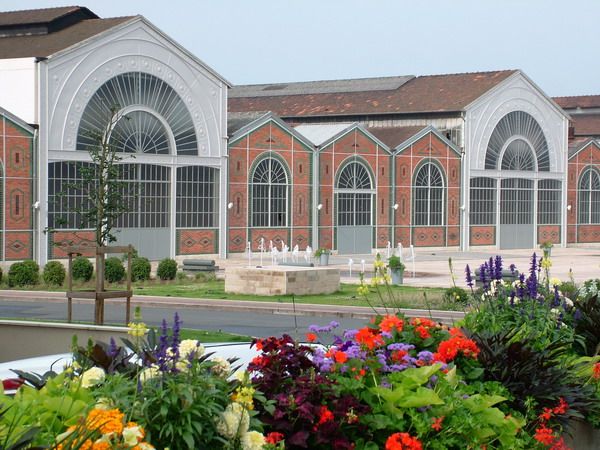
(Fig. 1) Vierzon is a city lush with flowers and trees. (Fig. 2) The new space replacement of the old agricultural tool factory complex preserves historical memory while serving new functions.
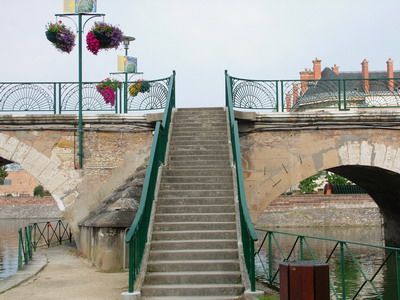
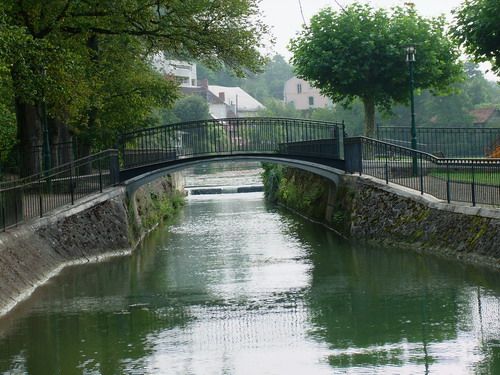
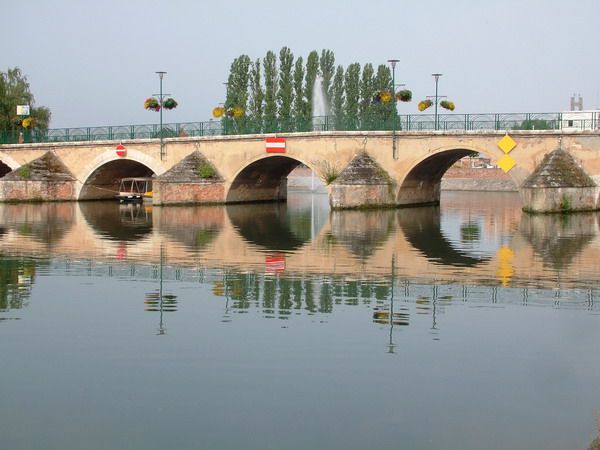
(Fig. 1) Vierzon’s most beautiful Venetian district is a place for strolling and sightseeing. (Fig. 2) A poetic and elegant little bridge between water beds. (Fig. 3) The picturesque bridges crossing the city are quite enchanting.
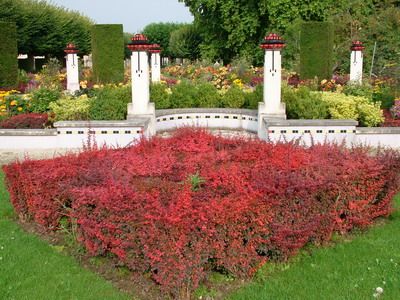
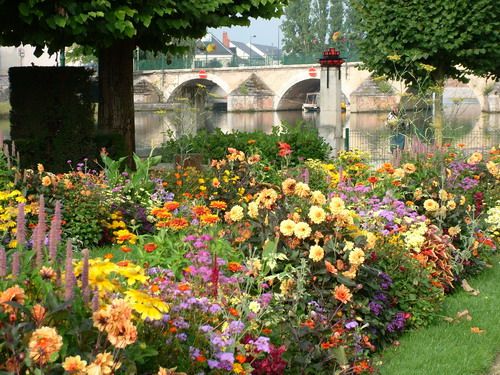
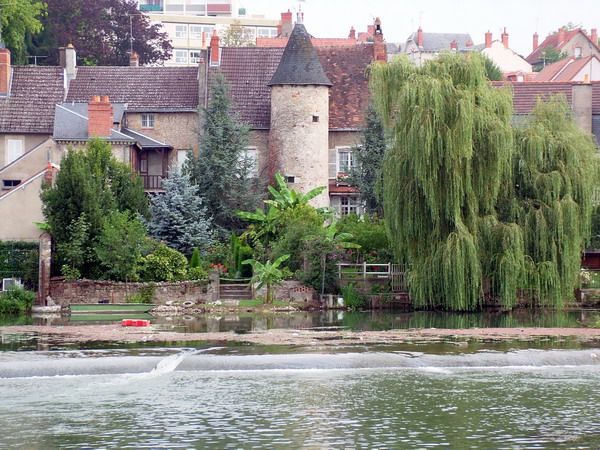
(Fig. 1) Small gardens nestled between riverbeds. (Fig. 2) Colorful gardens are great places for leisurely walks. (Fig. 3) Picturesque scenery by the riverbed.
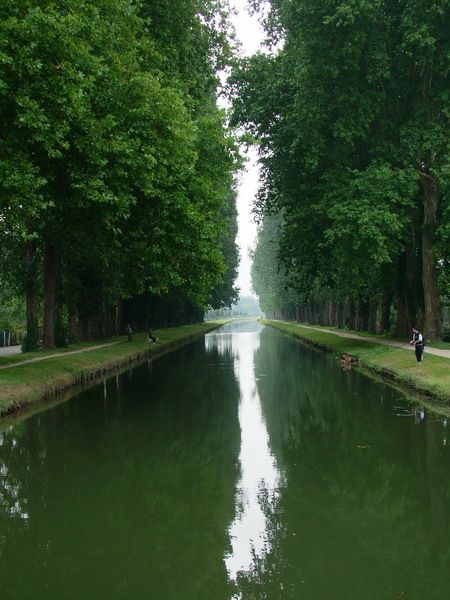
(Fig.) Crossing a small bridge to the bright Berry Canal, there are two large, lush tree-lined paths along the riverbank. On the last weekend, my nephew returned home. We went together to the nearby Cher River, paddling canoes to enjoy the bright scenery. My brother-in-law and I formed one group, and my nephews another, making for a novel experience. Paddling upstream against the current was quite strenuous for me, but we had to paddle in unison. Sometimes we led, sometimes followed behind, admiring the shimmering reflections on the water. This poetic imagery reminded me that my creative inspiration in recent years came from here. These double reflections often captivate the gaze; amidst the undulating waves and illusions of reality and void, isn’t life just like this? We happened upon some fishing fishermen, fish jumping out of the water, and birds flying low over the surface to feed. When we crossed the mirror-like water, ripples spread wave after wave. The bright scenery made me forget the pain of blisters on my hands and the sweat pouring down my back. We traveled upstream for two hours, crossing sandbars, small bridges, windmills, and hanging trees, until we reached the source. Returning downstream was easier, but I was exhausted. Fortunately, my brother-in-law was strong and capable. You see, Parisians are so useless! But under the push of the current, we finally arrived. That night, I ate dinner listlessly and returned to my room to lie comfortably on the bed, reading until I fell asleep quickly. On Sunday, another nephew returned early in the morning. The train only goes to Vierzon, so I accompanied my brother-in-law to the station to pick up his son (actually, I was curious to see the urban scenery of Vierzon). We set off early to have ample time to visit. My brother-in-law is always kind and amiable; we get along like brothers. Every time I go out with him, I gain something. He explains geology when he sees it, and tells me why the Italian poplars by the canal are called Italian poplars, among other things. Arriving in Vierzon, guided by him, we walked along the Berry Canal, which resembles Venice, and by the riverbed. Beautiful arch bridges span the shimmering water beds. At the canal entrance, it splits into a small island garden lush with flowers and trees. Enchanting buildings (churches and small castles) surround the large water beds. Crossing a small bridge leads to the bright Berry Canal, with two large, lush tree-lined paths along the riverbank and some fishermen. This place is an excellent space for residents and tourists to travel or stroll. We also passed a series of perfect nineteenth-century agricultural tool factory complexes. In front of them are a series of fountains, marble seats, and gardens, now transformed into idle public spaces. One museum and film city caught my attention. These are successful cases of postmodern idle space and functional conversion. When will my hometown truly enter such practices and spatial redevelopment of historical buildings?