Unique Goat Cheese
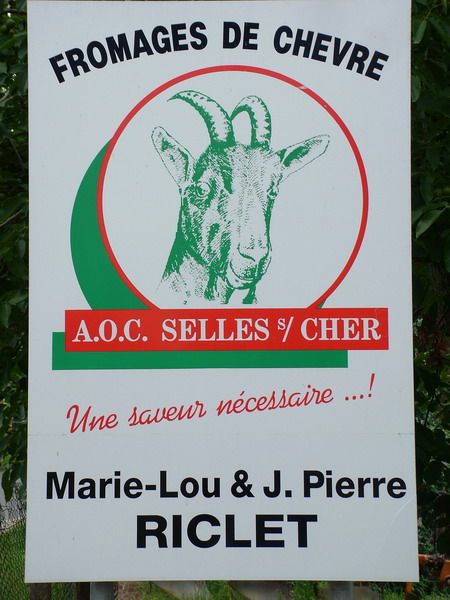
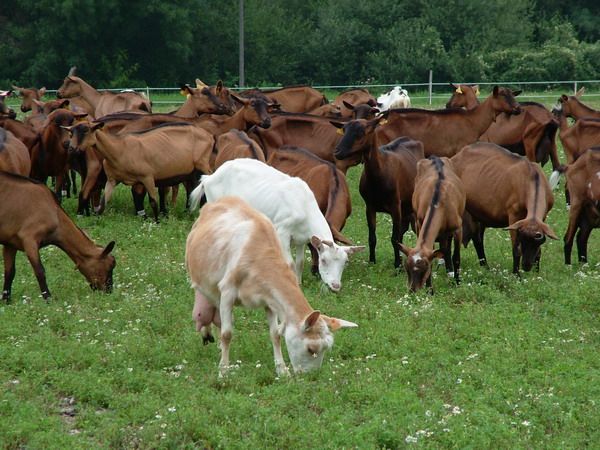
(Top) Traditional artisanal goat cheese farms are located within the farm. (Bottom) The Selles sur Cher goat herd.
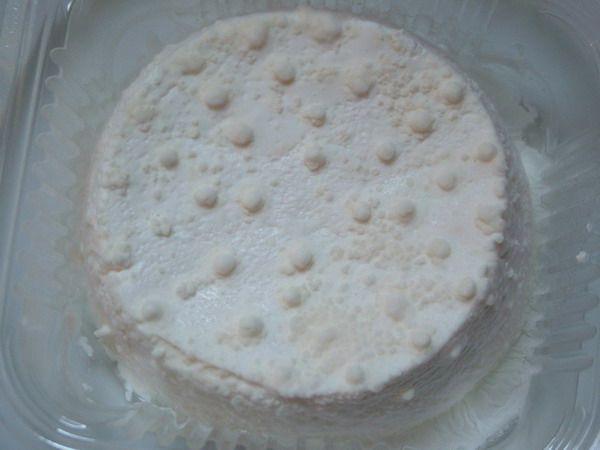
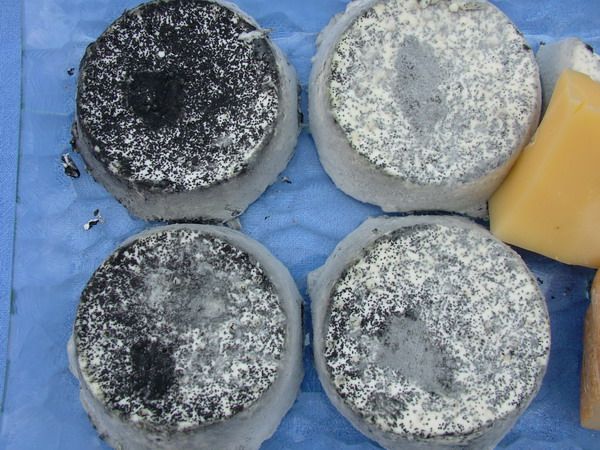
(Top) Pure white Selles sur Cher goat cheese. (Bottom) Selles sur Cher goat cheese with pale blue mold. When I first arrived in France, I was always curious. What remains unforgettable is French cheese; at the time, I couldn't figure out what it was. Every time I passed a cheese shop, there were long queues outside the windows filled with an dazzling array of cheeses. Most were made from cow's milk or sheep/goat's milk using traditional methods, though some popular varieties were industrial products. Cheeses come in various forms (large wheels like large, medium, and small cartwheels; small ones like candies, round, triangular, square, and bar shapes, etc.) and colors (white, off-white, yellow, golden, orange-red, orange, light blue, etc.), textures (hard, soft, dry, wet, thick, etc.). They are generally quite salty. Some have shiny rinds, while others have moist, wrinkled rinds that develop mold, all emitting their unique scents. Especially Camembert, which has a milky aroma mixed with a hint of ammonia smell; compared to Taiwan's stinky tofu, it is even more pungent and intoxicating. In France, there are many gourmets who love this. As for me, I would retreat three paces upon smelling this unique flavor. Someone joked that I hadn't integrated into French society yet. Of course, those who prefer strong flavors find it an excellent delicacy, while those who like mild and gentle tastes choose cheeses with yellow or orange rinds. Actually, I am not a devout follower of cheese. After several years, I slowly began to like some milder cheeses, but I still cannot stomach the strong-flavored ones. However, if served as part of other dishes, there is no problem. Cheese fondue is another matter entirely. Perhaps this is a cultural difference, just like how many French relatives and friends avoid Chinese stinky tofu as if it were something dangerous.
Every year, when I come to Selles-sur-Cher for a vacation in this sunny countryside, the neighboring farm is a local traditional cheese production site. In the past, goats were raised within the farm. Every morning, the shepherd would drive a flock of goats past my uncle-in-law's house. Their bleating sounds and scattered pellet-like droppings on the rural paths created a poetic and picturesque scene. Now, the goat farm has moved to wide fields not far from the village, no longer disturbing villagers' dreams and environmental hygiene, and changing the rural symphony of the village. Once leaving the village, one often sees flocks of goats grazing on the fresh green pastures. This novel rural scenery often attracts passing tourists to stop and look, and I am no exception. Every morning during my walk or stroll in the countryside, I always greet the goats.
When visiting Selles-sur-Cher, meals must include this wild-flavored goat cheese. This very elegant, authentic round cheese (resembling a small mooncake) comes in three types: freshly made, it is pure white (edible then, with delicate fragrance and soft texture); later, black charcoal powder and coarse salt are applied to the rind and stored in cool cellars. After one or two weeks, a pale blue mold develops on the surface, making the taste milder, smoother, and richer. Finally, with further aging, it becomes drier, with a distinct moldy flavor in the dairy taste. These stages depend on personal preference. The best way to eat it is to consume the skin and mold together, which is even more charming. It pairs well with country bread and regional red wine to enhance the flavor and texture.
Selles-sur-Cher goat cheese has been produced since 1887 by farms in this region (namely Berry, Sologne, and Vallee du Cher) using surplus raw goat's milk and a purely traditional secret recipe. Two liters of goat's milk produce only one cheese. Today, Selles-sur-Cher goat cheese is famous near and far. People can buy it in special cheese shops in Paris or enjoy it in high-end restaurants. Among all French cheeses, Selles-sur-Cher goat cheese is the one I uniquely favor.