Paris Prices Soar
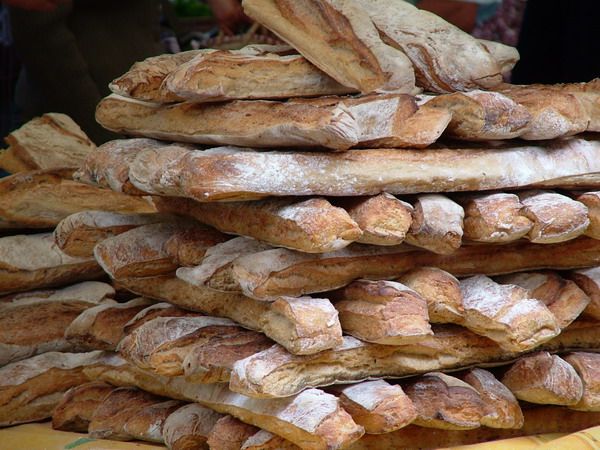
(Image) Bread is the staple of the French; without it, revolution begins.
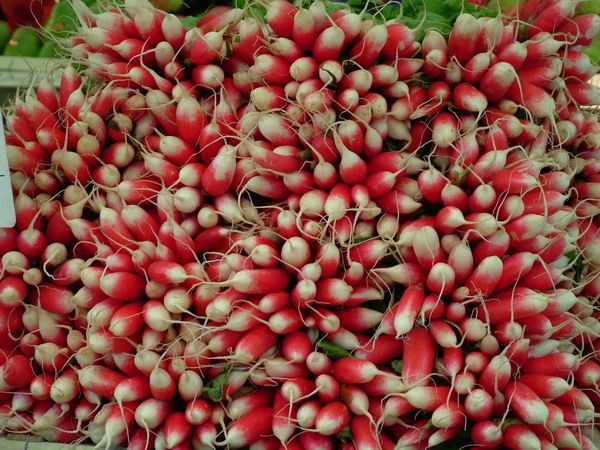
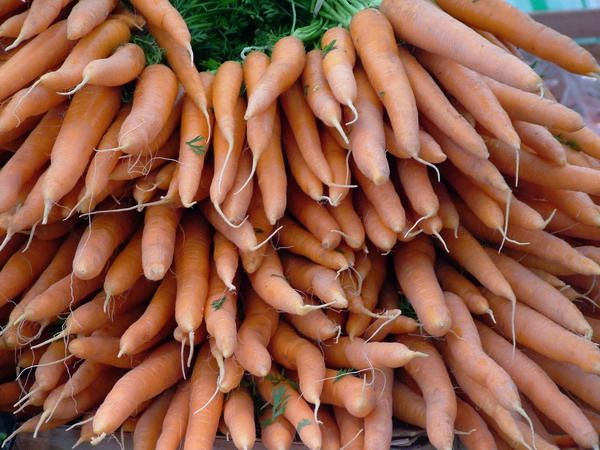
(Image) If Americans can’t afford cauliflower, carrots will do. Every summer vacation begins on July 1 with a five percent hike in Paris metro fares, becoming a ritual of Parisian life (as prices rise by the same ratio annually). Now at €11.20, people are too busy vacationing to worry about prices during the summer. Since the adoption of the euro, everything has clearly risen. When francs were converted to euros, there was an abundance of change, so it seemed as if amounts were broken down into smaller units. After the euro, everyone’s purchasing power shrank (currency value increased), and pockets filled with more coins. At supermarkets or markets, people often pick out piles of change to count at the counter. Fortunately, the French have patience and the virtue of standing in long lines, witnessing rising living costs every time they shop.
After summer, media outlets forecasted soaring consumer price indices. This year, due to climate issues, wheat production dropped, and international oil prices skyrocketed (from €60 to around €81). The euro leads other currencies, with €1 equal to $1.42 USD (unprecedented), deeply affecting EU economic growth and foreign trade. The euro-to-TWD exchange rate rose from 29 TWD to around 46 TWD (unimaginable, making life harder for Asian students or increasing living costs). In this global economic context, careful calculation reveals that €1 now equals the past value of 1 franc. However, French salaries haven’t adjusted with inflation. Everyone’s money shrinks, evident in housing and rent indices.
Daily visits to bakeries show baguettes rising significantly, from €0.75 to nearly €1 or even €1.30, varying by shop. Some industrial frozen breads aren’t handmade daily and are cheaper in supermarkets. If original-priced loaves shrink naturally, toast bread rose from €4.50 to €5.90 (price increases similar across shops). Is it nearing the point where bread becomes unaffordable?
At supermarkets or markets, rising price indices are visible. Imported fruits and vegetables are usually cheaper than local ones but have quietly risen. Bananas cost nearly €1 per kilo (expensive in mobile markets, cheap here); apples rose from €0.50 to over €1 per kilo. Vegetables like Chinese loofah went from negligible to €2.50 per kilo; green or red peppers near €4; American cauliflower soared to nearly €5 per kilo (more expensive than bitter melon in China); lettuce costs at least €1 each. Fish and meat prices also surged. Generally, fish is more expensive than meat. In Paris, one can still see fishing stalls in mobile markets, but city fish shops have closed. Most French people don’t eat fish or can’t afford it. Meat is mostly bought in supermarkets (replacing independent butcher shops), often on sale. A recent poll showed a quarter of French people think fruit, vegetable, and fish prices are too high to buy or eat. Many replace them with refrigerated vegetables (convenient and cheap), making refrigerated produce a current lifestyle.
Amid soaring agricultural prices, Prime Minister François Fillon remained optimistic in an interview, saying, “I don’t believe there will be much inflation in the near future or in 2008.” Political confidence speeches or empty talk have little effect on those facing reality. Remember last week’s dramatic Italian protests against pasta prices rising over 200 percent, yet people still had to accept reality. Rising prices aren’t just a French issue; it’s a clear global trend. Who controls the cost of living in today’s globalized economy? Under global capitalism, who gains the most benefit? Recently, monks led Myanmar citizens to protest soaring prices and authoritarian rule, showing prices are a source of social unrest (freedom and democracy are secondary values). The lesson from Marie Antoinette’s joke “Let them eat cake” is clear. Bread and freedom/democracy are precious dignities. Unfreedom means death; without basic food, death is inevitable.