The Major Artistic Hubs of Mannerism – Florence and Rome
(Fig. 1) The Virgin with the Long Neck, Parmigianino, 1534-1535, 219x135 cm, Uffizi Gallery, Florence, Italy. (Fig. 2 Left) Lamentation, Rosso Fiorentino, c. 1532-35, 127x163 cm, Louvre Museum, Paris. (Fig. 2 Right) Lamentation, Lotto, 1508, 80x80 cm, Ita…
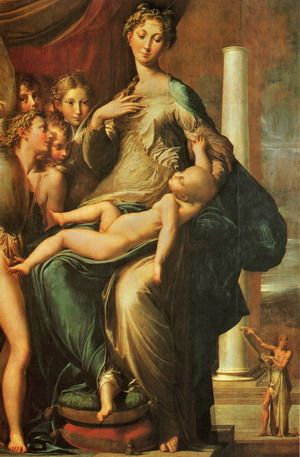
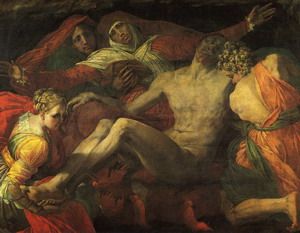
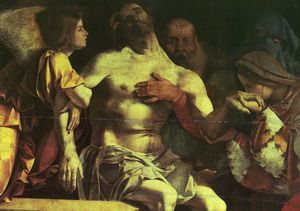

(Fig. 1) The Virgin with the Long Neck, Parmigianino, 1534-1535, 219x135 cm, Uffizi Gallery, Florence, Italy. (Fig. 2 Left) Lamentation, Rosso Fiorentino, c. 1532-35, 127x163 cm, Louvre Museum, Paris. (Fig. 2 Right) Lamentation, Lotto, 1508, 80x80 cm, Recanati Art Museum, Italy. (Fig. 3) The Gardener, Arcimboldo, 1590, 35x24 cm, Folk Art Museum, Cremona, Italy.
Mannerist art was born in Florence, Italy, pioneered by Florentine painters Rosso Fiorentino and Pontormo. It then spread to Siena, where it was continued by painter Beccafumi. In Rome, it centered on painters from Raphael’s studio, particularly led by Giulio Romano. In southern Italy, Naples featured Parmigianino and Correggio as representative figures. These artists each had their own unique styles; early on they referenced Michelangelo’s art and were deeply influenced by him, later coincidentally combining the artistic features of da Vinci and Raphael.
After the Sack of Rome in 1527, Roman Mannerism scattered, giving rise to regional Mannerist schools. By the mid-sixteenth century, Mannerism had become institutionalized. Starting in Italy, it expanded to Spain, France, and Flanders, reaching the German Holy Roman Empire, and finally Prague (Budapest), where the Mannerist movement ended, especially in the magical fantasy paintings of Giuseppe Arcimboldo. Mannerism did not significantly impact the Venetian School because Venice focused on maritime commercial power, keeping its art independent. Only the artist Lorenzo Lotto was an exception, but this Venetian painter’s talent did not develop within the Doge’s Palace. Furthermore, El Greco in Toledo, Spain, brought Mannerist art to a close.