Reform and Strikes
(Image) Paris descends into chaos whenever public transport strikes. Image from yahoo.com.tw. Demonstrations and strikes are commonplace in French social movements...
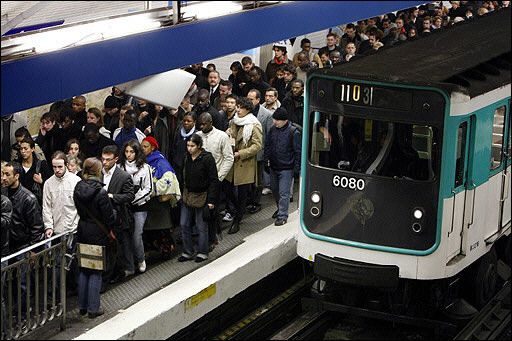
(Image) Paris descends into chaos whenever public transport strikes. Image from yahoo.com.tw. Demonstrations and strikes are commonplace in French social movements; they serve as strategies and channels for class struggle. France’s social welfare and institutions can be described as the spoils or results of this class conflict. All hard-won social benefits are achievements constructed by unions and workers through a century of blood, sweat, and toil, never gifts bestowed by employers or the government.
Protest is an unavoidable battle and means; strikes or hunger strikes escalate to the peak of combat. Revolution becomes another choice for utopia. Where there is oppression, there is resistance. Resistance builds combat power; the heavier the pressure, the stronger the resistance, in proportions that are unimaginable. The art of combat lies in achieving negotiation and dialogue, resolving confrontational situations, further securing mutual compromise to build new relationships and create a harmonious society.
Last week (November 13–23), France was plunged into an unprecedented but not necessarily final massive strike. All domestic and international transportation networks ground to a halt, plunging the nation into chaos and severely disrupting overall social order and commercial operations. Lasting nearly ten days, it drove much of France almost crazy. Clearly, this was a battle concerning reform versus anti-reform, particularly fought by special retirement classes in French society (such as railway, metro, electricity, and telecommunications companies) to defend their rights and benefits. This was compounded by the participation of civil servants (educators and tax officials) and judicial personnel and lawyers affected by the government’s judicial reforms, making this social battle more unprecedented and resonant.
This is the largest social movement strike since 1995. At that time, facing similar issues, President Chirac, under the united will of a million-strong crowd, reverted to the starting point and cost the then-Prime Minister his position. Since then, French social reform has been dim, leaving French society unable to keep pace with globalization and trapped in outdated systems.
President Sarkozy actively pursued multi-faceted reform plans upon taking office. The special retirement system posed a major challenge, given the fresh memory of the previous reform failure. However, facing current global circumstances and the pressure of government budget deficits, reform was inevitable; otherwise, it would hinder France’s revitalization. The public clearly understood the inevitability of reform, which explains why over 60% of polls supported it. Yet, reform inevitably harms the interests and benefits of some minorities, making resistance inevitable.
Although reform is justified, strikes are celebrated. They do not oppose the reform system itself but rather the government’s coercive methods, seeking conditions for future negotiation leverage through the power of collective strikes. Social reform under the intense changes of globalization responds to societal needs. Reform always proceeds through channels of dialogue and communication. Compromise is the highest art of democratic reform. The Élysée Palace spokesperson stated: “The Presidentalways believes that negotiation is more beneficial to everyone than conflict.”