Artistic Background of the 19th Century
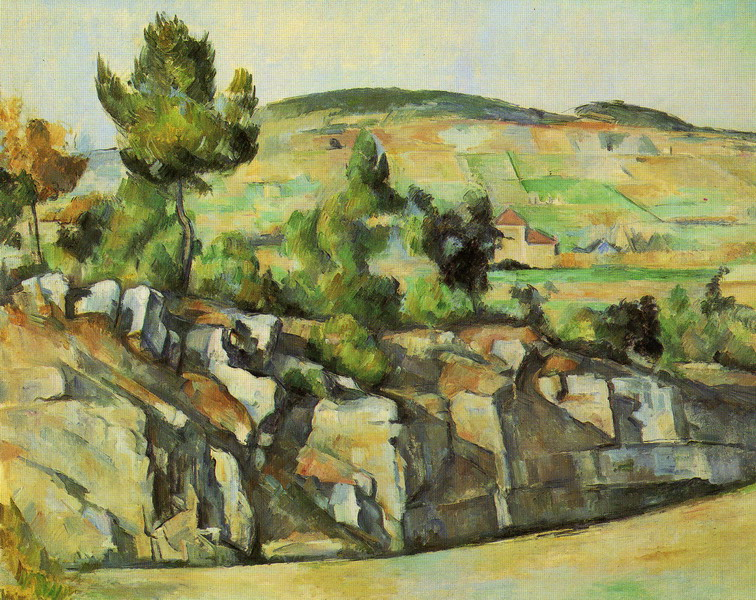
Paul Cézanne, Mountain in Provence, 63.5x79.5 cm, 1886-90, National Gallery, London
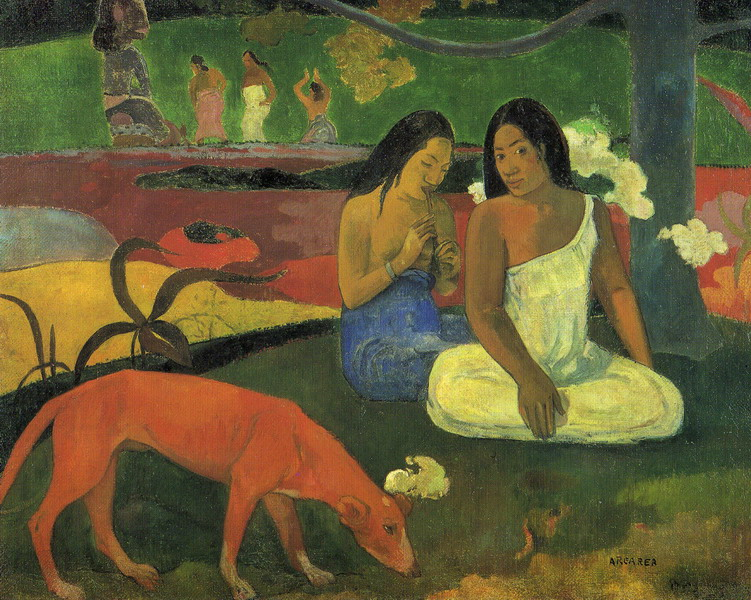

Vincent van Gogh, Siesta, 73x91 cm, 1889, Musée d'Orsay. The 19th century was an era when European civilization entered modernization and reached its peak of hegemony. Inheriting ancient Latin civilization, passing through the Renaissance, and influenced by the positivist philosophical trends of the 17th century and the Enlightenment movement of democratic and liberal thought in the 18th century, it sparked the French Revolution and established preliminary democratic social systems. Furthermore, due to the transformation of socio-economic structures brought about by the Industrial Revolution, the achievements of the 19th-century industrial revolution entered the construction process of modernism, filling the entire European era with optimism and confidence in the future.
As Western political, economic, and social structures underwent comprehensive changes during the process of civilizational development, various intellectual currents and values in human society were affected. In the new social structure and industrial system, the middle class emerged. Art was no exception; gradually liberated from divine and monarchical power, it began to secularize. However, due to the development of civil society, artists also began to serve the art market—the emerging middle class—as free individuals. Under the diverse manifestations of the market, art became more diverse. Especially without the domination of traditional feudal and religious culture, artists could fully express their personal styles. Consequently, what art emphasized was no longer craftsmanship and technique, but individual creation and talent; art no longer served predetermined purposes. Personal style and autonomous art became the highest standards.